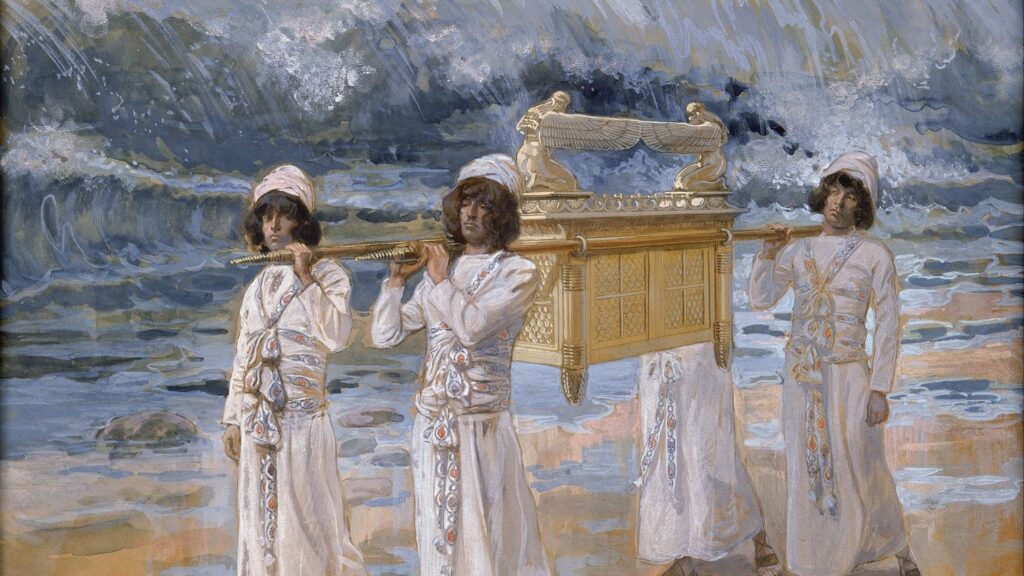

You probably know the image already: a gold-covered chest, blazing with divine power, carried on poles by priests who barely dare to look at it. The Ark of the Covenant sits right at the crossroads of faith, legend, and mystery. It is one of those objects that feels almost too big for history, like it somehow slipped out of time and into myth the moment it vanished.
And that is where you come in. When you ask what really happened to the Ark, you step into a world of competing stories, tangled traditions, and educated guesses. No one can tell you with certainty where it is now – or if it even still exists – but you can walk through the main theories, weigh what little evidence survives, and decide which version rings truest to you. Some explanations are sober and historical, others are wild and romantic, and all of them say as much about human hopes and fears as they do about the Ark itself.
The Babylonian Capture: The Ark Lost in War
If you follow the mainstream historical trail, your journey takes you straight into fire and rubble: the Babylonian destruction of Jerusalem in the sixth century BCE. You have a powerful empire, an angry king, and a besieged city whose temple stores its holiest treasures. It is the perfect moment for a sacred object to vanish. Many historians think you do not need anything more mysterious than that – conquest tends to swallow objects, especially golden ones, without leaving neat paperwork behind.
When you read the biblical accounts of the Babylonian invasion, you notice something eerie: the text lists temple items that were carried off, but it does not clearly mention the Ark at that stage. Some scholars take that silence as a sign that the Ark had already been removed or destroyed; others think it was simply bundled in with other unspecified items. From your perspective, this theory is almost brutally ordinary. The Ark may have been broken apart, melted down, or buried under ruins, its memory preserved while its physical form disappeared, the way many treasures of fallen cities have done through history.
Hidden Before the Invasion: A Secret Temple Cache
Another popular line of thought invites you to picture a tense, last-minute decision. The Babylonian army is on its way, and you, as a priest or temple official, know they will loot everything they can carry. Do you just wait and hope? Or do you hide the one object your entire faith centers on? This theory says the Ark was moved from its visible place in the inner sanctuary to some hidden chamber beneath the Temple Mount, or to a cave near Jerusalem, before enemy soldiers smashed their way in.
Here, you have to lean on hints and later traditions. Over time, Jewish texts and legends evolved about sacred items concealed until a future age of restoration. Archaeology adds another layer: you know the Temple Mount and its underground areas remain largely unexplored, partly for religious and political reasons. This fuels the idea that the Ark might still be sealed away somewhere beneath modern Jerusalem, forgotten by history but not by God. If this theory appeals to you, it is probably because it preserves both the Ark’s survival and its holiness, tucked away like a time capsule waiting for a moment you have not reached yet.
The Ethiopian Claim: The Ark in Aksum
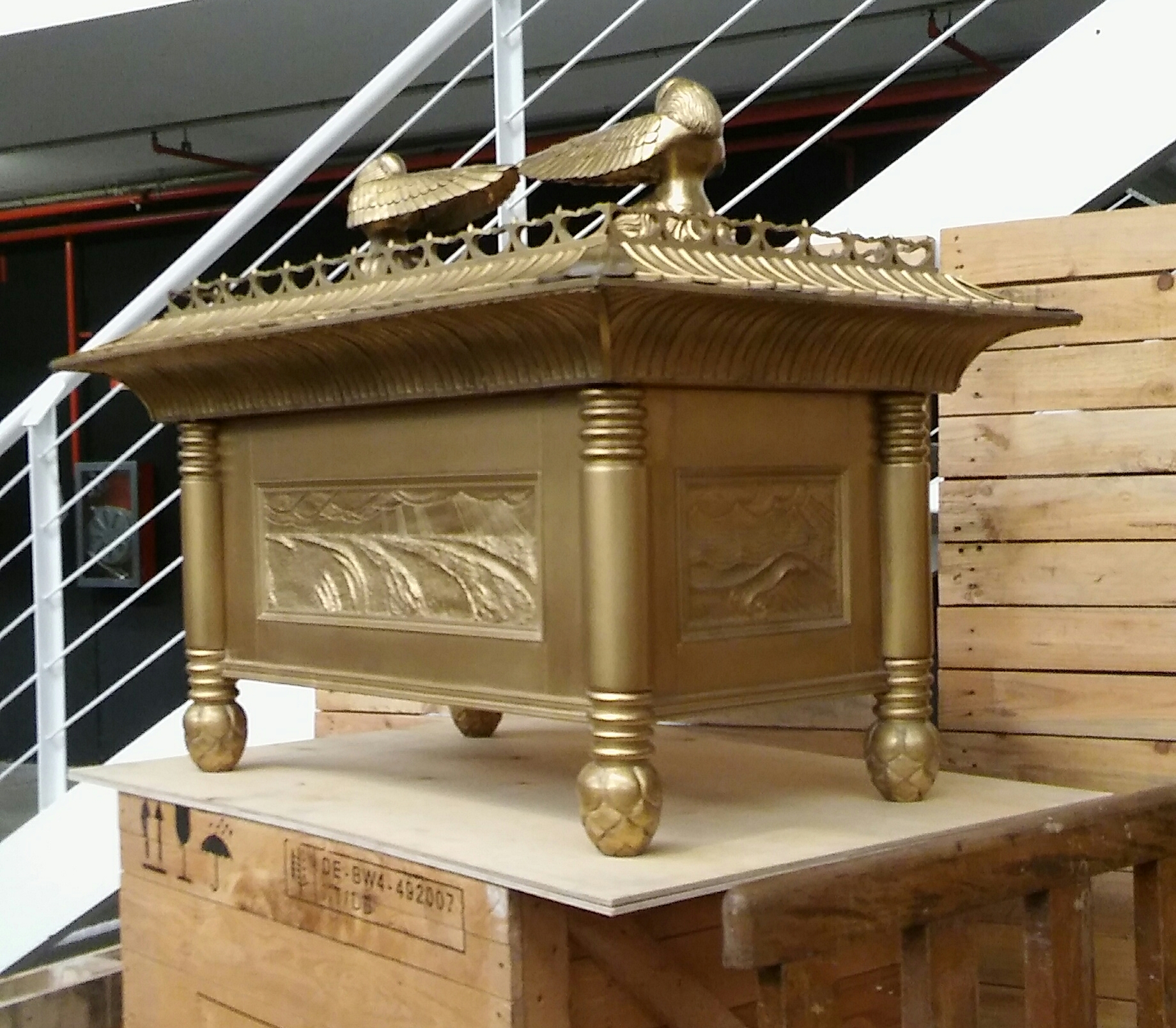
If you want the most living, present-tense tradition about the Ark, your gaze turns toward Ethiopia. There, you are told that the Ark never vanished at all – it simply moved. According to Ethiopian tradition, the Ark was brought from ancient Israel to Ethiopia many centuries ago and now resides in the Church of Our Lady Mary of Zion in Aksum. A single guardian priest, you are told, is charged with watching over it and never leaves its side. You cannot see it, photograph it, or scientifically test it. You are asked to trust.
From your modern, curious perspective, this is both incredibly compelling and deeply frustrating. On one hand, you encounter a community whose spiritual life is tightly woven around the Ark’s presence, with replicas of the Ark (tabots) in many Ethiopian churches. On the other hand, because no independent verification is allowed, you are left with a story you cannot confirm and cannot quite dismiss either. If you lean toward this theory, you accept that some truths, if they exist, might remain locked inside particular religious worlds and not open to outside inspection, at least for now.
The Egyptian Route: The Ark as a Sacred Relic in Exile
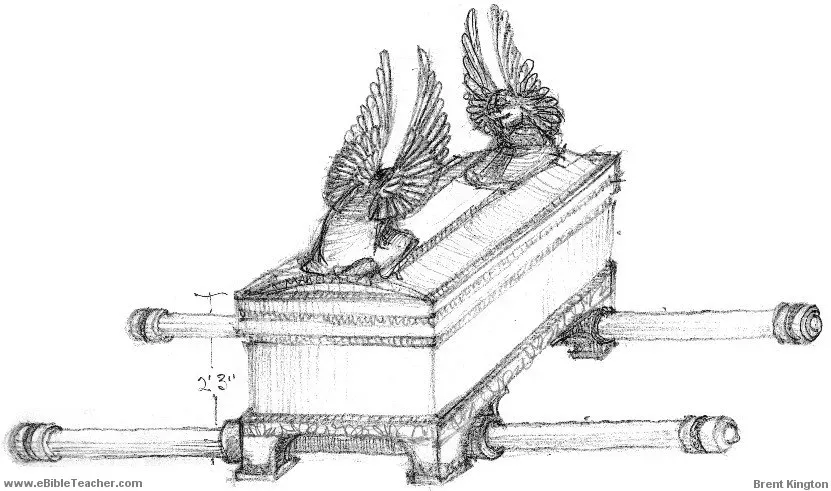
Another path invites you to follow refugees instead of conquerors. In this version, devout Israelites or priests flee south or southwest, carrying the Ark away before Jerusalem falls. A natural destination in many of these speculations is Egypt, a place with a long shared history with the people of Israel, complex relationships, and trade routes that would have made travel at least possible. From there, some thinkers imagine the Ark traveling deeper into Africa through communities along the Nile.
When you examine this theory, you see how it tries to bridge gaps between known trade networks, scattered traditions, and the simple human instinct to save what you treasure most. There is not strong archaeological proof that the Ark ended up in Egypt, but the idea benefits from plausibility: people in crisis do move, and they carry small, portable sacred objects with them. For you, the Egyptian route might symbolize the Ark slipping from imperial history into the quieter, undocumented movements of refugees, never fully lost but also never again publicly displayed.
The Temple Reconstruction Problem: An Ark Already Missing
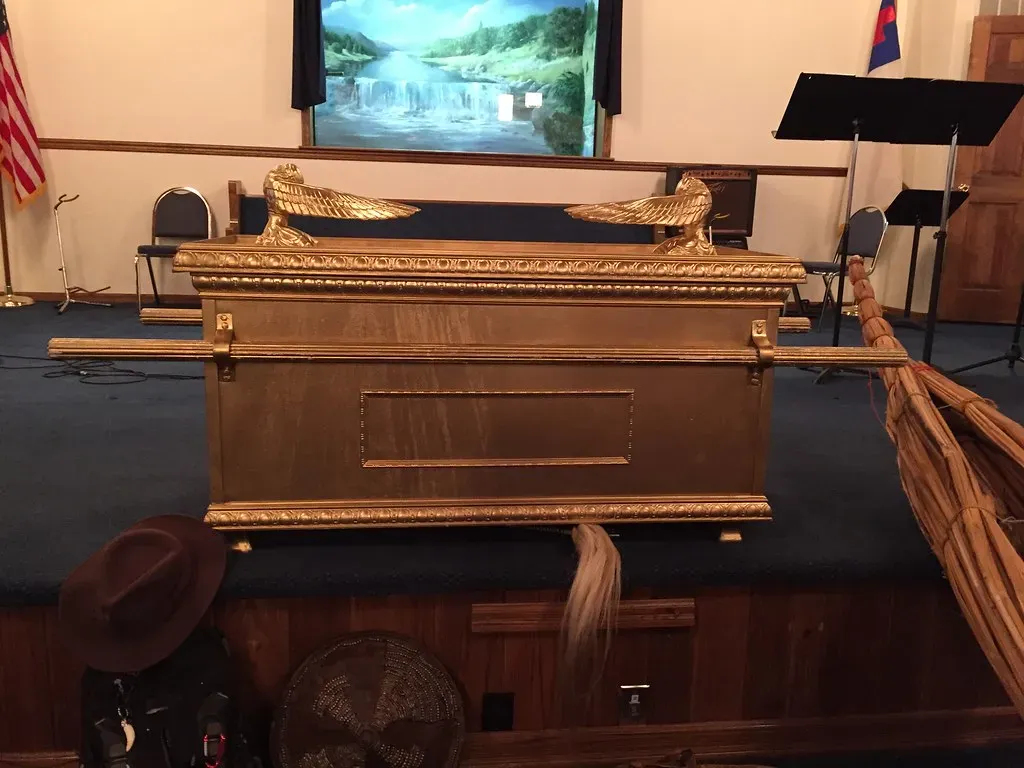
One of the most sobering clues you have is not about where the Ark went, but about what was missing when the Jewish people returned from exile. When the Second Temple was built in Jerusalem, historical and rabbinic traditions suggest that certain sacred items were no longer there, and the inner room – the Holy of Holies – stood empty of the Ark. That implies that by the time of that reconstruction, the Ark was already gone, and its absence was simply something you had to live with.
This pushes you toward a quiet but powerful conclusion: whatever happened to the Ark, it likely took place well before later periods you might be tempted to explore. If you accept this, then romantic stories about it being paraded around or used in later wars start to feel unlikely. Instead, you are looking at a disappearance so complete that even people determined to restore their temple could not reverse it. That forces you to see how traditions adapt when a central object of worship is no longer physically present, turning memory and text into a new kind of Ark that you can still carry, even without gold and wood.
A Symbolic Transformation: The Ark as Sacred Memory, Not an Object
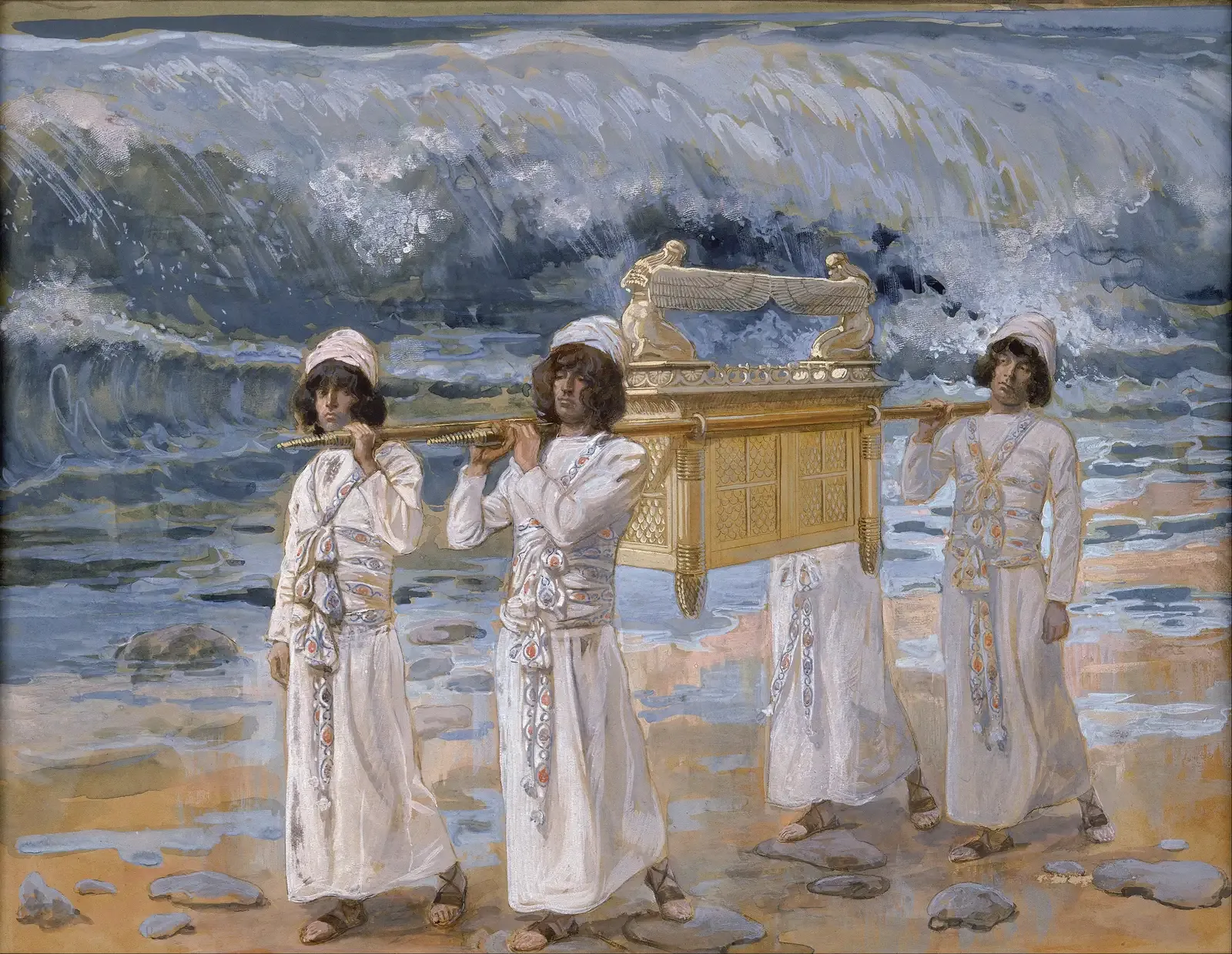
At some point, you might find yourself stepping back and asking whether the Ark’s physical survival is even the main issue. Over time, the Ark became a symbol as much as a box: it represented divine presence, covenant, law, and a bridge between heaven and earth. Once you recognize that, you can see how the religious imagination might carry on perfectly well even if the physical Ark was destroyed in a fire, dismantled, or forgotten in a storage chamber thousands of years ago. In this view, the Ark did not just vanish – it transformed into story and theology.
If you lean into this theory, you shift from searching old stones to reading texts and traditions. You notice how the Ark’s image appears in prayers, art, and interpretations about God dwelling among people. The lack of a clear ending in the historical record becomes part of its power for you. A lost object lets every generation ask its own questions: Where is God now? How is the covenant kept when you do not have a golden chest to point to? In that sense, you keep encountering the Ark every time you wrestle with those questions, even if the original artifact has long since returned to dust.
The Knights Templar and European Legends: Medieval Myths and Hidden Vaults
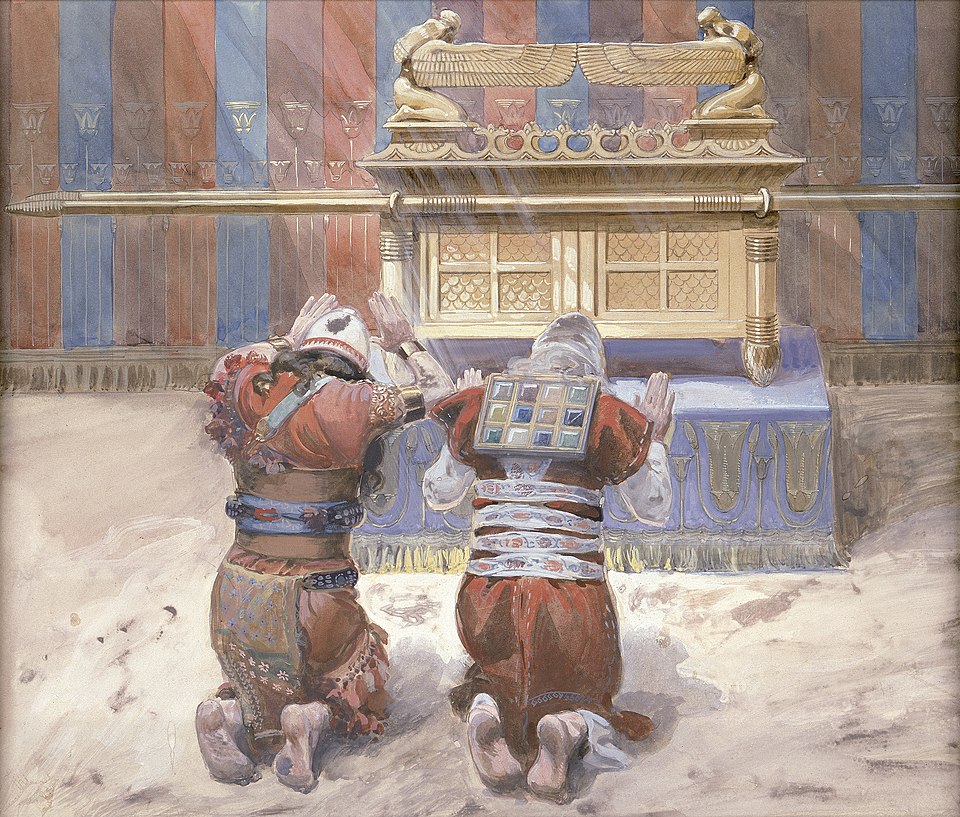
If your imagination loves secret tunnels and hidden vaults, medieval Europe offers you a whole new set of stories. Over the centuries, tales grew up around the Crusades and the Knights Templar, suggesting that the Ark might have been discovered in or near the Temple Mount and then secretly transported to Europe. From there, the legends branch wildly: some place it in French castles, others in British churches or remote chapels guarded by mysterious orders. These narratives blend religious longing with the appeal of conspiracies and coded clues.
When you step back and examine the evidence, though, you find mostly rumor, later romantic writings, and symbolic associations rather than solid historical documentation. For you, these stories function almost like medieval fan fiction layered onto an ancient mystery. They tell you what people in those later centuries wished had happened: that their own lands had become the new guardians of something unimaginably holy. Even if you do not accept this theory as historically likely, it lets you see how each era rewrites the Ark into its own landscape, turning distant sacred history into a local secret treasure hunt.
The Complete Destruction Theory: The Ark That Truly Vanished
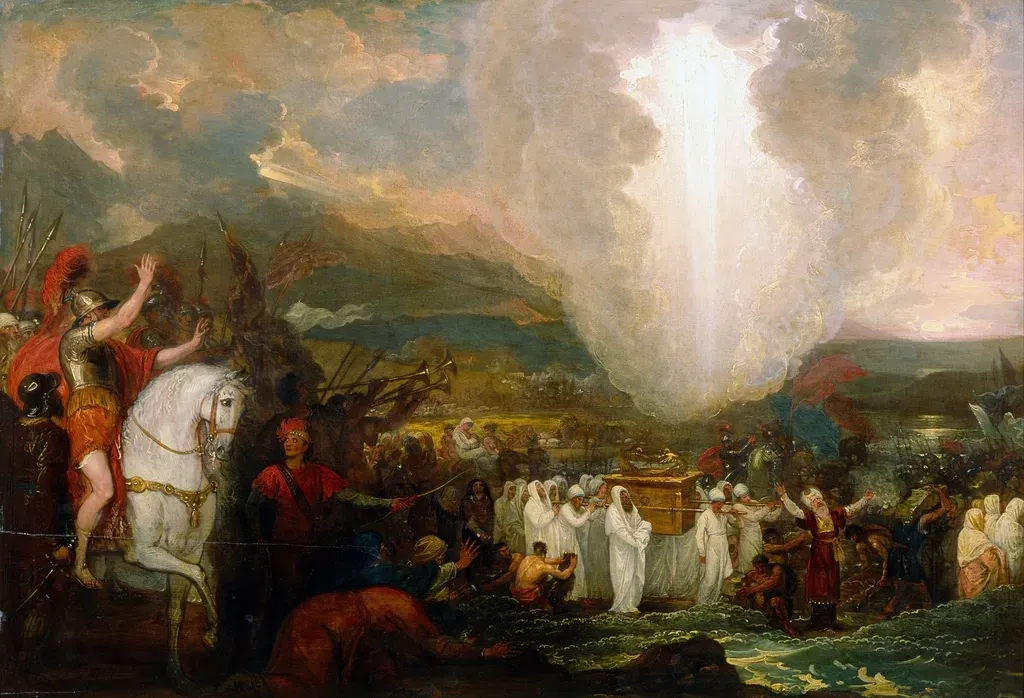
The most unromantic theory is also, in many ways, the most honest: the Ark might simply have been destroyed. Wood rots, gold is reusable, wars are cruel, and invaders rarely show respect for the religious objects of their enemies. In this view, you are not dealing with a miraculous disappearance so much as the standard fate of valuable artifacts caught in the path of empires. The Ark could have been burned, broken apart, or dismantled for its materials, leaving nothing recognizable behind.
If you allow yourself to consider this seriously, it changes how you read the mystery. Instead of chasing a hidden chest, you focus on the survival of the story itself. The fact that you are still talking about the Ark now, thousands of years later, suggests that its lasting impact is not tied to whether a particular box still sits in a particular chamber. For you, this theory can feel devastating at first, but strangely freeing after that. It invites you to accept that some sacred things leave no physical trace at all, and yet still manage to shape how you think, believe, and hope.
Conclusion: Why the Ark’s Disappearance Still Grabs You
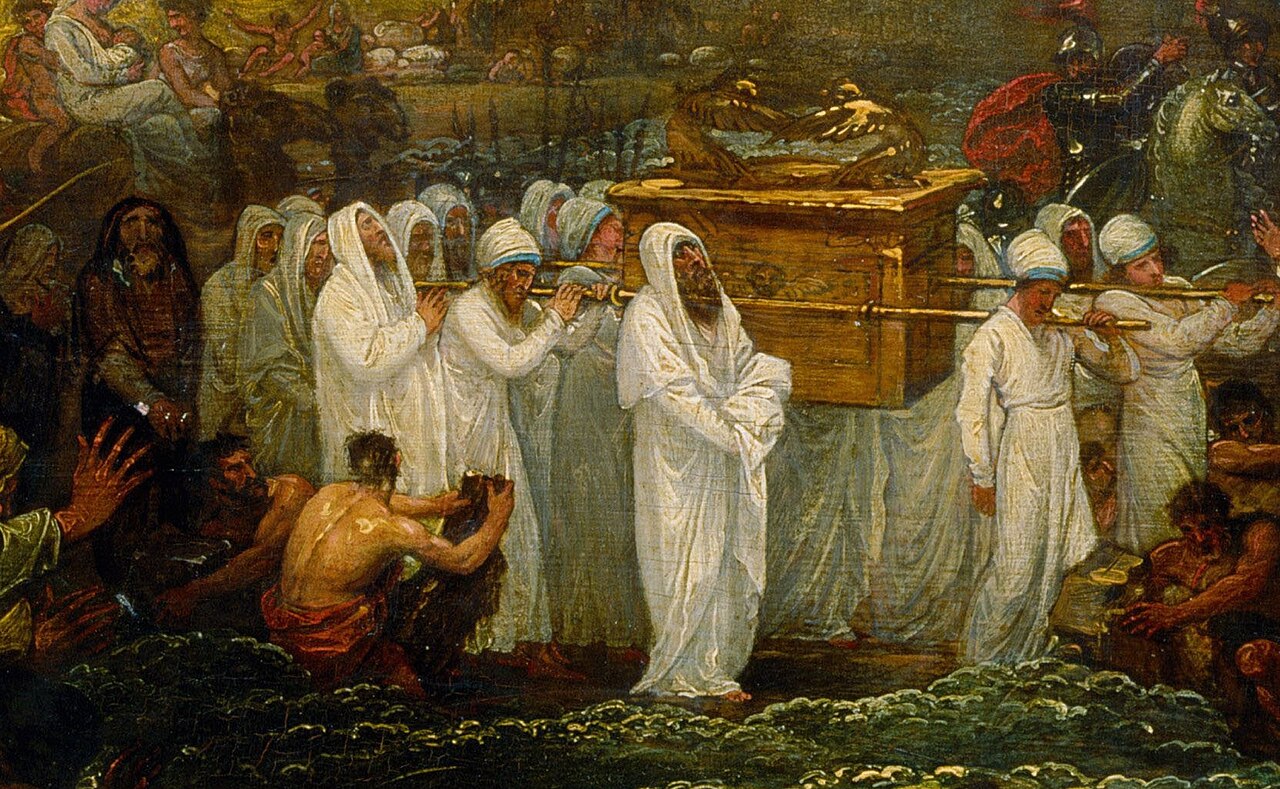
When you pull back from all eight theories, you notice something important: every explanation you just walked through tells you as much about human longing as it does about the Ark. You saw the Ark as a war prize, as a hidden treasure, as a living presence in Ethiopia, as a refugee relic, as a symbol reborn in memory, as a medieval obsession, and as an artifact that might have vanished completely. None of those options comes with airtight proof, and yet each one draws out a different side of what you hope the world is like – orderly, miraculous, just, or at least meaningful.
In the end, you are left holding a question more than an answer: do you need the Ark to exist somewhere today for its story to matter, or is the enduring mystery itself the real source of its power for you? Maybe the Ark’s greatest legacy is that it keeps you curious, nudging you to look beneath ruins, behind legends, and inside your own ideas about what it means for something to be holy. If you had to choose right now, which theory feels closest to the truth you can live with – and what does that choice say about the kind of world you believe you inhabit?