
Imagine waking up tomorrow to a sky filled with violent radiation, electronics failing worldwide, and the upper atmosphere slowly being stripped away into space. That’s not a movie plot; that’s roughly what Earth would face if our magnetic field suddenly vanished. Invisible and silent, this shield is the unsung bodyguard of every living thing on the planet, from deep-sea microbes to you reading this right now.
The magnetic field doesn’t ask for attention, which is probably why most of us barely think about it. Yet it has shaped Earth’s history, our climate, our technology, and even the direction pigeons fly. Once you see how deeply this hidden force touches everyday life, it’s hard not to feel just a little bit humbled that we’re here at all.
The Hidden Force Wrapping Our World
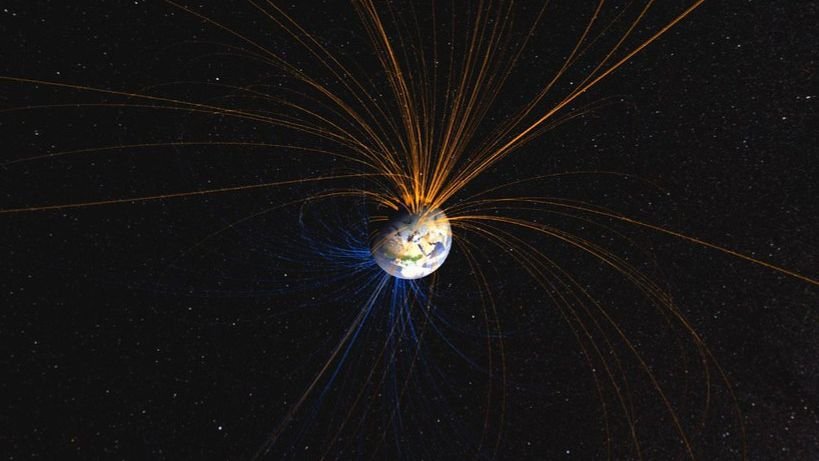
It’s easy to forget that Earth is basically a giant magnet. Surrounding the planet is a vast, invisible bubble of magnetism called the magnetosphere, stretching tens of thousands of kilometers into space on the side facing the Sun and trailing like a comet’s tail behind us. If you could see it, the sky would look like Earth was wrapped in a shimmering, protective cocoon.
This magnetic shield is strongest near the poles and weaker near the equator, but it completely dominates the space environment around Earth. Charged particles streaming from the Sun slam into this shield every day, and most never come close to the surface. Without this protective bubble, the upper atmosphere would be exposed directly to the solar wind, and over long timescales, we’d slowly bleed away the very air we breathe.
How Our Planet Turns Molten Metal Into a Shield
The magnetic field starts deep under our feet, far below the crust and mantle, in the outer core. There, super-heated liquid iron and nickel swirl and churn like a slow-motion ocean of metal. Because this metal conducts electricity, its motion generates electric currents, and those currents create a magnetic field – this process is called the geodynamo. In a way, Earth is running a natural power plant that never shuts off.
Over time, the pattern of flow in this molten metal can change, and with it, the strength and shape of the magnetic field. The field isn’t perfectly stable or perfectly aligned with the rotational axis; in fact, the magnetic poles wander and sometimes drift hundreds of kilometers over a human lifetime. Still, as messy and turbulent as the core is, it’s astonishingly reliable on the timescales that matter for life; it has kept a magnetic shield running for billions of years.
Deflecting a Constant Storm of Solar Radiation
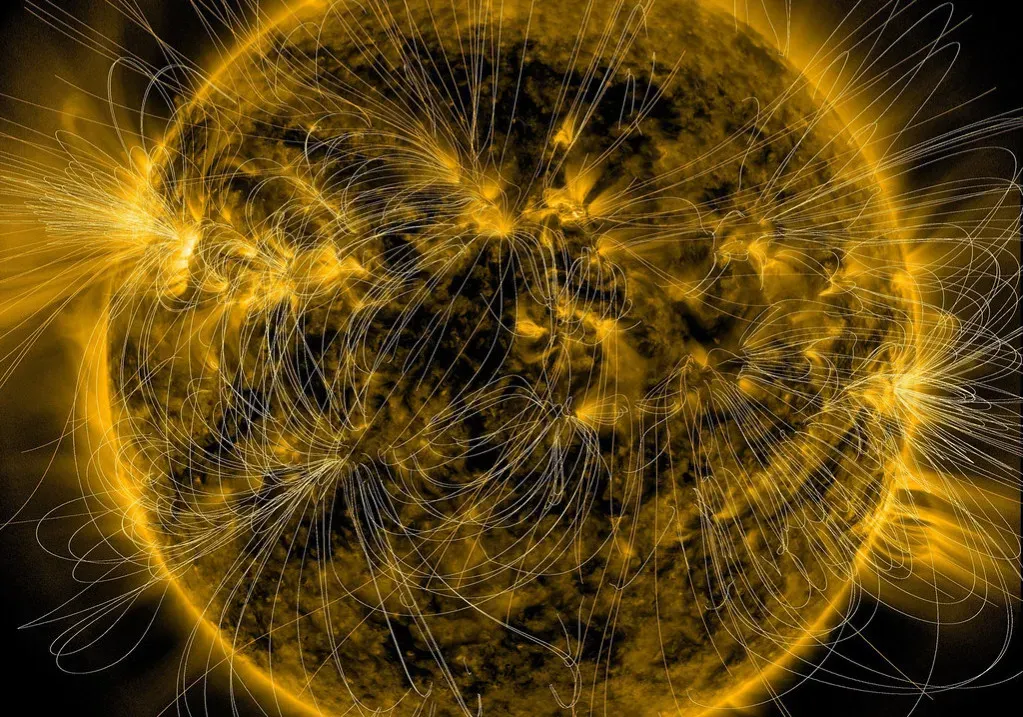
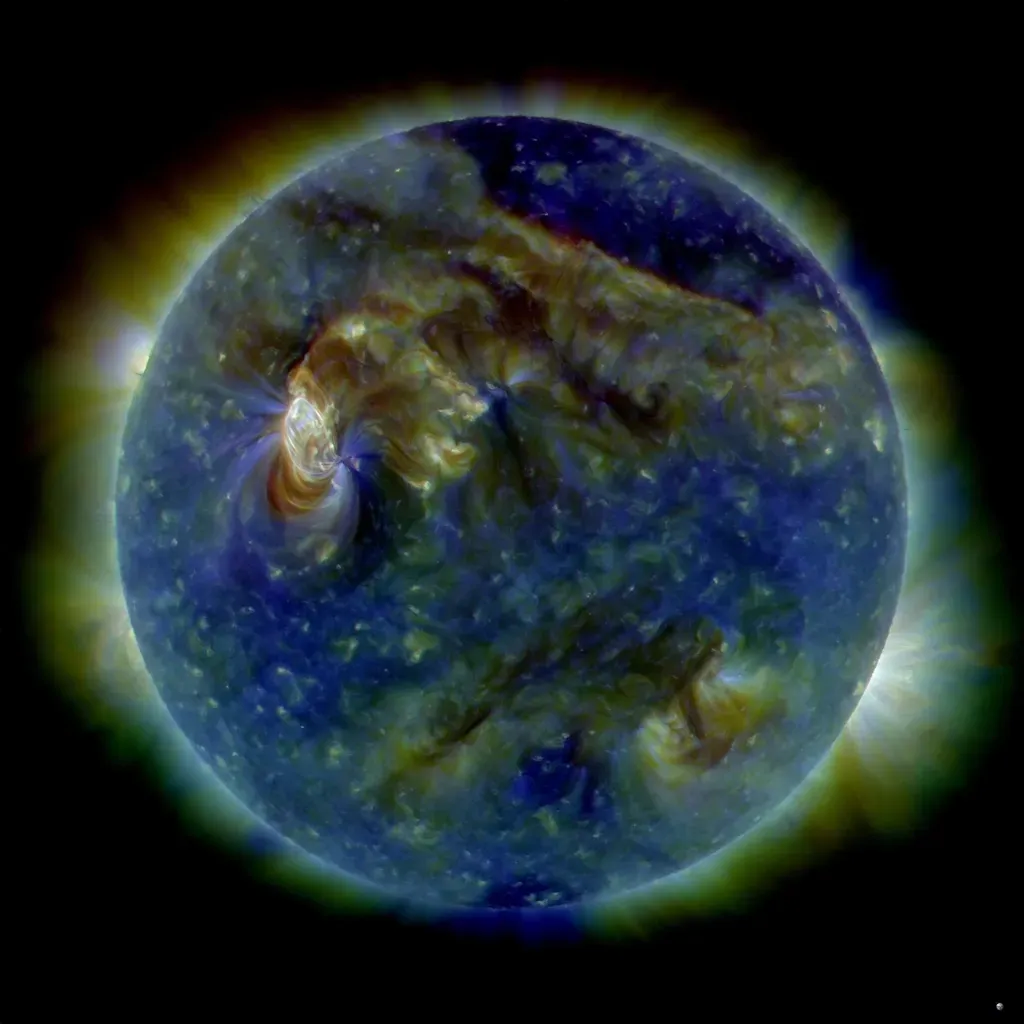
The Sun may look gentle from Earth, but it’s constantly blasting out a stream of charged particles called the solar wind. These particles travel at hundreds of kilometers per second, and when they reach Earth, the magnetosphere intercepts them. Most of the particles are diverted around our planet like water flowing around a rock in a river, never reaching the surface.
During solar storms and coronal mass ejections, the particle flow can intensify dramatically. When that happens, parts of the magnetosphere get compressed on the sun-facing side and stretched on the night side, storing energy like a rubber band. Eventually, some of that energy is released, and particles are funneled down along magnetic field lines toward the polar regions, where they collide with atoms in the atmosphere – and that’s when the sky lights up.
Auroras: Beautiful Proof That the Shield Is Working
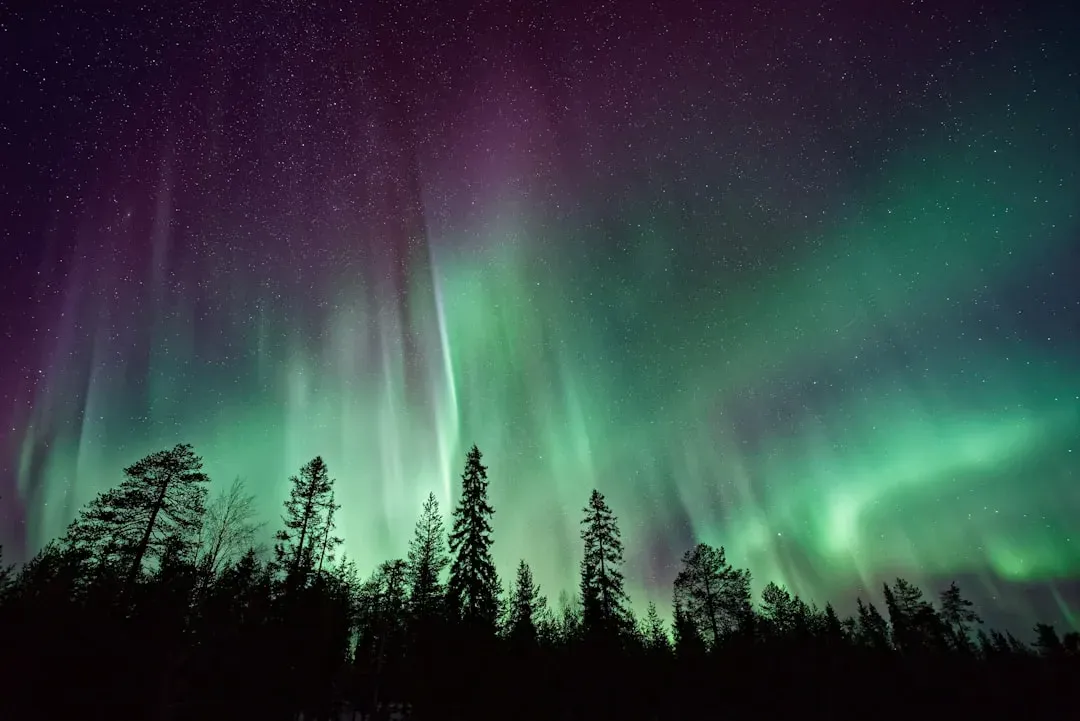
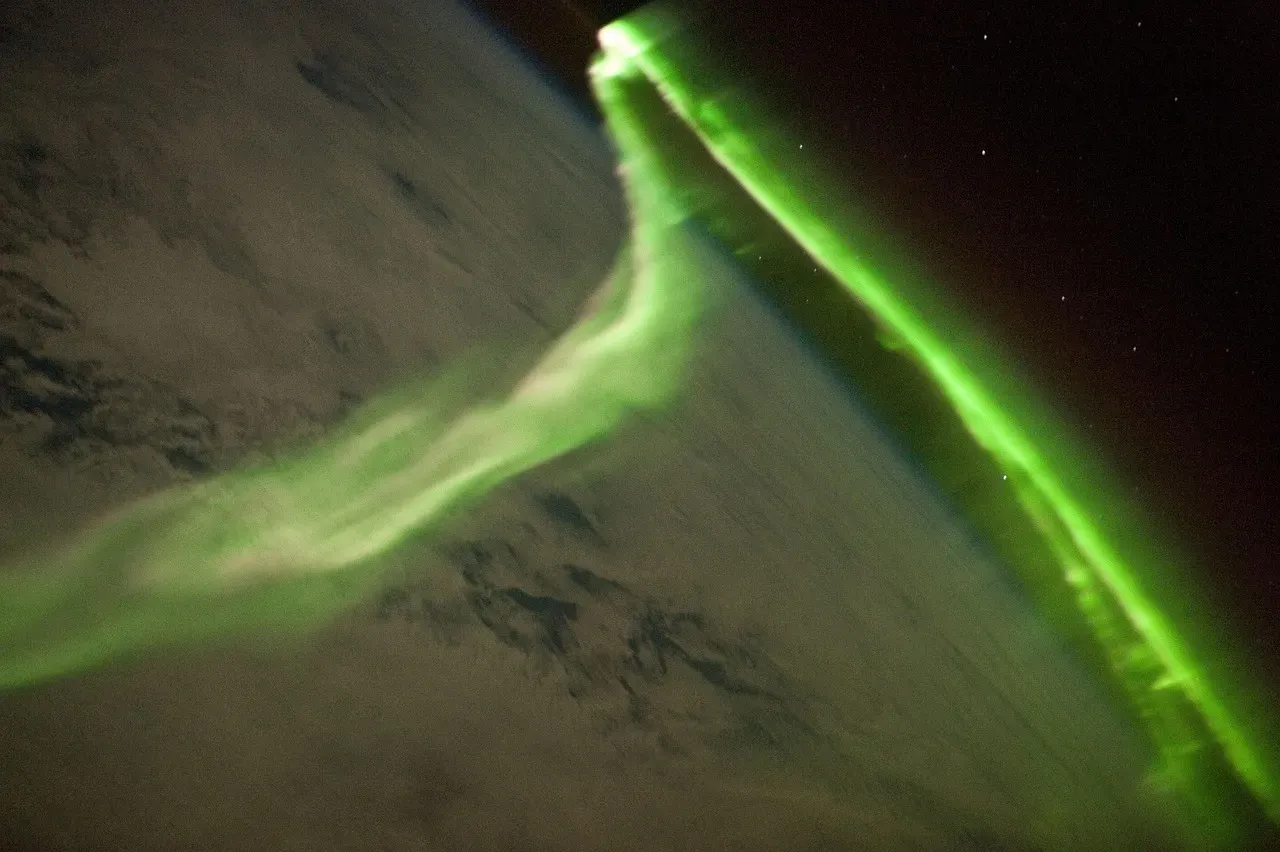
The aurora borealis and aurora australis are among the most stunning visual reminders that our magnetic field is on duty. Those dancing green, red, and purple curtains in the polar skies are caused by high-energy particles spiraling down along magnetic field lines and crashing into oxygen and nitrogen atoms high in the atmosphere. Those atoms absorb energy and then re-emit it as light, like tiny neon signs in the sky.
What looks like magic is actually a side effect of a defensive battle happening overhead. The auroras form an oval around each pole, where the field lines open up enough to guide particles downward. People travel across the world just to see these lights, rarely realizing they are literally watching our planet’s shield redirect dangerous solar energy into a harmless and mesmerizing show.
Magnetism, Atmospheres, and the Question of Life
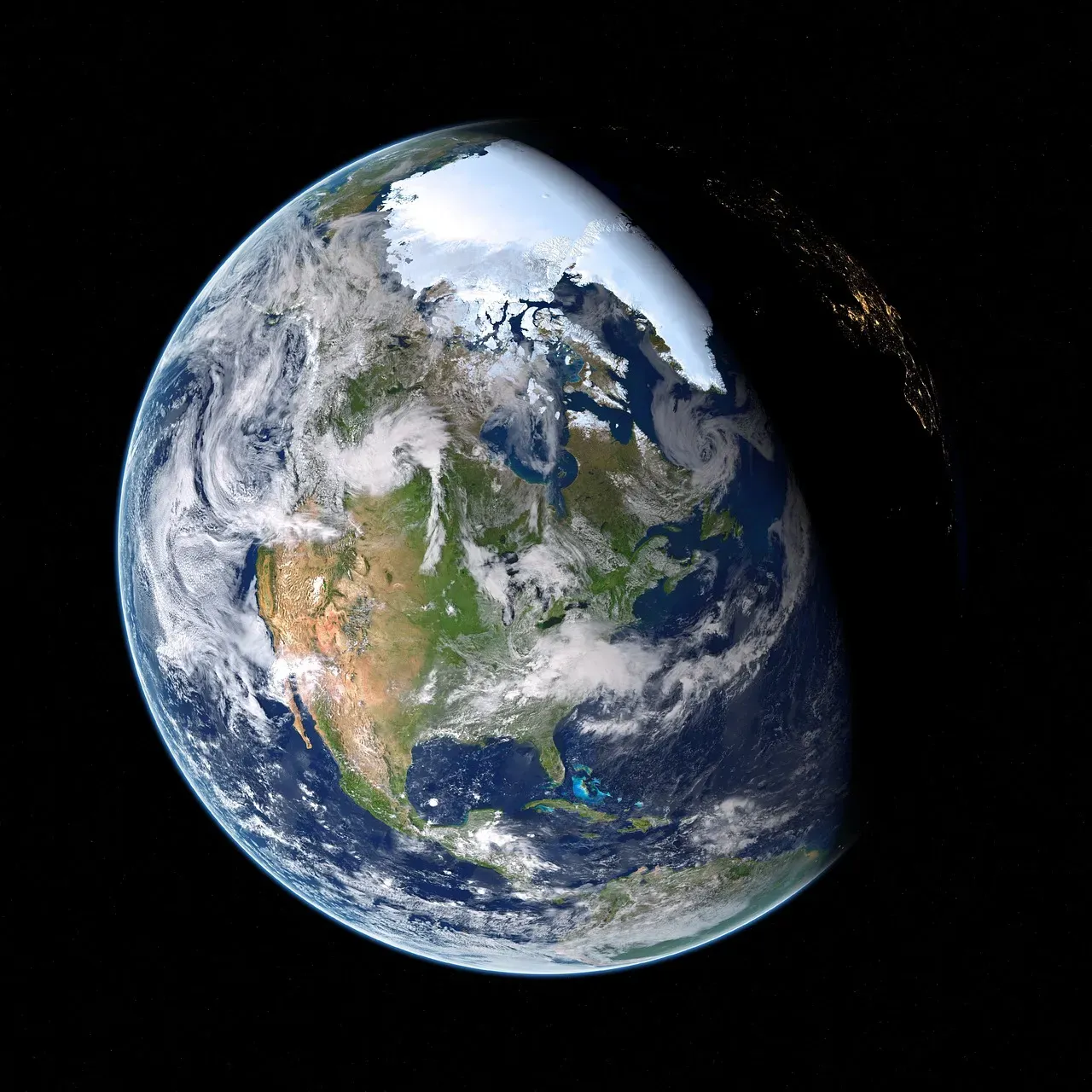
When scientists compare Earth with Mars, the magnetic field becomes a central character in the story of why our world still teems with life. Mars once had liquid water on its surface and likely a thicker atmosphere, but it lost most of its global magnetic field billions of years ago. Over eons, the solar wind stripped away much of the Martian atmosphere, transforming it into the cold, thin-aired desert it is today. That’s one reason current Mars missions are so interested in what its magnetic history can tell us.
By contrast, Earth’s magnetic shield has helped preserve our dense atmosphere and protect surface life from high-energy radiation. For complex life to thrive, you need stability: a breathable atmosphere, relatively mild radiation levels, and time. Our magnetic field has acted like a long-term insurance policy. When astronomers talk about potentially habitable exoplanets, they’re increasingly asking not just about size and distance from their star – but whether those worlds have magnetic shields of their own.
How Compasses, Animals, and Humans Use the Field

On a more down-to-earth level, we’ve relied on the magnetic field for centuries, even before we understood what it was. A simple compass works because its needle aligns with Earth’s magnetic field lines, roughly pointing toward the magnetic poles. Long before GPS, sailors used compasses to navigate across oceans, trusting a force they couldn’t see. That same invisible grid is still built into modern maps, aviation routes, and surveying systems.
It’s not just humans that pay attention to magnetism. Many migratory animals – from birds and sea turtles to some fish and insects – appear to sense the magnetic field and use it like a built-in navigation system. The exact mechanisms are still being studied, but experiments show that when the magnetic field is altered artificially, some animals get confused or change their routes. It’s amazing to think that a pigeon in the sky and your smartphone navigation app might both be leaning, in different ways, on the same planetary force.
Geomagnetic Reversals and the Myth of Instant Doom

One of the most dramatic features of Earth’s magnetic history is that the poles have flipped many times. Over millions of years, the magnetic north and south have swapped places repeatedly, leaving a barcode-like pattern of magnetized stripes on the ocean floor that geologists can read. We know from these records that reversals are natural and irregular; they don’t follow a neat schedule. The field also weakens and strengthens over time, and we’re currently in a phase where it’s slowly getting weaker.
There’s a popular fear that a reversal would instantly wreck life on Earth, but the evidence does not support a sudden global catastrophe. Reversals unfold over thousands of years, not overnight, and life has sailed through many of them. The field might become more complex and patchy, and radiation levels at high altitudes could rise, which would matter for satellites and astronauts. But it’s far more a challenge for our technology than an extinction-level event for biology.
Modern Technology in a Magnetic World
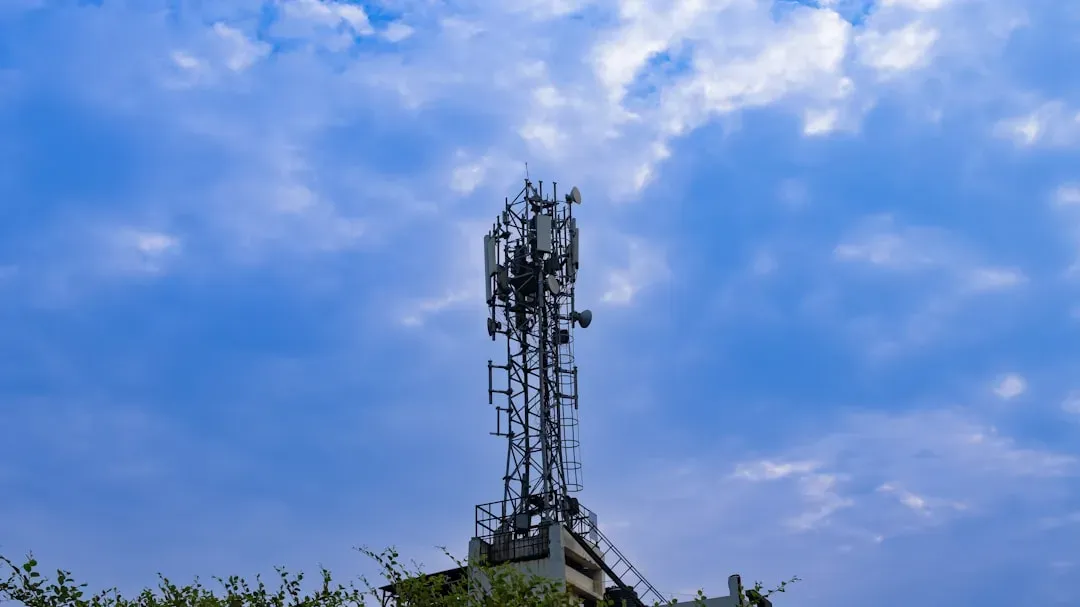
For all its benefits, the magnetic field also complicates our technological lives. Strong geomagnetic storms can induce electric currents in power lines, pipelines, and undersea cables. History has already given us warning shots, like the nineteenth-century storm that disrupted telegraph systems or more recent events that caused power outages and satellite glitches. As our world becomes more wired and more dependent on space-based systems, our vulnerability to space weather grows.
To manage that risk, scientists continuously monitor the Sun and Earth’s magnetic environment using satellites, ground stations, and observatories spread across the globe. This early-warning system lets power grid operators and satellite controllers prepare for incoming storms, shifting loads or putting spacecraft into safer modes. The same field that protects us can help destabilize our machines, and learning to live with that tension is becoming a crucial part of running a technological civilization on this magnetized planet.
Living Under an Invisible Guardian
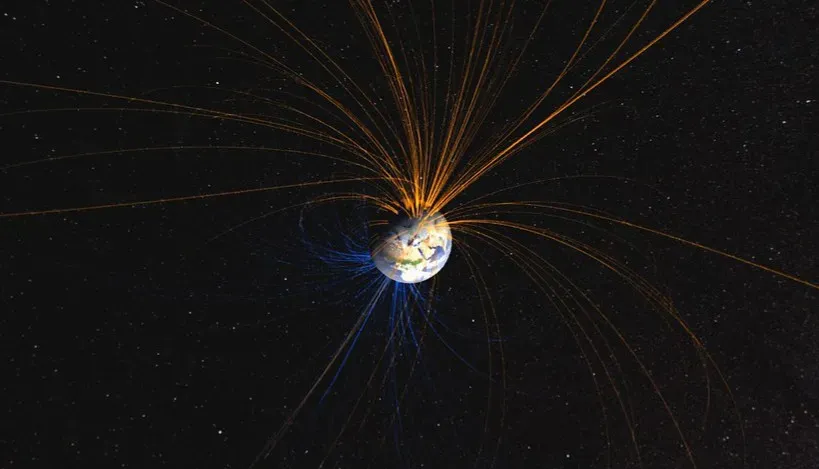
Earth’s magnetic field is one of those quiet realities you can ignore for years, until you realize how much you owe to it. It shapes the space around our planet, shields our atmosphere, guides animals and machines, and turns solar violence into shimmering polar lights. When you zoom out and imagine a world without it, everything from our climate to our power grids – and maybe even the rise of complex life itself – starts to look very different.
We live inside this invisible guardian every second of our lives, usually without a second thought. The next time you see a photo of an aurora, watch a flock of birds migrate, or even glance at a compass, it’s worth remembering that all of it is happening inside a fragile, dynamic shield of molten metal and magnetism. How differently would we see our planet if we could see that shield glowing in the sky above us?