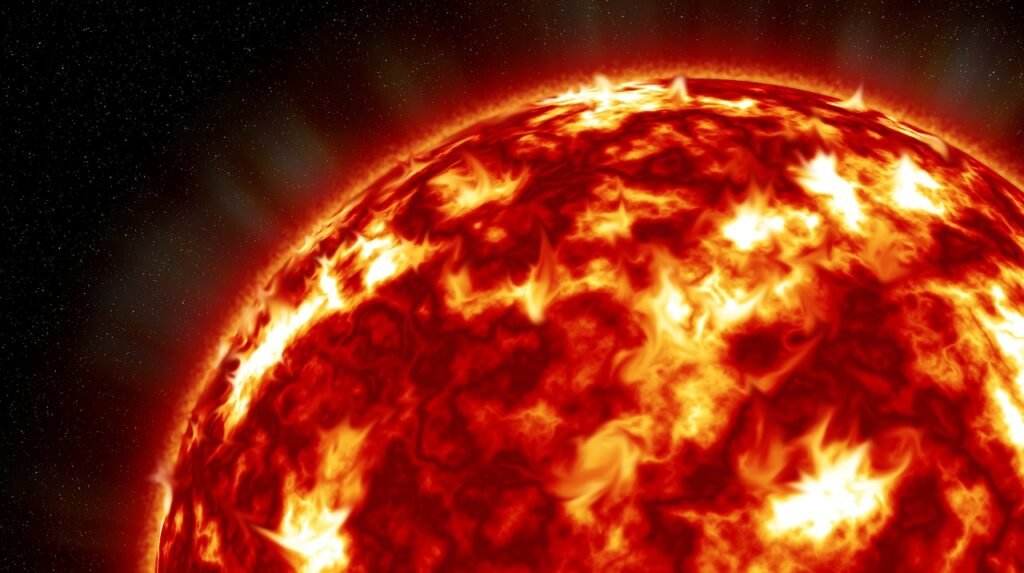

When you look up at the sky, the sun dominates everything. It’s bright, it’s warm, and it seems impossibly massive compared to everything else we can see. The idea that astronomers actually classify our sun as a dwarf star probably sounds ridiculous at first. How could something that large and powerful possibly be considered a dwarf?
Yet that’s exactly what scientists call it. The sun falls into a category known as a yellow dwarf, more formally classified as a G-type main sequence star. This quirk of astronomical naming can feel counterintuitive when you first hear it, especially considering the sun contains more than 99 percent of all the mass in our entire solar system. Let’s explore what this classification actually means and why our blazing star has earned such a humble title.
The Origin of the Dwarf Label
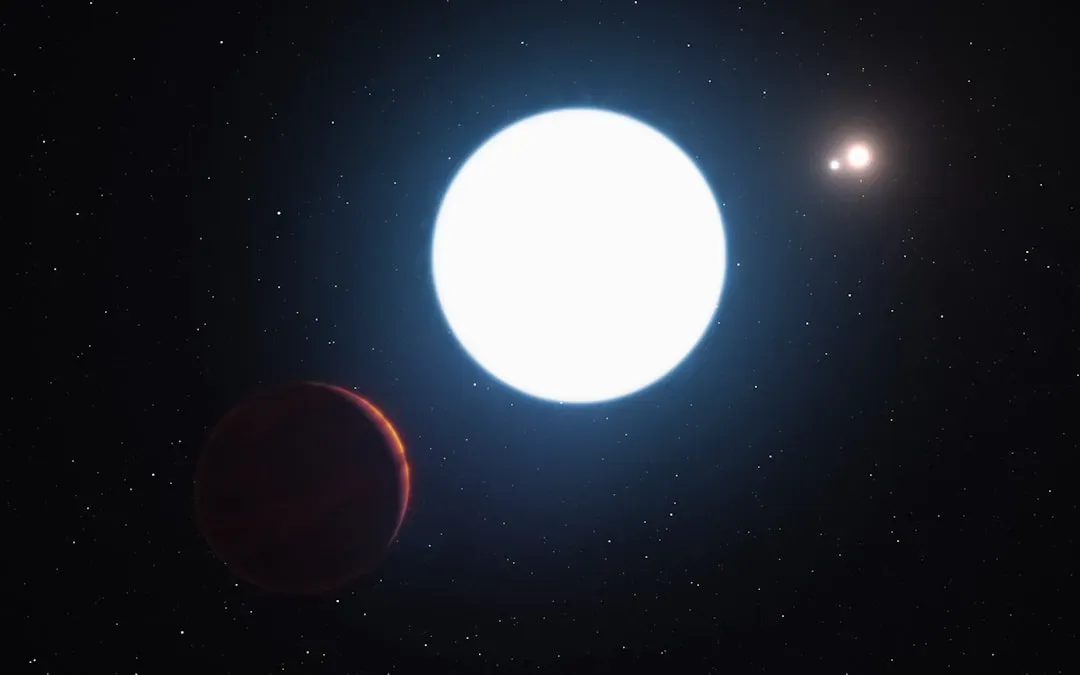
The term was originally coined in 1906 when Danish astronomer Ejnar Hertzsprung noticed that the reddest stars could be divided into two distinct groups. He called them “giant” and “dwarf” stars, the dwarf stars being fainter and the giants being brighter than the Sun.
This naming system wasn’t about actual physical size in the way we might think about dwarfs and giants in everyday language. It was about luminosity, brightness, stages of stellar evolution. A dwarf star is a star of relatively small size and low luminosity, and most main-sequence stars are dwarf stars. The classification stuck, even though it might confuse people more than a century later.
What Makes the Sun a Main Sequence Star
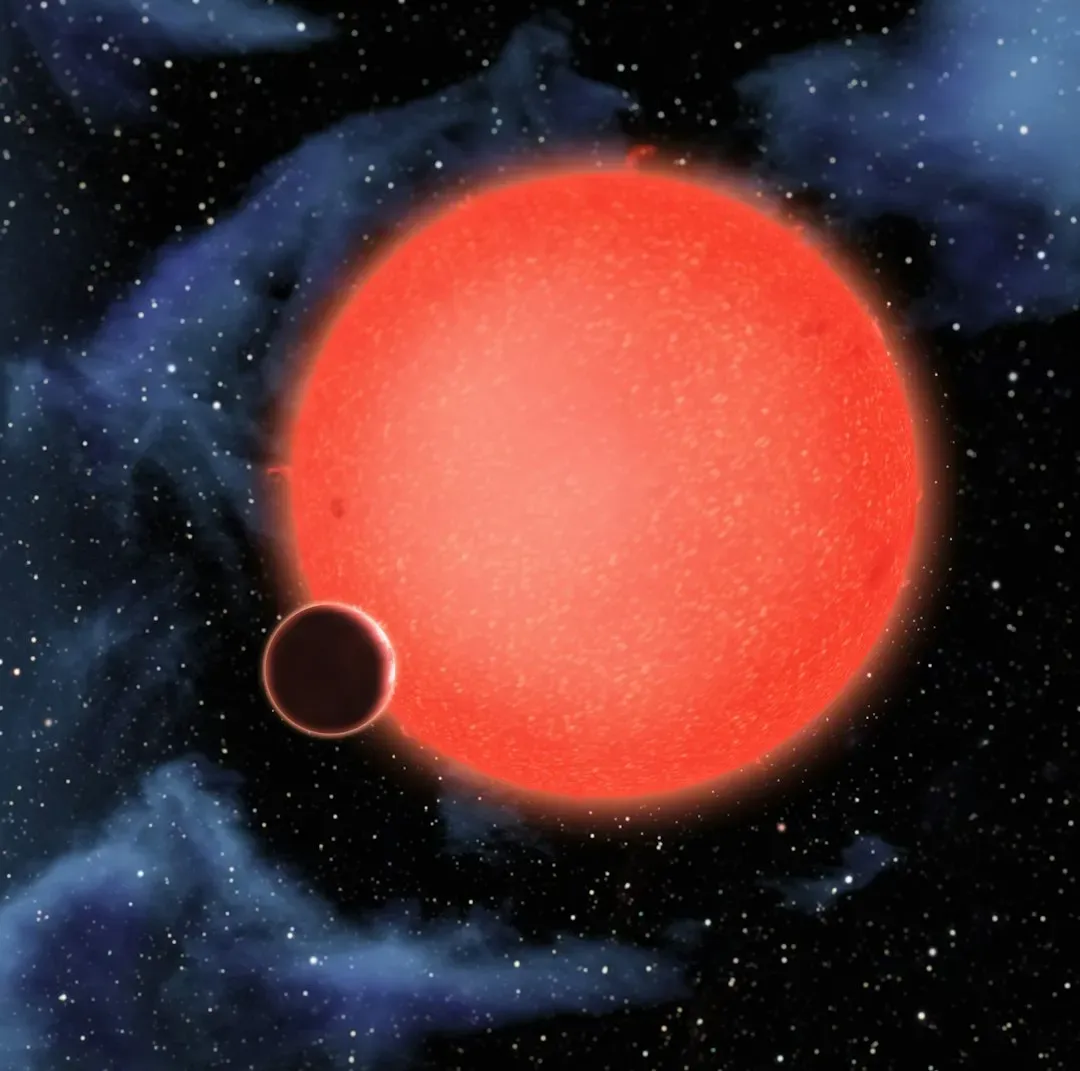
The Sun is an example of a G-type main-sequence star, with the Sun classified as G2V according to standard stars that have remained unchanged over years. That V at the end of G2V is important. It refers to the luminosity class, indicating the sun is a main sequence star.
Around 90 percent of the stars in the Universe are main-sequence stars, including our sun. The term ‘dwarf’ is used in astronomy to refer to stars that are in the main sequence phase of their life cycle, the longest phase in a star’s life, during which it burns hydrogen in its core to produce helium. So basically, calling the sun a dwarf just means it’s in this stable, productive middle phase of existence.
Yellow Dwarf Is Actually a Misnomer
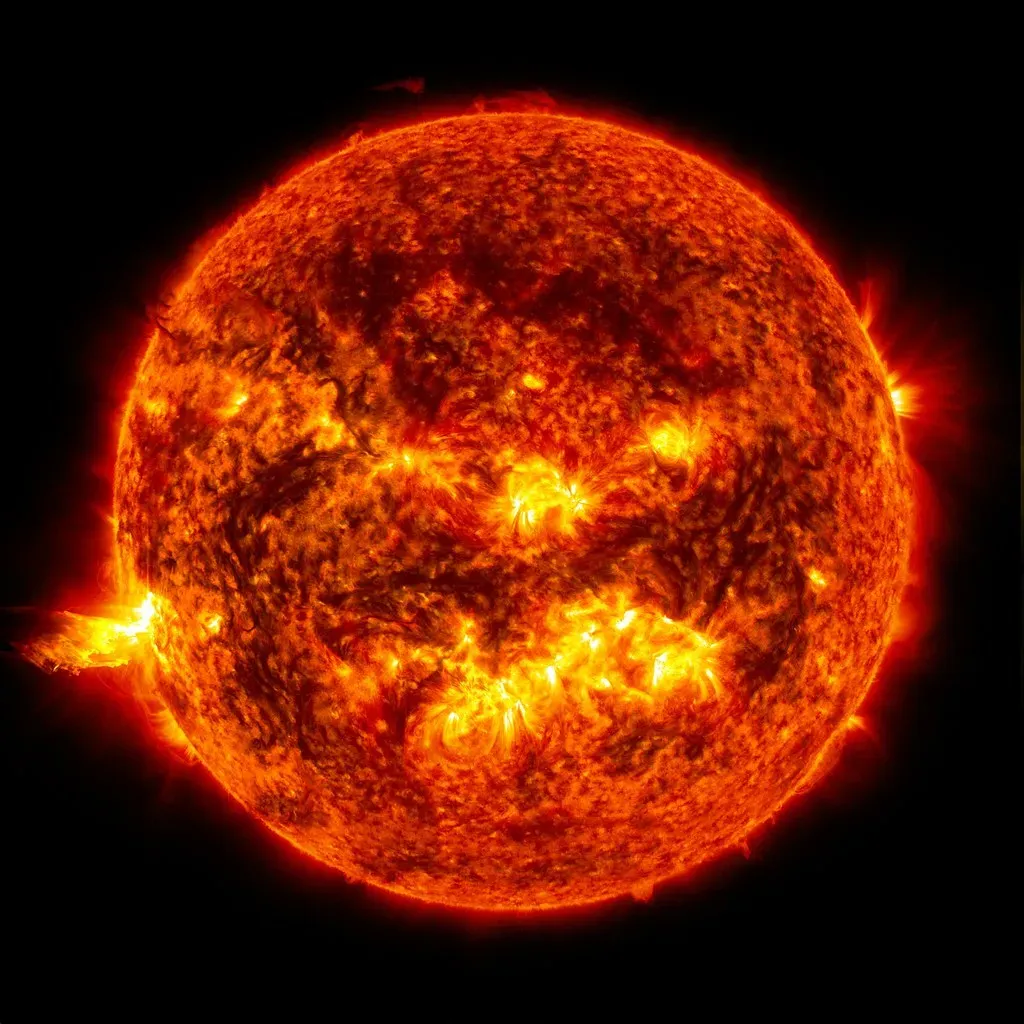
Here’s where things get even more interesting. The term yellow dwarf is a misnomer, because G-type stars actually range in color from white, for more luminous types like the Sun, to only very slightly yellowish.
The Sun is actually white in color when seen from space. The Sun looks yellow in our perspective because sunlight is scattered when it enters the Earth’s atmosphere. So the yellow dwarf name is doubly misleading. It’s not really a dwarf in the sense of being small compared to all stars, and it’s not particularly yellow either. Sometimes astronomy terminology feels like it was designed specifically to confuse everyone.
How the Sun Actually Compares in Size
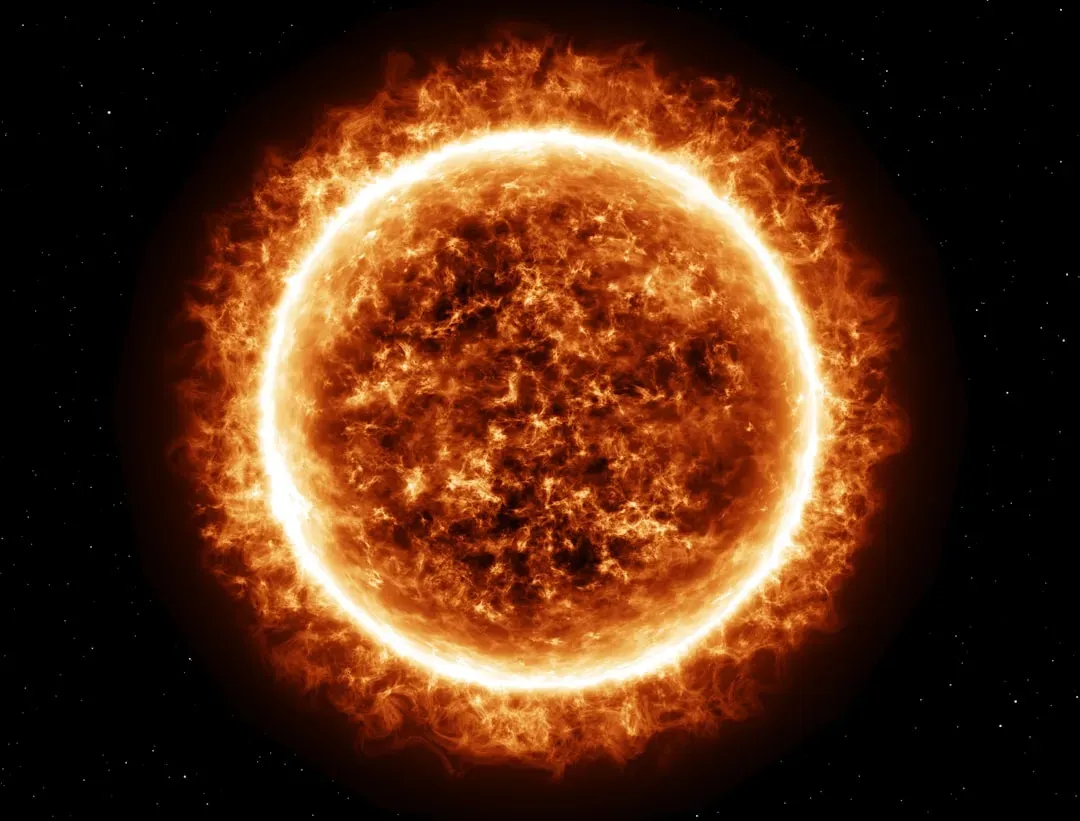
It turns out that our Sun is an average sized star, and the Sun is actually a pretty average star! The Sun is bigger than 70% of stars in the galaxy but is tiny compared to super and hypergiants.
Think about that for a moment. Our sun outweighs the vast majority of stars out there in the cosmos. Red dwarfs make up around 75% of the Milky Way galaxy’s stellar population. Since red dwarfs are smaller and dimmer than our sun, this means the sun is actually larger than most of its stellar neighbors. The Sun is classed as a dwarf star, while the biggest stars can reach the size of 1000s Suns.
Understanding Stellar Classifications
Most stars are currently classified under the Morgan–Keenan system using the letters O, B, A, F, G, K, and M, a sequence from the hottest to the coolest. It is based on two sets of parameters: a refined version of the Harvard scale, and a luminosity scale of grades I for supergiants, II for bright giants, III for normal giants, IV for subgiants, and V for main sequence, or dwarf, stars.
So every main sequence star gets labeled as a dwarf, regardless of whether it’s a massive blue star or a tiny red one. Stars like the Sun are called yellow dwarf stars to distinguish them from stars that are giant yellow stars, such as Polaris. This distinguishes them not from other main sequence stars, but from evolved giants and supergiants. When the sun eventually exhausts its hydrogen fuel billions of years from now, it will leave the main sequence and swell into a red giant.
The Sun’s True Characteristics
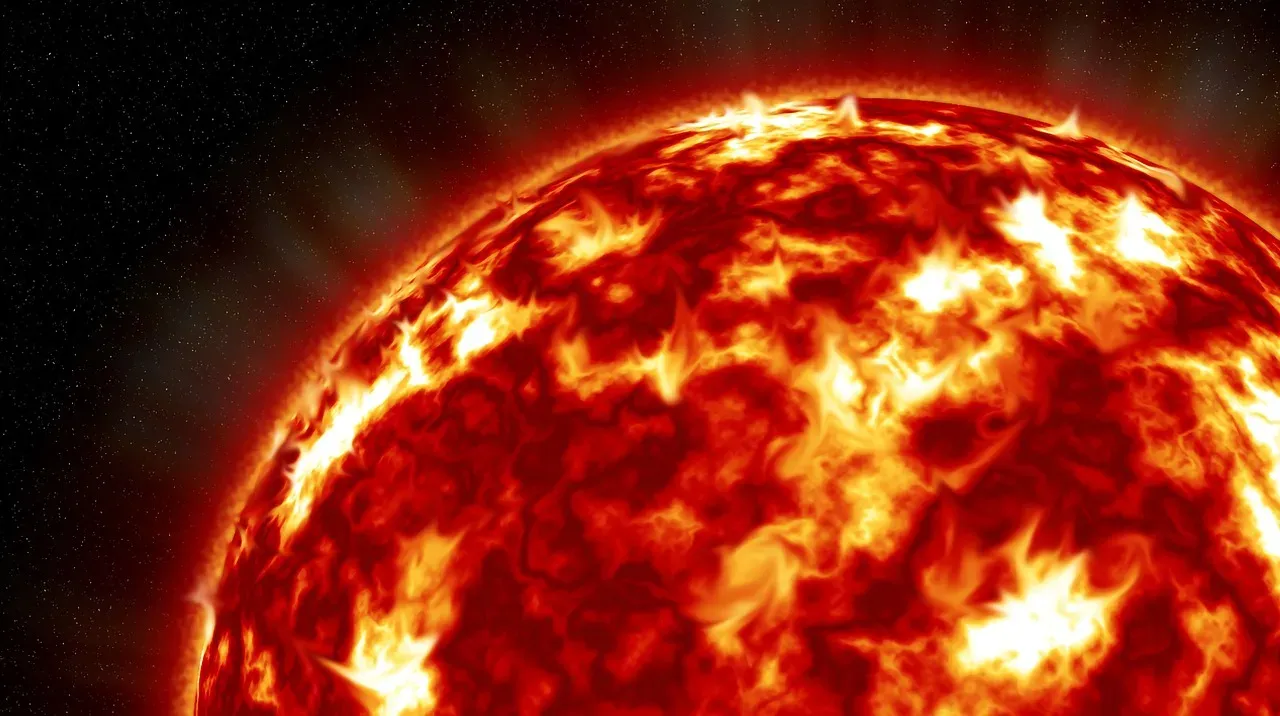
A G-type main-sequence star has about 0.9 to 1.1 solar masses and an effective temperature between about 5,300 and 6,000 K. Our Sun’s lifetime is about 10 billion years.
Yellow dwarf stars make up around 7% of stars in the Milky Way Galaxy. So while the sun might be average in some ways, stars exactly like it aren’t particularly common. Most stars are cooler and smaller red dwarfs. Fewer still are the blazing hot blue giants. The sun occupies a comfortable middle ground, neither too hot nor too cool, living long enough for complex life to evolve on nearby planets.
Why the Name Matters
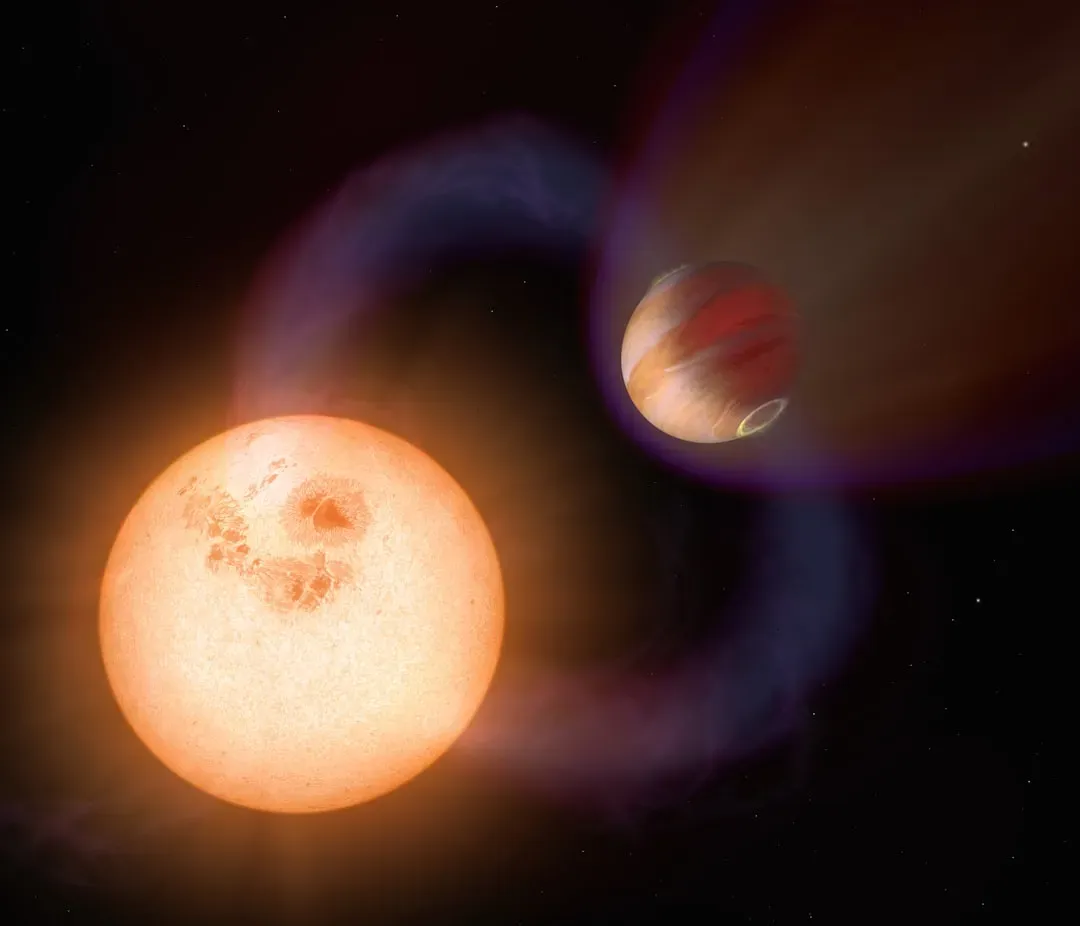
The dwarf classification might sound diminishing, but it actually tells us something important about where the sun sits in its life story. A young star joins the main sequence as a dwarf, and as its hydrogen is exhausted, the star leaves the main sequence and becomes a giant, with a Sun-like star eventually throwing off its outer layers as a planetary nebula.
Calling the sun a dwarf isn’t an insult. It’s a statement about stability, longevity, and the kind of steady energy output that makes life on Earth possible. G-type main sequence stars can provide habitability for life to develop, and they live long enough to give life enough time to develop, between 7.9 and 13 billion years. In astronomical terms, being a dwarf is actually a pretty good thing to be.
Conclusion
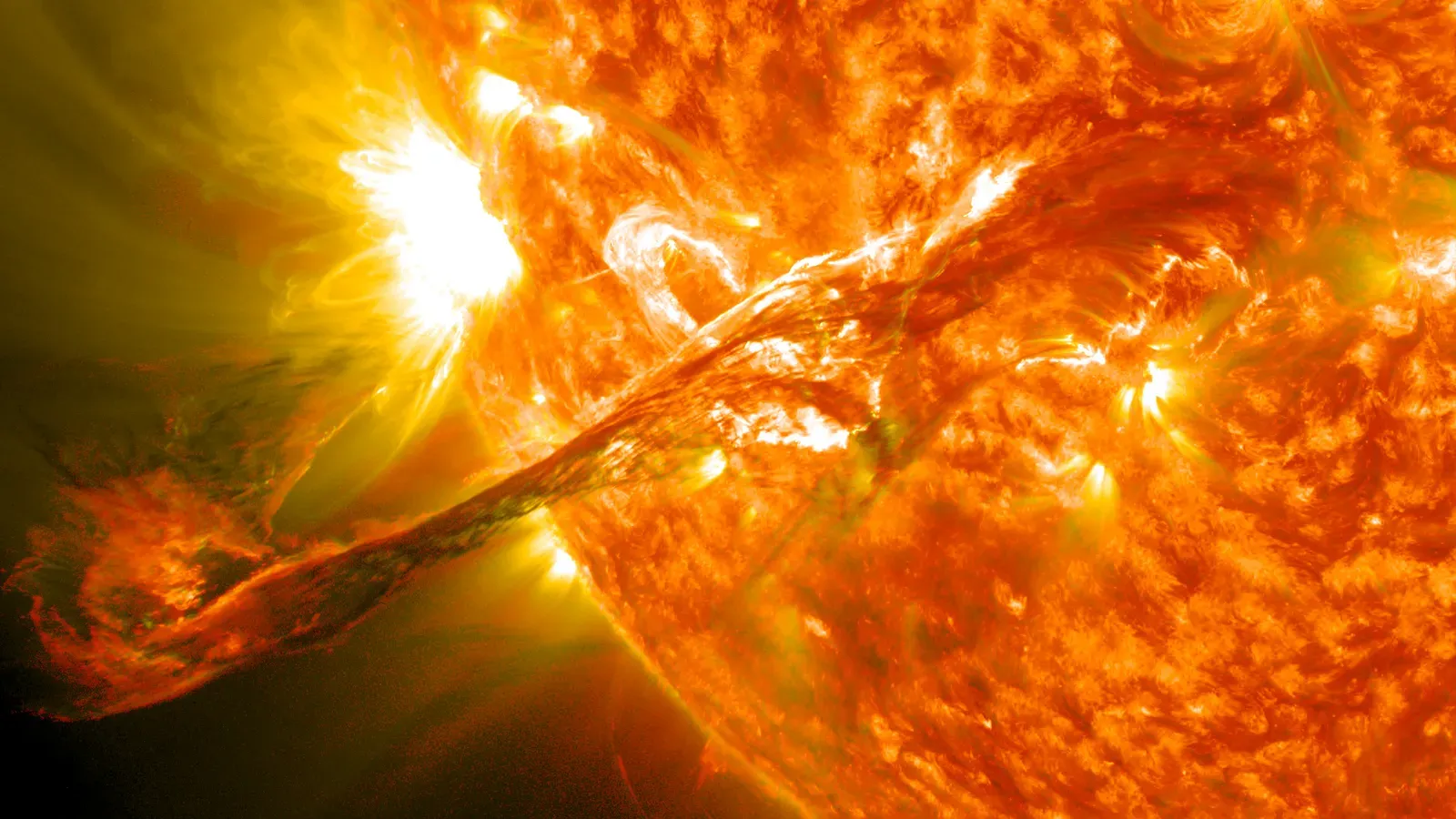
So Technically, yes, according to how astronomers classify stellar objects. It’s a main sequence star, and all main sequence stars earn the dwarf designation regardless of their actual size. The name comes from historical comparisons to evolved giant stars rather than from any meaningful measure of the sun being small.
Compared to the largest stars in the universe, the sun is indeed tiny. Compared to most stars in our galaxy, it’s actually above average in size. The sun sits comfortably in the middle ranges of temperature, brightness, and mass. Perhaps that’s the real takeaway here. Our star isn’t the biggest or the brightest, but it’s exactly the kind of stable, long-lived star that can nurture a planet full of life for billions of years.
Have you ever looked at the sun differently knowing it’s classified as a dwarf? Tell us your thoughts in the comments.