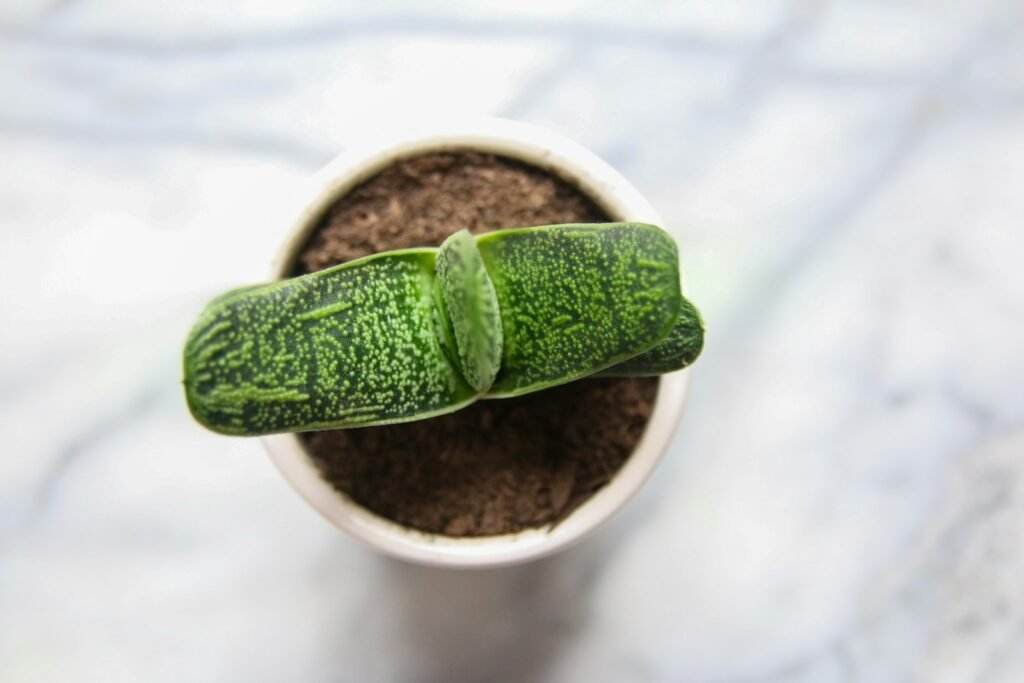

In an age when we can edit genomes and land probes on comets, you might think we have plants all figured out. Yet scattered across deserts, mountaintops, rainforests, and even city sidewalks are botanical outliers quietly breaking the rules of biology. These species shrug off droughts that kill entire forests, bend time with seeds that wake after centuries, and hijack other plants’ plumbing with surgical precision. Their survival tricks are not just strange; many of them still refuse to fit neatly into existing theories. As scientists race to decode these natural hacks, they are discovering strategies that could reshape how we grow food, manage ecosystems, and survive on a rapidly changing planet.
The Resurrection Artists: Plants That Die and Come Back
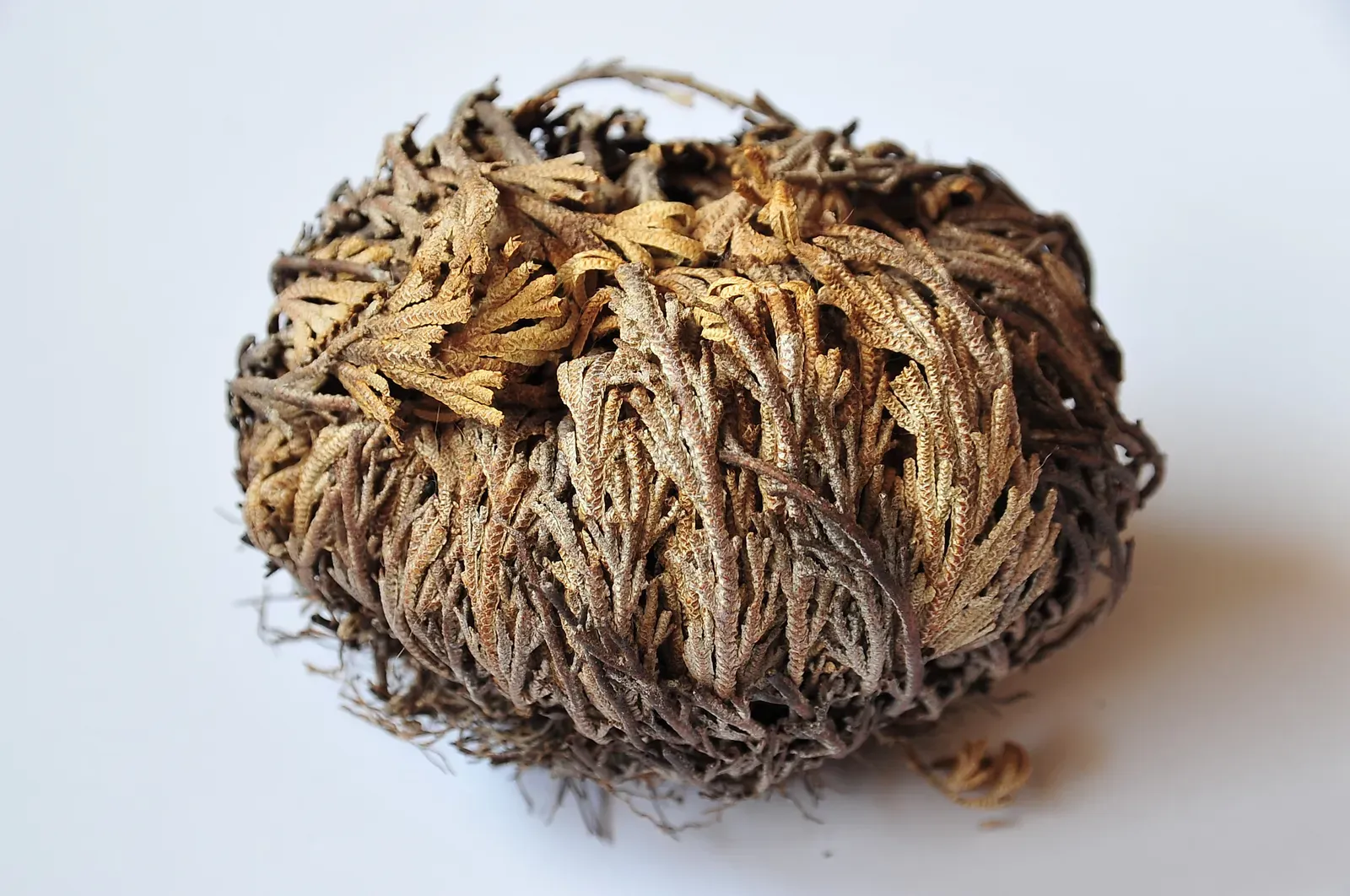
Imagine a houseplant that looks stone dead, crispy as old paper, then comes back to lush green life after a splash of water – almost like hitting an undo button on death. That is the daily reality of “resurrection plants,” a loose group of species such as the true resurrection plant Haberlea rhodopensis in Europe and Xerophyta viscosa in southern Africa. These plants can lose nearly all of their water, down to just a tiny fraction of their normal content, without their cells shattering or their DNA collapsing. When rain finally comes, they rehydrate within hours to days, turning from gray to emerald as if someone flipped a switch. For decades, botanists assumed complete desiccation was always fatal; these plants forced a rewrite of that assumption.
The trick lies partly in an arsenal of protective sugars and specialized proteins that act like molecular bubble wrap around cell structures. Instead of letting membranes crumple and tear, resurrection plants stabilize them in a kind of suspended animation. Some studies suggest they also pause or reshuffle normal gene regulation, flipping on “emergency” pathways that only activate under extreme stress. What remains baffling is how precisely orchestrated this shutdown-and-restart sequence really is; the plant somehow avoids catastrophic errors when rebooting its metabolism. Researchers see enormous potential here for engineering crops that can better withstand heatwaves and droughts, but translating this level of resilience into wheat or corn has proved far more complex than anyone hoped.
The Underground Thieves: Plants That Hack Other Plants’ Plumbing
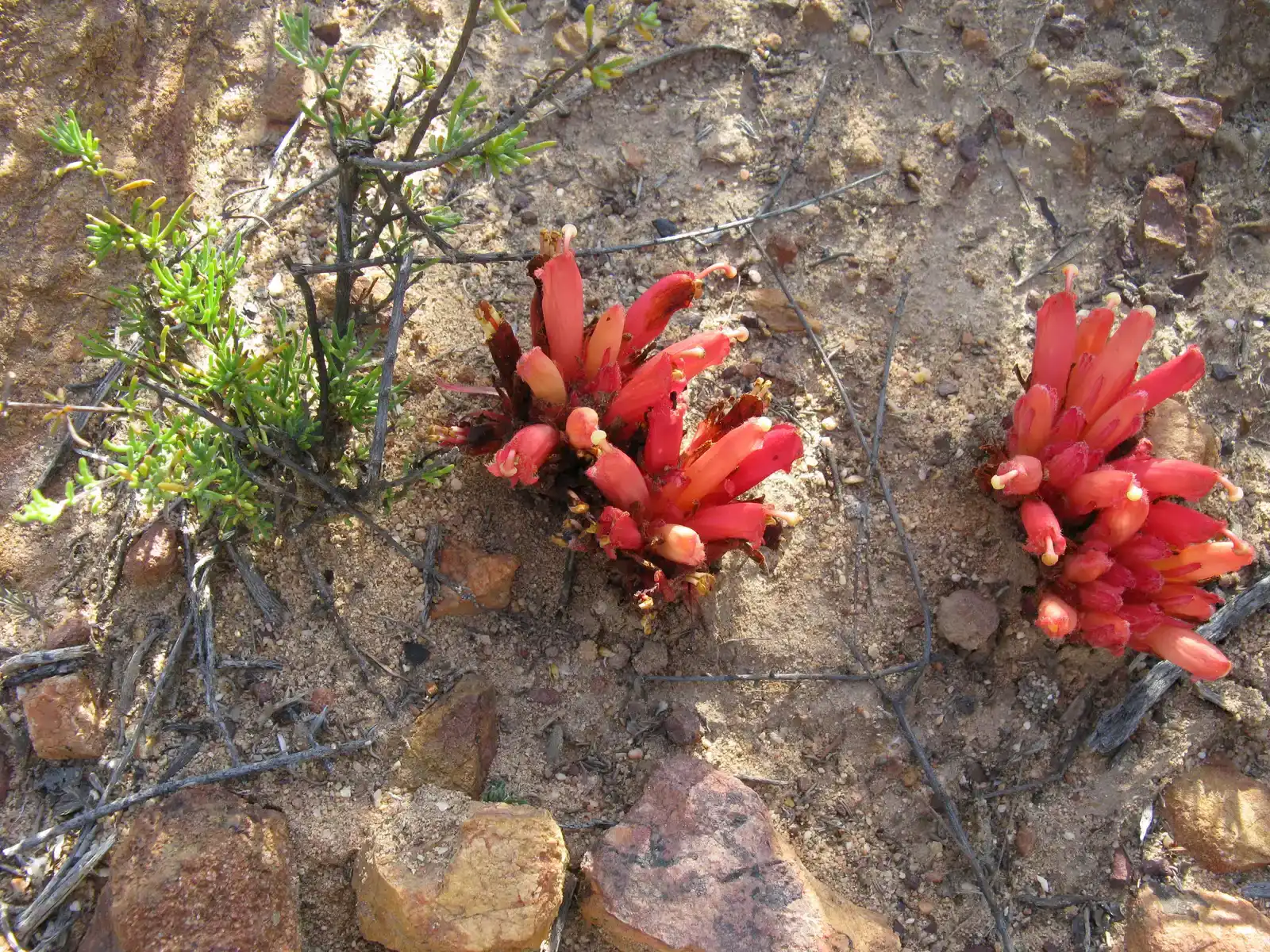
In the quiet shade of forests, some of the strangest survivalists do not even bother with photosynthesis. Plants like the ghostly white Indian pipe (Monotropa uniflora) or the richly parasitic dodders (Cuscuta species) tap directly into the vascular systems of surrounding vegetation. Using specialized structures called haustoria, they puncture host roots or stems with surgical precision, plugging themselves into the flow of water, sugars, and nutrients. Dodder seedlings can even “sniff out” preferred hosts by detecting volatile chemicals, then home in like guided missiles. To a casual hiker they look like delicate vines or odd pale spikes; to ecologists, they are highly tuned biological hackers.
What baffles scientists is the sophistication of the interface between parasite and host. Haustoria do not just pierce randomly; they align with the xylem and phloem, the plant equivalents of arteries and veins, and then merge tissues without triggering a full-blown immune rejection. Even stranger, researchers have uncovered evidence that genetic material and signaling molecules can move back and forth across that junction. Some parasitic plants appear to manipulate host gene expression, weakening defenses or rerouting nutrients in their favor. Understanding how they finesse this cross-species communication could one day help us design crops that are harder to parasitize – or, conversely, bio-inspired delivery systems for moving signals and therapeutics through living plant networks.
The Immortals in Slow Motion: Trees That Refuse to Age Normally
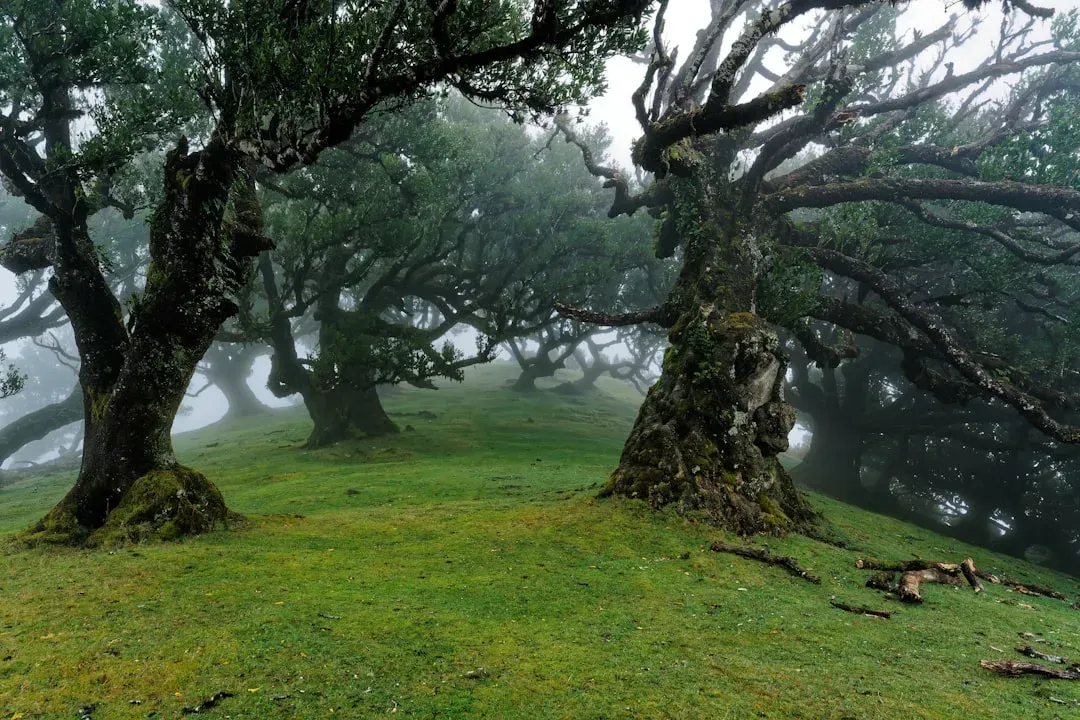
Walk up to a bristlecone pine in California’s White Mountains or a sacred fig in parts of Asia, and you may be staring at a living being that sprouted before the fall of the Roman Empire. Some trees, including bristlecones, certain cypresses, and a few tropical giants, push the known limits of longevity by thousands of years. Unlike animals, many plants exhibit what scientists call negligible senescence: their risk of death does not rise sharply with age. A centuries-old tree can be as reproductively active, and sometimes as physiologically robust, as a much younger individual. This challenges deep assumptions about how aging works at the cellular level.
Researchers have found that many of these botanical Methuselahs maintain surprisingly efficient DNA repair and robust stem cell niches in their growing tissues. They also compartmentalize damage, walling off injured wood and generating new growth rings that function almost like fresh organs. But there are still puzzles. Some long-lived trees seem to suffer genetic mutations at rates that, in theory, should cause degeneration much earlier than observed. Others weather relentless environmental stress – storms, pests, drought – without obvious cumulative collapse. Cracking the code of their longevity is not just a matter of curiosity; it might inform new ways of protecting forests under climate stress and could even feed into broader research on aging across life forms.
The Sun Benders: Plants That Rewrite the Rules of Photosynthesis
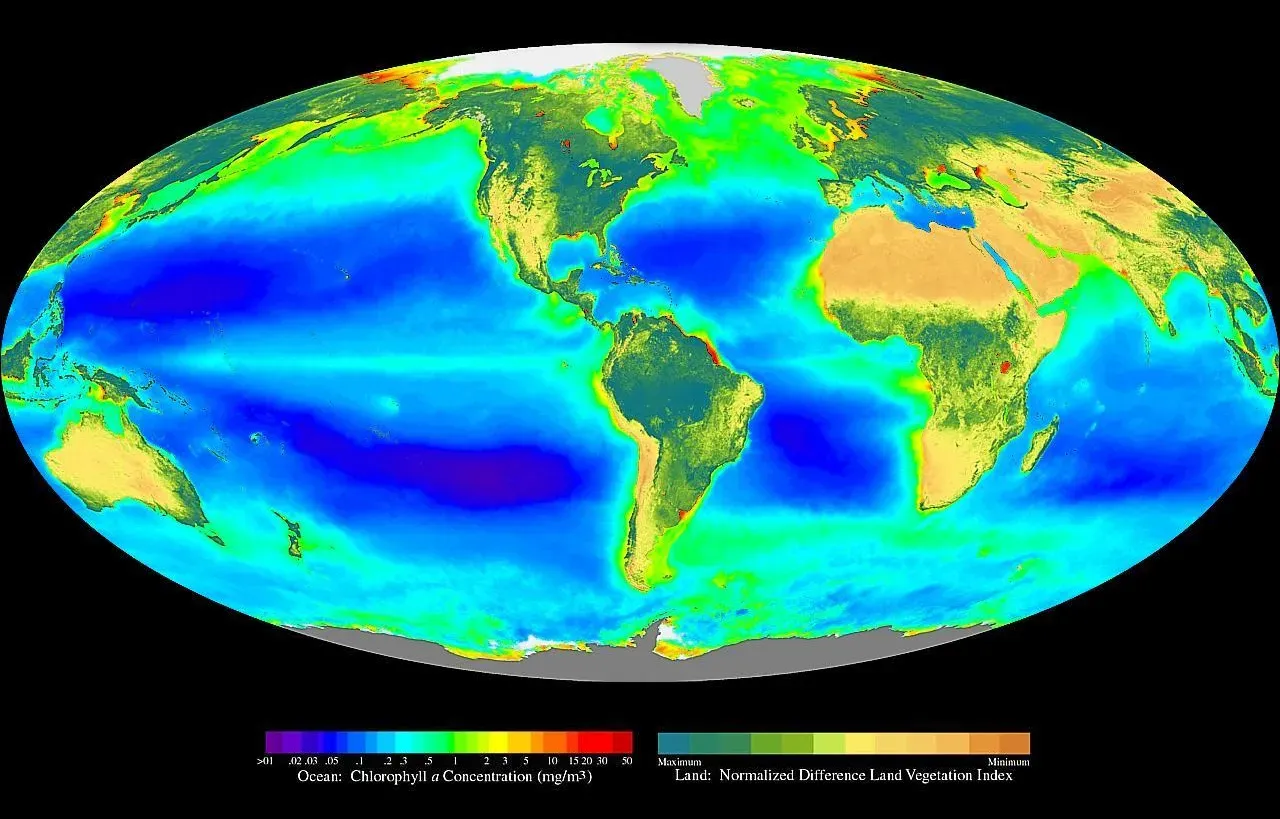
Photosynthesis is one of those textbook processes we think we understand: sunlight in, sugar out. Yet certain plants have upgraded this system in ways that still leave researchers scratching their heads. Species with so‑called C4 and CAM photosynthesis, such as maize, sugarcane, and many cacti, have evolved complex anatomical and biochemical tweaks that dramatically boost efficiency under heat, drought, or low carbon dioxide. They essentially re-engineer the internal plumbing of leaves, concentrating carbon where it is needed and timing gas exchange to cooler, safer hours. This allows them to thrive where many traditional crops struggle.
More mysterious still are plants that push this optimization close to theoretical limits, capturing light with astonishing precision while minimizing wasteful side reactions. Some desert succulents, for example, open their stomata almost exclusively at night, store carbon internally, then run photosynthesis in a closed system during the day. Others adjust pigment composition and leaf angles in real time to avoid damage from sudden sunbursts, a behavior that feels less like a passive reaction and more like dynamic resource management. Scientists are now trying to reverse-engineer these strategies into staple crops, but early trials make clear how hard it is to transplant a finely tuned whole‑plant system into a different genetic background. The plants do not just have a better engine; they have an entire chassis built around it.
The Seed Time Capsules: Plants That Sleep for Centuries
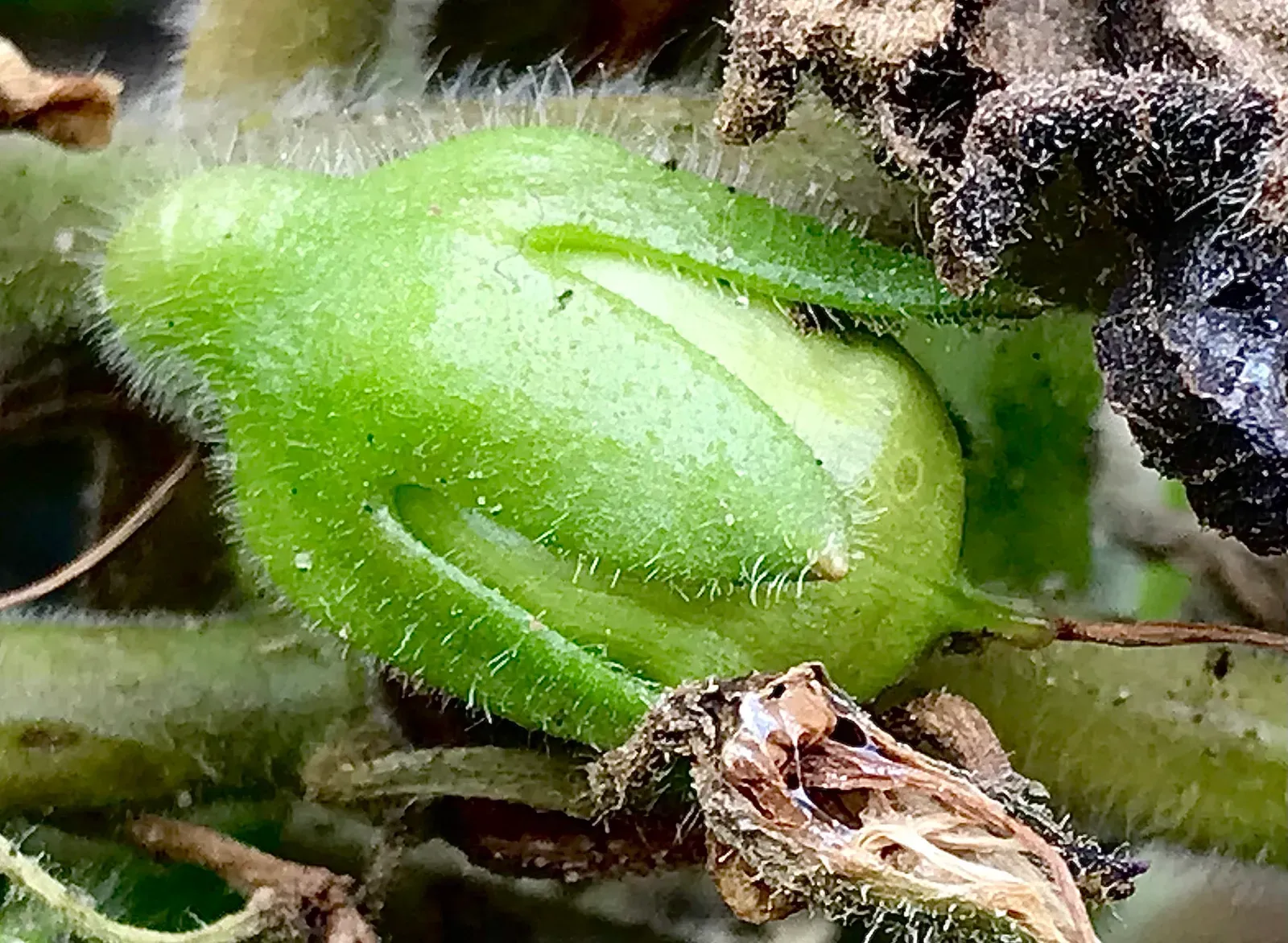
One of the most unsettling truths in botany is that some seeds treat time almost as a suggestion. Archaeological digs and permafrost cores have yielded viable seeds that germinate after hundreds, and in a few extraordinary cases thousands, of years. The famous example of a Judean date palm grown from an ancient seed is only the beginning; similar stories are unfolding with Arctic and desert species. These seeds endure cycles of freezing, thawing, radiation, and desiccation that would shred the tissues of most living things. Then, given the right conditions, they come back as if nothing happened.
Inside these botanical time capsules, layers of protective chemicals, antioxidant systems, and compacted DNA appear to work together to halt almost every damaging process. Metabolism sinks to barely measurable levels, yet somehow the machinery for repair and growth remains perfectly primed. Scientists are still teasing apart how seeds prevent the gradual accumulation of molecular breaks and cross-links over such long spans. This matters because seed banks, which aim to store global crop and wild plant diversity, depend on accurately predicting how long seeds can remain viable. The fact that wild seeds keep smashing existing longevity records suggests that our models are missing key components of nature’s preservation toolkit.
The Chemical Tricksters: Plants That Weaponize Smell and Taste
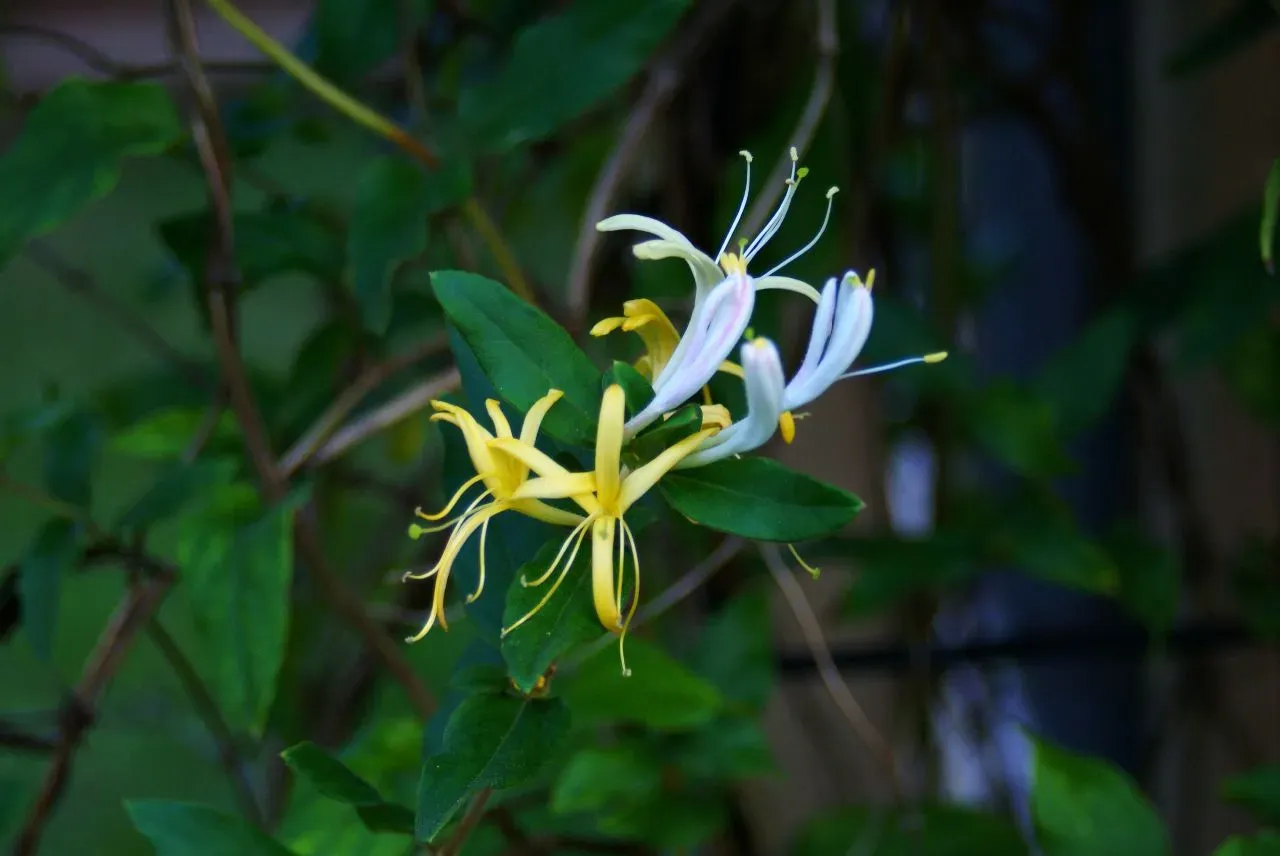
To us, the scent of crushed mint or the bitterness of a wild herb might just be pleasant or unpleasant; to other organisms, those same chemicals are messages, warnings, or weapons. Many plants produce dizzyingly complex cocktails of secondary compounds that do not directly help them grow but profoundly shape what happens around them. Some use these chemicals to poison or repel herbivores, others to recruit bodyguard insects that attack would‑be grazers, and still others to sabotage neighboring plants in a quiet underground war. Even common species like sagebrush and eucalyptus flood their surroundings with volatiles that can stunt competitors or change soil microbe communities.
What continues to surprise researchers is how specific and context‑dependent these chemical strategies can be. The same plant may alter its fragrance blend depending on which insect is chewing on it, effectively tailoring a distress signal to call in the right predator. In certain cases, plants under attack release airborne cues that nearby relatives “smell,” priming their own defenses before the enemy even arrives. These invisible conversations blur the line between individual and community-level survival strategies. For agriculture, learning to interpret and perhaps amplify these signals could reduce reliance on synthetic pesticides. But it also raises an unsettling question: how much of what we see in a forest or field is the result of slow, chemical negotiations we are only just beginning to notice?
Why It Matters: Lessons for Food, Climate, and Human Survival
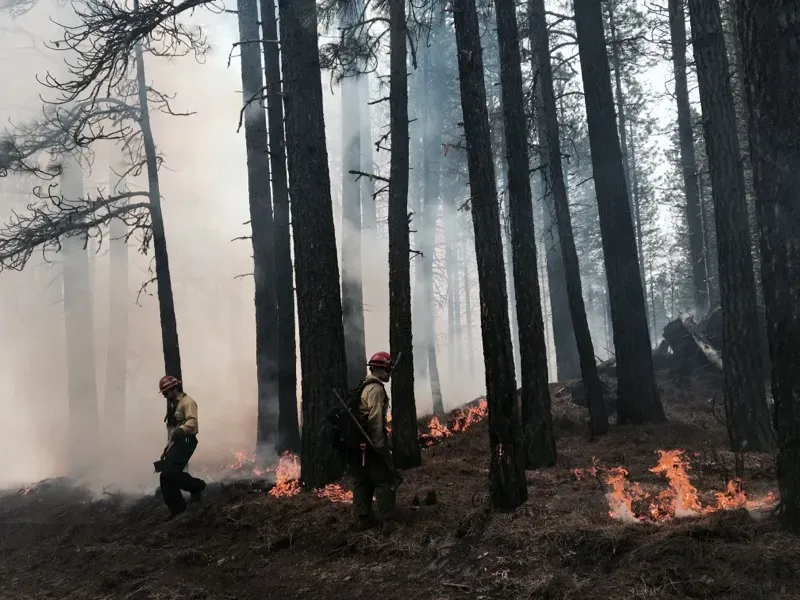
It is tempting to treat these botanical oddities as mere curiosities, the biological equivalent of museum pieces. Yet the more we learn about resurrection plants, parasitic vines, immortal trees, sun‑bending succulents, and time‑traveling seeds, the clearer it becomes that they occupy the leading edge of life’s problem‑solving abilities. Traditional crop breeding and forestry practices focused on yield and growth speed have often ignored the extreme resilience built into these outliers. In a warming world marked by more intense droughts, heatwaves, and shifting pests, that oversight looks increasingly risky. These species show us that survival can be engineered in ways very different from the mainstream strategies we rely on.
Compared with conventional crop varieties that falter after a single failed rainy season, resurrection plants or CAM succulents can ride out repeated insults with minimal damage. Ancient trees demonstrate that ecosystems do not have to accept rapid aging and turnover as inevitabilities; stability can emerge from smart compartmentalization and repair. Parasitic plants, unsettling as they are, reveal hidden vulnerabilities and communication channels within plant tissues that might one day be manipulated for good. To me, the biggest lesson is humbling: nature has already run countless experiments under conditions far harsher than most laboratories can reproduce. Ignoring those results because they look too weird is not just unscientific; it is dangerous.
The Future Landscape: Turning Wild Hacks into Real-World Solutions
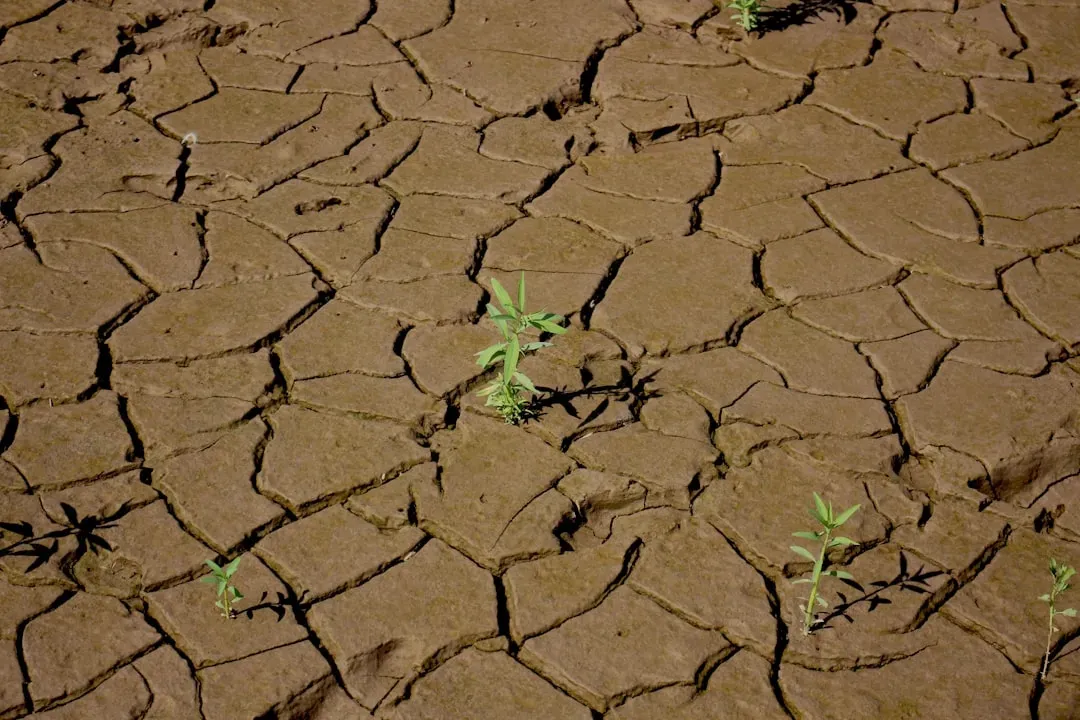
Researchers are now trying to translate these wild survival tricks into applied technologies, and the effort feels a bit like copying alien software line by line. Plant geneticists are probing resurrection species for genes that stabilize proteins and membranes, hoping to slip them into staple crops to buy precious days during drought. Others are dissecting the metabolic choreography of CAM photosynthesis, aiming to retrofit it into rice or wheat so that fields can survive hotter, drier climates. Progress is incremental, often frustratingly so, because these adaptations are not just single genes but entire integrated systems. Pull one thread and three others move with it.
Beyond genetic engineering, some scientists are exploring softer, ecosystem-level applications. Seed banks and restoration projects are rethinking storage and rewilding strategies in light of extreme seed longevity, potentially allowing for slow‑motion recovery from future extinctions. Foresters are considering whether incorporating ultra‑long‑lived tree species could anchor landscapes in the face of climate volatility. There are also ethical and regulatory challenges: how much should we reshuffle plant genetics, and who gets to decide which traits are prioritized? The global implications are enormous, from food security to carbon storage, yet so much of the raw inspiration still comes from lone, tough plants clinging to cliff faces or hiding on the forest floor.
How You Can Engage With These Botanical Wonders
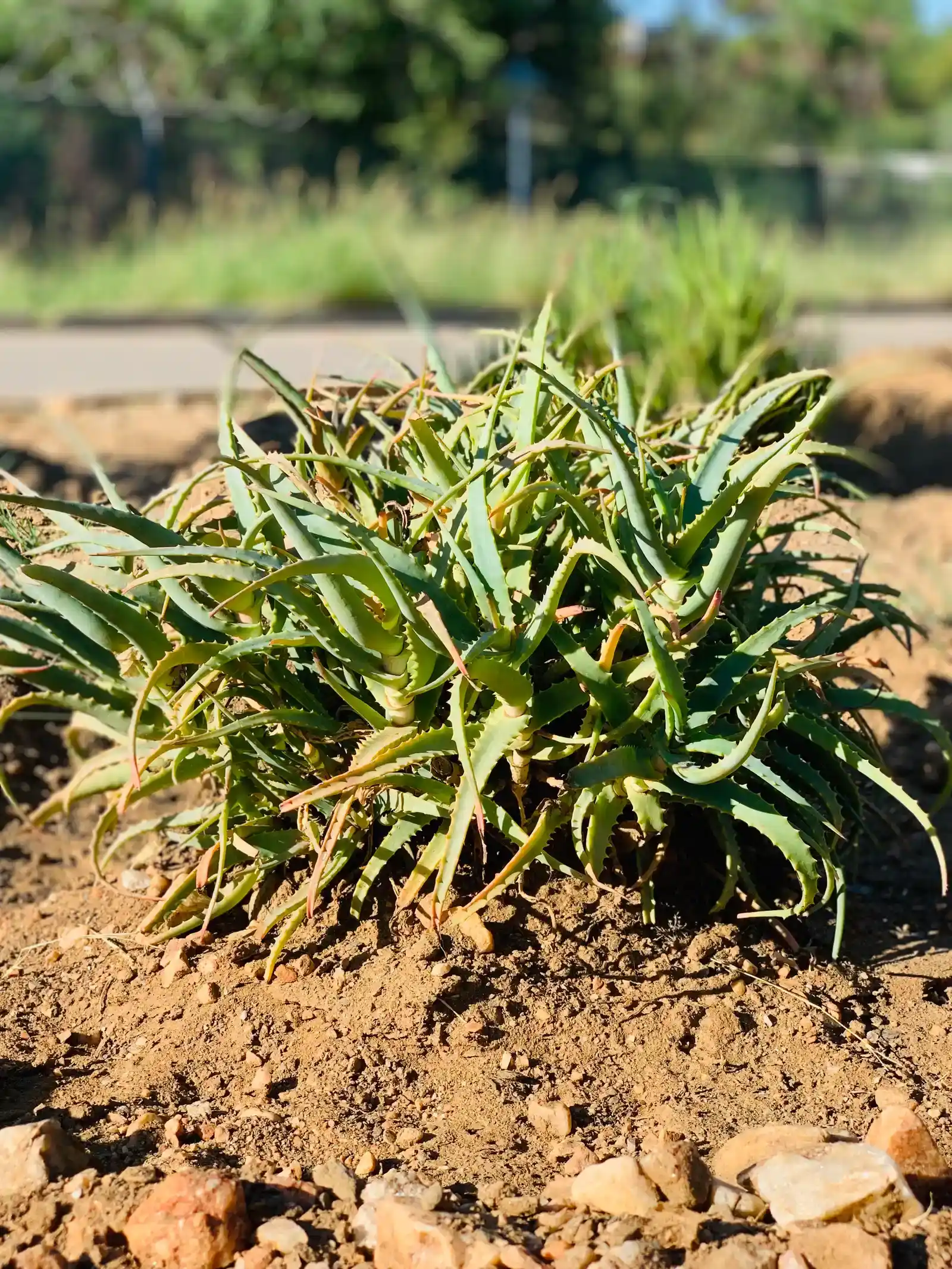
Engaging with these survival specialists does not require a lab coat or a research grant; it starts with paying closer attention to the plants around you. Visiting botanical gardens, arboretums, or desert conservatories often reveals collections of resurrection plants, parasitic oddities, and ancient trees that staff are eager to talk about. Many institutions now highlight climate‑resilient or extreme‑adaptation species in their exhibits, making it easier to see these organisms as living research partners rather than just curiosities. Reading the small labels and asking questions can turn a casual stroll into a crash course in evolutionary innovation. The more familiar they feel, the less abstract the stakes become when their habitats are threatened.
There are also direct ways to support the science and conservation behind these stories. You can back seed banks, local native plant societies, and forest preservation projects that protect the ecosystems where these species evolved. Citizen‑science platforms allow people to log sightings of rare plants, helping researchers track shifting ranges as climates change. Even choosing water‑wise, resilient species for home gardens can create tiny urban laboratories that reduce pressure on local resources. These may feel like small gestures, but widespread support can shape which research directions are funded and which habitats are saved. In a world where some plants can stare down centuries of hardship, the question becomes simple: are we willing to meet their resilience with our own commitment?
Suhail Ahmed is a passionate digital professional and nature enthusiast with over 8 years of experience in content strategy, SEO, web development, and digital operations. Alongside his freelance journey, Suhail actively contributes to nature and wildlife platforms like Discover Wildlife, where he channels his curiosity for the planet into engaging, educational storytelling.
With a strong background in managing digital ecosystems — from ecommerce stores and WordPress websites to social media and automation — Suhail merges technical precision with creative insight. His content reflects a rare balance: SEO-friendly yet deeply human, data-informed yet emotionally resonant.
Driven by a love for discovery and storytelling, Suhail believes in using digital platforms to amplify causes that matter — especially those protecting Earth’s biodiversity and inspiring sustainable living. Whether he’s managing online projects or crafting wildlife content, his goal remains the same: to inform, inspire, and leave a positive digital footprint.