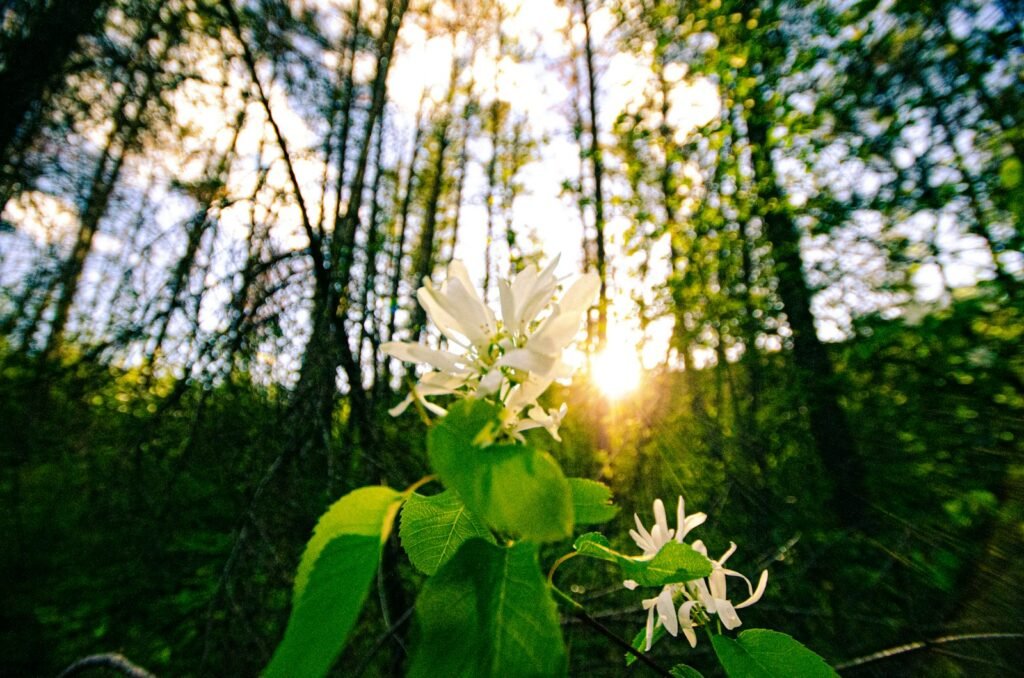

On a crowded city street, most people’s eyes are glued to their phones, not the lone tree struggling up through the concrete. Yet that sliver of green might be doing more for their hearts and minds than the latest wellness trend. Around the world, scientists are uncovering a simple, almost disarming truth: spending time in nature is not a luxury, but a biological necessity. From hospital recovery rooms with garden views to children’s playgrounds shaded by trees, green spaces are emerging as powerful, evidence-backed tools for better health. The mystery now is not whether nature helps us heal, but how deeply it rewires our brains, bodies, and communities when we let it back into our lives.
The Hidden Clues in Our Bodies and Brains
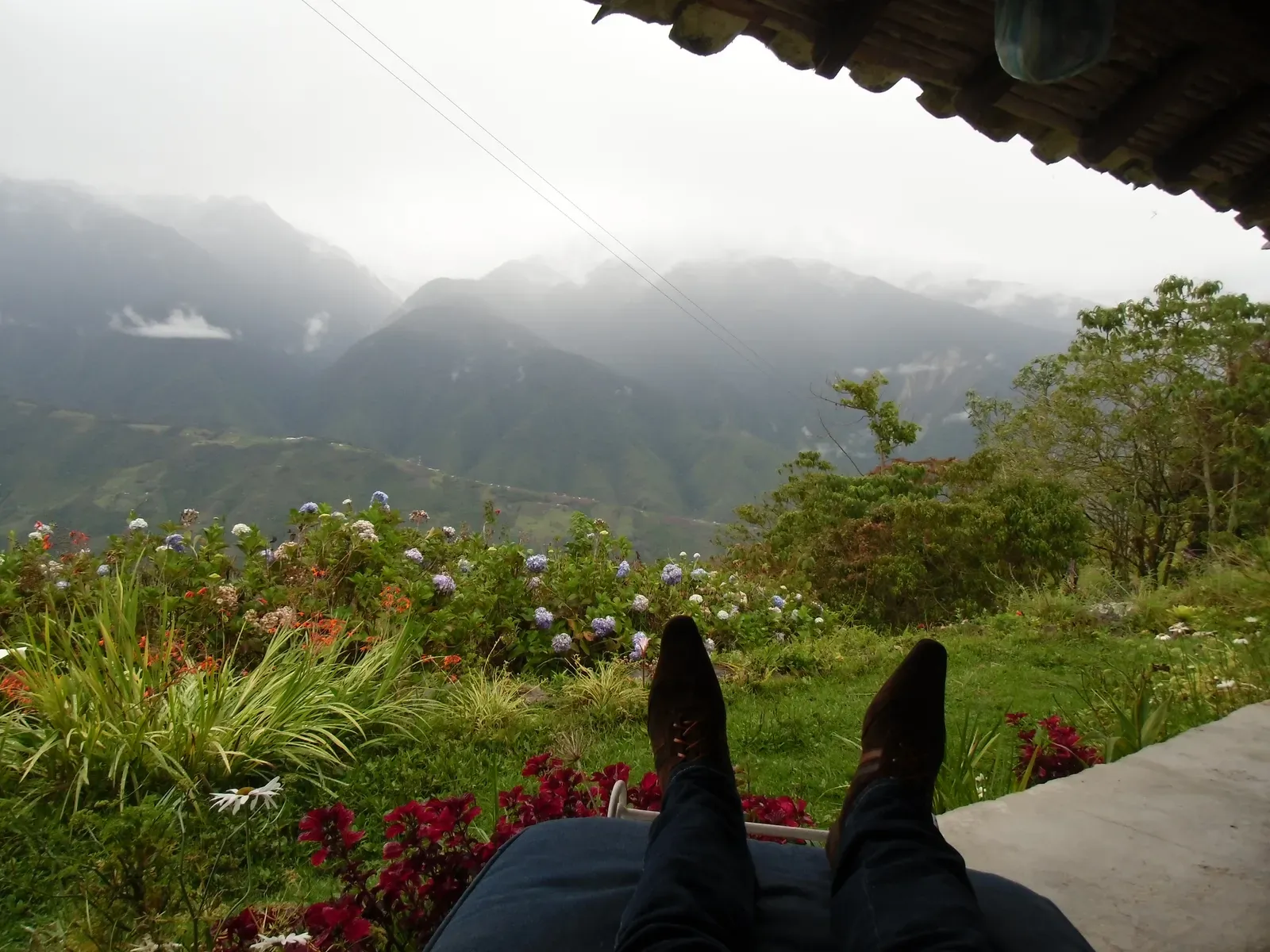
Walk into a park and your body begins to change long before you consciously relax. Researchers measuring heart rate and blood pressure have found that even short visits to green spaces can reduce physical markers of stress. Levels of cortisol, the hormone that surges when you feel under threat, tend to drop after time spent in nature, especially when compared with walks along busy streets. Brain imaging studies add another layer: areas linked to rumination and negative thought loops quiet down, while networks involved in calm attention and emotional regulation become more active. It is as if the nervous system recognizes trees, grass, and sky as a familiar operating environment and switches to a less defensive mode.
Subtle changes in our immune system tell a similar story. Exposure to biodiverse green spaces seems to increase the activity of certain immune cells and beneficial microbes that support overall resilience. In Japan, researchers studying forest bathing have reported increases in natural killer cell activity after immersive visits to wooded areas, suggesting that nature may literally help our bodies scout and respond to threats more effectively. These are not dramatic, overnight transformations but small, cumulative shifts that nudge our physiology toward balance. Over weeks and years, that quiet recalibration can mean lower risk of chronic disease and a sturdier buffer against the grind of modern life.
From Ancient Instincts to Modern Science
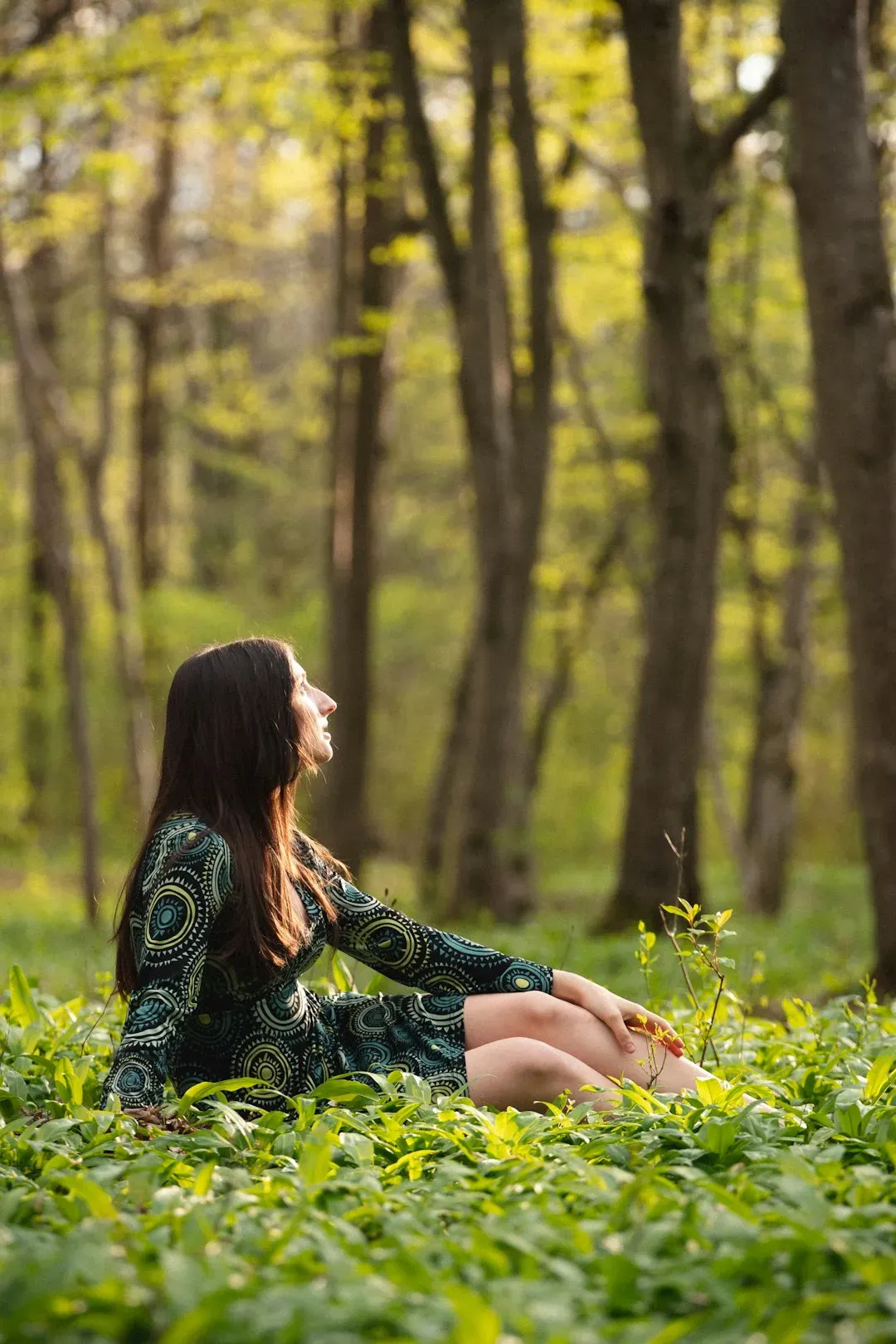
Human attraction to landscapes rich in trees, water, and open views is not a new preference dreamed up by lifestyle magazines. Anthropologists and evolutionary psychologists have long argued that our nervous systems are tuned to environments that once supported our survival: places where we could find food, detect danger, and seek shelter. That might help explain why grassy parks with scattered trees, or urban greenways that mimic river corridors, feel intuitively inviting. Long before anyone measured blood pressure or brain waves, communities used gardens, sacred groves, and healing springs as informal medicine. Those traditions hinted at something science is now systematically testing.
In the late twentieth century, researchers began to quantify what healers and caregivers had intuited. One well-known hospital study showed that patients recovering from surgery who had a view of trees from their window tended to need less pain medication and left the hospital sooner than those facing a brick wall. Since then, dozens of clinical and population studies have explored how access to green spaces relates to outcomes like depression, anxiety, cardiovascular disease, and even mortality. While no single tree can replace medical treatment, the pattern is hard to ignore: people with regular exposure to nature generally fare better on a wide range of health measures than those who are surrounded mostly by concrete.
The Mental Health Lifeline We Keep Overlooking
Mental health researchers now treat nature not just as a backdrop, but as an active ingredient in well-being. People who live near parks or tree-lined streets tend to report fewer symptoms of depression and anxiety, even after accounting for income and other social factors. For many, green spaces offer a rare refuge from constant digital stimulation and social comparison, which can erode mood and self-esteem. A quiet bench with birdsong and rustling leaves becomes a kind of low-cost therapy room, available with no appointment and no waiting list. When I started taking short walks in a small city arboretum after a tough news shift, I was struck by how quickly my mind stopped looping through unfinished emails and started noticing light on bark instead.
Children and adolescents may be especially sensitive to this lifeline. Studies link time in nature to better attention, reduced symptoms of attention-deficit conditions, and improved emotional regulation in young people. Schoolyards redesigned to include trees, gardens, and natural play features have been associated with calmer behavior and higher engagement in class. For adults, structured programs like nature-based group walks or outdoor mindfulness sessions show promise for people dealing with mild to moderate depression. While these approaches are not a substitute for clinical care when it is needed, they widen the toolkit, adding a restorative element that many traditional treatments lack.
Why It Matters Beyond Feel-Good Stories
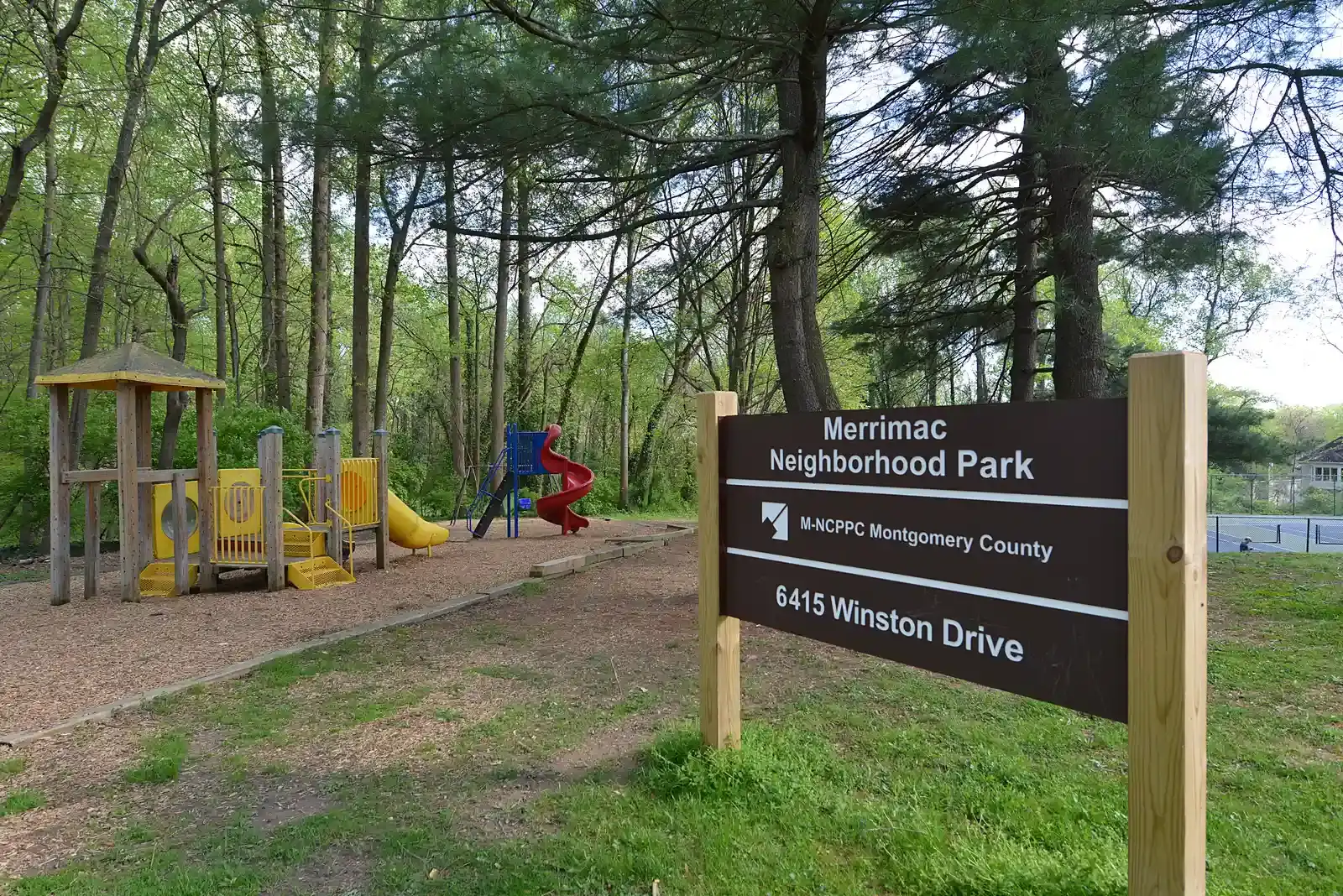
It is tempting to treat stories about nature’s benefits as charming but optional extras, the kind of thing to enjoy once the “real” work of healthcare and urban planning is done. Yet when researchers map green space access against health statistics, the stakes look far higher. People in neighborhoods with little or no greenery often face higher rates of cardiovascular disease, obesity, and mental health conditions. Limited tree cover also means more exposure to urban heat, which can be dangerous during extreme weather events and tends to hit low-income communities hardest. In that sense, planting and protecting green spaces is not just about aesthetics; it is a matter of environmental justice.
Comparisons with traditional health interventions put the scale in perspective. A prescription for medication might target a single symptom, while a well-designed park can influence physical activity, social connection, stress levels, and even air quality at once. Public health teams are increasingly exploring “green prescriptions,” where clinicians encourage patients to spend time in local parks or community gardens alongside standard treatments. This does not replace the need for medical care, but it reframes nature as part of the infrastructure of health rather than a leisure add-on. When a short walk among trees can nudge blood pressure down and mood up at very low cost, ignoring that option starts to look irresponsible.
The Hidden Economics of Trees and Parks
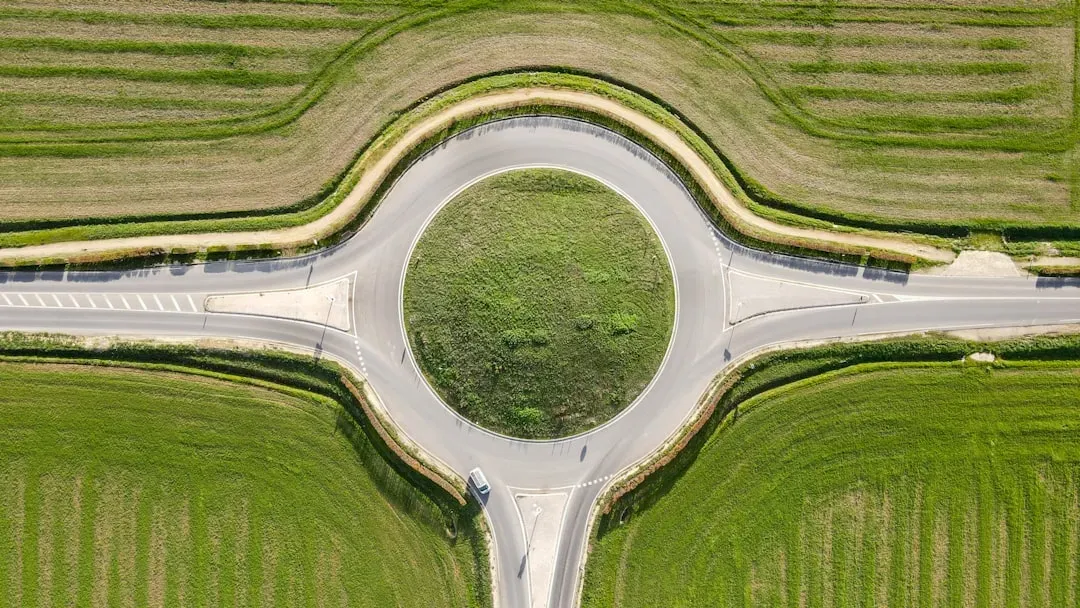
Beyond personal well-being, green spaces quietly influence local and national economies. Healthier populations generally require fewer medical resources over time, and several analyses suggest that expanding urban greenery could reduce healthcare costs linked to chronic stress and inactivity. Trees and parks also draw people out of their homes, boosting small businesses such as cafes, markets, and recreation services that cluster around attractive public spaces. When a neglected lot becomes a community garden, it can transform not just the view but the flow of people, safety, and local pride. These shifts are hard to capture in a single number, but city planners are increasingly trying.
There are also more direct financial benefits that rarely make headlines. Urban trees can lower energy bills by providing shade in summer and wind protection in winter. Cooler, greener streets are less likely to suffer heat-related damage, which means fewer repairs and disruptions. Property values near well-maintained parks tend to rise, which can be both a blessing and a challenge if it contributes to displacement. This economic complexity underscores a key point: the healing power of nature is not only biological, it is woven into the systems that keep communities functioning. When cities invest in equitable, accessible green spaces, they are not just beautifying neighborhoods; they are making long-term bets on public resilience.
Global Perspectives on Green Space and Health
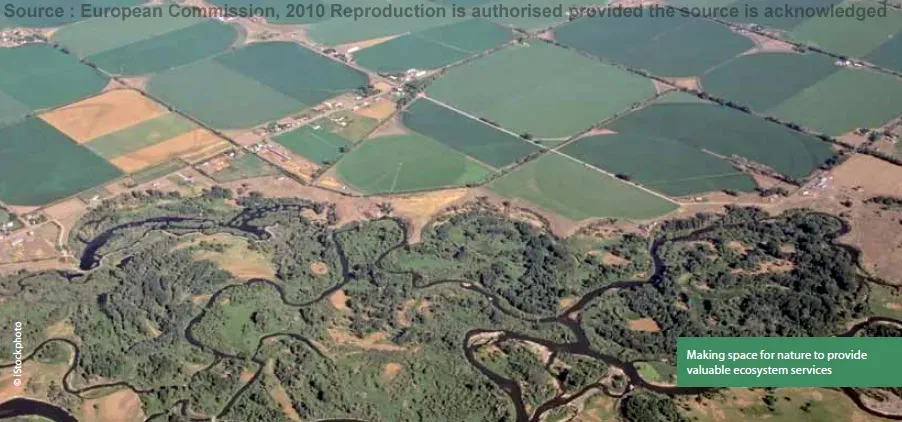
The relationship between nature and health looks surprisingly consistent across very different cultures and climates. In Scandinavian countries, outdoor time is woven into daily life, with children often napping outside in well-insulated strollers and schools treating forest play as routine. Studies from these regions suggest that early, frequent contact with nature may help shape healthier habits and immune systems over the long term. In rapidly growing cities in Asia and Latin America, efforts to create urban parks and protect remaining forests are increasingly framed as health strategies, not just environmental ones. The core idea is the same: people do better when they have easy, regular access to living, breathing landscapes.
At the same time, global inequalities in green space access remain stark. Residents of informal settlements or densely built urban cores may rely on tiny patches of grass or roadside trees as their only contact with nature. Some cities are experimenting with pocket parks, green roofs, and rewilded riverbanks to bring bits of biodiversity into even the most constrained areas. Others are integrating health ministries into urban design decisions, recognizing that every tree-planting initiative is also, indirectly, a public health program. As heat waves, pollution, and mental health challenges intensify worldwide, countries that treat green space as vital infrastructure rather than a decorative afterthought may find themselves better prepared.
The Future Landscape of Nature-Based Health
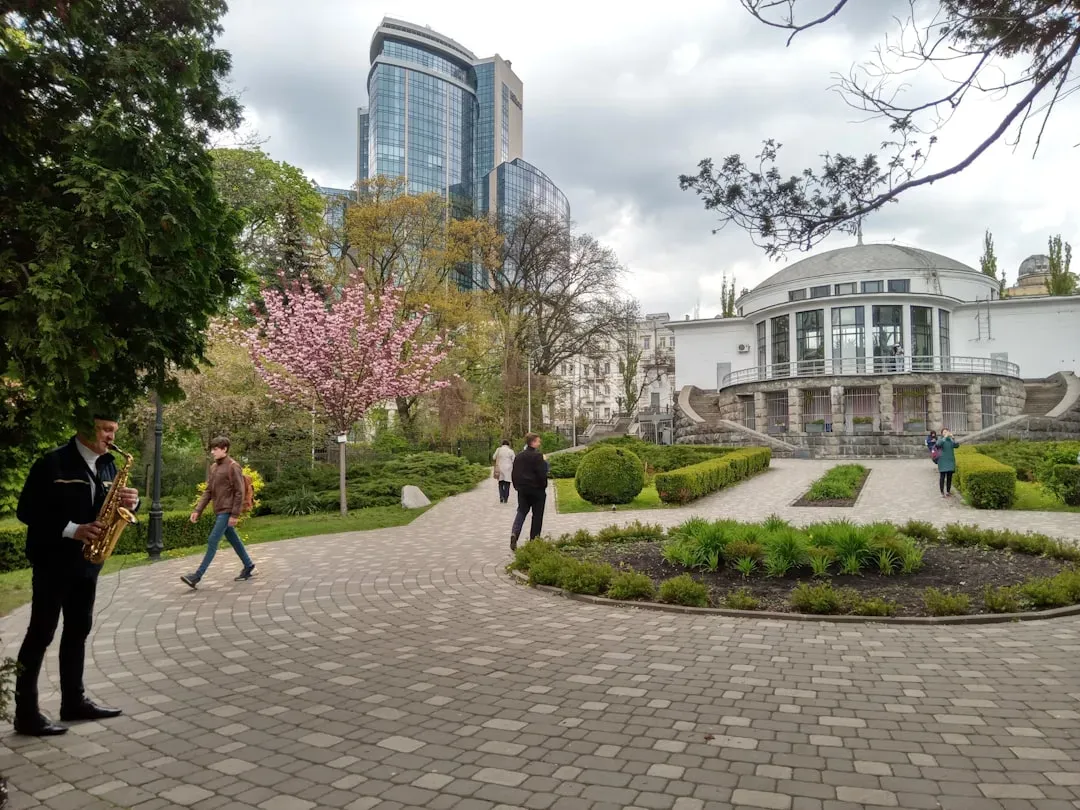
Looking ahead, the frontier of nature and health research is moving beyond simply counting trees and park benches. Scientists are testing how specific features – like biodiversity, water elements, or soundscapes – shape outcomes such as stress recovery, creativity, and cognitive performance. Wearable sensors and smartphone apps allow researchers to track heart rate, mood, and movement as people move through different environments in real time. This could help cities design parks that are not only beautiful but purpose-built to calm nerves, cool streets, and encourage social interaction. It also raises intriguing questions about how much “dose” of nature is needed for particular benefits, and whether brief, frequent contact may matter more than occasional wilderness trips.
Technology is also creating new possibilities and new tensions. Virtual reality simulations of forests or coastal scenes are being explored for patients who cannot easily access the outdoors, such as those in intensive care units or remote facilities. While digital nature cannot fully replace the sensory richness of the real thing, early trials suggest it may still help reduce perceived pain and anxiety. On a larger scale, satellite data and artificial intelligence tools are helping map global green space distribution and identify communities most at risk from nature loss. These tools could guide investments toward places where new parks or restored wetlands would deliver the greatest health dividends, turning abstract models into very tangible shade, soil, and leaves.
Simple Ways to Invite More Nature Into Daily Life
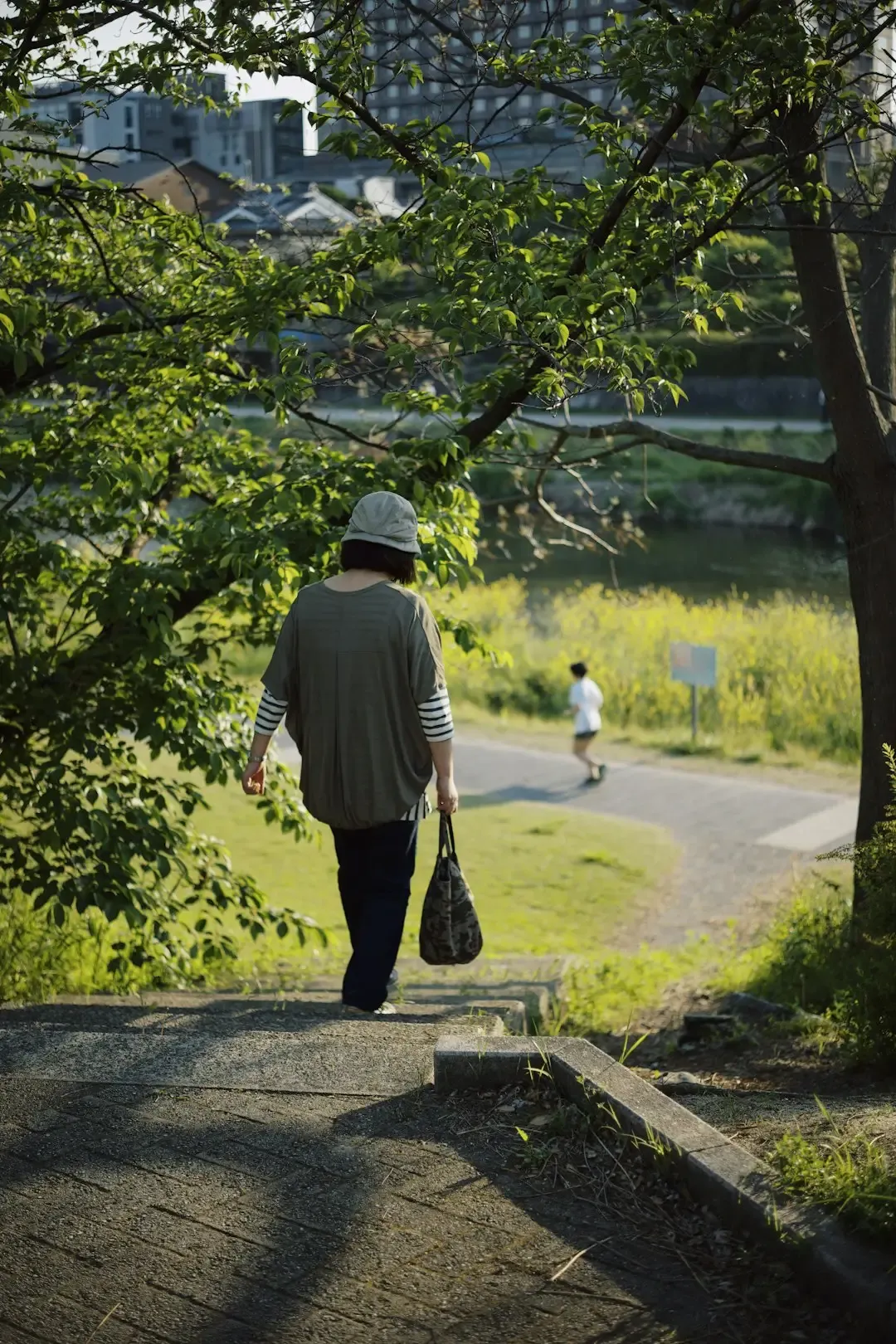
For individuals, engaging with the healing power of nature does not require a cabin in the wilderness or hours of free time. Small, regular rituals can make a real difference: a ten-minute walk under street trees on your lunch break, a habit of eating breakfast near a window with a view of a yard or courtyard, or a weekly visit to a local park. Joining or supporting community garden projects brings an added social layer, letting people share both vegetables and stories. Even bringing houseplants into your home or workplace can soften the visual environment and serve as a daily reminder to pause and breathe.
On a collective level, readers can lend their voices and votes to policies that protect and expand green spaces, especially in underserved neighborhoods. Supporting local conservation groups, volunteering for tree-planting days, or simply showing up to public meetings about park funding helps signal that nature is not a fringe concern but a core health issue. Schools, clinics, and workplaces can experiment with outdoor classes, walking meetings, or small pocket gardens to normalize nature as part of everyday life. By treating each tree-lined path or restored wetland as part of a shared health system, communities can turn abstract science into lived experience, one patch of green at a time.
Suhail Ahmed is a passionate digital professional and nature enthusiast with over 8 years of experience in content strategy, SEO, web development, and digital operations. Alongside his freelance journey, Suhail actively contributes to nature and wildlife platforms like Discover Wildlife, where he channels his curiosity for the planet into engaging, educational storytelling.
With a strong background in managing digital ecosystems — from ecommerce stores and WordPress websites to social media and automation — Suhail merges technical precision with creative insight. His content reflects a rare balance: SEO-friendly yet deeply human, data-informed yet emotionally resonant.
Driven by a love for discovery and storytelling, Suhail believes in using digital platforms to amplify causes that matter — especially those protecting Earth’s biodiversity and inspiring sustainable living. Whether he’s managing online projects or crafting wildlife content, his goal remains the same: to inform, inspire, and leave a positive digital footprint.