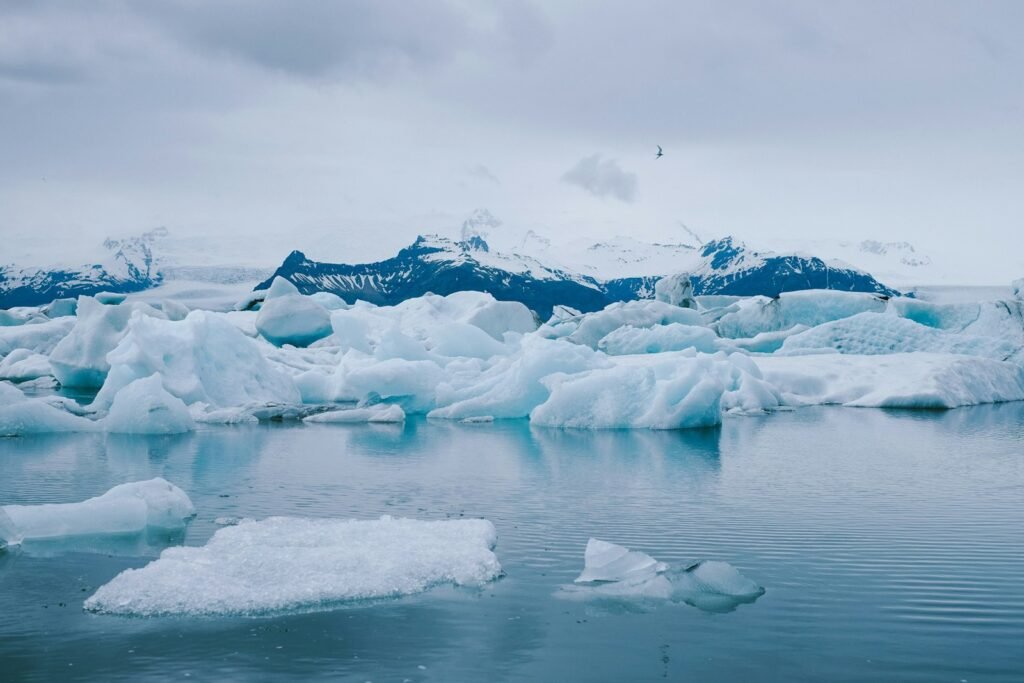

The world’s great ice rivers are shrinking, and the pace is no longer something only mountaineers and polar scientists whisper about. From Alaska to the Alps, glaciers that once seemed eternal are collapsing within a single human lifetime, reshaping coastlines, rivers, and even the stories communities tell about home. What makes this moment so gripping is not just the loss of ancient ice, but what that loss is quietly triggering in our oceans, weather, and societies. Scientists now describe glaciers as “sentinels” of climate change, and their rapid retreat is a warning signal we can actually see. The mystery is not whether they are melting, but how far those changes will ripple into the future we are building right now.
The Hidden Clues Locked in Ancient Ice
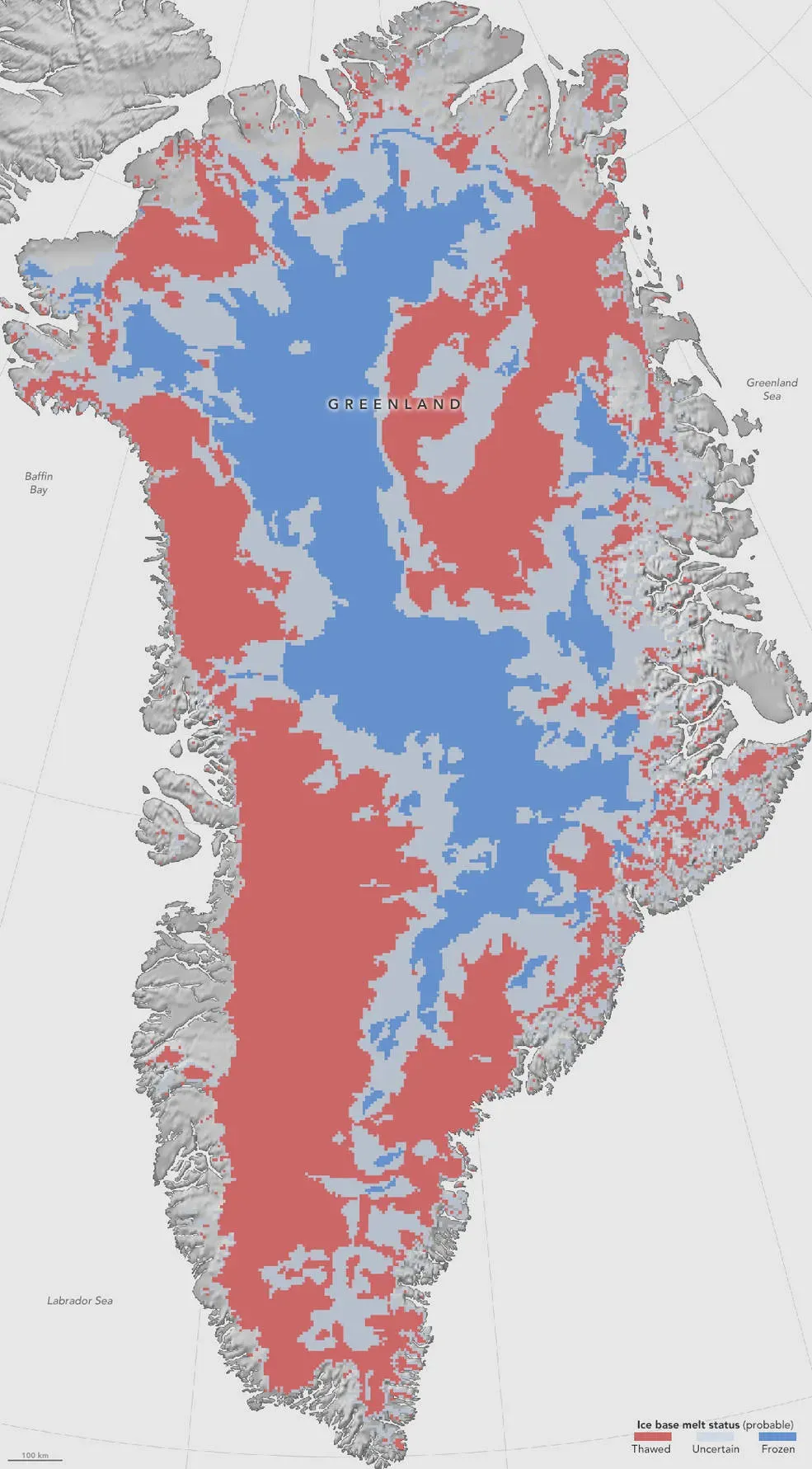
It is hard to stand beside a glacier and think of it as anything but solid, but in reality, glaciers are slow-motion archives of Earth’s past. As snow falls and compresses into ice over centuries, it traps tiny bubbles of air, dust, volcanic ash, and even traces of ancient pollution. When scientists drill ice cores in places like Greenland and Antarctica, they are effectively unrolling a frozen climate scroll that stretches back hundreds of thousands of years. Each narrow slice of ice can reveal past temperatures, greenhouse gas levels, and even the timing of droughts and storms.
What makes the current retreat especially sobering is that these ancient records now contrast sharply with what we see outside the lab window. The chemical fingerprints in older ice layers show natural ups and downs in climate, but nothing like the rapid warming observed since the industrial age began. That mismatch is one of the key clues that today’s glacier loss is driven primarily by human activity, not just a natural cycle. In a way, the glaciers are both the storytellers of Earth’s climate history and the victims of its latest chapter.
From Towering Giants to Disappearing Landmarks
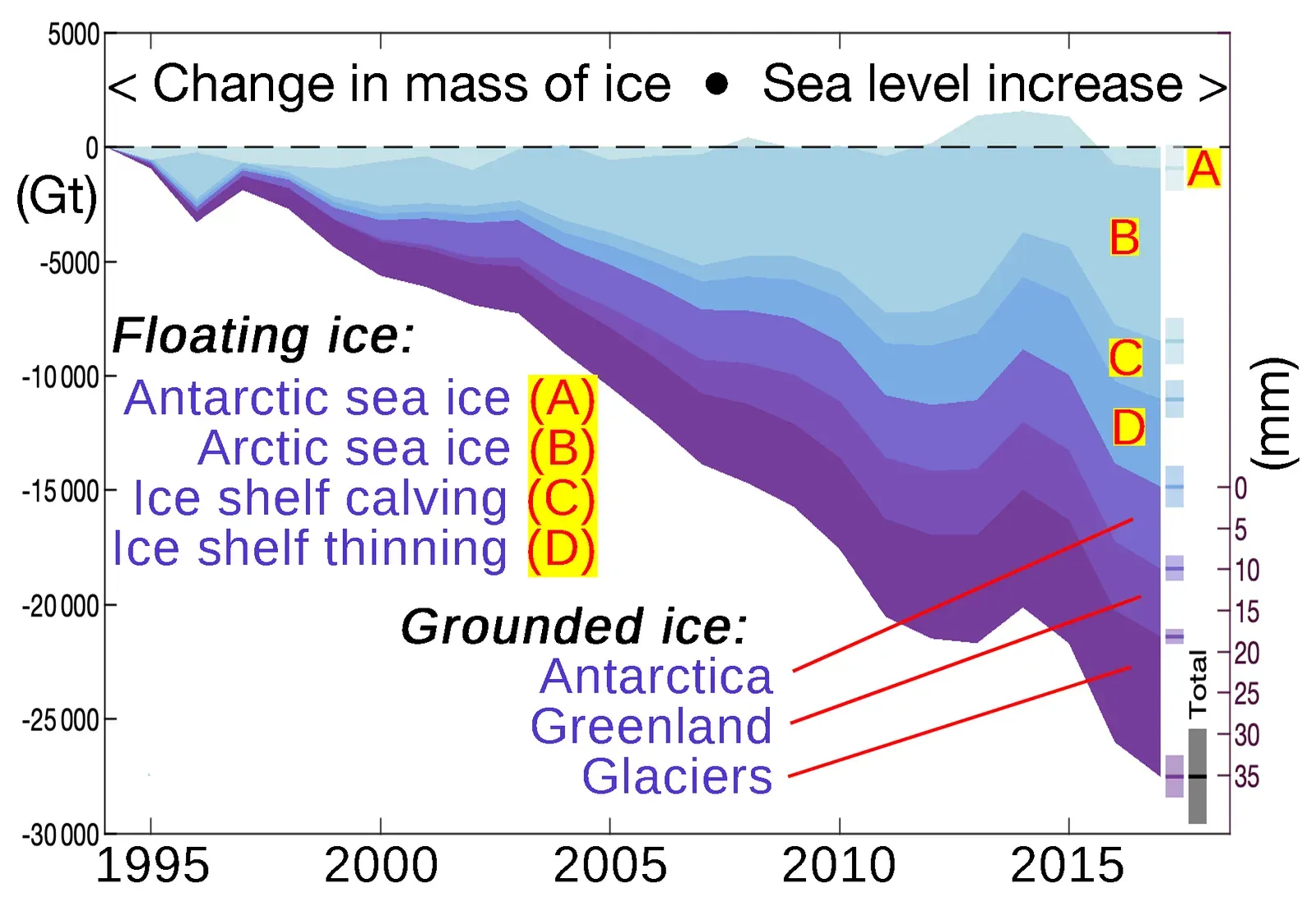
For many people, the reality of vanishing glaciers hit home not through scientific graphs, but through missing landmarks. Guides in the European Alps now point to bare rock where famous glacier tongues once spilled into the valley floor, and tourists hike much farther than their grandparents did to reach the remaining ice. In the United States, park rangers at places like Glacier National Park use side‑by‑side photographs taken a few decades apart to show how dramatically the ice has pulled back. The shift is so visible that some communities are rewriting trail maps and even renaming features as the ice they were named after fades away.
On a recent reporting trip in a mountain region, I remember walking along a dusty path marked on an older map as “under ice.” That small detail hit harder than any statistic; it felt like stepping into a ghost outline of a glacier that was simply gone. This kind of lived evidence is echoed around the world, from the iconic snows of Kilimanjaro to low‑latitude glaciers in the Andes and Himalayas. Where ice once served as a seasonal reservoir, feeding streams well into the dry months, many of these systems now surge with runoff for a while and then wane to a trickle. The transformation is not just scenic; it is rewriting the water calendar for millions of people downstream.
Why It Matters: Water, Food, and Rising Seas
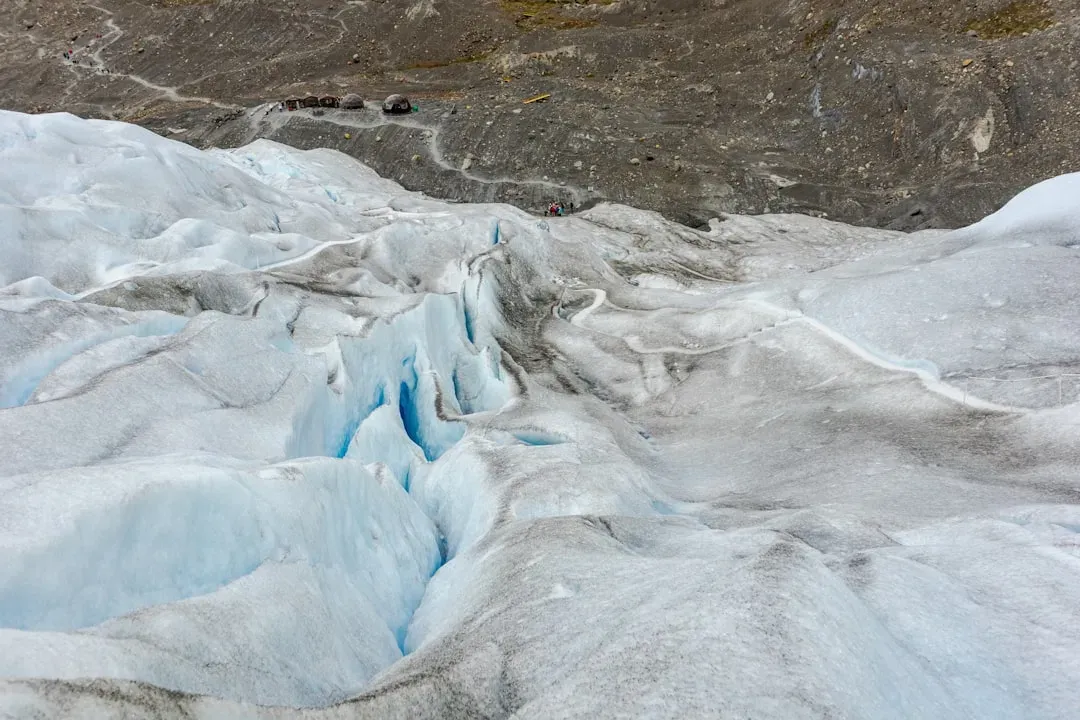
The most immediate reason glacier retreat matters is surprisingly simple: fresh water. In many high‑mountain regions, glaciers act like natural savings accounts, storing winter snow and slowly releasing it as meltwater in spring and summer. Communities in parts of South Asia, South America, and the American West depend on this delayed release to irrigate crops, generate hydropower, and keep rivers flowing in dry seasons. As glaciers shrink, they initially release more melt, which can create a temporary feeling of abundance or even dangerous floods.
Over time, though, that bonus water declines as the ice reserve runs down, leaving rivers more vulnerable to extreme droughts. Coastal and island communities face a different threat linked to melting ice: rising seas. The vast majority of glacier ice outside of Greenland and Antarctica is now contributing to sea‑level rise, adding to the expansion of warming oceans. Even small increases in sea level can worsen coastal flooding, saltwater intrusion into groundwater, and storm surge impacts. The chain reaction from remote mountain valleys to crowded coastal cities is one of the core reasons glaciologists warn that glacier retreat is not a niche problem; it is a global one.
The Shifting Rhythm of Rivers and Weather
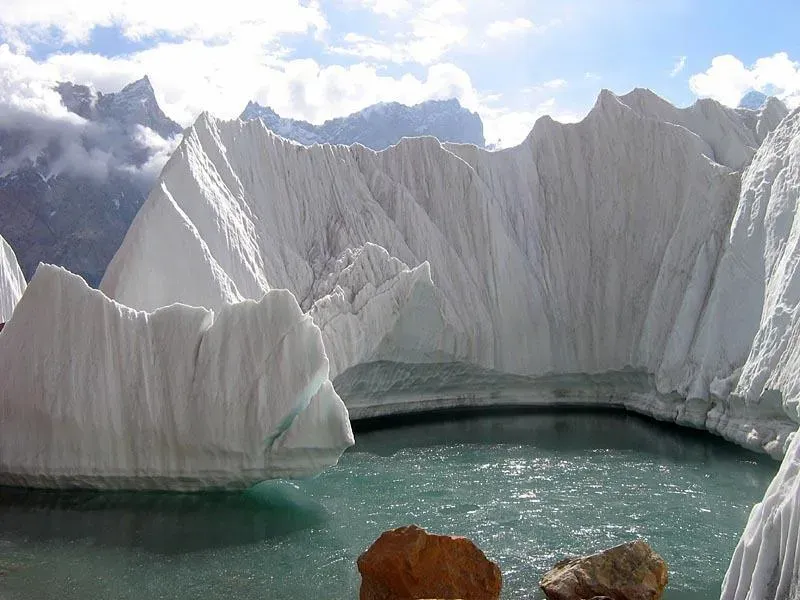
Glaciers also help set the rhythm of river systems, and when they vanish, that rhythm changes in sometimes surprising ways. In regions where glacier melt once buffered rivers during late summer, the loss of ice can turn a steady flow into a more boom‑and‑bust pattern. Farmers might see heavier spring floods as snowpack and remaining ice melt earlier, followed by weaker flows just when crops most need water. Hydropower dams, which rely on predictable flows, may generate less electricity in late summer and fall, forcing operators to rethink how reservoirs are managed.
There is another layer, too: bare rock and darker land surfaces exposed by retreating ice absorb more solar energy than bright, reflective snow and ice did. This shift, known as the albedo effect, can enhance local warming and even influence regional weather patterns. In some high‑mountain areas, scientists are investigating links between receding glaciers, changing wind patterns, and altered monsoon behavior. While the exact relationships are complex and still being studied, the emerging picture is clear enough: glaciers are not just passive lumps of ice. They are active components of climate and water systems, and their disappearance can unsettle both.
Global Perspectives: Uneven Impacts, Shared Stakes
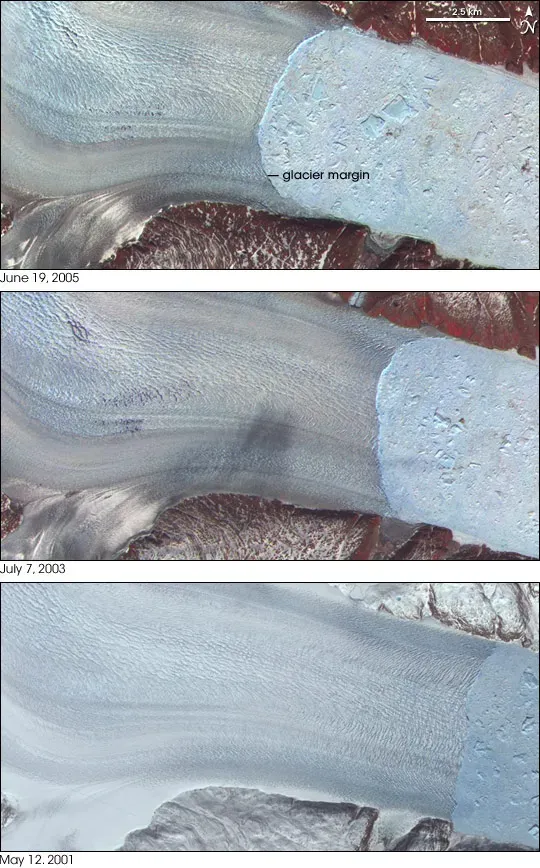
Glacier retreat is a global phenomenon, but its consequences land unevenly. Wealthy ski resorts in the Alps, for example, are experimenting with snow‑making machines and even covering small sections of ice with reflective blankets to slow summer melt. These efforts may preserve parts of the tourism economy, but they are not realistic options for most regions. In contrast, remote mountain communities in the Himalayas or Andes often lack the resources to adapt quickly, even though they may depend far more directly on glacier‑fed water.
At the same time, low‑lying coastal cities and island nations are watching sea‑level projections with growing concern, knowing that melting glaciers and ice sheets thousands of kilometers away could determine where future shorelines fall. This creates a striking paradox: communities who have contributed relatively little to the emissions driving glacier loss can be among the most exposed to its impacts. Yet there is also a shared stake that crosses borders. Ports, trade routes, global food markets, and migration patterns are all sensitive to water availability and coastal risks. In that sense, glacier retreat is not only a story about mountains and polar regions, but about how tightly connected our modern world really is.
From Ancient Tools to Modern Science
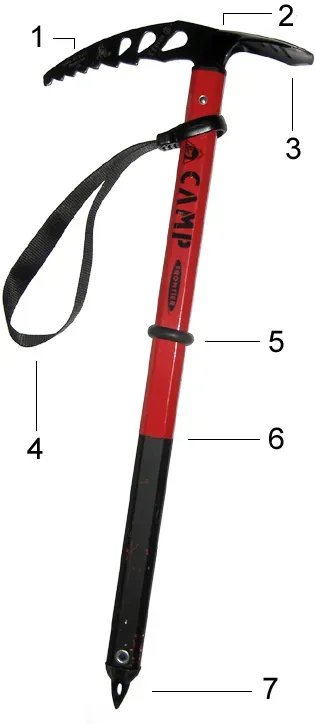
Humans have been fascinated by glaciers for centuries, long before satellites and climate models existed. Early explorers drew careful sketches of ice fronts, and some nineteenth‑century scientists even built stone markers to track where a glacier ended from year to year. These early records may seem crude compared to today’s data, but they now provide invaluable baselines for understanding just how far and how fast many glaciers have moved. Old photographs, survey notes, and even paintings are being digitized and compared with modern imagery to quantify change.
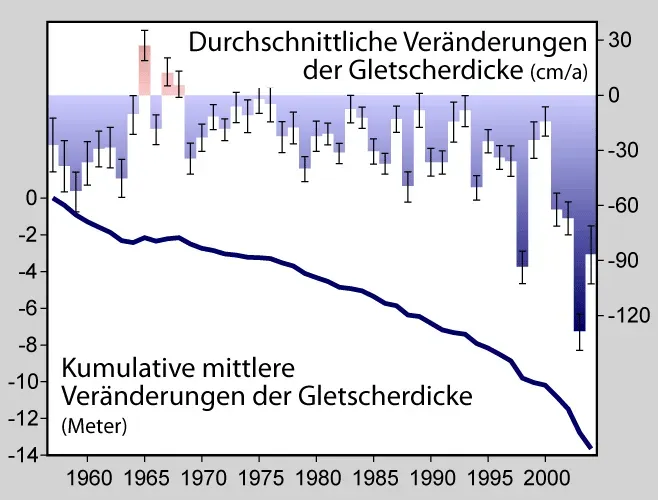
Today’s glaciology blends that historical curiosity with tools that previous generations could barely imagine. Satellites can measure subtle changes in ice height and mass over vast regions, while drones fly detailed mapping missions over individual glaciers that are too dangerous to traverse on foot. Scientists also deploy GPS sensors, temperature loggers, and even radar instruments that can “see” through the ice to map the bedrock below. This mix of old and new data paints a consistent picture: in most regions, glaciers are retreating more quickly now than at any time since careful records began. The convergence of these tools leaves less and less room to dismiss what is happening as just a temporary fluctuation.
Why This Moment Matters More Than a Scenic Loss
It can be tempting to think of glacier loss mainly as a visual tragedy, like losing a famous painting from the world’s gallery of natural wonders. But this moment matters for reasons that reach far beyond aesthetics. Glaciers represent a kind of climate savings account that took centuries to build and is now being spent down rapidly. Once those reserves are gone, they cannot simply be refilled on human time scales, even if temperatures later stabilize. That irreversibility is what sets glacier retreat apart from some other environmental changes that can recover more quickly.
Comparing this to past climate shifts helps underline the point. Previous warm periods in Earth’s history did see glaciers retreat, but they unfolded over much longer timescales than the changes we are recording today. The rapid speed of modern ice loss is closely tied to the acceleration of greenhouse gas emissions since the industrial era, which gives this moment a distinctly human fingerprint. In practical terms, that means society has a rare kind of leverage: choices made about energy, land use, and emissions in the coming decades will strongly influence how much ice remains for future generations. The glaciers’ response is not instant, but it is very much tied to the path we choose.
The Future Landscape: Technologies, Trade‑offs, and Tough Questions
Looking ahead, scientists are racing to better predict how glaciers will behave under different warming scenarios. High‑resolution computer models now simulate how ice responds to changes in temperature, snowfall, and meltwater flowing through crevasses and beneath glacier beds. These models, combined with field measurements, feed into projections of future river flows and sea‑level rise. New satellite missions are also planned or underway to track changes in ice mass more precisely, improving our ability to see which regions are most vulnerable.
On the ground, adaptation ideas range from rethinking reservoir management and irrigation systems to relocating infrastructure out of flood‑ and landslide‑prone valleys below unstable, rapidly thinning glaciers. There are also more speculative proposals, such as engineering interventions to slow melting near particularly critical glaciers, but these raise thorny questions about feasibility, cost, and unintended consequences. In parallel, global efforts to reduce emissions are effectively attempts to stabilize the long‑term fate of the world’s ice. Even with ambitious action, many smaller glaciers are expected to shrink significantly or disappear this century, reshaping mountain landscapes and coastal risks. The open question is not whether change is coming, but how extreme it will be, and how prepared we will be when it arrives.
What You Can Do: From Awareness to Action
Glacier loss can feel remote if you do not live near snow‑capped peaks, but there are direct ways individuals can engage with this story. One simple step is to pay attention to credible sources of glacier and climate information, such as national science agencies and research institutions, and share that knowledge in your own circles. Supporting organizations that fund climate and cryosphere research helps ensure scientists have the tools they need to monitor change and refine forecasts. Travelers can also make thoughtful choices, favoring operators and destinations that minimize their footprint and contribute to local conservation efforts rather than exploiting fragile mountain environments.
Closer to home, personal decisions about energy use, transportation, and voting for policies that prioritize climate resilience all influence the long‑term trajectory of glacier health, even if the link feels indirect. Educators and parents can bring glacier stories into classrooms and dinner‑table conversations, turning distant ice into something kids can picture and care about. Small steps may seem insignificant next to an entire mountain of melting ice, but they add up within the larger systems driving the change. The glaciers may be retreating, but our understanding and response do not have to lag behind.
Suhail Ahmed is a passionate digital professional and nature enthusiast with over 8 years of experience in content strategy, SEO, web development, and digital operations. Alongside his freelance journey, Suhail actively contributes to nature and wildlife platforms like Discover Wildlife, where he channels his curiosity for the planet into engaging, educational storytelling.
With a strong background in managing digital ecosystems — from ecommerce stores and WordPress websites to social media and automation — Suhail merges technical precision with creative insight. His content reflects a rare balance: SEO-friendly yet deeply human, data-informed yet emotionally resonant.
Driven by a love for discovery and storytelling, Suhail believes in using digital platforms to amplify causes that matter — especially those protecting Earth’s biodiversity and inspiring sustainable living. Whether he’s managing online projects or crafting wildlife content, his goal remains the same: to inform, inspire, and leave a positive digital footprint.