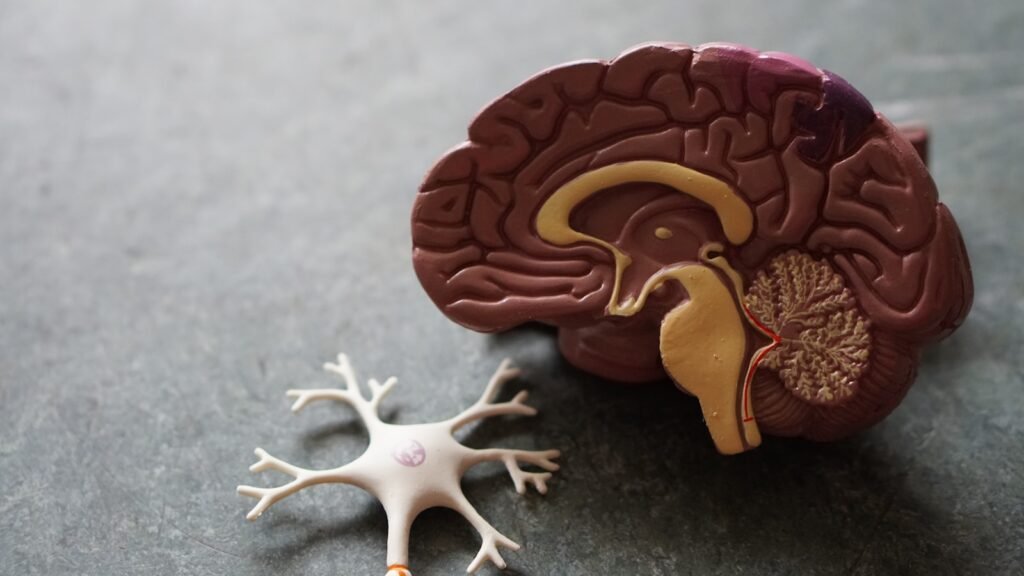

Try to recall what you had for lunch two Tuesdays ago. For most people, that simple question hits a strange, slightly unsettling wall of blankness. We carry our memories as if they are a personal archive, yet they blur, warp, and vanish in ways that can feel random or even unfair. Neuroscientists, however, are finding that forgetting is not a glitch in the system but a feature built into how the brain works. Behind every misplaced key, forgotten name, or lost childhood detail lies a complex dance of neurons, chemicals, and time. And understanding why we forget is quietly rewriting how we think about identity, aging, and even the future of brain-enhancing technologies.
The Hidden Clues: What Everyday Forgetfulness Reveals About the Brain
That moment when you walk into a room and instantly forget why you went there can feel like a personal failure, but it is actually a clue to how context shapes memory. Our brains tie memories to environments, sights, smells, and emotional states, so when the context changes, the mental “hooks” can weaken. Psychologists call this context-dependent memory, and it helps explain why you suddenly remember that lost thought as soon as you walk back to where you started. In a way, your brain files information with invisible labels that sometimes get misplaced when the scene shifts. Everyday lapses are not a sign that the brain is shutting down; they tease the limits of a system that is constantly trying to decide what is worth keeping.
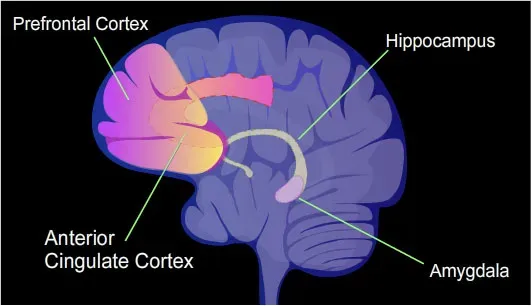
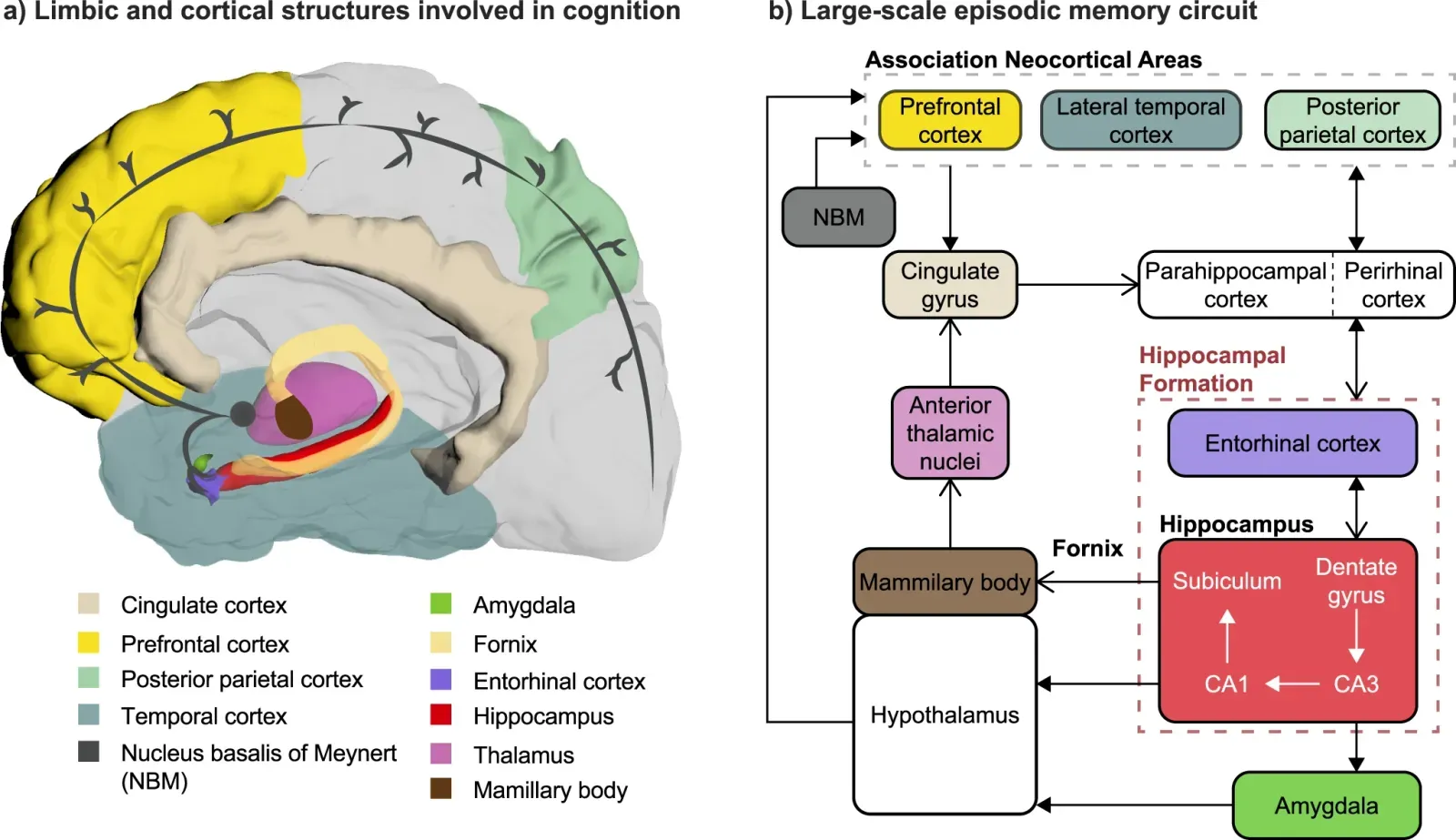
Another hidden clue lies in how we remember emotionally charged events more vividly than routine ones, even if the details are skewed. You might recall where you were during a major life moment but struggle to remember something as simple as a password you typed yesterday. That is because the brain’s emotional centers, like the amygdala, can boost the storage of certain experiences while letting neutral, repetitive information fade. Forgetting the ordinary frees up mental resources, like cleaning out a crowded photo library so the most meaningful images stand out. The irritation we feel at forgetting is real, but so is the quiet efficiency behind it.
From Ancient Theories to Modern Brain Science
Humans have wondered about memory loss for thousands of years, long before anyone knew what a neuron was. Ancient philosophers debated whether memories faded like ink on papyrus or were simply buried under newer experiences. For a long time, forgetting was seen mostly as decay: ideas that had once burned bright gradually dimmed until they vanished. That picture was partly right but incomplete, like thinking a library loses books only because they grow old, not because someone actively removes them from the shelves. Modern neuroscience has revealed that forgetting is not only passive fading but sometimes an active, biological process.
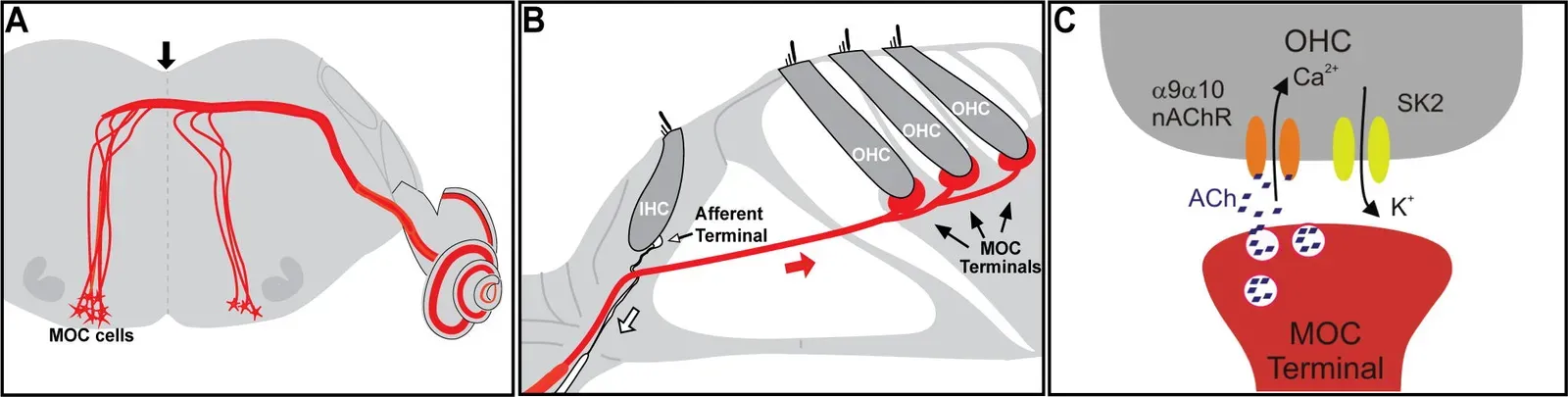
With brain imaging and molecular tools, researchers in the last few decades have shown that the connections between neurons, called synapses, are constantly changing. When we form a memory, certain synapses strengthen; when we forget, some of those connections weaken or are pruned away. Specialized cells in the brain can even help clear out unused synapses, in a kind of nocturnal housekeeping that becomes especially active during sleep. Instead of a static storehouse, the brain looks more like a living city under perpetual construction, renovation, and demolition. The science of forgetting has shifted from mystery to measurable biology, though many details are still being pieced together.
The Mechanics of Forgetting: How Memories Fall Apart
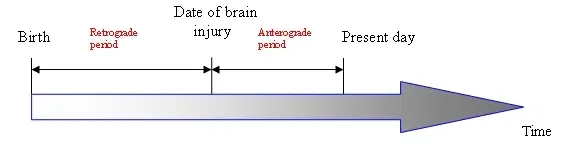
At a microscopic level, forgetting often begins with how fragile new memories are. Right after you learn something, the memory trace is unstable, relying on temporary electrical patterns and early molecular changes. Over time, and especially with sleep and repetition, some of these traces are consolidated into more durable forms, a bit like saving a draft document into a long-term archive. If consolidation is interrupted by stress, distraction, or lack of sleep, the memory may never fully stabilize, making it far easier to lose. This is one reason you might vividly remember a dramatic conversation but barely recall the tedious instructions that came right before it.
Memory loss also happens through interference, where similar memories crowd each other and blur details. Learning several new coworkers’ names in one week, for example, can make it harder to keep each identity pinned down in your mind. Older information can interfere with new learning, and fresh experiences can overwrite or distort what came before, like writing again and again on the same piece of paper. Some researchers argue that the brain uses forgetting to minimize this interference, preventing us from drowning in conflicting details. In that view, memories do not simply fall apart by accident; they are trimmed and reshaped so that the system as a whole can keep working.
Stress, Sleep, and the Body’s Role in Memory Loss

Many people blame themselves for forgetfulness when the real culprit is their lifestyle and environment. Chronic stress, for example, floods the body with hormones that can interfere with the hippocampus, a key brain structure for forming new memories. Over long periods, elevated stress levels have been linked to reduced volume in this region and more frequent lapses in recall. It is not that the brain stops trying but that it is constantly busy putting out emotional fires rather than carefully filing away information. In a culture that celebrates busyness, the toll on memory can be surprisingly steep.
Sleep is another powerful yet underestimated player in the story of forgetting. During deep stages of sleep, the brain replays patterns of activity from the day, strengthening some connections and weakening others. It is during this process that newer, fragile memories are sorted: some are reinforced, others are quietly discarded. When sleep is short or fragmented, this selection process becomes noisier and less efficient, leading to fuzzier recall the next day. People who regularly shortchange their sleep often experience exactly the kind of scattered, jumpy memory that feels like a modern curse but is rooted in biology.
Everyday Forgetting vs. Disease: Where Is the Line?
One of the most unsettling questions people ask as they age is whether their forgetfulness is normal or a sign of something more serious. Misplacing your glasses, occasionally losing track of a word, or forgetting why you opened an app are common experiences at almost any age. These lapses usually involve attention and overload rather than the destruction of memory systems. The line begins to shift when forgetting interferes with basic daily routines, like getting lost on familiar routes or repeating the same questions over and over without awareness. Then, memory loss can move from an annoyance to a clinical warning sign.
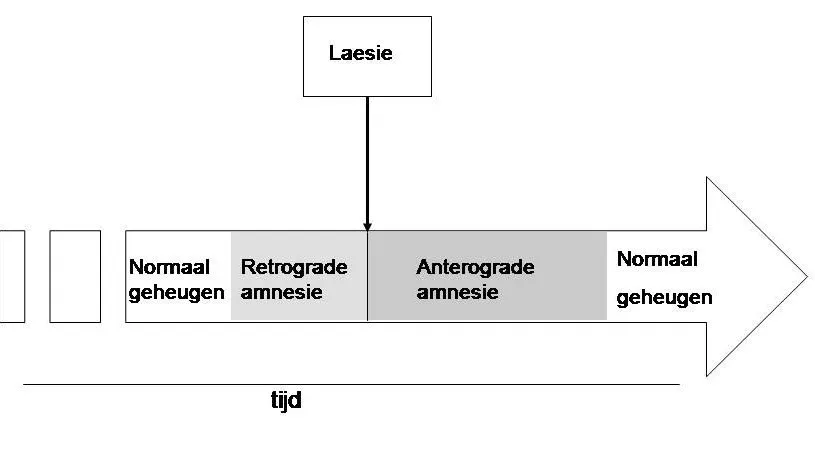
Neurodegenerative conditions such as Alzheimer’s disease involve underlying damage to brain cells and the networks that support memory. In these disorders, forgetting is not strategic pruning; it is catastrophic loss. Proteins misfold, toxic deposits build up, and neurons die, particularly in regions crucial for storing and retrieving personal experiences. While normal forgetting is selective and often adaptive, pathological forgetting is widespread, unpredictable, and deeply disruptive to identity. Understanding the difference has become a major public health priority as populations age and dementia diagnoses rise worldwide.
Why It Matters: Forgetting as a Feature, Not Just a Failure
It is tempting to dream of a brain that never forgets, but such a brain might be less a gift and more a burden. Studies of people with unusually strong autobiographical memory show that holding onto everything can be overwhelming, making it harder to move on from painful moments. Forgetting allows us to update our beliefs, recover from grief, and focus on what is most relevant in the present. In that sense, memory loss is woven into resilience and emotional survival, not simply a sign that something has gone wrong. The brain is constantly trading precision for flexibility.
From a broader scientific perspective, seeing forgetting as a feature helps reframe how we design education, workplaces, and even digital tools. If the brain naturally discards low-value information, then repetition, emotional engagement, and context become essential tools for making ideas stick. It also raises questions about the flood of information we encounter every day and how little of it we expect to truly keep. Instead of fighting every lapse, we can ask which memories are actually worth saving and design our habits around those choices. The stakes are high because our memories shape our decisions, relationships, and sense of who we are.
The Future Landscape: Can We Hack Forgetting?
As neuroscience advances, the idea of deliberately altering forgetting no longer belongs solely to science fiction. Experimental drugs and brain stimulation techniques are being explored to strengthen memory in conditions like dementia or to dampen the emotional power of traumatic memories. Researchers have already shown in animals that specific memory traces can be weakened or strengthened by tweaking molecular pathways linked to synaptic plasticity. These approaches raise a host of ethical questions about which memories should be protected and whether erasing certain memories might reshape personality. The brain is not a hard drive where files can be safely deleted without side effects.
Beyond medicine, technology companies are quietly building external memory systems that change what it means to forget. Smartphones, wearables, and online platforms already store vast archives of our photos, messages, and locations, creating a kind of outsourced memory. In the coming years, more immersive tools, from augmented reality to lifelogging devices, may make it easier to record everything but harder to decide what to ignore. Ironically, the more perfect our external records become, the more important biological forgetting may be for staying sane. The future of memory may depend not just on what we can remember, but on learning when to let go.
What You Can Do: Caring for a Brain That Forgets
While no one can escape forgetting, there are simple, science-backed ways to work with the brain rather than against it. Regular physical activity, a balanced diet, and strong social connections have all been linked to healthier memory systems across the lifespan. Protecting sleep, especially deep and consistent sleep, may be one of the most powerful steps you can take to support both remembering and adaptive forgetting. Small habits like spacing out learning, teaching others what you have learned, and tying information to vivid images or stories can also help cement memories. Think of these actions as giving your brain clearer instructions about what to keep.
It can also help to treat forgetfulness with curiosity instead of only frustration. When you forget something, ask whether distraction, stress, or overload played a role and what you might adjust next time. Supporting research on brain health, dementia, and mental health – whether through donations, participation in studies, or simply staying informed – contributes to a future where memory loss is better understood and treated. In a world that often celebrates perfect recall, there is quiet power in understanding that forgetting is part of how the brain stays flexible. And the next time you blank on a name, you might remember that your brain is not broken; it is just doing the messy, human work of deciding what matters.
Suhail Ahmed is a passionate digital professional and nature enthusiast with over 8 years of experience in content strategy, SEO, web development, and digital operations. Alongside his freelance journey, Suhail actively contributes to nature and wildlife platforms like Discover Wildlife, where he channels his curiosity for the planet into engaging, educational storytelling.
With a strong background in managing digital ecosystems — from ecommerce stores and WordPress websites to social media and automation — Suhail merges technical precision with creative insight. His content reflects a rare balance: SEO-friendly yet deeply human, data-informed yet emotionally resonant.
Driven by a love for discovery and storytelling, Suhail believes in using digital platforms to amplify causes that matter — especially those protecting Earth’s biodiversity and inspiring sustainable living. Whether he’s managing online projects or crafting wildlife content, his goal remains the same: to inform, inspire, and leave a positive digital footprint.