

Walk through a forest or past a city park, and it looks like nothing much is happening: just leaves, trunks, and maybe a breeze. Yet beneath that quiet surface, plants are trading warnings, sharing resources, and even manipulating insects in ways that sound closer to espionage than ecology. For much of scientific history, we treated plants as passive backdrop, not active players. That view is now crumbling as researchers uncover a hidden web of messages flowing through roots, air, and fungi. What we’re learning is not that plants think like us, but that they participate in complex, social networks of their own.
The Hidden Clues: Are Plants Really Talking?
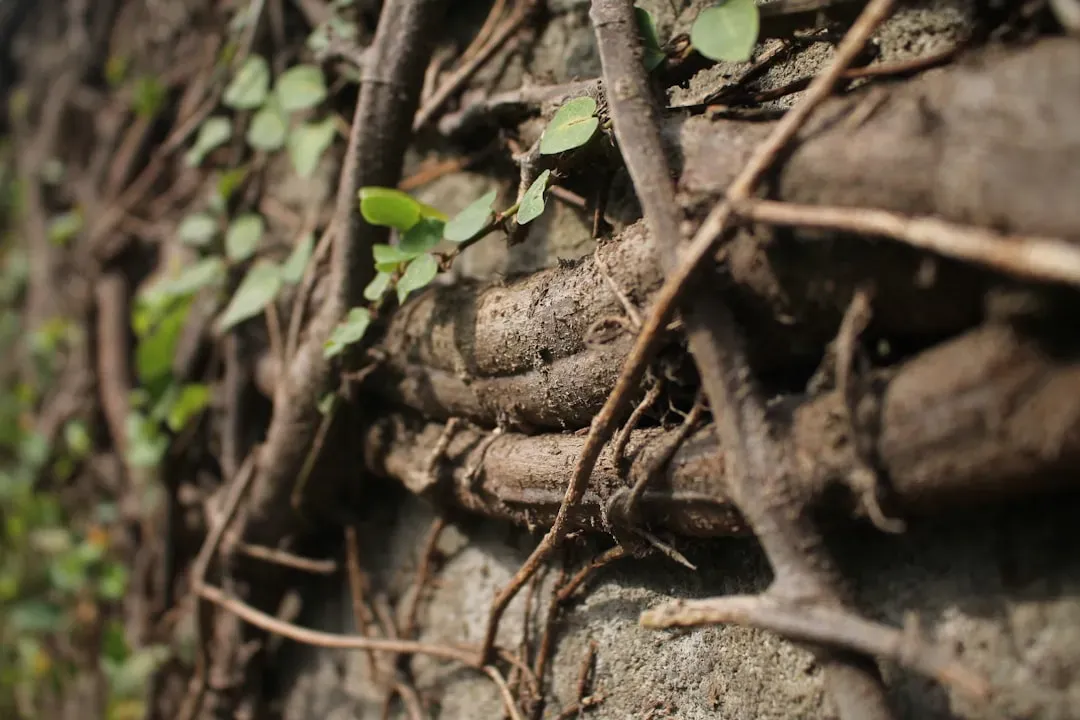
At first glance, the idea that plants communicate sounds like a poetic metaphor, not hard science. But step into a lab where researchers measure plant chemicals and electrical activity, and a different picture emerges: leaves pulsing with voltage spikes, stems releasing invisible plumes of scent when grazed by insects. These are not random reactions; they are structured signals that change depending on the threat or condition. When certain plants are attacked by caterpillars, they alter their chemistry in ways that nearby plants can detect, prompting those neighbors to boost their own defenses in advance. It is less like a scream and more like a coded radio message sent into the air.
Scientists describe these airborne messages as volatile organic compounds, or VOCs, and they can carry an impressive amount of information. One mix of molecules might signal insect attack, another drought stress, and still another an infection by fungi or bacteria. Nearby plants of the same species, and sometimes even different species, can “read” these cues and respond with targeted changes in their own physiology. In other words, what smells like a faint herbal perfume to us can function as a warning siren to plants. Once you realize that every meadow and forest is full of these invisible conversations, it becomes hard to see green landscapes as silent ever again.
Underground Networks: What Happens Beneath Our Feet?
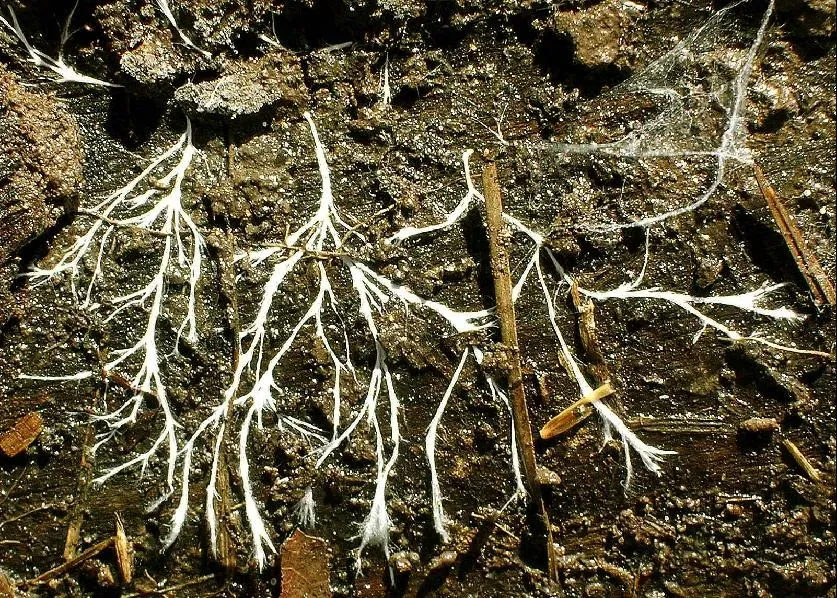
If the air is full of chemical whispers, the soil is more like a densely wired communications grid. Plant roots do not grow alone; they live entangled with vast fungal networks called mycorrhizae that thread through the soil like living fiber-optic cables. These fungi trade nutrients with plants, but they also serve as conduits, moving chemical signals from one plant to another. Experiments in forests and controlled greenhouses have shown that when one tree is stressed, signals and even carbon compounds can travel through these fungal threads to neighbors. The image of isolated trees suddenly gives way to a picture of a connected community.
Some ecologists have described this as a “wood wide web,” a phrase that sticks because it captures the scale and complexity of what is happening. Seedlings shaded under a canopy, for example, may receive subsidized carbon from older trees via fungal intermediaries, like parents feeding their young through a hidden pipeline. In other cases, diseased or dying trees appear to reroute some of their remaining resources through the fungal network before they go, bolstering nearby relatives. While there is still fierce debate about how intentional or “cooperative” these flows really are, no one disputes that information and matter move through this underground mesh. The forest floor, it turns out, is less a boundary and more a busy exchange zone.
Electric Pulses and Slow Signals: How Does a Plant “Feel”?

Communication is not just about sending messages outward; it starts with sensing the world. Plants do not have neurons, but they do generate electrical signals that propagate along their tissues in ways oddly reminiscent of animal nerve impulses. When a leaf is damaged, for instance, an electrical wave can race through the plant, triggering distant leaves to ramp up defensive chemicals. In species like the Venus flytrap or sensitive mimosa, these signals are dramatic, causing rapid movement that we can watch with the naked eye. In most plants, the changes are slower and subtler but no less coordinated. Electrical activity, hormones, and gene expression all dance together in response to stimuli.
Researchers have recorded distinct patterns of electrical activity in response to different kinds of stress, from salt in the soil to heat waves and insect bites. With sensitive electrodes and machine learning, they are starting to decode these patterns the way we once learned to read heart rhythms on an electrocardiogram. It raises provocative questions: if a plant produces a distinctive electrical pattern when injured, is that a kind of internal alarm? And if those signals correlate with outward chemical messages to other plants, where do we draw the line between simple reaction and communication? The more precisely we can map these pathways, the harder it is to dismiss them as mere reflexes.
From Ancient Observations to Modern Experiments: How Did We Miss This?
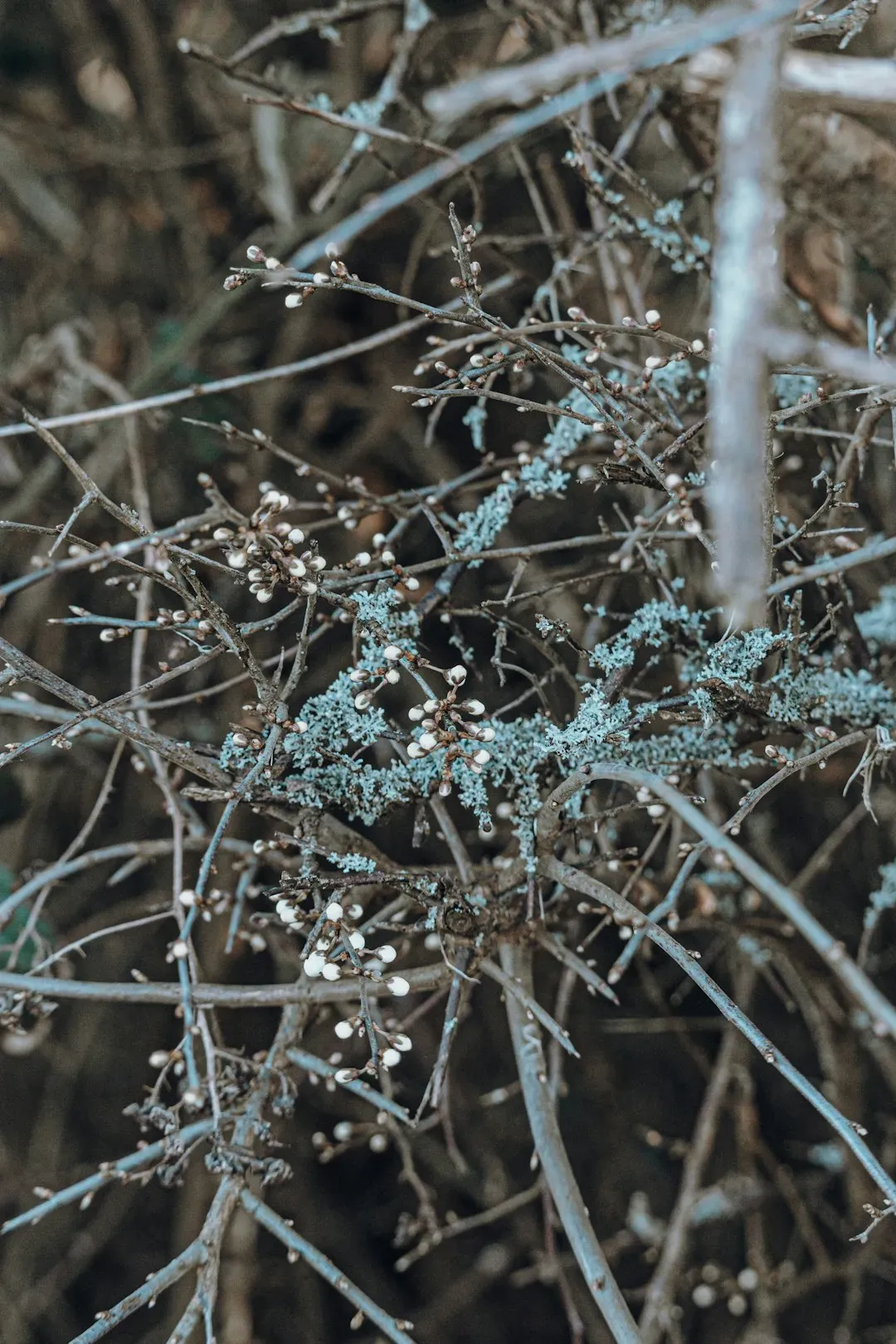
Humans have sensed for a long time that plants respond to their environment in nuanced ways. Farmers noticed that some crops seemed less vulnerable to pests when planted in certain combinations, and traditional agroforestry systems relied on subtle plant–plant interactions long before anyone talked about chemical ecology. Yet modern science largely sidelined these observations for decades, favoring controlled experiments on single plants in pots. That reductionist approach made sense for dissecting basic physiology, but it also stripped away the context where plant communication is most obvious: living communities. We basically tried to understand a conversation by shutting every speaker in a separate room.
Only in the late twentieth and early twenty-first centuries did tools like gas chromatography, mass spectrometry, and isotopic labeling let researchers track plant signals in real time and at tiny concentrations. Suddenly, those folk impressions of “companion planting” gained biochemical backing. Lab studies could show, molecule by molecule, how a damaged plant altered the behavior of its untouched neighbor. Field ecologists then took those insights back into forests, grasslands, and farms, revealing that these processes were not curiosities but everyday events. The story of plant communication is, in many ways, a story about how technology finally caught up with what the living world had been doing all along.
The Hidden Strategies: Who Is Listening In?
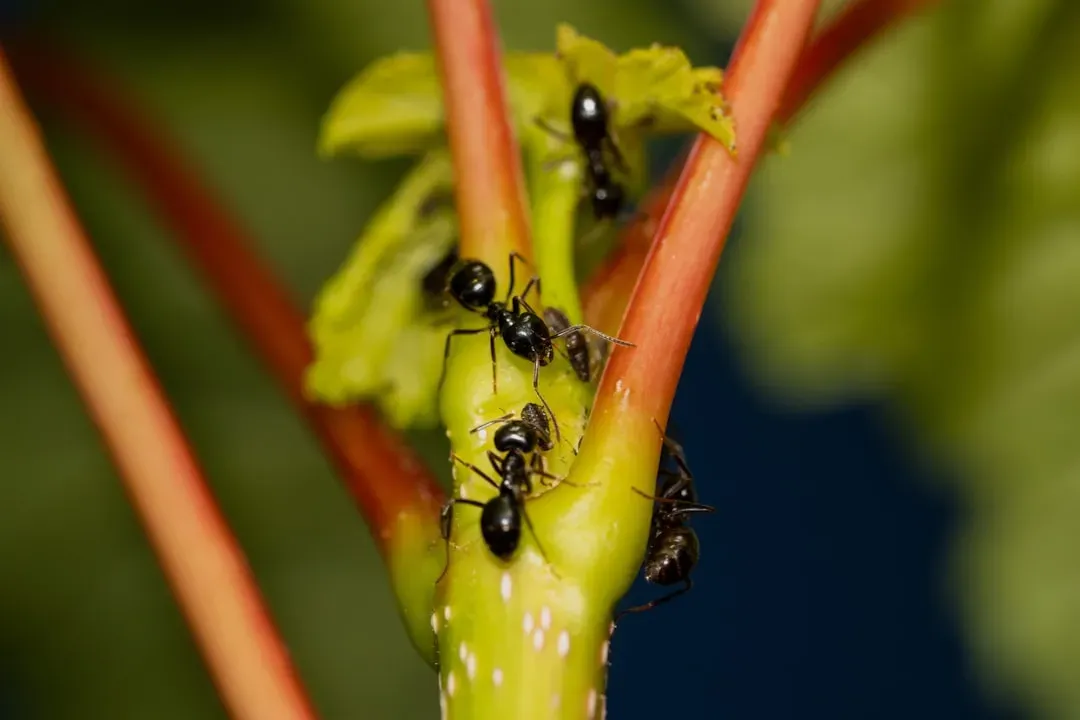
Once plants began to be recognized as active senders and receivers of information, another unsettling twist appeared: eavesdroppers. Herbivorous insects can pick up on plant volatiles to find vulnerable leaves, while some predatory insects use the very same cues to hunt those herbivores. In a sense, plants broadcasting an alarm about being eaten can inadvertently summon both more trouble and potential bodyguards. Some plants appear to lean into this dynamic by releasing scents that attract parasitic wasps or predatory beetles, essentially outsourcing defense to hired muscle. Others tweak the flavor or timing of their signals, perhaps to minimize unwanted attention.
Microbes also join the conversation, modifying plant signals or responding to them in ways that alter disease outcomes. Even humans now participate as unintentional listeners, harnessing plant volatiles in agriculture to monitor crop health or lure pests into traps. A few striking patterns stand out when researchers look across species and systems:
- In many ecosystems, roughly about one third of plant–insect interactions involve some form of chemically mediated attraction or repulsion.
- In crop fields, nearly half of documented pest management strategies now consider plant signaling, directly or indirectly, when designing interventions.
- The vast majority of identified plant volatile blends change measurably under stress, suggesting that silence is the exception, not the rule.
Seen this way, communication is not a charming extra but a central part of survival strategies embedded in every leaf and root.
Why It Matters: What Does Plant Communication Change for Us?
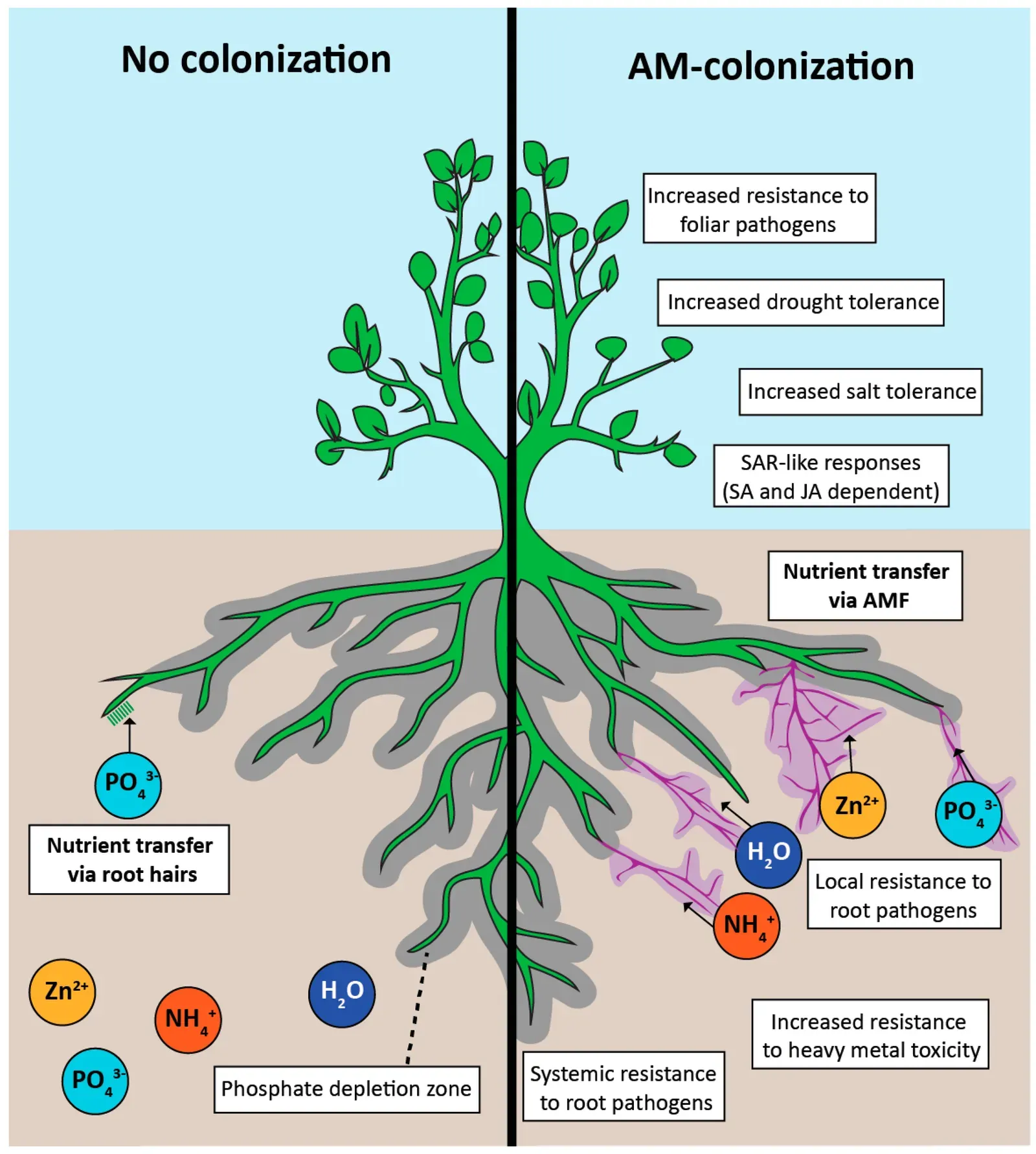
On the surface, plant messages might seem like an obscure curiosity, fascinating but detached from daily life. Look closer, and the implications start to hit home, from food security to climate resilience. If plants warn each other about pests, then farmers could use those natural conversations to reduce pesticide use, fostering healthier soils and safer food. If forests share resources through fungal networks, then clear-cutting or soil disturbance might do more than remove trees; it could shatter communication lines that help ecosystems recover from stress. Understanding plant signaling shifts how we design farms, parks, and even urban green spaces.
There is also a cultural and ethical ripple effect. When we recognize that plants participate in complex networks of information, our traditional view of them as passive scenery starts to feel outdated. This does not mean granting plants human-like minds, but it does nudge us to treat vegetation as active components of ecosystems rather than replaceable background. Conservation priorities might tilt toward protecting not just individual species but the relationships and connections that bind them. As climate extremes intensify, those hidden communication systems could make the difference between ecosystems that adapt and those that collapse. In that light, paying attention to plant conversations becomes less optional and more like basic due diligence for living on a green planet.
The Future Landscape: Can We Learn to “Listen” Better?
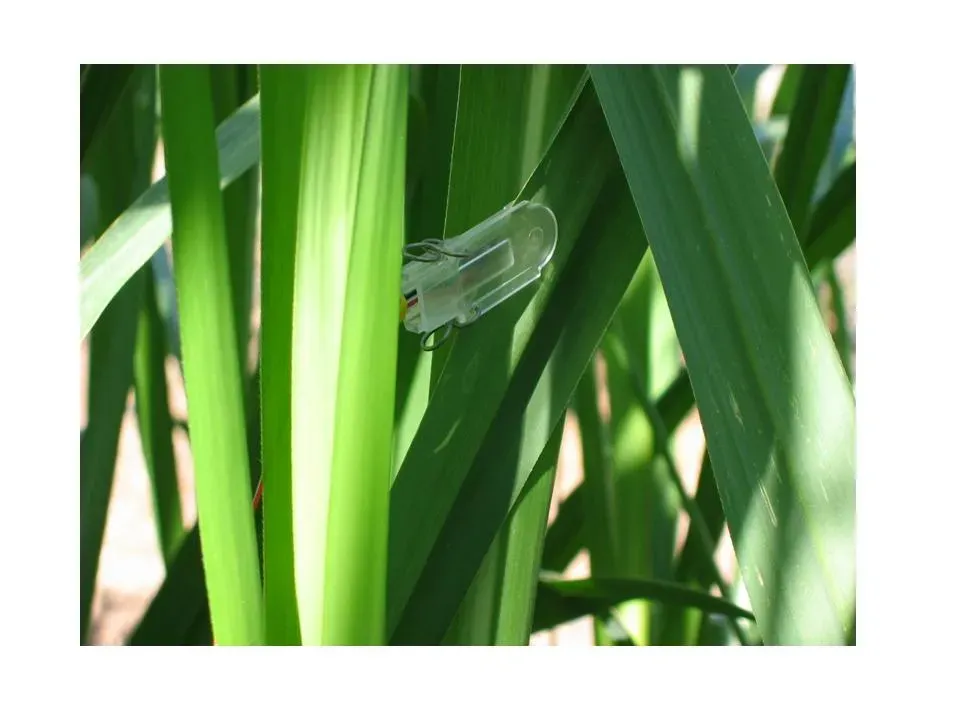
Scientists and engineers are now racing to build tools that can tap into plant communication in real time. Tiny sensors strapped to stems or embedded in soil can detect changes in electrical activity or volatile chemicals, turning fields into living data streams. In experimental farms, algorithms analyze these signals to predict drought stress or pest outbreaks before they explode, offering farmers a kind of early warning system. Imagine irrigation systems that respond not just to weather forecasts but to the silent distress signals of the plants themselves. For indoor agriculture and vertical farms, such systems could fine-tune light, nutrients, and humidity with unprecedented precision.
There are challenges, of course. Plant signaling is messy, context-dependent, and highly species-specific, far from a universal language with neat translations. Turning complex chemical blends into simple dashboards risks oversimplifying what is really happening. There are also questions about how far we should push these tools: do we treat plants as partners whose signals we respect, or as mere data sources to be exploited? On a global scale, integrating plant communication into climate models and restoration projects could alter how we manage forests, rangelands, and wetlands. The decisions we make now about which technologies to embrace will shape whether we amplify or drown out the living conversations already humming in the background.
Everyday Connections: How Can We Participate in This Hidden World?
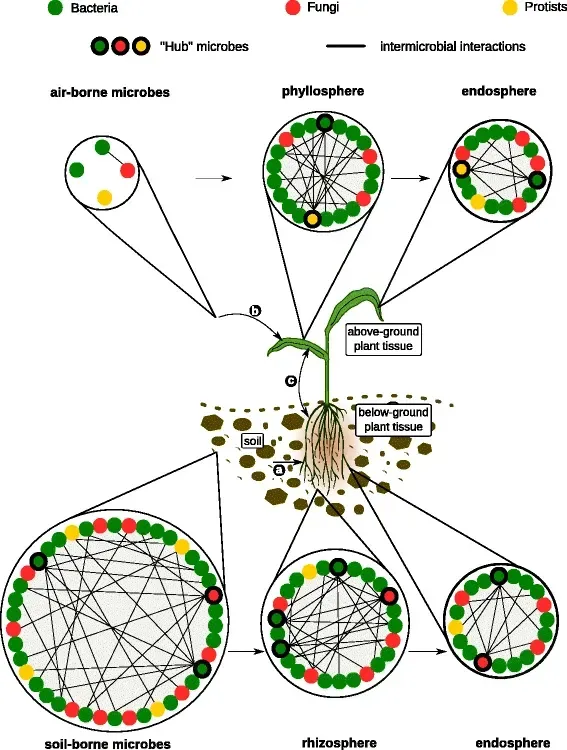
It is easy to think that plant communication belongs to labs and remote forests, far from city streets and backyards. But once you know it exists, you can start to notice hints of it almost anywhere. Mixed gardens where herbs seem to keep pests off neighboring vegetables are small-scale examples of chemically mediated interactions in action. Native plant patches that support rich insect communities are part of larger networks that extend into nearby parks and wildlands. Simply letting soils remain undisturbed, instead of constantly tilling or compacting them, helps preserve the fungal pathways that many plants depend on.
If you want to lean into this hidden world rather than ignore it, a few simple steps go a long way:
- Plant diverse, locally adapted species that have evolved together and are more likely to engage in mutually supportive interactions.
- Limit broad-spectrum pesticides and herbicides that can disrupt the very signals and partnerships you want to encourage.
- Support conservation groups and research initiatives that focus on whole ecosystems, not just single species, recognizing that communication networks are part of what they protect.
- Pay attention: watch how plants in your neighborhood respond to weather swings, pest outbreaks, or construction nearby, and treat those changes as clues rather than coincidences.
The more we notice and respect the conversations happening in leaves and roots, the harder it becomes to treat plants as silent. That shift in perspective might be one of the simplest yet most profound changes we can make in how we inhabit this planet.
Suhail Ahmed is a passionate digital professional and nature enthusiast with over 8 years of experience in content strategy, SEO, web development, and digital operations. Alongside his freelance journey, Suhail actively contributes to nature and wildlife platforms like Discover Wildlife, where he channels his curiosity for the planet into engaging, educational storytelling.
With a strong background in managing digital ecosystems — from ecommerce stores and WordPress websites to social media and automation — Suhail merges technical precision with creative insight. His content reflects a rare balance: SEO-friendly yet deeply human, data-informed yet emotionally resonant.
Driven by a love for discovery and storytelling, Suhail believes in using digital platforms to amplify causes that matter — especially those protecting Earth’s biodiversity and inspiring sustainable living. Whether he’s managing online projects or crafting wildlife content, his goal remains the same: to inform, inspire, and leave a positive digital footprint.