Across North America, whole Native nations have vanished from the map, leaving behind only broken trails of pottery shards, burial mounds, half-remembered names, and the faint echo of languages no one speaks anymore. For a long time, their disappearance was told as a simple story of conquest and inevitability, a tragic but tidy footnote to U.S. history. Today, archaeologists, geneticists, tribal historians, and language keepers are rewriting that story in messy, human, deeply revealing detail. They are uncovering not just how these cultures were lost, but also how they live on in modern Native communities, in place-names, in DNA, and even in the way we think about the American landscape. The mystery is no longer just why they vanished, but what their absence continues to shape in our politics, identity, and sense of belonging.
The Hidden Clues Beneath Our Feet
When you drive past a flat, tree-covered rise in the Midwest or along the Mississippi, you might be looking at one of the last visible signatures of a vanished civilization. The ancient mound builders, often grouped under names like Adena, Hopewell, and Mississippian, left behind massive earthworks that once anchored complex ceremonial centers and dense urban hubs. Cahokia, near present-day St. Louis, supported a population rivaling that of European cities around the year 1200, yet by the time Europeans arrived in force, its plazas were empty and its wooden palisades rotting away. For generations, non-Native scholars insisted these mounds were built by some mysterious “lost race,” erasing the obvious link to Native peoples whose descendants still live in the region. That old myth tells us as much about colonial prejudice as it does about the people who once built the pyramids of the Mississippi Valley.
Today, archaeologists are reading those mounds like a palimpsest. Tiny fragments of pottery, burnt seeds, and animal bones reveal diet shifts, trade routes, and even social upheaval over centuries. Soil chemistry shows episodes of intense agriculture followed by sudden abandonment, hinting at political collapse, climate stress, or epidemic disease long before Europeans set foot inland. Ground-penetrating radar and drone-based lidar mapping can trace buried plazas and houses without digging a single shovel test, transforming what used to be guesswork into detailed urban plans of cities that no longer exist. Those hidden clues undercut the old idea that North America was a mostly empty wilderness and instead expose it as a continent crowded with nations that rose, transformed, and sometimes vanished long before colonial maps claimed the land.
From Ancient Tools to Modern Science
The story of vanished tribes is often told through spears, pots, and stone flakes, but those artifacts are now only the starting point. In recent years, researchers have turned to ancient DNA, stable isotopes, and microscopic wear patterns on tools to reconstruct how people moved, married, traded, and adapted. Scratches on stone blades under high-powered microscopes can reveal whether they carved hides, cut plants, or butchered animals, giving clues about the daily lives of peoples whose names have been erased. Trapped pollen and phytoliths in old hearths show what kinds of crops and wild plants they relied on, from early domesticated sunflowers to lost varieties of corn and beans once cultivated by communities that no longer exist as distinct tribes. Each of these techniques adds a layer of detail that old excavation notes never imagined.
Genetic and isotopic studies have also complicated the simplistic idea that a tribe simply “disappeared.” In many cases, the cultural label faded, but people moved, intermarried, and re-identified under new names, often under enormous colonial pressure. Teeth and bones, where they are studied with tribal consent, can show whether individuals grew up locally or came from distant river valleys, painting a picture of migration and fusion rather than abrupt extinction. Some tribes widely thought to be lost, such as branches of the Timucua in Florida or the Beothuk in Newfoundland, turn out to have living relatives in other Native communities or blended settler families. The science is powerful, but it is also politically charged, and researchers are increasingly working under Indigenous-led protocols that stress consent, respect, and the right of communities to say no to invasive analysis.
Ghost Names on the Map
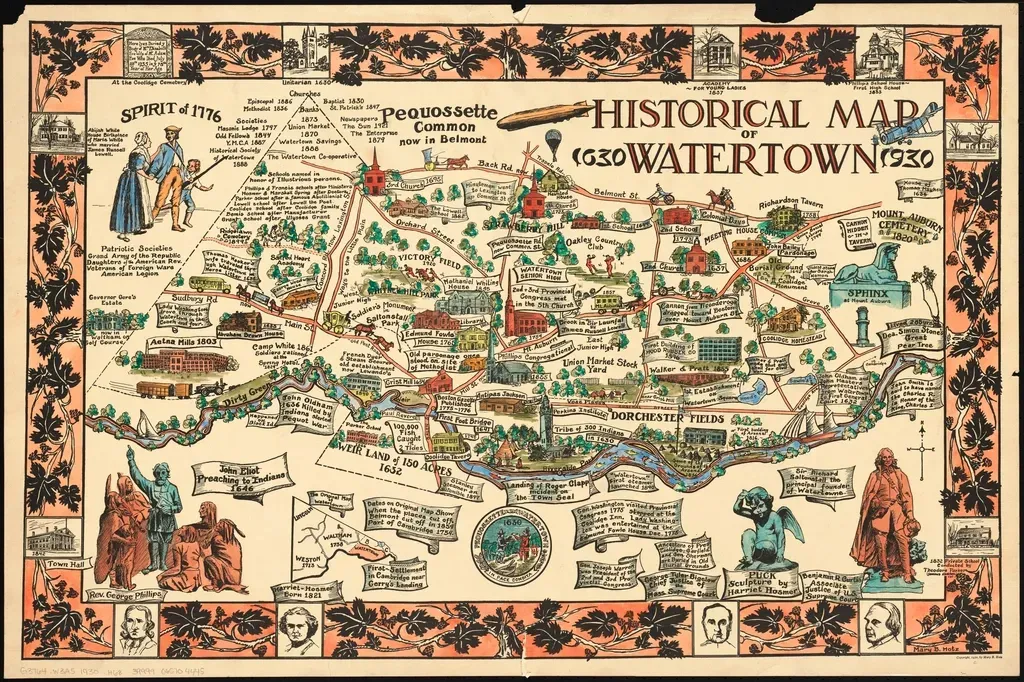
One of the most haunting traces of lost Native cultures is how they linger in place-names that most of us say without thinking. States like Massachusetts, Oklahoma, and Dakota, and rivers like the Mississippi, Missouri, and Susquehanna all carry echoes of languages that have changed or faded, and sometimes of communities that no longer exist as recognized tribes. In parts of the Southeast and Northeast, historic records show dozens of distinct peoples in the seventeenth century – groups like the Neutrals, Erie, and various small Algonquian-speaking bands – that were shattered by war, disease, and forced relocation within a few generations. Many of those names survive only as town labels, county signs, or mispronounced tourist markers on highway exits. It is a strange kind of afterlife, where a people disappears but the sound of their language gets embedded into GPS directions.
For tribal historians, those ghost names are both painful and priceless. Old mission logs, fur trade records, and colonial maps often contain garbled lists of Indigenous communities, mixed languages, and contradictory spellings that researchers must painstakingly decode. Matching a recorded group name to a modern tribal lineage can depend on tiny clues – a familiar root word, a remembered migration story, or a pairing on a treaty document drawn up centuries later. In some cases, tribes seeking federal recognition, such as smaller Southeastern or California communities, rely on these faint historical paper trails to prove continuous existence in the face of repeated displacement. The irony is sharp: the same colonial record systems that helped erase these peoples are now often the key evidence used to argue that they never truly vanished at all.
Epidemics, Violence, and the Quiet Erasures
It is tempting to imagine lost tribes as fading away in some mysterious, natural process, but the historical record is brutally clear: disease and violence did much of the work. Epidemics of smallpox, measles, and influenza ripped through Native populations from the sixteenth century onward, often arriving in waves that preceded direct contact with Europeans by hundreds of miles. Historians estimate that in some regions, roughly about one half to two thirds of the Indigenous population died in just a few generations, shattering families, governance systems, and cultural continuity. Entire communities like the Patuxet of coastal New England, whose abandoned fields the Pilgrims later occupied, were erased so swiftly that colonists sometimes interpreted the devastation as divine approval for their expansion. The loss was not just of lives, but of language chains, ceremonial lineages, and ecological knowledge that had been refined over millennia.
On top of disease came war, forced removals, and legal erasure. Policies like the Indian Removal Act, the later reservation system, and allotment programs broke up tribal lands and scattered families across thousands of miles. In the nineteenth and twentieth centuries, boarding schools deliberately punished Native children for using their languages, severing intergenerational transfer of culture and stories. Tribes that had been distinct polities were sometimes lumped together under one name, while others were declared “extinct” on paper to simplify land seizures or census categories. When historians talk about “vanished tribes,” they are often describing not just demographic collapse, but bureaucratic decisions that made it administratively convenient to pretend certain peoples no longer existed.
Why It Matters: Rethinking American History
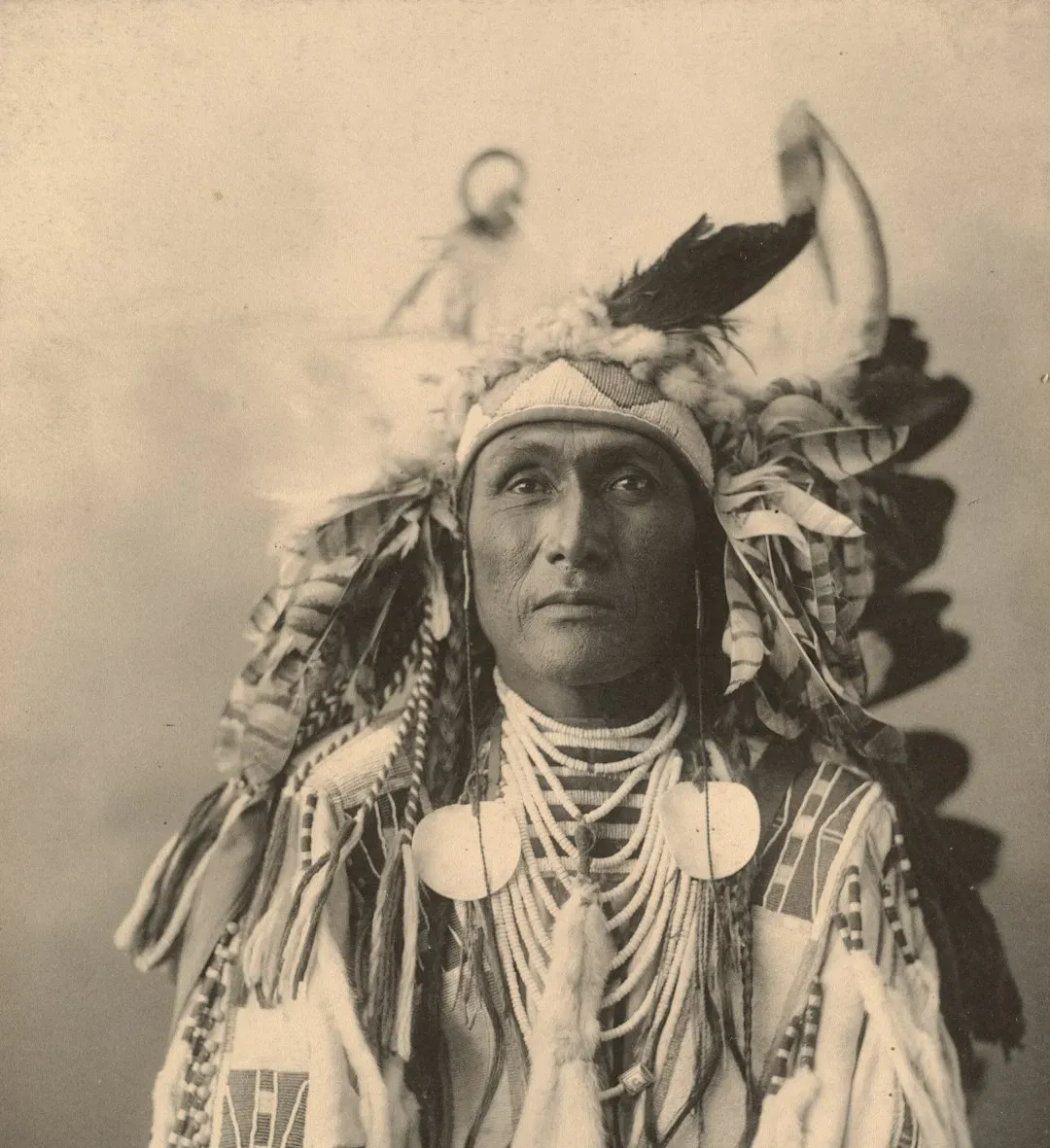
Understanding the story of America’s vanished tribes is not just an exercise in mourning; it fundamentally changes how we see the country we live in. For generations, U.S. history textbooks framed Indigenous cultures as a static background that faded when “real” history began with European arrival. The new wave of research, often in collaboration with Native nations themselves, shows a continent already in motion – full of urban centers, trade networks stretching across thousands of miles, and political alliances every bit as complex as those in Europe or Asia. Recognizing this upends the old narrative of an empty wilderness waiting to be used, and forces us to reckon with the scale of what was destroyed. It also highlights how much of American identity rests on the quiet assumption that the original caretakers of this land are mostly gone.
This has concrete implications. Debates over land rights, sacred site protection, and resource extraction make more sense when we understand that many “public lands” were once detailed cultural landscapes shaped by communities we no longer see named on modern tribal rolls. Museum collections, long treated as neutral repositories of “artifacts,” are increasingly understood as holding the belongings – and sometimes the remains – of specific peoples whose descendants are still fighting to be recognized. Education, too, is shifting, as states begin to require Native history be taught from Indigenous perspectives, not just as a prologue to colonial stories. The question is not whether vanished tribes matter to our history, but whether we are willing to admit how thoroughly their erasure structured the world we live in now.
Global Perspectives on Lost Peoples
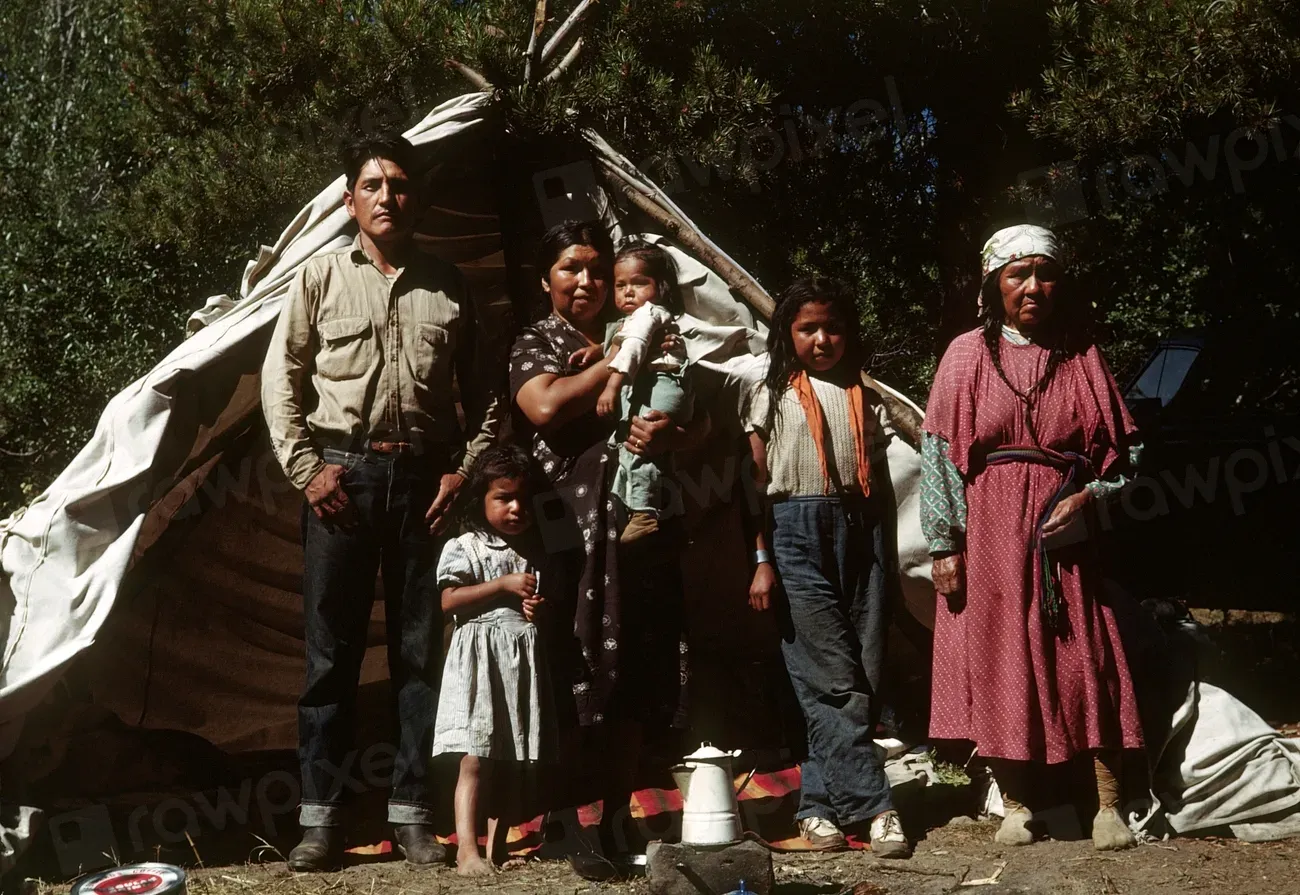
America’s vanished tribes are part of a much wider human story, and looking globally can help reframe what “disappearance” really means. Around the world, from the Tasmanian Aboriginal peoples in Australia to the Selk’nam of Tierra del Fuego, colonial expansion and disease cleared whole cultures off official maps in strikingly similar ways. In many cases, researchers later discovered that so-called extinct peoples lived on through mixed families, adopted identities, or unrecognized communities that never fully left their homelands. These parallels challenge the romantic notion of the last, solitary survivor and instead highlight ongoing, messy continuities. They also show how much modern states have relied on declaring people gone in order to solidify claims to land and resources.
By placing North American cases within this broader frame, scientists and Indigenous scholars can borrow tools and lessons from each other. Methodologies for community-led archaeology, protocols for handling ancestral remains, and models for language revitalization have all bounced between continents in the last few decades. For example, efforts to revive nearly dormant languages in New Zealand and Hawaii have inspired similar immersion schools and documentation drives among Native communities whose ancestral languages were once said to be irretrievably lost. At the same time, global comparison reminds us to be cautious: what worked in one place can fail or even cause harm in another if it ignores local politics and history. The global lens highlights both shared patterns of loss and the fiercely specific ways communities resist being consigned to the past.
New Tools, New Questions: The Future Landscape of Research
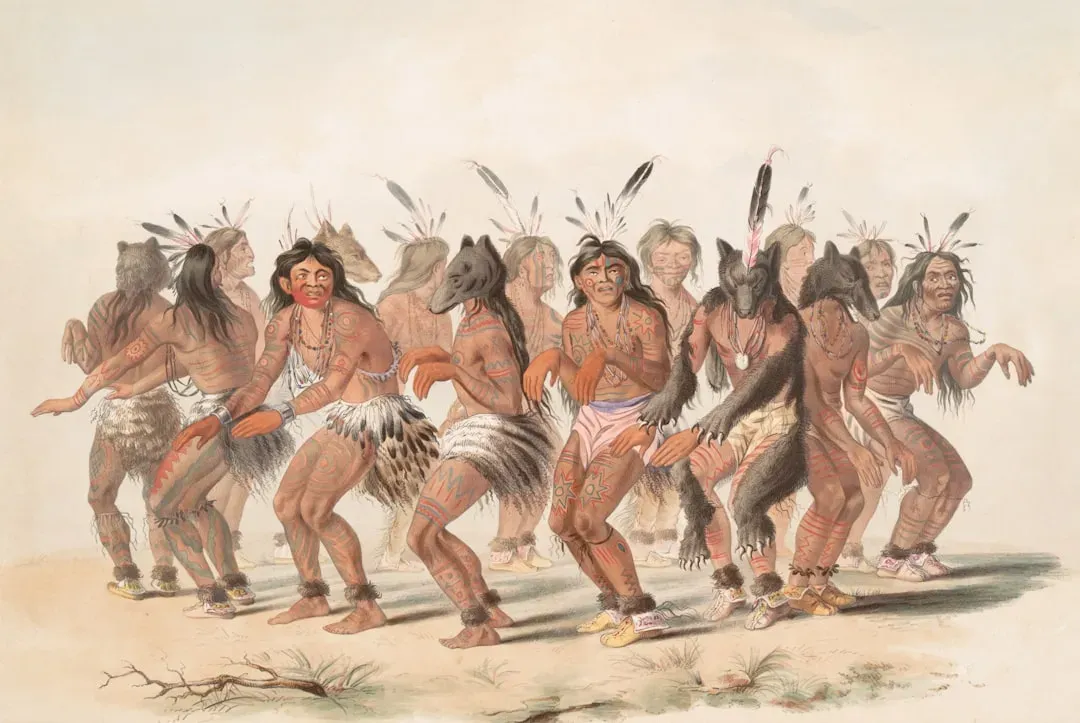
If the nineteenth century was the age of the pickaxe and field notebook, the twenty-first century is the age of lidar scans, bioinformatics, and community archives. Airborne laser mapping has revealed entire networks of pre-contact roads, agricultural fields, and settlements hidden under forests or modern farms, effectively resurrecting civilizations that had been reduced to a few lines in colonial records. Advances in ancient DNA analysis, combined with strict ethical guidelines, are shedding light on long-term population movements and intermarriage patterns that written documents never captured. At the same time, seemingly low-tech tools – digitizing tribal oral histories, scanning elders’ handwritten notes, and geotagging traditional place-lore – are building rich Indigenous knowledge databases that rival academic archives in depth.
The future, though, is not just about better tech; it is about who controls the questions being asked. Native nations are increasingly establishing their own research review boards, archaeological programs, and cultural data policies to prevent the old extractive model in which scholars treated Indigenous history as a free resource. Emerging projects combine climate science with traditional ecological knowledge to understand how ancient communities survived droughts and floods, offering insights for a warming planet today. There are still hard challenges: limited funding, the risk of misusing genetic data, and political resistance to anything that might complicate existing land claims. Yet the direction is clear – research on “vanished” tribes is moving away from studying people as objects and toward supporting living communities in deciding how their past is investigated and shared.
How You Can Engage With This History
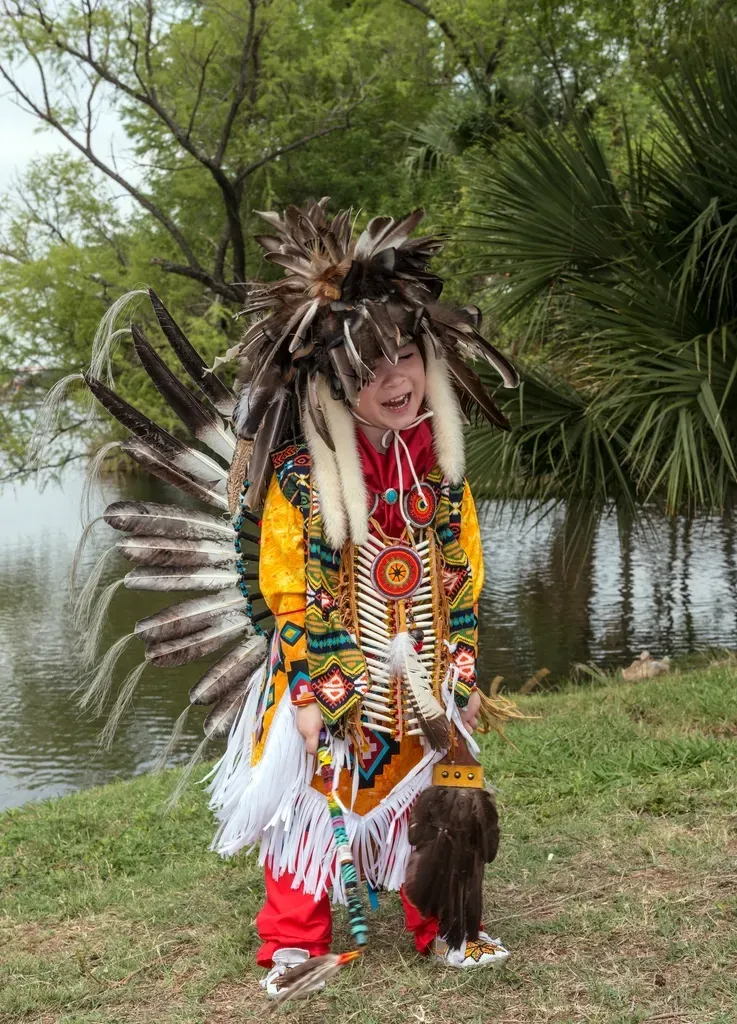
Engaging with the story of America’s vanished tribes does not require a degree in archaeology; it starts with how you move through the places you already know. The next time you see a town or river name that sounds Indigenous, take a moment to look up which peoples it comes from, and whether those descendants are still nearby. Many Native nations run cultural centers, museums, and historic sites that welcome visitors and offer their own telling of local history, often very different from the plaques at state parks. You can also support legislation and initiatives that protect sacred sites, fund language revitalization programs, or return ancestors and cultural items from museums to tribal communities. Even small actions – requesting better Native history coverage in school curricula, choosing books by Indigenous authors, or questioning throwaway references to “vanished” peoples – add up.
If you want to go further, consider how your own field or hobby intersects with this past. Are you a hiker using trails that cut across former village sites, a teacher choosing which stories to assign, a voter weighing in on land use proposals? Learning the deeper story behind “empty” landscapes can change the way you think about everything from national parks to neighborhood names. None of us can undo the erasures that created the idea of vanished tribes, but we can refuse to keep repeating them. Paying attention, asking better questions, and listening when Indigenous communities speak about their own histories is a start – quiet, maybe, but powerful all the same.