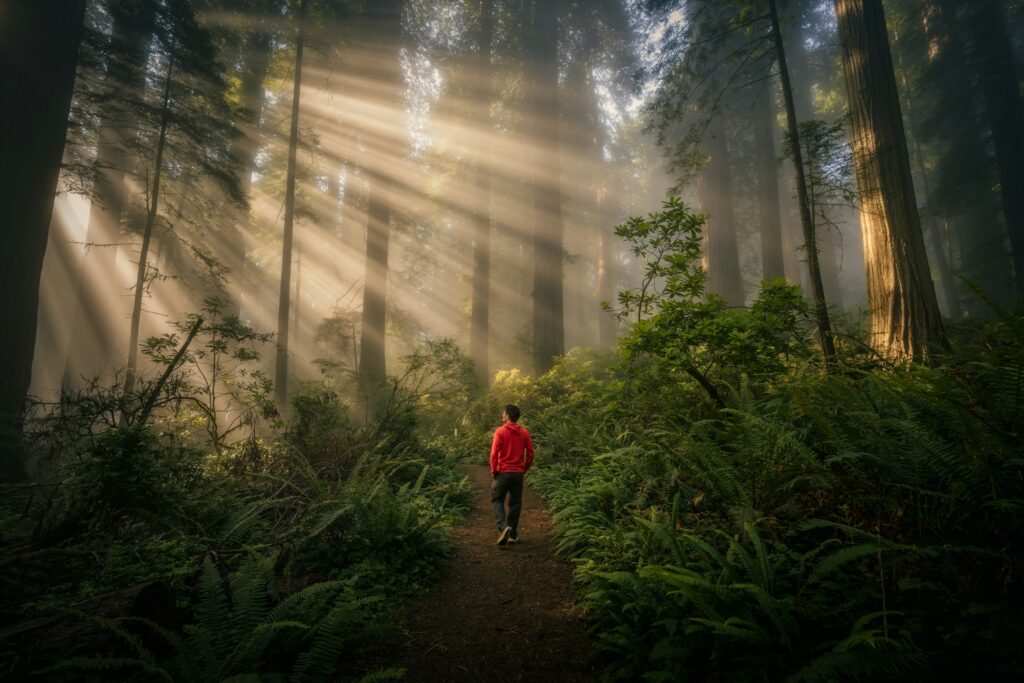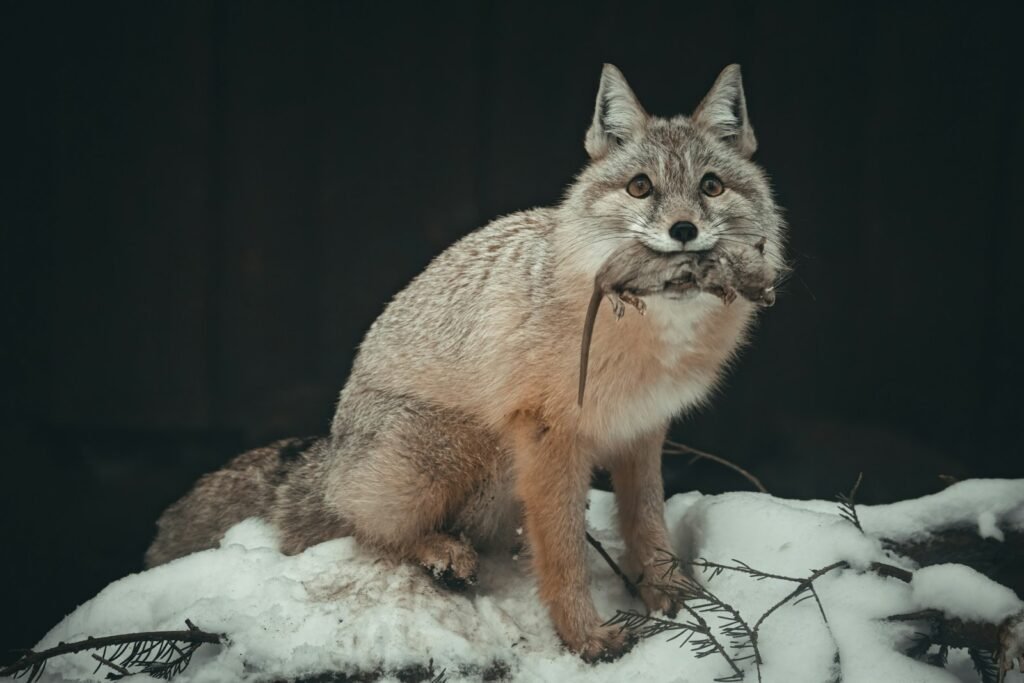

Across North America, stories were once more powerful than any printed law, carried not on paper but in the breath of elders and the rhythm of drums. Today, scientists, educators, and tribal knowledge keepers are finding common ground in those stories, recognizing them as sophisticated knowledge systems rather than simple folklore. From guiding migrations and reading the sky to shaping ideas of justice, kinship, and sustainability, Native American legends encode practical science and deep ethics at the same time. As climate change, mental health crises, and cultural fragmentation accelerate, these old narratives feel less like relics and more like roadmaps. The urgent question is no longer whether these legends are “true,” but what we risk losing if we stop listening.
The Sky River: Star Stories as Early Astronomy
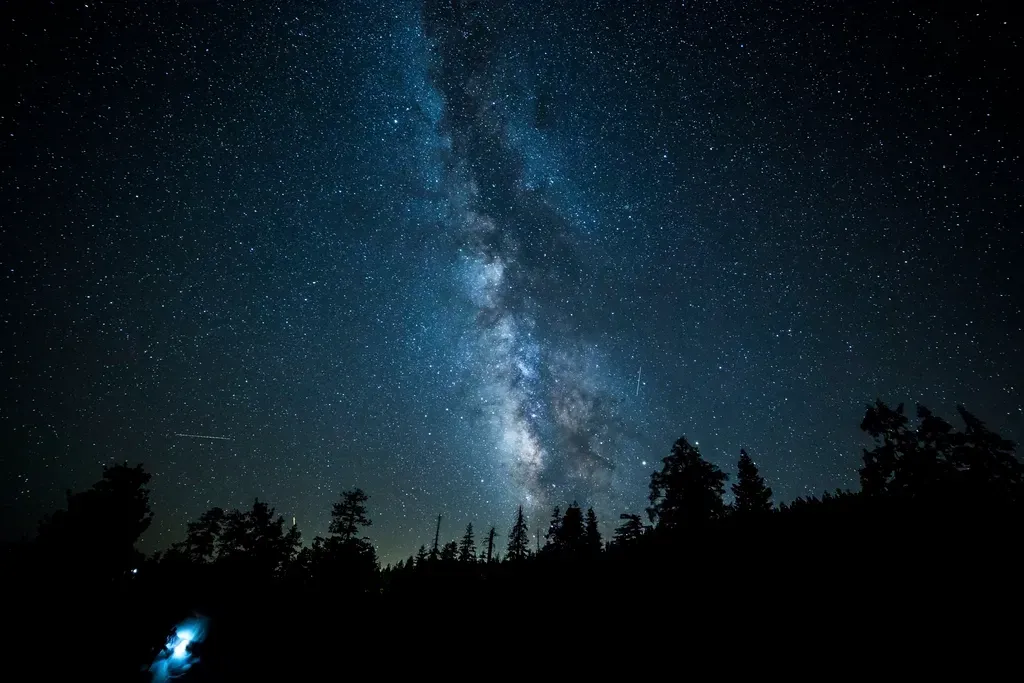
Look up on a winter night and you might see only a scatter of stars; for many Native nations, those same stars form a living story about how to move, when to plant, and who we are in the universe. Among numerous Plains and Southwestern peoples, the band of the Milky Way is often understood as a sky river or path of spirits, a luminous trail that orients the living as well as the dead. When astronomers map the night sky with telescopes and software, Indigenous star knowledge keepers recall constellations that are also calendars and compasses, used to time bison hunts or seasonal travel long before European charts arrived. That dual role – cosmic and practical – shows up again and again: star legends teach humility about our small place in the universe while quietly encoding navigation data. It’s not accidental poetry; it is an early form of observational astronomy wrapped in narrative.
Modern researchers are starting to compare traditional star stories with data on seasonal sky positions, temperature records, and animal migrations. In many cases, the stories line up strikingly well with what satellites and climate models now confirm, such as the subtle timing of seasonal shifts or the reappearance of key stars near important ecological events. Educational programs that bring tribal elders together with astronomers are using these legends to teach both cultural literacy and basic astrophysics to Native and non-Native students. Instead of treating Western science and Indigenous knowledge as rival belief systems, they are being presented as two lenses focusing on the same sky. The result is a more layered understanding of the cosmos, where a constellation can be both a scientific object and a relative with a story.
The Coyote’s Lesson: Trickster Tales and Cognitive Science
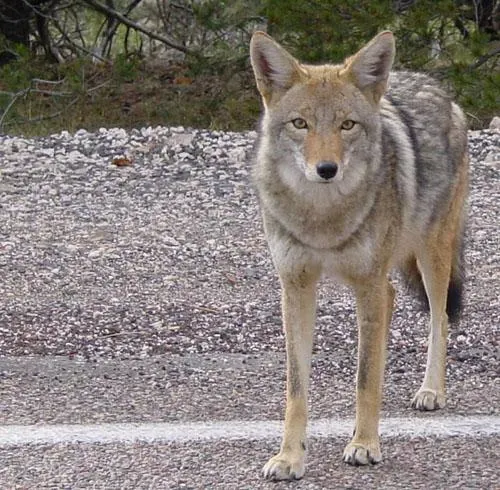
Trickster stories – especially those centered on Coyote in many Western tribes – can sound chaotic, funny, even inappropriate by the standards of children’s books today. Yet cognitive scientists who study how people learn complex ideas see in these tales a master class in teaching through surprise and contradiction. Coyote is clever and foolish, generous and selfish, capable of reshaping the world yet constantly tripped up by his own impulses. That emotional whiplash forces listeners, especially children, to hold conflicting ideas at once, a mental skill linked to creativity, empathy, and advanced problem-solving. The legend becomes a safe space to rehearse mistakes and consequences without directly shaming anyone in the community.
Researchers in education have found that stories with unpredictable twists keep attention longer than neat, moralistic anecdotes. Trickster narratives use exactly this strategy, drawing listeners in with humor and shock, then rewarding close attention with subtle ethical clues: who gets hurt and why, which promises matter, when a joke goes too far. Rather than stating a rule outright, the story lets the rule emerge from repeated patterns of cause and effect. That mirrors modern insights in psychology, where people are more likely to change behavior when they infer a lesson themselves instead of being lectured. In a sense, Coyote is not only a cultural icon but an early, wildly entertaining experiment in cognitive training.
The Flood and the Fire: Ecological Memory Hidden in Myth
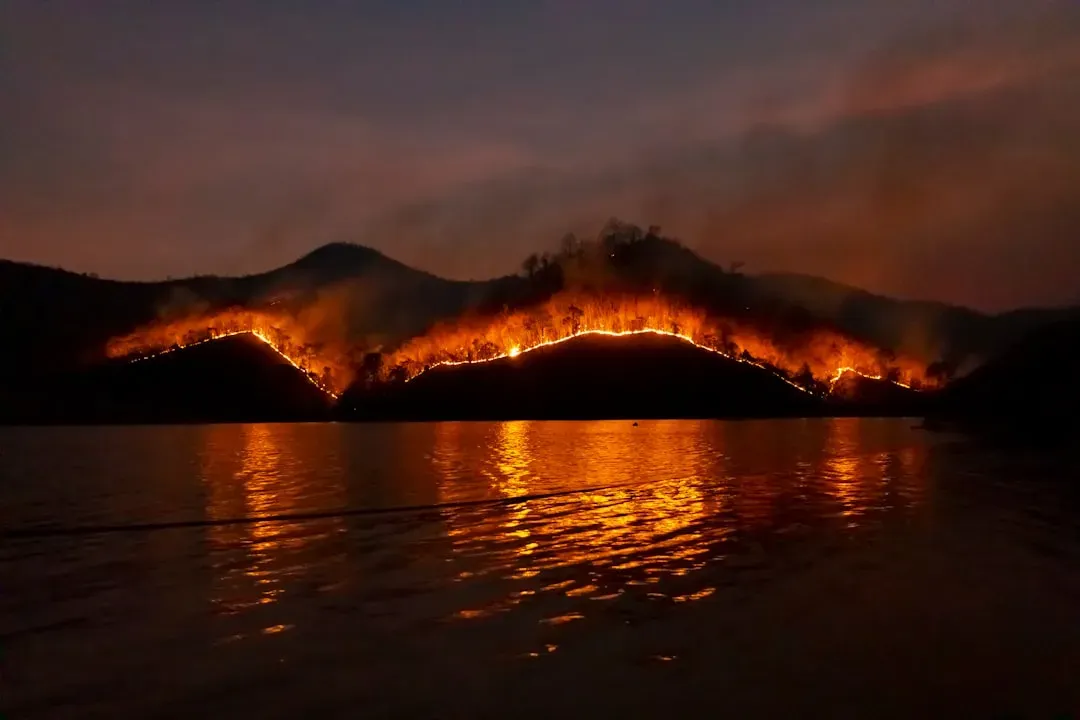
Many Native American legends speak of waters rising suddenly, animals fleeing to higher ground, or fires sweeping so hot they change the land for generations. To outside ears, these can sound like moral parables; to geologists and ecologists, they also sound like powerful archives of past disasters. In several coastal and riverine regions, oral histories of great floods align closely with evidence for ancient tsunamis or major river course changes. Stories of “world fires” echo what fire ecologists now call megafires, intense burns that reset entire ecosystems and can leave charcoal signatures in lake sediments. The legends do not just warn of chaos; they often describe careful preparations, shared food, and mutual aid that increase survival.
Environmental scientists are increasingly interested in this kind of long-term memory, because modern written records cover only a tiny slice of Earth’s recent history. Oral traditions, passed with care across dozens or even hundreds of generations, can sometimes reach back to events thousands of years old. When land managers in the American West consult tribal fire knowledge, they hear not only techniques – like deliberate low-intensity burning – but narratives that explain why and when those techniques were used, and what happened when they were ignored. These stories carry psychological weight that raw data cannot match, helping communities accept the need for change by connecting it to ancestral experience. In an era of accelerating climate extremes, that deep memory is less an academic curiosity than a critical tool for resilience.
The Corn Mother and the Three Sisters: Agriculture, Nutrition, and Kinship
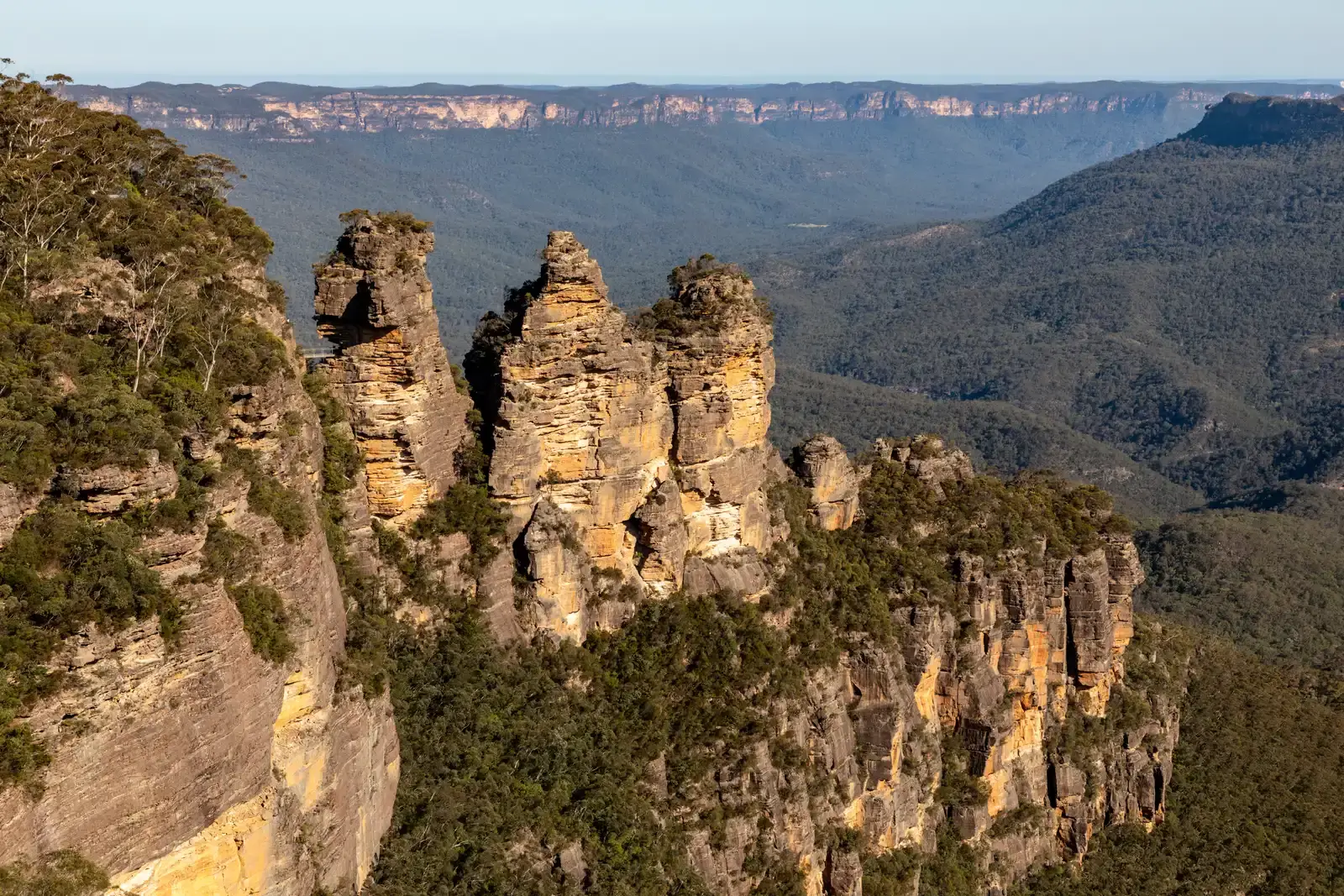
Legends about Corn Mother or the Three Sisters – corn, beans, and squash growing together – might sound like gentle garden tales, but their scientific depth is striking. Agricultural researchers now widely recognize the Three Sisters system as a remarkably efficient polyculture: corn provides structure, beans fix nitrogen in the soil, and squash shades the ground to reduce evaporation and weeds. The story frames these plants as siblings who thrive only when they support one another, turning a smart agronomic strategy into a relational ethic. Nutrition science adds another dimension, showing that corn and beans together form a more complete protein, while squash adds vitamins and fiber, creating a balanced diet with limited resources. What seems like mythic family drama doubles as an elegantly coded manual for sustainable farming and nutrition.
When educators in Native communities teach this legend alongside hands-on gardening, students are not only learning biology but also reweaving cultural identity and land connection. Some schools pair soil testing and plant physiology lessons with storytelling circles where elders recount regional versions of Corn Mother or related figures. The impact extends beyond Native communities: urban agriculture projects and climate-adaptation initiatives are adapting Three Sisters principles to small plots and community gardens. In a world increasingly reliant on monocultures and synthetic fertilizers, this ancient triad offers a proof-of-concept that diversity, cooperation, and cultural meaning can all grow in the same soil. The legend, in other words, is a living technology.
The Hidden Clues: Justice, Restorative Practices, and Community Health
Buried inside many Native American legends are detailed scripts for what to do when someone harms another – scripts that look surprisingly similar to what modern criminologists now call restorative justice. In tales where a character steals, lies, or breaks a taboo, the typical outcome is not simply punishment but a complex process of acknowledgment, repair, and reintegration. The wrongdoer is often required to face those harmed, offer material or symbolic restitution, and demonstrate over time that they have changed. This is not leniency; it is a different theory of justice that treats harm as a tear in the web of relationships rather than a single broken rule. The legend dramatizes these processes in emotionally memorable ways.
Public health researchers studying historical trauma and incarceration have noted that Native communities often had lower rates of internal violence before colonization disrupted traditional governance and kinship systems. While it is impossible to reconstruct every detail, legends preserve a record of norms that prioritized balance, dialogue, and shared responsibility. Today, some tribal courts and youth programs are explicitly drawing on these traditional narratives to design peacemaking circles and diversion programs. Early evaluations suggest that such approaches can reduce repeat offenses and improve community trust compared with purely punitive models. The hidden clue in the legend is that healing and accountability are not opposites – they work best when bound together.
Why It Matters: Legends as Knowledge Systems, Not Just Stories
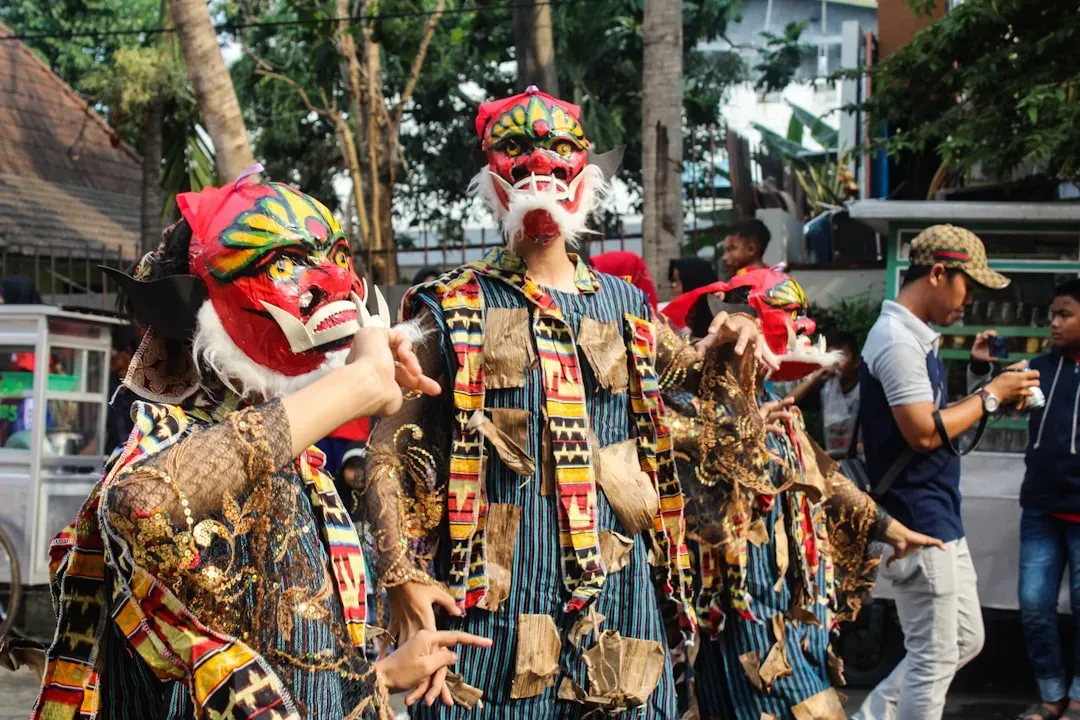
At first glance, it might be tempting to treat these legends as charming but outdated tales next to the hard edges of modern science. Yet researchers across anthropology, ecology, astronomy, and education are increasingly framing Indigenous oral traditions as full-fledged knowledge systems, with their own methods of peer review and error correction. Repetition across generations, cross-checking among different storytellers, and the public nature of storytelling all help filter out less accurate or less useful versions over time. In that sense, a widely shared legend that has survived centuries has passed a rigorous, if informal, test of reliability. That does not mean every detail is literally factual, but it does suggest that discarding these stories as superstition misses their sophisticated design.
Comparing legends with Western science is not about deciding which side “wins”; it is about noticing the blind spots each can fill in the other. Written science excels at quantifying and predicting, while oral traditions excel at embedding knowledge in meaning, morality, and memory. When a child remembers a star story more vividly than a star chart, or takes a story about water seriously enough to conserve it, that is not a failure of rigor – it is a success of communication. For a long time, mainstream education systems treated Native narratives as tangential, something for heritage week. The growing recognition that these narratives hold testable hypotheses, durable data, and powerful ethics is slowly shifting that view, and it matters for how we face the century’s largest challenges.
From Ancient Tools to Modern Science: How Researchers Are Listening Differently
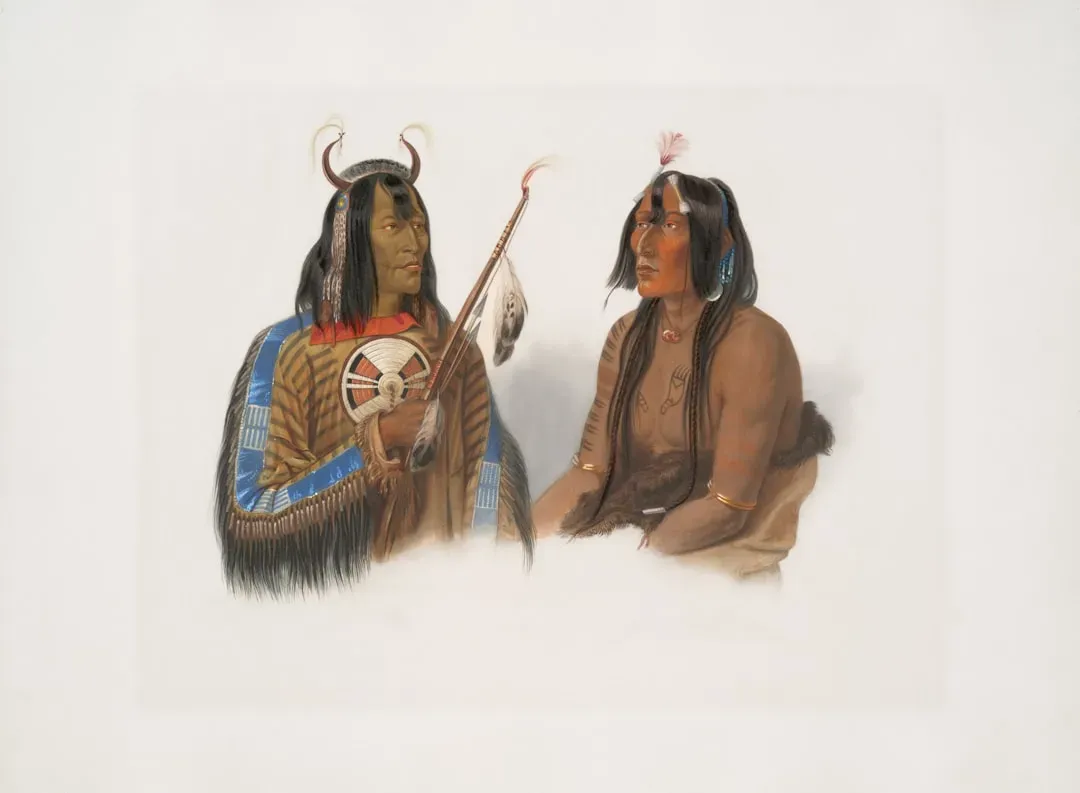
Over the last few decades, a quiet shift has taken place in labs, field sites, and museums: more scientists are choosing to start with a story instead of a hypothesis alone. In coastal regions, teams studying sea-level rise have asked tribal elders to share flood legends before drilling sediment cores, then used those accounts to choose sampling sites. Astronomers have consulted Native star knowledge when designing planetarium shows that integrate cultural constellations with data on stellar evolution and galactic structure. Fire ecologists working with tribes that have long practiced cultural burning are learning not only techniques but also the narrative calendars that explain when burns are spiritually and ecologically appropriate. The collaboration flows both ways, with Native scientists often serving as translators between academic methods and community priorities.
These projects are not without tension; centuries of extractive research have left deep mistrust in many Indigenous communities. In response, a growing number of collaborations are governed by tribal research protocols that affirm data sovereignty and community benefit. That can mean co-authored papers, local education programs, or monitoring tools designed in partnership, rather than knowledge being taken and stored far from its source. When this is done well, ancient legends become starting points for new studies, and new data, in turn, offer fresh angles on old stories. The emerging picture is not of a one-way pipeline from tradition to science, but of a loop where each side refines the other.
The Future Landscape: Education, Technology, and the Next Generation of Story Keepers
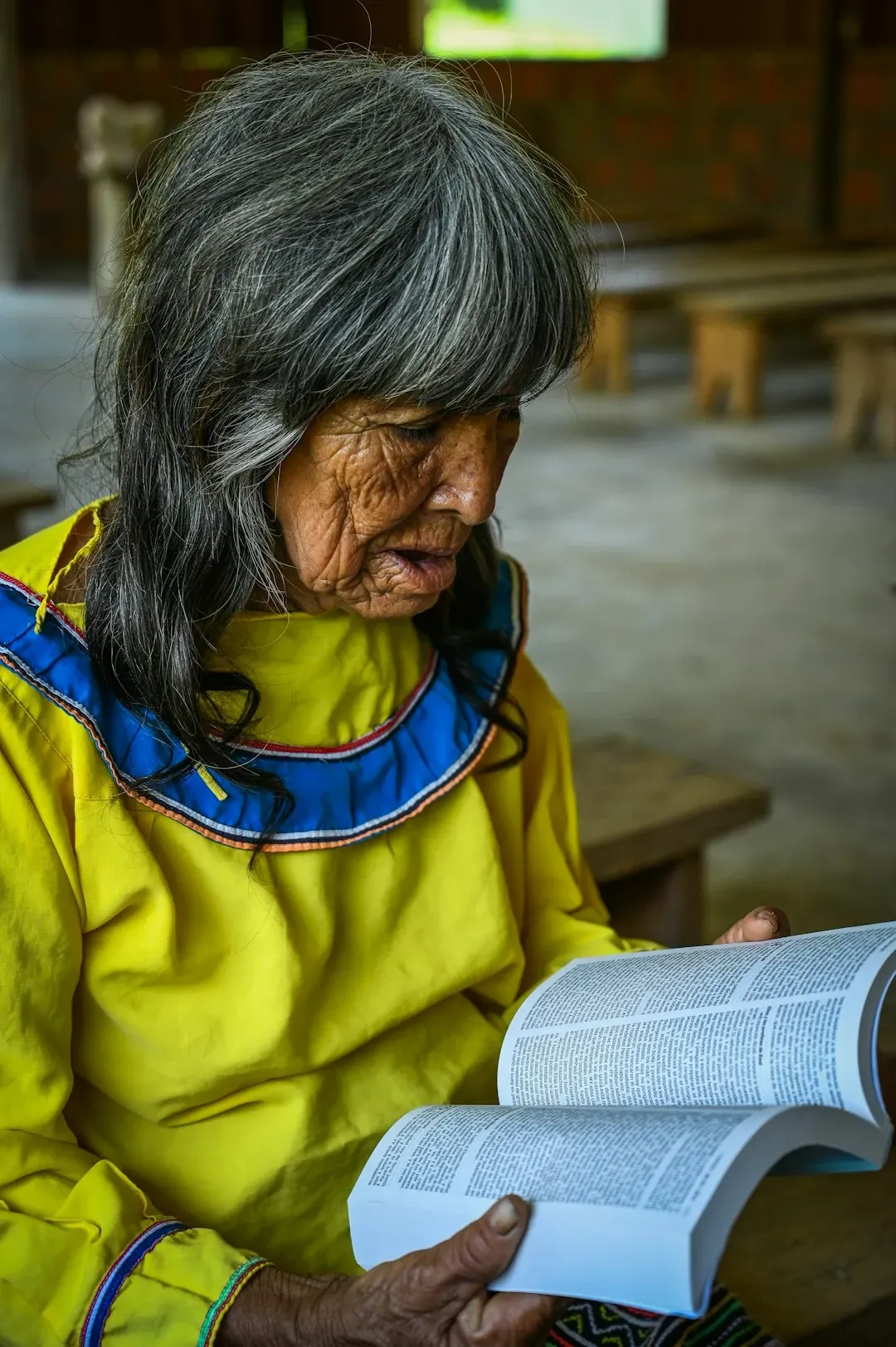
Looking ahead, the most intriguing frontier may be education, where digital tools and Indigenous storytelling are beginning to intertwine. Imagine a classroom where a student hears a local flood legend, then flips open a tablet to explore interactive maps of ancient shorelines, or where a VR experience lets learners walk through a Three Sisters field while animated elders explain both the story and the soil chemistry. Some Native-led programs are already experimenting with apps that record elders’ versions of legends in tribal languages, paired with science modules that unpack the ecological or astronomical content. These tools aim to protect sensitive cultural knowledge while still making key lessons widely accessible, especially to Native youth who might be more fluent in smartphones than in their heritage language.
There are real challenges here: concerns over cultural appropriation, digital misrepresentation, and the risk of legends being stripped of their ceremonial context and flattened into “content.” Tribal councils, educators, and technologists are wrestling with how to strike a balance – using technology to support, not replace, living storytelling traditions. Globally, there is growing interest in bringing Indigenous knowledge into discussions about climate adaptation, food security, and mental health policy. If done respectfully, Native American legends could influence not only academic models but also how planners, farmers, and families think about risk, responsibility, and connection. The next generation of story keepers might carry both a drum and a data set.
Paths Forward: How Readers Can Engage With Native Wisdom Today
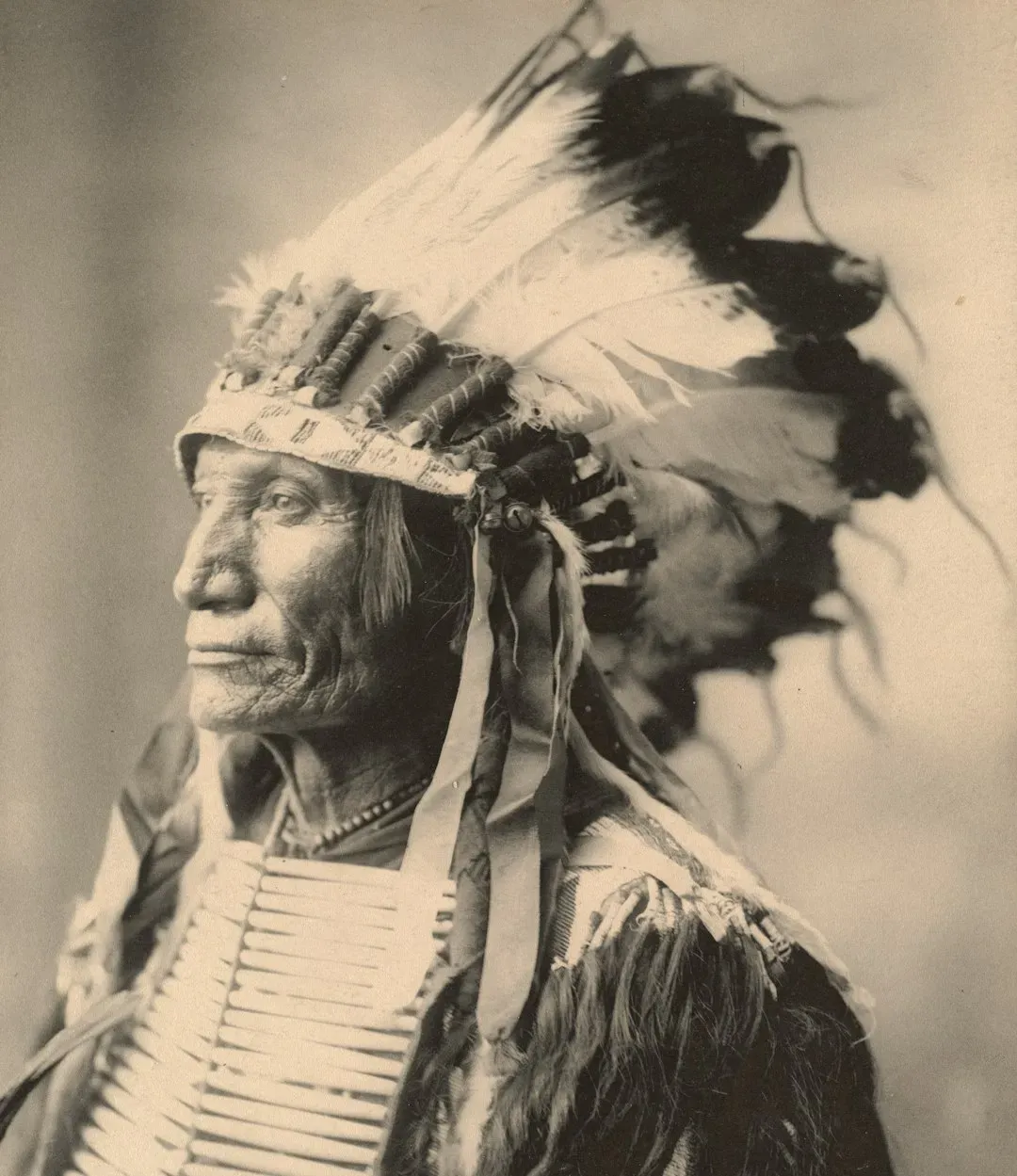
For many readers, the most honest starting point is curiosity mixed with humility: an acknowledgment that these legends come from living nations, not from a museum shelf. One concrete step is to seek out Native-created books, podcasts, and community events in your region, supporting storytellers and educators who speak for their own cultures. Museums and science centers increasingly host exhibits or talks co-designed with tribal partners; choosing those over generic “folklore” programs helps shift demand toward respectful collaboration. If you are an educator, you can look for curriculum resources developed with tribes, where legends are paired with accurate science rather than treated as optional add-ons. Small choices like these quietly change which voices are amplified in public conversations about knowledge and the future.
There are also ways to support the lands and ecologies at the heart of many legends. Donating to or volunteering with Native-led conservation organizations, supporting Indigenous language revitalization efforts, or backing tribal initiatives around cultural burning and sustainable agriculture are all direct forms of engagement. Even simple habits – paying attention to the seasonal cues in your own environment, listening for how local place names reflect older stories – can tune your mind to the idea that landscapes hold memory. The legends of Native America are not only about the past; they are invitations to relate differently to each other and to the world around us. How you answer that invitation is, in the end, its own kind of story.
Suhail Ahmed is a passionate digital professional and nature enthusiast with over 8 years of experience in content strategy, SEO, web development, and digital operations. Alongside his freelance journey, Suhail actively contributes to nature and wildlife platforms like Discover Wildlife, where he channels his curiosity for the planet into engaging, educational storytelling.
With a strong background in managing digital ecosystems — from ecommerce stores and WordPress websites to social media and automation — Suhail merges technical precision with creative insight. His content reflects a rare balance: SEO-friendly yet deeply human, data-informed yet emotionally resonant.
Driven by a love for discovery and storytelling, Suhail believes in using digital platforms to amplify causes that matter — especially those protecting Earth’s biodiversity and inspiring sustainable living. Whether he’s managing online projects or crafting wildlife content, his goal remains the same: to inform, inspire, and leave a positive digital footprint.