
They were warrior-monks, bankers before modern banking, and, if you believe some legends, guardians of a world-shifting secret. The Knights Templar have been wrapped in mystique for centuries, but in the last two decades, the story has taken an unexpected turn: physics, astrophysics, and cutting-edge imaging are quietly rewriting what we thought we knew. From quantum analysis of ancient pigments to cosmic-ray scans of buried Templar sites, new tools are stripping away myth while revealing something far stranger than any conspiracy thriller. Instead of Holy Grails and hidden bloodlines, scientists are uncovering how a medieval order pushed the limits of technology, logistics, and even early scientific thinking. And in that gap between legend and lab data, we’re learning something profound about how human beings build myths – and how science can finally test them.
The Hidden Clues: What Modern Physics Is Finding in Medieval Stone
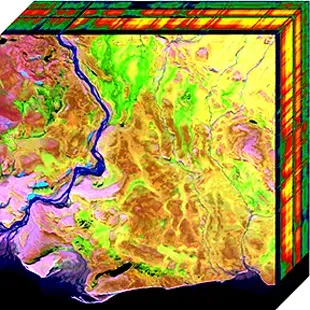
Walk into a Templar chapel today and you’re seeing only a fraction of what is really there. To the naked eye, it’s weathered stone and faint frescoes; to high-resolution spectroscopy and multi-spectral imaging, it’s a layered record of materials, climate, and human intention. Physicists and materials scientists are now using techniques first developed for planetary exploration – like hyperspectral cameras and X-ray fluorescence – to map the chemical fingerprints of Templar-era buildings. Those fingerprints can reveal where the stone came from, which trade routes it traveled, and even whether the site was altered in later centuries to fit emerging legends.
One striking discovery from this kind of analysis is just how standardized some Templar constructions were across continents. Chapels in France, Portugal, and the eastern Mediterranean show near-identical ratios of certain trace elements in their stones and mortars, suggesting a surprisingly coordinated supply chain for the time. That points to a level of logistical planning that feels more like a modern infrastructure project than a scattered group of monastic knights. It also helps archaeologists tell original Templar work from later romantic reconstructions, a crucial step in separating authentic history from myth-drenched fakes.
From Ancient Tools to Modern Science: Quantum Techniques Meet Medieval Artifacts
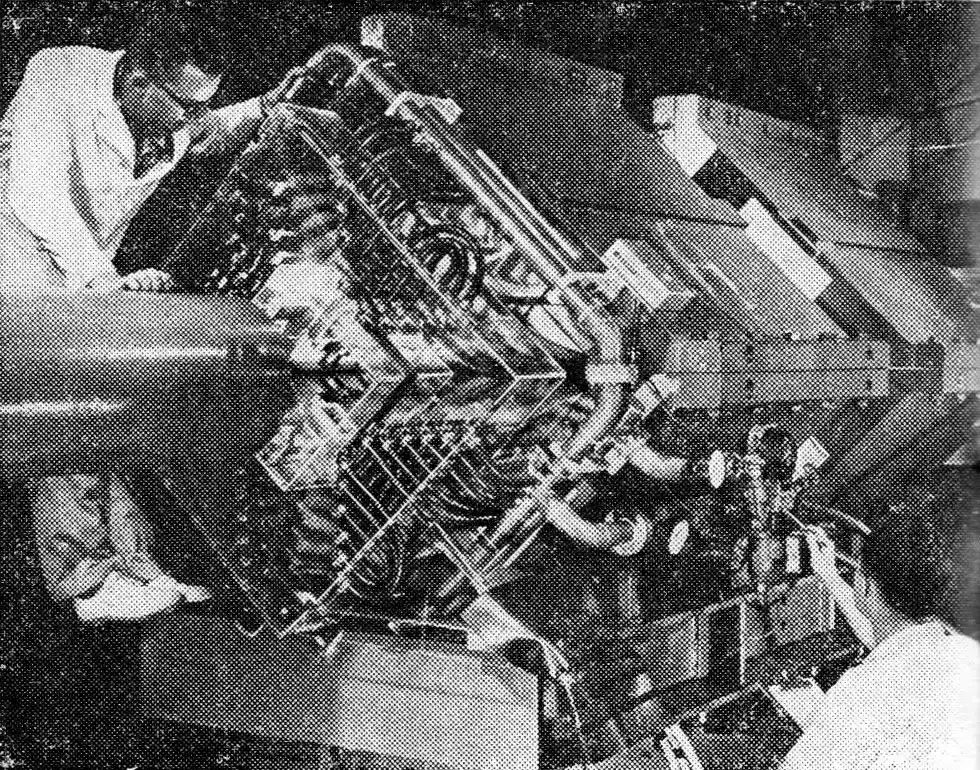
The most surprising partnership in Templar research might be between quantum physics and dusty museum storage rooms. Quantum-level techniques like neutron scattering and synchrotron radiation analysis allow scientists to peek inside swords, seals, coins, and reliquaries without touching them. Instead of cutting an artifact open and risking damage, researchers fire particles or intense X-rays at it and read the subtle changes in energy, a bit like listening to the resonance of a bell to figure out its structure. This non-destructive approach is changing how we date, classify, and authenticate Templar objects.
For example, the precise crystalline structure of steel in a Templar-era blade can reveal the temperature cycles it went through during forging, which in turn points to specific workshops or regions. Tiny inclusions in the metal – microscopic pockets of slag or trace elements – can be matched to known medieval ore deposits. In practice, that means an object once attributed to Templar use simply because it “looked right” can now be confirmed or ruled out with the kind of confidence usually reserved for forensic labs. There is less room for wishful thinking, more space for hard evidence, and that is quietly rewriting museum labels across Europe and the Middle East.
Astrophysics Underground: Cosmic Rays and the Search for Hidden Templar Chambers
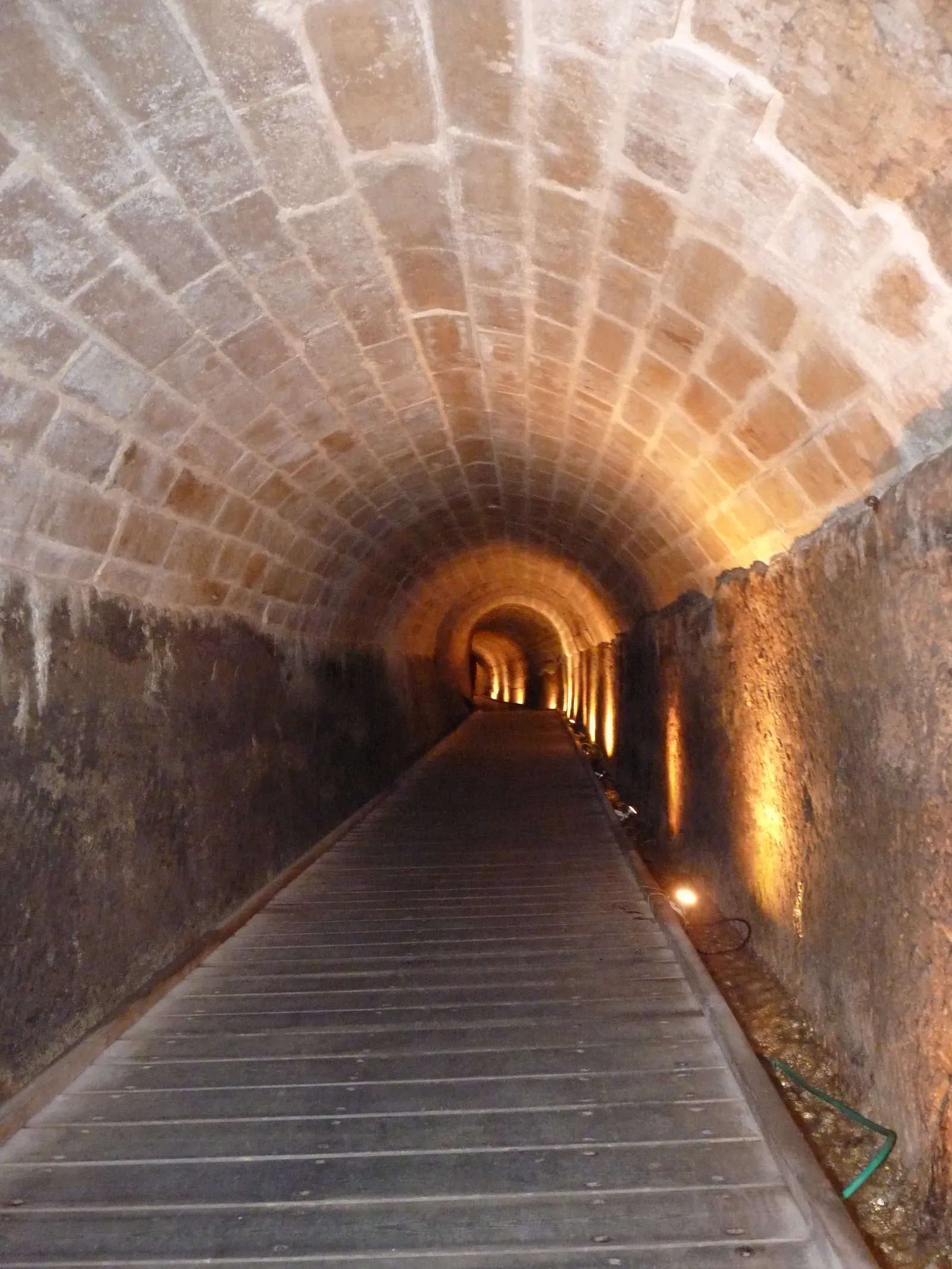
In a twist that sounds almost like science fiction, astrophysics is now being used to probe supposed Templar hiding places. The same cosmic-ray muon imaging techniques used to study the internal structure of pyramids and volcanoes are being turned on medieval castles, chapels, and fortresses. Muons – high-energy particles raining down from space – pass through stone and earth, and by tracking how many are absorbed or deflected, scientists can build up a 3D map of voids and dense regions without drilling or digging. For Templar sites long rumored to hide underground treasuries or secret chambers, this is the first serious test of those stories.
Early results are less explosive than thriller novels would suggest, but they are still fascinating. In some locations, muon imaging has confirmed unsuspected cavities – small, carefully shaped rooms that don’t appear in any written records from the period. In others, the technology has shown solid stone where tales insisted there must be hidden vaults, undercutting centuries of speculation. Either way, the data is turning legend into a testable hypothesis. Instead of arguing endlessly about whether a secret chamber exists, researchers can now show the density map and say, with scientific calm, whether space is really there or not.
Decoding the Myths: What Science Says About Grails, Relics, and Secret Knowledge
The Knights Templar have become a magnet for every kind of mystical claim: guardians of the Holy Grail, keepers of lost gospels, inventors of hidden codes that supposedly link cathedrals to constellations. Science is not particularly interested in debunking for its own sake, but new tools do allow us to test parts of these stories more rigorously than ever before. Radiocarbon dating and isotope analysis of supposed Templar relics, for instance, can pinpoint whether an object even comes from the right century or region. When those results don’t match the legend, it doesn’t just kill a fantasy; it forces historians back to the archive to ask who invented the story and why.
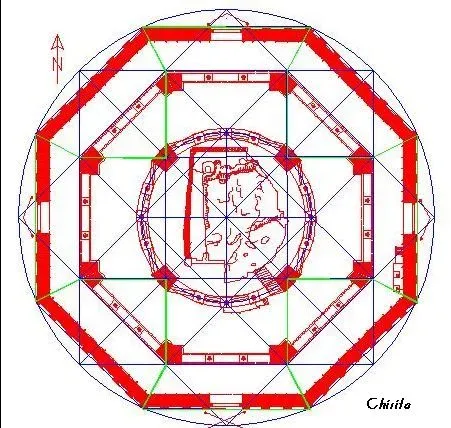
At the same time, not every myth has evaporated under scrutiny. Patterns in Templar architecture and iconography, long dismissed as fanciful, sometimes turn out to reflect real astronomical alignments or numerological schemes that mattered deeply to medieval minds. Scientists and historians are finding that while there is no evidence for planet-scale conspiracies, there is plenty of evidence that Templar builders and patrons were obsessed with symbolism, proportion, and celestial cycles. That makes their world feel less like a Hollywood puzzle box and more like an intense, spiritually charged engagement with the universe as they understood it.
Why It Matters: The Templars as a Test Case for Science vs. Legend
The Templars are more than just a historical curiosity; they are a live experiment in how modern science collides with deeply rooted cultural myths. On one side, you have a centuries-old story ecosystem woven from crusades, royal politics, religious trauma, and romantic nostalgia. On the other, you have particle accelerators, quantum sensors, climate models, and astrophysical imaging quietly generating data. When those two worlds meet, you can watch in real time how evidence either reshapes a legend or gets ignored in favor of a better story. That tension is not unique to the Templars – it shows up in debates about climate, vaccines, even space exploration – but here it plays out in a contained, almost theatrical setting.
Comparing traditional historical methods with these newer tools makes the contrast even sharper. Where earlier scholars were limited to chronicles, architectural style, and fragmentary archives, today’s researchers can cross-check a medieval text against the mineral profile of a stone block or the isotopes in a bone fragment. The result is a far more constrained, but also more vivid, picture of what actually happened. In that sense, the Templars have become a kind of laboratory model for understanding how science can untangle stories that once seemed too entangled to touch.
Global Perspectives: From European Fortresses to Mediterranean Trade Routes and Beyond
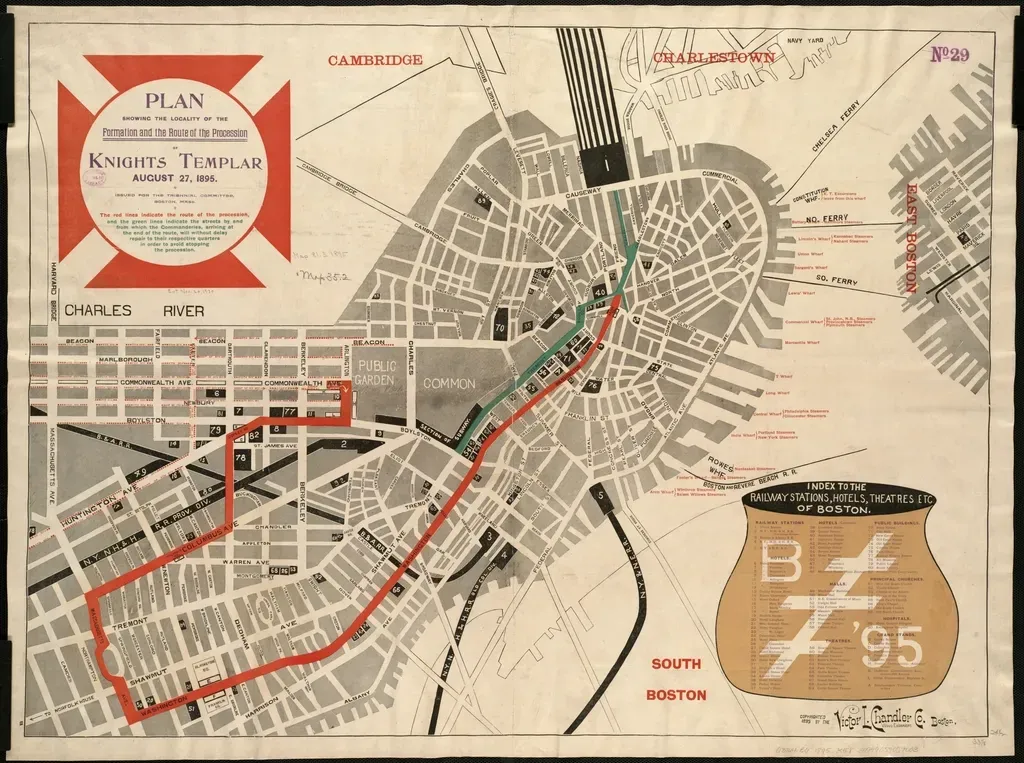
The story of the Templars usually starts in Jerusalem and ends in Paris with a dramatic series of arrests and burnings, but modern science is revealing a much more geographically complex narrative. Isotopic signatures in bones from burial sites suggest that many Templar brothers moved far more widely than written records imply, crossing between Europe, the Levant, and North Africa. Analysis of stone and timber shows supply networks reaching along Mediterranean coasts and inland river systems, hinting at a logistical web that connected remote commanderies with urban hubs and ports. This is less a secret society and more a distributed infrastructure system spanning thousands of miles.
That broader view also changes how we think about cultural and scientific exchange in the Middle Ages. Instead of imagining a Europe sealed off from the wider world, the scientific data points toward regular contact, trade, and knowledge flow between Latin Christians, Byzantine Greeks, Muslims, and Jewish communities. Materials science and network modeling echo what some historians have long suspected: the Templars were one of several actors knitting together a genuinely interconnected Old World. Far from being isolated warrior-monks, they were embedded in a globalizing system whose traces are now visible in the chemistry of bones, metals, and bricks.
The Future Landscape: Quantum Sensors, AI Reconstructions, and New Templar Discoveries
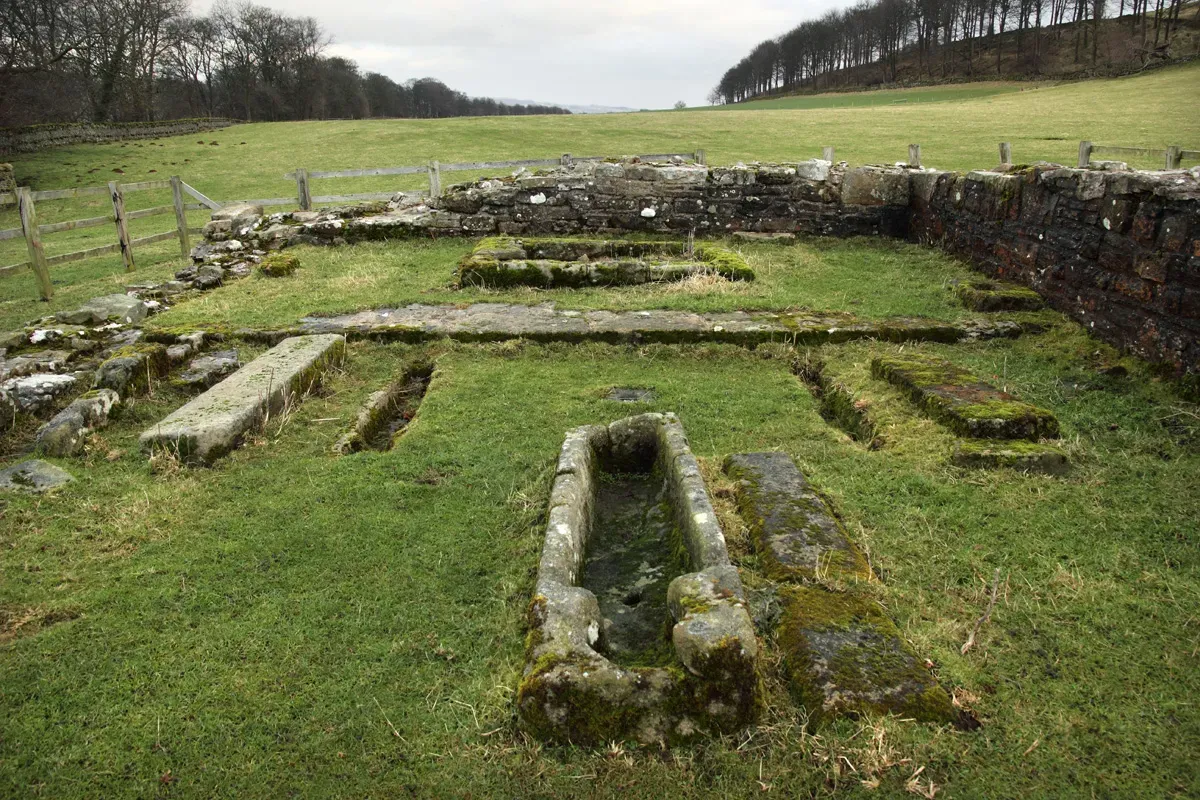
As powerful as today’s tools are, the next decade promises to push Templar research into even stranger territory. Quantum sensors capable of detecting minute variations in magnetic fields or gravity could help map buried structures and lost roads with far greater precision than current methods. AI-driven image reconstruction is already being used to restore faded frescoes and wall paintings; as those models get better, they may reveal layers of iconography long invisible to human eyes. The combination of satellite data, lidar scans, and machine learning could uncover erased sites hidden under modern cities, forests, or farmland.
With that power comes a set of thorny challenges. There are ethical questions about scanning active religious sites, disturbing graves, or digitally reconstructing sacred art in ways that may not align with living traditions. There are also political tensions around who controls the narrative when new data revises national myths or long-cherished local legends. In the best case, emerging technologies will encourage more open, collaborative research across borders and disciplines. In the worst, they could feed yet another wave of sensational speculation and conspiracy theories that outrun the evidence. The tools are neutral; what we do with them is not.
How You Can Engage: From Critical Curiosity to Supporting Real Research
You do not need to be a physicist or a medievalist to take part in this unfolding story; you just have to be curious and a bit stubborn about evidence. One simple step is to treat Templar claims in books, games, and shows the way a good scientist treats a bold hypothesis: interesting, but not proven until the data is in. Look for work that cites archaeological reports, lab analyses, and peer-reviewed studies rather than leaning only on dramatic speculation. When a new “discovery” is announced, pay attention to what methods were used and whether independent teams can replicate the results.
If you want to go further, many research projects and local museums connected to Templar sites now offer digital archives, public lectures, or crowdfunding campaigns to support advanced imaging and conservation. Participating in these efforts – whether by donating, visiting, or simply sharing reliable findings – helps ensure that the story stays anchored to reality even as it remains rich with mystery. In a world saturated with grand narratives and easy conspiracies, choosing to back careful, methodical science is its own kind of quiet rebellion. The Templars may never be as simple as legend or as dry as a ledger, but that in-between space is exactly where the most interesting questions live.
Suhail Ahmed is a passionate digital professional and nature enthusiast with over 8 years of experience in content strategy, SEO, web development, and digital operations. Alongside his freelance journey, Suhail actively contributes to nature and wildlife platforms like Discover Wildlife, where he channels his curiosity for the planet into engaging, educational storytelling.
With a strong background in managing digital ecosystems — from ecommerce stores and WordPress websites to social media and automation — Suhail merges technical precision with creative insight. His content reflects a rare balance: SEO-friendly yet deeply human, data-informed yet emotionally resonant.
Driven by a love for discovery and storytelling, Suhail believes in using digital platforms to amplify causes that matter — especially those protecting Earth’s biodiversity and inspiring sustainable living. Whether he’s managing online projects or crafting wildlife content, his goal remains the same: to inform, inspire, and leave a positive digital footprint.