You’ve probably walked past countless insects today without giving them a second thought. These creatures, so easily overlooked, are performing engineering marvels that would make any human architect jealous. From constructing climate-controlled megacities to producing materials stronger than steel, the tiniest members of the animal kingdom have mastered feats that scientists are only beginning to fully understand.
Think about it for a moment. While we rely on complex machinery, advanced materials, and enormous amounts of energy to build our structures, these miniature engineers accomplish extraordinary things with nothing but their bodies, instinct, and collaboration. Let’s be real, if you could shrink down and examine their world up close, what you’d discover would blow your mind. So let’s dive into the hidden realm where millimeter-sized creatures outperform our most sophisticated technology.
The Impossible Strength of Beetles and Ants
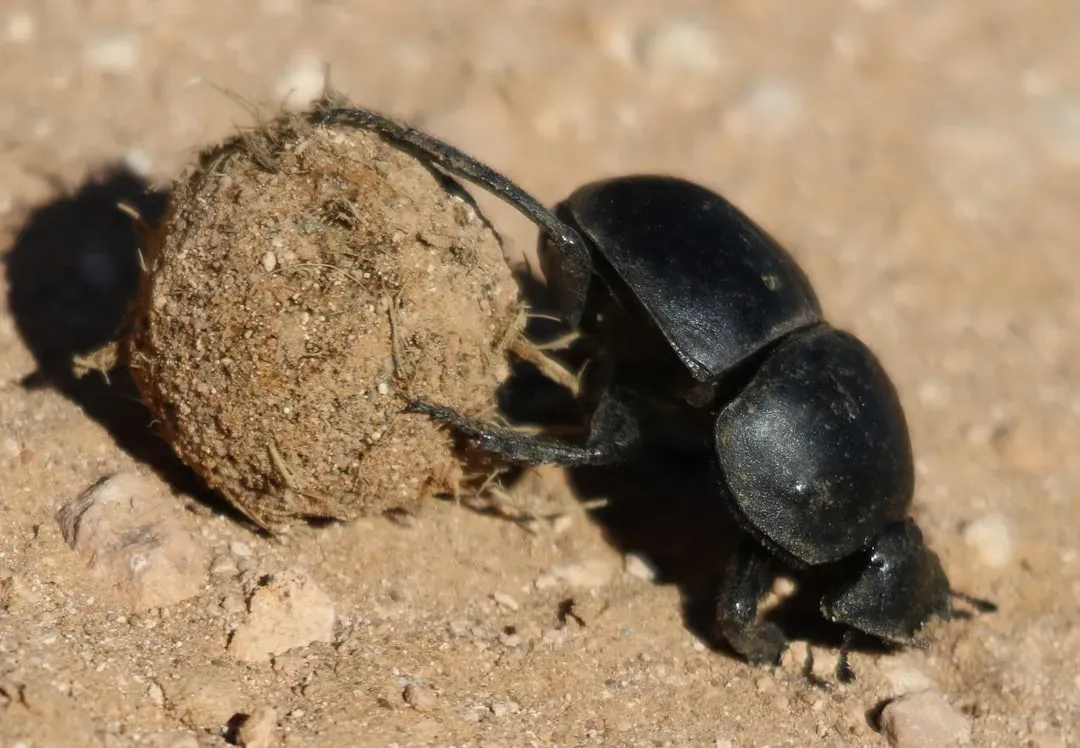
You’re looking at one of the strongest animals on Earth relative to its size when you observe a dung beetle, capable of moving objects more than a thousand times its own body weight. Imagine if you could drag six double-decker buses behind you. That’s roughly the equivalent of what these beetles accomplish daily.
Most ant species can carry or drag objects weighing roughly ten to fifty times their body weight, with some exceptional species demonstrating even greater capabilities, thanks to their exceptionally high ratios of muscle tissue relative to their total body mass. What makes this even more remarkable is that they accomplish this feat primarily using their jaws. Leafcutter ants lift objects using only their mandibles – if you had the incredible strength of a leafcutter ant, you’d be able to lift a full-size car using only your teeth.
The secret lies in physics that favors the small. Smaller creatures naturally demonstrate higher strength-to-weight ratios due to the square-cube law – as size decreases, strength decreases more slowly than body mass, creating proportionally stronger smaller animals. Their external skeletons act like built-in weight-lifting equipment, distributing force efficiently across their entire framework.
Spider Silk: Nature’s Super Material
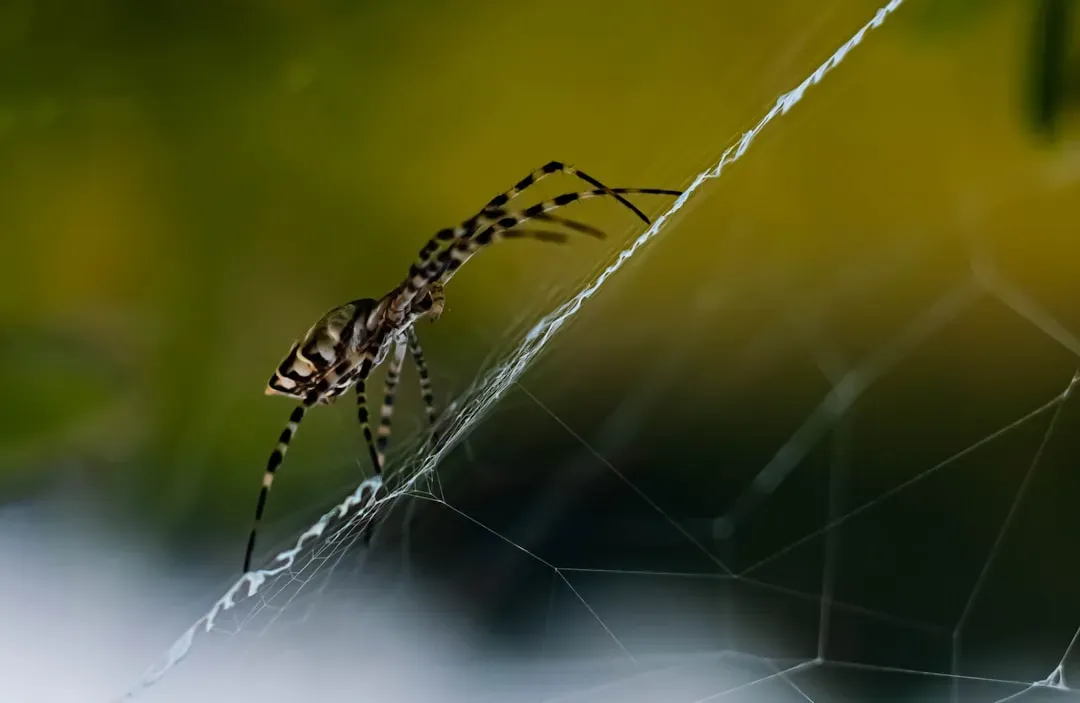
You might brush away cobwebs without realizing you’re destroying one of the most remarkable materials known to science. Spider silk fibers have tensile strengths comparable to steel and some silks are nearly as elastic as rubber on a weight to weight basis, revealing a toughness that is two to three times that of synthetic fibers like Nylon or Kevlar.
Here’s what makes it truly extraordinary. Spider silk has tensile strengths comparable to steel and some are nearly as elastic as rubber on a weight to weight basis, yet the spider spins its silk at ambient temperatures, low pressures and with water as solvent. We require massive factories, extreme heat, and toxic chemicals to produce materials with far inferior properties.
The most outstanding property of spider silk is its maximal resilience, with distinct spider silk threads able to absorb three times more energy than Kevlar, one of the sturdiest materials on a weight-to-weight basis. Honestly, it’s hard to say for sure whether we’ll ever match this natural engineering, but scientists worldwide are working to replicate it. Engineers have drawn much attention to spider silk in the past twenty years for its toughness and elasticity, properties which may be utilized in applications such as suspension bridge wires, bulletproof vests, and medical adhesives.
Bee Navigation: Living Compasses
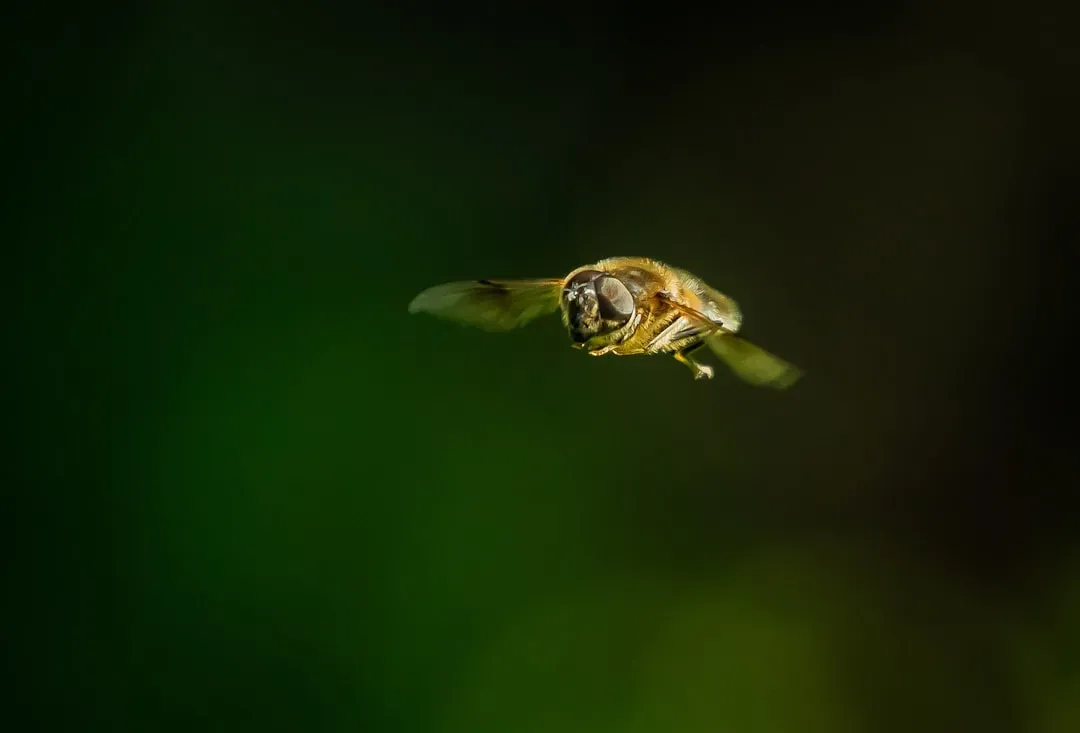
You’ve watched bees buzzing between flowers, but did you know they’re using an internal GPS system we barely understand? Honey bees have the ability to detect the Earth’s magnetic field and the suspected magnetoreceptors are the iron granules in the abdomens of the bees. Think about that. These insects carry tiny magnetic particles that function as biological compasses.
Honey bees possess this magnetic sense, likely due to a metal called magnetite that exists in their abdomens, enabling them to sense the directionality of the magnetic field and use this ability primarily when foraging, finding their way back to their hives, and orienting themselves within them.
The complexity doesn’t end there. Honey bees memorize olfactory cues or visual landmarks around the hive and rely on directional information from the sky compass, provided by the sun, and even when the sun is sheltered by clouds or other obstacles, the bees can still estimate the sun’s position by the spectral pattern or the polarization pattern in the sky. They’re essentially walking around with multiple navigation systems working simultaneously. Your smartphone can’t even do that without satellites.
Termite Mounds: Passive Climate Control Masterpieces
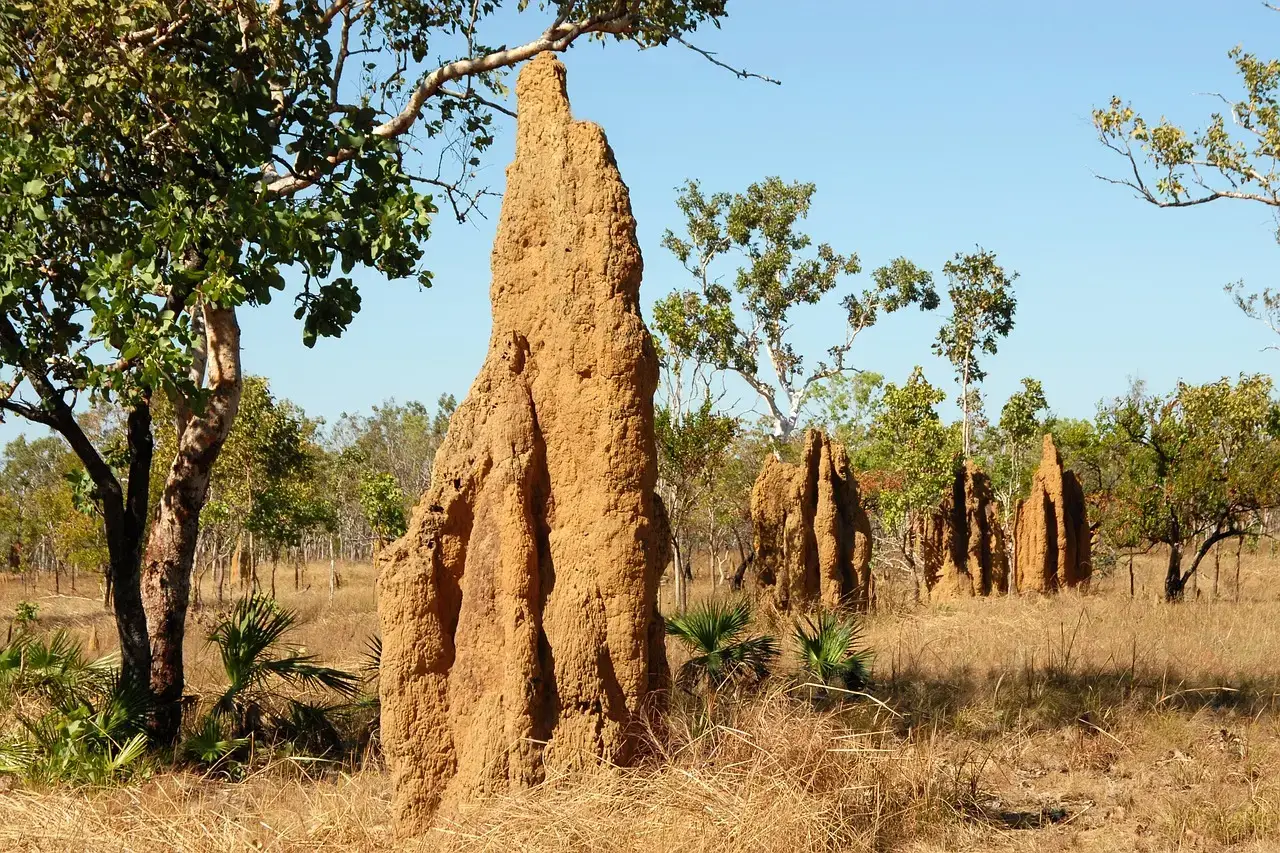
Termite mounds maintain stable internal temperatures in their nests with fluctuations of only zero to four degrees Celsius despite fluctuating external conditions, acting as natural climate control systems that enable colonies to thrive in harsh environments. These structures, built by insects just a few millimeters long, can tower several meters high and house millions of individuals.
What’s absolutely fascinating is how they achieve this temperature control. Daily temperature oscillations drive convective flow, which reverses twice a day and thus serves to ventilate the mound, with neither wind nor termite metabolism playing a role in ventilation, contrary to prior hypotheses. The mounds essentially breathe using nothing but sunlight and clever architecture.
Both inhabited and uninhabited mounds exhibit similar temperature stability, implying that the mound’s architectural design, rather than termite activity, is the key factor in maintaining internal temperature stability. Let that sink in. The structure itself does the work. The network of larger microscale pores enhances permeability by one to two orders of magnitude and increases carbon dioxide diffusivity up to eight times, while offering enhanced thermal insulation and allowing quick drainage of rainwater.
Ant Colony Engineering and Excavation
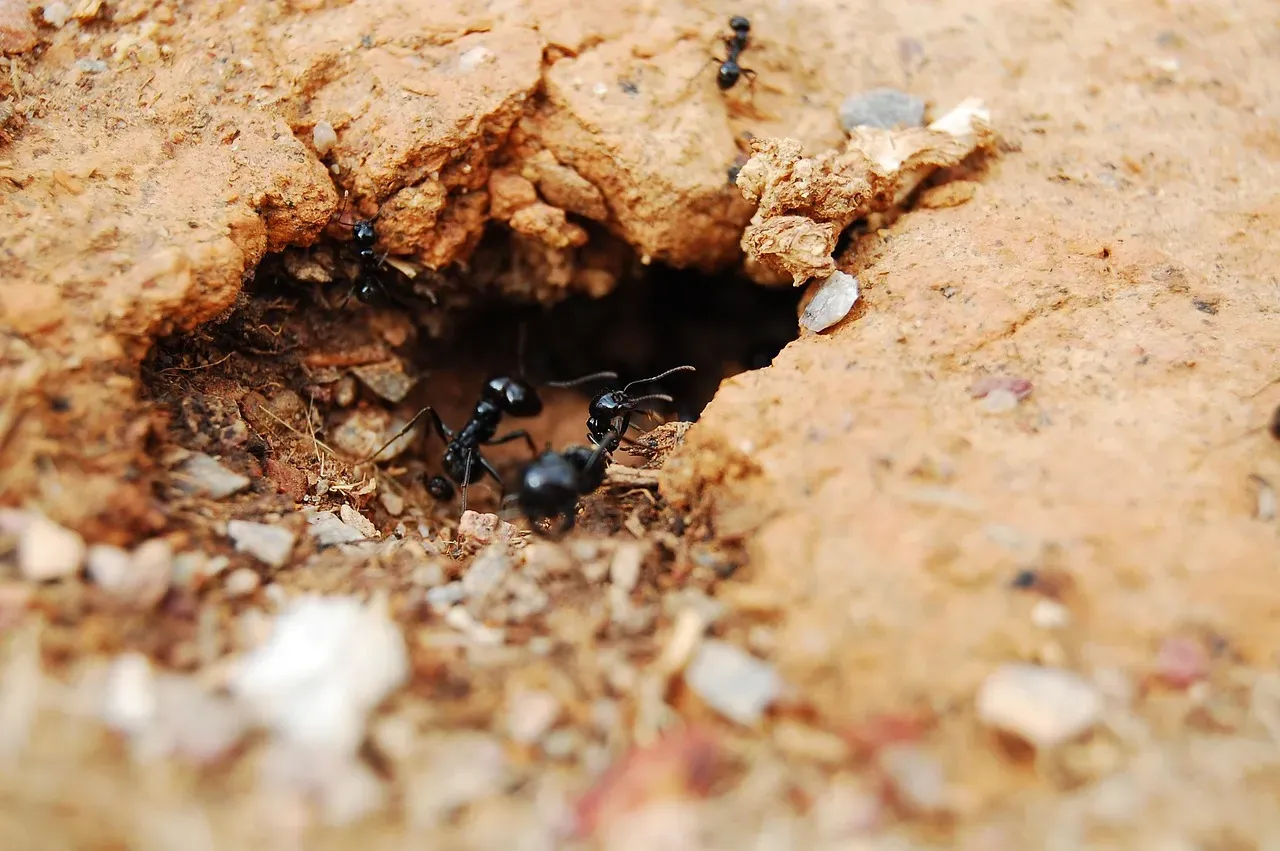
Some ant species can construct towering structures that reach several meters in height, dwarfing the size of the individual insects, with these mounds serving as means of climate control through intricate ventilation systems that regulate temperature and humidity within the colony. You’re essentially looking at skyscrapers built by creatures you could accidentally step on.
The construction techniques are mind-boggling. Workers use their powerful mandibles and coordinated efforts to excavate the soil, creating an intricate system of passageways and rooms that serve as nurseries for the young, storage facilities for food, and even specialized areas for waste disposal.
Scale this up to human proportions and you’d have underground cities rivaling anything in science fiction. Because of their strength and stamina, ants are incredible diggers capable of excavating large colonies that would put human construction crews to shame, and certain species have the ability to erect towering structures that would dwarf human skyscrapers if they were scaled up. They accomplish all this without blueprints, managers, or coffee breaks.
Flea Jumping Mechanics: Biological Catapults
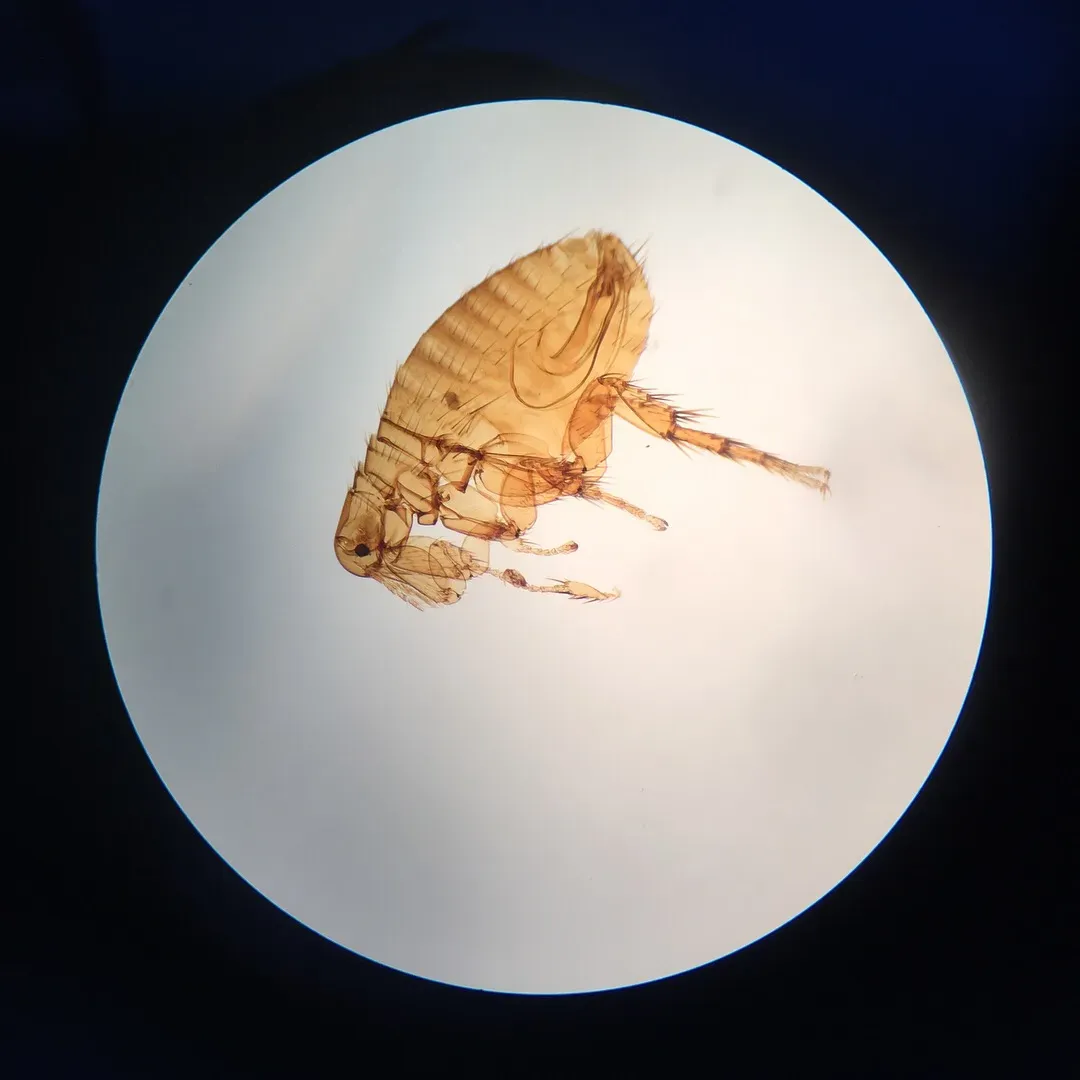
The flea possesses an astonishing ability to jump over two hundred times its body length, a feat equivalent to a human jumping the length of a football field. How do they do this without snapping their legs? The answer involves some seriously clever biomechanics.
Fleas have powerful hind legs that act like springs, allowing them to launch themselves great distances to find new hosts and escape danger. Their legs contain a rubber-like protein called resilin that stores energy like a compressed spring, then releases it explosively.
I know it sounds crazy, but the acceleration forces involved would kill most larger animals. Yet fleas perform these launches hundreds of times daily without injury. Their small size means their legs can withstand enormous forces relative to their body mass. This is biological engineering optimized through millions of years of evolution, creating a launching system more efficient than anything we’ve designed.
Weaver Ant Architecture: Living Construction
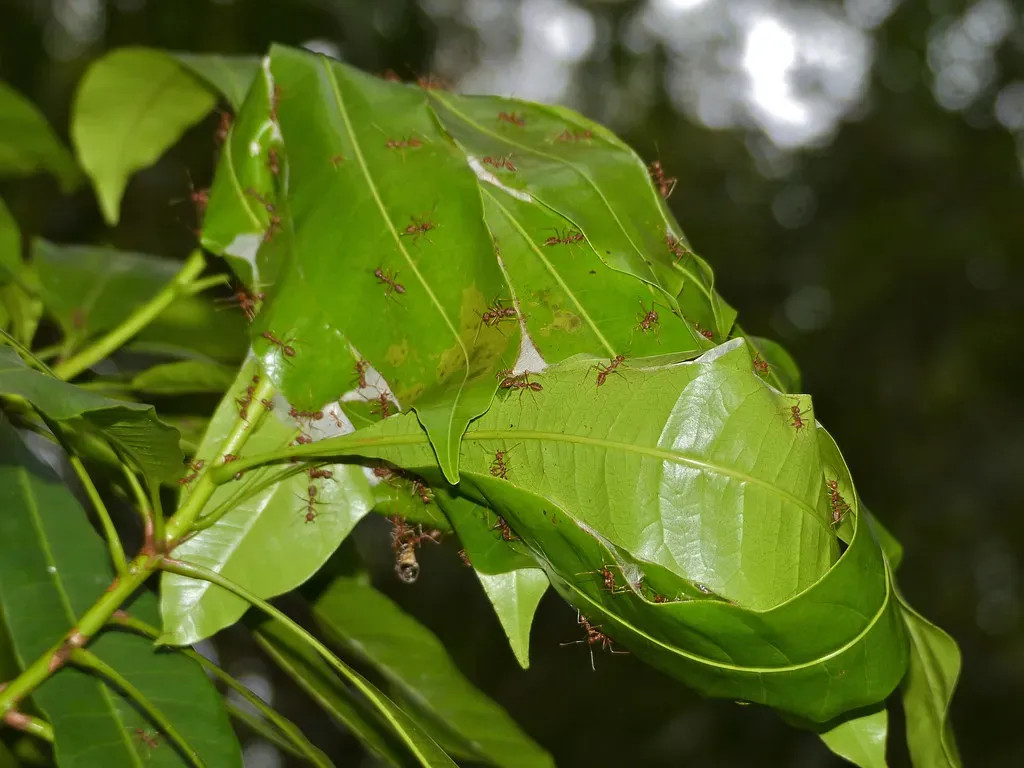
You might think construction requires tools, but weaver ants prove otherwise. Weaver ants are known for their impressive architectural skills, constructing intricate nests by weaving together leaves using silk produced by their larvae. That’s right, they use their own offspring as living glue guns.
The process requires remarkable coordination. Adult ants form living chains to pull leaves together, then pass larvae back and forth across the gap. The larvae secrete silk on command, stitching the leaves into waterproof shelters. This represents a level of tool use and collaboration that was once thought unique to primates.
Leafcutter ants cut and carry pieces of leaves several times their own weight, transporting them back to their nests where they use the leaves to cultivate fungus which serves as their primary food source, demonstrating not only physical strength but also a sophisticated understanding of agriculture. They’re essentially farming, complete with fertilization, pest control, and crop management. These aren’t just builders – they’re agricultural engineers.
Honeycomb Geometry: Mathematical Precision
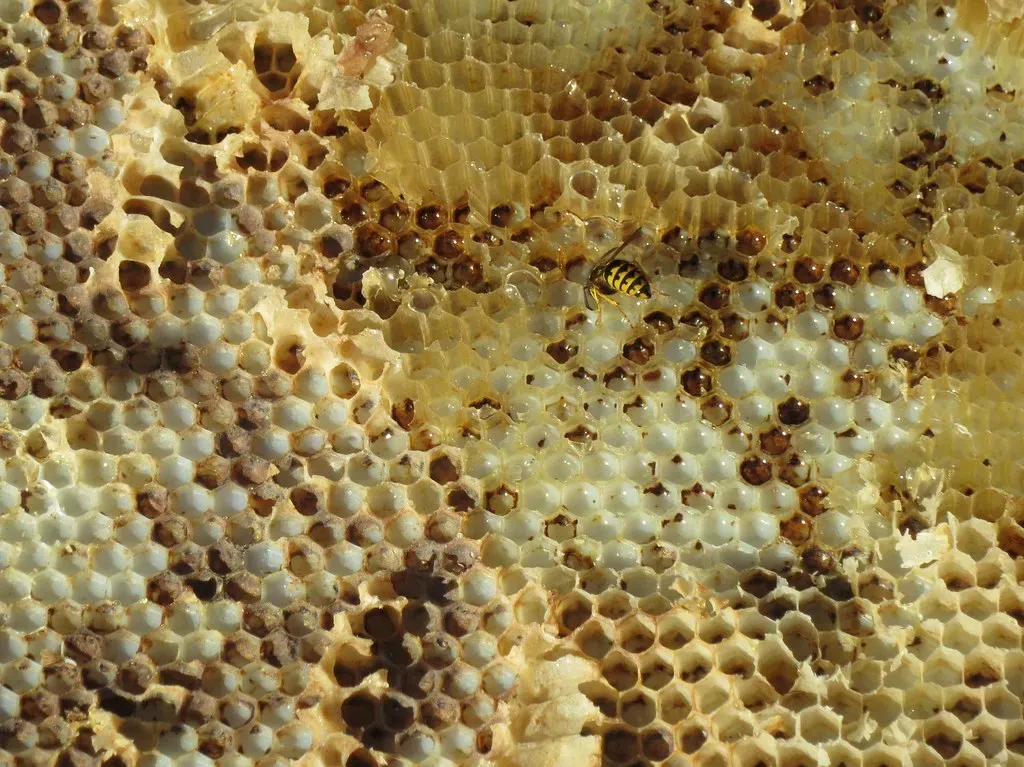
Bee honeycombs are a geometric wonder, proven by mathematicians to be the most efficient shape. Every cell is a perfect hexagon, creating a structure that uses the least amount of wax to store the maximum amount of honey while providing maximum strength. Mathematicians call this optimal packing.
Bees achieve this perfection without rulers, protractors, or engineering degrees. Each bee works independently, following simple rules that collectively produce mathematical perfection. The hexagonal structure distributes weight evenly, prevents wasted space, and creates a framework strong enough to support many times its own weight.
The precision is staggering. Measurements show that honeycomb cells deviate less than two percent from perfect hexagons. Human engineers, with all our technology, struggle to match this consistency in mass production. The bees accomplish it in darkness, working by touch and instinct, creating structures that have inspired architects and mathematicians for centuries.
Bombardier Beetle Defense: Chemical Engineering
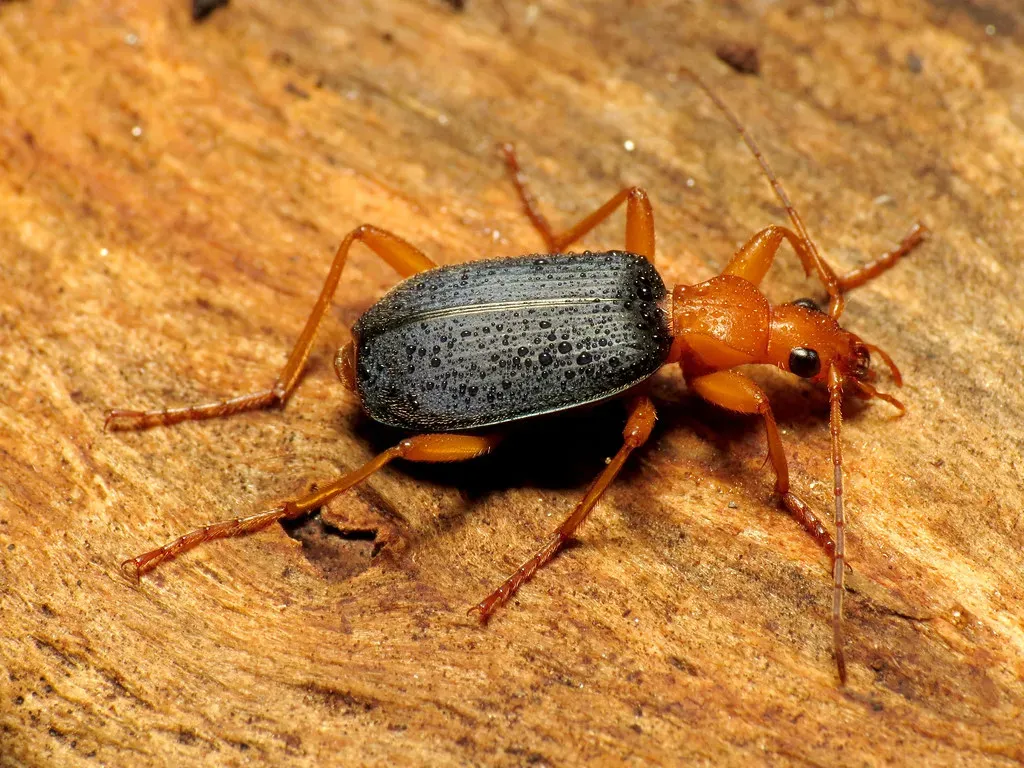
Bombardier beetles exhibit a different kind of strength through their explosive defense mechanisms, releasing a boiling chemical spray from their abdomen when threatened, deterring predators with a loud pop and a burst of heat. This is chemical warfare at the microscale.
The beetle stores two separate chemicals in compartments in its abdomen. When threatened, it mixes them in a special chamber where they react explosively, reaching temperatures near boiling point. The beetle then aims this spray with remarkable accuracy at attackers.
This remarkable ability is a testament to the diverse ways insects have evolved to survive in a hostile world, with the bombardier beetle’s explosive defense representing not only a feat of chemical engineering but also a demonstration of the adaptability and resilience of insects. It’s essentially a tiny creature with a built-in chemical weapon system, complete with aiming capability and rapid reload. The engineering required to not blow yourself up while producing controlled explosions is something humans are still trying to perfect.
Ant Mandible Power: Precision and Force Combined
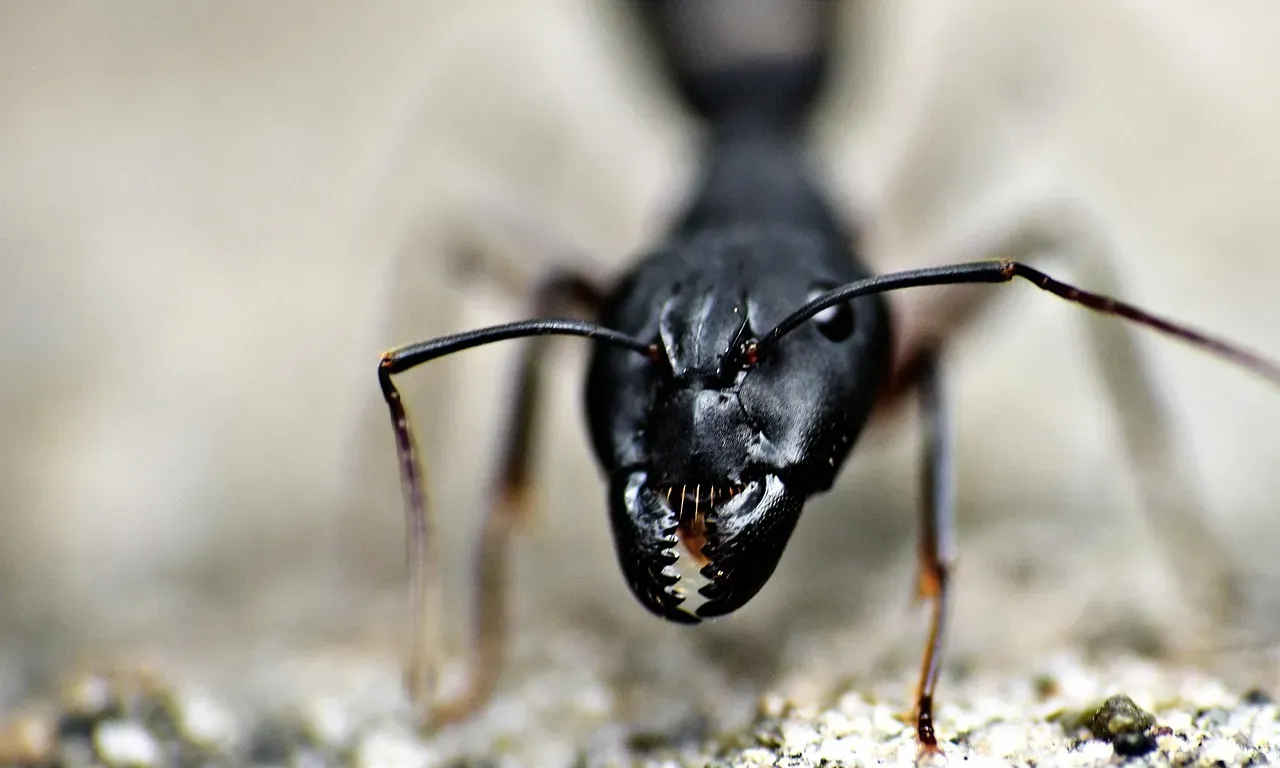
Ant mandibles can deliver force up to four hundred times the ant’s body weight in each strike, using these strikes against objects or their environment as an escape mechanism, launching themselves several body lengths away from danger. Imagine having a jaw that could throw you across a room to escape danger.
Ant spring-loaded mandibles generate enough force to produce over 1.5 million meters per second squared acceleration, comparable to a bullet’s speed in a gun barrel. That’s explosive power contained in structures smaller than a grain of sand.
The mandibles serve multiple purposes beyond combat. Some ant species have enlarged mandibles or jaws that have evolved specifically for lifting or transporting items back to their colonies. They’re multipurpose tools: weapons, construction equipment, surgical instruments, and transportation devices all in one. Ant joints are built to withstand more than three thousand times their own body weight without breaking, with specialized attachment sites on their exoskeletons called apodemes serving as anchor points for muscles and giving ants the ability to exert force more efficiently.
The Future: What We Can Learn
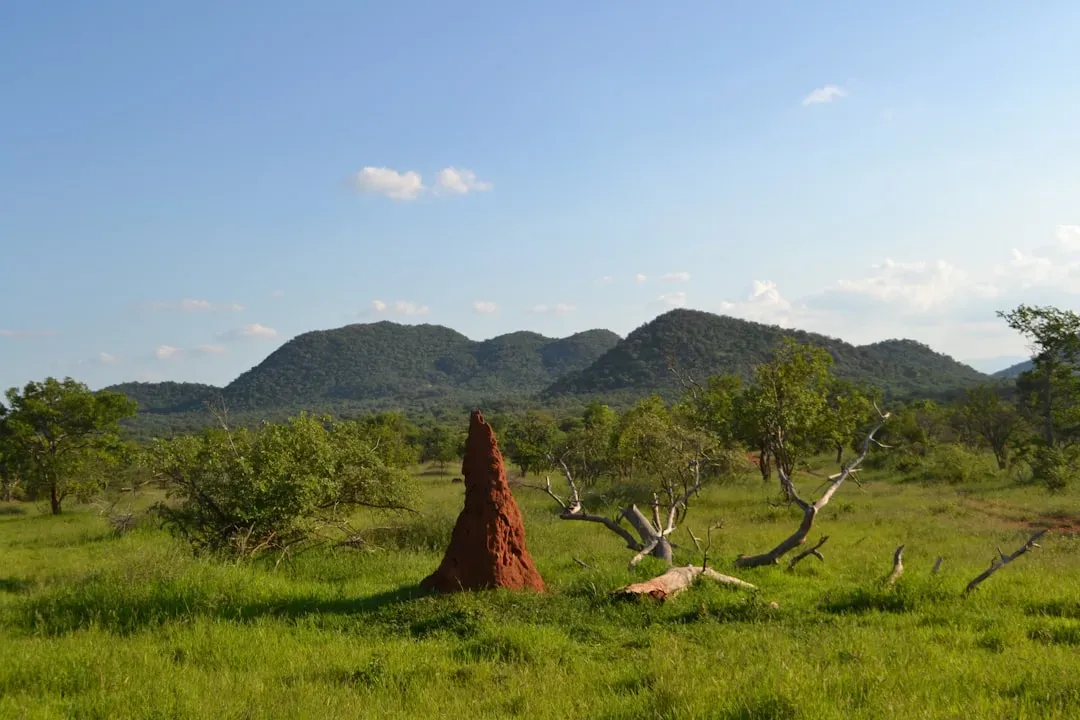
The engineering accomplishments of these tiny creatures aren’t just biological curiosities – they’re blueprints for our future. The ability of termites to achieve sophisticated climatic control using simple materials and passive mechanisms holds immense potential for biomimicry in sustainable architecture and engineering, with applications ranging from designing energy-efficient buildings to developing advanced ventilation systems that reduce energy consumption.
The Eastgate Centre in Harare, Zimbabwe, designed by architect Mick Pearce in collaboration with engineers at Arup Associates, draws inspiration from termite mounds and uses ninety percent less energy for ventilation than conventional buildings of its size. This isn’t science fiction – it’s happening now.
Scientists continue studying these creatures to develop new technologies. Spider silk research could revolutionize everything from medical sutures to body armor. Understanding ant logistics might improve supply chain management and robotics. The magnetic navigation of bees could inspire new sensor technologies. These miniature engineers have spent millions of years perfecting solutions to problems we’re just beginning to address.
What’s remarkable is that these creatures operate without consciousness, blueprints, or technology, yet they consistently outperform human engineering in efficiency, sustainability, and elegance. Perhaps the future of engineering lies not in inventing something completely new, but in finally understanding and applying the lessons these tiny teachers have been demonstrating all along. What other secrets are hiding in plain sight in the world beneath our feet?