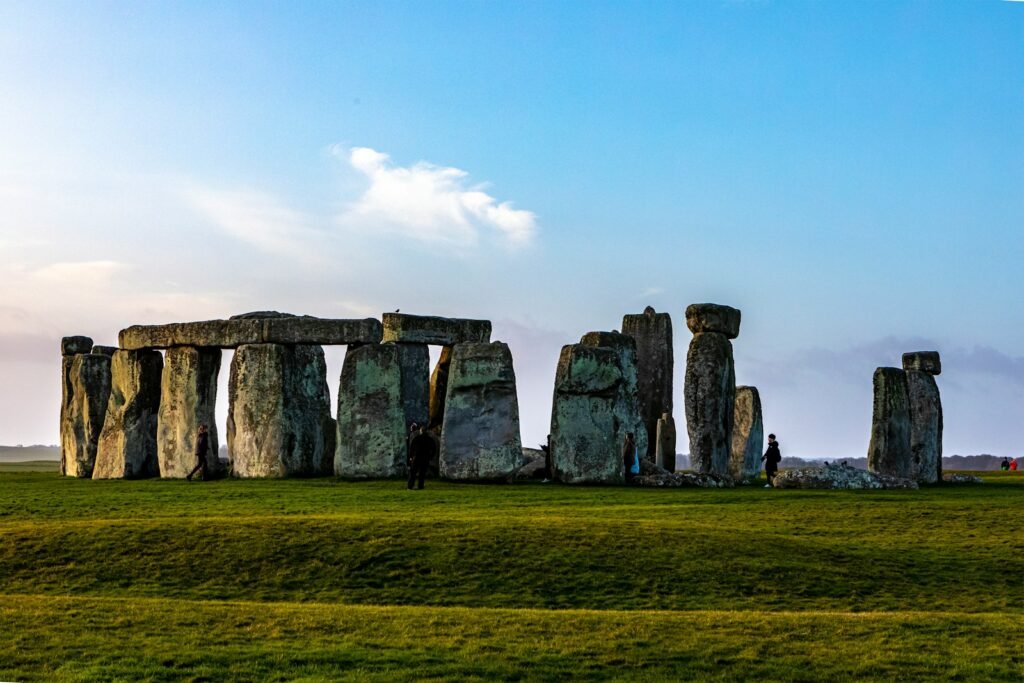
Long before modern cranes, lasers, or computer models, ancient builders moved stones heavier than jet planes and carved rock with a precision that still makes engineers squint in disbelief. Across the world, structures rise from deserts, mountains, and jungles that refuse to fully explain how they were made. Archaeologists keep uncovering new data, yet the tools and techniques behind some of the most spectacular ancient feats remain strangely out of reach. These sites are not magic, but the gaps in our understanding force us to rethink what small, pre-industrial societies could really do. And as new technologies probe old stones, the mystery is not fading – it is, if anything, getting more interesting.
The Great Pyramid: Precision in Stone That Still Feels Unreasonable
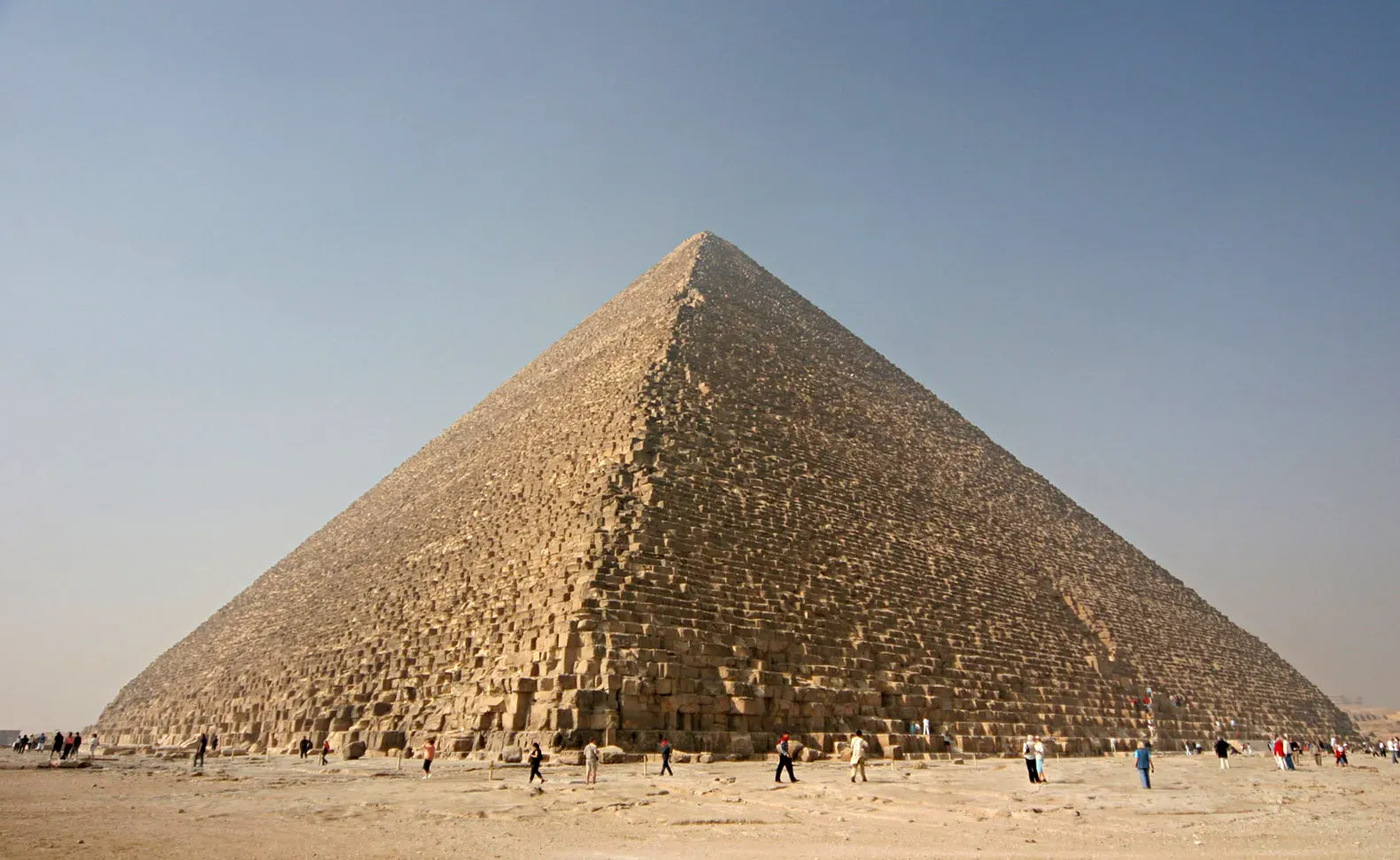
The Great Pyramid of Giza is so famous that it almost stops feeling strange, but when you look closely, the details are unsettling. Its base is aligned to true north with a precision that rivals – or in some measures beats – many modern buildings laid out with GPS tools. Millions of limestone blocks, some weighing several tons, were stacked into a structure more than 450 feet high, with the sides deviating from perfect symmetry by astonishingly small margins. For an early Bronze Age civilization, working with copper tools and wooden sledges, this level of accuracy feels almost unreasonable. The mystery is not whether humans did it, but how they organized, measured, and corrected errors at such a massive scale.
Most Egyptologists now think the feat was achieved using clever surveying techniques, water-filled trenches for leveling, and sheer logistical discipline, rather than unknown technologies. Still, even detailed construction theories often leave nagging questions about the tight integration of internal chambers and passages. It is the combination of architectural ambition, astronomical alignment, and long-term stability that keeps the pyramid on every list of unsolved engineering puzzles. Standing at its base, you feel less like you are looking at a tomb and more like you are standing inside a mathematical argument written in stone. The more we learn, the more respect we have for the ancient engineers who managed to make theory and labor meet with so few visible mistakes.
Stonehenge and Its Distant Stones: How Far Would You Drag a Dream?
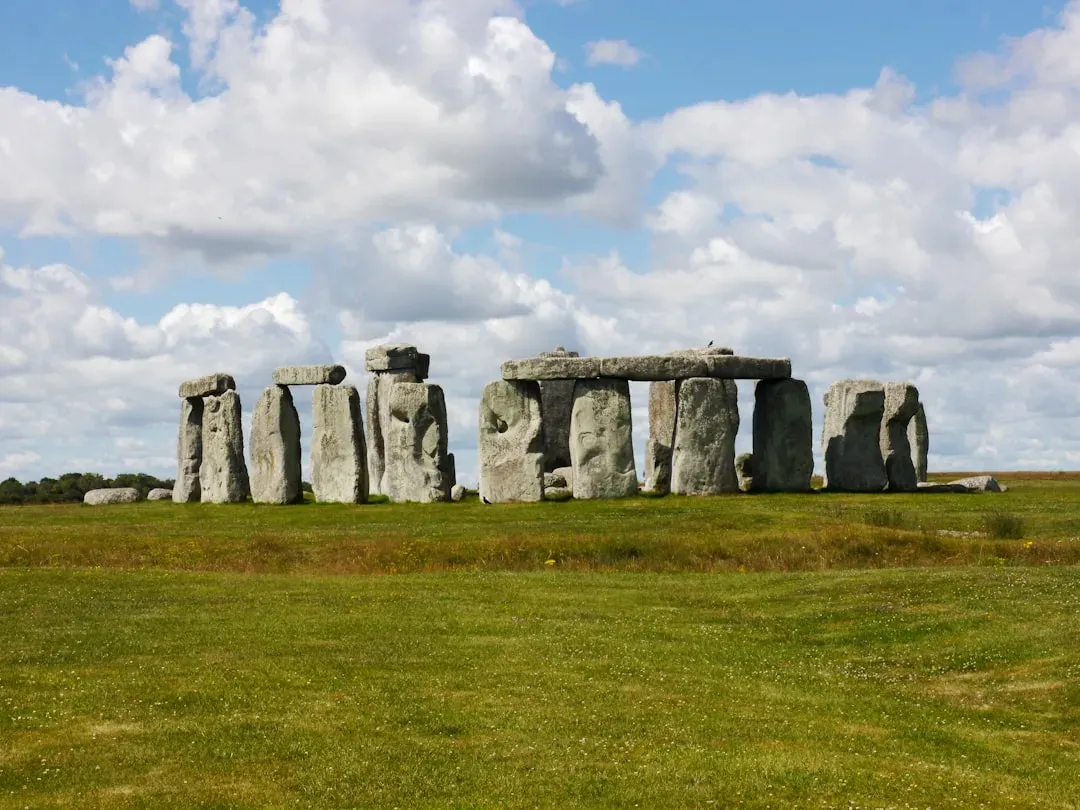
On a windy plain in southern England, Stonehenge sits like a broken clock whose hands were stolen centuries ago, but the real enigma may lie in its stones’ journey. Some of the smaller “bluestones” appear to have originated in the Preseli Hills of Wales, more than 100 miles away, connected by rivers, bogs, and rugged terrain. Moving multi-ton blocks across that distance without wheels, paved roads, or beasts of burden in large numbers presents a brutal logistics problem. Experimental archaeologists have tried to recreate this with wooden sledges, rollers, and boats, often with mixed and exhausting results. The question is less “could they have done it” and more “why were they so determined to do it this way.”
There are theories: perhaps the stones held sacred meaning at their source, or moving them was part of a ritual that forged alliances and identity. Engineering here is welded tightly to belief, and that makes it hard for modern researchers to separate technique from motivation. What is clear is that the monument’s builders were skilled planners who understood leverage, friction, and coordinated labor in a very practical sense. They raised trilithons – two uprights and a lintel – using ramps and careful jointing, including mortise-and-tenon connections that look surprisingly carpentry-like in stone. In a world without written plans, the design lived in people’s heads, and the endurance of that vision might be the most impressive engineering feat of all.
Puma Punku and Tiwanaku: Machine-Like Cuts Without Machines
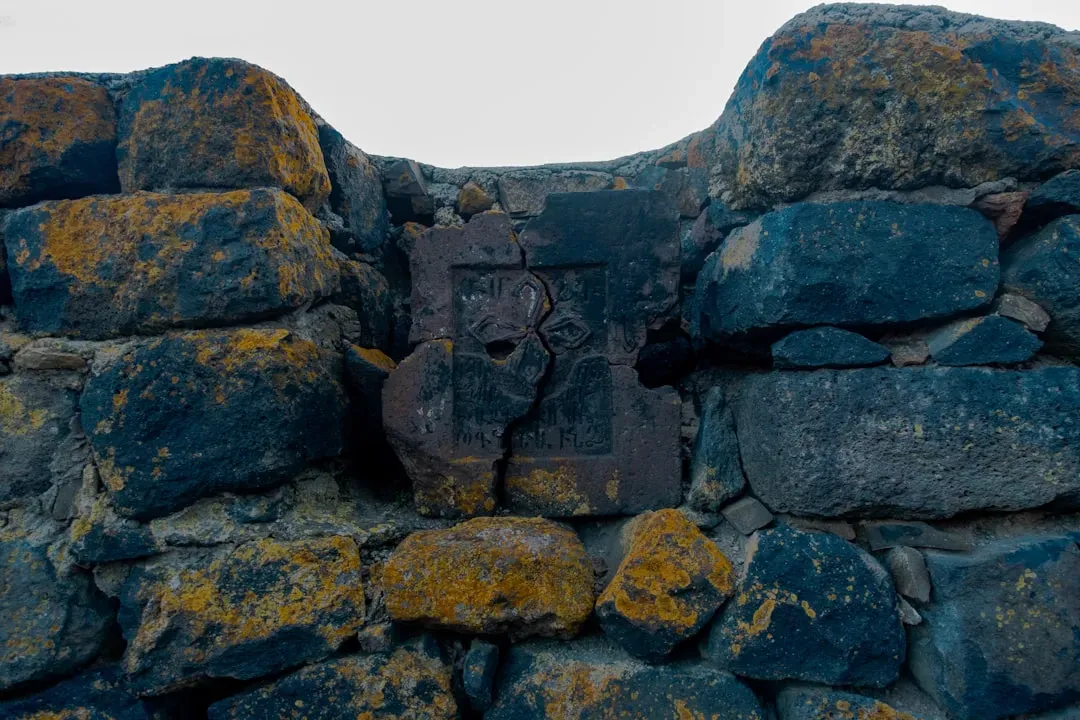
High on the Andean plateau of Bolivia, the ruins of Puma Punku and nearby Tiwanaku feel more like an industrial site than a ceremonial complex. Massive andesite and sandstone blocks, some weighing dozens of tons, lie scattered in fragments that still lock together with jigsaw precision. Many of the famous H-shaped blocks carry sharp internal angles and repeating geometric recesses that, at first glance, look like they could have been milled with modern power tools. When I first saw high-resolution photos of those joins, I had the same gut reaction many people do: this looks too clean. But gut reactions are rarely good archaeology.
Detailed studies suggest skilled stoneworkers using hammerstones, abrasives, and copper or bronze tools could, in principle, have produced these shapes over long periods. However, the sheer uniformity of some cuts and the lack of surviving tool marks in many places still spark debate. Add in the high altitude, limited local timber, and the difficulty of moving such heavy blocks, and this site becomes a case study in how far human persistence can stretch known techniques. The mystery is not a hidden lost technology so much as a missing chapter about organization, training, and incremental refinement over generations. Until more definitive evidence shows how the workshops operated, Puma Punku will remain one of the most machine-like places ever carved before machines.
Ba’albek’s Megaliths: When Stones Rival Skyscrapers
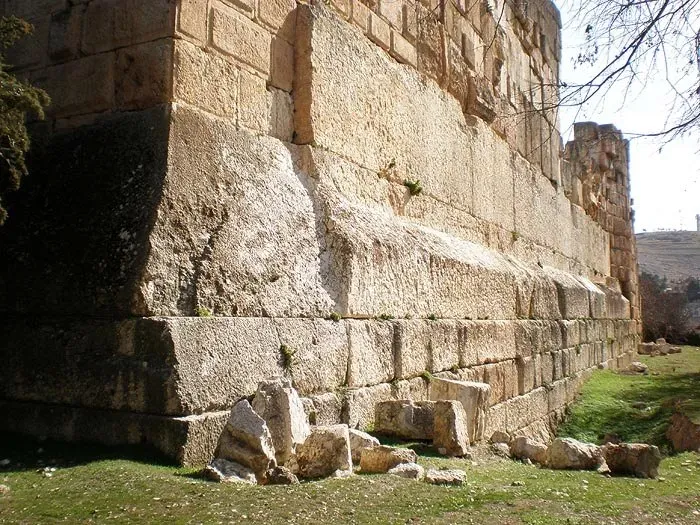
In the Lebanese town of Ba’albek, the ruins of a Roman-era temple complex sit atop something even more mind-bending: a platform of gigantic megaliths whose scale still stuns visiting engineers. The so-called “Stone of the Pregnant Woman” and other nearby blocks, some partially quarried but never moved, weigh on the order of hundreds of tons, rivaling or exceeding modern construction elements. The precision with which several massive stones in the temple platform were fitted together, leaving almost no visible gaps, turns the site into a structural riddle. How do you lift, transport, and place a block so heavy that even modern cranes would think twice, using only ancient means?
Archaeologists generally suspect sophisticated ramp systems, rollers, cranes powered by human or animal treadwheels, and very slow, methodical work. Yet detailed reconstructions remain speculative, and the lack of extensive written manuals from the period keeps the debate alive. This is one of those places where you can stand beside a half-freed monolith in the quarry and feel the lingering tension of an unfinished project. It hints that ancient builders were sometimes as ambitious as any modern megaproject manager – and sometimes bit off more than they could chew. The result is a site that acts like an engineering stress test from antiquity, daring modern experts to match its sheer physical audacity on paper.
Underwater Enigmas: The Submerged Structures of Yonaguni
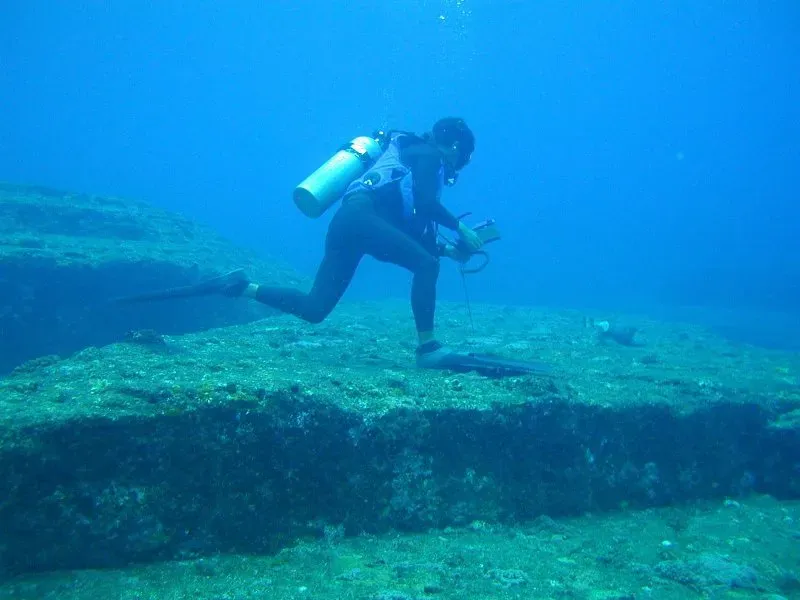
Off the coast of Yonaguni, a small Japanese island near Taiwan, lies a series of submerged terraces, steps, and sharp-edged formations that have fueled arguments for decades. Divers describe vertical walls, broad platforms, and seemingly carved stairways dropping into the deep blue, raising the tantalizing question of whether this might be a drowned ancient structure. Some geologists argue the shapes can be explained by natural fracturing of sandstone and mudstone, where rock naturally splits along straight lines and horizontal layers. Others counter that certain right angles, pillar-like forms, and possible road-like layouts look too orderly to be purely accidental. The truth may lie somewhere in between, in a landscape where natural geology provided a template that humans later modified.
What makes Yonaguni fascinating as an engineering mystery is that it forces disciplines to collide: marine geology, underwater archaeology, and oceanography all have a say. Mapping the site is difficult, visibility changes, and long-term research dives are expensive, especially when you are not even sure you are looking at a man-made structure. If it is human-altered, it would suggest relatively advanced stone shaping and coastal construction in a region and time frame that are still poorly understood. If it is natural, then our brains are confronting just how easily we project cities and monuments onto patterned rock. Either way, Yonaguni is a reminder that the line between architecture and geology can be razor-thin beneath the waves.
Desert Lines and Hidden Geometry: Nazca, Chaco, and Beyond
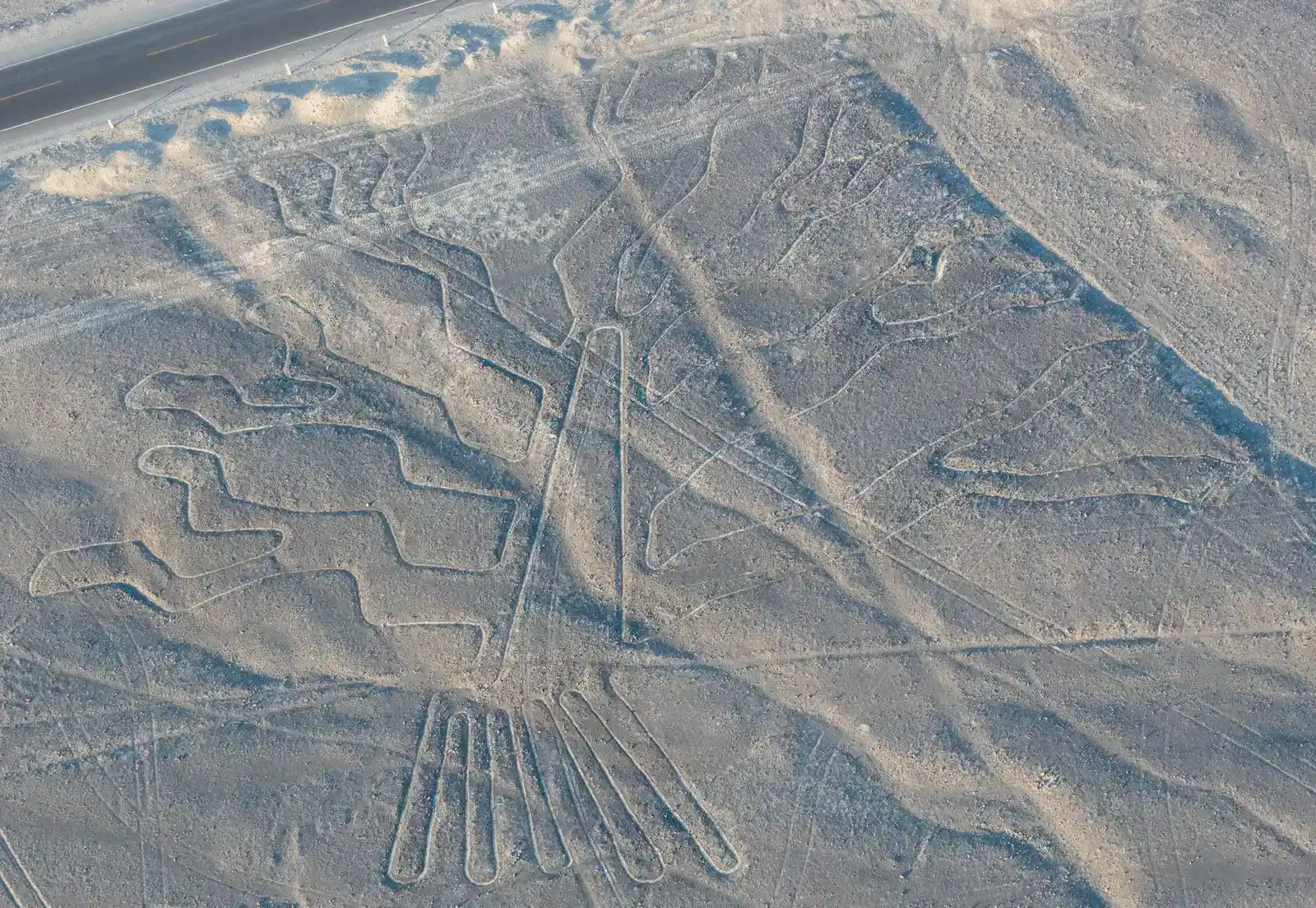
Not all ancient engineering marvels are vertical; some are spread like whispers across the ground. The Nazca Lines of Peru, etched into the desert floor, form giant animals, geometric figures, and ruler-straight lines that stretch for miles, meant to be seen best from the air. Farther north, in the American Southwest, the Chacoan road system radiates from Chaco Canyon in unnervingly straight paths that slice through uneven terrain. In both cases, ancient planners somehow maintained consistent alignments over long distances without satellite imagery or modern surveying gear. This takes more than artistry; it demands an understanding of reference points, sightlines, and iterative checking that borders on obsessive.
Researchers have proposed that people may have used aligning posts, horizon markers, and careful step-counting to keep lines steady. Some lines appear to connect ceremonial centers, water sources, or astronomical events, hinting at a fusion of practical and symbolic purposes. What strikes many scientists is how these flat, easily erased works have endured for centuries, suggesting builders understood erosion, local climate, and surface stability at least intuitively. The engineering here is less about lifting weight and more about coordinating vision across space and time. These are landscapes treated like canvases and survey maps simultaneously, proving that precision is not limited to towering stone.
Why These Ancient Mysteries Still Matter Today
At first glance, it is tempting to treat these sites as mere curiosities, the architectural equivalent of unsolved puzzles in a museum gift shop. But they challenge persistent stereotypes about people in the distant past as simple or naive, revealing instead communities capable of complex planning, large-scale cooperation, and long-term thinking. When you compare some of these feats to early modern projects, you realize that ancient builders often pushed the boundaries of their materials just as aggressively as later industrial engineers did. They had to solve problems that sound familiar to any modern project team: resource shortages, workforce management, scheduling, and failure risk. The difference is that they did it without the safety net of digital simulations or standardized manuals.
These mysteries also highlight gaps in our own scientific story. We rely on scattered ruins, fragmentary tools, and traces in soil layers to reconstruct entire knowledge systems. That should make us cautious about claiming we fully understand the limits of any ancient culture. From a wider scientific perspective, studying these feats sharpens methods in fields like structural engineering, materials science, and geophysics. It pushes researchers to test how far simple tools and clever techniques can really go, sometimes overturning comfortable assumptions about what is “impossible” for small, pre-industrial societies.
From Laser Scans to AI Models: The Future of Solving Ancient Engineering Puzzles
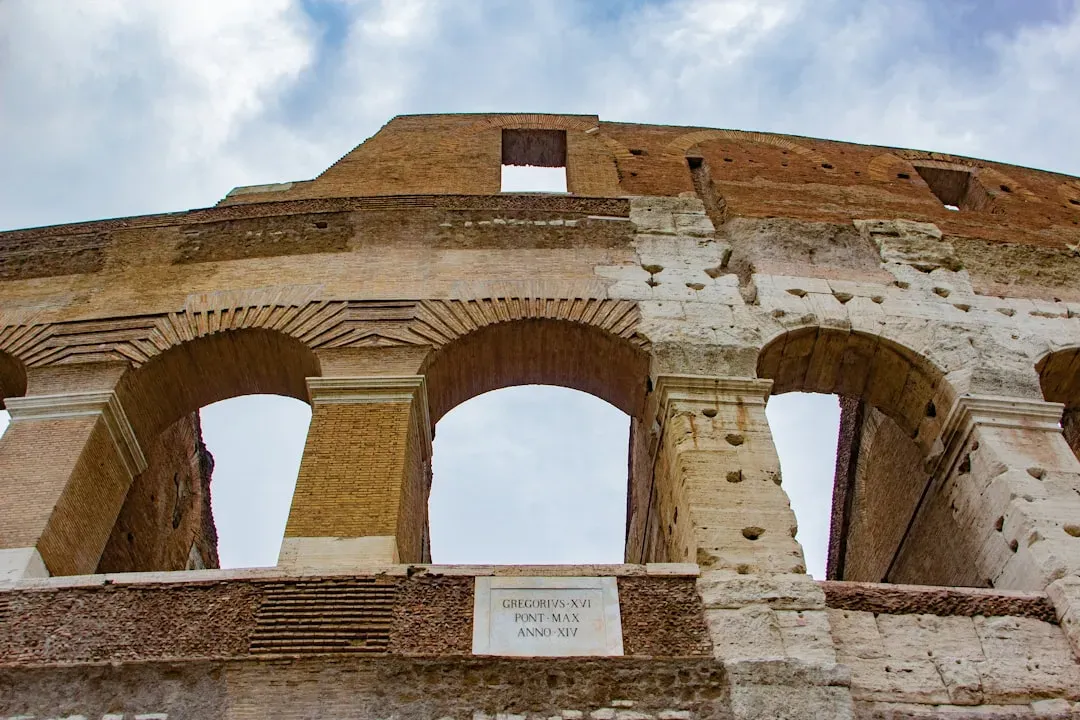
The next wave of insight into these mysteries will not come from wild theories, but from better measurements. High-resolution laser scanning, ground-penetrating radar, and drone-based photogrammetry are already mapping ancient sites in breathtaking detail. These tools can reveal subtle tool marks, hidden cavities, and buried structures that reshape our understanding of how a monument went up or evolved over time. Engineers are increasingly feeding this data into computer models to test which construction techniques could actually work, simulating ramp angles, load distributions, and human labor demands. In a sense, we are running virtual time machines, asking the stones themselves to reveal which methods make the most physical sense.
Artificial intelligence adds another layer, spotting patterns across thousands of measurements that human eyes might miss. For example, algorithms can detect regularities in block sizes, orientations, and surface wear that hint at standardized building modules or workshop practices. At the same time, ethical and logistical challenges loom: many of these sites sit in politically unstable regions, face tourism pressure, or risk damage from climate-driven weather extremes. Future research will need to balance curiosity with conservation, making sure we do not destroy the very evidence we are trying to decode. If we get that balance right, the coming decades could turn today’s headline mysteries into tomorrow’s carefully documented case studies – without stripping away their sense of wonder.
How You Can Engage With These Ancient Feats Today
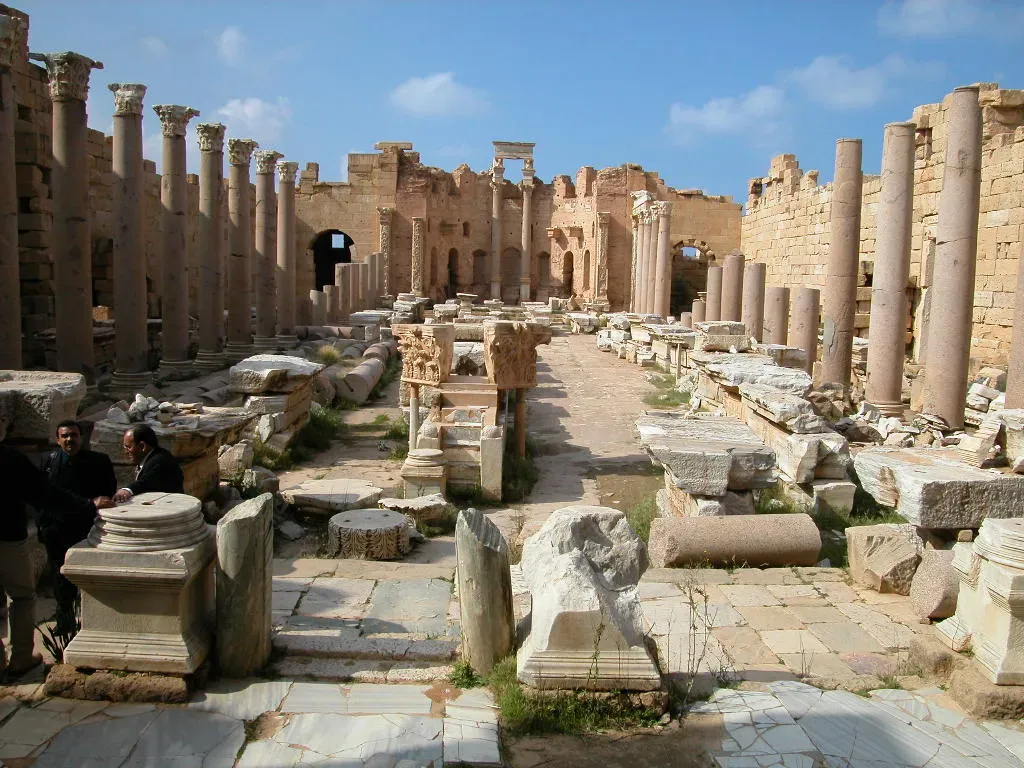
You do not need to be an archaeologist or engineer to have a stake in these ancient achievements. The simplest step is to move beyond sensational claims and seek out serious research when you read or share stories about mysterious sites. When you encounter headlines that lean heavily on secret technologies or lost super-civilizations, pause and look for sources that involve field archaeologists, structural engineers, and geologists. Supporting museums, reputable documentaries, and research institutions – whether through visits, memberships, or donations – helps fund the slow, careful work that actually moves our understanding forward. Even choosing responsible tourism, like guided visits that respect access rules and conservation guidelines, can make a real difference on the ground.
There is also a quieter, personal way to engage: treat these places as invitations to rethink what humans are capable of with limited tools but immense determination. Talk about them with kids, friends, or in classrooms not as proof of myths, but as examples of creativity under constraint. Pay attention when new findings emerge, especially when they complicate the story instead of neatly resolving it. Mystery, in science, is not a bug; it is the fuel that keeps research alive. And in a world brimming with high-tech wonders, letting a few old stones keep surprising us might be one of the healthiest habits we can cultivate.