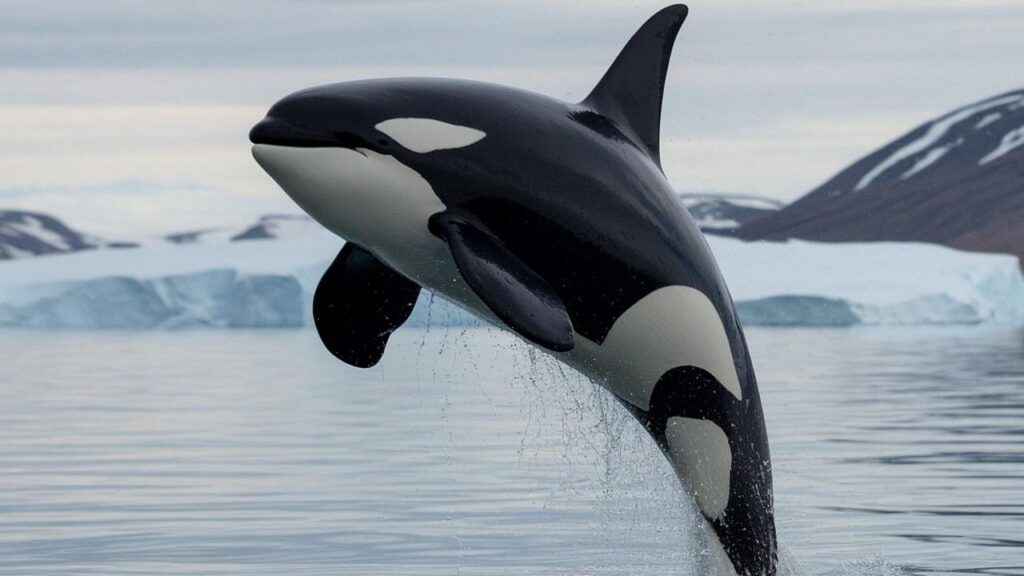
You probably grew up hearing orcas called killer whales, as if they were mindless eating machines cruising the oceans. Once you look a little closer, though, you discover a very different story: you are dealing with highly intelligent, tightly bonded, culturally rich animals that happen to sit at the very top of the marine food chain. Instead of just fearing them, you start feeling something closer to awe.
As you explore what makes orcas so extraordinary, you begin to question what the word predator even means. You see problem solvers, teachers, caregivers, and strategists. You see a society that passes down traditions, communicates in complex ways, and shapes entire ecosystems. By the time you finish these ten facts, you may never again lump orcas in with generic “apex predators” in your mind.
1. You’re Not Looking at a Whale at All
![1. You’re Not Looking at a Whale at All (NOAA (http://www.afsc.noaa.gov/Quarterly/amj2005/divrptsNMML3.htm]), Public domain)](https://nvmwebsites-budwg5g9avh3epea.z03.azurefd.net/dws/61f08c3f874b5a43117cee3a1250476e.webp)
Despite the name killer whale, you are actually looking at the largest member of the dolphin family when you see an orca. Biologists group them with oceanic dolphins because of their skull structure, teeth, genetics, and behavior, not with the giant baleen whales you might imagine. Once you know that, a lot of their playful, curious, and social behavior suddenly makes sense to you.
Understanding this also changes how you think about their so‑called killer image. You are essentially watching an oversized, supercharged dolphin that has evolved to hunt big, fast, and sometimes dangerous prey. When you see them bow‑riding in front of boats, surfing waves, or tossing seaweed around for fun, you are not seeing a monster at play, you are seeing a dolphin brain in a massive, black‑and‑white body.
2. You’re Dealing With a Brain Built for Strategy
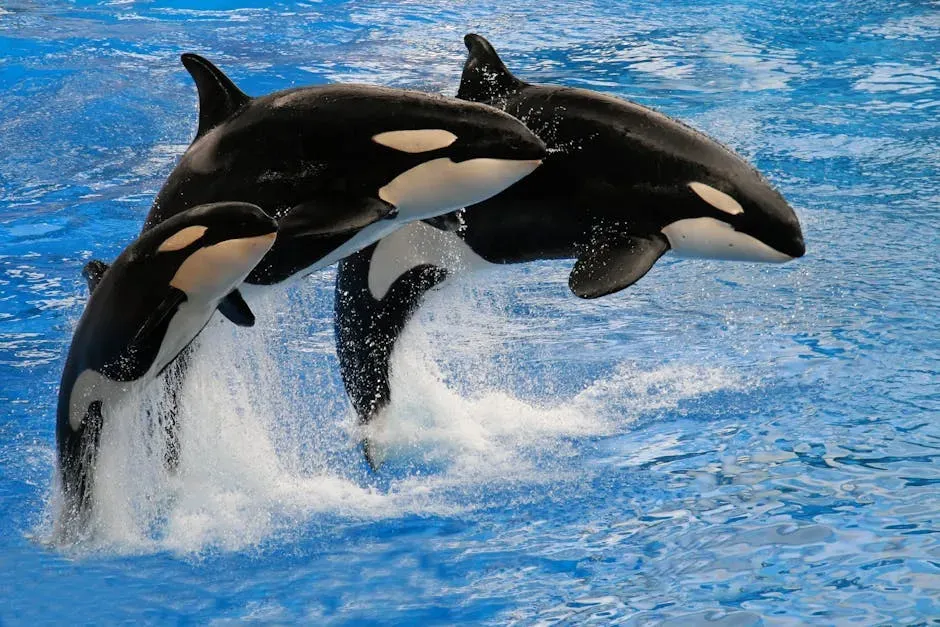
When you compare an orca’s brain to its body size, you find it is among the largest and most complex in the ocean. You have an animal with a high proportion of brain tissue dedicated to processing sound, emotions, and social information. That gives orcas the mental toolkit to remember individuals, recognize subtle acoustic cues, and coordinate tightly choreographed group hunts.
If you think of predators as simple instinct machines, orcas force you to rewrite that script. They can improvise, experiment, and even appear to teach younger pod members new hunting tricks. You are watching something closer to a military team running rehearsed tactics than a random feeding frenzy. Their intelligence does not make them gentle, but it does make them far more than just sharp teeth and speed.
3. You’re Seeing Family Bonds That Can Last a Lifetime
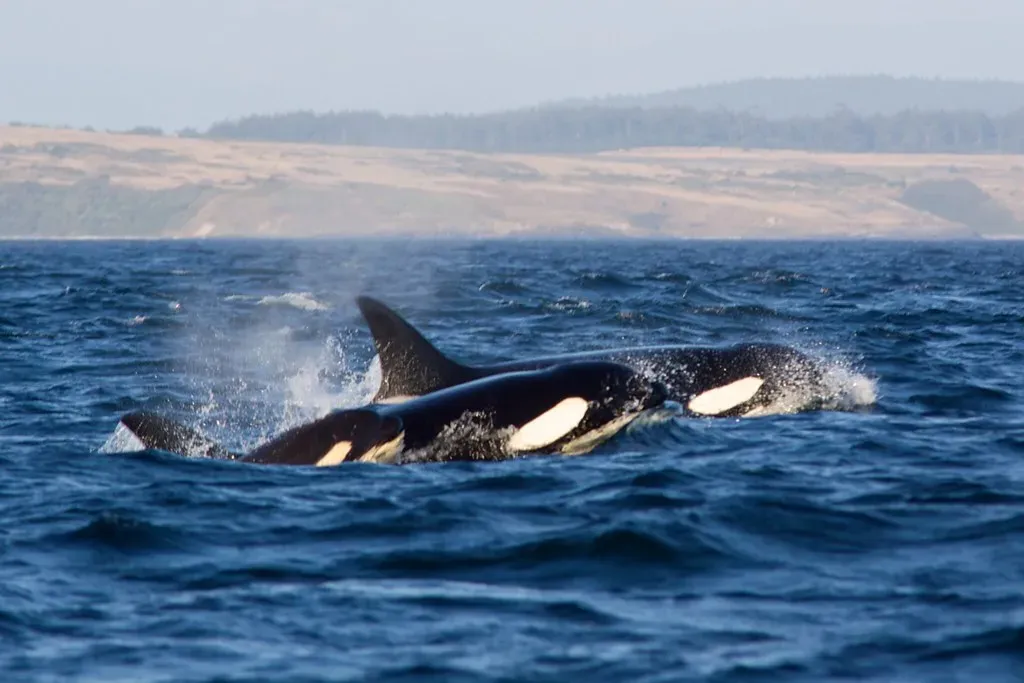
Most big predators live loose, shifting lives where individuals come and go, but orcas flip that pattern on its head. In many populations, especially in the North Pacific, you see orcas staying with their mothers for life, forming stable family groups called matrilines. You can track grandmother, mother, and offspring traveling, hunting, and resting together for decades.
That means when you watch a pod, you are not just seeing a random bunch of hunters; you are looking at a family whose members know each other intimately. Older females often guide the group, especially when food is scarce, drawing on long experience of where and when prey appears. Once you realize that, the idea of an orca as a cold, solitary killer stops fitting what you are actually seeing.
4. You’re Listening to Dialects, Not Just Calls
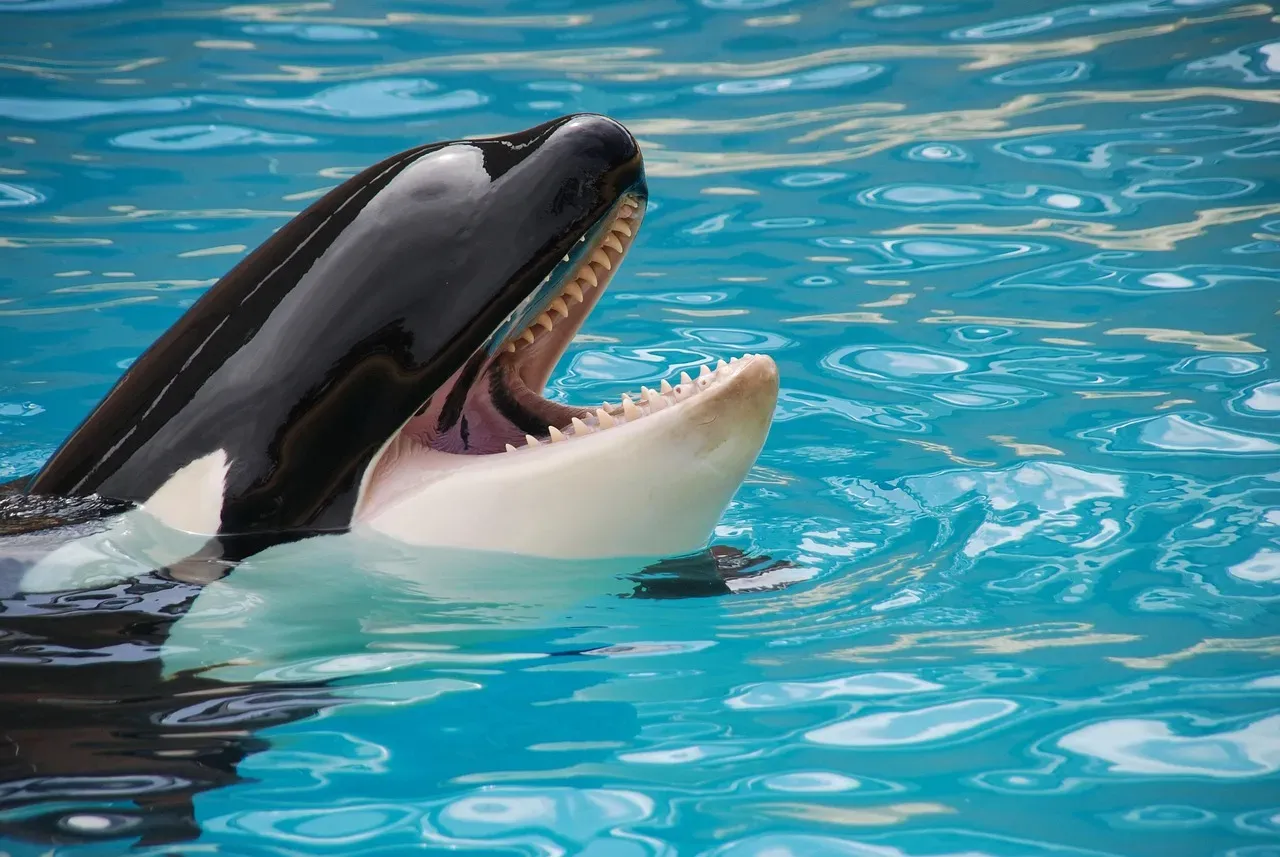
If you drop a hydrophone into orca territory, you do not just hear generic squeaks and clicks. You hear distinct call patterns that function like dialects, with each pod or clan using its own recognizable set of sounds. You could compare it to hearing different regional accents or even different languages within a human population.
For you as an observer, this means orcas are not just communicating on a basic level; they are also signaling who they are and where they belong. Calves grow up learning the specific call patterns of their family, just as you learned the language spoken in your home. When you realize predators can have cultural “voices” that identify their group, you start to see them less as anonymous hunters and more as members of a rich acoustic society.
5. You’re Watching Cultural Traditions, Not Just Instinct
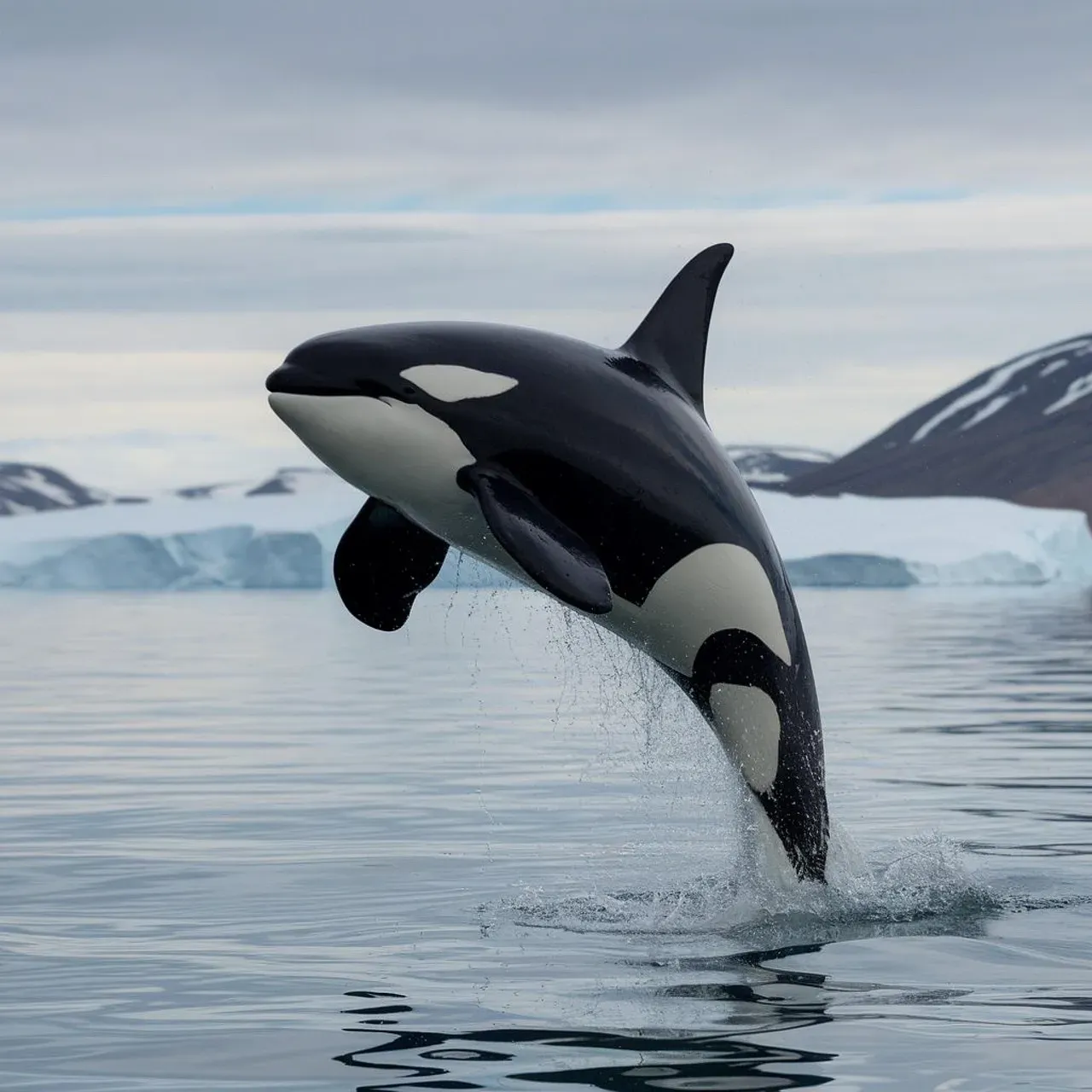
Different orca populations do not all live the same way; they specialize. Some focus on fish like salmon, others target seals or sea lions, and still others hunt large whales. You can literally tell which population you are watching by what they chase and how they chase it. These hunting styles are passed down through learning and practice, not hard‑wired instinct alone.
From your point of view, that means orcas have something that looks a lot like culture. A calf born into a fish‑eating group does not grow up randomly experimenting on sea lions; it learns the local menu and the local tactics. Predators with culture start to look less like natural weapons and more like communities with their own traditions, habits, and “ways of doing things” that stretch back through generations.
6. You’re Witnessing Teamwork That Rivals Human Strategy
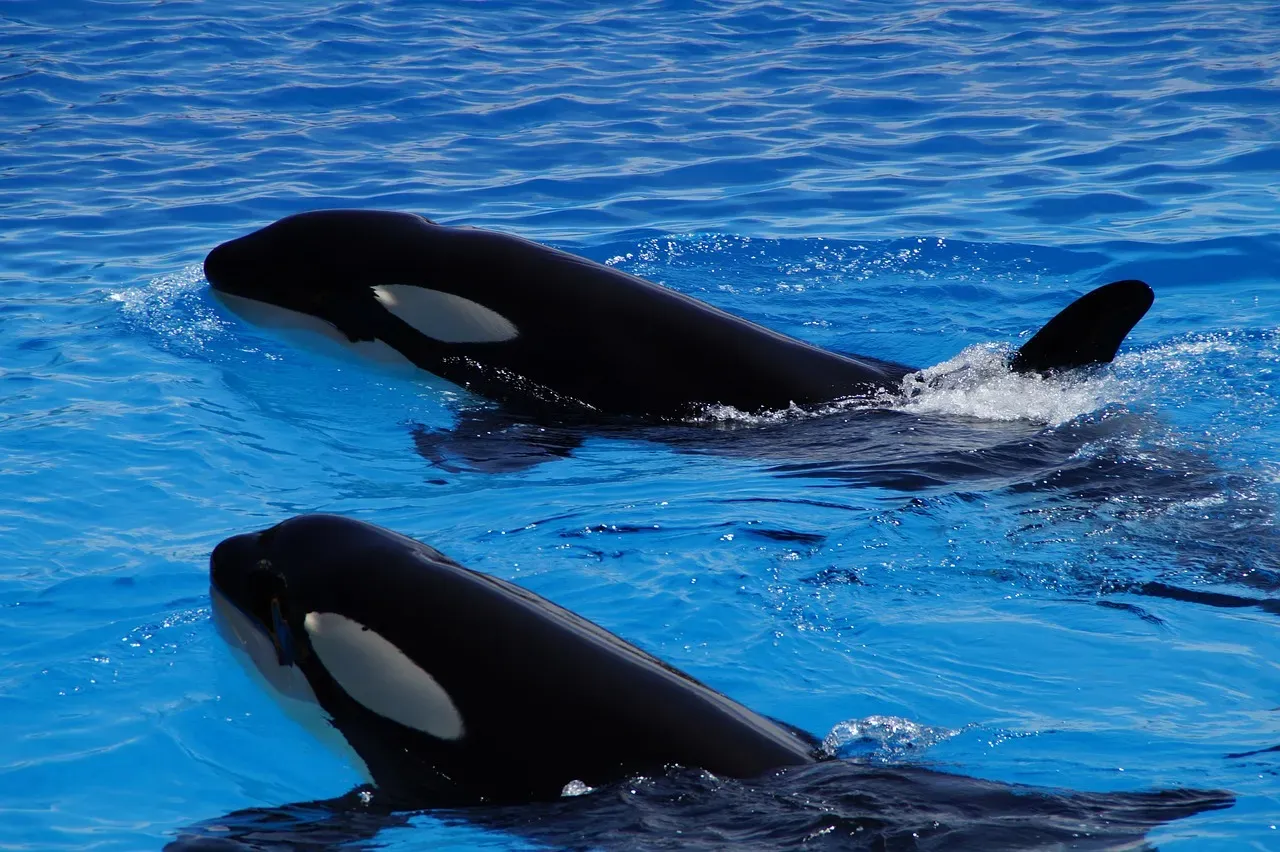
Some of the most dramatic orca behaviors you hear about involve sophisticated teamwork. You might see them creating coordinated waves to wash seals off ice floes, or taking turns harassing a fast‑moving prey animal until it tires. In some cases, they line up, communicate, and time their movements with a precision that would not look out of place in a well‑trained human search‑and‑rescue team.
As you watch that, your idea of a predator as a lone stalker starts to crumble. Orcas use roles, timing, and practice the way a sports team runs plays on a field. You are looking at cooperation guided by shared goals, learned timing, and careful communication. It is unsettling and impressive at the same time, because you realize you are not at the top of the coordination ladder you once thought you owned.
7. You’re Meeting the Ocean’s Menopause Grandmothers
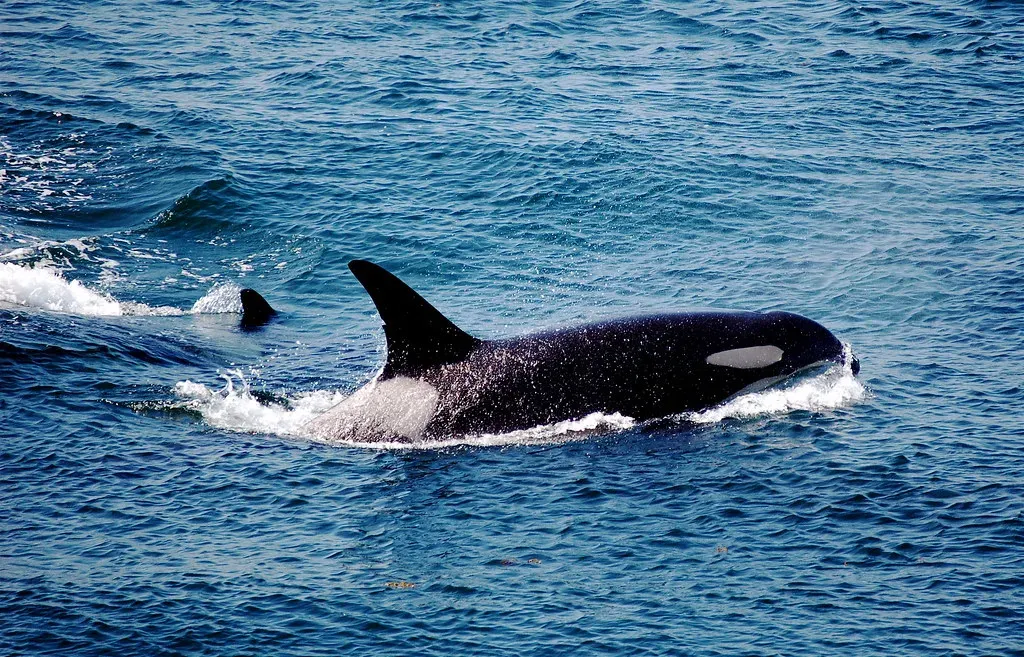
Among mammals, only a tiny handful of species experience menopause as humans do, and orcas are one of them. Older females can live long after they stop having calves, and they often emerge as key leaders in their pods. When prey becomes scarce, these post‑reproductive females are frequently the ones guiding their families to critical feeding grounds.
For you, this challenges the old idea that evolution only favors individuals who are actively reproducing. In orcas, the survival of grandchildren and relatives can depend heavily on the knowledge of an experienced grandmother. That means predator success here is not just about sharp teeth or strong bodies; it hangs on memory, shared knowledge, and the long‑term role of elders in keeping the group alive.
8. You’re Looking at Top Predators That Rarely Threaten You
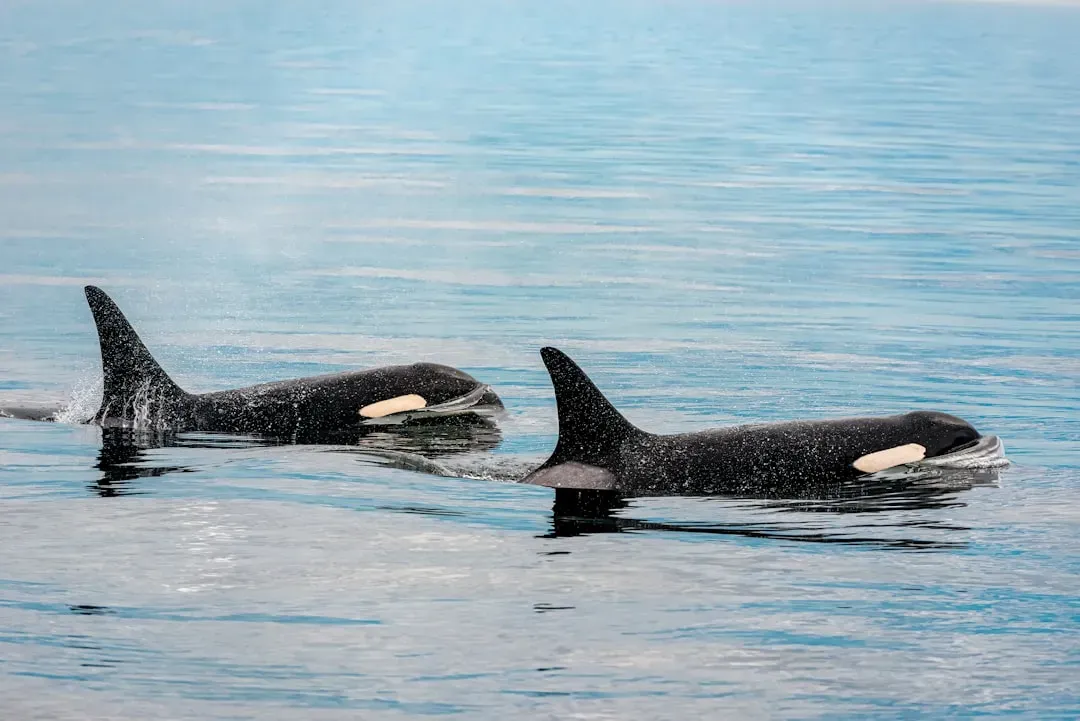
When you hear the word killer, your mind might automatically jump to danger for humans, but with wild orcas that picture does not really match reality. There are no well‑documented cases of healthy wild orcas deliberately killing a human in the open ocean. For all their power, precision, and ability to bring down large prey, they have shown a striking pattern of leaving people alone in the wild.
If you are honest, that should make you pause. Here is a predator perfectly capable of harming you, with the intelligence to figure out how, yet it almost never does. That does not mean you should treat orcas like gentle pets, but it does complicate the horror‑movie image. You start to see that the word predator does not automatically equal human‑hating or unpredictable aggression.
9. You’re Seeing How Orcas Can Reshape Entire Ecosystems
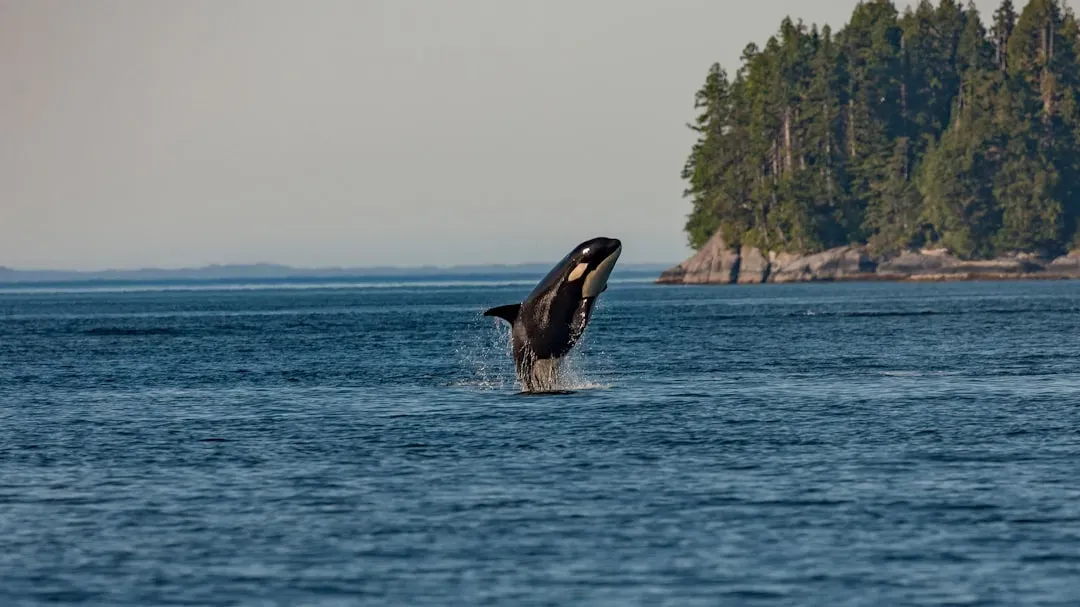
Because orcas sit at the very top of the marine food chain, their choices ripple through everything below. In some regions, changes in orca diet or numbers have been linked to shifts in seal, sea lion, or even sea otter populations. When those prey species change, you get cascading effects on shellfish, kelp forests, and the overall health of coastal ecosystems.
From your perspective, that means an orca is not just an individual hunter; it is a kind of architect of the ecosystem. Its presence or absence can literally change what you see when you dive beneath the surface, from the density of kelp to the abundance of fish. Understanding predators this way moves you from fear to respect, because you see them as key players in keeping ocean systems balanced and alive.
10. You’re Watching Animals Now Caught in Your World’s Problems
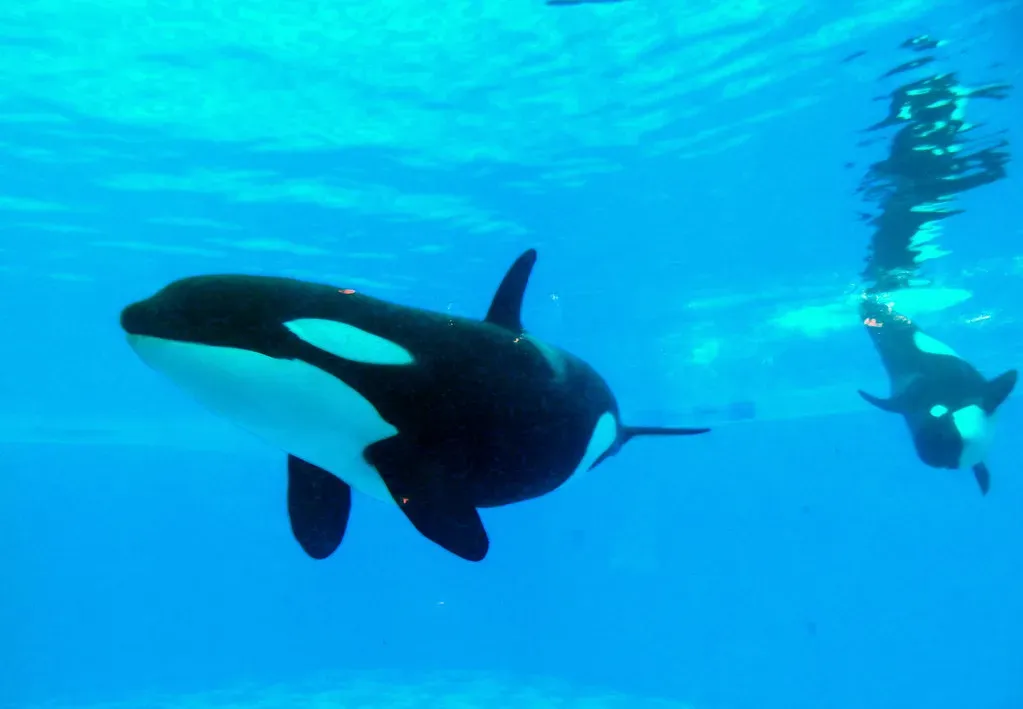
Once you appreciate how complex and socially rich orcas are, it hits you harder that they are now dealing with human‑made threats. Noise from ships can interfere with their communication and hunting, pollution can build up in their bodies, and overfishing can strip away their main food sources. If you live near orca habitats, the choices your community makes about fishing, shipping, and coastal development matter directly to them.
This turns your view of predators upside down again. Instead of imagining orcas as unstoppable forces of nature, you realize they can be surprisingly vulnerable to stress, hunger, and toxic exposure. Understanding their intelligence and social lives makes their struggles feel less abstract and more personal. You are no longer just a distant observer of predators; you become part of the story that shapes whether these families thrive or fade.
Conclusion: Will You Ever See a “Killer Whale” the Same Way Again?
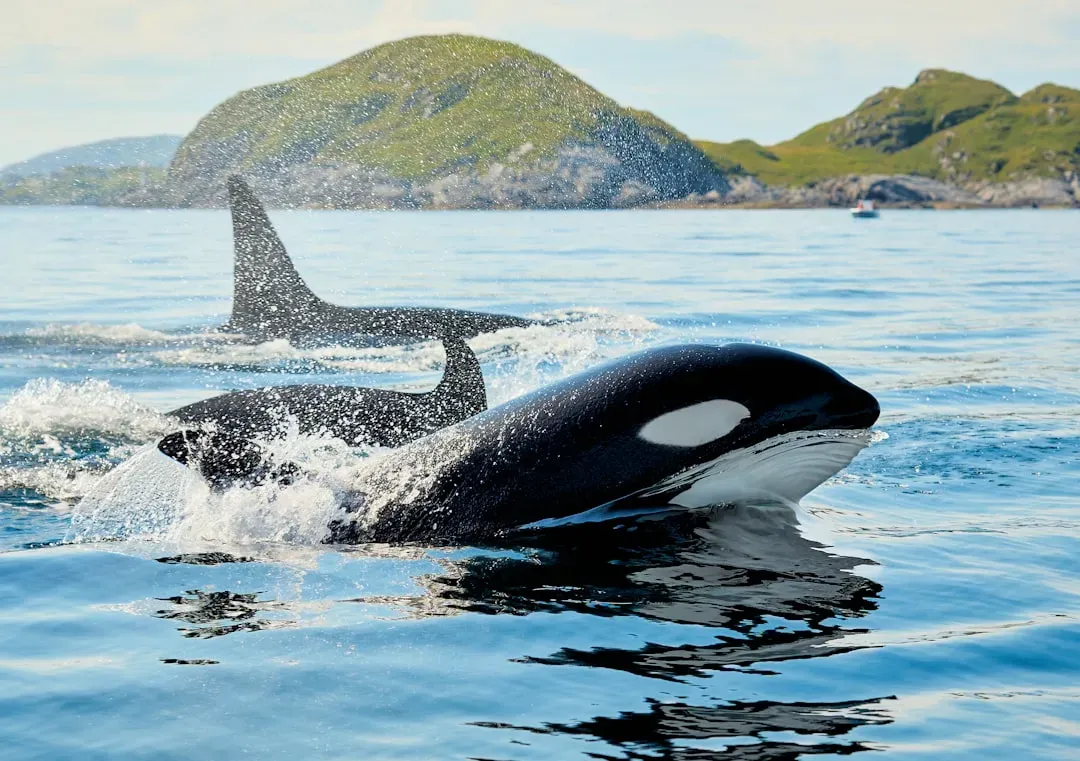
By now, you have seen that an orca is not just a hunter slicing through the waves; it is a social, strategic, culturally rich being that raises families, speaks in dialects, and remembers where the food is year after year. You have also seen how your own species has changed their world, sometimes in ways that shrink their food supplies or scramble their communication. Once you realize all of that, the label killer whale starts to feel too small, too crude, for what you are actually looking at.
If you carry anything with you from these ten facts, let it be this: a predator can be both fearsome and deeply social, both powerful and fragile, both capable of taking lives and holding long‑term relationships that look strangely familiar to you. The next time you see that stark black‑and‑white fin break the surface, you might find yourself feeling less afraid and more humbled. With all this in mind, how different does the word predator sound to you now?