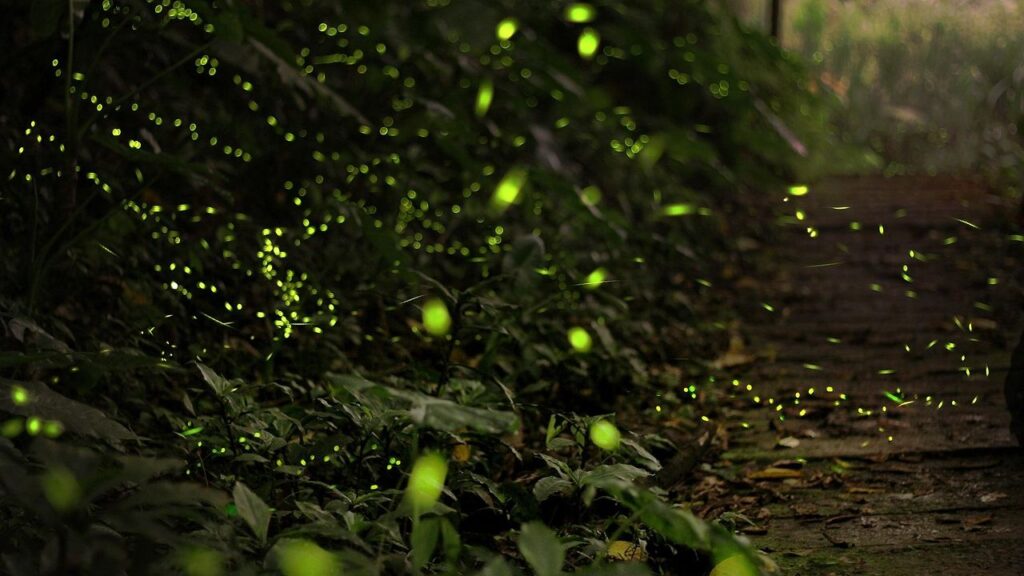
You know that feeling when the heat finally lifts at dusk, the crickets start up, and tiny green sparks begin to wink on over the grass? For a moment, the world feels softer, almost enchanted, like you’ve stepped into a scene you only half-remember from childhood. Fireflies have a way of doing that to you. They’re ordinary little beetles, yet they can turn a plain backyard into something that feels almost otherworldly.
When you start digging into what’s actually going on inside those glowing bodies, the magic only gets stronger. You’re not just watching random bugs flicker; you’re watching chemical engineering, secret messages, love signals, and even conservation stories play out in the dark. Let’s dive into ten genuinely fascinating facts that will change the way you look at every single flash you see this summer.
1. You’re Watching Living Light, Not Heat
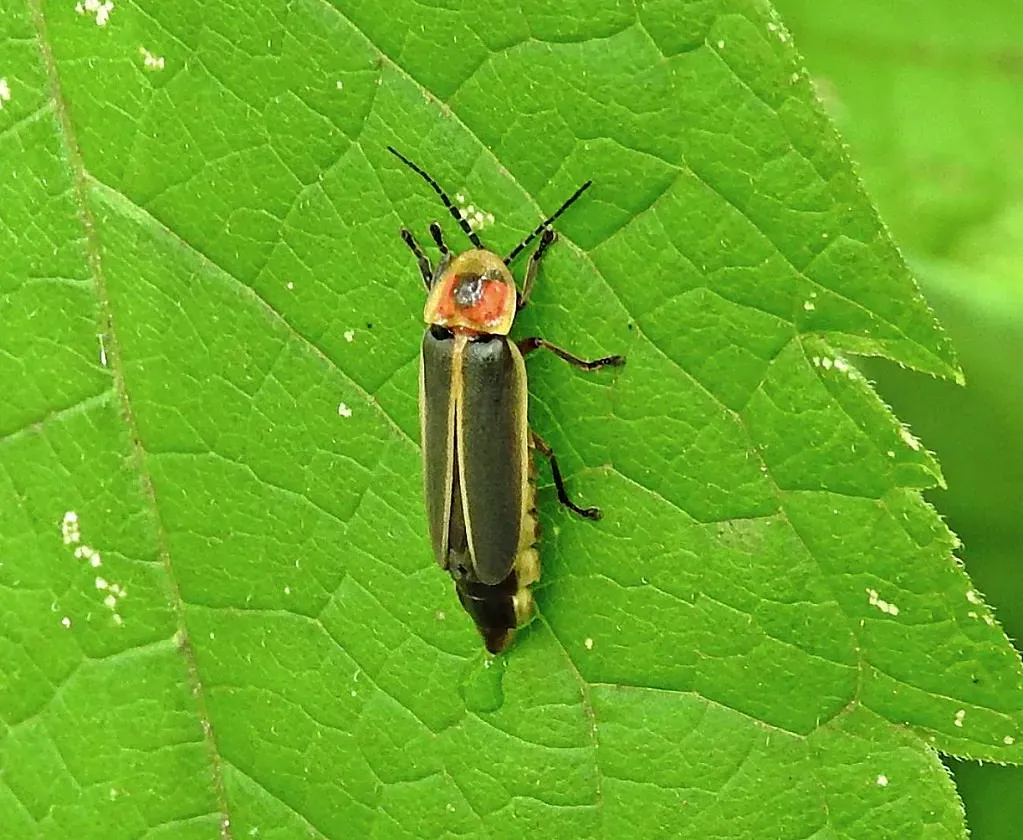
The glow you see in a firefly’s abdomen is one of nature’s slickest tricks: bioluminescence. Inside that tiny “lantern,” the firefly is mixing a special molecule called luciferin with oxygen, plus an enzyme and a bit of cellular energy, to produce light. Unlike a hot lightbulb, almost all the energy in that reaction becomes light, not heat, which is why scientists call it a cool light. You can think of it as a perfectly tuned chemical flashlight that never gets warm in your hand.
Once you realize how efficient this glow is, your porch light suddenly feels pretty clumsy in comparison. An old-school incandescent bulb wastes the vast majority of its energy as heat, while the firefly’s system turns nearly all of it into light. You’re essentially watching a tiny, flawless greenish-yellow LED drifting through the air, powered by chemistry instead of wires. Next time you see one hovering at the edge of the yard, you’re looking at a living answer to a problem engineers have obsessed over for decades.
2. That Flash Is Basically a Love Letter in Code
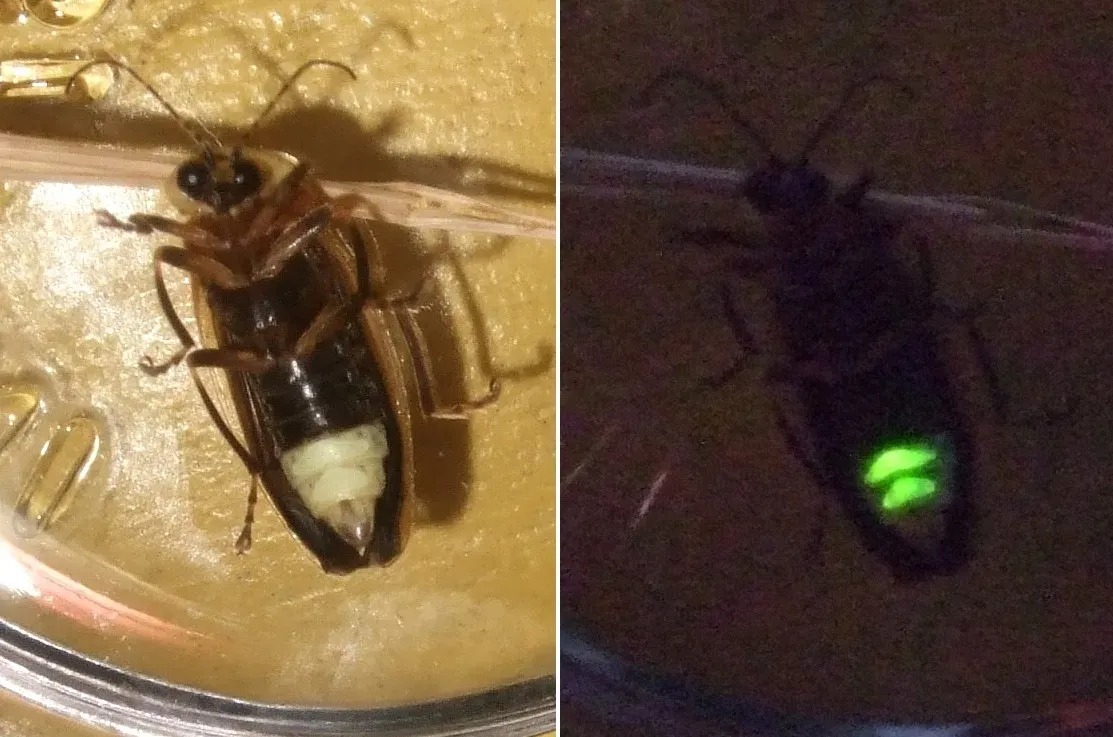
Once you start paying attention, you can actually notice the different patterns with your own eyes. Some males flash once and then pause, others give a quick burst of multiple flashes before going dark again for several seconds. Females will often answer in a very specific window after a male’s signal, almost like hitting “reply” in a narrow time frame. So when your backyard lights up, you’re not just seeing random blinking; you’re watching a very precise conversation about who’s going to pair up with whom this evening.
3. Fireflies Spend Most of Their Lives as Hidden Predators
You probably think of fireflies as those drifting little lights you see for a few weeks in summer, but that stage is just the grand finale. For most of their lives – often a year or two – they live underground or in leaf litter as larvae, and those larvae are serious hunters. They crawl through damp soil and rotting leaves, tracking down snails, slugs, worms, and other soft-bodied prey, then inject them with paralyzing chemicals before slowly feeding. It’s a surprisingly brutal life for something you associate with childhood nostalgia and soft summer evenings.
The funny part is you rarely notice this phase unless you go looking for it with a flashlight at night in wet areas. Some larvae even glow faintly themselves, like tiny green embers moving through the dirt, warning would-be predators that they’re toxic and not worth the bite. Adults, by contrast, often live only a few weeks and may not eat much at all, focusing mainly on mating. So when you see an adult firefly light up, you’re watching the brief, spectacular end of a long, mostly hidden life spent as a miniature predator in the shadows of your garden.
4. Not All Fireflies Flash the Way You Expect
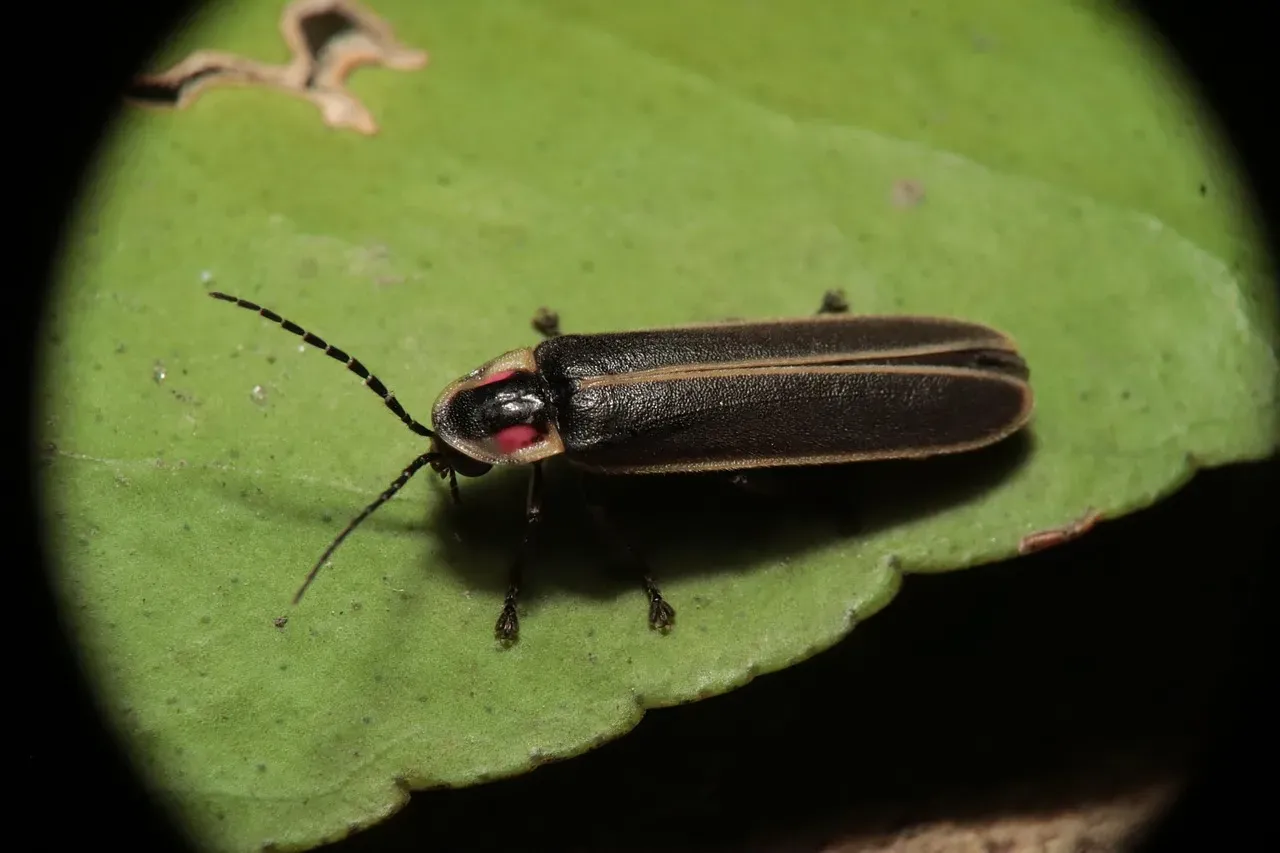
Here’s a twist you might not see coming: not every firefly you encounter will be flashing in that classic on‑off way you grew up with. Some species glow steadily instead of blinking, especially as larvae or pupae, and some adult fireflies hardly glow at all. A few species rely more on scent or other signals as adults, so you could be looking right at a firefly on a plant and never realize it because it isn’t giving you that obvious light show. Your mental image of fireflies as always-blinking little lanterns is only part of the story.
There are also species where the glow shows up at different points in the life cycle. All known fireflies have some form of bioluminescence at some stage, but that might only be when they’re eggs or larvae hidden in the soil. A patch of forest could be absolutely packed with firefly life and barely produce a single visible flash in summer if the local species don’t use adult flashing for mating. So if you travel and notice that summer nights feel strangely dark in some regions, it doesn’t always mean fireflies are gone; sometimes, they’re just keeping their light show on another schedule.
5. Some Fireflies Turn the Night into a Perfectly Choreographed Show
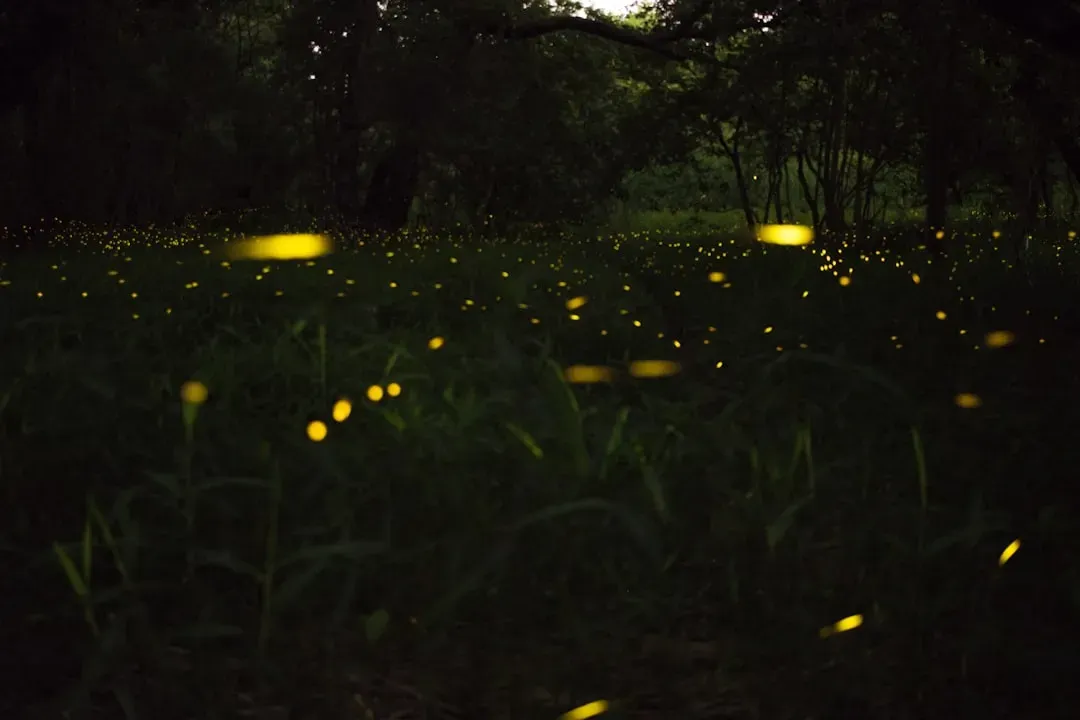
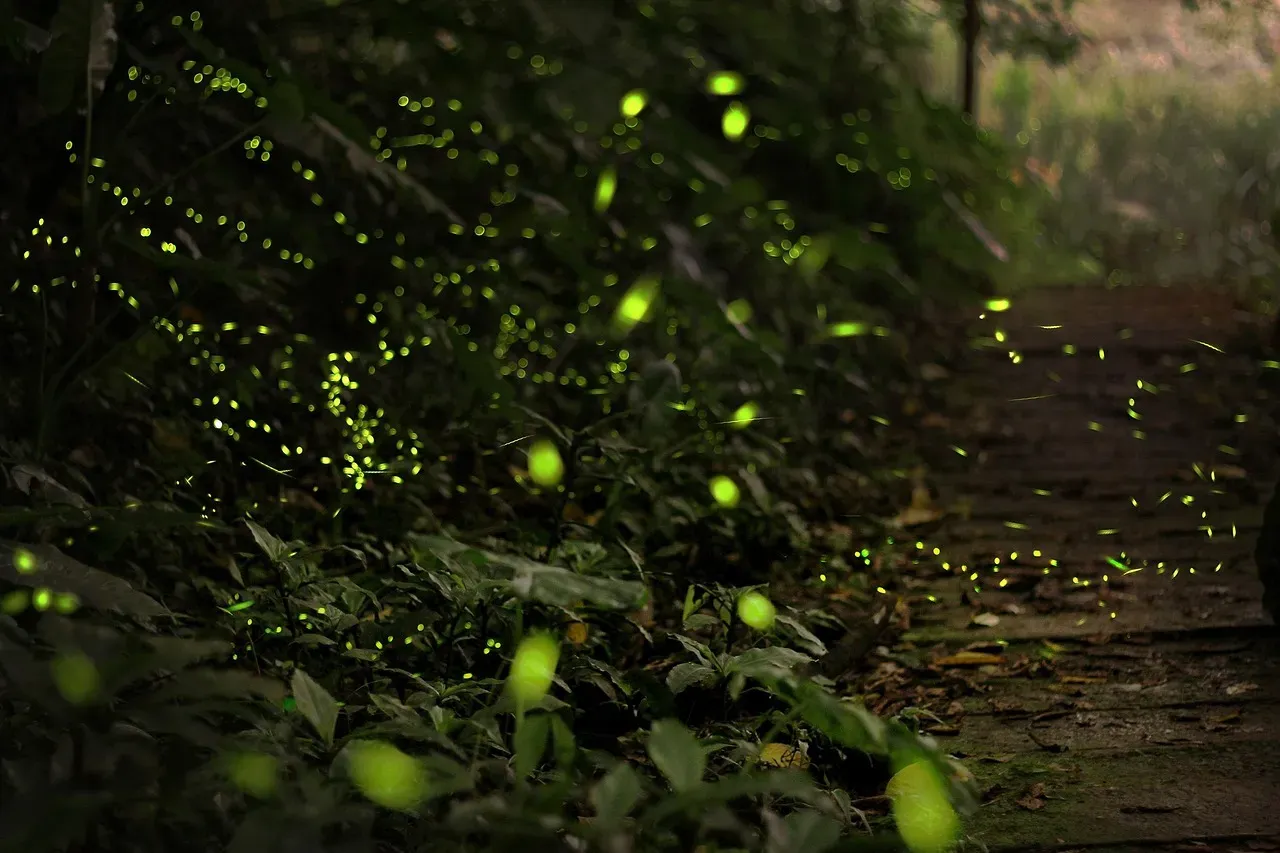
If you’ve never seen synchronous fireflies in person, you might assume the videos online are edited – but they’re not. In a few special places, certain species of fireflies manage to coordinate their flashes so that thousands of males seem to pulse in unison, then fall into silence together, over and over. One moment, the forest is pitch black; the next, it’s lit up in rolling waves of greenish light, like someone is slowly dimming and raising the stars inside the trees. You’re not imagining it: your eyes are watching genuine group synchronization happening in real time.
Scientists are still working out exactly how and why the males sync up so perfectly, but there’s a strong hint that it helps females recognize and choose mates more easily in a crowded, noisy environment. You can see this phenomenon in parts of the Appalachian region in the United States and in a few other locations around the world, usually in dark, moist forests. Standing in one of those places during peak season feels less like watching insects and more like attending a silent, living fireworks show designed by the woods themselves. If you ever get the chance to witness it, it’s the kind of experience that sticks with you for years.
6. Your Childhood Name for Them Reveals Where You’re From
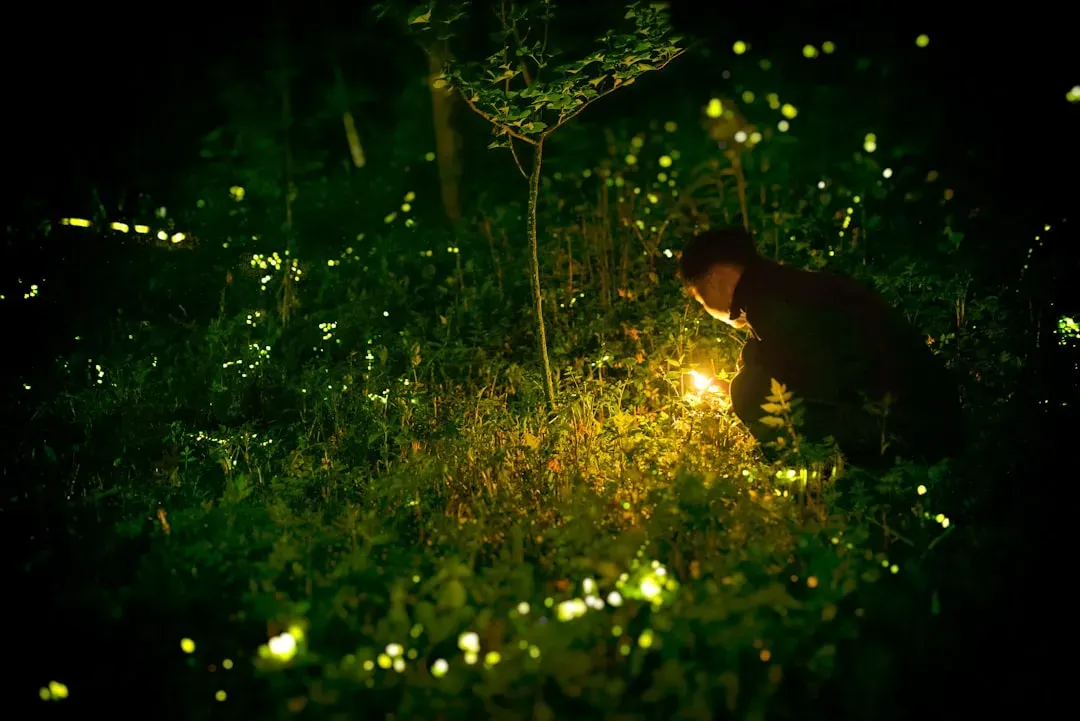
What you call these glowing beetles – fireflies, lightning bugs, or something else – quietly gives away a bit of your personal geography. In many parts of the American South and Midwest, you’re more likely to hear people say lightning bugs, while in the Northeast and some western areas, fireflies tends to be more common. Linguists have actually looked at this, and the pattern lines up surprisingly well with regional weather and culture. So when you shout for someone to come see the lightning bugs, you’re unconsciously flying a little flag for your part of the map.
It’s a small thing, but it fits the way fireflies work on you emotionally. These insects are tied not just to summer, but to memories of specific places – your grandparents’ house, that park down the road, the field at the edge of your town. The word you use becomes part of that memory, as much as the smell of cut grass or the sound of cicadas. Next time you’re talking with someone from another region, ask what they called them growing up; that single word often opens up a flood of stories about late‑night games, mason jars, and the exact moment the world started to feel a little bit magical.
7. Light Pollution Can Quiet an Entire Field of Fireflies
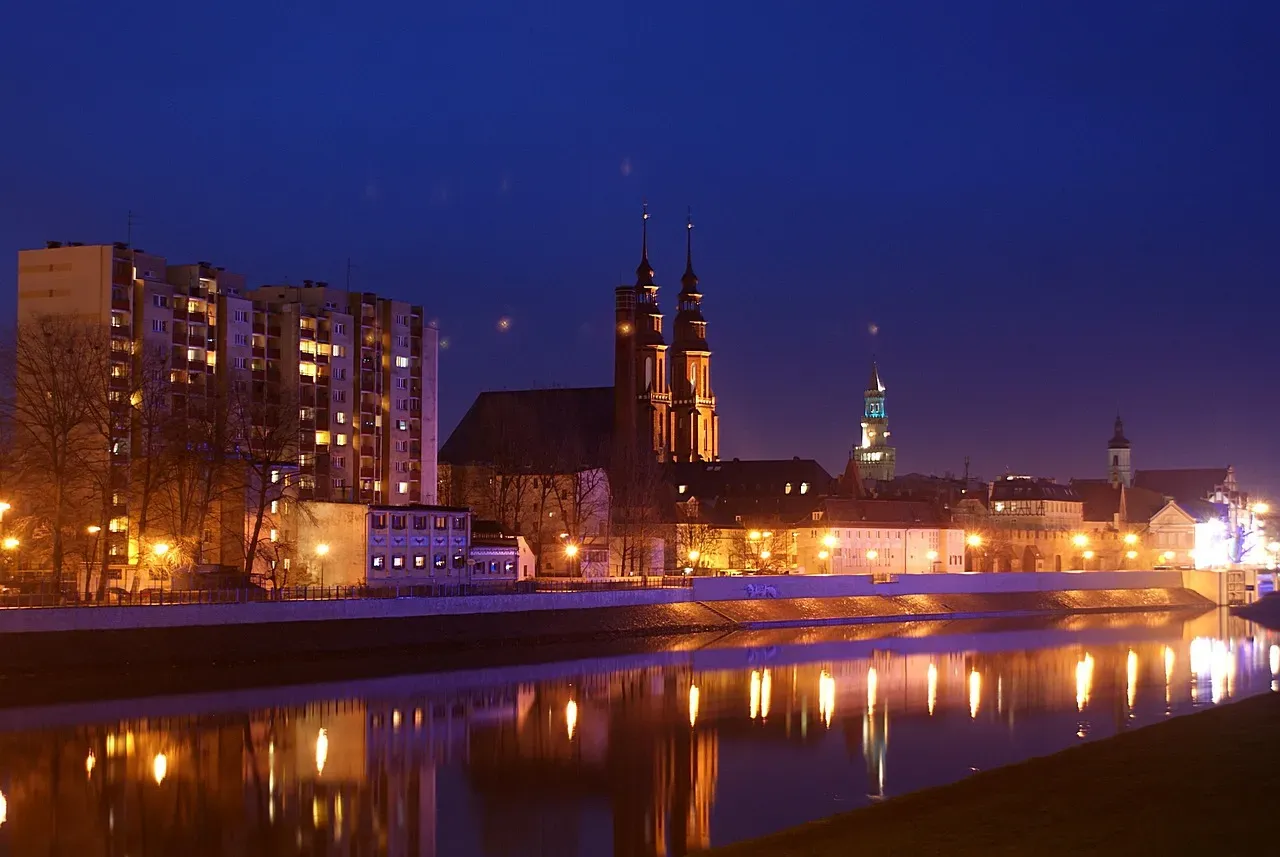
As beautiful as city lights can be, they’re bad news for creatures that rely on darkness to communicate, and fireflies are high on that list. Those delicate flash patterns you’ve learned to spot can be drowned out by streetlights, porch lights, and glowing billboards, making it harder for males and females to find each other. In brightly lit areas, you’ll often see fewer fireflies, and the ones that are there may seem less active or behave differently. It’s not that they suddenly decided to be shy; the background glow is simply overwhelming their subtle signals.
The good news is that you can actually do something about this in your own little patch of the world. If you turn off outdoor lights when you don’t need them, use warmer, dimmer bulbs, and keep light directed downward instead of spilling everywhere, you instantly make your yard more firefly-friendly. Over time, neighborhoods that embrace darker nights can become havens for these insects and for plenty of other nocturnal wildlife. You’re not just saving electricity; you’re restoring the stage lighting for one of summer’s simplest and most beloved performances.
8. Habitat Loss and Chemicals Are Dimming the Magic
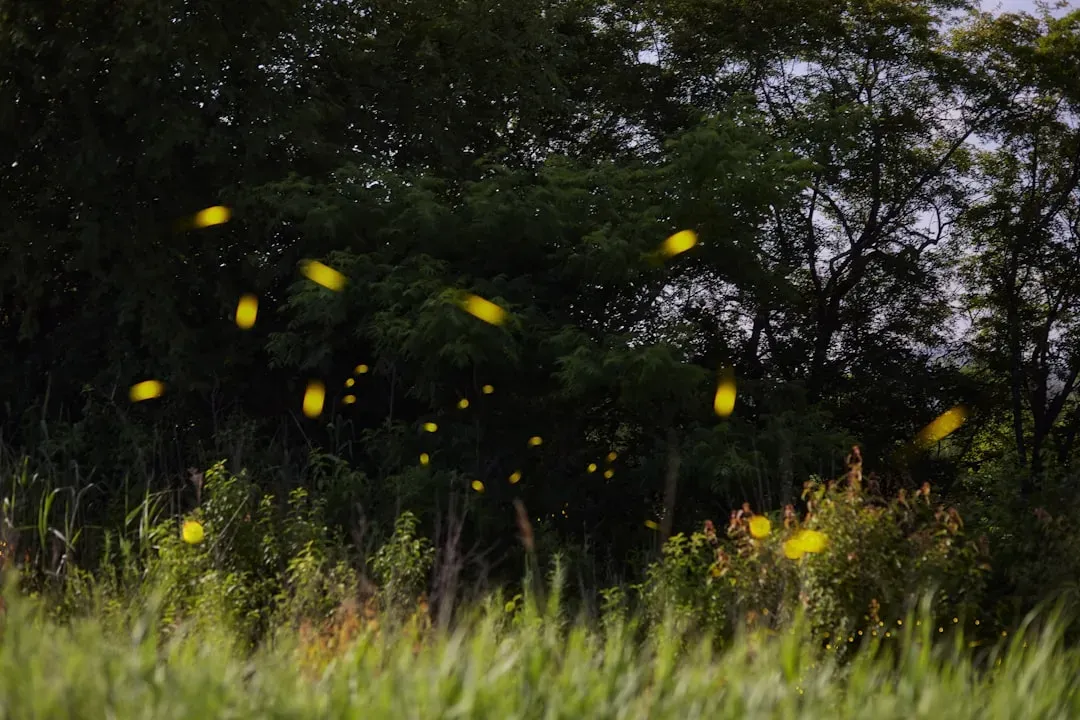
You might have noticed a painful pattern: when you were a kid, fireflies seemed to be everywhere, and now you only see a few scattered flashes. You’re not just being nostalgic; many researchers and conservation groups are raising alarms that some firefly populations are declining. When wetlands are drained, fields are turned into parking lots, and leaf litter is scraped away for tidy lawns, you strip away the damp, protected places where eggs and larvae need to live. On top of that, heavy use of certain pesticides can hit not just pests but also the prey and habitats fireflies depend on.
This does not mean every species in every place is disappearing, but it does mean you should take the warning seriously. If you value those glowing nights, your choices about landscaping, lawn chemicals, and development matter more than you might think. Leaving a corner of your yard a little wild, keeping some leaf litter, reducing unnecessary chemical treatments, and protecting local wetlands can all help. When you make room for messy, damp, and dark spaces, you’re creating a refuge where future generations – human and firefly – still get to share that wordless summer joy together.
9. You Can Turn Your Yard into a Firefly Sanctuary
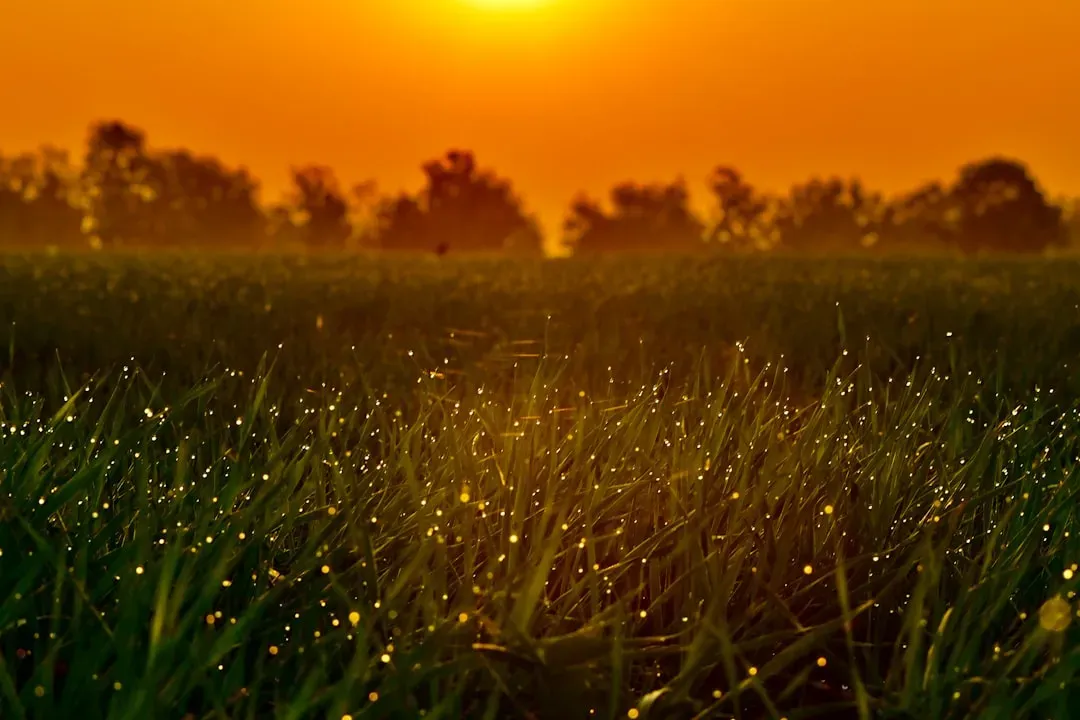
If you’ve ever thought, “I wish there were more fireflies around my place,” you’re already halfway to becoming a tiny conservationist. Fireflies love moisture, shelter, and darkness, so you can start by letting part of your yard stay shady and damp – think native plants, a small brush pile, or a garden bed that doesn’t get baked dry. Avoid mowing every corner down to a short green carpet, and leave some leaf litter where larvae can hunt and hide. To a firefly, that slightly unkempt corner of your property looks like prime real estate.
Your lighting choices matter just as much as your landscaping. Use motion sensors instead of leaving outside lights blazing all night, and choose low, shielded, amber-toned lights that keep glare to a minimum. Skip broad-spectrum pesticides that wipe out everything in their path, and focus on spot-treating real problems or using gentler methods when you can. Over time, you might notice more tiny green dots over the grass, more flashes in the trees, and more of that hushed, shimmering feeling when the sun goes down. You’re not just improving your view; you’re actively supporting an entire hidden life cycle under your feet.
10. Fireflies Make You Feel Something for a Reason
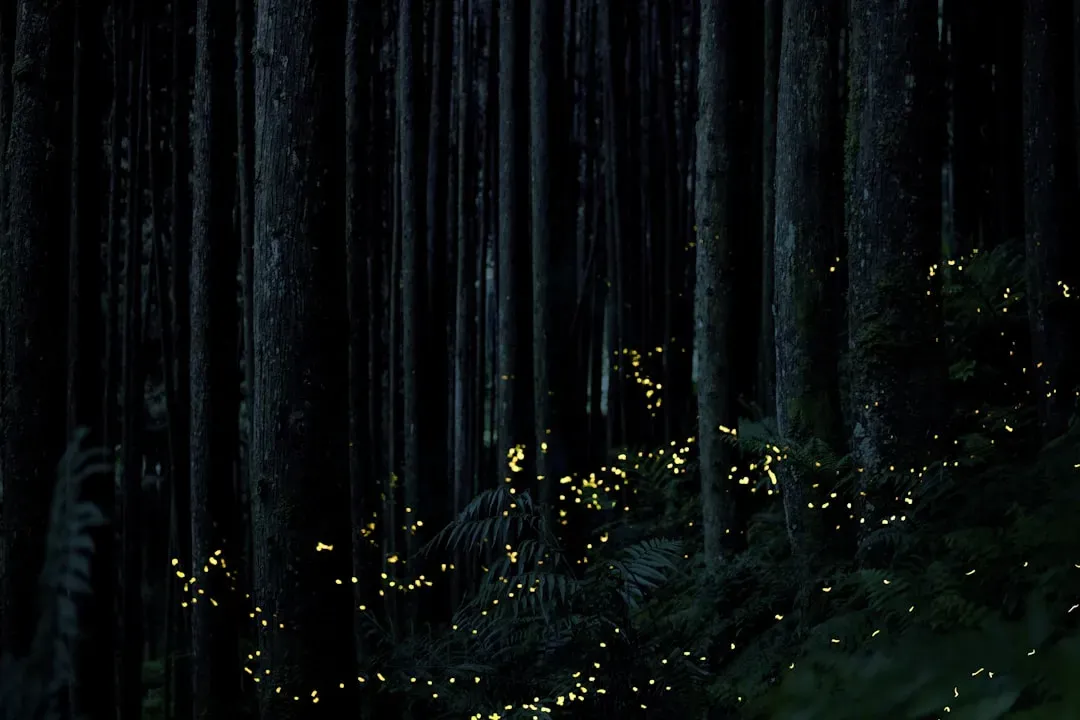
There’s a reason fireflies show up in so many childhood stories, summer memories, and quiet evening reflections. When you stand in a dark field and watch those tiny lights appear, you’re experiencing a rare mix of science and emotion all at once. Your logical brain knows it’s about mating signals, chemistry, and nervous systems flickering on and off, but another part of you just feels wonder. You’re watching something gentle, rhythmic, and fleeting that reminds you how brief and beautiful a single season can be.
For me, one of the sharpest memories I have is sitting on a back step with a jar in my hands as a kid, trying to catch just one more lightning bug before my parents called me in. As an adult, I find myself putting the jar away and just watching instead, letting them drift where they want. When you understand what’s at stake – the hidden years underground, the delicate flashes, the pressures they face – it becomes harder to take those lights for granted. The next time you see a firefly, maybe you’ll pause a second longer and think about how many quiet, invisible things had to go right for that single little spark to appear in front of you.
Conclusion: Keeping the Magic Alive on Summer Nights
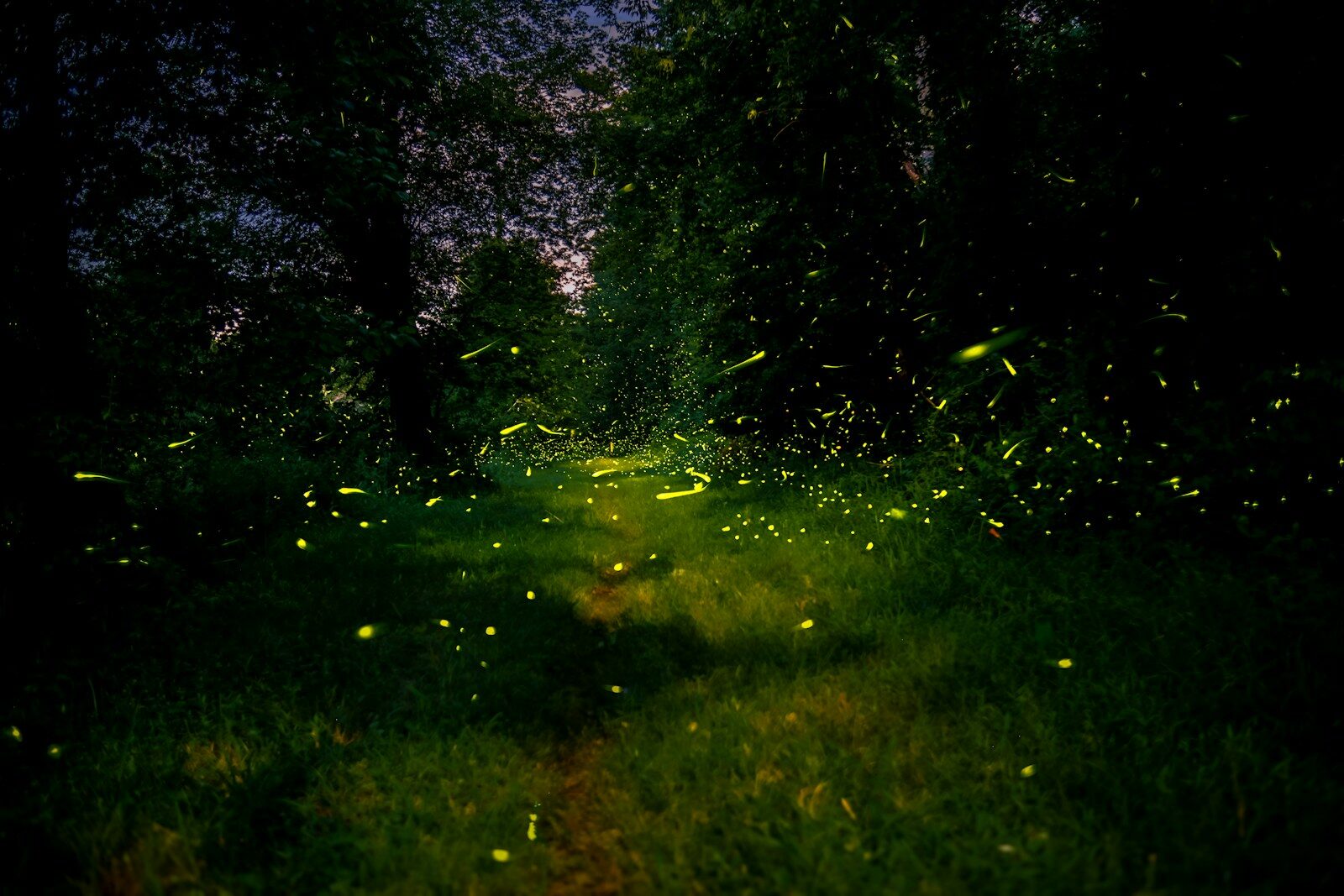
Now that you know what’s really happening behind those gentle flashes, it’s hard to unsee it. Every glowing beetle that drifts past you is a tiny chemical marvel, a hunter turned suitor, and a fragile part of a much larger story that spans soil, water, forests, and human choices. You’re no longer just an onlooker; you’re a witness to a complex, ancient ritual that somehow still manages to feel brand new each time it appears over the grass. That sense of awe you feel is not childish or silly – it’s your mind recognizing something precious in the darkness.
Fireflies can’t control the lights we leave on, the wetlands we drain, or the lawns we strip bare, but you can. By choosing to leave some shadows, some damp corners, and some wildness in your life, you give them a fighting chance to keep lighting up your summers. And in return, they offer you those shimmering, wordless moments that make the hottest nights feel bearable and the world feel kinder than the headlines suggest. The next time you step outside at dusk and see that first small flash, what will you do to make sure it isn’t the last?