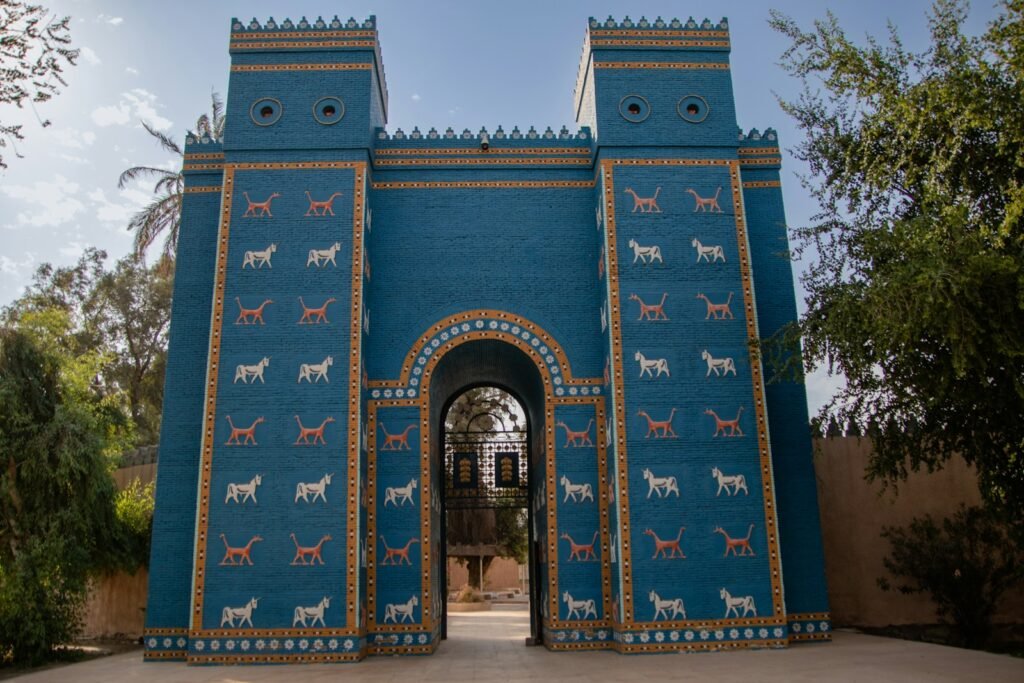

For more than two thousand years, the name Babylon has sounded less like a real place and more like a warning, a metaphor, a myth. Yet beneath the dust of central Iraq, archaeologists are piecing together a very real city of engineers, astronomers, and political strategists who reshaped early civilization. At the same time, war, looting, and climate pressures are erasing clues faster than scientists can document them. The mystery is no longer just what Babylon once was, but how much of it we can still recover – and what that recovery can teach us about the rise, and collapse, of complex societies. In many ways, Babylon has become a vast open-air laboratory where ancient texts, satellite data, and microfragments of mudbrick all compete to tell the story first.
The City That Shouldn’t Have Existed Where It Did
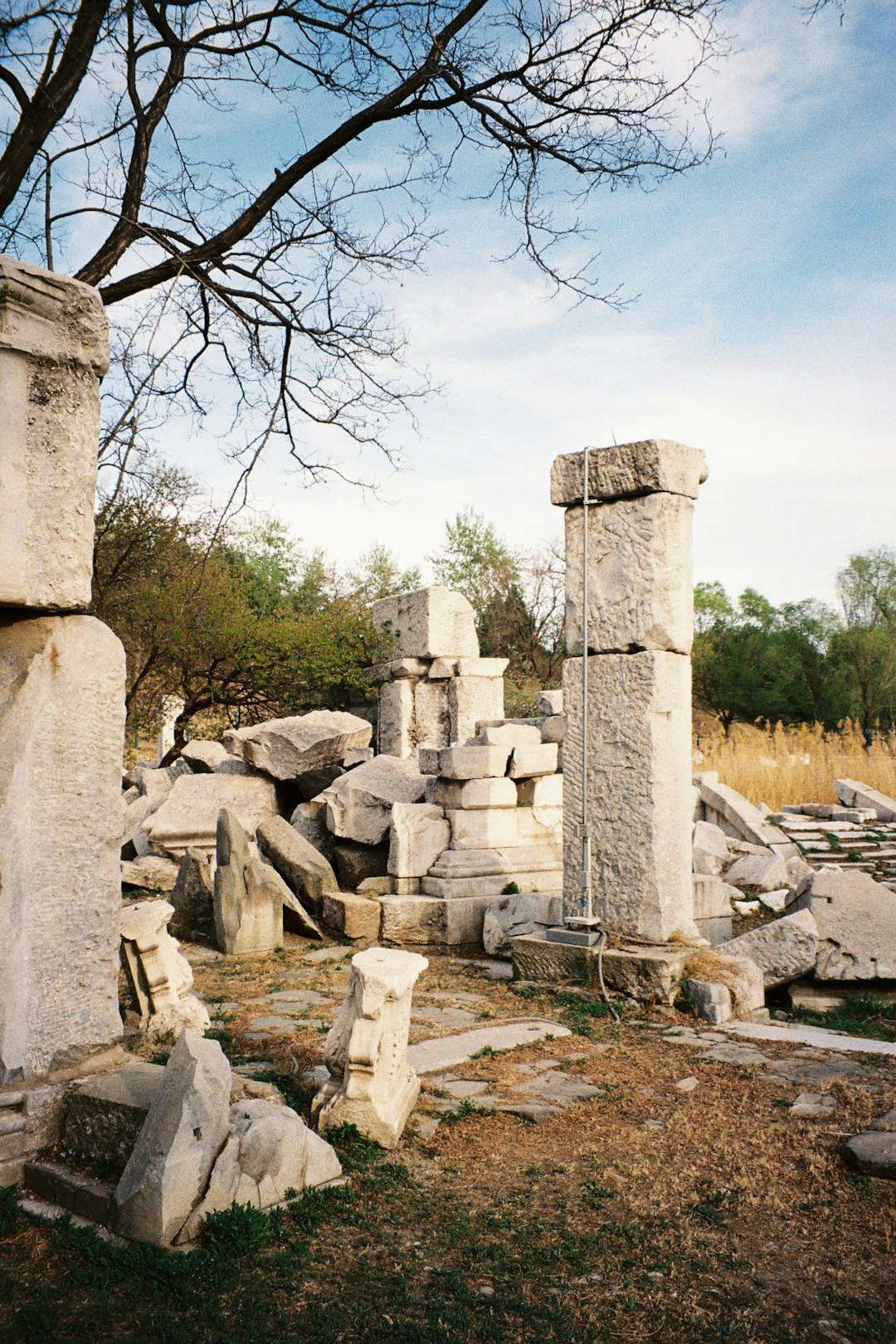
Imagine building a global capital in a landscape with almost no stone, little wood, and scorching summers, then turning it into the most famous city of the ancient world. That is essentially what Babylon’s rulers pulled off on the Euphrates River, roughly fifty miles south of modern Baghdad. From a distance, their choice seems almost reckless: flood-prone plains, shifting river channels, and neighbors eager to challenge their power. Yet that environmental gamble forced innovation – irrigation canals, baked-brick architecture, and meticulous land management transformed marshy soil into a dense urban landscape. When I first read field notes from archaeologists describing the remains of canals running like veins through the plain, it struck me how deliberately this “impossible” city was engineered into existence.
Babylon’s geographic position also made it unavoidable. Situated along major trade corridors connecting Mesopotamia with Anatolia, the Levant, and the Persian Gulf, the city became a customs gate on the ancient world’s highway. Caravans moved textiles, metals, and grain; in return, Babylon exported legal codes, astronomical knowledge, and religious ideas. Its fame in later religious texts owes much to this role as a cultural amplifier, where ideas from many regions collided and then radiated outward. Babylon thrived not because nature favored it, but because its rulers learned to bend a difficult environment to their will – at least for a while.
The Hidden Clues in Bricks, Clay, and Ruined Walls
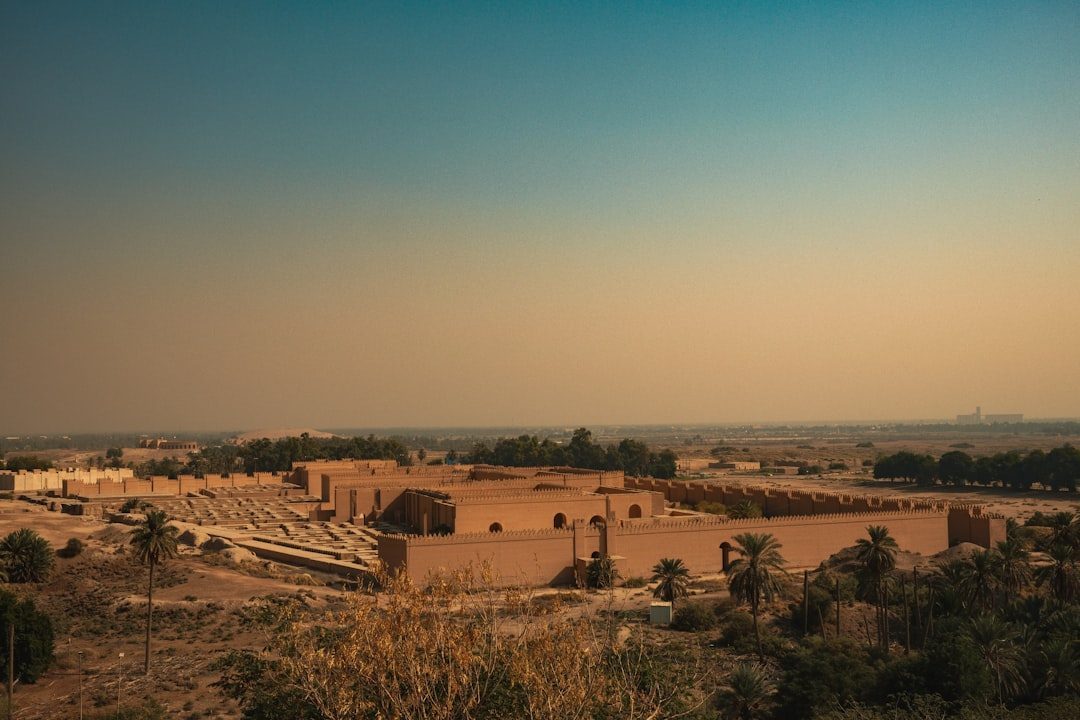
To a casual visitor, Babylon’s ruins can look like anonymous mounds of brown mud, but to archaeologists, they are a library of evidence written in clay. Most of the city was built from sun-dried or fired mudbrick, stamped with cuneiform inscriptions that often recorded the name of the king or the purpose of the building. Each of those brick stamps functions like a construction date and political message rolled into one, allowing researchers to map which parts of the city grew under rulers like Hammurabi or Nebuchadnezzar II. It sounds mundane, but lining up brick texts from different walls can reveal the story of aggressive urban expansion or ideological campaigns in surprising detail. The bricks become something like tweets from the past: brief, repetitive, but cumulatively powerful.
Clay tablets provide even richer clues. Excavations have uncovered administrative records, school exercises, astronomical diaries, and contracts that describe daily life with an almost bureaucratic obsession. These texts record rents on date palm orchards, loans of silver, and the price of barley during famine years, giving historians a way to reconstruct the city’s social and economic pressures. Among the more surprising finds are tablets that list eclipse observations across centuries, suggesting that temple scholars were systematically watching the sky, not just for omens but for patterns. Piece by piece, from mass-produced bricks to painstakingly inscribed tablets, the image of Babylon shifts from decadent myth to hyper-organized metropolis.
From Ancient Observers to Modern Science
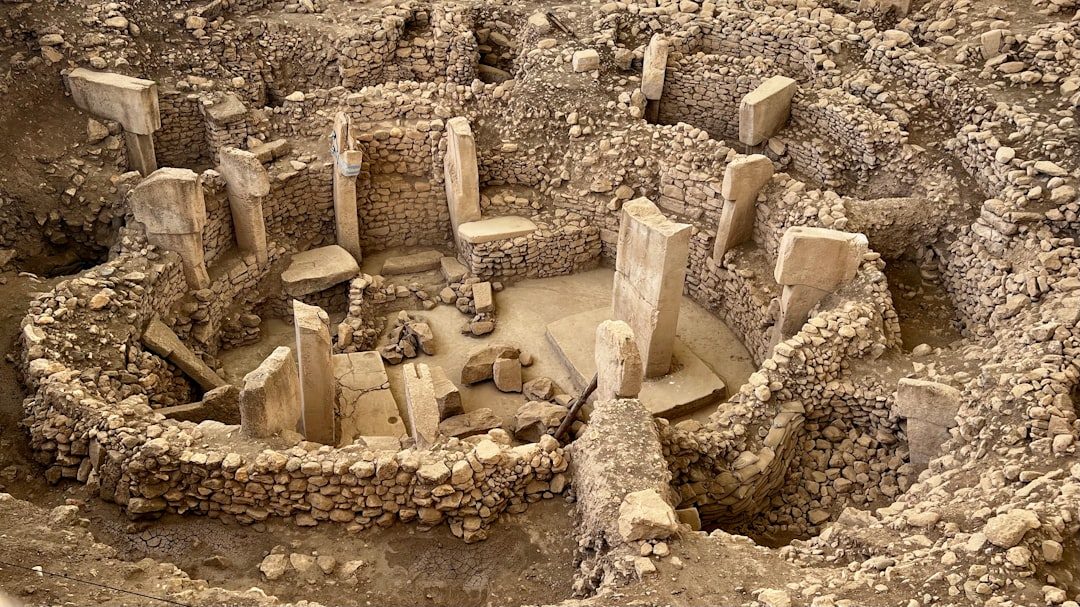
The story of Babylon’s rediscovery is itself a tale of evolving scientific methods. In the nineteenth century, European explorers and early archaeologists pried cuneiform tablets from the earth and shipped them to museums, often with little regard for their original context. Those early digs yielded spectacular objects but also destroyed layers of information about how streets, houses, and temples related to one another. Over time, archaeology shifted from treasure hunting to a more forensic discipline, and Babylon became one of the prime testing grounds for that change. Today, researchers carefully document soil layers, sample plant remains, and record micro-artifacts to trace everything from diet to pollution.
Modern tools are pushing that transformation even further. Satellite imagery reveals subtle elevation changes and crop marks that hint at buried walls and canals, while drone-based photogrammetry builds high-resolution 3D models of the site. Geoarchaeologists analyze sediment cores from around Babylon to reconstruct ancient river channels and flood histories, essentially reverse-engineering the landscape the city once occupied. Even tiny residues trapped in pottery or plaster can be examined using chemical techniques to identify what people cooked, brewed, or stored. The combination of hard science and historical detective work is slowly turning Babylon from legend into a precisely mapped, data-rich case study of early urban life.
Mysteries of the Hanging Gardens and Other Vanished Wonders
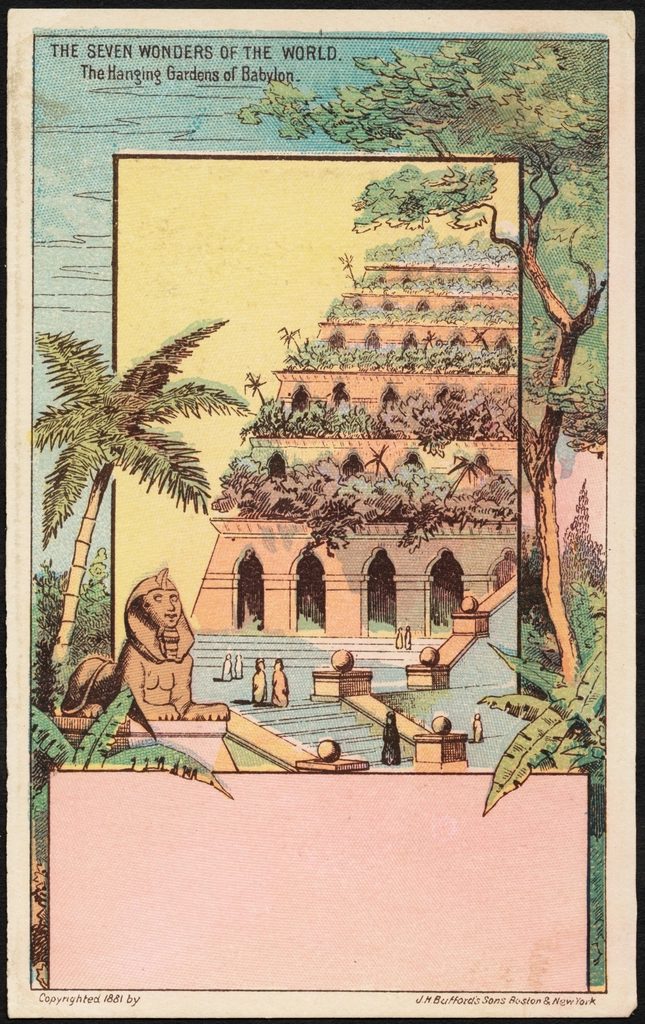
No feature of Babylon has captured the modern imagination quite like the so‑called Hanging Gardens, often listed among the Seven Wonders of the Ancient World. Yet the frustrating truth for archaeologists is that definitive physical evidence for such a garden complex has never been clearly identified at Babylon. What we have instead are scattered ancient descriptions of lush, terraced greenery fed by clever irrigation – and massive, mysterious substructures at the site that might fit the bill. Some scholars argue that the famous gardens may have been misattributed and actually belonged to another Mesopotamian city, while others see traces of them woven into Babylon’s own ruins. The result is a debate that refuses to die, hovering between archaeology and legend.
Other mysteries are more grounded but just as intriguing. The precise layout of certain palace complexes, the exact locations of some temples named in cuneiform texts, and the ritual routes of ceremonial processions all remain partially unresolved. Each excavation season adds a new puzzle piece, but erosion, looting, and modern development have removed many others forever. It is a bit like trying to reconstruct an epic novel when entire chapters have been torn out and scattered. That sense of loss is painful for researchers, but it also fuels their determination; every undeciphered structure or ambiguous inscription hints that more surprises may yet be hiding in the soil.
Life Inside the “Wicked City”
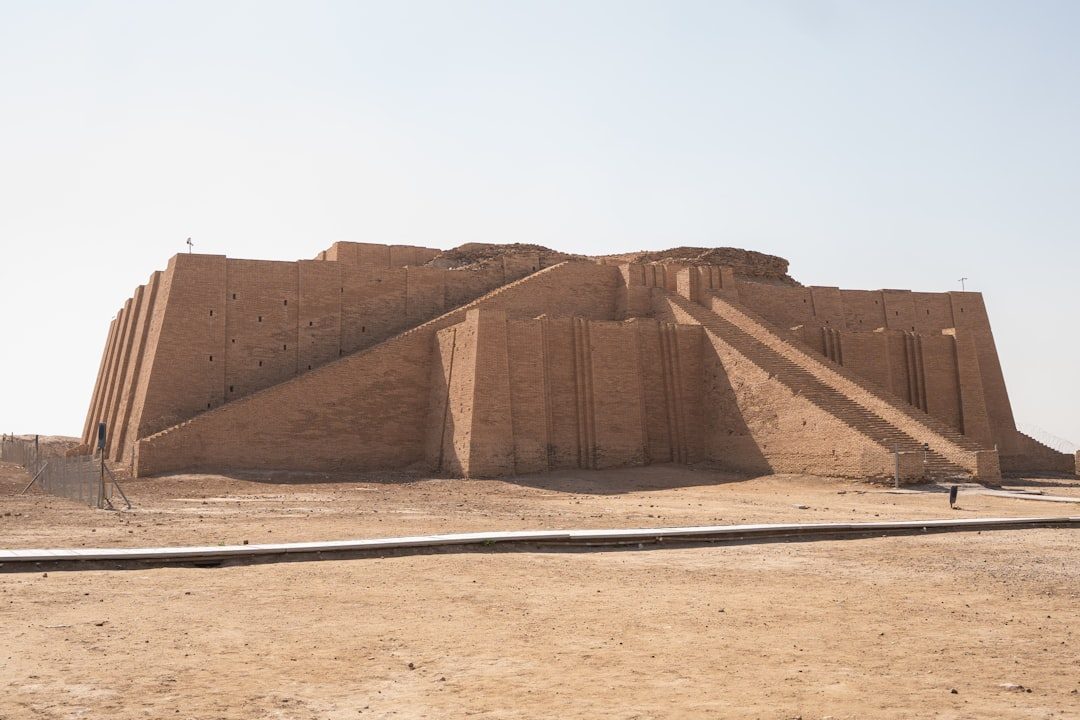
Later religious traditions painted Babylon as a symbol of arrogance and moral decay, yet the everyday city looks far more familiar when seen through its own records. Contracts and legal texts reveal a population of farmers, merchants, scribes, laborers, and enslaved people trying to navigate taxes, debts, and family disputes. One tablet might record the sale of a house along a canal; another, a marriage agreement with detailed financial clauses; another, a complaint about stolen livestock. Reading through these, I often catch myself thinking how little the basic frustrations of urban life have changed. The city that became a metaphor for sin also had landlords, feuds, and nervous parents arranging futures for their children.
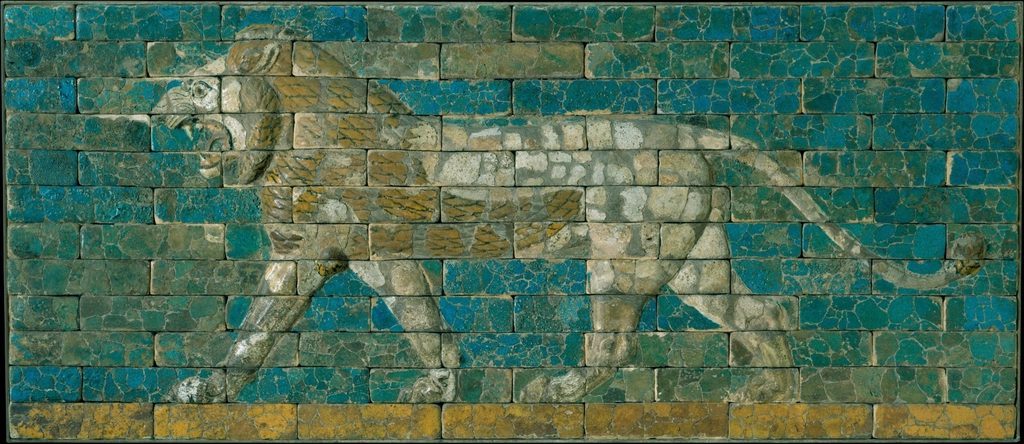
Babylon was also a city of intense hierarchy and spectacle. Massive processional streets, lined with glazed-brick reliefs of lions and mythical creatures, led to towering temple complexes where festivals drew crowds from across the region. Priests, military officers, and royal officials enjoyed privilege and power, while the poor and enslaved remained largely invisible in the monumental architecture. Yet the very scale of the city’s religious and political theater depended on countless ordinary workers who baked bricks, dug canals, and hauled stone from distant quarries. That dynamic – dazzling monuments built on the backs of people whose names we rarely know – is one of the most sobering constants in human history.
Why Babylon Still Matters
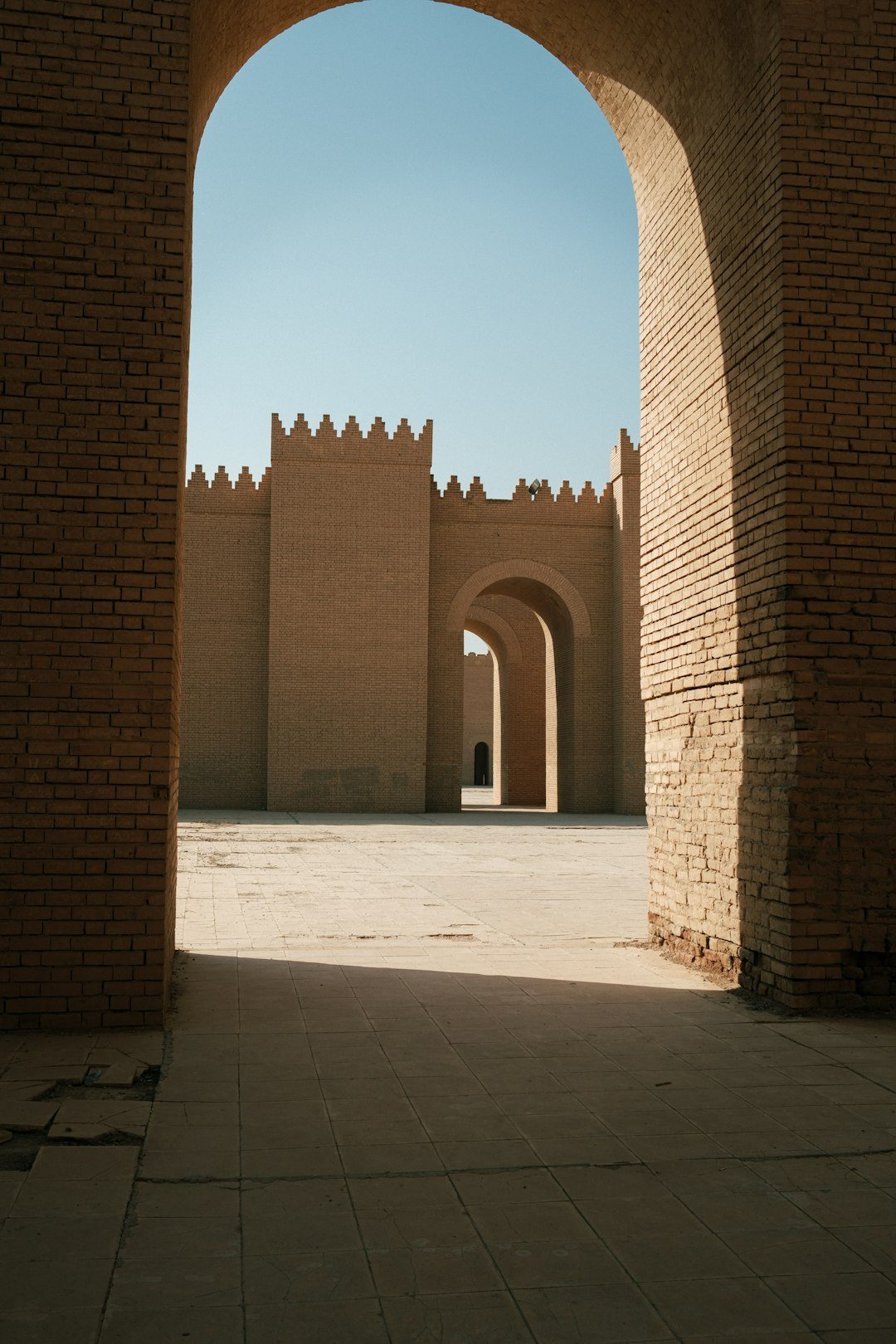
Babylon is not just a curiosity from a forgotten age; it is a crucial chapter in the story of how humans learned to live together in vast, complex societies. The city’s archives show early experiments in written law, long-distance trade, mathematics, and astronomy that laid foundations other cultures would later build upon. When modern scientists study Babylon’s irrigation networks or administrative systems, they are effectively examining prototypes of the tools that still structure our lives today: bureaucracies, legal contracts, tax systems, and infrastructure grids. Ignoring that legacy would be like trying to understand modern computing without ever looking at early mechanical calculators. You might grasp the end product, but you would miss the slow, messy evolution that made it possible.
Babylon also embodies the fragility of cultural memory. Over the centuries, political propaganda, religious interpretation, and simple storytelling distorted the city’s image into something more symbol than reality. Only in the last two hundred years have scholars begun to peel back those layers and confront the actual evidence on the ground. In doing so, they have uncovered a more nuanced narrative – one in which Babylon is neither pure villain nor utopian marvel, but a complicated, deeply human place. That complexity is precisely why the site matters now: it reminds us that civilizations are not caricatures, and that simplistic stories about “good” and “evil” peoples usually crumble when checked against the archaeological record.
A Global Heritage Under Threat
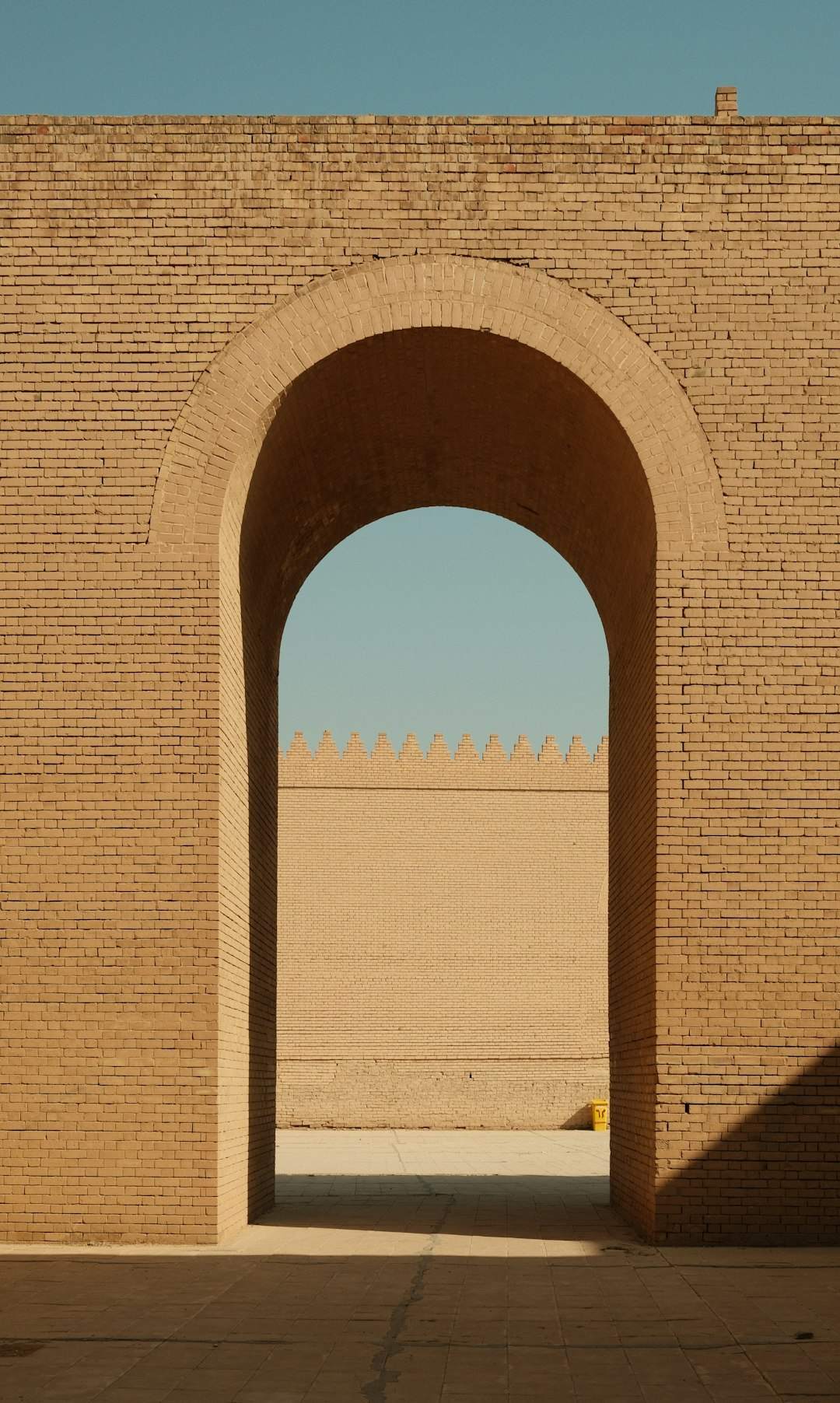
In recent decades, the story of Babylon has been shaped as much by modern conflict as by ancient kings. Military activity, looting, and uncontrolled building have all taken a toll on the site, compacting fragile layers, disturbing foundations, and removing artifacts with no records of where they came from. Even well-intentioned reconstruction projects in the late twentieth century used modern bricks and concrete in ways that sometimes obscured or stressed the original remains. Climate change adds another layer of risk: shifting rainfall patterns, rising groundwater, and more intense temperature swings accelerate the decay of mudbrick structures that were never meant to stand for millennia. The result is a race against time, with scientists trying to document and stabilize what they can before it disappears.
That struggle has pushed Babylon into the center of global heritage debates. International organizations and Iraqi authorities have worked to secure protections and promote responsible tourism, but funding and political stability are constant challenges. The city’s symbolic status means it is often pulled into contemporary narratives about identity and power, sometimes overshadowing careful scientific work. Yet many local and international teams are quietly collaborating to train conservators, involve nearby communities, and create digital archives. Saving Babylon is no longer just an academic project; it has become a test of whether the world is willing to invest in preserving a shared, and sometimes uncomfortable, past.
The Future of Babylonian Research
Looking ahead, the most exciting work on Babylon may not involve turning more soil but reanalyzing what has already been found. Vast tablet collections in museums around the world still await full translation and digital cataloging, and advances in imaging are helping scholars read texts that were previously too damaged. Machine learning tools can now sift through huge corpora of cuneiform to spot patterns in language, legal formulas, or astronomical observations that a human reader might miss. At the same time, high-resolution 3D mapping and virtual reality are allowing researchers to reconstruct vanished streetscapes and temple courtyards, testing how sound, light, and crowds might have moved through the ancient city. The line between excavation and simulation is blurring in fascinating ways.
Future technologies also promise to answer very specific questions. Isotopic analysis of human and animal remains can reveal where individuals grew up, shedding light on migration and trade networks feeding Babylon’s population. Microarchaeological techniques can detect traces of plants and animals once present in gardens, kitchens, and markets, refining our understanding of diet and environment. Even the controversial question of the Hanging Gardens might be revisited with new methods to detect ancient irrigation patterns beneath modern fields. If there is a constant in Babylonian research, it is that every decade rewrites at least part of the story – and there is no sign that trend is slowing down.
How You Can Stay Connected to Babylon’s Story
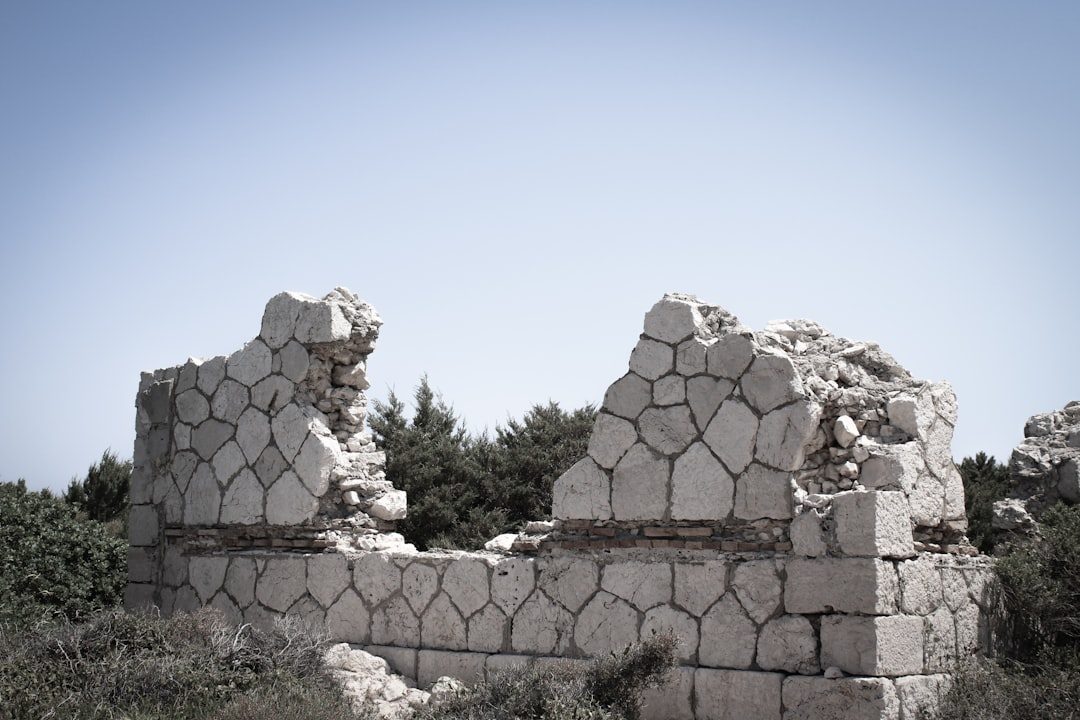
Most of us will never stand among Babylon’s ruined walls, but that does not mean we are cut off from its unfolding story. Museum collections, online archives, and open-access projects increasingly make tablets, maps, and excavation data available to the public, inviting curious readers to explore for themselves. Supporting institutions that fund archaeological conservation or that work with Iraqi partners helps ensure that research is collaborative rather than extractive. Even simple choices, like seeking out responsible documentaries, books by working archaeologists, or museum exhibits that center local voices, can shift attention and resources in the right direction. In a world where so much online content flattens the past into entertainment, making space for real nuance matters more than it might seem.
You can also treat Babylon less as a distant curiosity and more as a mirror. When news breaks about heritage under threat – whether from conflict, climate, or development – use the story of Babylon as a reminder of what can be lost when sites are neglected or politicized. Talk about these issues with friends, share credible resources, or follow ongoing digs and research projects through university and museum channels. The city’s ruins may be thousands of miles away, but the questions they raise about power, environment, and memory are uncomfortably close to home. In the end, the most important step is simply refusing to let Babylon sink back into myth and metaphor, when its very real history still has so much to teach.
Suhail Ahmed is a passionate digital professional and nature enthusiast with over 8 years of experience in content strategy, SEO, web development, and digital operations. Alongside his freelance journey, Suhail actively contributes to nature and wildlife platforms like Discover Wildlife, where he channels his curiosity for the planet into engaging, educational storytelling.
With a strong background in managing digital ecosystems — from ecommerce stores and WordPress websites to social media and automation — Suhail merges technical precision with creative insight. His content reflects a rare balance: SEO-friendly yet deeply human, data-informed yet emotionally resonant.
Driven by a love for discovery and storytelling, Suhail believes in using digital platforms to amplify causes that matter — especially those protecting Earth’s biodiversity and inspiring sustainable living. Whether he’s managing online projects or crafting wildlife content, his goal remains the same: to inform, inspire, and leave a positive digital footprint.