You’ve probably heard of the Great Barrier Reef. It’s that massive stretch of coral off Australia’s coast that everyone talks about. Maybe you’ve seen photos of turquoise waters or colorful fish weaving between vibrant corals. Perhaps you’ve even dreamed of snorkeling there someday.
Yet beneath that familiar image lies a world of surprises. The Reef doesn’t just exist as one solid structure, and it’s not simply a backdrop for pretty vacation photos. It’s alive, ancient, and brimming with secrets that even nature lovers rarely know. So let’s get started and uncover the extraordinary details that make this underwater kingdom truly unlike anywhere else on Earth.
It’s the Only Living Structure Visible from Space
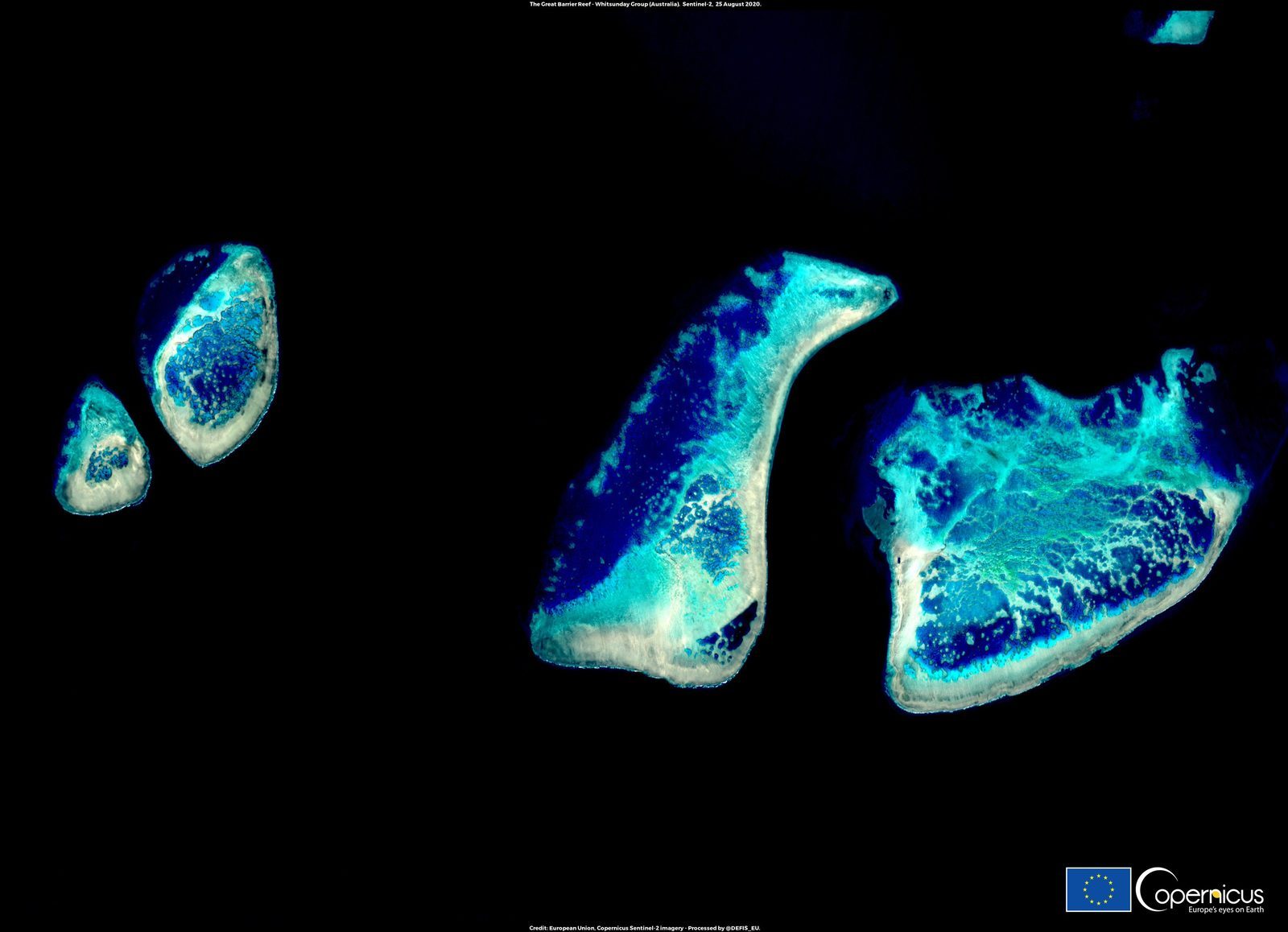
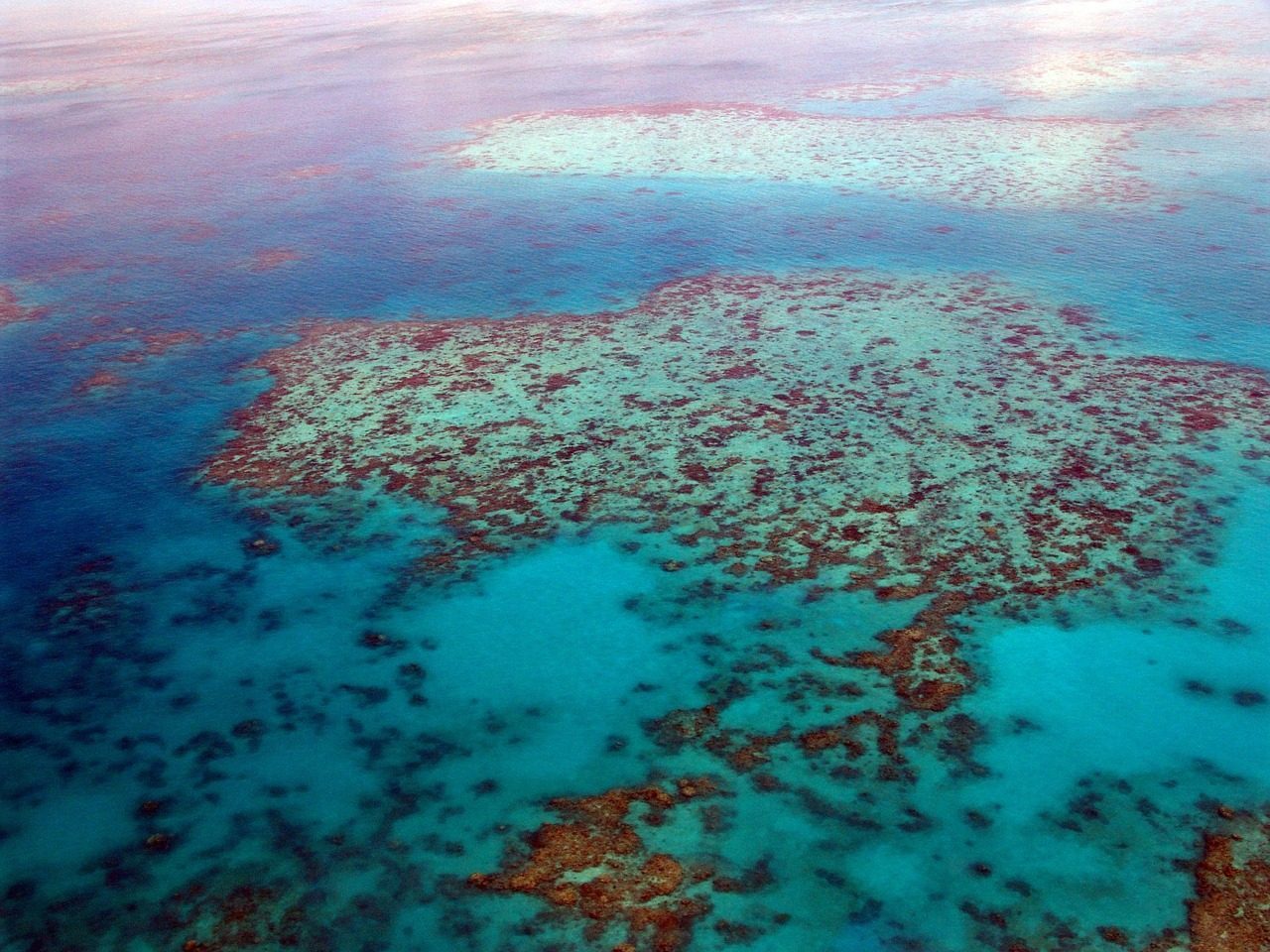
You can actually see the Great Barrier Reef from outer space without any instruments. Yes, astronauts orbiting Earth can spot this enormous living organism with their naked eyes. That’s honestly mind blowing when you think about it.
The reef stretches over 2,300 kilometers and covers approximately 344,400 square kilometers. To put that into perspective, it’s larger than the entire country of Italy. The Reef is bigger than the UK, Switzerland, and Holland combined. The sheer contrast between the shallow turquoise waters and the deep blue ocean depths creates this stunning visual masterpiece that’s unmistakable even from space. It’s a testament to the billions of tiny coral polyps that have been building this structure over millennia.
Coral Reefs Make Up Only Seven Percent of the Marine Park
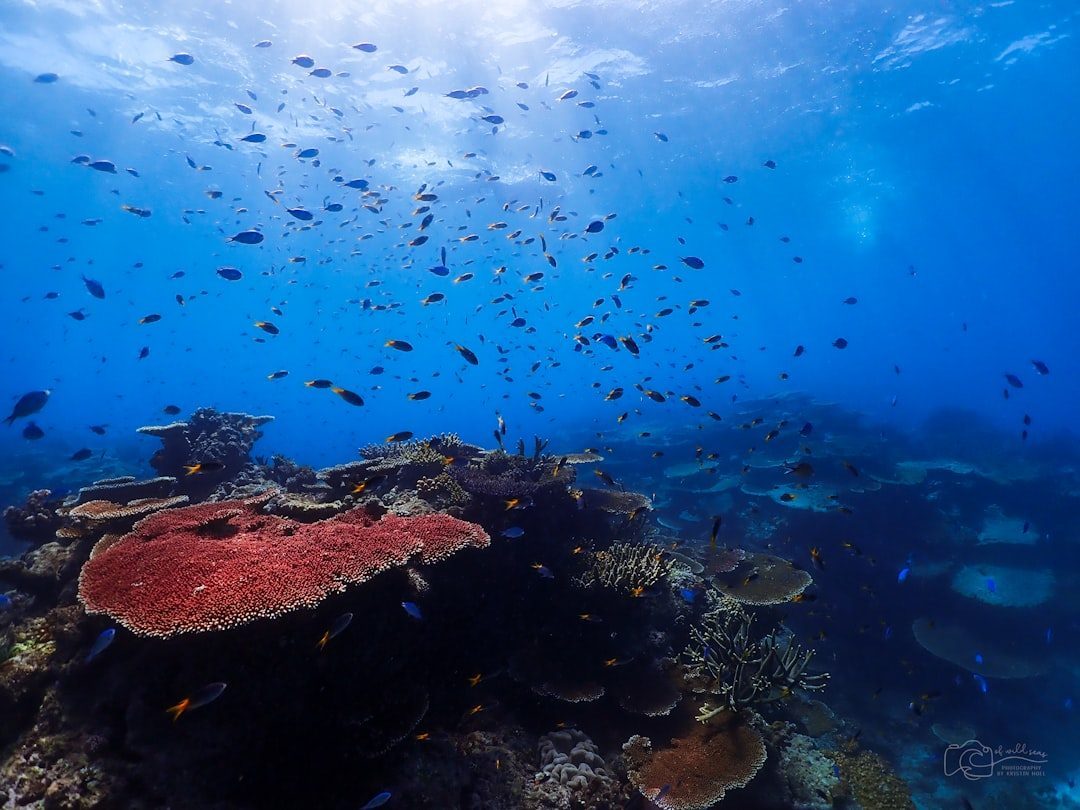
Here’s the thing. When people imagine the Great Barrier Reef, they picture colorful coral gardens everywhere. Those famous coral reefs only comprise about seven percent of the Marine Park and World Heritage Area.
So what fills the rest of this massive space? The remaining area contains an extraordinary variety of marine habitats, ranging from shallow inshore areas like seagrass, mangroves, sand, algal and sponge gardens, and inter-reefal communities to deep oceanic areas more than 250 kilometers offshore. Think of it like an underwater metropolis with different neighborhoods, each serving a unique purpose. The mangroves act as nurseries for baby fish, while seagrass meadows provide feeding grounds for dugongs and turtles. It’s easy to overlook these areas, yet they’re absolutely vital to the Reef’s survival.
Parrotfish Create the Beautiful White Sand Beaches
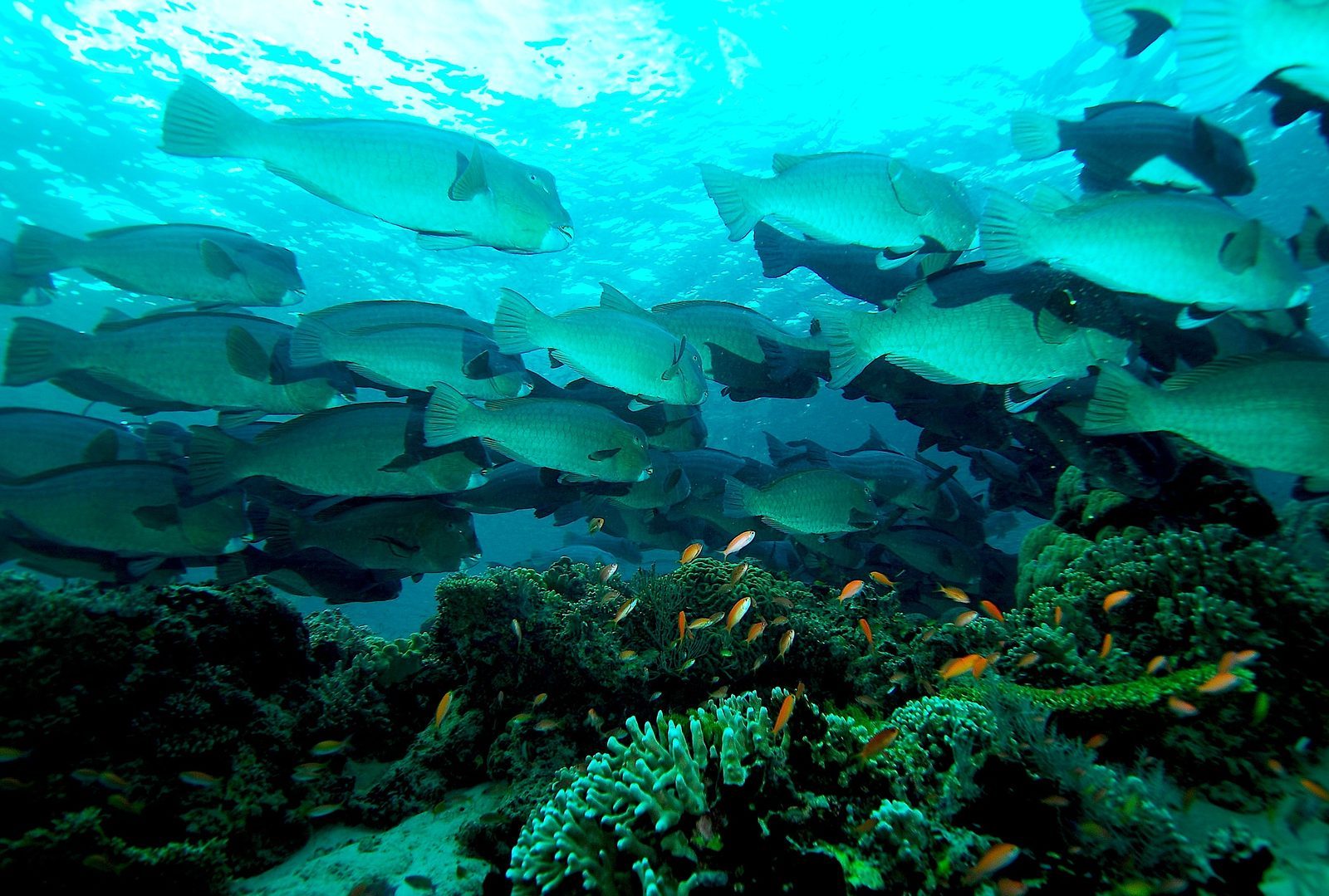
Ever wondered where that pristine white sand on tropical beaches comes from? You might be surprised. A single parrotfish could produce up to 90 kilograms of sand each year.
These colorful fish munch on coral at an astonishing rate of 20 bites per minute, and you might spot a plume of fine sand coming out the back end – the digested remnants of a coral’s stony skeleton. Basically, parrotfish eat coral to get to the algae living inside, grind up the hard skeleton with their incredibly strong teeth, and excrete it as fine sand. Their teeth are fused as one to their jawbone, and the crystalline structure is so sturdy it would beat gold, copper and silver in a fracture test. Next time you’re relaxing on a beach, remember you’re probably sitting on fish poop.
The Reef Is Home to Ancient Survivors
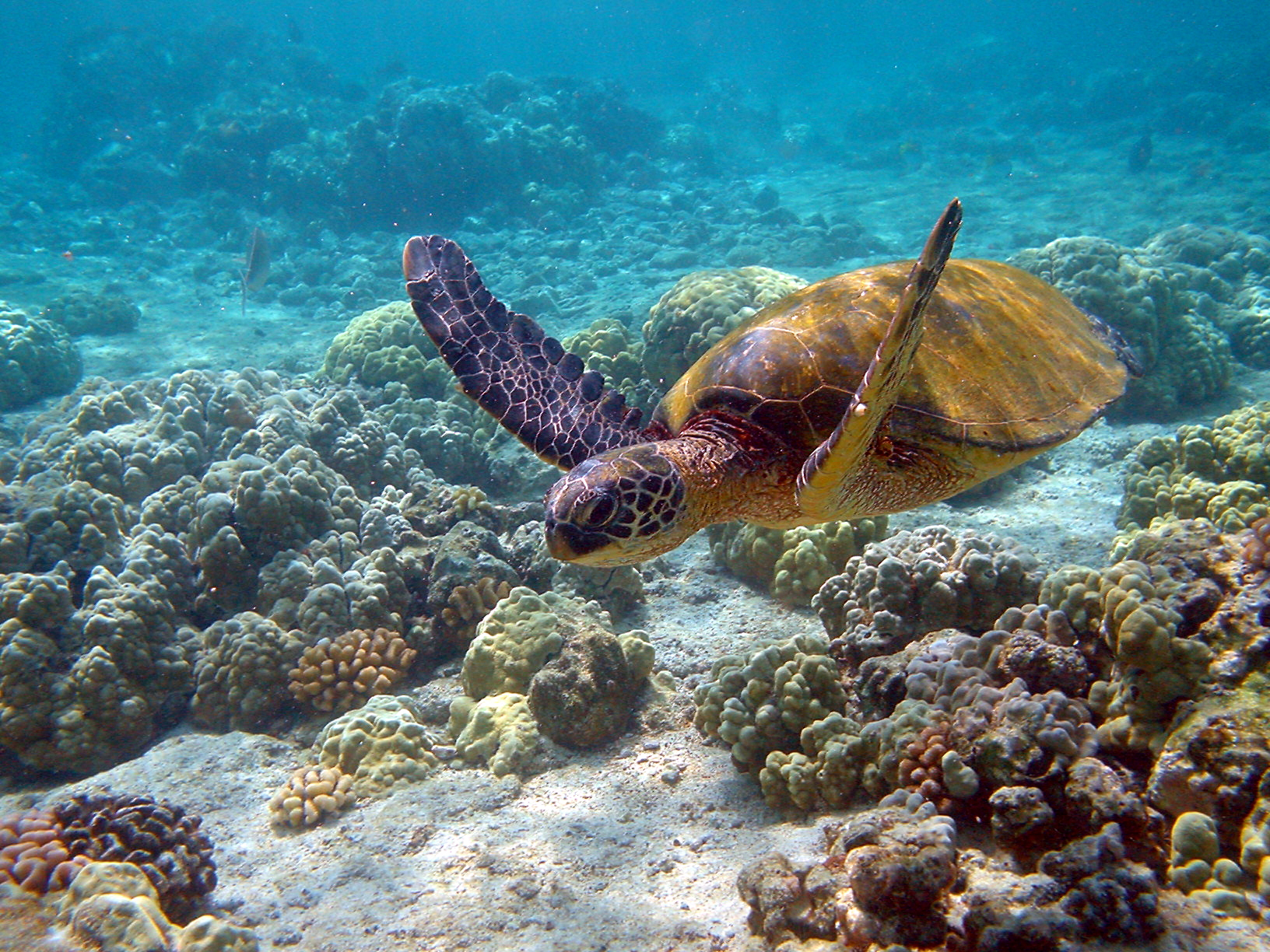
Some creatures living in the Great Barrier Reef, such as turtles and crocodiles, have been around since prehistoric times and have changed little over the millennia. Let’s be real, that’s extraordinary. These animals witnessed the rise and fall of dinosaurs.
Six of the world’s seven marine turtle species are found in the Great Barrier Reef, including green, hawksbill, and loggerhead turtles, which glide gracefully through the water and can often be seen basking on coral reefs or feeding on seagrass beds. Turtle hatchlings have an internal GPS to enable them to return to the beach of their birth. Imagine being born with a built-in navigation system that guides you back to your birthplace after years of ocean wandering. Even the nautilus, with its spiraled shell, is considered a living fossil unchanged for millions of years.
Over 70 Traditional Owner Groups Have Cared for the Reef for 60,000 Years
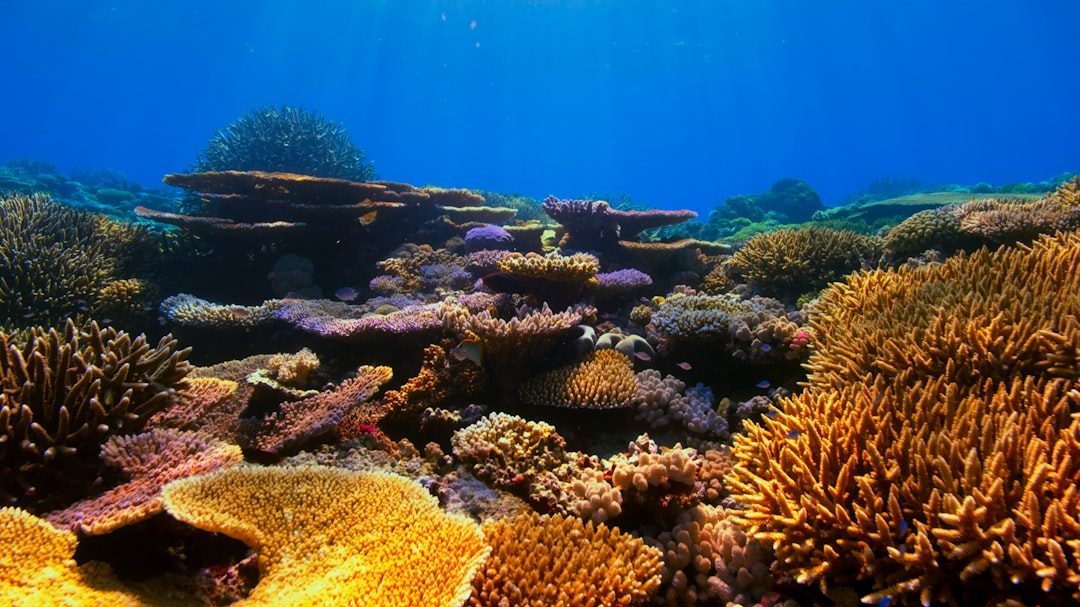
For more than 60,000 years, Aboriginal and Torres Strait Islander peoples have lived with, cared for and passed down stories of this sea Country, and today over 70 Traditional Owner groups maintain ongoing spiritual, cultural and custodial connections to the Reef.
This connection runs incredibly deep. The Reef is Sea Country for many first Australians whose connections to the marine environment date back more than 60,000 years. These communities don’t just live near the water. They’re intertwined with it through ceremony, songlines, and generations of ecological knowledge. Their understanding of seasonal patterns, fish behavior, and reef health predates modern science by tens of thousands of years. It’s humbling to realize that this natural wonder has been protected and respected by Indigenous peoples long before it became a World Heritage site.
One Coral Polyp Can Start an Entire Reef
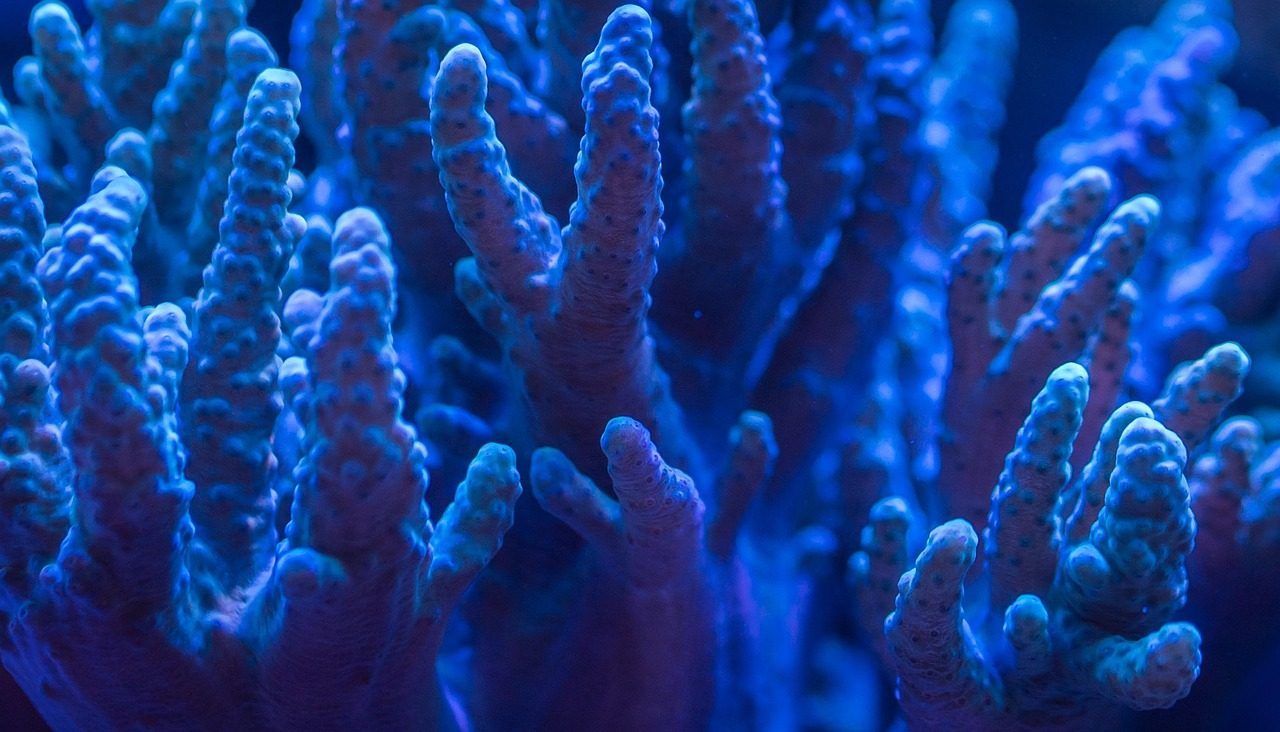
One single coral polyp attaching itself to a rock is all it takes to start a coral reef. That’s both beautiful and slightly unbelievable. Something tinier than your fingernail can eventually become part of a structure visible from space.
The reef structure is composed of and built by billions of tiny organisms, known as coral polyps. These little creatures secrete calcium carbonate, which hardens into the limestone structures we recognize as coral. Corals grow at an average rate of just over 1 centimeter per year. Patience isn’t just a virtue here; it’s the entire building plan. When you consider that coral has been growing on the Great Barrier Reef for 500,000 to 600,000 years, you begin to understand the scale of time involved. New generations of coral build upon the skeletons of their ancestors, creating layer upon layer of life.
The Reef Supports an Astonishing Economic Ecosystem
The Reef supports well over 64,000 jobs and contributes more than $6.4 billion annually to the Australian economy. Beyond its ecological wonder, this underwater paradise is an absolute economic powerhouse.
Approximately two million people visit the Great Barrier Reef each year. Tourism operators, scientists, fishers, and countless businesses depend on the health of this ecosystem. Yet the true value goes far beyond dollars. The Reef acts as a nursery for commercially important fish species, protects coastlines from storm damage, and serves as a living laboratory for marine research. Beneath the ocean surface lies a vibrant underwater world home to around 9,000 species. That biodiversity isn’t just beautiful. It’s irreplaceable genetic information that could hold keys to medical breakthroughs and climate resilience.
Conclusion
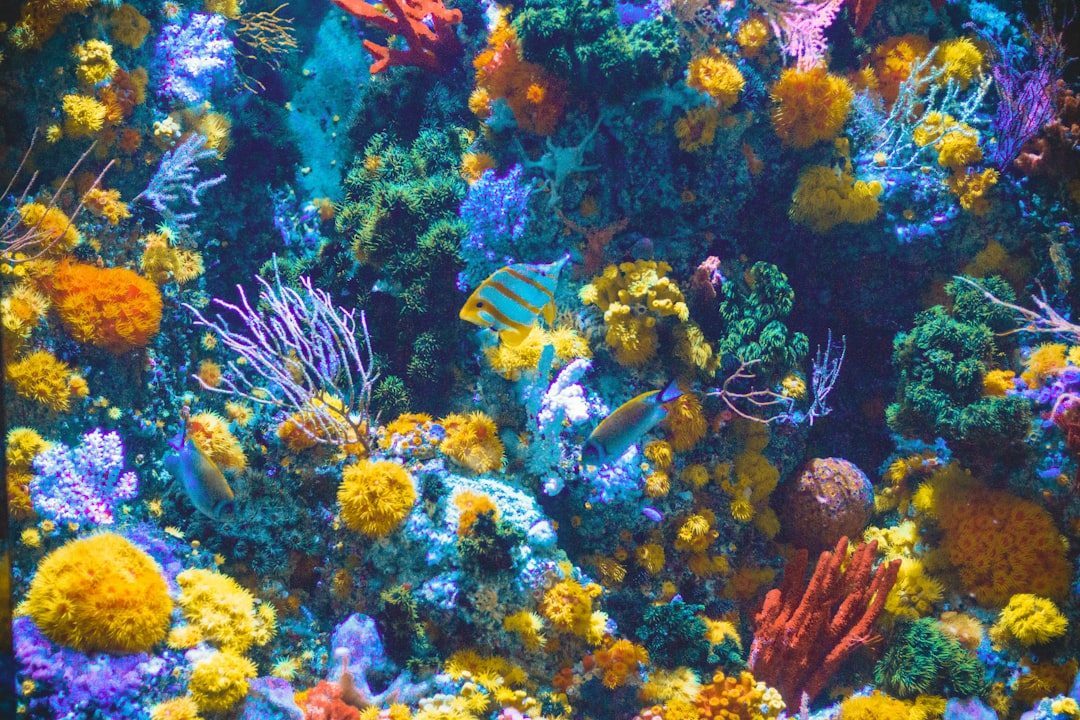
The Great Barrier Reef constantly surprises us. From parrotfish sculpting beaches grain by grain to ancient turtles navigating with internal compasses, every corner of this ecosystem tells a story of adaptation, survival, and interconnection. You probably knew it was big and important, yet now you understand it’s so much more than that.
This isn’t just a destination on a bucket list. It’s a living masterpiece that’s been carefully shaped over hundreds of thousands of years. What other secrets do you think the Reef is hiding beneath those turquoise waves? Tell us in the comments.