You’ve probably seen the pyramids in photos, marveled at King Tut’s golden mask, or watched documentaries about mummies and pharaohs. Ancient Egypt has this magnetic pull on us, doesn’t it? Here’s the thing, though. Despite thousands of years of study, modern technology, and countless expeditions, some of Egypt’s deepest secrets remain locked away. These aren’t just minor historical footnotes. We’re talking about mysteries so profound that they challenge everything we thought we knew about one of humanity’s greatest civilizations.
Let’s be real, the more scientists dig into ancient Egypt, the more questions emerge. Some puzzles have stumped Egyptologists, geologists, archaeologists, and historians for generations. You might think we’d have figured everything out by now with our satellites, ground-penetrating radar, and DNA analysis. Think again. The land of the pharaohs keeps its secrets well guarded, and these ten mysteries continue to ignite fierce debates among scholars and enthusiasts alike. Ready to dive into the unknown? Let’s explore what keeps the experts awake at night.
The Construction Mystery of the Great Pyramid
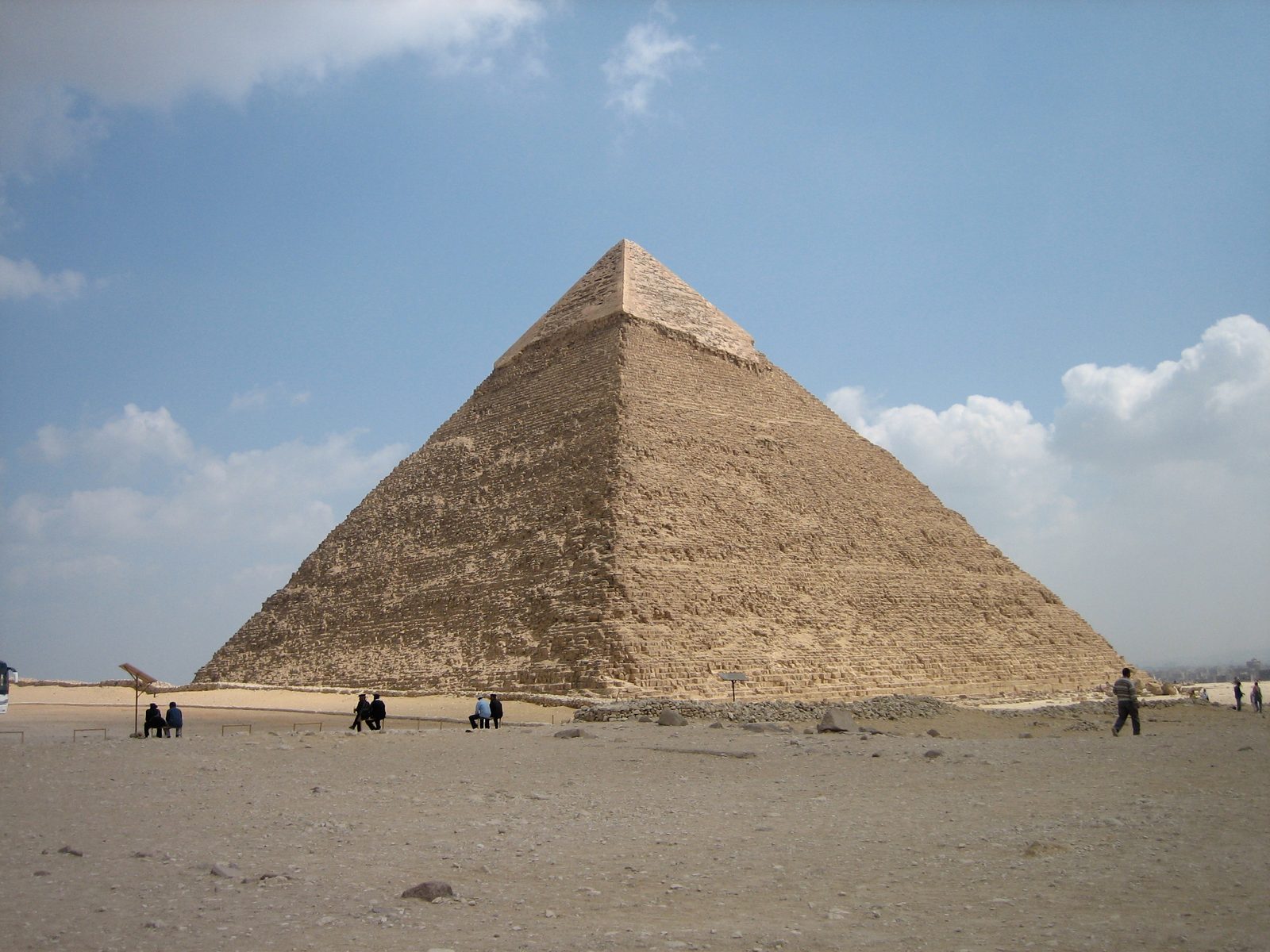
The Great Pyramid contains an estimated 2.3 million stone blocks, each weighing between 2.5 to 15 tons. Imagine trying to move just one of those blocks without modern machinery. Now multiply that by millions. Some blocks, particularly those used in inner chambers, came from Aswan, 500 miles from Giza.
Most believe Egyptians moved massive stone blocks using large ramps, greased by water or wet clay, with sledges, ropes, rollers, and levers. Still, there’s fascinating new research that changes the game. Scientists from the University of North Carolina Wilmington revealed these pyramids were likely built along a now-buried branch of the Nile River, which stretched approximately 64 kilometres long and was used to transport workmen and building materials. A drought beginning roughly 4,200 years ago might have caused this branch to dry up. Even with this discovery, the exact methods of lifting those enormous stones into place remain unclear. Some theories suggest internal ramps spiraling up inside the pyramid itself, while others propose external ramps. Honestly, we’re still guessing at the finer details.
The True Age of the Sphinx
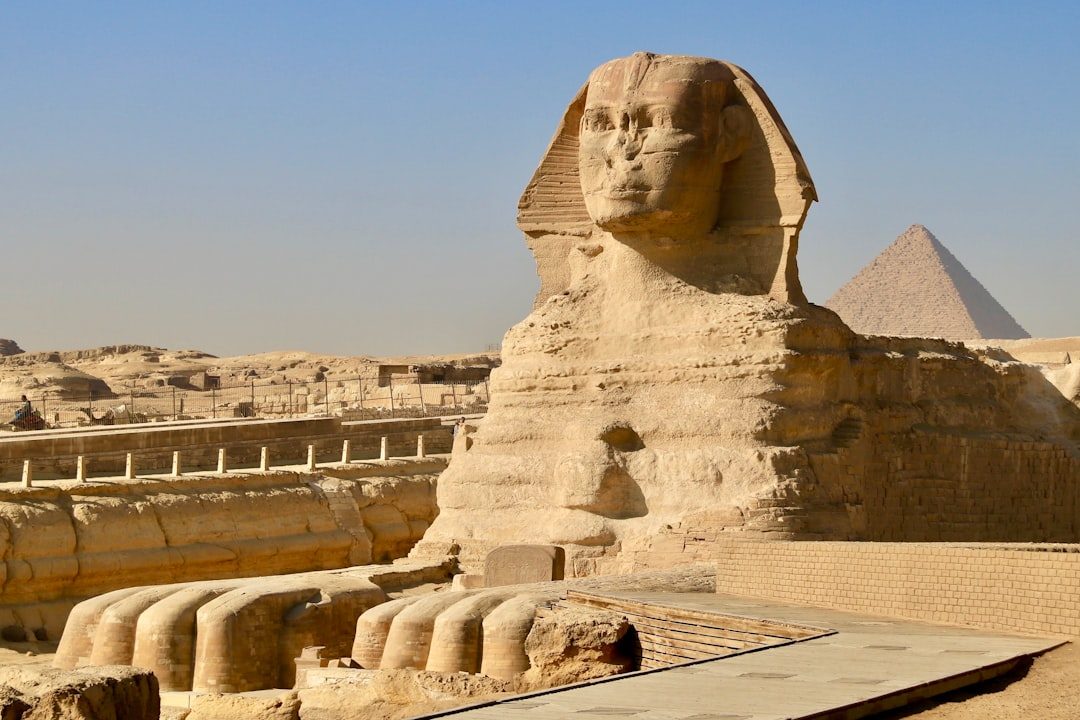
Here’s where things get really interesting. Archaeological evidence suggests the Sphinx was created during the reign of Khufu or Khafre, around 2590-2532 BC. Case closed, right? Not quite.
The erosion patterns on the Sphinx, possibly caused by water rather than wind, could indicate that the Sphinx is thousands of years older than currently believed, challenging established timelines of human civilization. Geologist Robert Schoch found that the extraordinary depth of subsurface weathering supported his conclusion that the core body of the Sphinx must date back to 5000 BCE or earlier. That’s a massive difference from the conventional dating.
The deluge that eroded the Sphinx was uncommon to the Egyptian plateau 5,000 years ago, but very common 10,000 to 12,000 years ago. The head is actually too small for the body, and it’s clear the current head is not the original head. Think about that for a second. If the head was recarved during dynastic times, what did the Sphinx originally look like? The debate between geologists pointing to water erosion and Egyptologists citing historical records continues to rage. I know it sounds crazy, but what if our entire timeline of civilization needs adjusting?
The Curse of King Tutankhamun
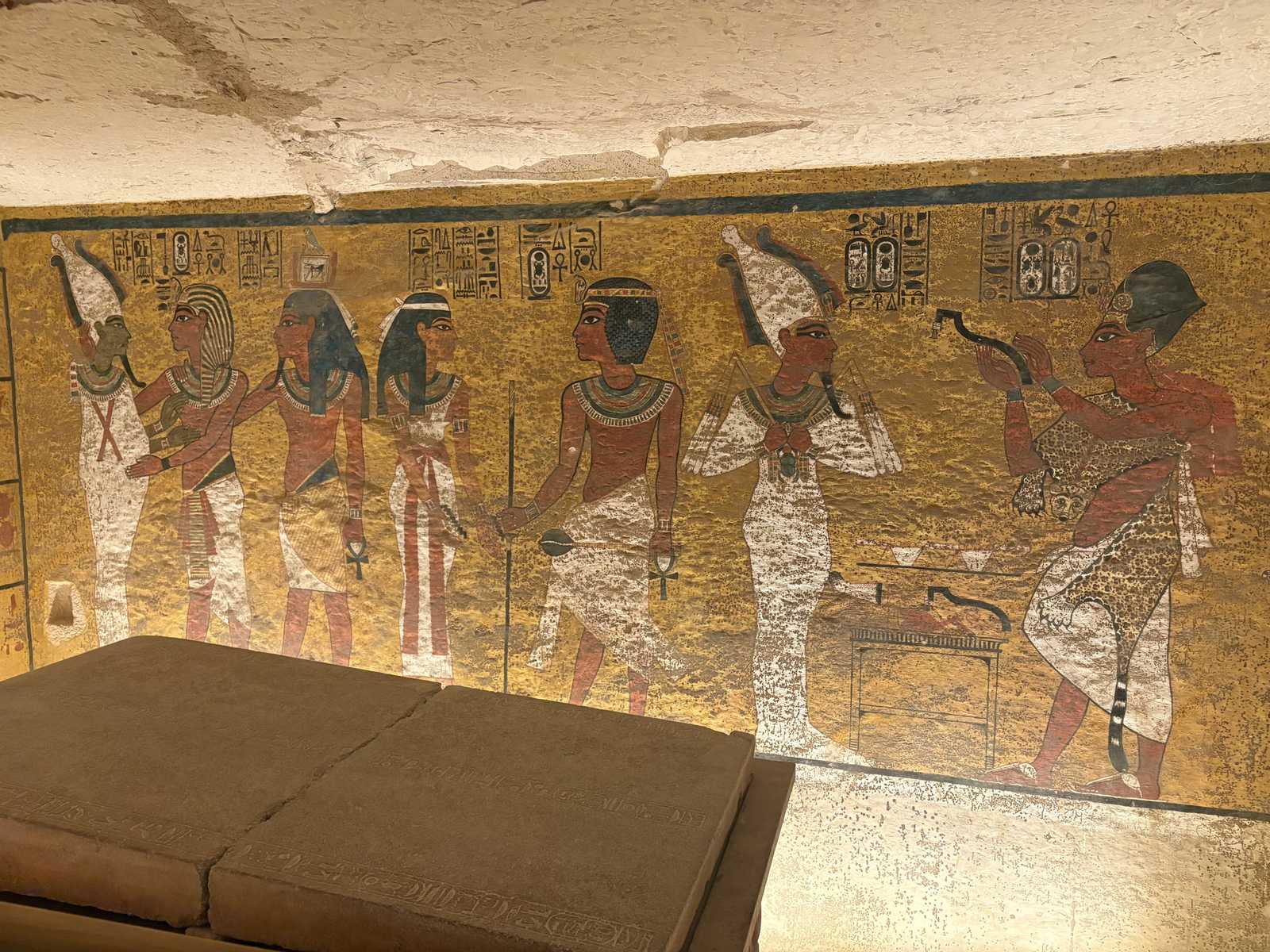
When Howard Carter discovered Tutankhamun’s tomb in late 1922, stories spread about a curse on anyone who dared break into a pharaoh’s tomb. The most famous alleged victim? Lord Carnarvon, Carter’s sponsor, was bitten by a mosquito and the bite became infected, resulting in blood poisoning and his death in Cairo on April 5, 1923, only six weeks after the burial chamber was opened.
No curse had actually been found in the tomb, yet more than 16 deaths were attributed to King Tut’s curse in the years following the discovery. The twist? Howard Carter, who actually opened the tomb and removed the mummy, lived until 1939, sixteen years later, and Richard Adamson, who guarded the burial chamber for seven years, lived for another 60 years until 1982.
So was there really a curse? Aspergillus fungi, known to live on dead bodies, may have contributed to at least three deaths, possibly providing science’s answer to the curse. The group of people connected to the tomb’s opening died at an average age of 73 years, actually beating the actuarial tables for that period. Looks like the curse was more media sensation than reality, though it makes for a terrific story.
Cleopatra’s Lost Tomb
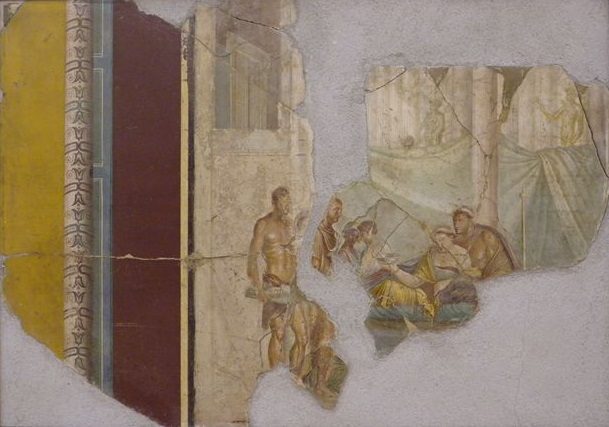
Much is known about Cleopatra VII, who died in 30 B.C., yet the location of her tomb with Mark Antony remains a complete mystery. You’d think we’d have found the burial place of one of history’s most famous queens by now.
In early November 2022, archaeologists led by Kathleen Martínez identified a 1,300-meter-long tunnel in the temple area of Taposiris Magna, west of Alexandria, that could lead to Cleopatra’s tomb. The newly discovered offshore harbor appears aligned with this tunnel, suggesting an integrated network that could have been utilized in the queen’s burial.
Some researchers believe Cleopatra’s tomb resided in Alexandria but was lost when a tsunami swept through in 365 A.D., while others suspect a temple dedicated to Isis and Osiris in the Nile Delta. Coastal erosion has meant that parts of Alexandria, including Cleopatra’s palace, are now underwater, and even if the tomb isn’t submerged, it may be destroyed or buried beneath modern development. The search continues, and honestly, finding Cleopatra’s tomb would rival the discovery of King Tut’s in significance.
Hidden Chambers in the Great Pyramid
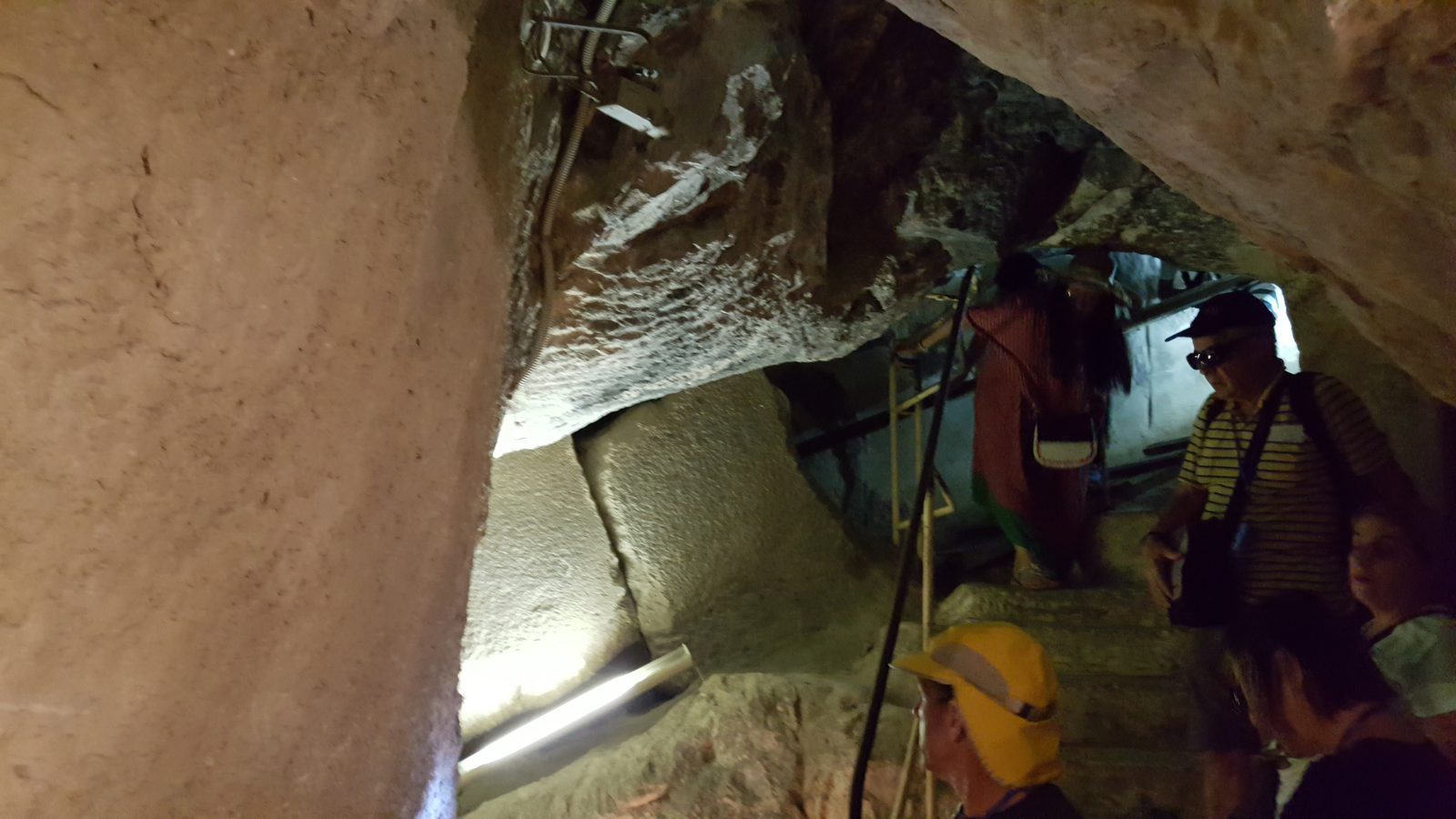
You might assume we’ve thoroughly explored every inch of the pyramids after centuries of investigation. Wrong. In 2017, researchers scanned the Pyramid of Khufu and discovered a large void above the Grand Gallery, in addition to the three chambers previously found.
What’s inside this mysterious void? Nobody knows yet. While unlikely to be a burial chamber, it could be a second Grand Gallery or hold secrets to the engineering and construction behind the pyramid, possibly helping reduce the weight of masonry pressing down from above.
Mysterious shafts leading out of the King’s Chamber may have pointed to important stars or simply brought fresh air. Despite all our modern scanning technology, these spaces remain unexplored physically. ScanPyramids has plans to scan more pyramids, including Khafre, Egypt’s second largest, and what other secrets muon-tomography could reveal remains to be seen. The pyramids still guard their secrets jealously.
The Mysterious Land of Punt
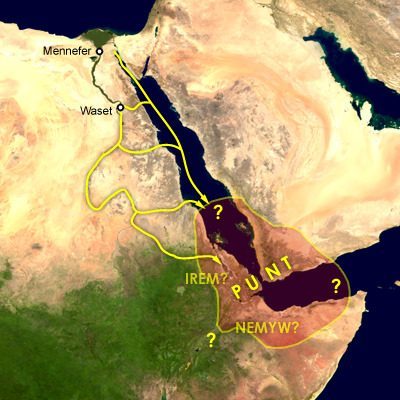
The Ancient Egyptians came into contact with many foreign groups, but none remain as mysterious as the people of Punt, with dozens of written records mentioning it but few clear details on where it might have been. The Egyptians clearly respected and venerated this kingdom, calling it “God’s Land”.
Punt is often depicted as a powerful African kingdom that existed alongside the Egyptians somewhere in the south. Here’s what we do know: The best evidence revealing Punt’s true location is a few mummified baboons found in an ancient tomb in Egypt, which scientists traced to modern-day Ethiopia.
All that is known about Punt comes from the Egyptians themselves, as the people of Punt kept no known records. Imagine an entire civilization that traded extensively with Egypt, provided exotic goods, and held religious significance, yet left almost no trace of itself. Where exactly was Punt? What did their cities look like? We’re still piecing together fragments of this puzzle.
The Lost Labyrinth of Hawara
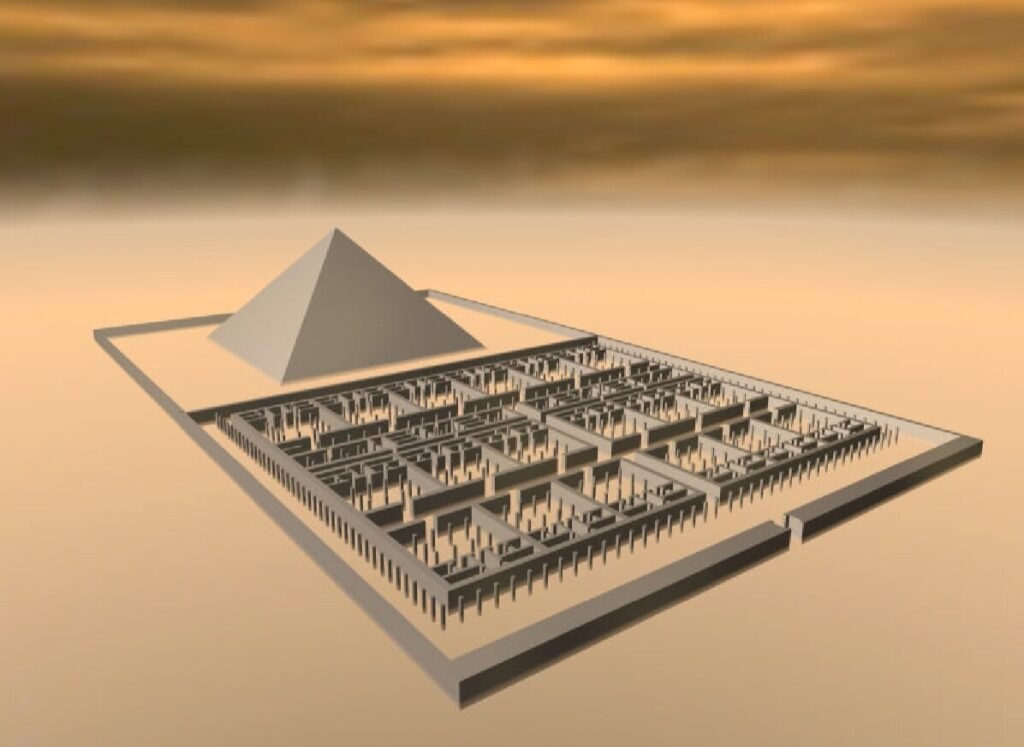
Greek historian Herodotus mentioned a massive labyrinth by the pyramids in the 4th century BCE when he visited Egypt. In modern times, no such labyrinth is visible, and many believed his writings to be either a lie or done out of confusion.
Then came a breakthrough. In 2008, a structure buried at the Hawara pyramid complex have been detected by ground-penetrating radar, revealing a massive stone foundation that measured nearly 1,000 feet across. Could this be Herodotus’s legendary labyrinth?
There has been no attempt to dig down and uncover this mysterious structure, but that could soon change in the future. The tantalizing possibility exists that beneath the sand lies an architectural wonder equal to the pyramids themselves. Why hasn’t anyone excavated it yet? Politics, funding, and the sheer scale of such an undertaking all play roles. Let’s be real, uncovering something of this magnitude requires massive resources and international cooperation.
The Identity of the Unknown Queen
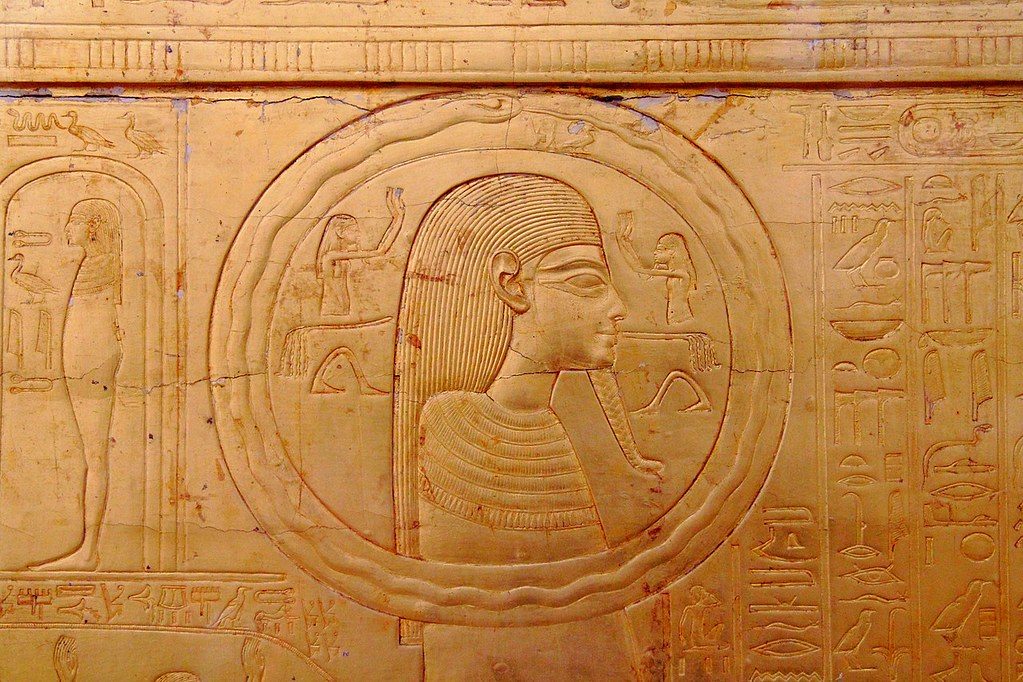
A tomb was discovered revealing a woman who might have been one of the most important female figures of Ancient Egypt, but outside of the tomb’s discovery, it remains a total mystery. Key details like her name or who she was married to are still a guessing game.
Leading researchers think she could have been the mother of King Mekahur and wife to King Neferefre, but this remains unsubstantiated. The richness of her burial suggests enormous importance, yet her identity slipped through the cracks of history. Think about that. Someone powerful enough to warrant an elaborate tomb, yet we don’t even know her name.
How many other significant figures from ancient Egypt have been lost to time? Her tomb raises more questions than answers. Was her name deliberately erased? Did some political upheaval cause her to be forgotten? The silence surrounding her identity feels almost deliberate, doesn’t it?
Nefertiti’s Disappearance
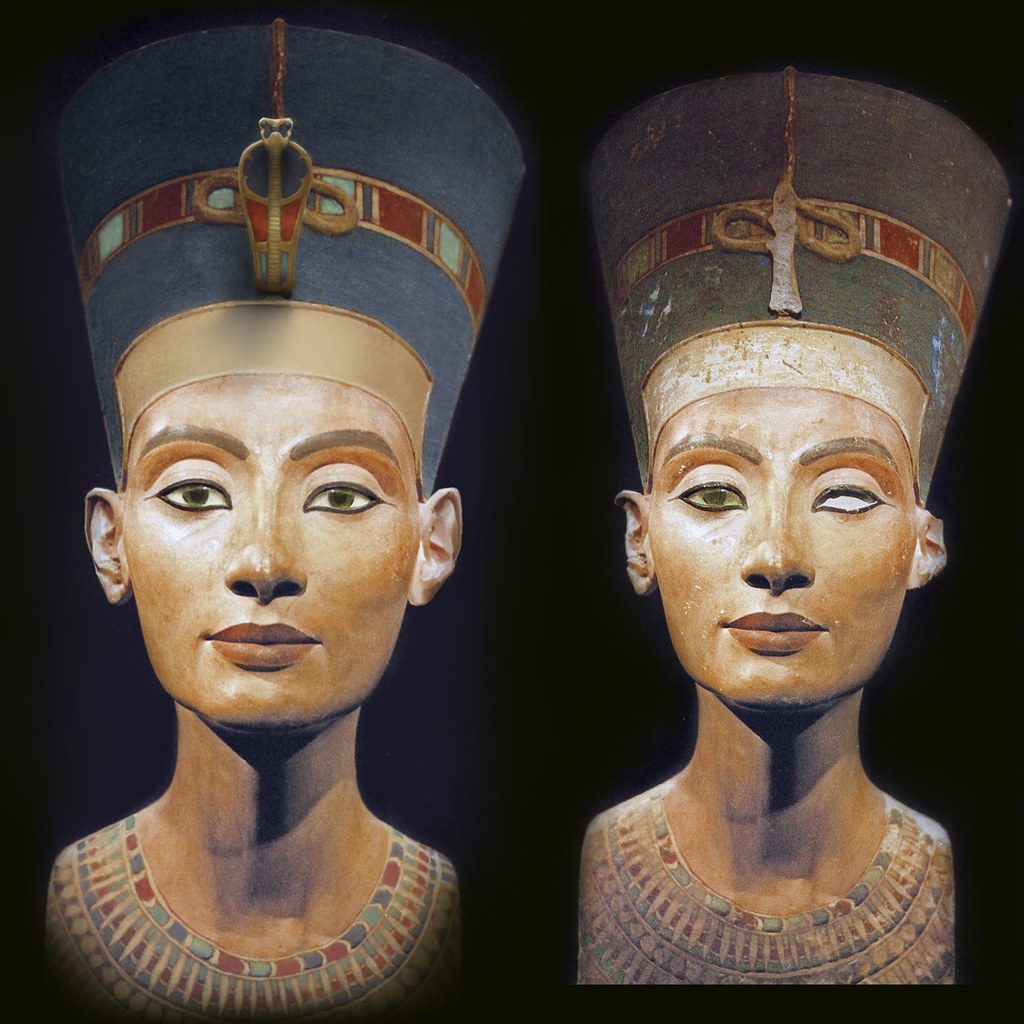
Queen Nefertiti was one of the most powerful women throughout Ancient Egyptian history, ruling at the height of Egyptian power during the 18th Dynasty from 1370 BCE to 1330 BCE. Known for her role alongside Pharaoh Akhenaten during a revolutionary period of monotheism, her sudden disappearance from historical records has baffled historians, with theories suggesting she became co-regent or ruled as Pharaoh after Akhenaten’s death, while others posit she fell from grace or was exiled.
What happened to her body? Nobody knows. Some speculate that her mummy might be hidden among other royal mummies already discovered, misidentified as someone else. Others believe her tomb awaits discovery, possibly in the Valley of the Kings.
Egyptian writer Robert Bauval argued that there are no inscriptions on the Sphinx that associate it with the pharaohs’ time period as we know them. Similarly, Nefertiti’s sudden vanishing from records feels deliberate. Was she a victim of political intrigue? Did religious upheaval following Akhenaten’s radical reforms lead to her erasure? We may never know, unless her tomb surfaces. The mystery deepens when you consider how prominent she was during her lifetime, only to become a ghost in historical records.
Why Pyramid Building Suddenly Stopped
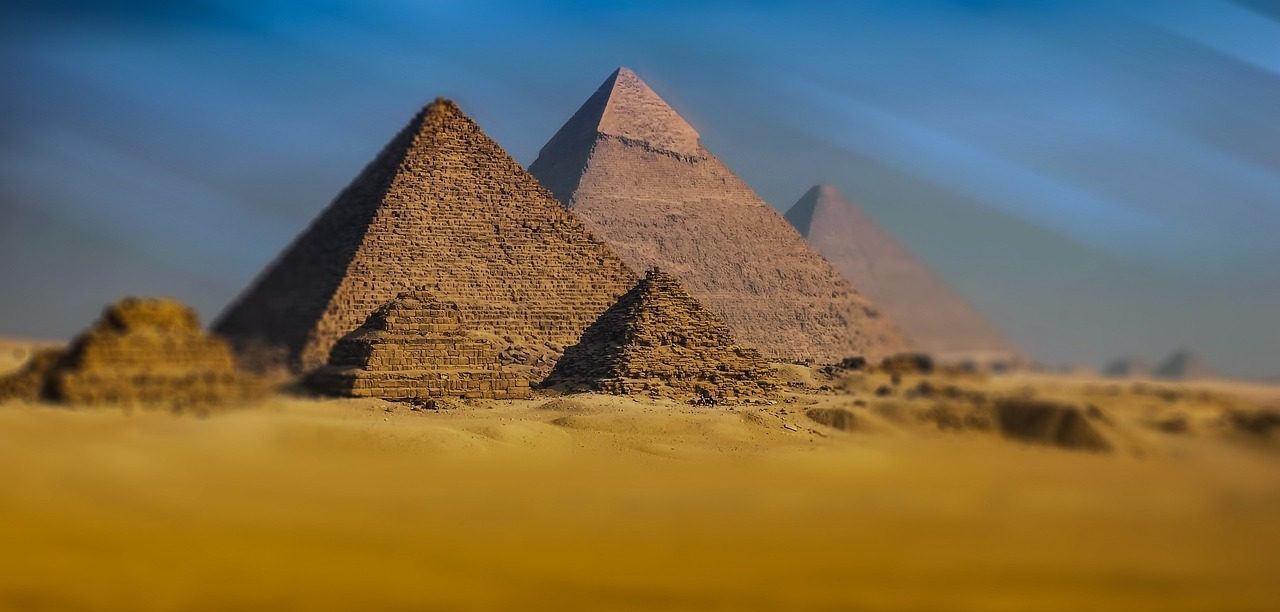
Major royal pyramid building ceased around 1700 BCE, and afterward pharaohs were buried in the Valley of Kings near Thebes. What exactly caused the rulers of Egypt to abandon the practice of pyramid burials is unknown, though many theories exist.
After thousands of years of pyramid construction, spanning multiple dynasties and representing Egypt’s most iconic architectural achievement, the practice just… stopped. Was it because pyramids were too easily robbed? Did religious beliefs shift? Were resources redirected to other projects? Or did the new capital location in Thebes simply make the Valley of the Kings more practical?
The abrupt cessation of pyramid building marks a dramatic cultural shift. None of the later pyramids could measure up to the ones in Giza in terms of size and scale, though each was notable and impressive nonetheless. Perhaps the golden age of pyramid construction simply ended, replaced by more hidden, secure burial methods. Still, it’s hard to imagine Egyptians collectively deciding to abandon their most defining architectural tradition. Something significant must have prompted this change, but that “something” remains frustratingly elusive.
Conclusion
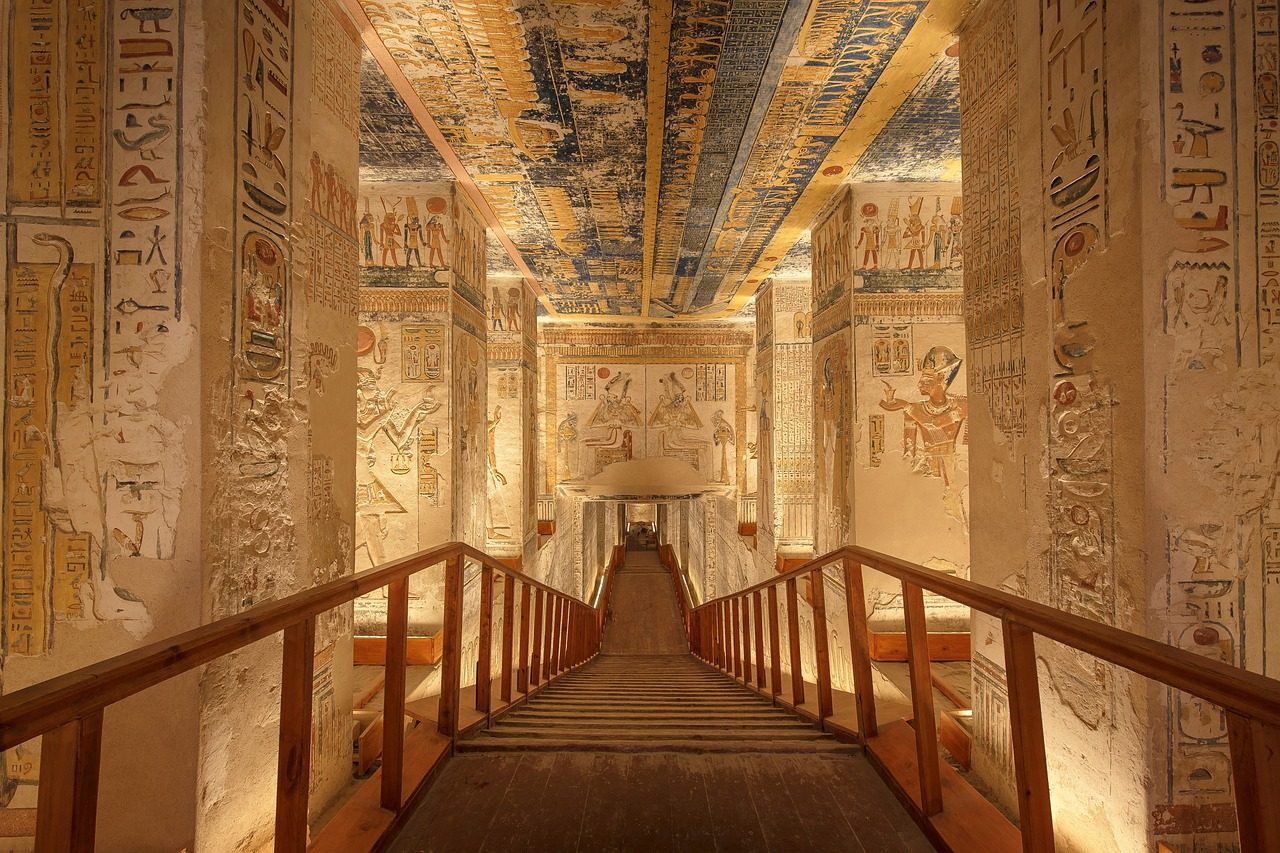
Ancient Egypt continues to captivate us precisely because it refuses to give up all its secrets. These ten mysteries represent just the tip of the iceberg. Each discovery seems to raise ten new questions, each excavation reveals layers of complexity we hadn’t anticipated. From the water-eroded Sphinx that might predate civilization as we know it, to Cleopatra’s missing tomb hiding somewhere beneath Mediterranean waters, to the curse that wasn’t really a curse, Egypt keeps us guessing.
What strikes me most is how much remains unknown despite our technological advances. We can map distant galaxies but can’t definitively explain how the pyramids were built. We can decode DNA but can’t locate Nefertiti’s remains. These mysteries remind us that the past still has the power to humble us, to show us the limits of our knowledge. Maybe that’s part of Egypt’s enduring appeal. It’s a civilization that achieved the seemingly impossible, left monumental evidence of its greatness, yet kept its deepest secrets locked away.
What do you think about these mysteries? Could the Sphinx really be thousands of years older than we thought? Will Cleopatra’s tomb ever be found? Share your thoughts in the comments below.