On a frozen Antarctic plateau where exposed skin can freeze in minutes, tiny insects cling to life in films of ice, while hundreds of meters below the ocean surface, fish glide through water so cold it should turn their blood to slush. High above the Andes, mammals breathe air so thin most of us would black out, and in deserts, lizards walk across sand that can reach scorching temperatures of 150°F or more. For most humans, these places are warnings on a map; for other species, they are simply home. The mystery is not just that animals survive there, but that many of them thrive with an ease that seems almost impossible. Scientists are now uncovering the molecular tricks, behavioral strategies, and evolutionary gambles that make this resilience possible – and what we learn from them may change how we think about our own limits.
The Hidden Clues: Life on the Edge of Impossible
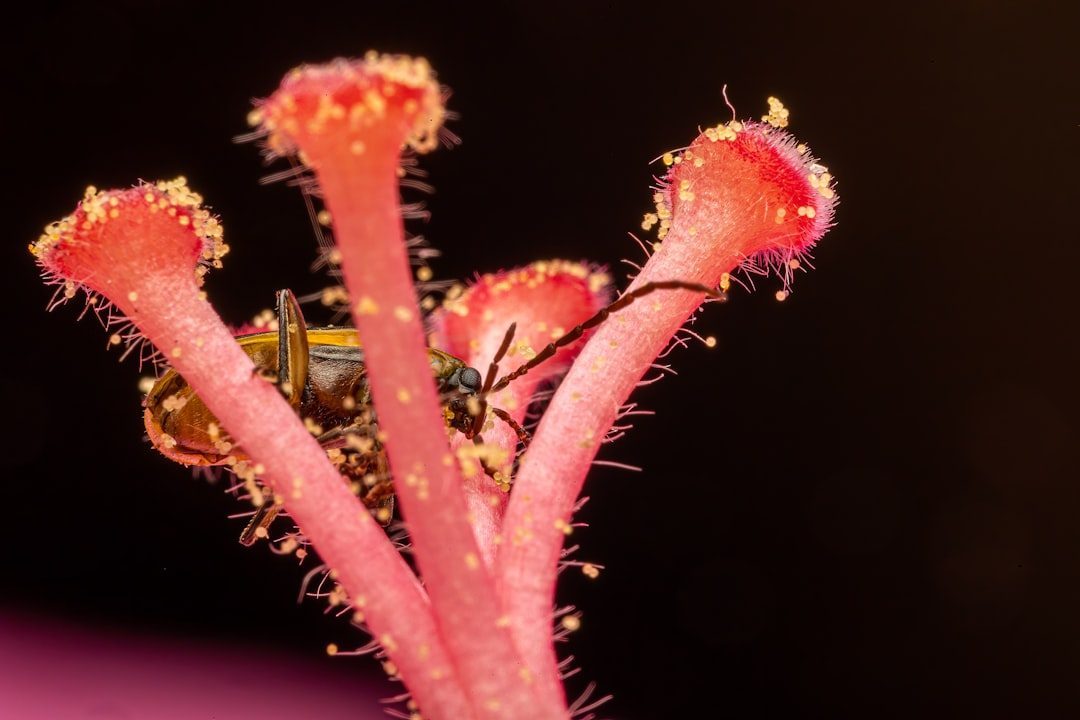
Imagine standing in Antarctica at the coldest recorded temperatures on Earth, and realizing that a microscopic insect called the Antarctic midge is not merely surviving but completing its life cycle there. This tiny creature can lose nearly all the water in its body, entering a glass-like suspended state that allows it to endure freezing that would shatter the cells of most animals. Polar fish show a similar defiance of basic physics, using special antifreeze proteins in their blood to keep ice crystals from spreading through their tissues. These adaptations are not lucky accidents; they are the winners of millions of years of harsh evolutionary trials that quietly rewrote the rules of what bodies can endure. The clues are often subtle – slightly thicker fur, a modified blood pigment, a behavioral tweak – but together they form an elaborate survival script.
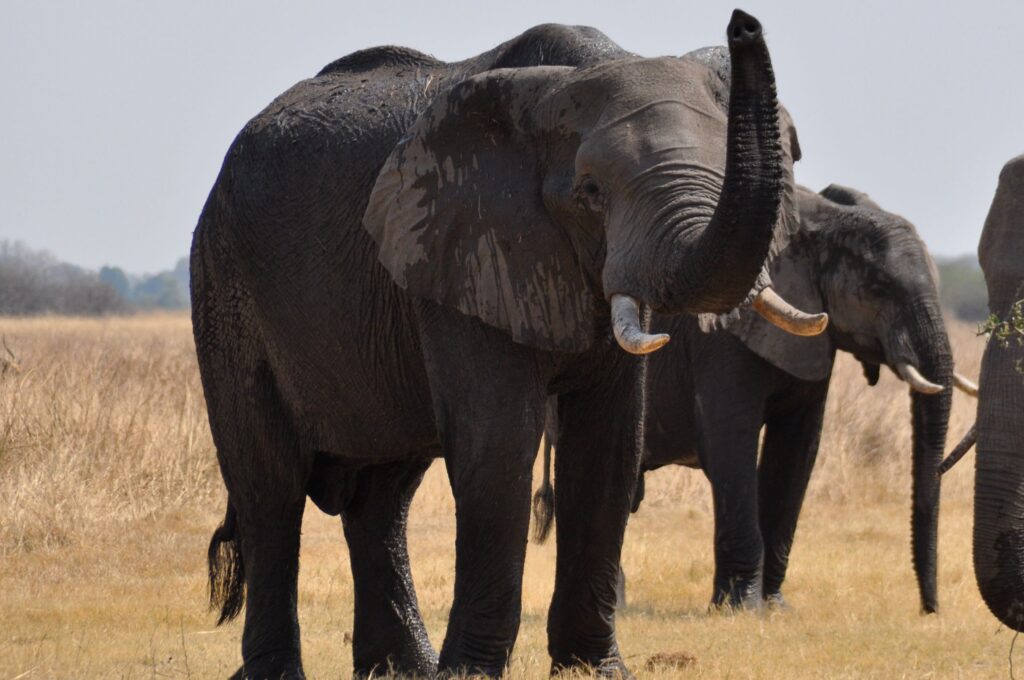
High in mountain ranges such as the Himalayas and Andes, bar-headed geese and camelids like vicuñas offer another set of clues about life on the edge. They have evolved blood with a stronger attraction for oxygen, allowing them to extract what little is available in the thin air, while their lungs and hearts are tuned for endurance rather than speed. These animals turn what would be a suffocating environment for humans into a daily commute or grazing ground. Taken together, creatures of ice, height, and heat reveal that extreme environments are not empty wastelands but laboratories where life runs fierce, risky experiments. Each adaptation is a data point in a long-running test of what biology can pull off under pressure.
Frozen Frontiers: How Animals Beat the Cold
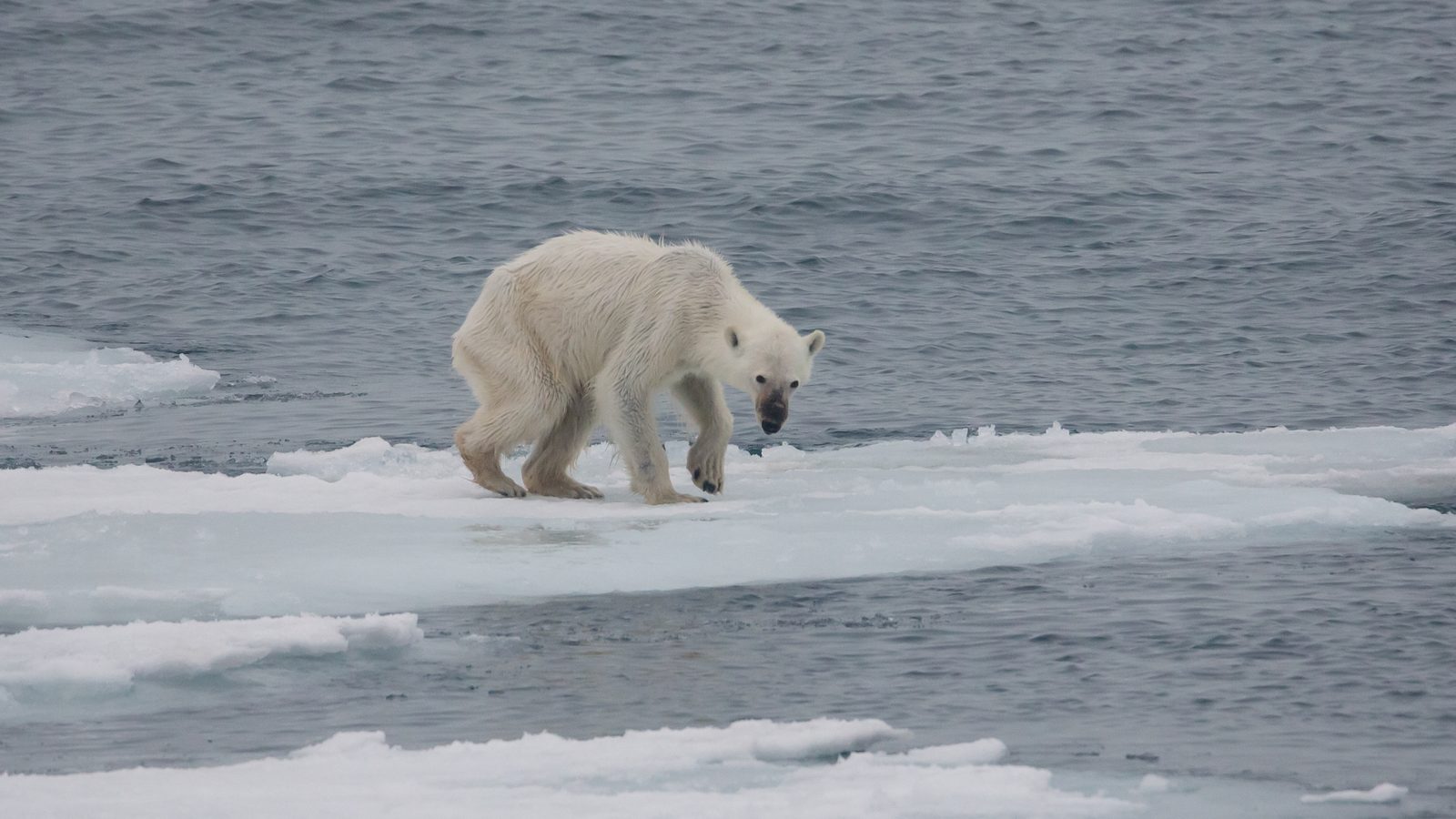
In the coldest habitats, the battle is simple and brutal: do not let your cells freeze, and do not run out of energy. Arctic foxes and polar bears fight that battle with thick insulating fur, compact bodies that reduce heat loss, and layers of fat that serve as both insulation and energy banks. Smaller animals, like lemmings, survive winters by tunneling under the snow, using the thin layer between soil and snowpack as a surprisingly stable microclimate, warmer and safer than the open air above. Some frogs and turtles take an even more radical route, allowing parts of their body fluids to freeze while flooding their cells with natural antifreeze compounds like glucose that limit damage. From the outside, these animals can appear lifeless in winter, only to thaw and hop away when warmth returns.
Marine animals at polar latitudes deal with cold in an environment that conducts heat away even faster than air. Antarctic notothenioid fish, for example, circulate antifreeze proteins that bind to tiny ice crystals, stopping them from growing and turning blood into solid ice. Seals and whales rely on thick layers of blubber and efficient circulatory systems that shunt warm blood away from flippers and fins when necessary, balancing mobility with heat conservation. Even microscopic plankton use slower metabolisms and protective coatings to endure long dark winters beneath sea ice. These frozen frontiers prove that cold does not simply push life to its limits; it reshapes metabolism, chemistry, and behavior from the inside out.
Furnace Worlds: Desert Survivors of Heat and Thirst
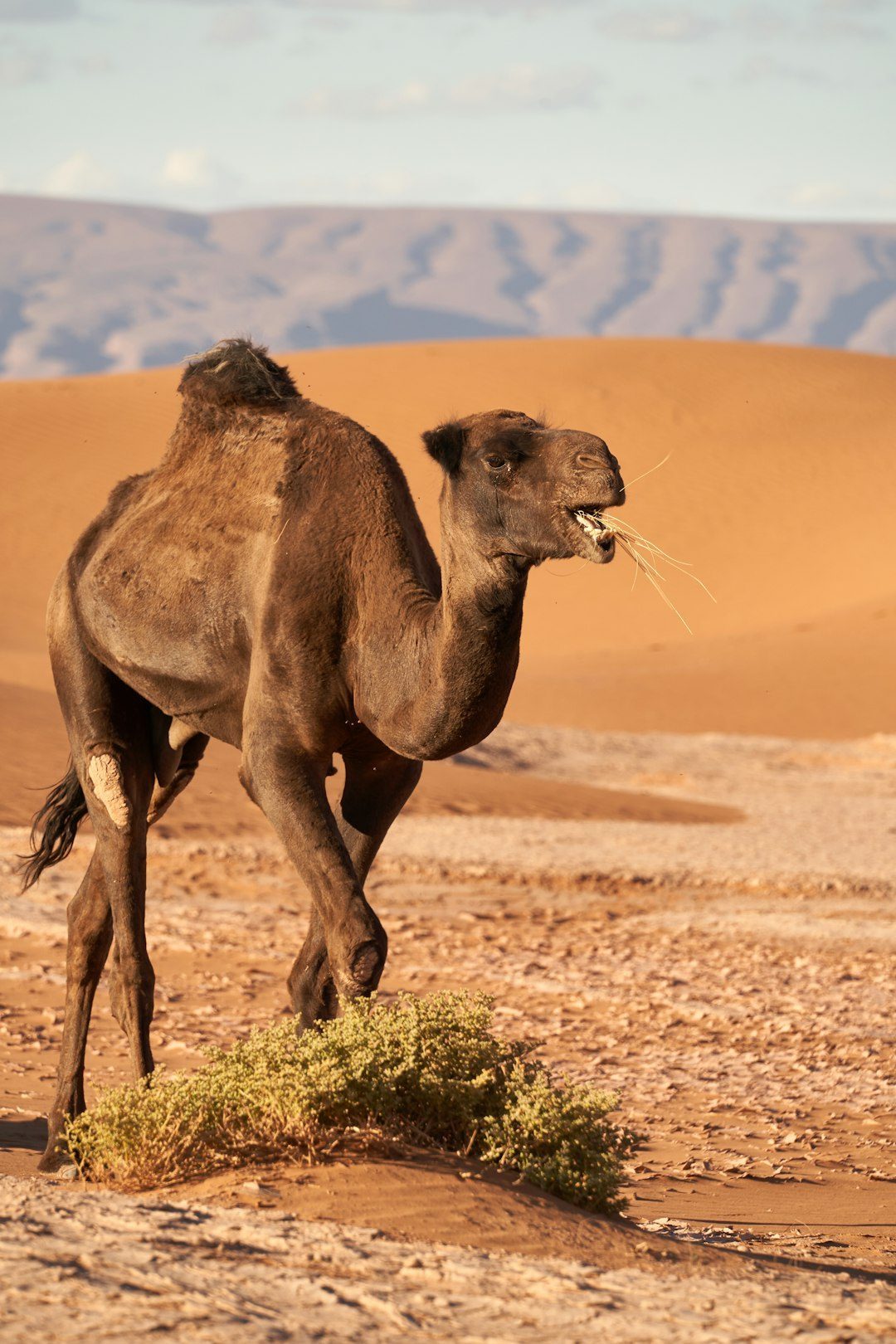
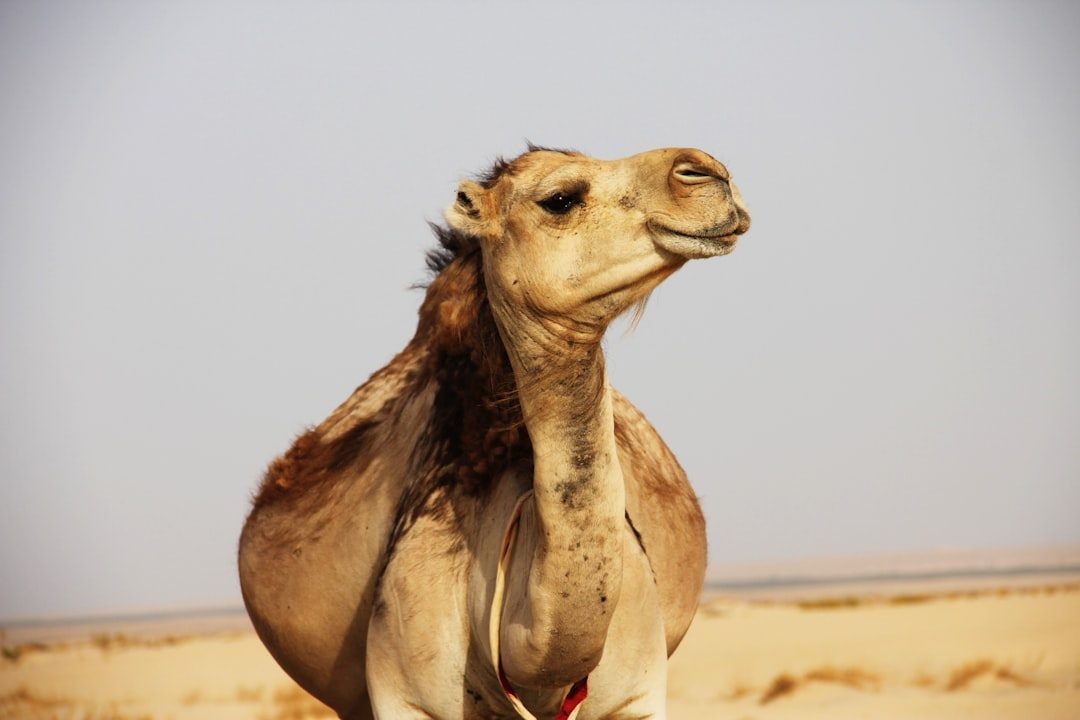
In deserts, survival is not about holding on to heat but getting rid of it without losing the water that keeps cells alive. Many desert mammals, like kangaroo rats, almost never drink liquid water at all, instead extracting moisture from seeds and producing urine so concentrated it borders on syrup. Some lizards and snakes time their activity to the margins of the day, baking just long enough to warm their muscles before diving back into burrows where temperatures are far more reasonable. Large animals such as camels and oryx have mastered a different strategy: they tolerate body temperatures that would be dangerous for humans, temporarily storing heat during the day and dumping it at night when the air cools.
Desert birds and insects display heat-handling tricks that verge on science fiction. Certain desert ants forage at midday when the ground surface can scorch, relying on long legs to lift their bodies above the hottest layer of air and reflective hairs that bounce infrared radiation away. Vultures and other scavengers that soar over deserts use spectacularly efficient flight to minimize their energy use in a place where food is unpredictable and sparse. Even their feathers and skin contribute, forming barrier layers that slow water loss in a drying wind. When you piece these stories together, a desert stops looking like a place where life barely hangs on, and more like a proving ground for some of the most sophisticated thermal engineering evolution has ever produced.
Thin Air, Crushing Depths: Extremes of Oxygen and Pressure

Climb above the clouds or dive below the waves, and oxygen becomes the next major currency of survival. High-altitude mammals, from Tibetan antelope to Andean rodents, have hemoglobin molecules tuned to grab oxygen more aggressively from thin air, and lungs packed with more tiny air sacs to increase the surface area for gas exchange. Their hearts tend to be slightly enlarged, and their blood vessels remodeled to deliver oxygen with ruthless efficiency, turning what would be a dizzying climb for humans into a routine trek. Even their cells work differently, relying more on pathways that squeeze maximum energy from every molecule of oxygen available.
In the deep sea, the problem flips: the water can be low in oxygen while pressure becomes overwhelming. Many deep-sea fish and invertebrates solve this by slowing their metabolisms to a crawl, living life in a kind of permanent slow motion that makes every meal last. Their cell membranes are chemically tweaked to stay flexible under pressures that would crush unadapted tissues, and some rely on special pigments and oxygen-binding proteins to wring sparse oxygen out of the water. At hydrothermal vents, animals like tubeworms and shrimp form partnerships with bacteria that convert chemicals from superheated fluids into energy, turning toxic plumes into underwater oases. High peaks and deep trenches may sit at opposite ends of the map, but animals in both places demonstrate that oxygen and pressure are negotiable, not absolute limits.
Radiation, Acidity, and Toxic Worlds: Surviving the Unseen Threats
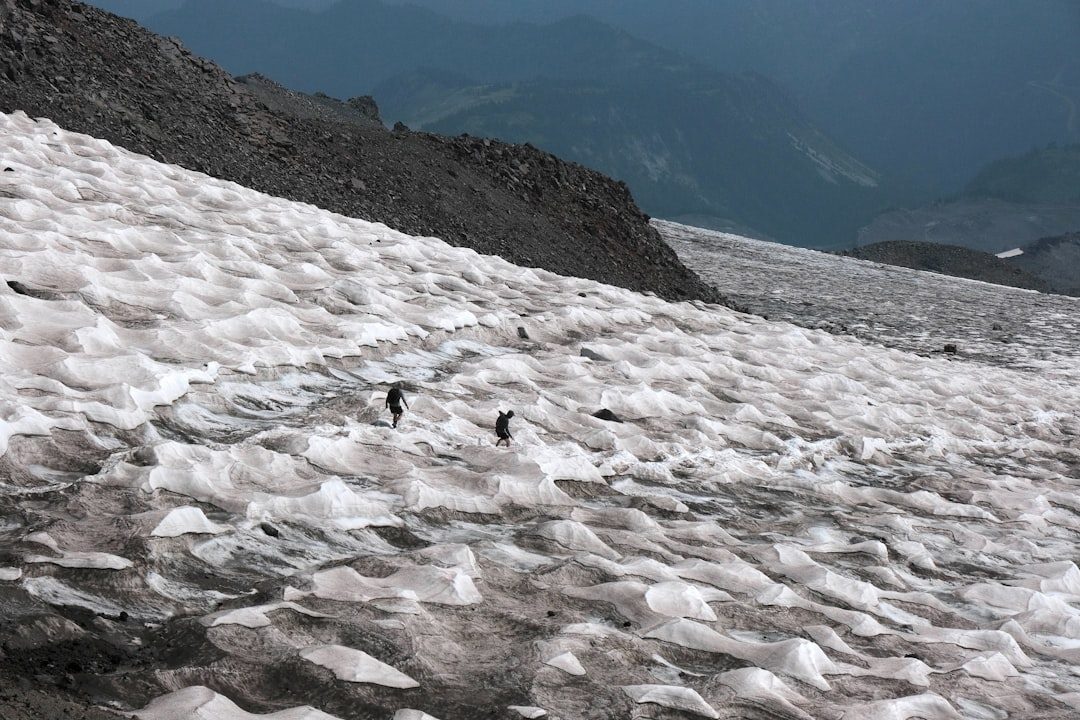
Not all harsh environments look dramatic at first glance; some destroy from the inside out through radiation, acidity, or toxins. Certain microscopic animals, like tardigrades, have gained attention for surviving doses of radiation that would be lethal to humans many times over, using powerful DNA repair systems and protective proteins that act like molecular shields. In highly acidic rivers near volcanic regions or mining sites, fish and invertebrates have evolved gills and ion-transport systems that keep their internal chemistry stable even as the water around them would strip metal. Salt flats and hypersaline lakes host brine-loving crustaceans and microbes that use special pumps and proteins to keep their cells from shriveling in a briny assault. These organisms do not just tolerate stress; they have built their entire way of life around it.
Heavy-metal-contaminated soils offer another window into toxic survival. Some insects and small vertebrates that live near polluted sites have evolved ways to bind and sequester metals such as cadmium or lead, stashing them in parts of the body where they cause less harm. Their survival comes at a cost, often involving slower growth or reduced fertility, but it demonstrates how quickly natural selection can work under extreme pressure. In some hot springs and geothermal fields, animals partner with microbes that perform chemical magic, detoxifying sulfur or metal compounds and turning them into more manageable forms. Together, these examples reveal that many harsh environments are not just remote wildernesses but also damaged or altered landscapes where life is forced to improvise in real time.
Why It Matters: Lessons in Resilience for a Warming, Changing World
Understanding how animals survive in extreme environments is no longer a niche curiosity; it is a survival manual for a planet in rapid transition. As climate change pushes temperatures higher, alters rainfall patterns, and rearranges ocean currents, the strategies that desert, polar, and high-altitude species use today could foreshadow what more and more animals will need tomorrow. Traditional ecological studies often focused on average conditions, but extreme survivors force scientists to pay attention to the spikes – the heatwaves, cold snaps, droughts, and storms that are becoming more frequent. By comparing these modern extremes to past records locked in ice cores or sediments, researchers can see whether today’s shifts are within the bandwidth animals have handled before, or something entirely new.
There are also very practical payoffs. The antifreeze proteins in polar fish are inspiring better ways to store organs and tissues for medicine, while the water-saving tricks of desert animals may help design crops and technologies that need far less water. Insights from high-altitude blood chemistry are feeding into treatments for heart and lung disease, and the DNA repair skills of radiation-resistant creatures could inform new approaches to protecting human cells from damage. In a way, extreme animals are running field tests that humans could never ethically or safely conduct on ourselves. Ignoring what they have already proven possible would mean walking blind into the future when we could be learning from experts that have been improvising in harsh conditions for ages.
The Future Landscape: New Technologies and New Pressures
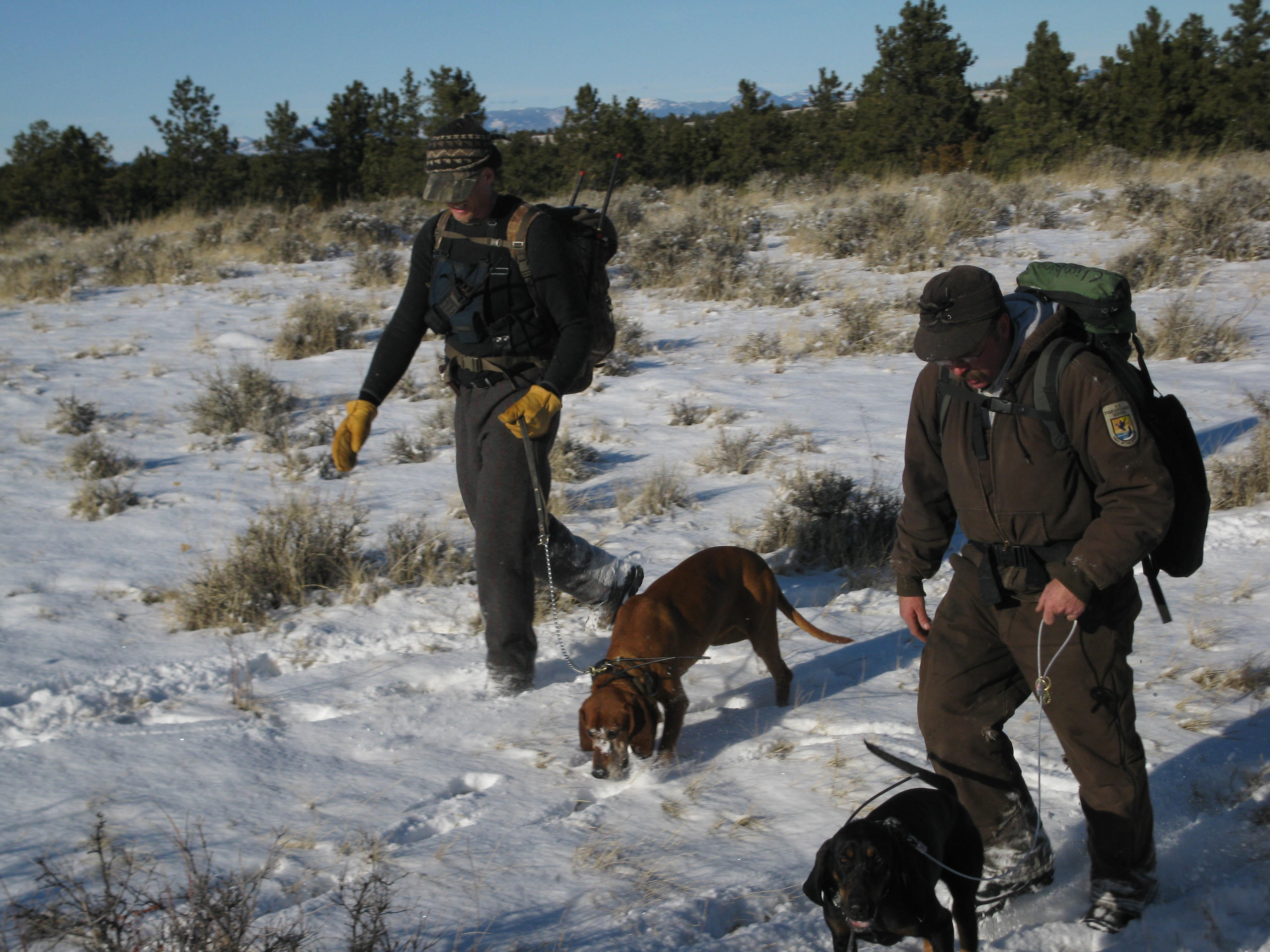
The tools scientists are using to study extreme survivors are becoming as radical as the environments themselves. Tiny tracking devices now follow Arctic birds across entire hemispheres, revealing how they adjust routes and timing as sea ice patterns shift. Genetic sequencing lets researchers identify the exact mutations that give high-altitude mammals an advantage, or that allow a fish to keep its blood flowing just above the freezing point. Databases that combine satellite imagery, climate models, and animal movement data help project where extreme conditions will expand or intensify, turning once-rare stressors into regular features of life. These technologies transform scattered observations into a more connected view of resilience and risk.
At the same time, the future for many of these hardy animals is far from secure. Rapid warming in polar regions threatens to outpace the ability of cold-adapted species to adjust, while desert animals may find that even their impressive tricks are no match for extended megadroughts. Human activities such as mining, deep-sea drilling, and high-altitude development add extra layers of pressure to already marginal habitats. A few species may adapt quickly or shift ranges, but many others will likely see their carefully evolved strategies fail under combinations of stress they have never faced before. The story of extreme survival, once mostly about awe and curiosity, is increasingly about whether resilience can keep up with the speed of human-driven change.
Human Footprints in Extreme Places: From Curiosity to Responsibility
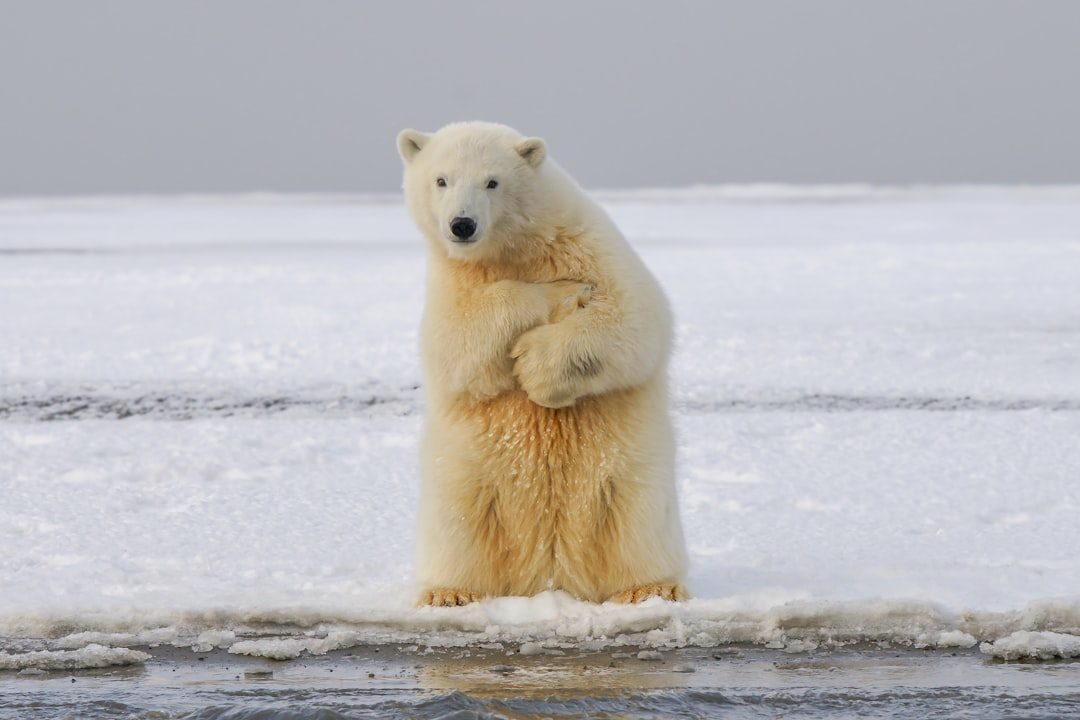
For a long time, the harshest environments on Earth felt distant, more like backdrops for adventure stories than places tied to daily life. That illusion is fading fast as shipping lanes open in the Arctic, mountaintop tourism expands, and industries eye the deep sea for minerals. Each of these moves carries a hidden cost for animals that have spent millennia perfecting how to live in narrow margins of safety. Noise from ships can disorient whales that navigate by sound, and even small changes in ice cover can wreck the feeding strategies of seals and polar bears. On mountaintops, trails, roads, and ski developments can slice up habitats that already exist as isolated islands.
At the same time, these encounters offer moments of connection that can change how people see the world. Watching a high-altitude condor glide along a cliff or glimpsing an Arctic fox’s winter coat can turn abstract ideas about adaptation into something visceral and personal. The challenge is to turn that emotional jolt into responsibility rather than just entertainment. Choices about where we build, drill, travel, and consume either give extreme survivors room to maneuver or tighten the vise around them. Recognizing our role in their story is not about guilt; it is about finally admitting that our decisions reach far beyond the comfortable zones we usually inhabit.
Conclusion: How You Can Stand with Earth’s Toughest Survivors
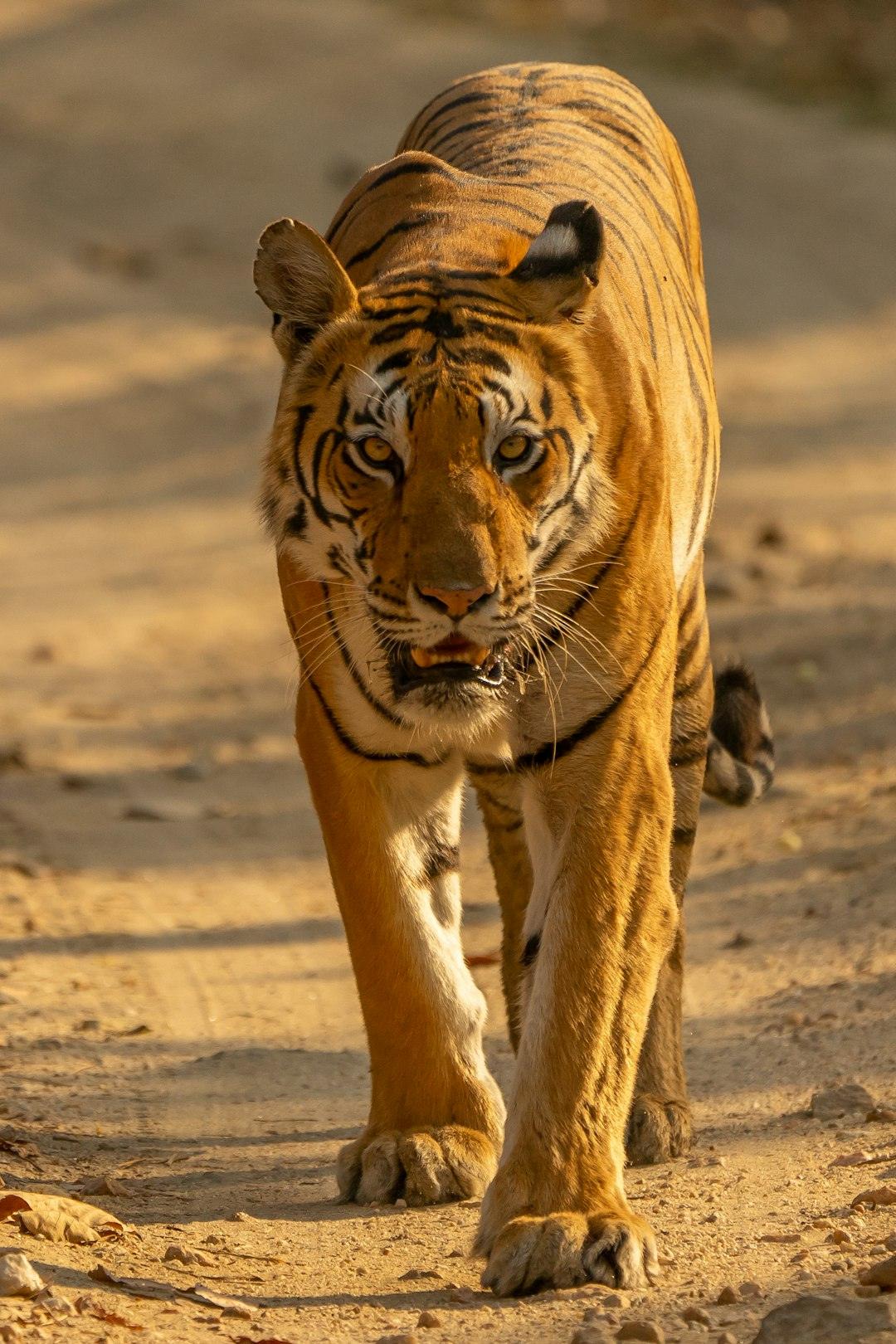
Caring about animals in remote deserts, polar seas, and mountain peaks might feel abstract, but your choices reach those places more directly than it seems. Supporting conservation groups that protect critical habitats, push for marine reserves, or fight destructive deep-sea mining is one straightforward step; even modest donations, memberships, or sharing their work can amplify their reach. Adjusting everyday habits – using less energy, choosing products with lower environmental footprints, and eating more sustainably – slowly reduces the pressure that climate change and pollution put on extreme environments. Learning the stories of a few flagship species, like a favorite Arctic bird or deep-sea creature, can also make distant ecosystems feel personal instead of theoretical.
Education and curiosity are powerful tools, too. Watching documentaries, following field scientists and wildlife projects, and encouraging schools and community groups to include more climate and adaptation science in their activities can help shift public expectations about what needs protection. When policies about protected areas, emissions, or industrial expansion in fragile regions come up for debate, adding your voice – through votes, comments, or local discussions – signals that these habitats are not just empty spaces on a map. In the end, the animals that master ice, heat, darkness, and thin air are specialists in resilience, but they cannot negotiate laws or redesign global economies. The question is whether we are willing to adapt our own behavior as bravely as they have adapted their bodies.
Suhail Ahmed is a passionate digital professional and nature enthusiast with over 8 years of experience in content strategy, SEO, web development, and digital operations. Alongside his freelance journey, Suhail actively contributes to nature and wildlife platforms like Discover Wildlife, where he channels his curiosity for the planet into engaging, educational storytelling.
With a strong background in managing digital ecosystems — from ecommerce stores and WordPress websites to social media and automation — Suhail merges technical precision with creative insight. His content reflects a rare balance: SEO-friendly yet deeply human, data-informed yet emotionally resonant.
Driven by a love for discovery and storytelling, Suhail believes in using digital platforms to amplify causes that matter — especially those protecting Earth’s biodiversity and inspiring sustainable living. Whether he’s managing online projects or crafting wildlife content, his goal remains the same: to inform, inspire, and leave a positive digital footprint.