Imagine your brain as a busy theater where the most extraordinary performances unfold every single night. You drift off to sleep thinking your mind finally gets a rest, yet something fascinating happens. Your brain actually becomes more active, creating vivid, sometimes bizarre narratives that can feel more real than reality itself.
Sleep researchers have discovered that dreaming isn’t just random mental noise. It’s a sophisticated process that serves crucial functions for your mental health, emotional well-being, and cognitive development. From processing daily experiences to rehearsing future scenarios, your dreams work tirelessly to keep your mind sharp and emotionally balanced.
Your Brain’s Nightly Theater Production

When you dream, your brain acts as if it’s somewhat awake, with cerebral neurons firing with the same overall intensity as in wakefulness, even though your body remains functionally isolated. Your brain activity ramps up, often leading to vivid dreams, with activity that looks very similar to brain activity while you’re awake.
The amygdala, an almond-shaped structure involved in processing emotions, becomes increasingly active during REM sleep. Meanwhile, the prefrontal cortex of the brain, responsible for keeping impulses in check, slowly grows less active, leading to an unconstrained window of consciousness with little censorship from the mind, allowing for visceral dreams and creative thoughts.
Dreams are highly visual, in full color, rich in shapes, full of movement, and incorporate typical wakefulness categories such as people, faces, places, objects, and animals. They also contain sounds including speech and conversation, and more rarely tactile percepts, smells and tastes, as well as pleasure and pain.
The Memory Consolidation Workshop

Research indicates that dreaming plays a crucial role in memory consolidation, helping to organize and integrate new information with existing memories. REM sleep is important because it stimulates the areas of your brain that help with learning and memory, transferring short-term memories into long-term memories.
Recent studies have found links between dream content and memory consolidation, with research suggesting that dreams may reflect the role of sleep in updating and integrating memories and new information gathered throughout the day. Think of your dreaming mind as a librarian, carefully filing away the day’s experiences and connecting them to your existing knowledge.
Emotional Processing and Regulation

Neuroscientist Dr. Rahul Jandial says dreams benefit us from helping regulate emotions, to processing trauma. Dreams might help us process and regulate emotions by reliving and working through emotional experiences in our dreams, we can achieve emotional balance and resilience in our waking lives.
In dreams, we’re kind of processing our recent experiences and memories, especially those memories that are really emotional and important, and during dreams, it seems like we’re kind of reworking recent memories and making associations to other things we’ve experienced in the past, trying to learn how to deal with these scenarios.
Some researchers have called dreaming a form of overnight therapy, helping us to deal with and adapt to the difficult things that we face in life. Your dreams essentially provide a safe space where you can confront difficult emotions without real-world consequences.
The REM Sleep Connection

Dreams are the most prolific and intense during the rapid eye movement (REM) stage. Subjects awakened from REM sleep recall elaborate, vivid, hallucinogenic and emotional dreams. REM sleep first occurs about 90 minutes after falling asleep, with your eyes moving rapidly from side to side behind closed eyelids.
Electroencephalography during REM sleep reveals fast, low amplitude, desynchronized neural oscillation that resembles the pattern seen during wakefulness, which differs from the slow delta waves pattern of non-REM deep sleep. Usually, REM sleep happens 90 minutes after you fall asleep, with the first period lasting 10 minutes, but each later REM stage gets longer, and the final one may last up to an hour.
Fear Extinction and Trauma Processing

Normal dreaming serves a fear-extinction function and nightmares reflect failures in emotion regulation. Dreams can defuse emotional traumatic memories when the emotional regulation and fear extinction mechanisms are compromised by traumatic events, representing a sort of simulation of reality that provides the possibility to create a new scenario with emotional mastery elements.
When we go through trauma or severe adversity, this can trigger nightmares, as the emotional memory is so intense that it disrupts this function of sleep and jolts us out of sleep into wakefulness. Understanding this helps explain why some people experience recurring nightmares after traumatic events.
The Visual Cortex Protection Theory
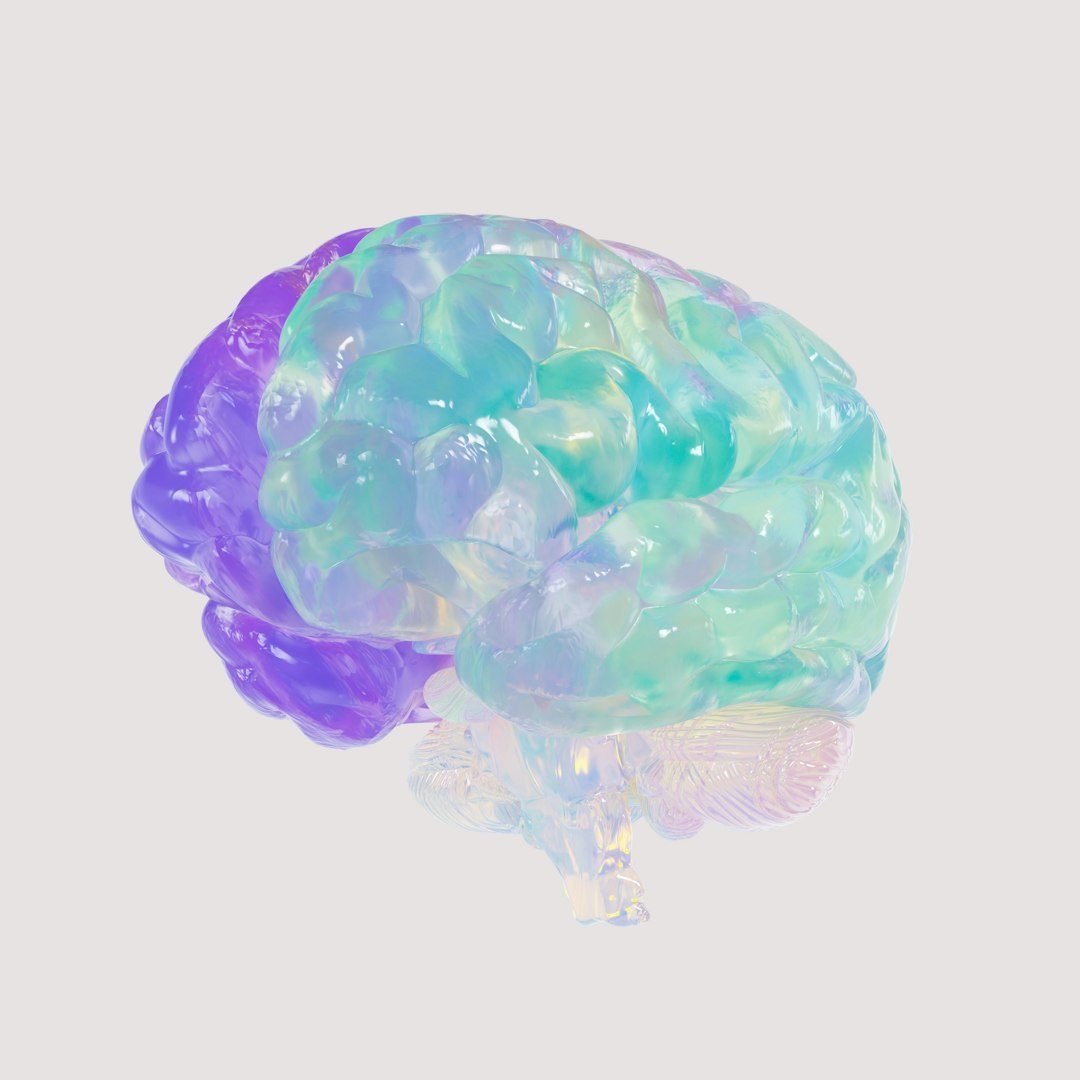
David Eagleman, a neuroscientist, has proposed that dreaming is necessary to safeguard the visual cortex, working like a computer screen saver that prevents the visual cortex from being usurped by other functions. REM conforms to when the visual cortex needs to start defending its territory, with scans showing most brain activity associated with REM within the visual cortex, as dreams are the brain’s way of fighting takeover from other senses.
This theory suggests that these visual hallucinations in the night may let us see during the day. Your dreams might literally be preserving your ability to process visual information effectively when you’re awake.
Brain Development and Children’s Dreams

Scores on mental imagery tests are the parameter that correlates best with dream reports in children, with children having the most developed mental imagery and visuo-spatial skills reporting the most dreams, suggesting a real difference in dream experience. Visuo-spatial skills are known to depend on the parietal lobes, which continue developing and myelinating through childhood and adolescence.
Babies spend a lot of time in the REM stage, up to 50% of their sleep, while adults spend only about 20% in REM. This suggests that dreaming plays a particularly important role in brain development during early childhood.
Different Sleep Stages and Dream Quality

Subjects awakened during non-REM sleep report fewer dreams, which, when they occur, are more conceptual, less vivid and less emotion-laden. Some dreaming can take place during non-REM sleep, with light sleepers experiencing dreaming during stage 2 non-REM sleep, whereas deep sleepers are more likely to report thinking but not dreaming.
Dream reports sampled after REM awakening have on average a larger connectedness compared to those sampled after non-REM sleep, with words recurring with a longer range, a difference which appears to be related to underlying differences in dream complexity.
The Nightmare Function and Dysfunction

The limbic system, particularly the amygdala, plays a key role in processing emotions and is highly active during REM sleep, potentially contributing to the emotional intensity of nightmares. Nightmares are associated with suicidal behavior and emotion dysregulation, though targeted sleep interventions may improve emotion regulation and mental health outcomes.
Evidence shows that we dream to forget, with dreaming playing an active role in emotional memory processing. However, when this system becomes overwhelmed, nightmares can develop as a sign that your emotional processing system needs additional support.
The Continuity Between Waking and Dreaming

These phenomenological similarities are reflected in neurophysiological similarities between waking and dreaming. Dreams are a remarkable experiment in psychology and neuroscience, conducted every night in every sleeping person, showing that our brain, disconnected from the environment, can generate by itself an entire world of conscious experiences.
When participants are able to recall their dreams, they perceive their sleep as deeper, and when they are more immersed in their dreams or have more vivid dreams, they wake up feeling their sleep was deeper compared to when they have no or light dream activity. Your dream experiences directly influence how rested you feel upon waking.
Conclusion: The Mystery Continues

Despite decades of research, experts in neuroscience and psychology continue conducting experiments to discover what happens in the brain during sleep, but even with ongoing research, it may be impossible to conclusively prove any theory for why we dream. What we do know is that dreaming serves multiple crucial functions for your mental and emotional health.
From processing memories and emotions to maintaining your visual processing abilities, dreams represent one of your brain’s most sophisticated operations. Perhaps dreams aren’t instilled with meaning, symbolism, and wisdom in the way we’ve always imagined, and they simply reflect important biological processes taking place in our brain, but with all that science has uncovered about dreaming and the ways in which it links to creativity and memory, the magical essence of this universal human experience remains untainted.
What fascinates you most about your own dream experiences? Have you ever noticed patterns between your daily stresses and your nighttime dreams?