
The vast, pristine landscape of Antarctica hides one of science’s greatest treasure troves. Beneath the endless white expanse lie hundreds of thousands of meteorites waiting to be discovered. These space rocks hold keys to understanding our solar system’s origins and could even tell us about the building blocks of life itself.
While meteorites fall randomly across Earth’s surface, Antarctica offers something unique. The continent’s extreme conditions create natural collection zones where these cosmic visitors accumulate over thousands of years. Scientists aren’t just hunting for rocks in the ice, they’re searching for pieces of Mars, the Moon, and asteroids that formed alongside our planet billions of years ago.
Antarctica’s Perfect Storm for Meteorite Preservation
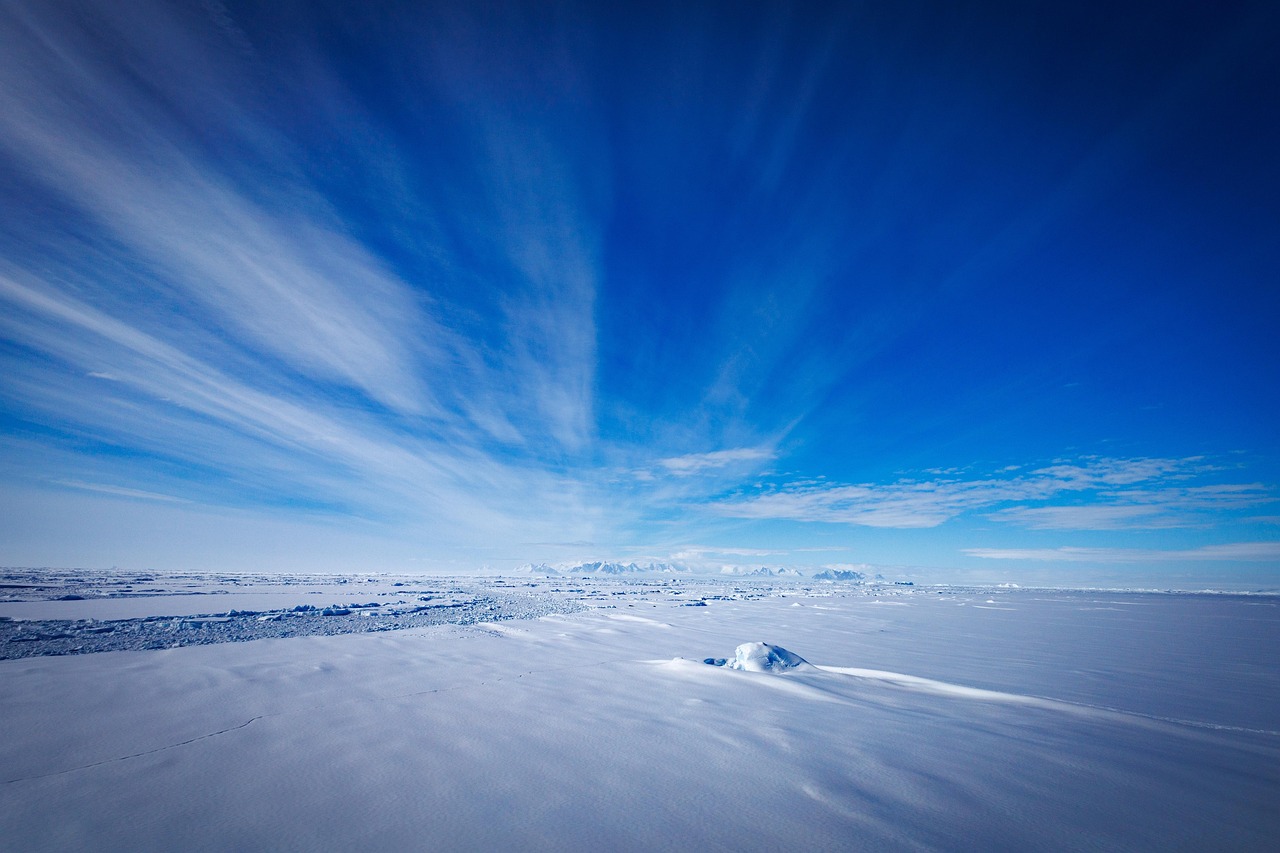
The frozen continent creates ideal conditions for preserving these ancient space rocks. The dry desert environment helps preserve the meteorites, some of which fell to Earth more than 1 million years ago. Unlike other regions where humidity and vegetation quickly corrode space rocks, Antarctica’s harsh climate essentially freeze-dries meteorites, keeping them pristine.
The East Antarctic icesheet, a desert of ice, provides an ideal background for meteorite recovery- go to the right place, and any rock you find must have fallen from the sky. The lack of terrestrial rocks means scientists can be confident that dark objects on the ice are extraterrestrial in origin. This removes guesswork and allows researchers to collect specimens without bias toward particular types or sizes.
The Blue Ice Highway to Space Treasures
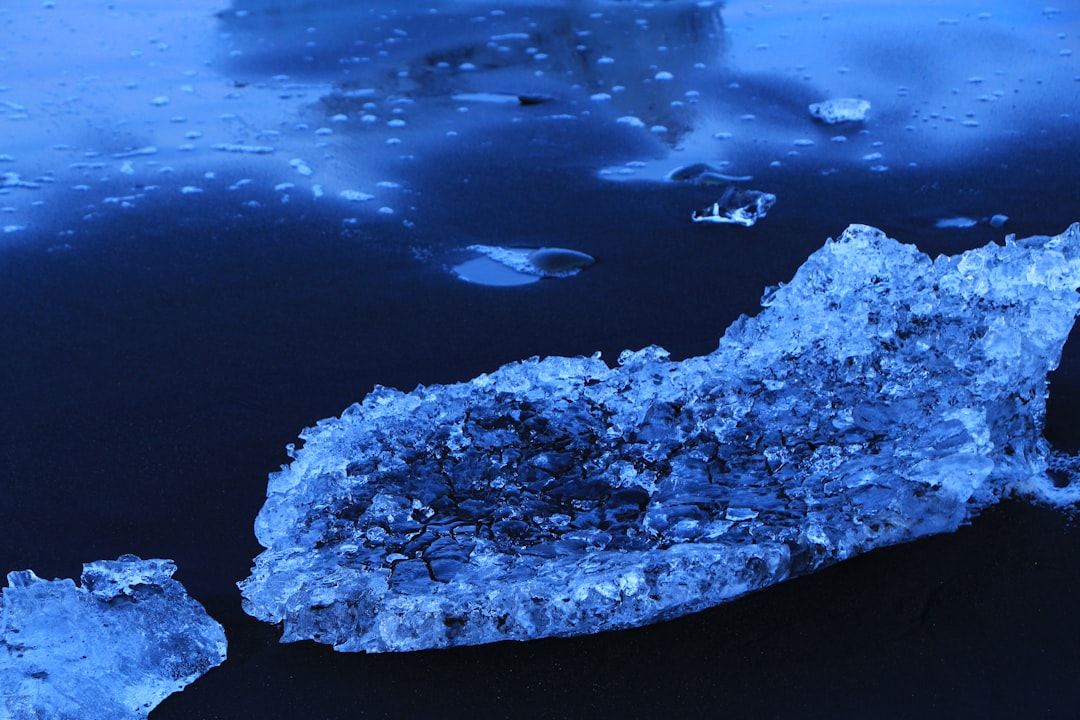
The secret to Antarctica’s meteorite abundance lies in its blue ice fields. Blue ice is created when ancient snow compresses over thousands of years, forming dense, clear ice. As these ice sheets flow over bedrock and encounter obstacles like mountain ranges, meteorites that fell to Earth millennia ago are slowly pushed up to the surface of these blue ice zones, where they become exposed and visible.
The contrast between the dark meteorites and the bright, smooth blue ice makes these rocks easy to spot, even from a distance. This natural conveyor belt system concentrates meteorites in specific areas, creating what scientists call meteorite stranding zones. Over significant stretches of time (tens or hundreds of thousands of years) phenomenal concentrations of meteorites can develop, as high as 1 per square meter in some locations.
The High-Tech Hunt for Ancient Space Rocks
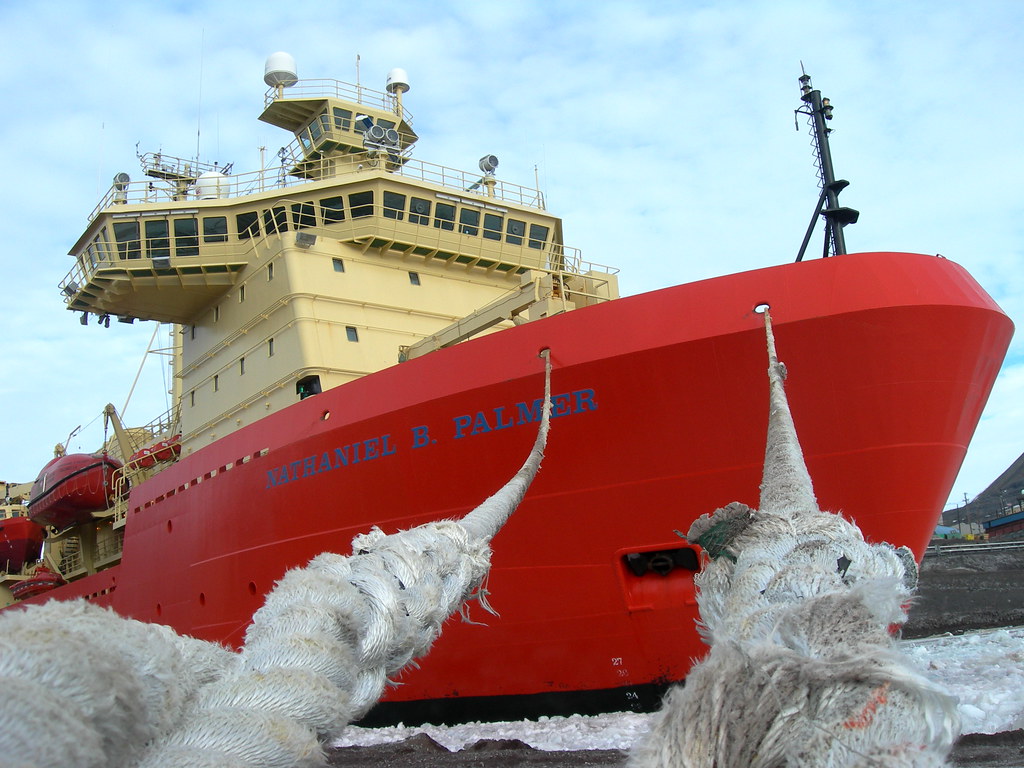
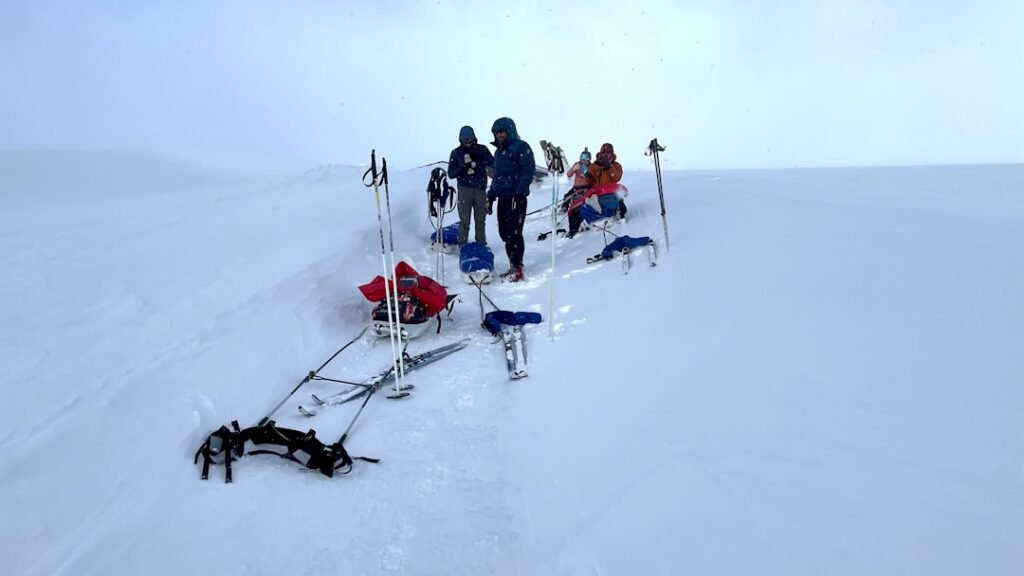
Modern meteorite hunting combines old-school techniques with cutting-edge technology. The field party members form a line, spaced 10 – 30 m apart, and slowly drive their snowmobiles across the icefield, scanning visually for specimens in their paths. Teams spend weeks in temperatures around minus 10 degrees Celsius, methodically searching vast expanses of ice.
Recent expeditions have embraced new tools for the hunt. Using a system similar to a modified landmine detector, the team can drag an array of metal detecting panels behind a snowmobile at 9 miles per hour. This technology helps locate iron meteorites buried beneath the surface, addressing a longstanding puzzle in Antarctic meteorite research.
The Mystery of Missing Iron Meteorites
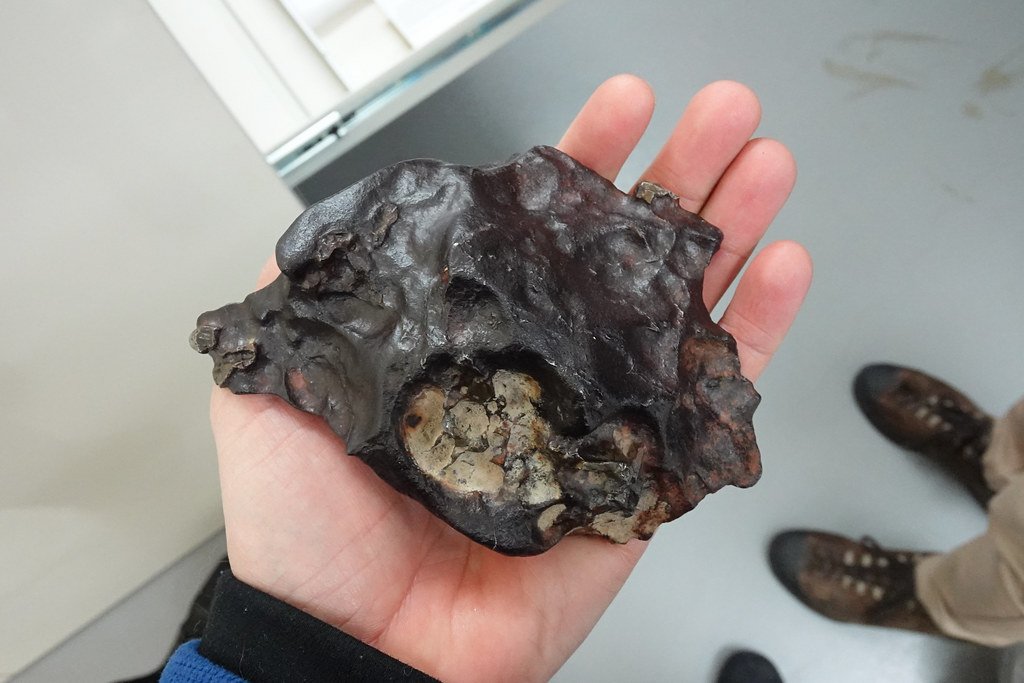
More than 60 percent of all meteorites scientists have found come from the southern continent, but researchers recently noticed something – over the years they’ve found far fewer iron meteorites from the icy domain than they would expect. In Antarctica, that ratio is only 0.5 percent, meaning searchers are missing a huge haul of important meteorites.
Scientists now believe they’ve solved this mystery. Metal meteorites heat differently than the rocky meteorites, which more or less pop out of the ice when they warm up. The iron bits begin to rise toward the surface of the ice, but when they encounter sunlight they conduct more heat, melting the ice around them and slipping deeper into the ice. These iron meteorites may be creating a hidden layer beneath the surface, invisible to traditional hunting methods.
Artificial Intelligence Maps the Future of Discovery

A revolutionary approach to meteorite hunting emerged recently when scientists deployed artificial intelligence to scan the entire continent. Researchers had artificial intelligence software analyze satellite data of the entire surface of Antarctica. Their aim was to identify the zones most likely to harbor as-yet-undiscovered meteorites on the frozen continent based on their similarities to areas where scientists had previously unearthed space rocks.
The AI program accurately identified nearly 83% of known meteorite-rich Antarctic zones. All in all, it identified more than 600 potentially meteorite-rich zones on the continent, including many currently unexplored ones, a number of which are relatively close to existing research stations on Antarctica. This technological breakthrough could revolutionize how scientists approach meteorite recovery missions.
Windows to Mars and the Moon
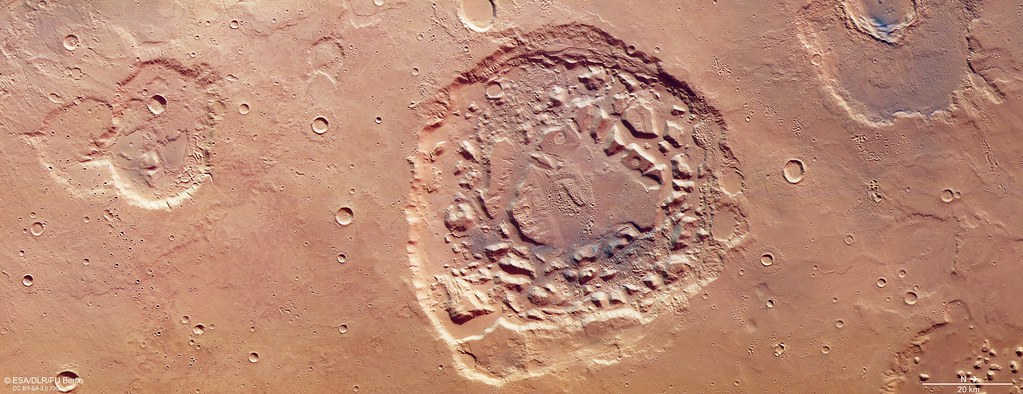
Antarctic meteorites offer unique insights into other worlds in our solar system. The study of ANSMET meteorites has greatly extended our knowledge of the materials and conditions in the primeval nebula from which our solar system was born, revealed the complex and exotic geologic nature of asteroids, and proved, against the conventional wisdom, that some specimens represent planetary materials, delivered to us from the Moon and Mars, free of charge.
The list of Antarctic meteorites also includes samples from Mars: The most famous, ALH 84001 contains minerals that support evidence that the Red Planet was warm and had water on its surface billions of years ago. These Martian meteorites were blasted from the Red Planet by asteroid impacts and traveled through space for millions of years before landing on Earth’s ice sheets.
The Race Against Climate Change
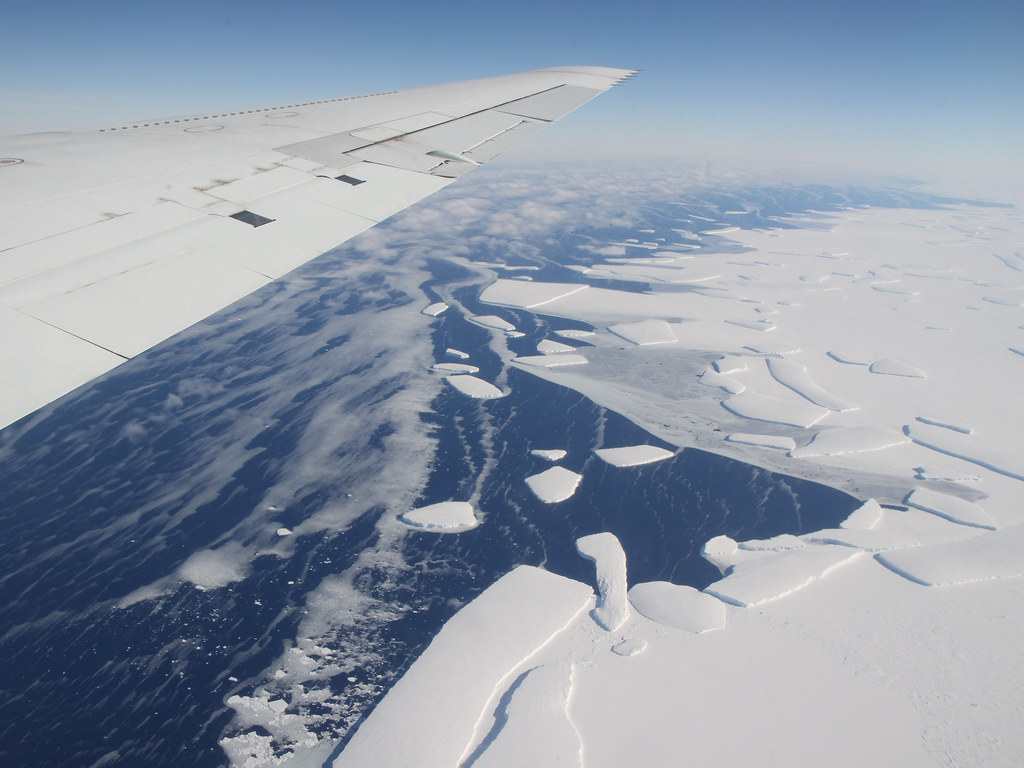
Time is running out for meteorite hunters in Antarctica. Using artificial intelligence, satellite observations, and climate model projections, a team of researchers from Switzerland and Belgium calculate that for every tenth of a degree of increase in global air temperature, an average of about 5,000 meteorites disappear from the surface of the ice sheet.
As climate change warms the poles, the extra few degrees of heat from a meteorite will more often be enough to melt the ice around and under it, sending the rock deep into the ice sheet, out of scientists’ reach. By 2050, about a quarter of the estimated of 300,000 — 800,000 meteorites in Antarctica will be lost due to glacial melt. This creates urgency for expeditions to recover as many specimens as possible while they remain accessible.
Record-Breaking Discoveries Continue
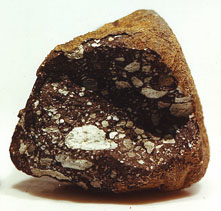
Recent expeditions have yielded remarkable finds that showcase Antarctica’s continued importance for meteorite science. A team of researchers has discovered five new meteorites in Antarctica – one of which weighs a whopping 16.7 pounds. Their largest find is among the heaviest meteorites ever found on the continent and could provide a glimpse into our solar system’s history.
The current team was the first one to search those mapped sites. The researchers identified five locations to comb for meteorites. One of the sites turned up the five extraterrestrial rocks. This successful application of AI-guided meteorite hunting demonstrates the power of combining traditional fieldwork with modern technology.
The Building Blocks of Life
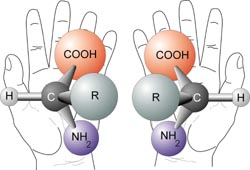
Antarctic meteorites may hold clues to life’s origins on Earth and beyond. Some meteorites contain organic compounds, such as amino acids, which are the basic building blocks of proteins and essential to life as we know it. Studying these compounds helps researchers understand the potential for life beyond Earth and supports the theory that organic materials may have been delivered to Earth by meteorites in its early history.
One particularly fascinating discovery involved opal in Antarctic meteorites. Planetary scientists have discovered pieces of opal in a meteorite found in Antarctica, a result that demonstrates that meteorites delivered water ice to asteroids early in the history of the solar system. This finding suggests that water delivery mechanisms were active throughout the early solar system, potentially seeding multiple worlds with the ingredients necessary for life.
International Collaboration on Ice
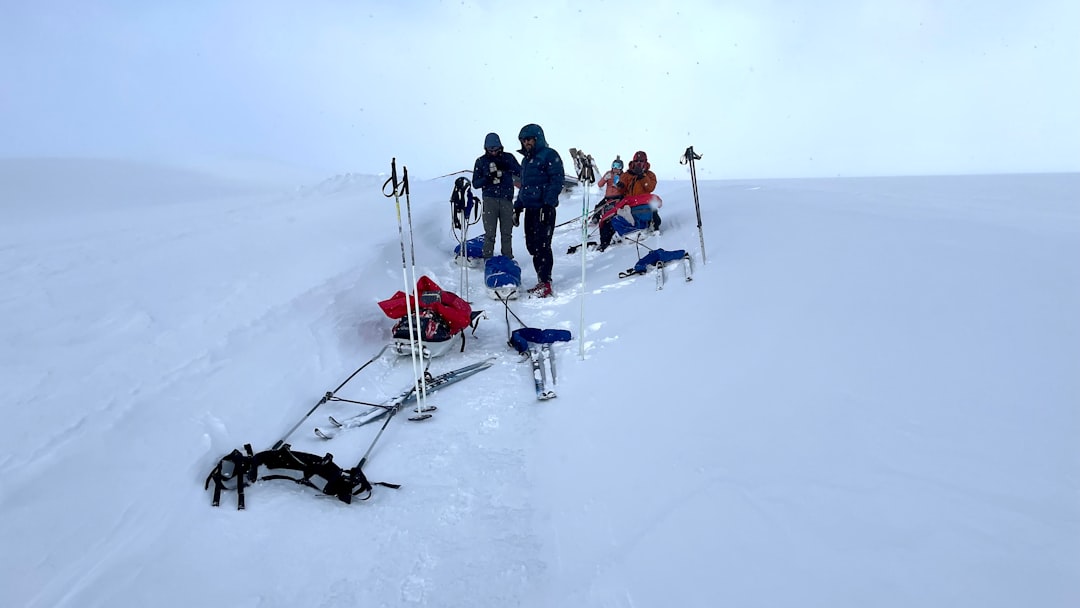
Since 1976 we have recovered more than 23,000 specimens from meteorite stranding surfaces along the Transantarctic Mountains. These specimens are a reliable, continuous source of new, non-microscopic extraterrestrial material and support thousands of scientists from around the globs as they seek essential “ground-truth” concerning the materials that make up the asteroids, planets and other bodies of our solar system.
Programs like the ANSMET (Antarctic Search for Meteorites), a U.S.-led initiative, and collaborations with countries such as Japan, Italy, and Germany, have been at the forefront of meteorite recovery in Antarctica. Thanks to these collaborations, thousands of meteorites are recovered from Antarctica every year and distributed to research labs worldwide, allowing scientists globally to study the solar system’s formation, evolution, and chemical composition. This international approach ensures that discoveries benefit the global scientific community.
because the continent serves as Earth’s greatest natural meteorite repository. The unique combination of preservation conditions, natural concentration mechanisms, and stark visual contrast makes it the most productive meteorite hunting ground on our planet. With hundreds of thousands of space rocks still waiting to be discovered and climate change threatening their accessibility, the race is on to unlock these cosmic time capsules before they disappear forever. What secrets from our solar system’s birth will these ancient visitors reveal next?
Jan loves Wildlife and Animals and is one of the founders of Animals Around The Globe. He holds an MSc in Finance & Economics and is a passionate PADI Open Water Diver. His favorite animals are Mountain Gorillas, Tigers, and Great White Sharks. He lived in South Africa, Germany, the USA, Ireland, Italy, China, and Australia. Before AATG, Jan worked for Google, Axel Springer, BMW and others.