Picture this: millions of miles from Earth, in the harsh vacuum of space where temperatures plummet to nearly absolute zero and cosmic radiation tears through any unprotected living thing. No atmosphere, no oxygen, no water, just an endless void that would kill a human in seconds. Yet somehow, a creature smaller than a grain of sand not only survived this deadly environment but thrived. In 2007, scientists launched thousands of tiny animals called tardigrades into space, exposing them directly to the vacuum and radiation that would instantly destroy most life forms. What happened next challenged everything we thought we knew about the limits of life.
Meet the Microscopic Survivor
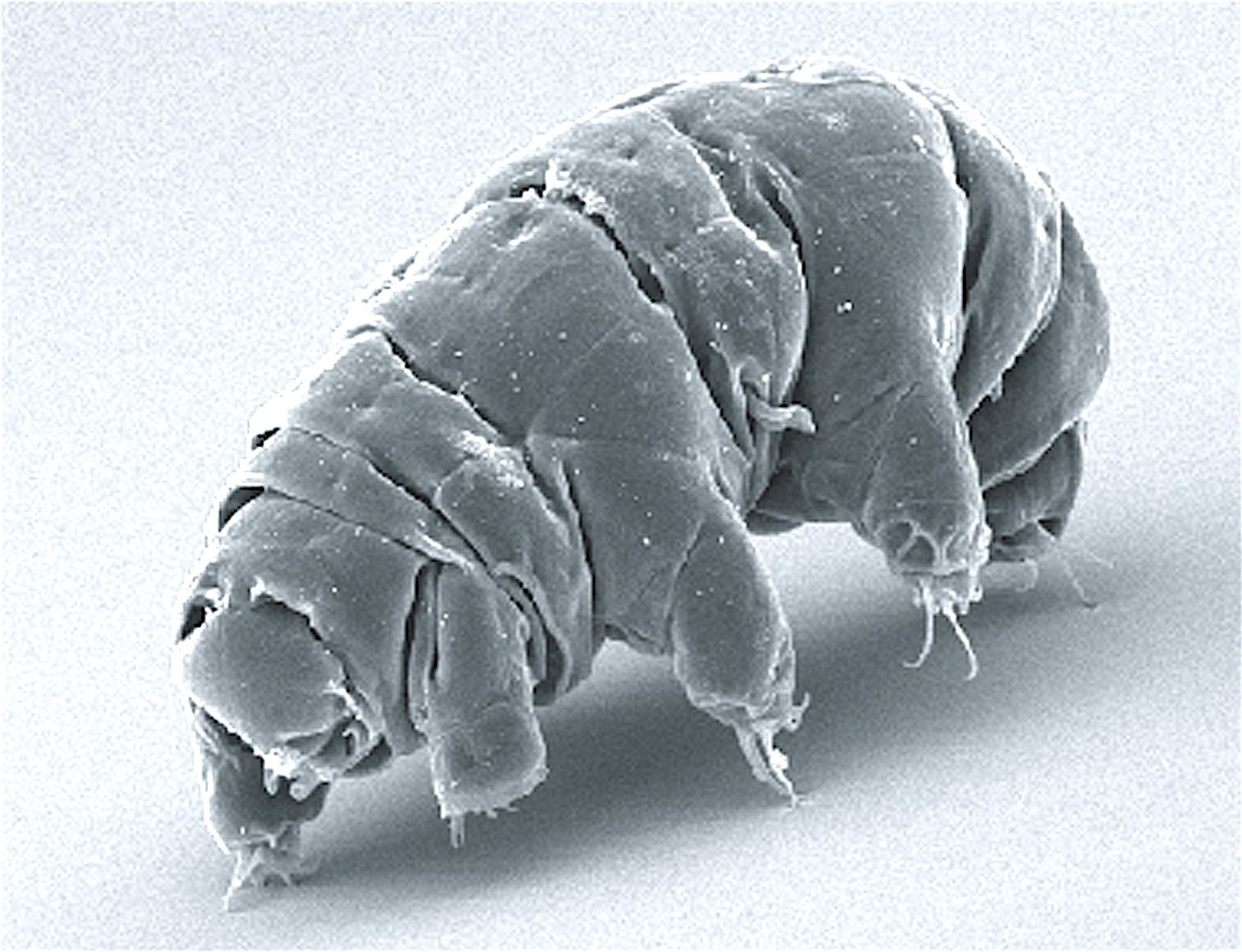
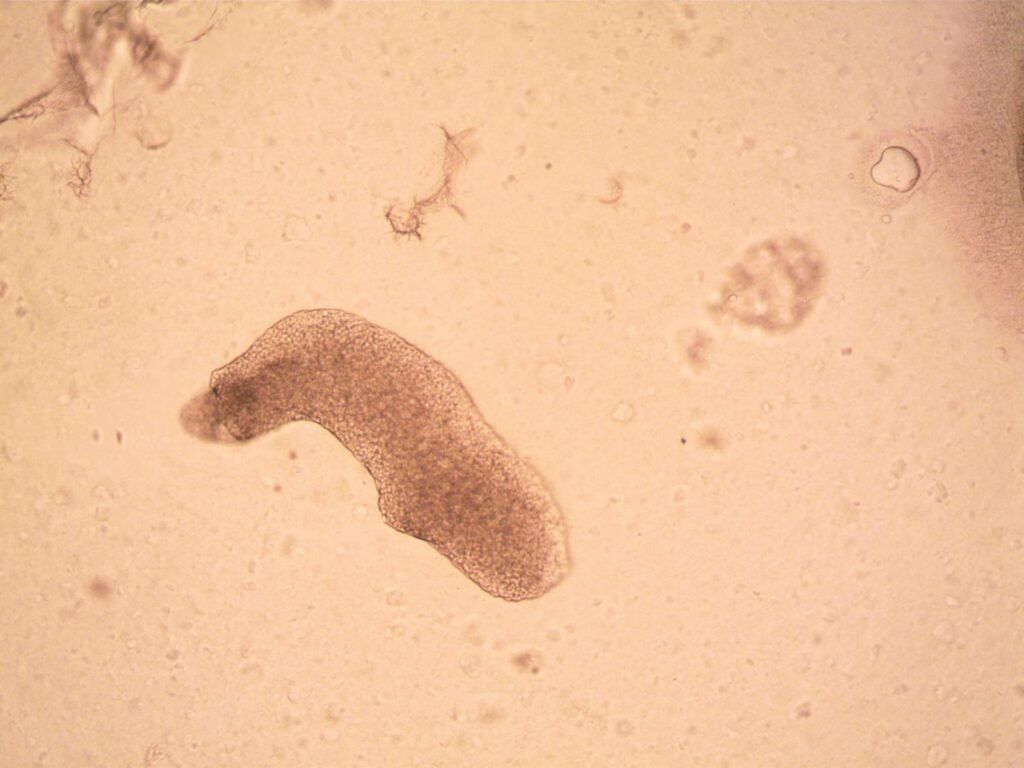
Tardigrades, commonly known as water bears or moss piglets due to their resemblance to eight-legged pandas, are microscopic animals that typically measure 0.1 to 0.3 millimeters in length. These plump, bilaterally symmetrical creatures might look adorable under a microscope, but they pack survival abilities that would make any science fiction hero jealous. With over 1,300 described species found everywhere from mountaintops to the deep sea, from tropical rainforests to the Antarctic, tardigrades are truly cosmopolitan survivors.
In the microenvironments made by water that coheres in the fissures of mosses and lichens due to surface tension, tardigrades thrive by feeding on smaller organisms and by sucking contents out of plant cells. Their extravagant survival adaptations have been selected in direct response to rapidly changing terrestrial microenvironments of damp flora subject to rapid drying and extreme weather.
The Space Mission That Changed Everything
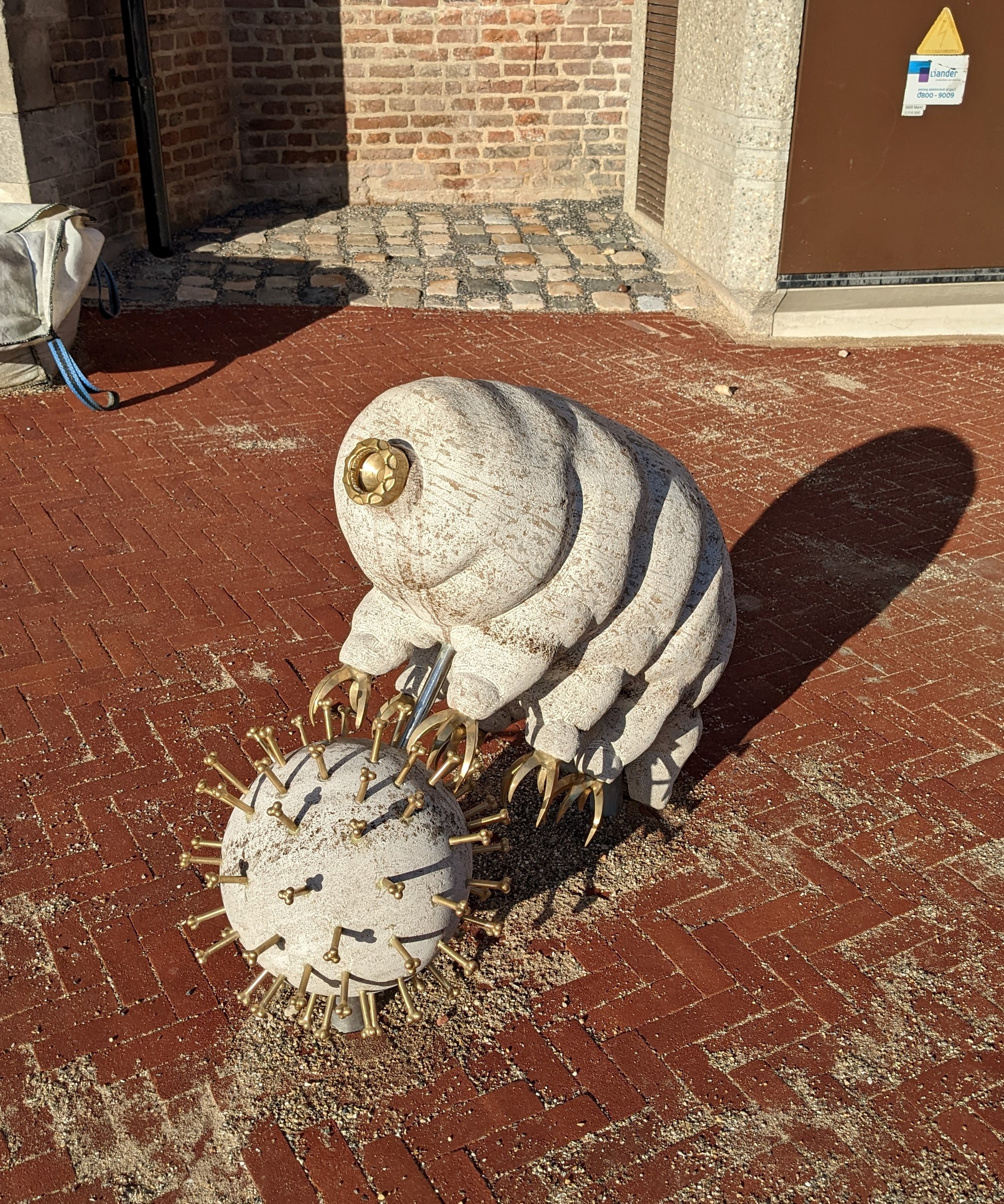
In 2007, they became the first animals to survive exposure to outer space after a Russian crewless capsule ferried 3,000 living tardigrades on a European mission to low Earth orbit, and exposed them to the hard vacuum of space for 10 days. The FOTON-M3 mission flew for 12 days in September 2007, carrying both desiccated and hydrated tardigrades in different experimental conditions. The tardinauts spent ten days in low Earth orbit, about 270 kilometers above sea level.
In this final frontier, they had no air and they were subjected to extreme dehydration, freezing temperatures, weightlessness and lashings of both cosmic and solar radiation. Back on Earth, more than 68% of the subjects protected from solar ultraviolet radiation were reanimated within 30 minutes following rehydration. During the flight mission, tardigrades molted, and females laid eggs. Several eggs hatched, and the newborns exhibited normal morphology and behavior.
The Cryptobiosis Superpower

The tardigrade survives extreme conditions by undergoing a suspended metabolic state called cryptobiosis, which helps it survive nuclear radiation, dehydration, and low temperatures. In this state, tardigrades completely slow down their metabolism to almost undetectable levels – less than 0.01% of normal. The creature loses up to 97 percent of its body moisture and shrivels into a structure about one-third its original size, called a tun.
In the cryptobiotic state, all measurable metabolic processes stop, preventing reproduction, development, and repair. When environmental conditions return to being hospitable, the organism will return to its metabolic state of life as it was prior to cryptobiosis. They can remain in this half-dead state for more than 30 years. When rehydrated by dew, rain or melting snow, tardigrades can return to their active state in a few minutes to a few hours.
Chemical Defense Systems
Tun formation requires metabolism and synthesis of a protective sugar known as trehalose, which moves into the cells and replaces lost water. As a tardigrade dries out, its cells gush out several strange proteins that are unlike anything found in other animals. In water, the proteins are floppy and shapeless, but as water disappears, the proteins self-assemble into long, crisscrossing fibers that fill the cell’s interior. Like Styrofoam packing peanuts, the fibers support the cell’s membranes and proteins, preventing them from breaking or unfolding.
When researchers submerged tardigrades in hydrogen peroxide to mimic chemical stress, they rapidly formed tuns. The oxides seemed to trigger tun formation by modifying an amino acid called cysteine in the tardigrades’ proteins. When the researchers prevented cysteine oxidation using other chemicals, the tardigrades no longer curled up into tuns.
DNA Protection and Repair Mechanisms
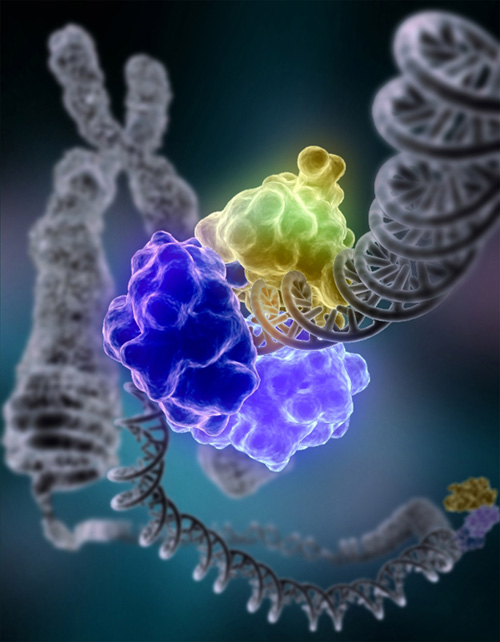
One of the genes that became most active, called DODA1, appears to resist radiation damage by enabling tardigrades to produce antioxidant pigments known as betalains, which can erase some of the harmful reactive chemicals inside cells that are caused by radiation. When researchers treated human cells with a tardigrade’s betalains, they found the cells fared much better at surviving radiation than untreated cells.
Scientists identified a new gene only present in tardigrades, which encodes a protein they named TDR1 (short for tardigrade DNA repair protein 1). Further experiments revealed that TDR1 can enter the cell nucleus and bind to DNA. Introducing the gene for TDR1 into healthy human cells reduced the amount of DNA damage caused by bleomycin, indicating that the TDR1 protein helps with DNA repair.
Extreme Environment Testing Results
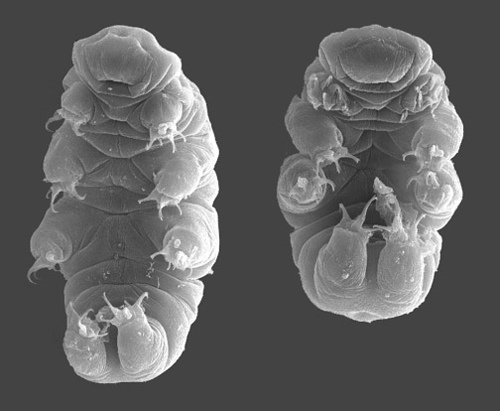
Tardigrades in this desiccated condition have endured the vacuum of space and pressures six times that of the ocean bottom. They’ve persisted through temperatures as low as -458 degrees F (-272 degrees C) and higher than 300 degrees F (149 degrees C). They’ve emerged unscathed from bombardments of radiation that are 1,400 times higher than the levels that would kill a human being.
However, scientists found a limit to their endurance – they struggled to cope with a combination of space vacuum and the high doses of ultraviolet radiation given off by the sun. If their containers were unshielded by UV filters, most of them died as the powerful radiation shattered their DNA. Even faced with these harshest of conditions, a small number survived exposure to over 7000 kJ/m² of UV radiation, about 350-700 times the amount that a Mediterranean sunbather would soak up.
Revolutionary Medical Applications

Tardigrades’ “packing peanut” proteins show early signs of being protective for humans. When modified to produce those proteins, human cells became resistant to camptothecin, a cell-killing chemotherapy agent. The tardigrade proteins did this by inhibiting apoptosis, a cellular self-destruct program that is often triggered by exposure to harmful chemicals or radiation.
Scientists have already inserted the gene for the Dsup protein into human cells in the lab. Many of those modified cells survived levels of X-rays or peroxide chemicals that kill ordinary cells. When inserted into tobacco plants – an experimental model for food crops – the gene for Dsup seemed to protect the plants from exposure to a DNA-damaging chemical. Plants with the extra gene grew more quickly than those without it and incurred less DNA damage when exposed to ultraviolet radiation.
The Future of Space Exploration
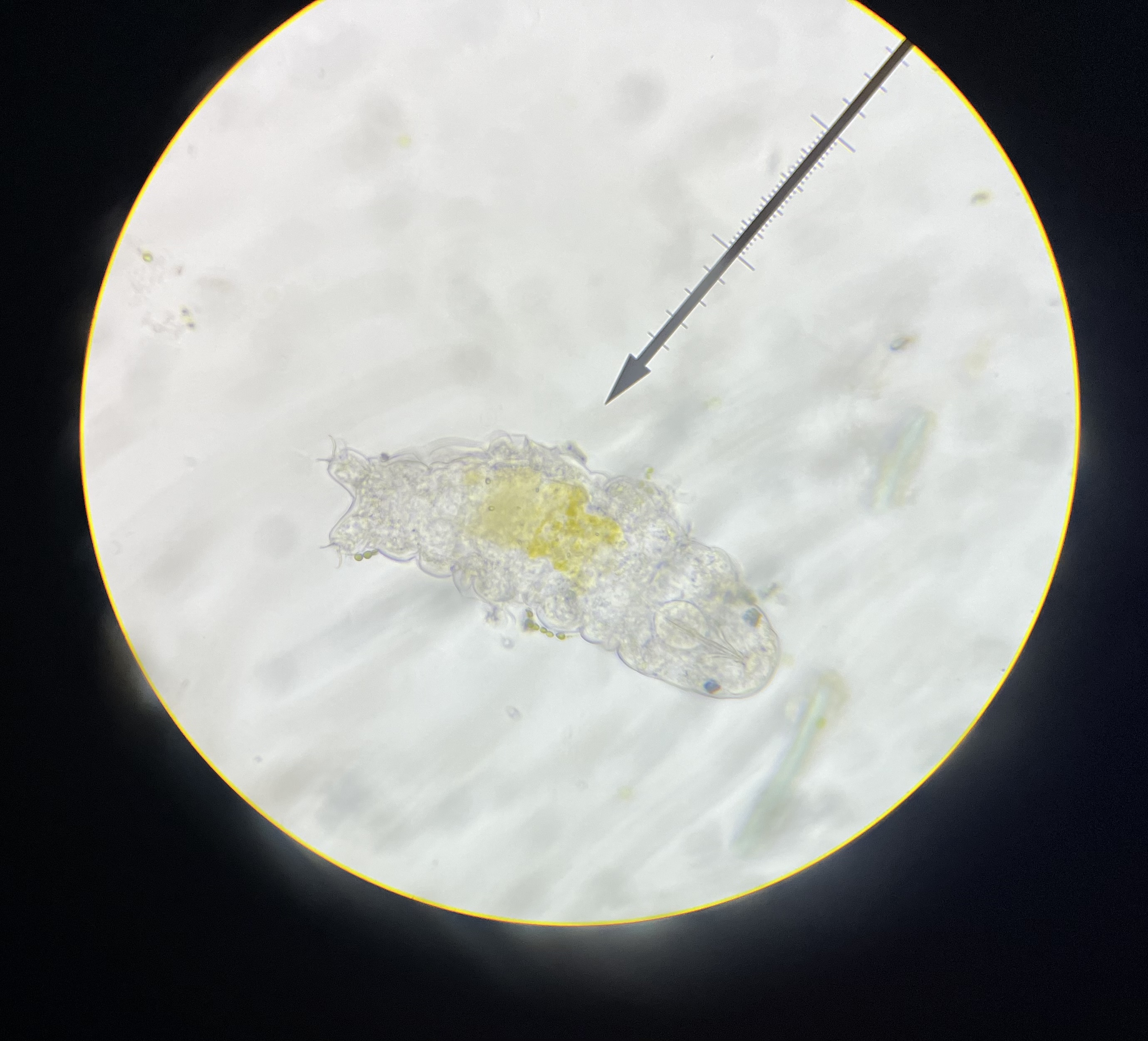
The new experiment will put their adaptation abilities to test in space under microgravity conditions and high radiation. Scientists will keep the tardigrades on the space station for four generations to see what changes take place in their DNA over time. “We want to see what ‘tricks’ they use to survive when they arrive in space, and, over time, what tricks their offspring use. Are they the same or do they change across generations? We just don’t know what to expect.”
Emulating tardigrades could one day help humans colonize outer space. Food crops, yeast and insects could be engineered to produce tardigrade proteins, allowing these organisms to grow more efficiently on spacecraft where levels of radiation are elevated compared with on Earth. Revealing what makes tardigrades so tolerant could lead to ways of protecting biological material, such as food and medicine from extreme temperatures, drying out, and radiation exposure, which will be invaluable for long-duration, deep-space exploration missions.
Conclusion: Tiny Heroes of Tomorrow
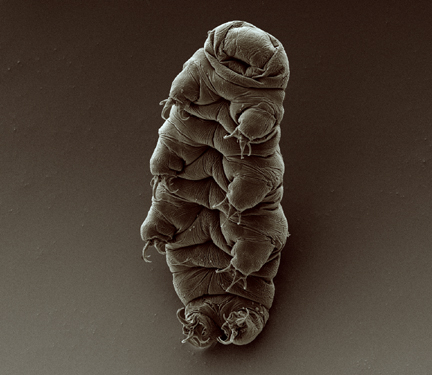
So if humans ever succeed in reaching the stars, they may accomplish this feat, in part, by standing on the shoulders of the tiny eight-legged endurance specialists in your backyard. These microscopic marvels have already proven that life can exist in conditions we once thought impossible. Their remarkable survival mechanisms are now inspiring breakthroughs in medicine, agriculture, and space exploration technology.
From their unique cryptobiotic state to their sophisticated DNA repair systems, tardigrades continue to challenge our understanding of life’s limits. As we prepare for humanity’s next giant leaps into deep space, these water bears may hold the keys to our survival among the stars. What other secrets are these tiny time capsules hiding? The universe, it seems, has much more to teach us about the incredible tenacity of life.