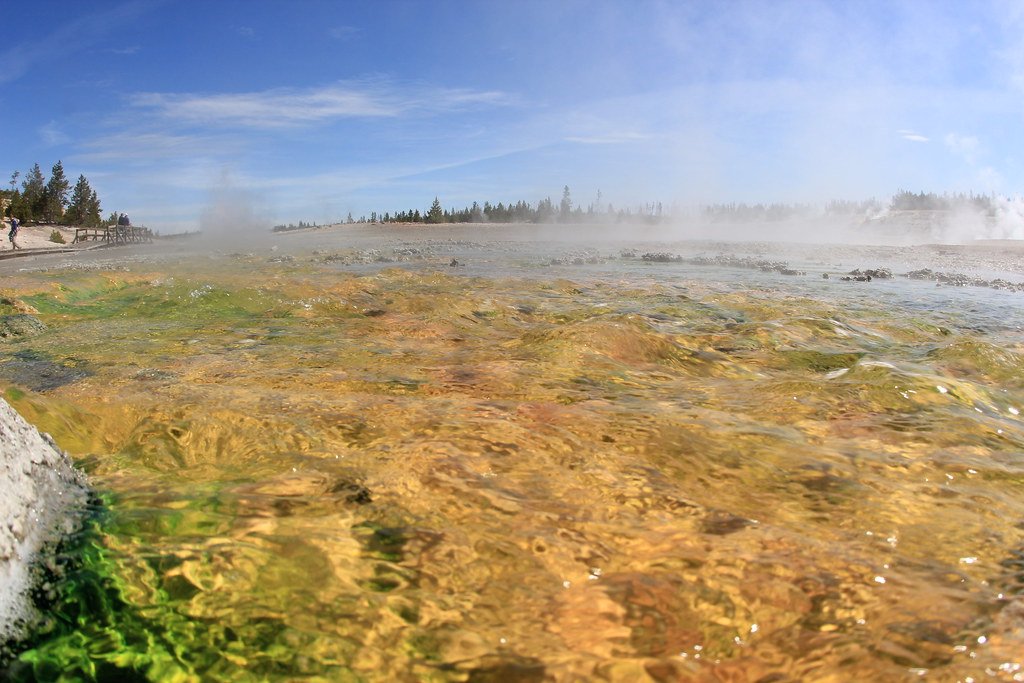

When you slip into the soothing warmth of a natural hot spring, you’re experiencing geology at its most intimate. These thermal oases represent the Earth’s ancient stories bubbling up through fractured rock, where groundwater has journeyed thousands of feet into the crust and returned transformed by heat and time. The most spectacular of these healing waters emerge along ancient fault lines, where geological forces millions of years ago created the perfect pathways for today’s thermal treasures.
Hot springs exist primarily in areas with extensive normal faults, where water circulates through fault zones and brings heat from great depths through these damaged zones with high permeability. Understanding how these geological marvels formed and knowing how to visit them safely transforms a simple soak into an appreciation of Earth’s incredible forces. Let’s dive into twelve remarkable fault-born hot springs across America and discover how you can experience their magic responsibly.
Hot Springs National Park, Arkansas – Ancient Ouachita Thrust Faults
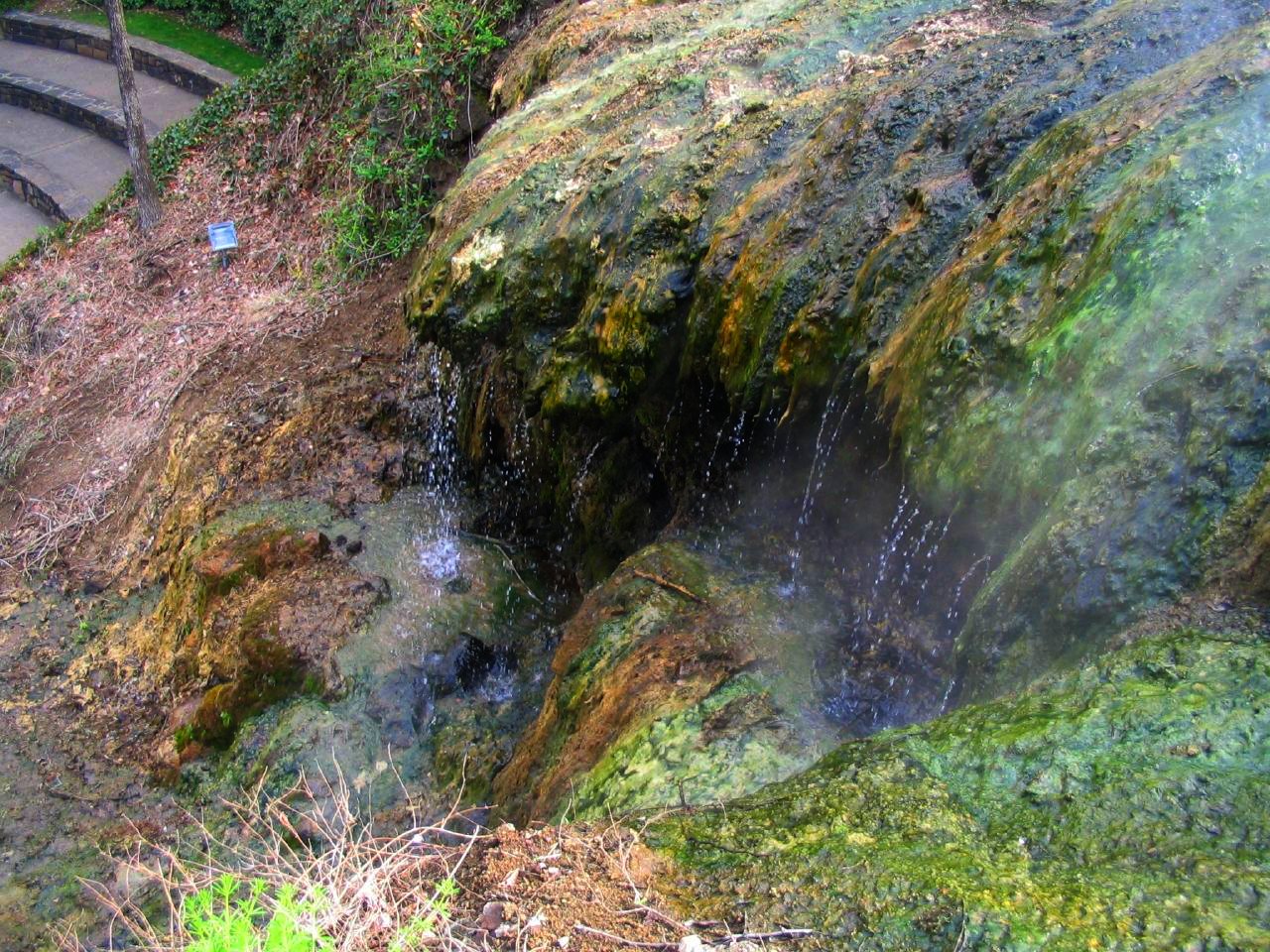
The Ouachitas began their formation during the Carboniferous Period as plates collided along what is now the eastern seaboard, creating folding and both normal and reverse faulting. Folds and fractures within the bedrock create important recharge zones that allow rainwater to penetrate deep within the subsurface where it heats up, then re-emerges as hot springs along fractures and bedding planes.
This process takes approximately 4,000 years, meaning the water you experience today was once rainwater over 4,000 years ago. Thanks to highly porous Bigfork Chert and Arkansas Novaculite, rainwater travels down these conduits to depths between 2,000 and 8,000 feet before meeting fractures and faults in the Hot Springs Sandstone, bringing it quickly to the surface. You can safely enjoy these waters at the historic bathhouses, where temperatures are carefully regulated for therapeutic soaking.
Desert Hot Springs, California – San Andreas Fault System
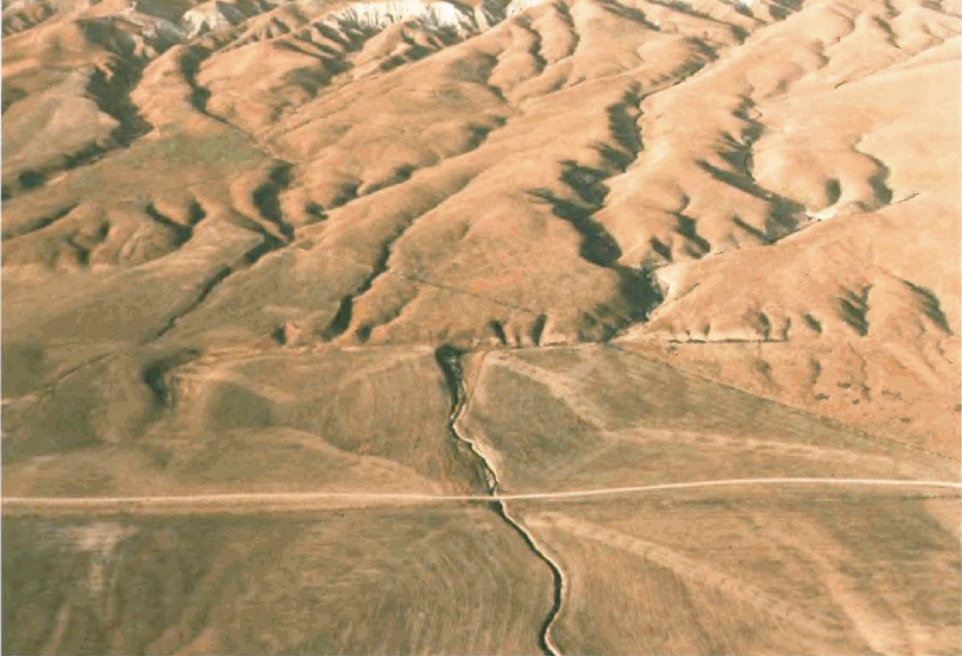
The area features major faults including the Banning fault, Desert Hot Springs area, Mission Creek fault, and San Andreas fault itself. Due to the close lateral proximity of the Mission Creek and Banning faults, these two faults join within the seismogenic zone. The convergence of multiple fault systems creates an ideal environment for hot water circulation.
As groundwater circulates through these fault lines, it encounters heat sources such as magma chambers and volcanic activity beneath the Earth’s surface, warming the groundwater into the hot springs we enjoy today. When visiting Desert Hot Springs, you’ll find numerous developed resorts where water temperatures are controlled. Always check with local facilities about current conditions, as the fault activity can occasionally affect water flow and temperature.
Roosevelt Hot Springs, Utah – Negro Mag and Opal Mound Fault Intersection
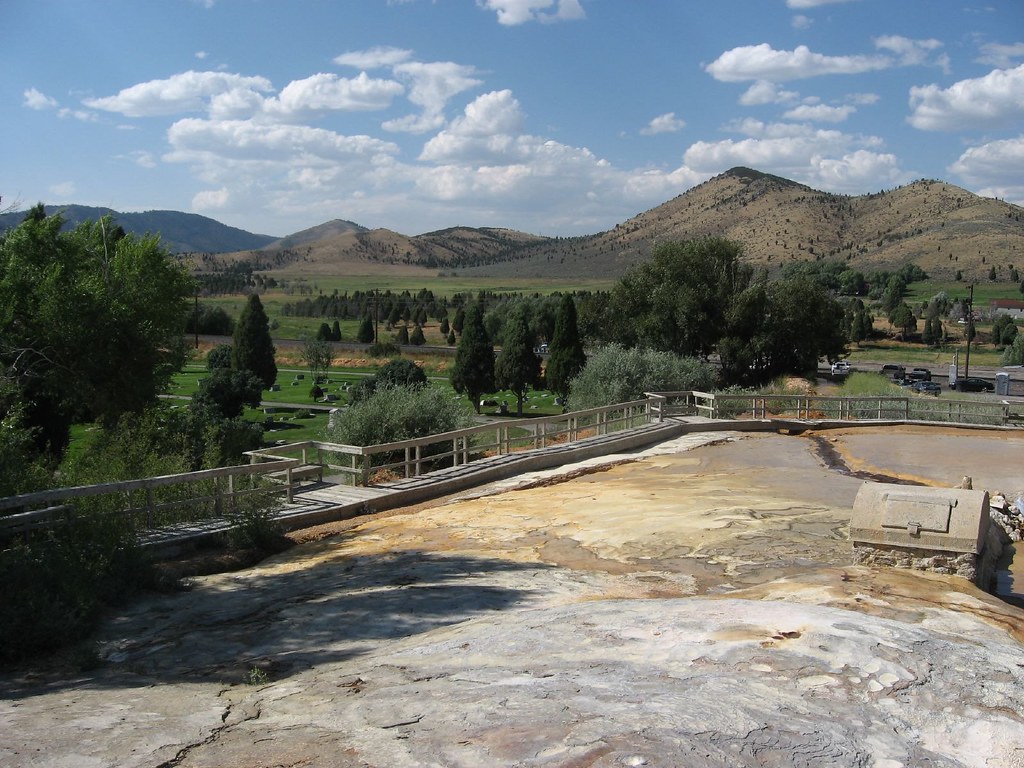
The highly fractured bedrock resulted from two intersecting faults, the Negro Mag fault and the Opal Mound fault, and this deep, hot water flows back to the surface through this zone of highly fractured and highly permeable bedrock. The batholith and related volcanic rocks range in age from 25 million to perhaps 600,000 years, and this magmatic heat explains why the area is Utah’s hottest geothermal system.
Roosevelt Hot Springs geothermal area contains many hazards including scalding water and steam, unstable ground, and poisonous gas, so you should view all thermal areas from a safe distance, stay out of fenced areas, and heed warning and private property signs. This area is now primarily used for geothermal energy production, making guided tours your safest option for experiencing this fault-formed wonder.
Grover Hot Springs, California – Genoa Fault Activity
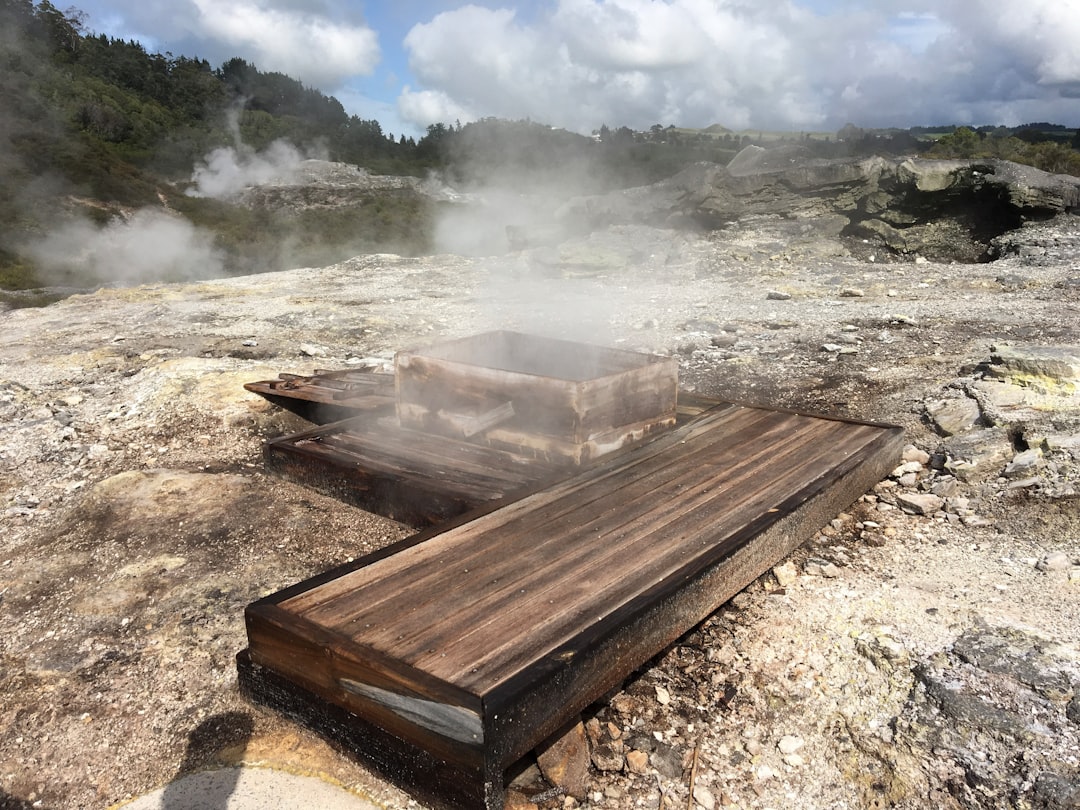
This fault is active, clearly offsetting young geologic deposits younger than the last ice age, with studies near Genoa showing the fault was active as recently as 300 years ago. A splay of the Genoa Fault helped form the valley in which the park resides. This recent geological activity ensures continued hot water flow through the fault system.
The developed pools at Grover Hot Springs State Park offer you a safe way to enjoy these fault-fed waters. The facility maintains proper temperatures and provides facilities for changing and relaxation. Since the fault remains active, occasional minor earthquakes in the region are normal and don’t affect the safety of the developed springs.
Travertine Hot Springs, California – Eastern Sierra Fault System
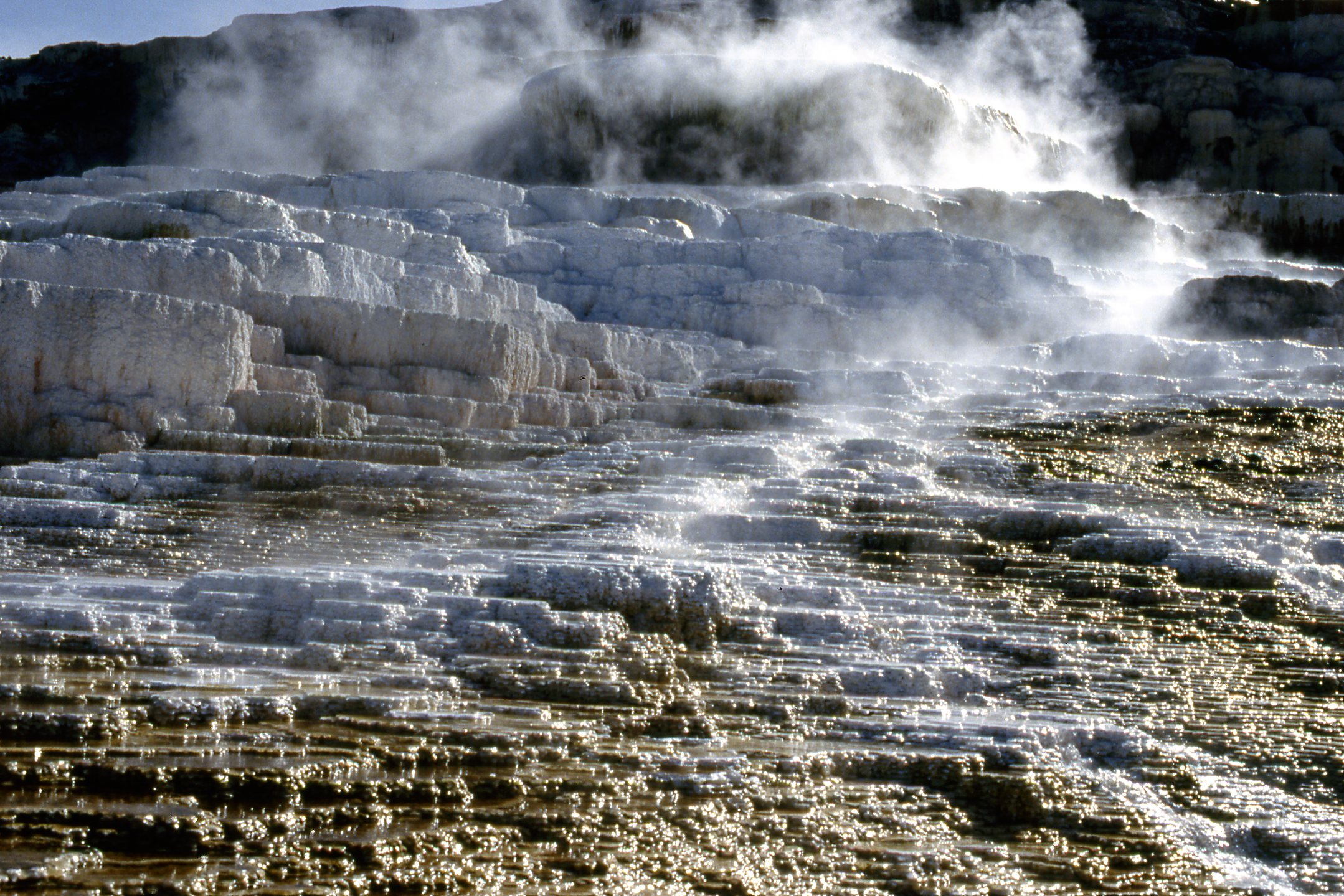
Located in a large, flat area with views of plains and mountains all around, Travertine has five pools, a combination of natural and man-made, with the largest, warmest, and closest pool being the man-made one. The Eastern Sierra fault system has created numerous fracture zones that allow deep circulation of groundwater. The weather can be wild, with storms that can blow in out of nowhere in a matter of minutes and be gone just as fast.
Since the springs are located on state land, there’s not much in the way of amenities, though it’s still close enough to civilization, and there’s an outhouse nearby. When visiting, bring all necessary supplies including water, food, and weather protection. Check weather forecasts carefully and be prepared to leave quickly if conditions deteriorate.
Umpqua Hot Springs, Oregon – Cascade Range Faults
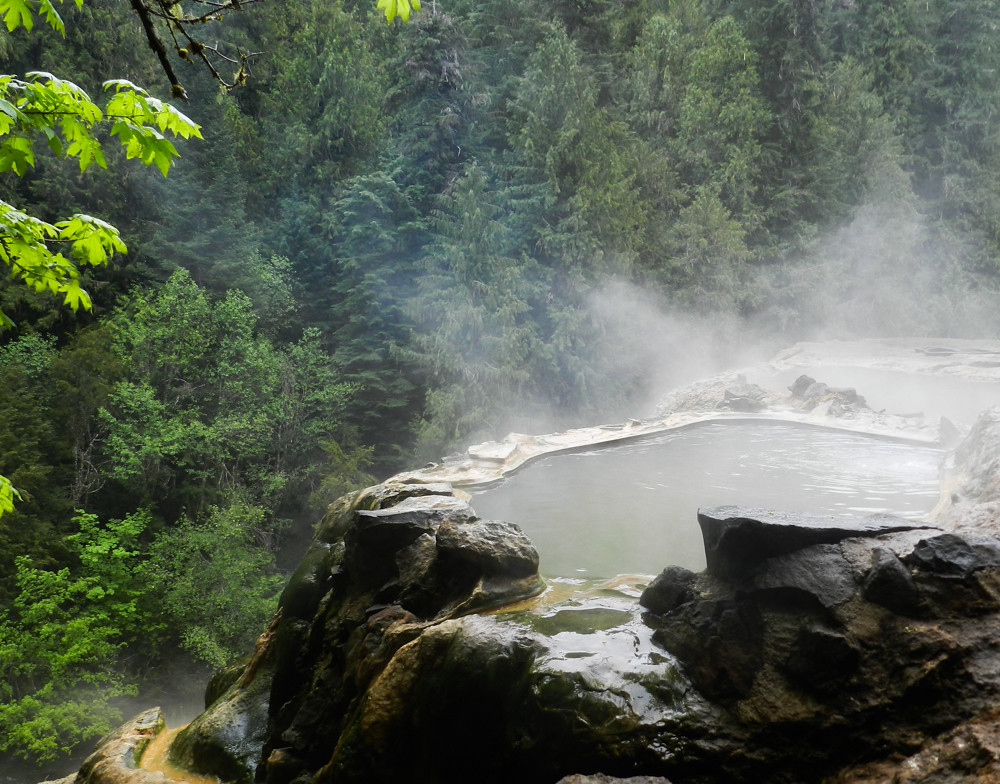
Located in southern Oregon, Umpqua is a chain of springs cascading down a hillside. The Cascade Range’s complex fault systems allow heated groundwater to find pathways to the surface through fractured volcanic rocks. Your hard work will be worth it once you reach the natural hot spring’s Instagram-famous cascading pools with wooded views.
While you don’t need to worry about safety at a regularly maintained hot spring, you’ll need to tread carefully at Umpqua Hot Springs as the surfaces around the springs can get slick, and you should bring water to stay hydrated. Oregon has extreme weather from time to time, with blizzards and rain often closing roads, and you’re not allowed to camp at the springs since they close at sunset.
Arizona Hot Springs, Nevada – Colorado River Fault Zone
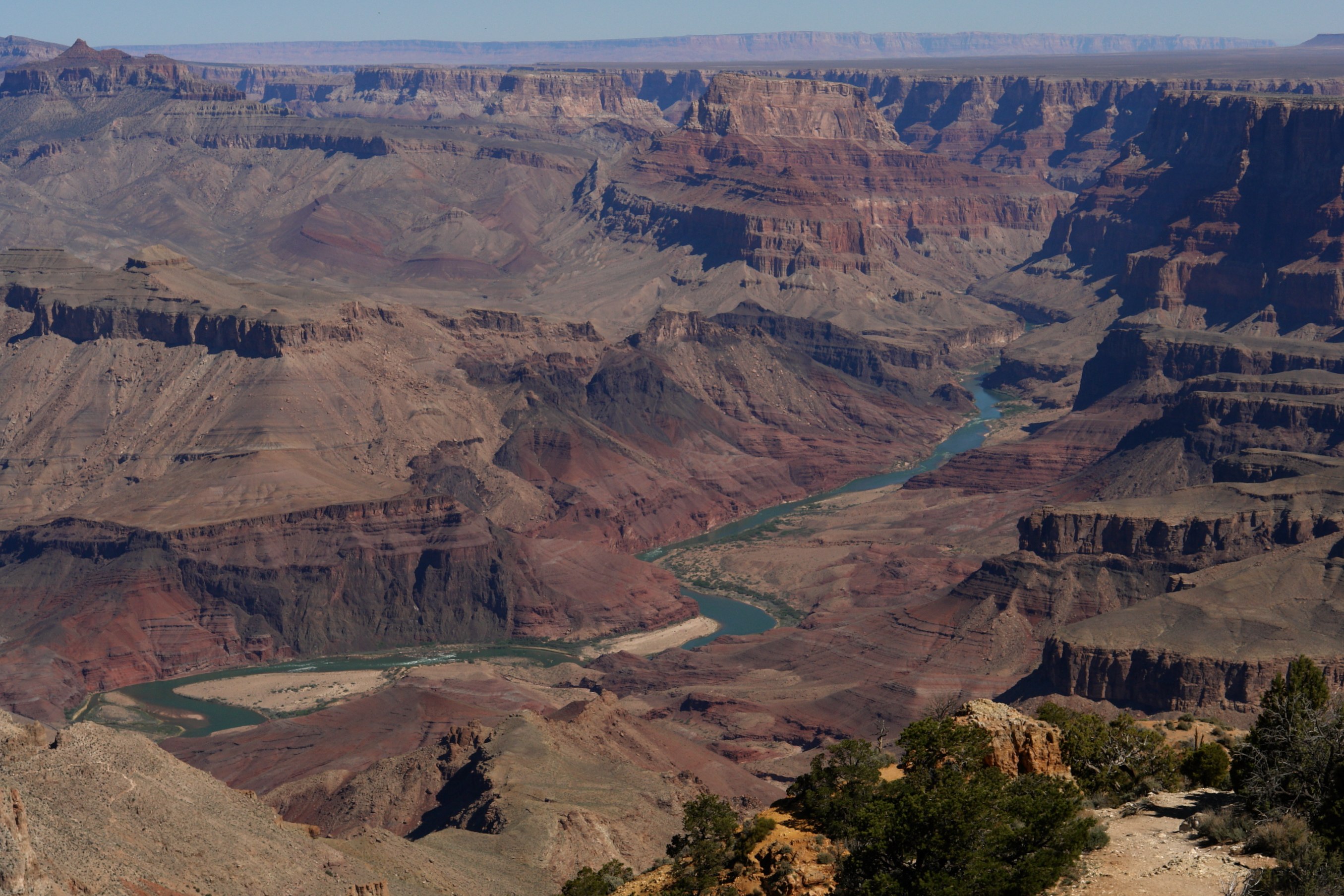
These springs are located about 45 minutes southeast of Las Vegas in an area known for its slots, with three clothing-optional pools sitting inside a scenic slot canyon near the Colorado River, and visitors can arrive via kayak or raft, but most opt for the strenuous hike. Located an hour from Las Vegas, Arizona Hot Springs is an incredible little oasis in the middle of the desert, though it’s also one of the most dangerous hot springs, being isolated with an exposed trail that’s closed in summer because the sheer heat is liable to kill someone unprepared.
Because hot springs and hot weather are not a good mix, the springs close from May 15 through September 30, and ample water and sunscreen are essential year-round on the sunny hike. There are also rattlesnakes in the area, and the springs have a potentially deadly amoeba lurking in them. Only attempt this hike during cooler months with extensive preparation and never alone.
Burgdorf Hot Springs, Idaho – Idaho Batholith Fault Systems
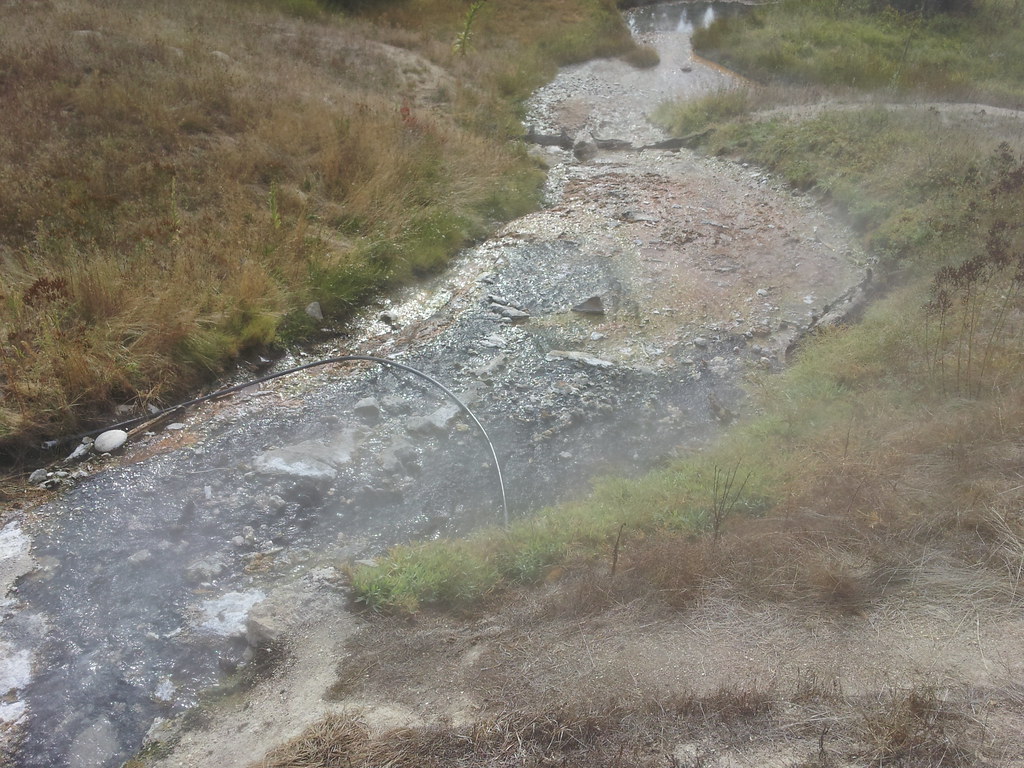
Just 32 miles north of the super cute mountain town of McCall is Burgdorf Hot Springs, a historic resort with a rustic feel where you can book a room for 24-hour pool and repurposed bathtub access, or drop by for a short soak. Idaho has the most known hot springs for soaking, over 100 with a reported 130 total. The Idaho Batholith’s extensive fault network creates ideal conditions for numerous hot spring systems.
The developed facilities at Burgdorf provide safe access to these fault-fed waters. The rustic setting maintains the natural character while providing basic safety amenities. Snow and ice can make winter access challenging, so check road conditions before traveling and come prepared with proper winter equipment.
Mystic Hot Springs, Utah – Wasatch Fault Zone
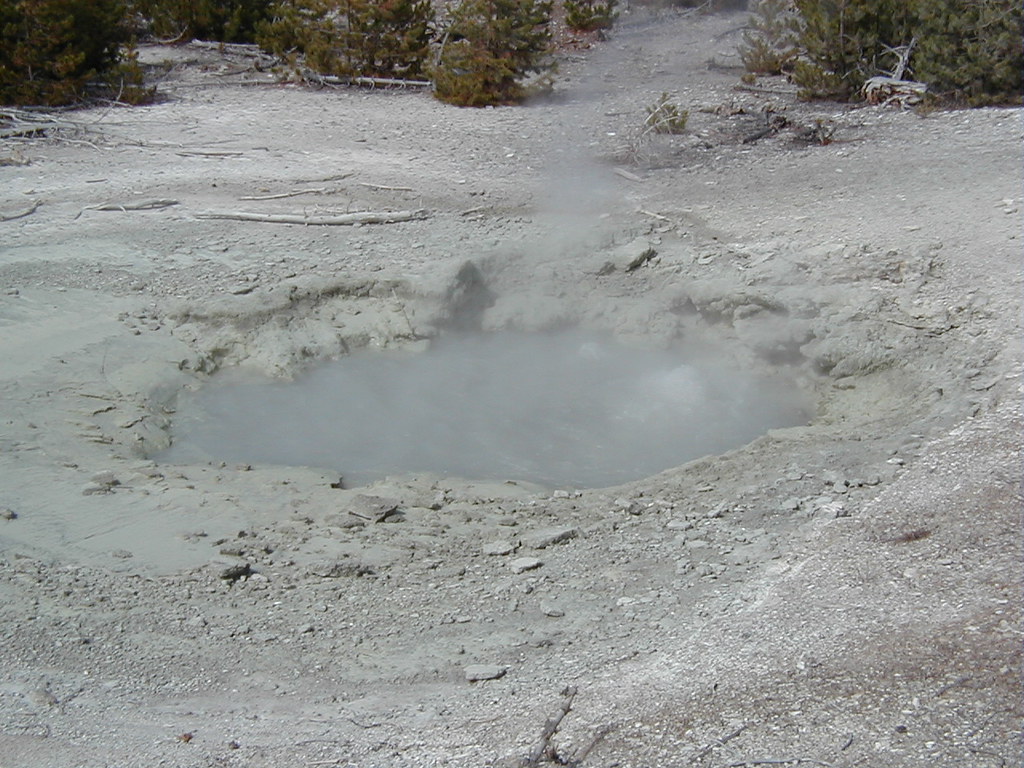
In what feels like the middle of nowhere is Mystic Hot Springs, a series of hot spring-fed pools and repurposed baths with a distinctly bohemian and mystic vibe, where you can come for the day or book a night in one of the renovated school buses. The Wasatch Fault Zone creates the geological conditions that allow deep groundwater circulation and heating. The waters at these hot springs get up to 168 degrees and are set to a beautiful desert backdrop, so be sure to enjoy the sunset and take in all the beauty.
Water temperatures can be extremely hot, requiring careful testing before entering any pool. The facility provides temperature monitoring, but you should always verify conditions yourself. The unique setting and eclectic accommodations make this a memorable experience, though the remote location means you should come well-prepared with supplies.
Pagosa Springs, Colorado – Rio Grande Rift Faults
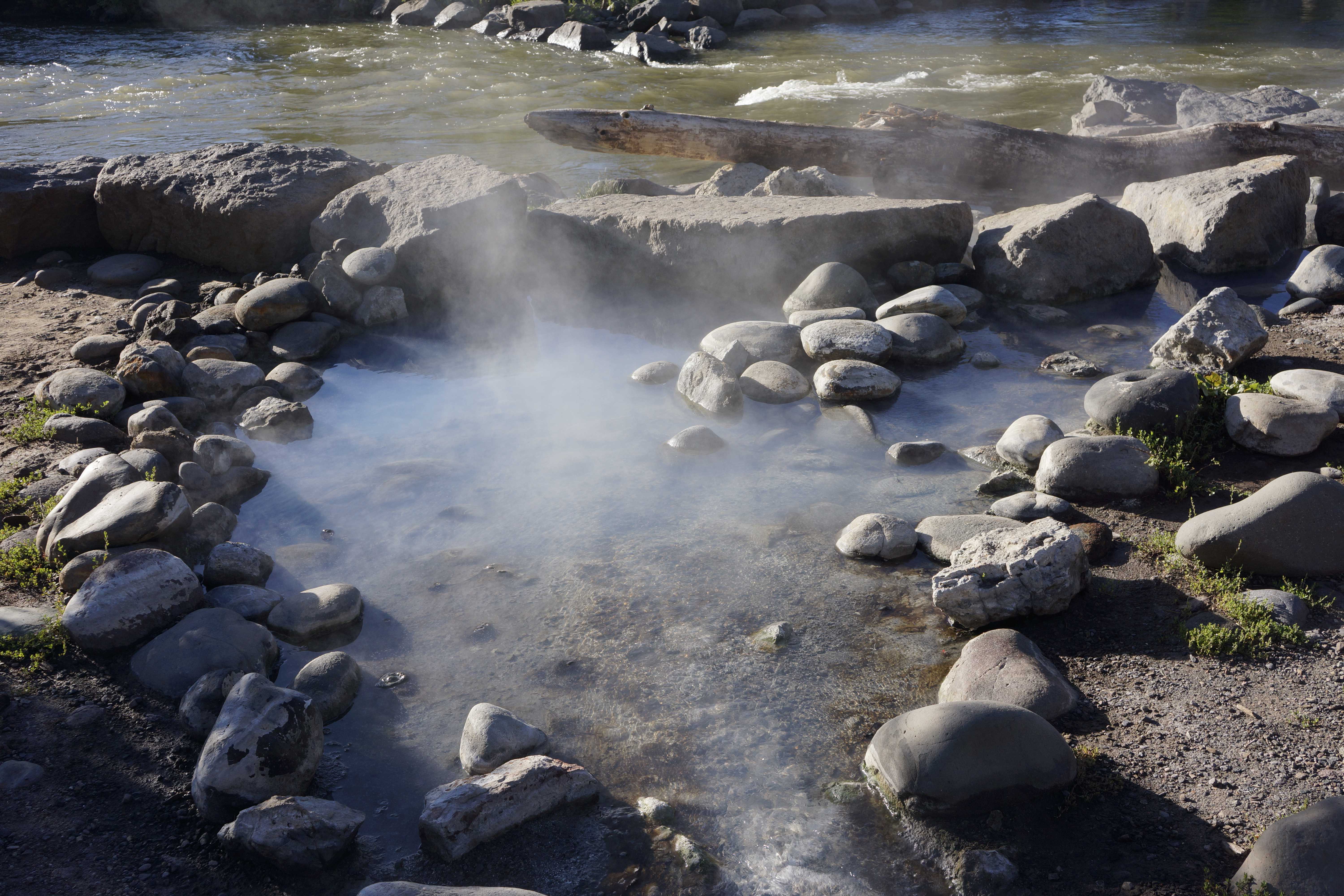
You can buy a day pass to The Springs Resort & Spa, but for the full experience, you’ll want to book a room, which includes unlimited 24-hour soaking in the facility’s 25 steamy pools, and Pagosa Springs is set up against the San Juan Mountains. The San Juan River flows through the town of Pagosa Springs, with spring waters bubbling up along the way, and visitors can experience one of the area’s resorts for luxurious soaking or simply try one of the riverside pools for a free, more rustic soak.
The developed resort facilities provide the safest way to enjoy these geothermally heated waters. Rainbow Hot Springs is a popular free spot you can reach after a 4.5-mile hike. When hiking to undeveloped springs, bring proper navigation tools, inform someone of your plans, and pack emergency supplies including first aid and emergency shelter.
Chena Hot Springs, Alaska – Interior Alaska Fault Systems
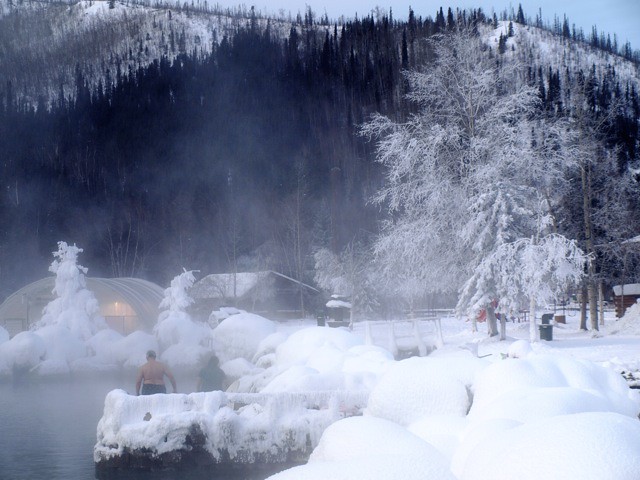
Located an hour away from Fairbanks in remote Alaskan wilderness, Chena is a tiny little resort with an unparalleled view of the night sky from the deep wilderness, and it’s an incredible place to try to see the northern lights while relaxing in the warm, soothing mineral waters. Hot springs are practically a necessity on a winter trip to Alaska, and Chena Hot Springs Resort is accessible from Fairbanks, which makes it somewhat of a rarity, and you need only look up into the night sky for some seriously great aurora viewing.
The resort setting provides essential safety infrastructure for Alaska’s challenging environment. Winter temperatures can be life-threatening, making the developed facilities crucial for safe enjoyment. Always inform others of your travel plans when visiting remote Alaska locations, and ensure your vehicle is properly winterized.
Goldmyer Hot Springs, Washington – Cascade Mountain Faults
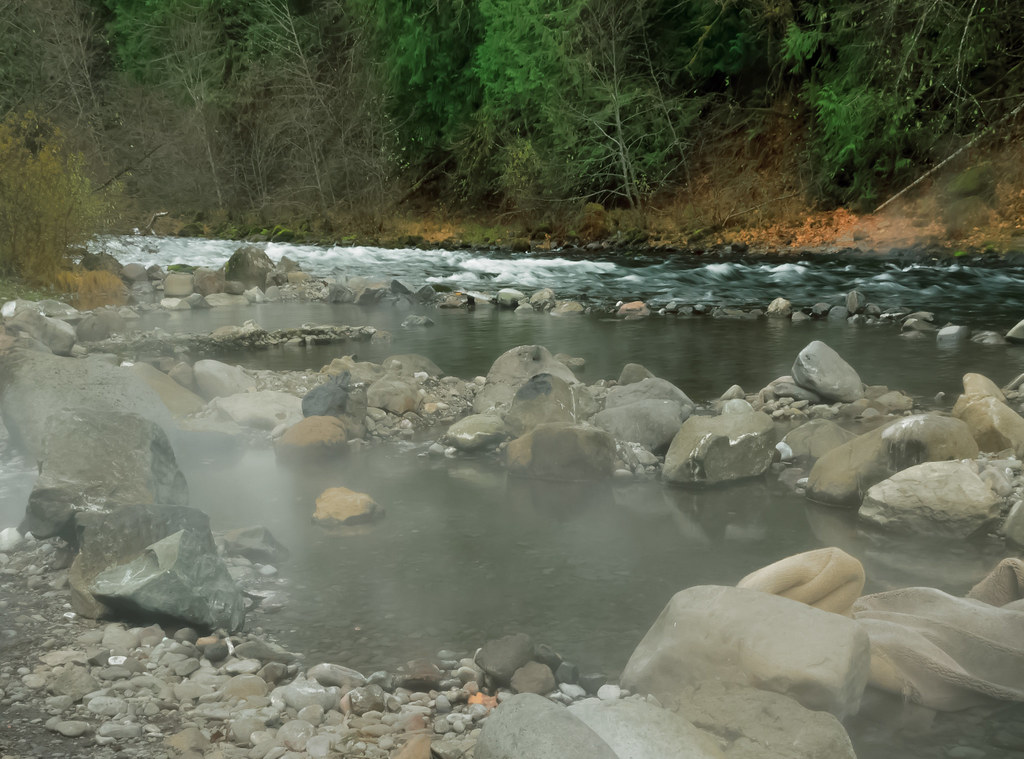
Thanks to a daily admission cap of 20 people, large crowds are never a concern at Goldmyer Hot Springs, located 60 miles east of Seattle in the foothills of the Cascade Mountains, where ancient forests surround these three minimally developed hot pools with one pool sitting at the entrance of a horizontal mine shaft. You have to work to get to Goldmyer Hot Springs, taking a 4.5-mile hike through the foothills of the Cascade Mountains, and once you arrive, you can either set up camp or get in for a quick soak.
Reservations are required and can be made by phone through the Northwest Wilderness Program, a nonprofit that now manages the site, with costs including a national forest pass and entry fees. The limited access helps preserve the natural setting while ensuring manageable numbers for safety. The hike requires proper footwear and weather protection, as Pacific Northwest weather can change rapidly.
Safety Guidelines for All Fault-Formed Hot Springs
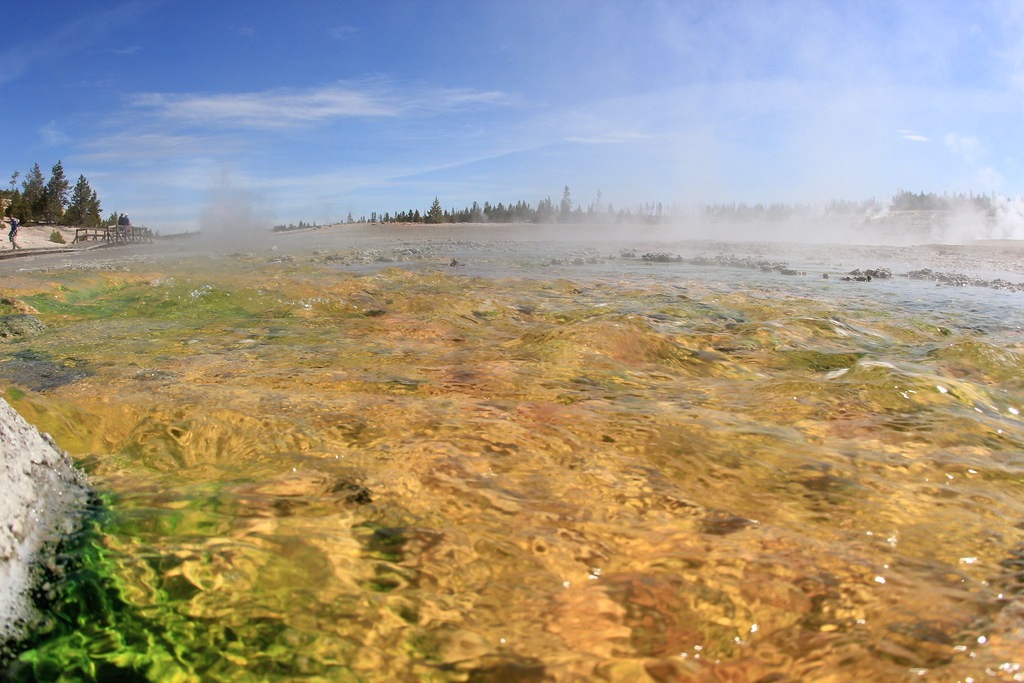
Before entering wild hot springs, use a thermometer to measure the water temperature, as specific geological features can cause temperature to go from warm to scalding in seconds, so be careful if the springs are undeveloped and use common sense to make the right decision. Hot springs can range from mildly warm to extremely hot, and a burn may occur at 110°F if you stay in hot water for a long time.
If you are visiting hot springs in the wild, be aware that no testing is done to ensure safety, so avoid drinking it or getting it in your nose, be cautious of the temperature as springs vary widely, and watch for poison ivy. Another hot spring risk is disease-causing bacteria, as untreated hot springs contain microorganisms that can cause infection, skin rash, and gastrointestinal illness, with thermotolerant enteric bacteria surviving at temperatures ranging from 113 to 140°F. The upper limit for safe soaking is around 108°F, and for higher temperatures, experts recommend bathing for short intervals, as water that is 113°F or higher can cause second and third-degree burns within just a few seconds.
These twelve fault-formed hot springs represent some of America’s most spectacular geological phenomena. Each one tells a story of ancient forces that continue shaping our planet today. Whether you choose developed resorts or venture to more primitive locations, respecting both the geological processes and safety requirements ensures these thermal treasures remain accessible for generations to come. What geological wonder will you explore first?
Jan loves Wildlife and Animals and is one of the founders of Animals Around The Globe. He holds an MSc in Finance & Economics and is a passionate PADI Open Water Diver. His favorite animals are Mountain Gorillas, Tigers, and Great White Sharks. He lived in South Africa, Germany, the USA, Ireland, Italy, China, and Australia. Before AATG, Jan worked for Google, Axel Springer, BMW and others.