They stand in the fog of early fields and island shores, living links to the way humans once moved, farmed, and fought. Yet many of the world’s rarest horses now survive on the edge, their future caught between dwindling gene pools and vanishing jobs. Scientists call it an erosion of genetic diversity; breeders call it heartbreak. The mystery isn’t why numbers fell – mechanization, fashion, and shrinking habitats explain that. The question is whether science, policy, and public will can meet in time to keep these horses in the world we’re building.
Suffolk Punch: The Ember-Haired Draft On The Brink
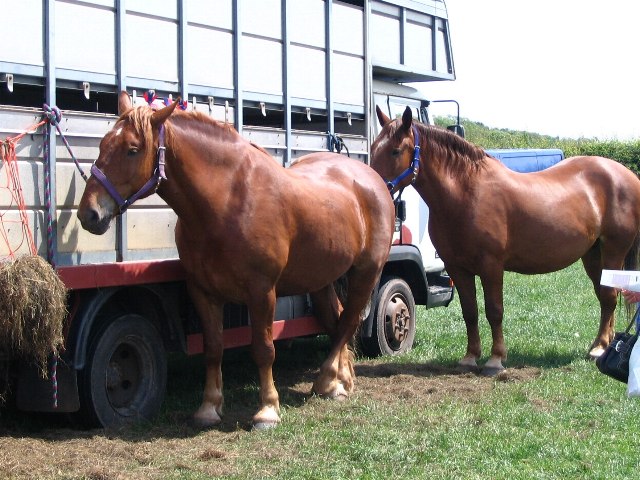
Among the oldest English draft lines, the Suffolk Punch is unmistakably chestnut, compact, and powerful. These horses once pulled plows across heavy clay, shaping a landscape now managed by machines. With only a small, aging breeding base, the risk isn’t just declining headcounts but shrinking genetic options. That combination increases inbreeding, fertility issues, and vulnerability to disease.
Conservation programs now track pedigrees, use artificial insemination, and swap stallions across borders to widen bloodlines. I still remember meeting one at a county fair – calm eyes, a living antique – and realizing rarity can feel uncomfortably quiet.
Cleveland Bay: The Coach Horse That Lost Its Coach
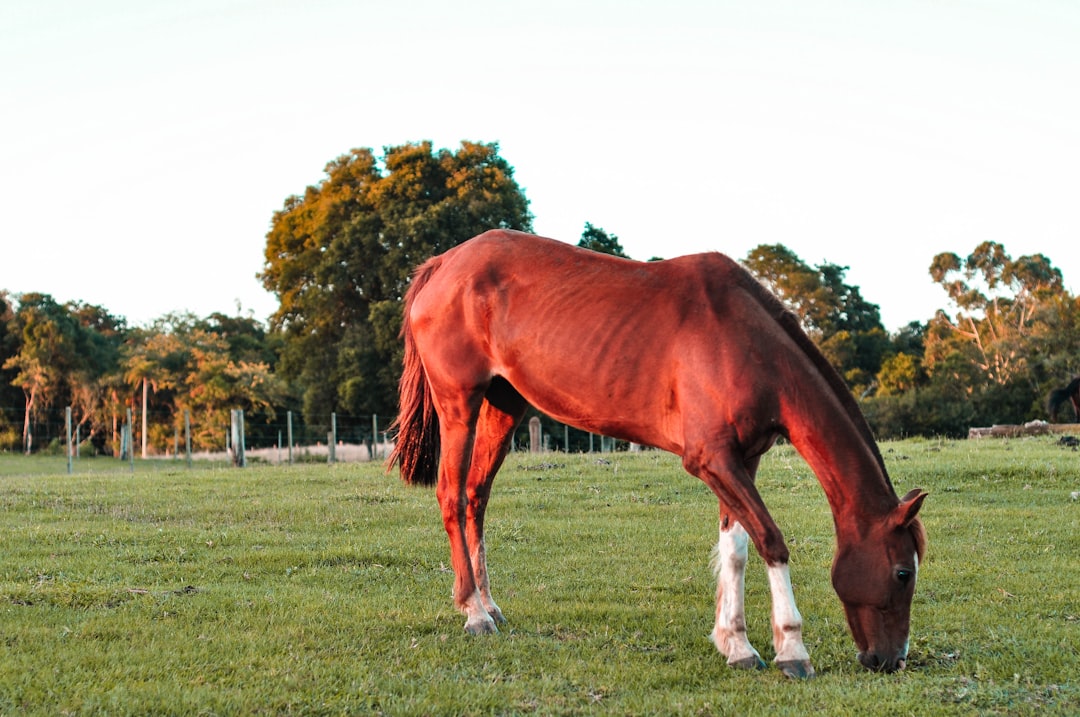
Built for carriages and cavalry, the Cleveland Bay carries depth of chest and a distinctive bay coat with black points. When carriages disappeared, demand crashed, and so did breed numbers. A tiny global population means each foal matters scientifically, not just sentimentally. Geneticists focus on minimizing mean kinship, a method that prioritizes least-related animals for breeding.
Studbooks, frozen semen banks, and carefully planned matings are stabilizing the decline, but recovery is slow. Without new uses – sport, carriage driving events, or conservation grazing – this breed stays one recession away from disaster.
Caspian: A Small Horse With Ancient Echoes
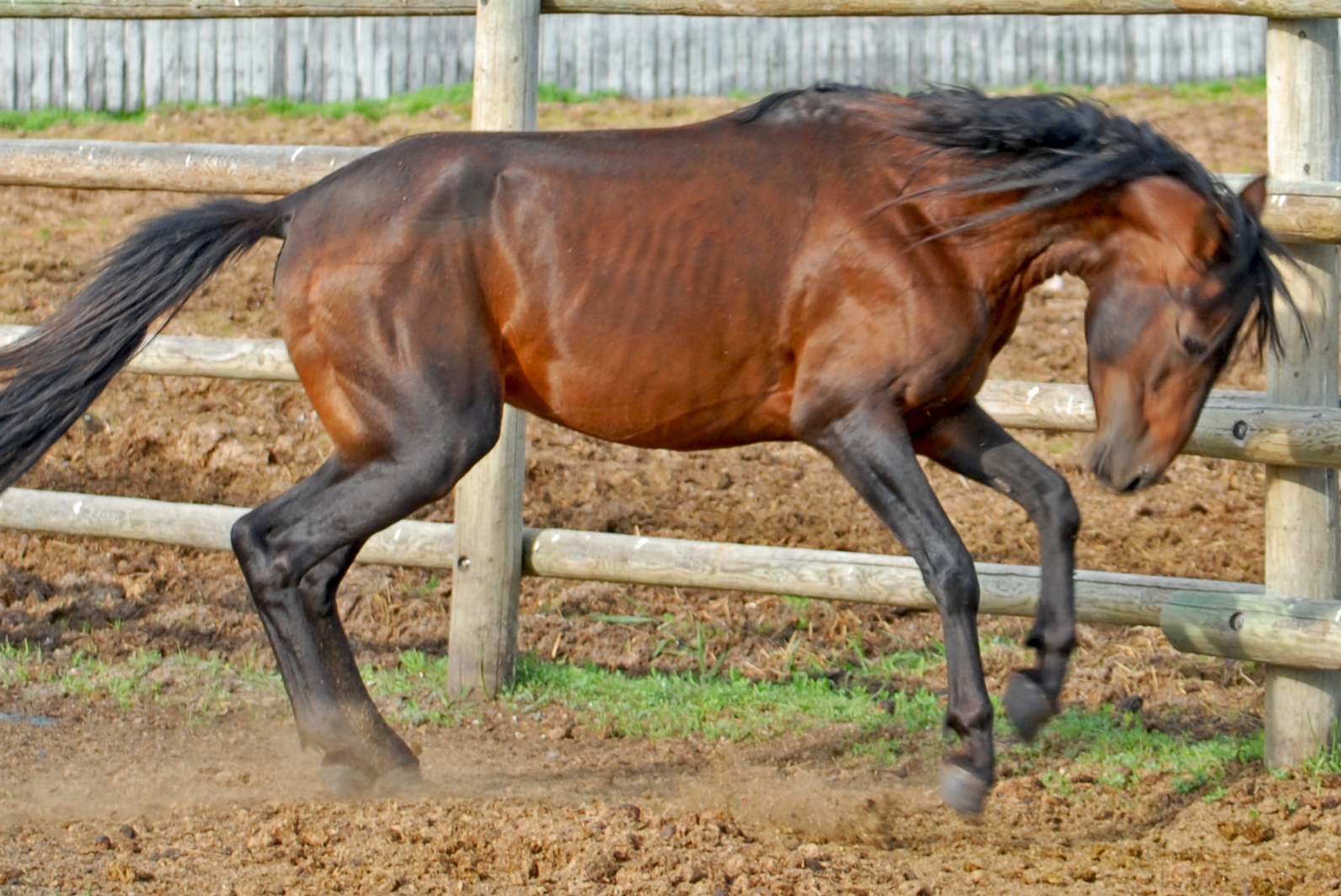
Rediscovered in Iran in the twentieth century, the Caspian is a petite, refined horse linked by morphology to early Near Eastern types. Its tiny gene pool is the classic bottleneck: too few founders, too much relatedness. Researchers lean on DNA markers to map diversity and avoid doubling down on rare defects. Breeders also rely on embryo transfer to amplify promising, unrelated lines quickly.
Despite its size, the Caspian schools children in riding programs and shows talent in driving. Its survival story could become a model for rescuing small, culturally important breeds elsewhere.
Sorraia: The Iberian Survivor Written In Dorsal Stripes
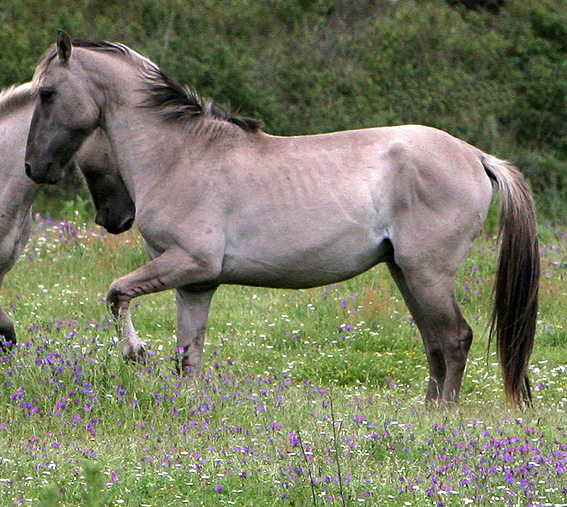
Striped legs, a dark dorsal line, and muted dun or grulla coats give the Sorraia a prehistoric look. These compact Iberian horses weathered centuries of change in Portugal, mostly by being overlooked. Today’s concern is razor-thin genetic diversity, which limits adaptability to climate pressures. Conservation herds managed with rotational breeding can lower inbreeding while keeping type.
Field projects mix old-school ranch work with modern genomic panels to guide pairings. The visual drama of a broodmare under cork oaks helps keep public attention on this quiet crisis.
Eriskay Pony: Hebridean Hardiness Hanging By A Thread
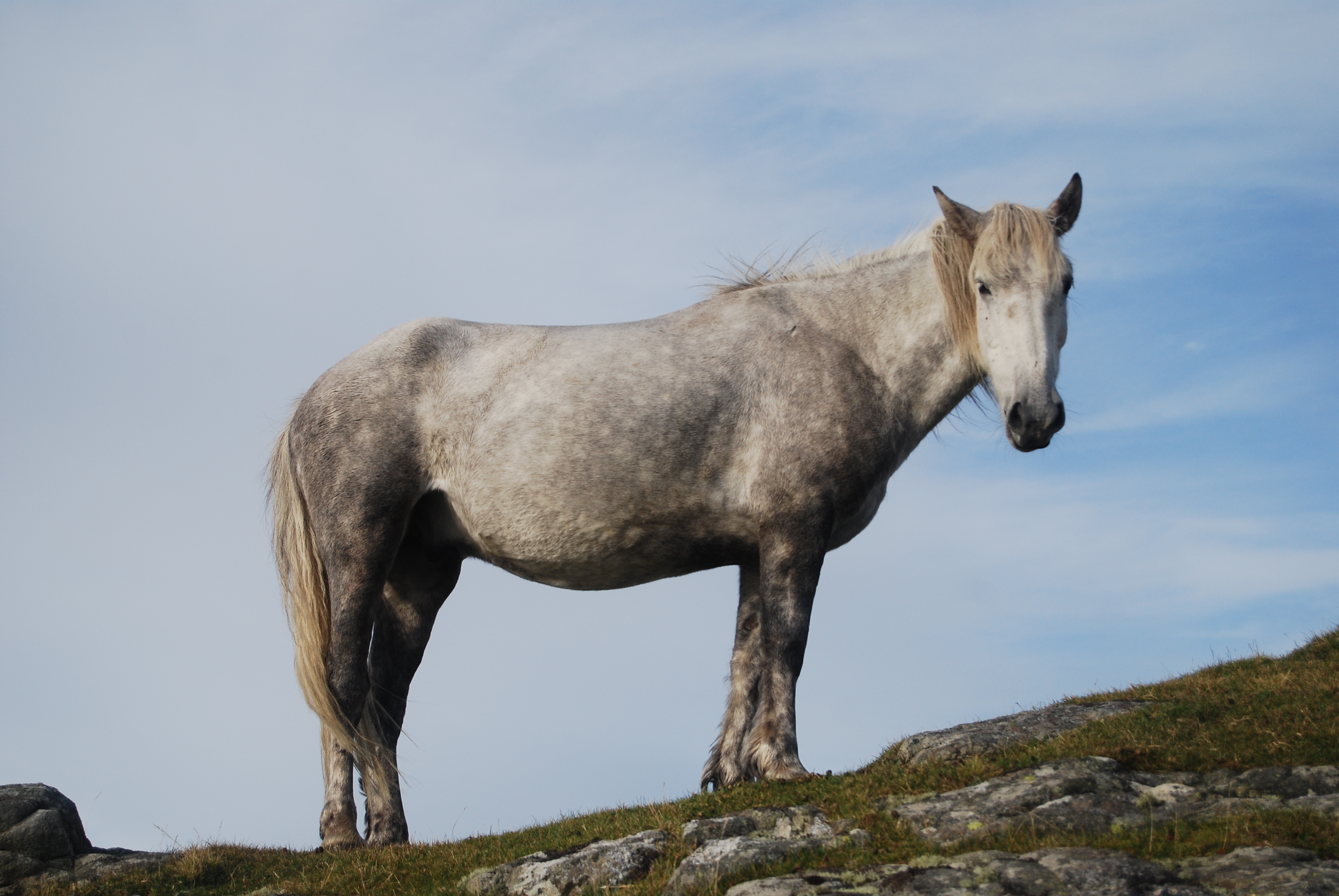
Wind, salt, and sparse grass shaped the Eriskay into a hardy, kind, often gray pony. Once central to island life – hauling peat, carrying goods – its jobs vanished along with rural populations. Small numbers raise risks from random bad luck alone, what biologists call demographic drift. Breed societies now register every foal and encourage owners to join structured breeding plans.
Community-led grazing projects double as living classrooms for school groups and visitors. When children braid an Eriskay’s mane, you can see a future constituency being formed, strand by strand.
Skyros Pony: Greece’s Island Horse With A Narrow Horizon
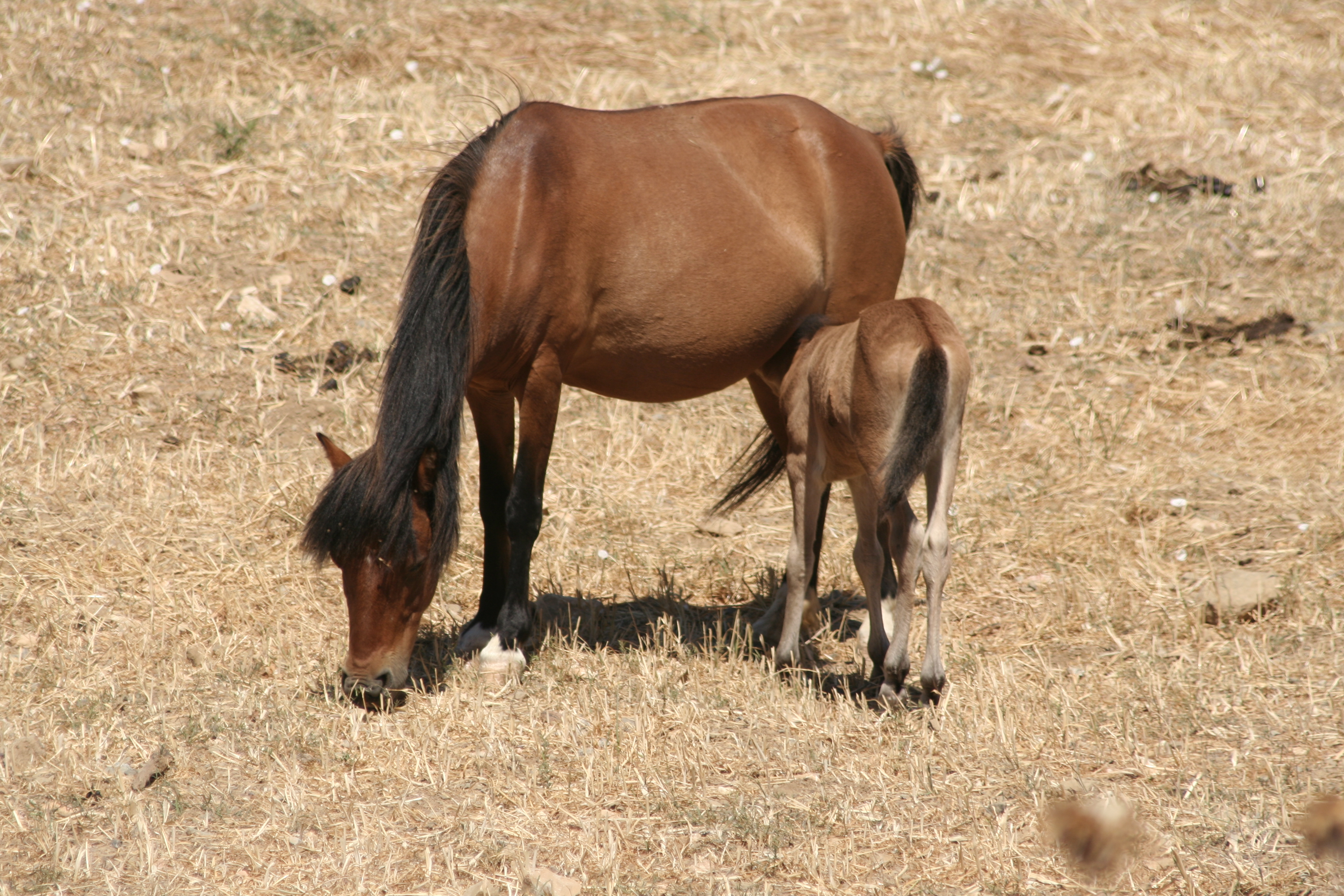
On the Aegean island of Skyros, these small, fine-boned ponies have long shared fields with wheat and myth. Modern pressures – tourism, land changes, and limited stallion lines – squeezed the population. In situ herds maintain local adaptations like heat tolerance and efficient grazing. Ex situ reserves on the mainland guard against disasters and widen breeding options.
Scientists monitor inbreeding coefficients and rotate stallions across family groups. What looks like a postcard scene is, in practice, a carefully managed genetic lifeline.
American Cream Draft: Cream Coat, Fragile Future
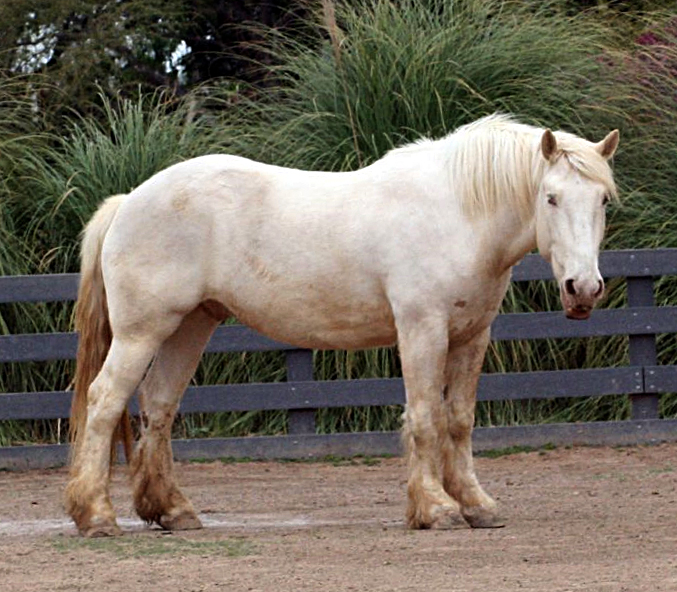
Born in the American Midwest, this draft’s hallmark is a gold-ivory coat from the champagne gene, not albino. With farm tractors taking the heavy work, the breed lost its economic niche. A small studbook makes every pairing a math problem in diversity. Breed clubs now emphasize versatility – logging, parades, therapy work – to spark demand.
Genetic testing helps avoid doubling recessive traits while keeping the color that draws people in. If curiosity turns into ownership and breeding under guidelines, the numbers can climb steadily.
Newfoundland Pony: Canada’s Coastal Worker In Recovery Mode
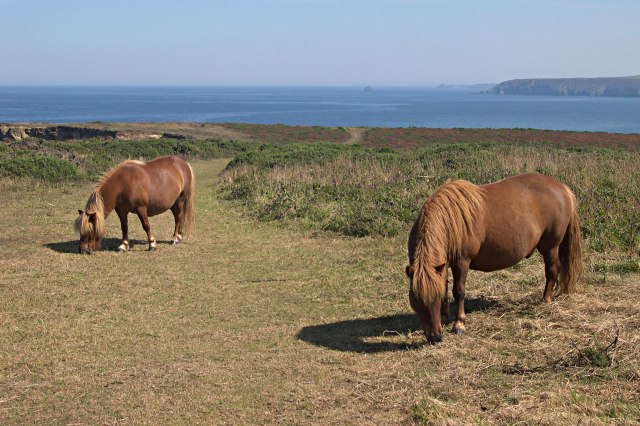
Forged in cold and fog, the Newfoundland Pony hauled kelp, wood, and families through long winters. When mechanization arrived, hundreds were sold off, and many simply disappeared. Volunteers stepped in with sanctuaries, foster networks, and a rigorous registry. Legal recognition in some provinces now adds protection against export and slaughter.
Data-sharing among breeders reduces accidental inbreeding and spreads rare lines. It’s a reminder that policy, paperwork, and barn boots must move together to save a breed.
Dales Pony: Power In A Small Package, Numbers On A Knife Edge
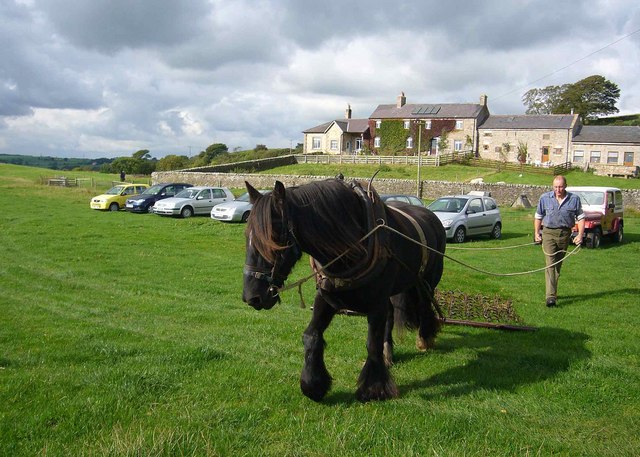
From England’s north, the Dales is a muscular, sure-footed pack and driving pony. Historic losses, including foal health challenges, shrank the breeding base. Careful stallion selection has helped, guided by veterinary screening and pedigree software. Crossing outside the breed isn’t a solution; the goal is conserving the distinct Dales identity.
Creating new roles – endurance, trekking, conservation grazing – keeps the pony visible and valued. Visibility, more than anything, drives the economics that sustain conservation.
Nokota Horse: Prairie History With A Precarious Present
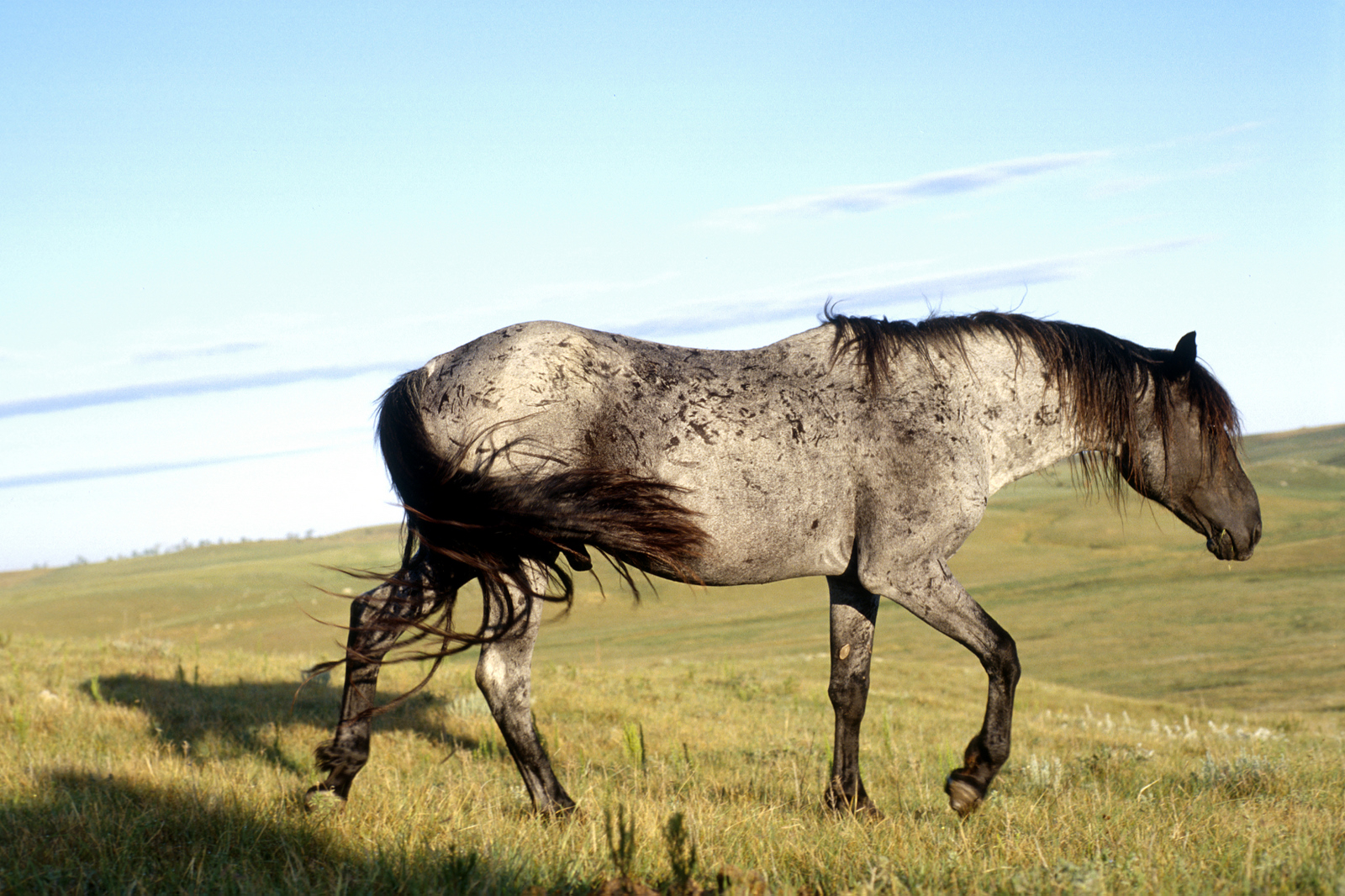
The Nokota traces to ranch and cavalry horses that survived on the Northern Plains. Distinct colors and a tough, athletic frame make them striking, yet their population remains limited. Much of the work is done by a few dedicated conservators and small herds. That concentration is risky if disease or funding problems strike.
Genetic surveys differentiate foundation-type lines to protect what makes the Nokota unique. I’ve ridden a Nokota once; the feel was part mustang, part memory of open country.
Why It Matters
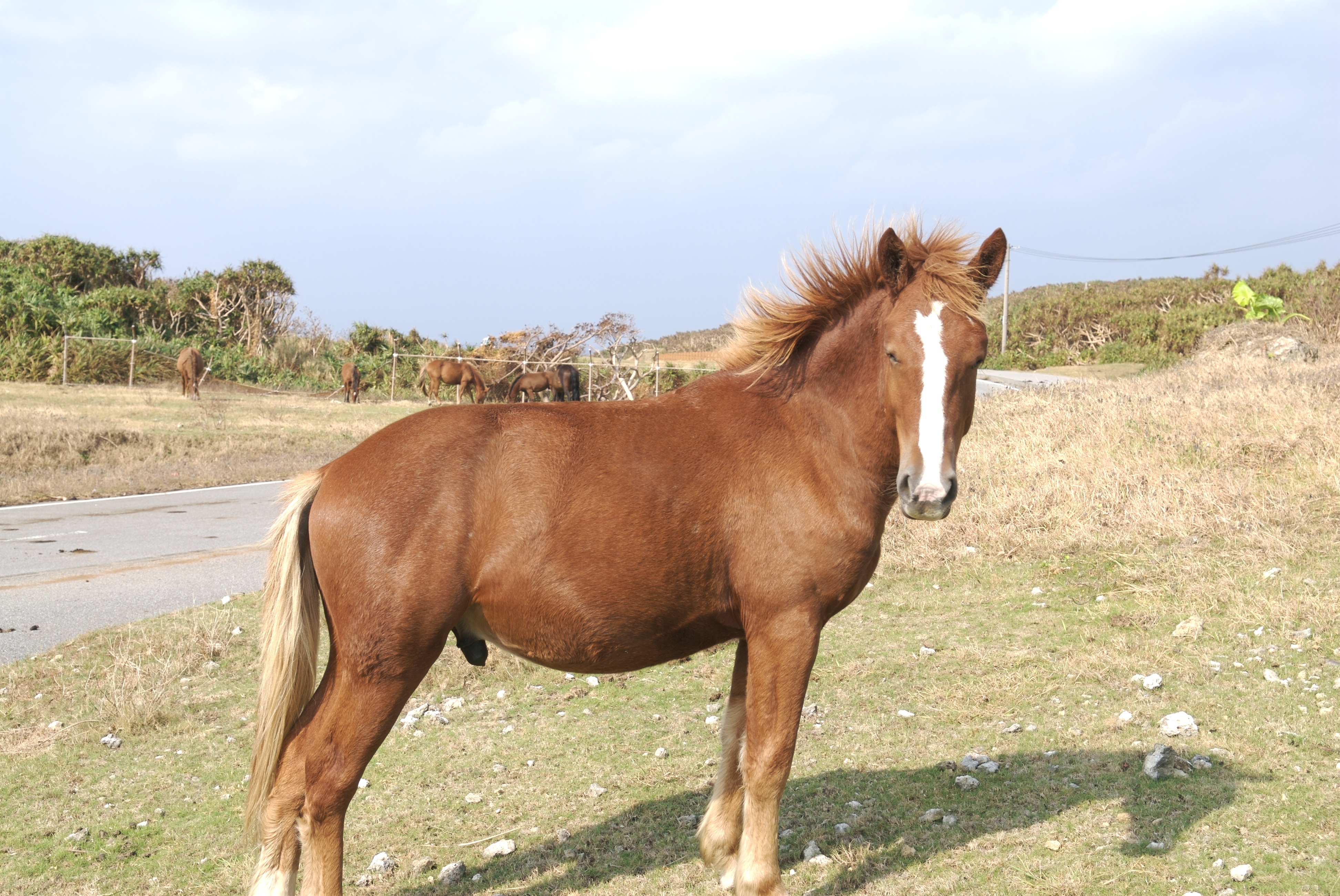
When rare horse breeds disappear, we don’t just lose pretty faces – we lose toolkits of genes for stamina, metabolism, and disease resistance. Modern sport lines can grow uniform, and uniformity is brittle in a changing climate. Rare breeds act like living seed banks, holding traits that could steady the wider equine population. They also carry centuries of human know-how: harness design, grazing strategies, and land stewardship.
Compared with conserving wildlife, domestic breed conservation can move faster because we can plan matings and ship genetic material. But unlike wildlife, these horses need ongoing jobs and communities, not just protected acres. The science is ready; the social contract is the missing piece.
The Future Landscape
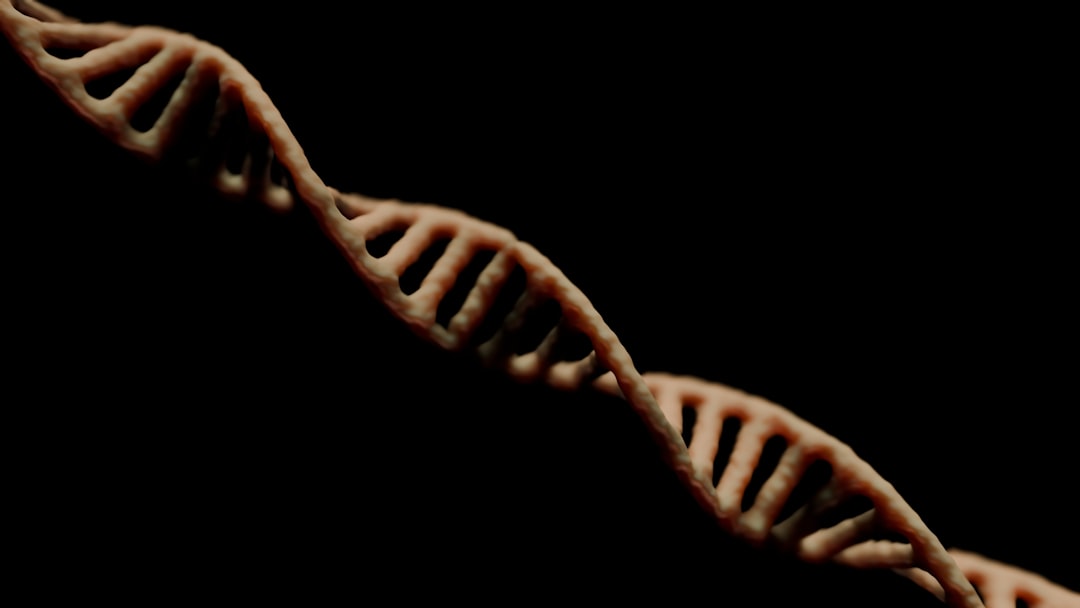
New genomic tools allow breeders to select pairings that lower average relatedness while maintaining type. Cryopreservation – frozen semen and embryos – acts as insurance against sudden losses and broadens choices. Low-cost parentage testing means small farms can participate with confidence and data. Digital studbooks, open by default, help coordinate across continents.
Challenges remain: limited funding, aging breeder networks, and the tug-of-war between purity and adaptability. Climate shifts will favor hardy, efficient horses – traits many rare breeds already hold. The opportunity is to align conservation with the market before the window closes.
How You Can Help
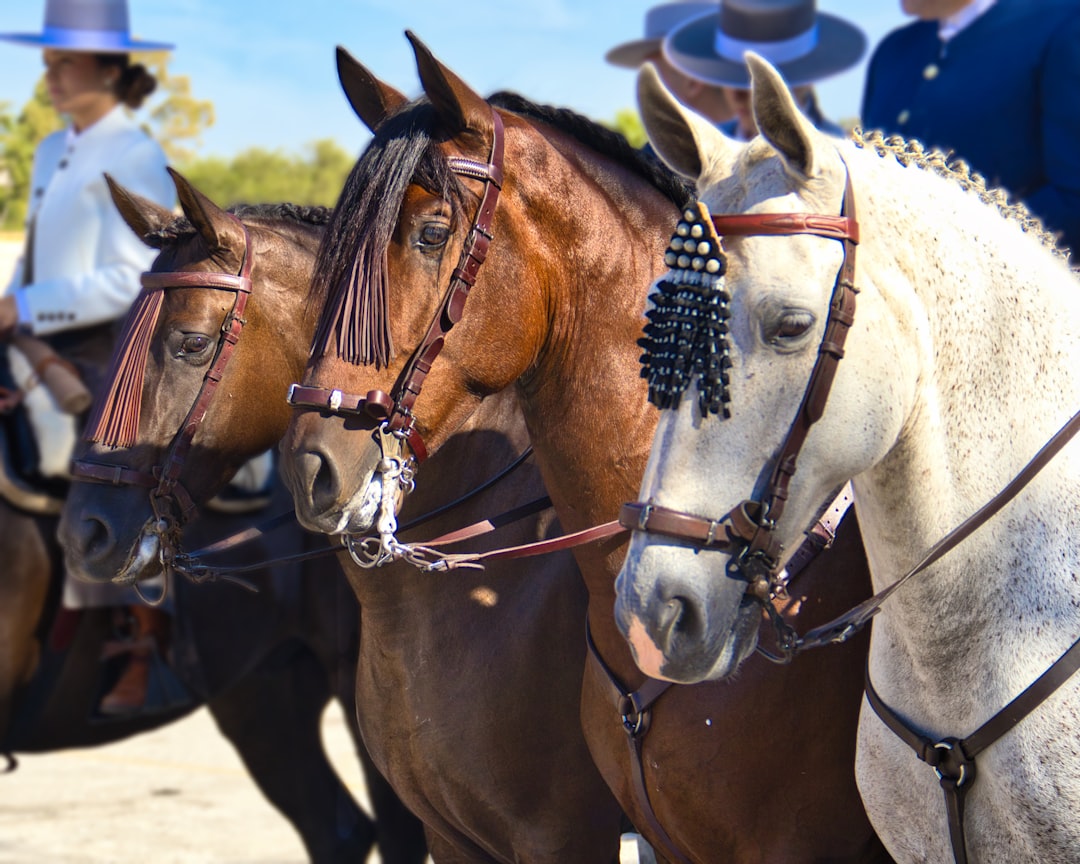
Start with awareness: follow breed societies, visit conservation herds, and share their updates. If you’re a rider, book a lesson or clinic on a rare breed to create demand. Farmers and land managers can hire rare drafts for logging or conservation grazing, turning heritage into livelihood. Donations to gene banks and registries stretch far because each test, straw, or transfer can tip the math.
Policy matters too – support local protections for heritage livestock and fair access to grazing. And if you’re ready for ownership, work with registries that use genetic tools and transparent plans. One thoughtful home can change a line’s trajectory – did you expect it could be yours?