
In a museum storeroom nearly a century ago, a clay jar with a copper cylinder and an iron rod began whispering a rumor that refuses to fade: maybe electricity sparked in antiquity. The so‑called Baghdad Battery, unearthed near modern-day Baghdad in the 1930s and dated to the Parthian or early Sasanian era, has since lived a double life – modest vessel by day, potential proto-battery by night. Engineers have coaxed small currents from replicas, while archaeologists point to a lack of wires, switches, or written instructions. The result is a scientific cliffhanger that keeps historians, tinkerers, and skeptics locked in lively argument. I’ve held a replica in a studio lab – cool clay, faint metallic tang – and felt both the romance of possibility and the weight of evidence pressing back.
The Hidden Clues
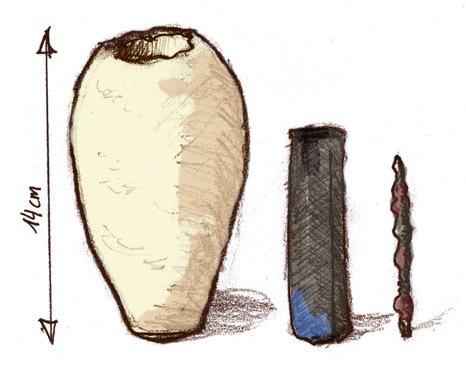
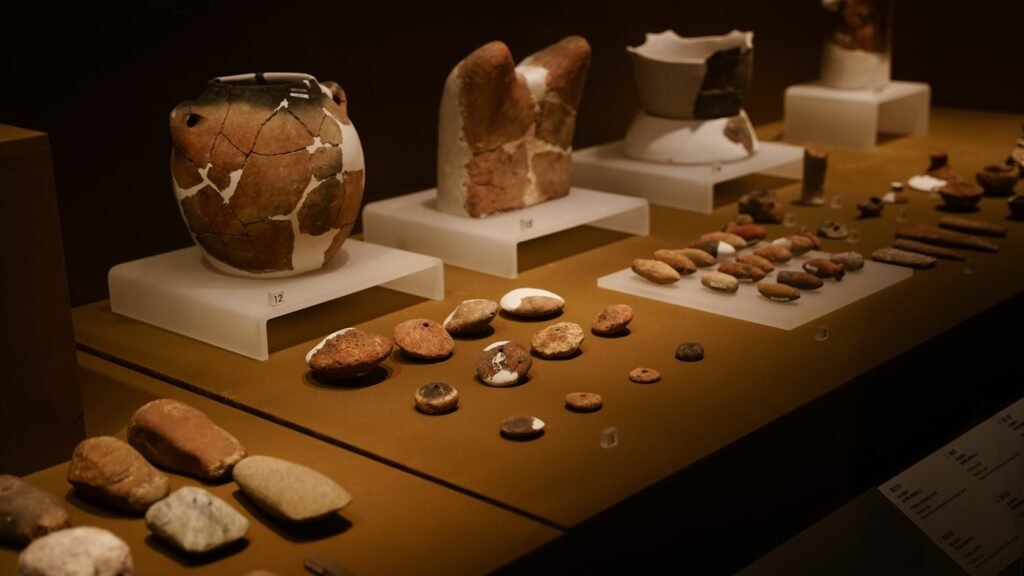
What if the first “battery” hummed to life long before modern science had a name for it? The object is simple: a hand-sized terracotta jar, a rolled copper sheet forming a cylinder, and an iron rod, often with traces of bitumen acting as a sealant. On paper, that’s almost a galvanic cell waiting for an acidic liquid like vinegar, wine, or lemon juice.
Yet in archaeology, form doesn’t equal function without context. No preserved wires have turned up nearby, no ancient manual explains a power source, and associated artifacts don’t demand electricity to make sense. The jar is evocative – but archaeology rewards patience over wishful thinking.
Unearthing a Mystery in the 1930s
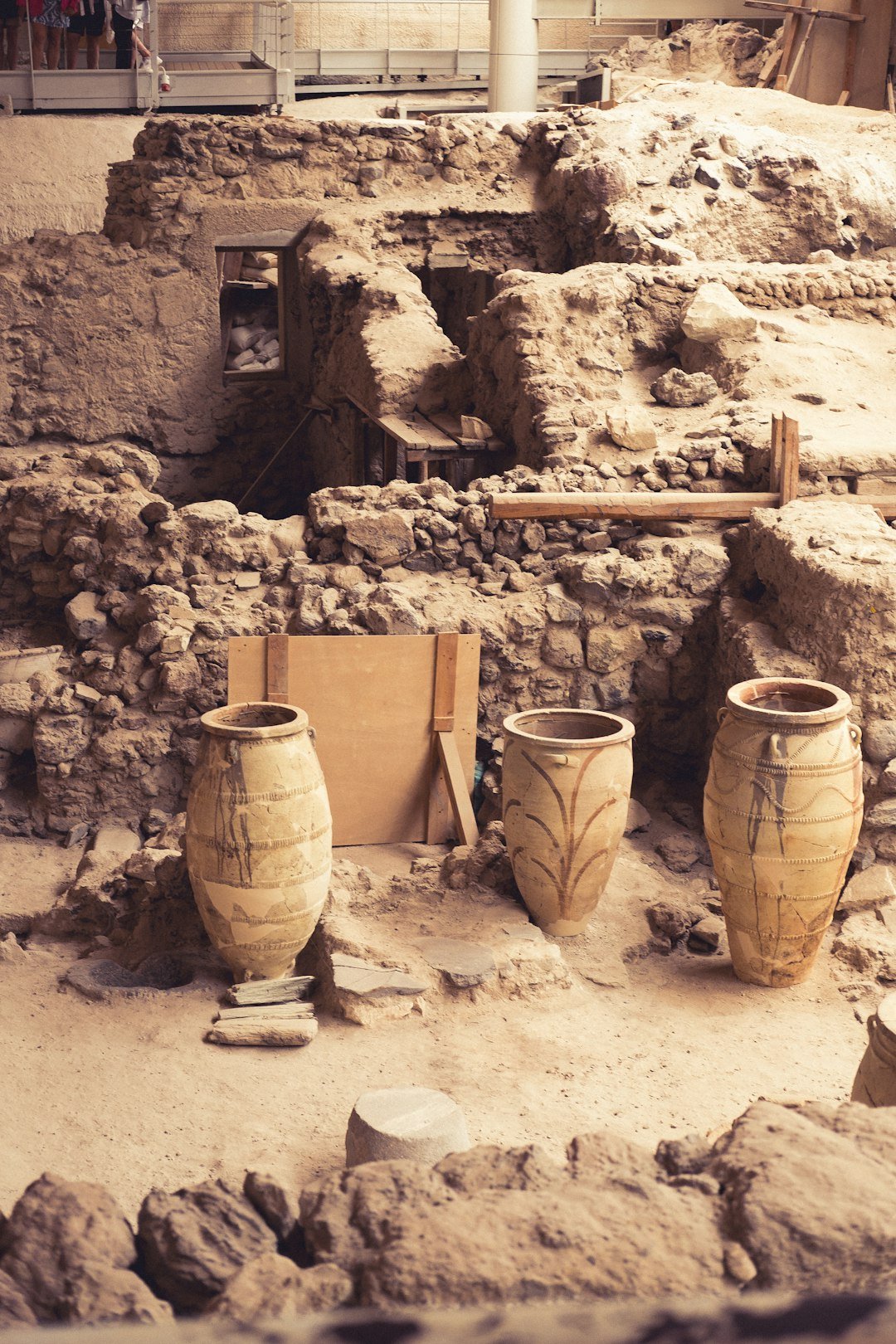
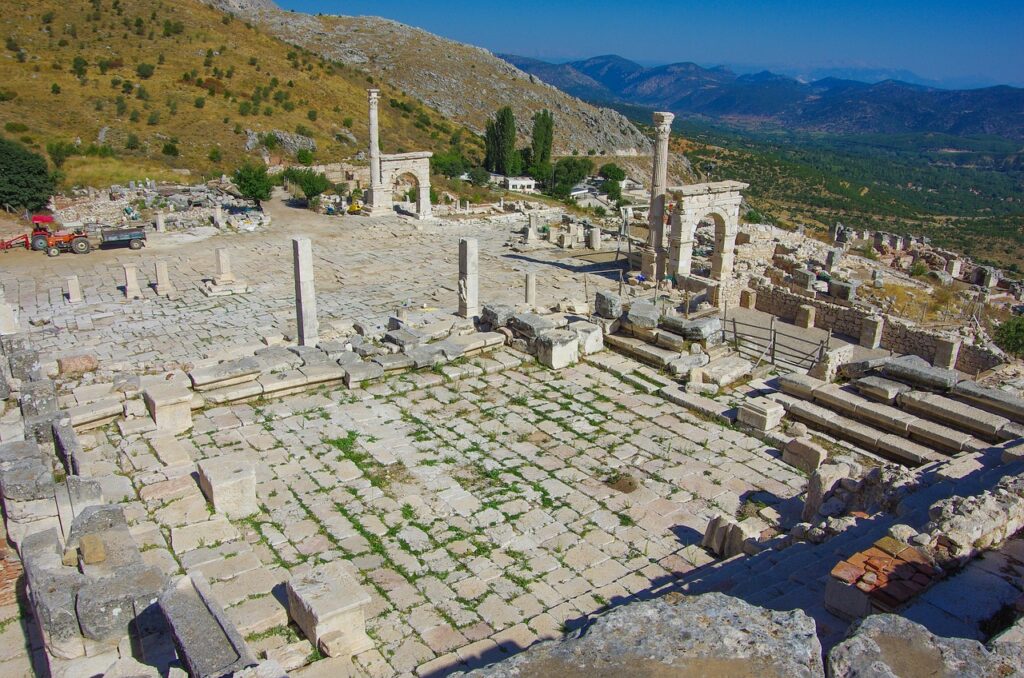
The jar’s story begins in excavations near Khujut Rabu, a site outside Baghdad, when a cluster of similar vessels reached the Iraq Museum. Catalog notes linked them to a time window roughly spanning the last centuries BCE into the first centuries CE, a period rich in trade, metallurgy, and craft innovation. From the start, the pieces felt like a puzzle with a corner missing.
Within a few years, the battery idea surfaced and traveled quickly into popular imagination. It sounded plausible, even thrilling, because it cast the ancient Near East as quietly experimental. But as the jar moved from crate to display to headlines, research questions outpaced hard evidence on the ground.
How a Jar Became a Battery
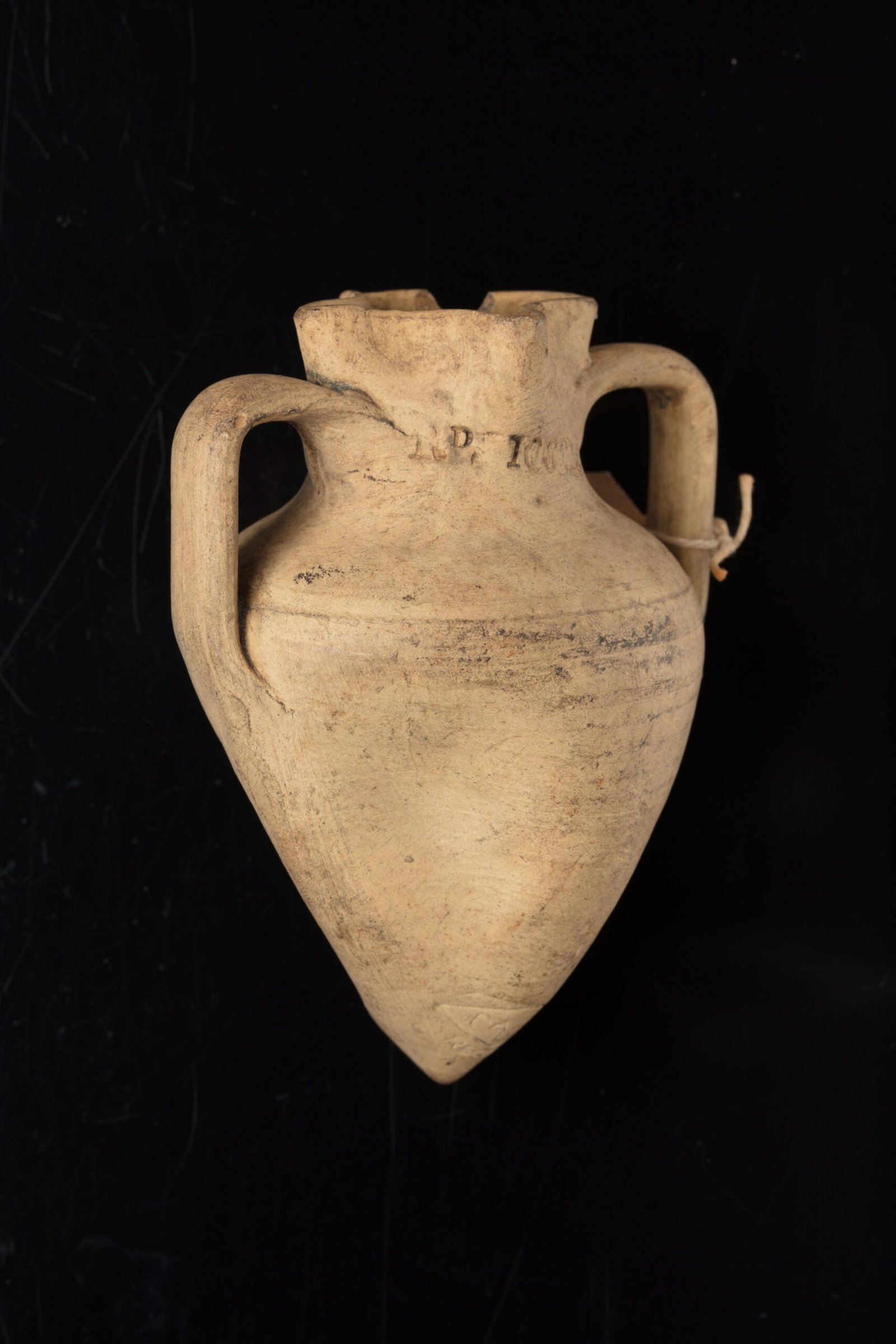
Electrochemistry explains the appeal: place iron and copper in an acidic solution, and electrons flow from the more reactive metal. In the lab, you can measure a modest voltage when a similar jar is filled with vinegar. The configuration, sealed with bitumen, might keep a liquid from evaporating and prevent shorting.
Proposed uses range from electroplating to ritual sensation to medical tingle, each colorful but demanding proof. Alternative explanations are less dramatic but fit the archaeological record: the vessel might have stored scroll fragments, sacred oils, or medicines. In other words, the jar could be clever craft, not cutting-edge tech.
From Ancient Tools to Modern Science
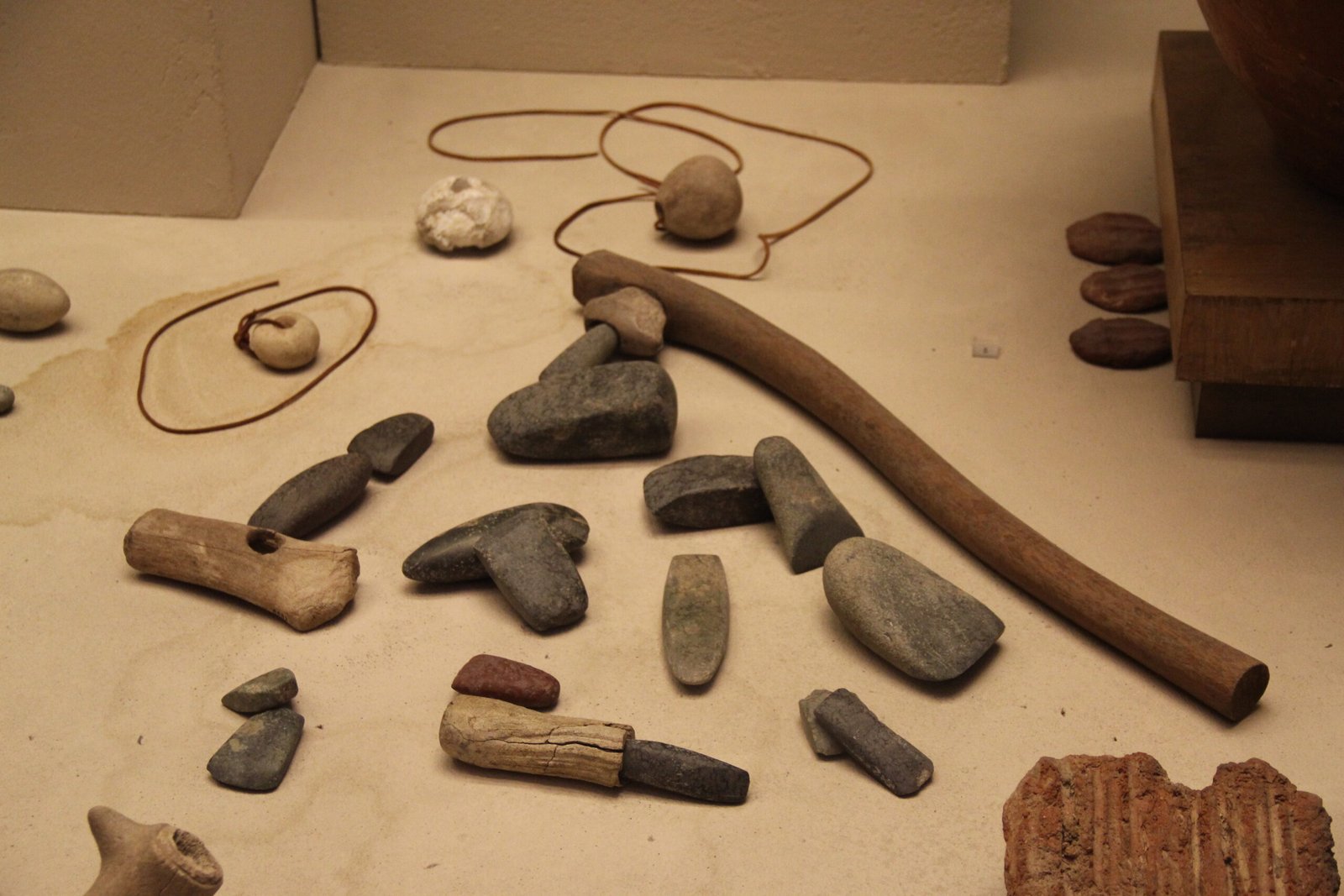
History is messy, and technology rarely marches in a straight line. The Mediterranean world produced intricate machines like the Antikythera mechanism, while Mesopotamia pioneered writing, metrology, and high-temperature crafts. Against that backdrop, a jar that could incidentally act like a cell isn’t impossible – it’s just unproven as a purposeful device.
Modern science gives us the tools to investigate without guesswork. Residue chemistry, micro-CT scanning, and materials microscopy can probe inside fragile vessels, compare clay recipes, and search for corrosion signatures that match repeated acid exposure. The question isn’t whether a jar can be a battery; it’s whether this jar was ever used like one.
Why It Matters
This debate isn’t a quirky footnote; it’s a stress test for how we build knowledge. Extraordinary claims sharpen our methods, forcing archaeologists, chemists, and conservators to collaborate and rule out simpler explanations. When an idea feels exciting, the bar for evidence must rise, not fall.
There’s also a broader lesson about how stories shape science. A catchy narrative can spark curiosity – great for classrooms and public engagement – but it can also harden into myth if not anchored by data. The Baghdad Battery sits at that crossroads, reminding us that skepticism is not cynicism; it’s a path to better understanding.
The Future Landscape

New non-destructive tests can revisit legacy finds without risking damage, a game-changer for artifacts in conflict-affected regions. Techniques like liquid chromatography–mass spectrometry can hunt for organic acids, while isotopic mapping can trace metal sources and manufacturing footprints. Even microscopic salt patterns might reveal whether a vessel held liquid over long periods.
On the field side, improved documentation and open data platforms mean future digs can record context at higher resolution. If wiring channels, connectors, or repeated jar arrays turn up in situ, interpretations could shift quickly. Until then, careful experiments will keep separating possible from probable.
Global Perspectives
The Baghdad jar isn’t alone in stirring tech rumors – similar claims swirl around enigmatic artifacts from Egypt to China. Most fall apart under scrutiny, but a few force genuine revisions to timelines. Cross-regional comparisons help separate universal craft tricks from true technological leaps.
The best progress comes when local expertise leads. Museums and universities in Iraq, where these objects belong, are key to setting research priorities and framing cultural meaning. Shared access and training amplify those efforts far better than any single headline ever could.
Conclusion
If this mystery grabs you, support the people closest to it. Donations to conservation labs and regional museums help fund non-destructive testing and secure storage. Science educators can use safe, home-built cells to teach electrochemistry while emphasizing the difference between demonstration and historical proof.
Stay curious, but ask for methods, not just claims. Follow institutions that publish open data, and reward projects that document context as carefully as results. The jar’s lesson is simple: fascination is the spark; evidence is the light.
Suhail Ahmed is a passionate digital professional and nature enthusiast with over 8 years of experience in content strategy, SEO, web development, and digital operations. Alongside his freelance journey, Suhail actively contributes to nature and wildlife platforms like Discover Wildlife, where he channels his curiosity for the planet into engaging, educational storytelling.
With a strong background in managing digital ecosystems — from ecommerce stores and WordPress websites to social media and automation — Suhail merges technical precision with creative insight. His content reflects a rare balance: SEO-friendly yet deeply human, data-informed yet emotionally resonant.
Driven by a love for discovery and storytelling, Suhail believes in using digital platforms to amplify causes that matter — especially those protecting Earth’s biodiversity and inspiring sustainable living. Whether he’s managing online projects or crafting wildlife content, his goal remains the same: to inform, inspire, and leave a positive digital footprint.