
The lights don’t blink at first. Operators just notice voltage alarms creeping up, transformers running a little hot, and auroras pouring over cities that never see them. The culprit is not a thunderstorm or a hacker – it’s the Sun, flinging out a storm that turns Earth’s magnetic shield into a restless dynamo. The drama is in the timing: flares flash in minutes, while the real grid threat often arrives hours later, hitching a ride inside a coronal mass ejection. In that gap, the question becomes whether our preparations outrun the physics. Sometimes they do. Sometimes they don’t.
The Hidden Clues

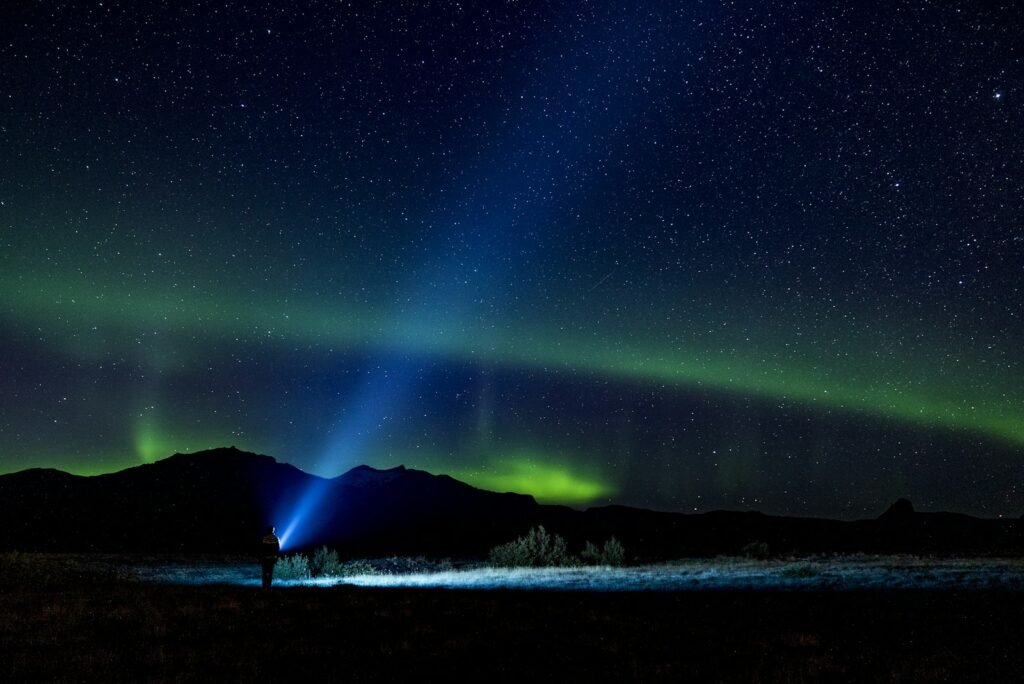
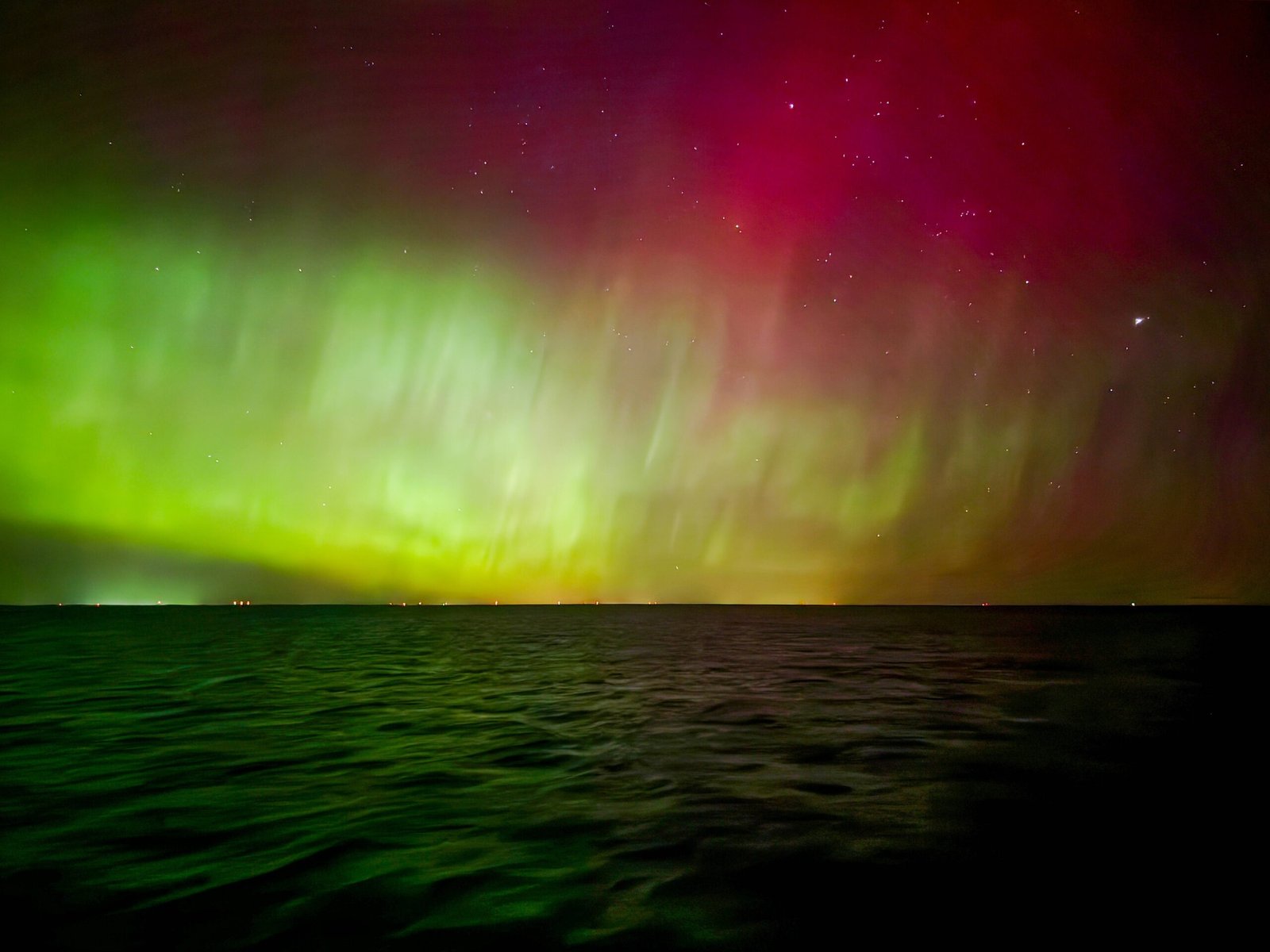
Here’s the twist: the same sky show that paints neon curtains over Alabama can be the first hint of trouble for high‑voltage equipment hundreds of miles away. During the severe May 2024 storms, auroras spread far south while magnetometers jumped and grid operators shifted into conservative postures within minutes. Those swings aren’t just pretty – they signal rapid changes in Earth’s magnetic field that can drive unwanted currents through long transmission lines. When those currents surge, protective relays chatter, voltages wobble, and operators have to move fast. It’s a thriller plot where the soundtrack is silent and the clues are hidden in numbers.
Forecasters now routinely flag such events with watches and warnings days to hours ahead, giving utilities precious time to postpone maintenance, reduce transfers, and staff up control rooms. That advance notice is what helped keep the May 2024 storm from becoming a headline‑level blackout.
From Ancient Storms to Modern Science
We’ve seen the worst‑case version before – just not with modern technology at stake. In September 1859, the Carrington storm lit telegraph paper on fire and sent shocks through operators’ hands, a Victorian‑era warning of twenty‑first‑century risk. Jump to March 1989 and Quebec’s grid collapsed in less than two minutes, triggering a nine‑hour outage after a strong storm drove currents through long lines strung over hard Canadian Shield rock. Those incidents are touchstones because they reveal the same pattern: long conductors, rapid magnetic swings, and equipment pushed outside its comfort zone. What changes across eras is our dependency on the tech, not the physics of induction.
The scientific link – fast CMEs coupling to Earth’s field – has only sharpened with better satellites and ground arrays, turning history into a playbook rather than a ghost story.
Anatomy of a Solar Flare
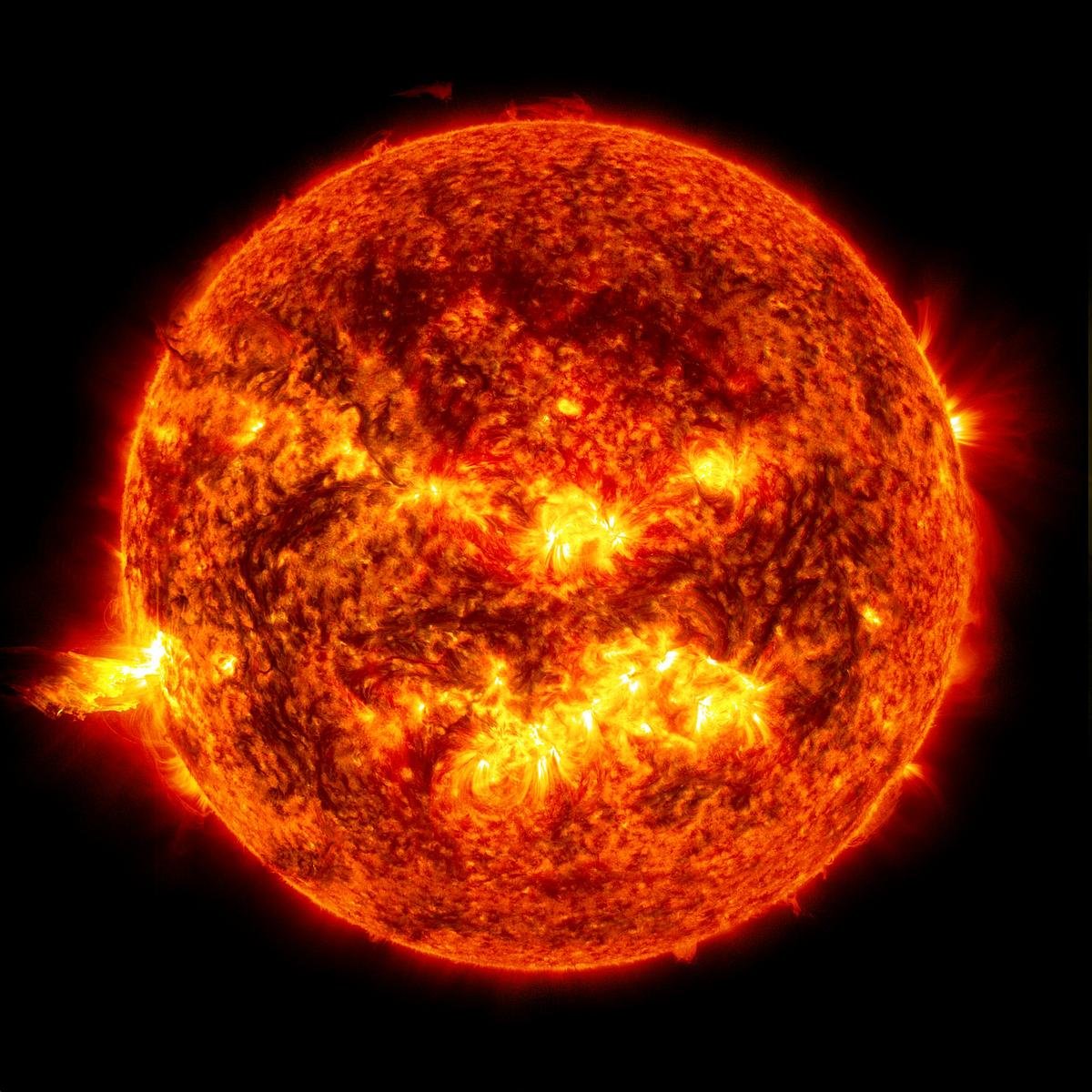
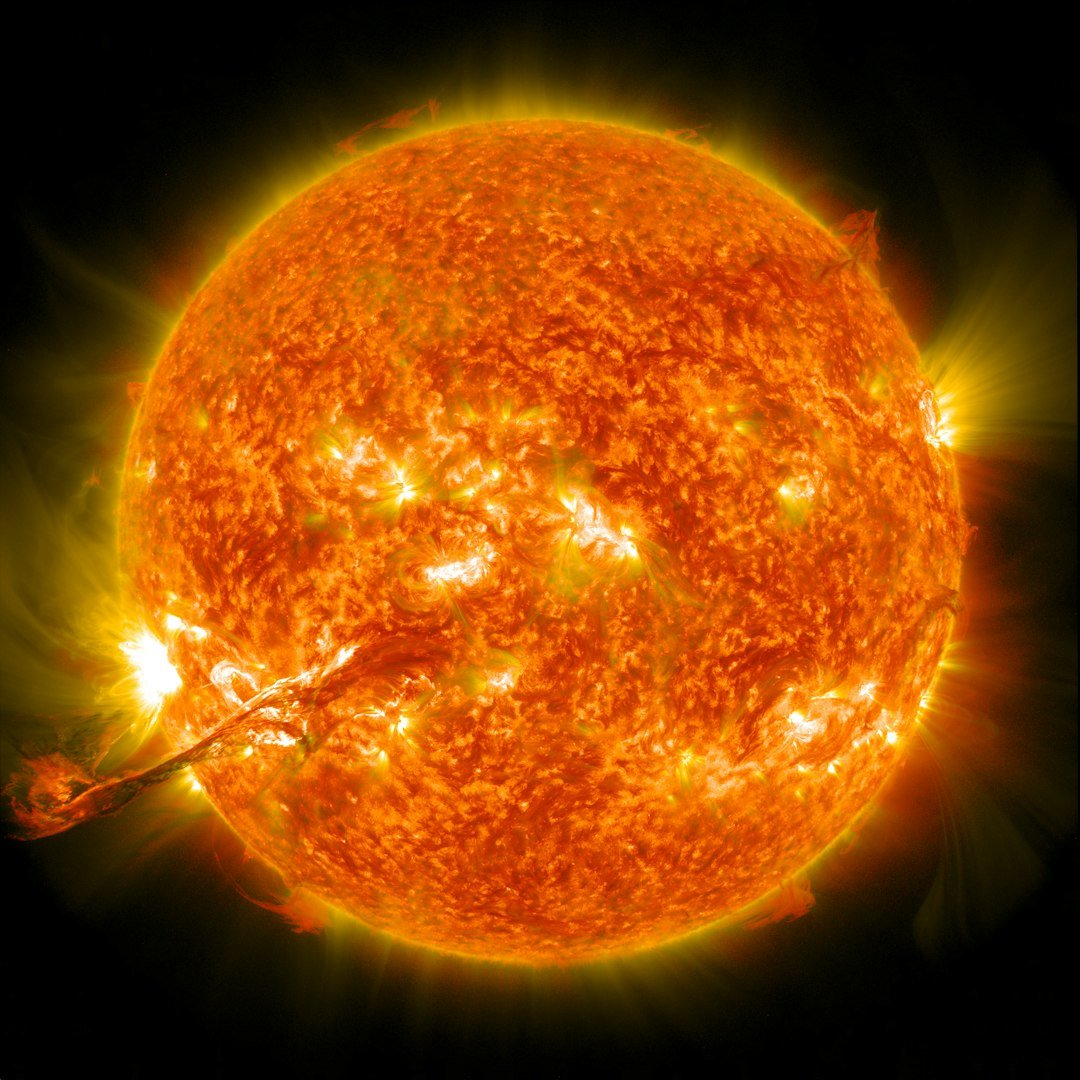
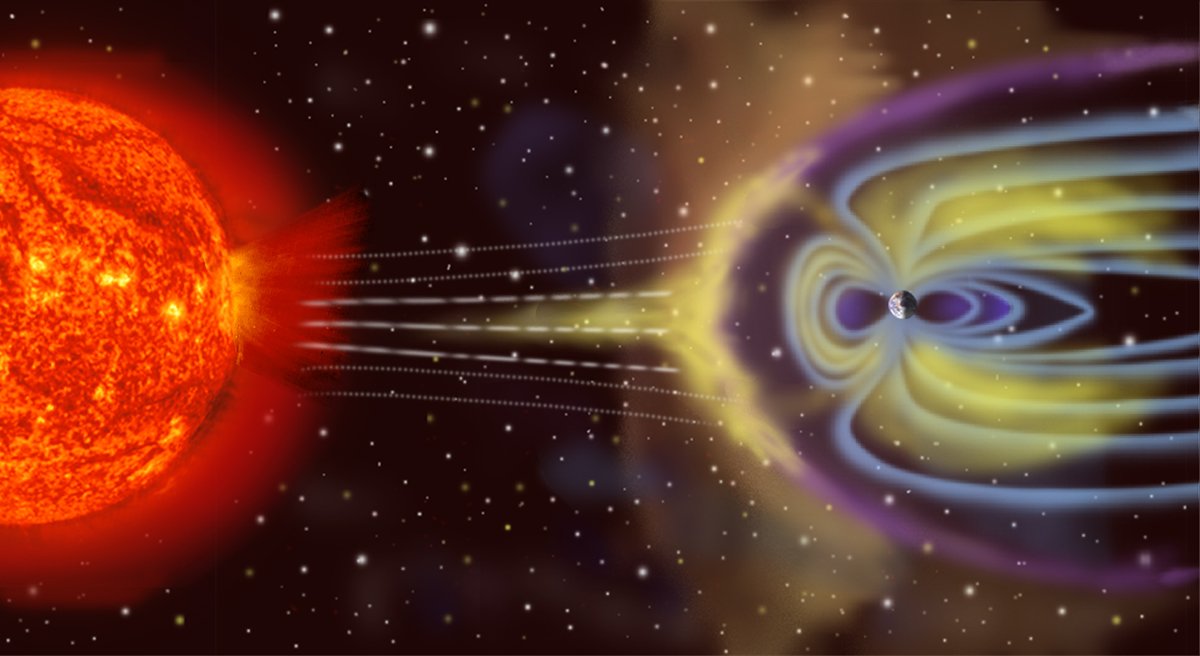
A solar flare is a flash of radiation; it can cause short‑lived radio blackouts almost instantly because light takes only eight minutes to reach us. The heavier punch to power grids usually rides with a coronal mass ejection, a vast magnetic cloud that can barrel through space and reach Earth in under a day if it’s fast. When that cloud’s magnetic field points southward, it couples strongly to our magnetosphere and dumps energy into high‑latitude ionospheric currents. That, in turn, sets the stage for what grid engineers worry about most: slow, persistent currents imposed on equipment that was designed for alternating current. It’s a mismatch – like trying to tow a trailer with a sports car in first gear.
Sometimes multiple eruptions merge into a single, more potent “cannibal” CME, complicating arrival forecasts and extending storm duration – another reason operators prepare for a marathon, not a sprint.
The Domino Effect on a Power Grid
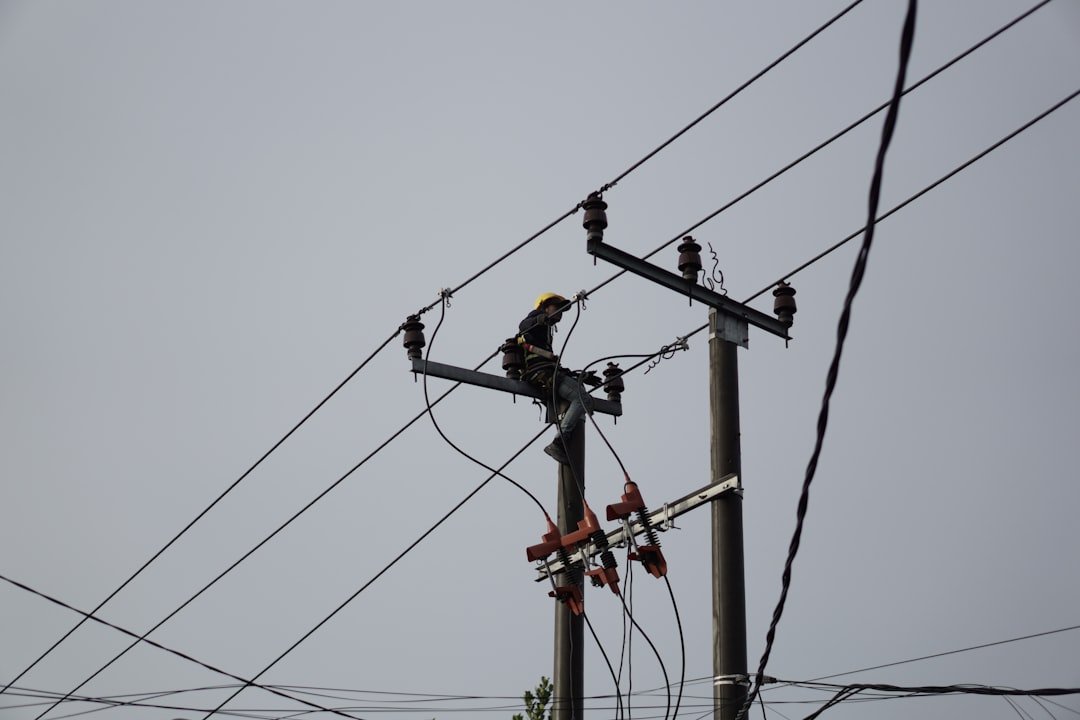
When a big CME hits, Earth’s roiling magnetic field induces electric fields in the ground, which push quasi‑direct currents into the grid through transformer neutrals. Those geomagnetically induced currents partially saturate transformer cores, causing overheating and a flood of odd‑order harmonics that confuse protective relays and chew up reactive power reserves. Long transmission lines and certain geologies – think ancient, resistive bedrock – exacerbate the problem by forcing more current along the path of least resistance: our wires. If reactive reserves fall and voltages sag, operators can face a cascading scenario where multiple protection systems trip almost at once. That’s how a beautiful aurora becomes an ugly outage.
The fix in the moment is operational: re‑dispatch generation, shed noncritical transfers, and take vulnerable components out of service. The fix in the long term is design and hardware.
Why It Matters
This isn’t about panic; it’s about scale. A severe hurricane can devastate a region, but a severe geomagnetic storm can stress multiple interconnections at once, testing the shared backbone that keeps hospitals, data centers, and water systems humming. In May 2024, the United States saw extreme storm levels for the first time since 2005; thanks to planning and early warnings, major outages didn’t materialize, but GPS and radio services wobbled and operators stayed on edge for days. The lesson is careful and sobering: we can get lucky, but we shouldn’t count on luck.
Standards now require utilities to model and mitigate these hazards – EOP‑010 for operations and TPL‑007‑4 for planning – with federal regulators noting that a large share of extra‑high‑voltage transformers have improved resilience compared with a decade ago. That’s progress, not immunity. I still keep a small battery radio and a spare charger in a drawer, not out of fear, but because solar storms don’t check the calendar.
Global Perspectives
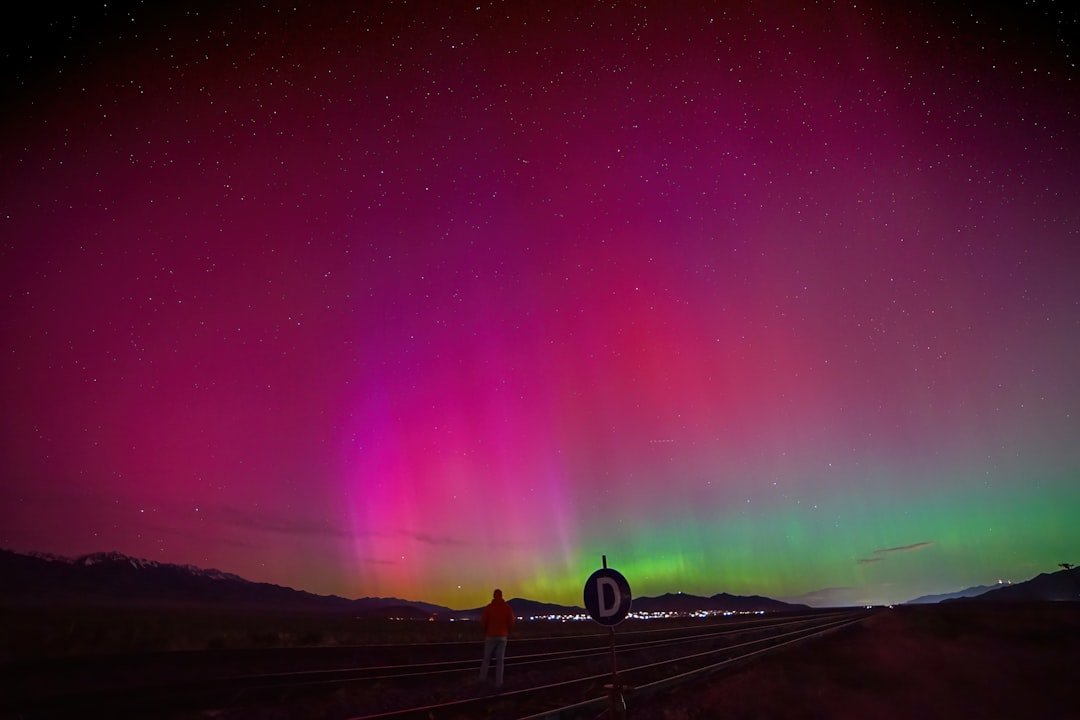
Latitude is destiny for auroras, but not always for risk. Nordic grids, Canada, and the U.S. Upper Midwest live closer to the action, yet storms can drive currents far equatorward when conditions line up. In May 2024, agencies from Europe to New Zealand reported impacts ranging from degraded communications to emergency grid postures, a reminder that long lines and local geology matter as much as map coordinates. And it’s not only power: pipelines, rail signaling, and undersea cables carrying non‑optical repeaters can all feel the tug of induced currents. Space systems feel it too, with satellites experiencing extra drag and, in past storms, outright losses.
As Solar Cycle 25 peaked with sunspot counts higher than forecasters first expected, these global snapshots formed a mosaic of a planet stress‑testing its technology in real time.
From Ancient Storms to Modern Hardware
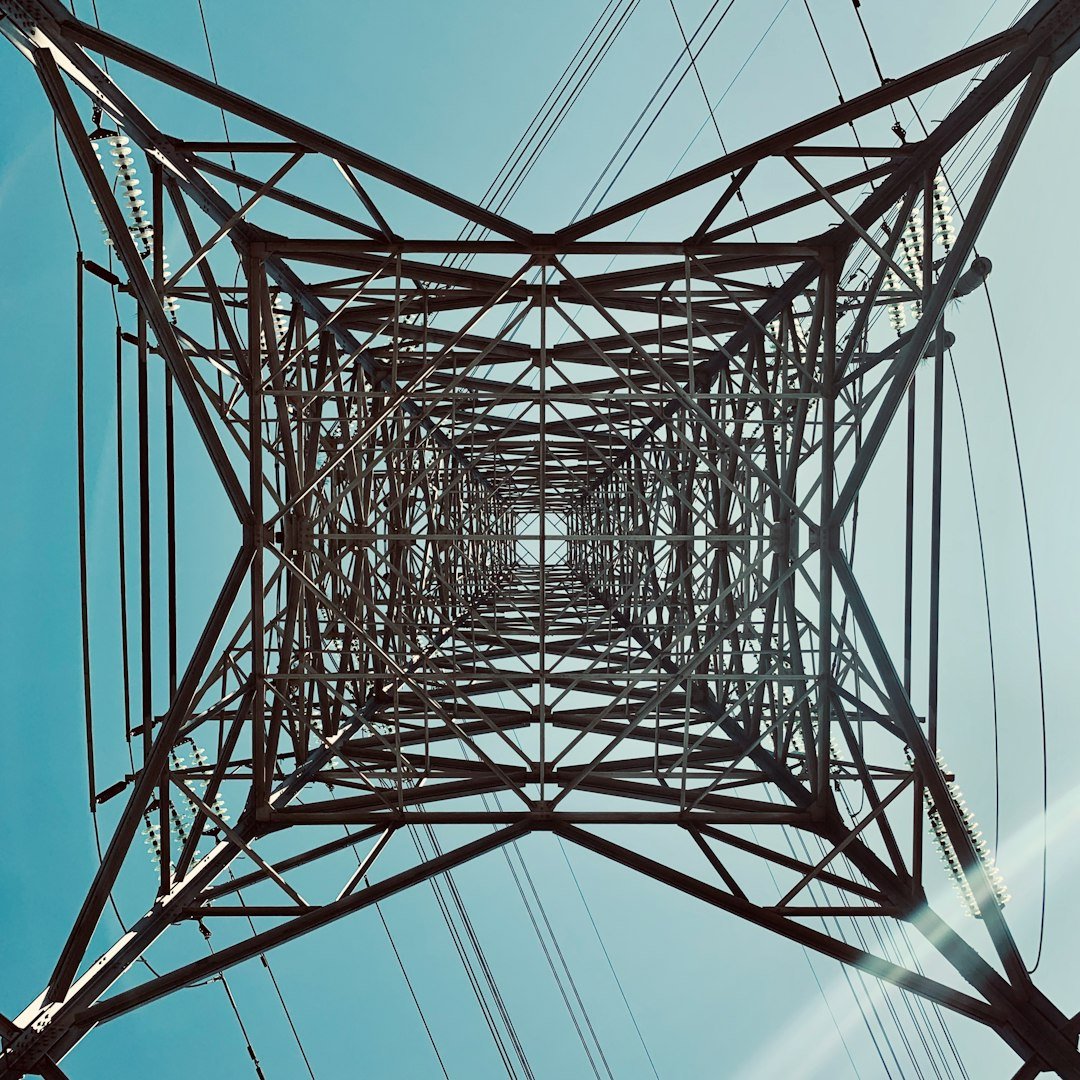
We’ve moved beyond just watching the sky. Utilities are installing GIC sensors on critical assets, mapping ground conductivity to spot hotspots, and testing neutral‑blocking devices that insert capacitors in transformer grounds to stop quasi‑DC currents at the doorstep. Western Area Power Administration energized such a device in South Dakota, part of a deliberate shift from pure procedures to procedures plus hardware. Those devices aren’t silver bullets, but they buy time and margin when storms push systems toward their limits. It’s like adding better brakes to a car you already know how to drive well.
Research that started decades ago – some of it under EPRI – has matured into deployable options that can coexist with protection schemes, provided they’re modeled and tested with care.
The Future Landscape
The next leaps are about prediction and coordination. Better CME characterization – speed, magnetic orientation, and whether multiple eruptions will merge – can tighten arrival windows from hours to tens of minutes, translating into smarter grid configurations before the first surge appears on SCADA screens. Closer ties between NOAA forecasters and reliability coordinators are already standard, but richer data pipelines and automated decision support could shave crucial minutes off every response. On the ground, more granular conductivity maps and real‑time GIC monitoring can turn a continental problem into a set of local playbooks.
Policy is moving too: planners are updating vulnerability assessments, and regions like ERCOT are requesting detailed equipment responses to benchmark storm scenarios. And while standards now cover most of what matters, lifecycle issues – aging transformers, supply chains for spares, workforce training – will decide whether a future storm becomes a footnote or a case study.
What We Can Do Now
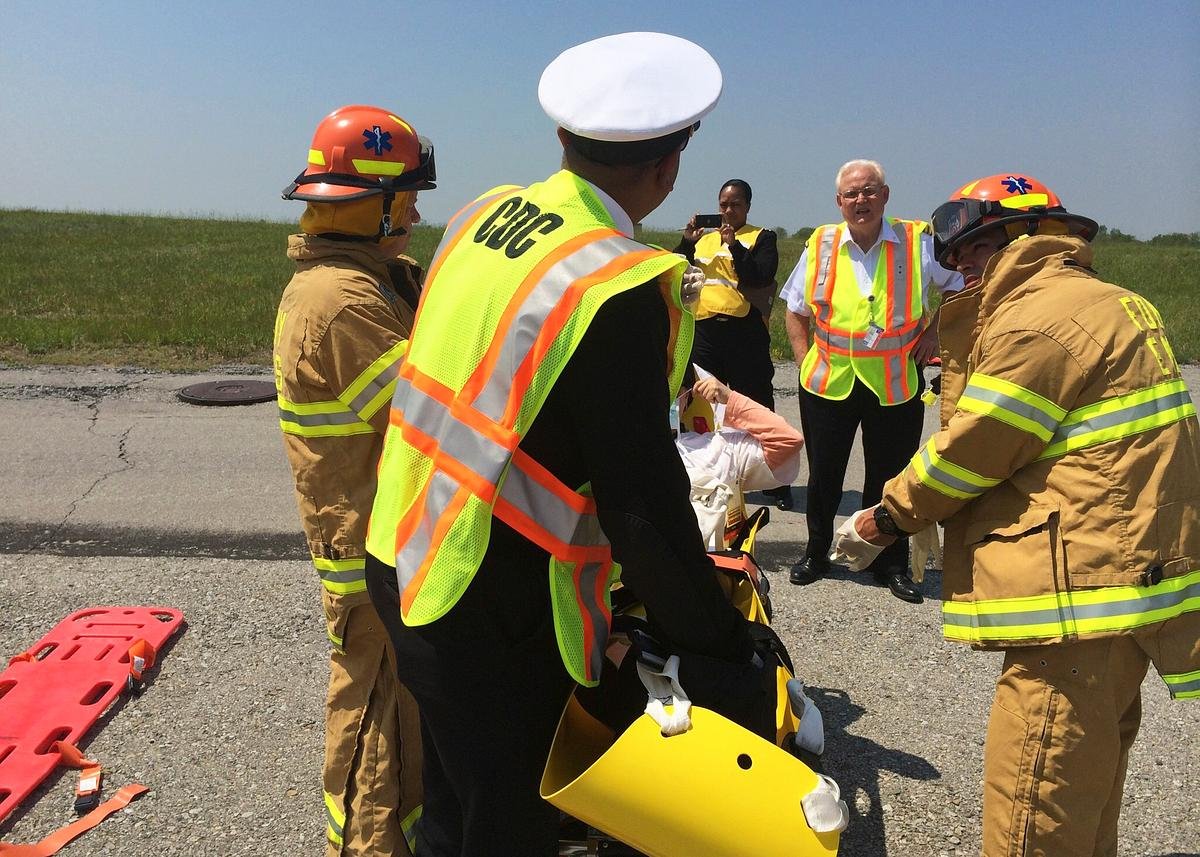
For individuals, the checklist is simple: sign up for NOAA space‑weather alerts, keep surge protection on essential electronics, and stash a small emergency kit with batteries, lights, and a way to charge a phone. Communities can ask utilities whether they’ve completed GMD vulnerability assessments under TPL‑007‑4 and whether they monitor GIC at key substations. If you work in critical infrastructure – hospitals, telecom, water – confirm that backup power plans account for multi‑day geomagnetic disturbances, not just one‑and‑done events. These steps aren’t dramatic; they’re practical. Think of them as buckling a seatbelt before a long drive on a night with gusty winds.
And if you’re fascinated by the science, follow the official alerts during the next aurora display. When the sky turns electric, you’ll know what the grid is feeling, and why the quiet work behind the scenes matters.
Suhail Ahmed is a passionate digital professional and nature enthusiast with over 8 years of experience in content strategy, SEO, web development, and digital operations. Alongside his freelance journey, Suhail actively contributes to nature and wildlife platforms like Discover Wildlife, where he channels his curiosity for the planet into engaging, educational storytelling.
With a strong background in managing digital ecosystems — from ecommerce stores and WordPress websites to social media and automation — Suhail merges technical precision with creative insight. His content reflects a rare balance: SEO-friendly yet deeply human, data-informed yet emotionally resonant.
Driven by a love for discovery and storytelling, Suhail believes in using digital platforms to amplify causes that matter — especially those protecting Earth’s biodiversity and inspiring sustainable living. Whether he’s managing online projects or crafting wildlife content, his goal remains the same: to inform, inspire, and leave a positive digital footprint.