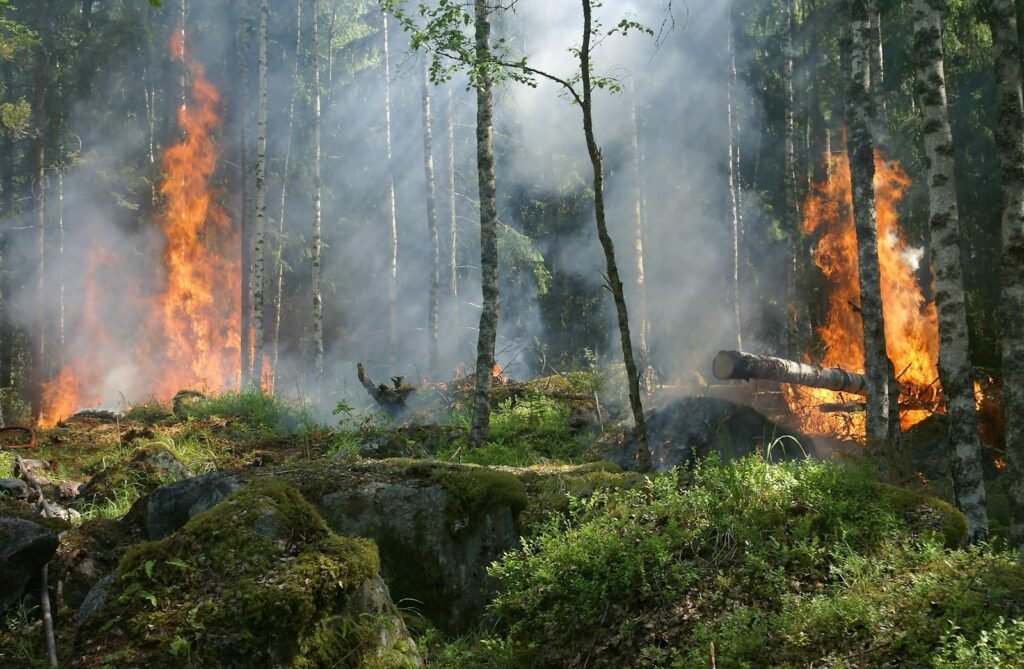

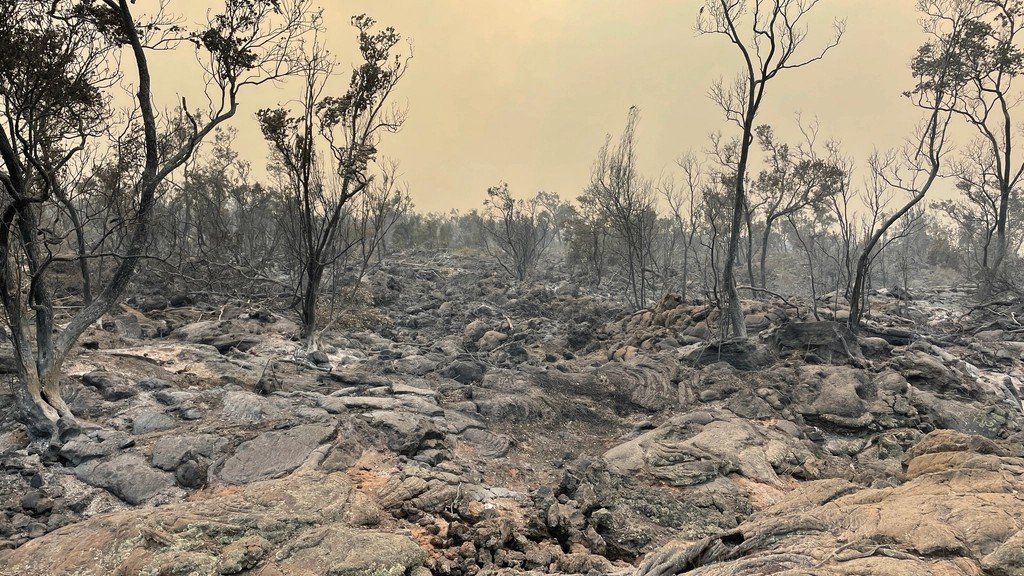
In the American West, the line between destruction and renewal is thinner than it looks in the smoke. Fires tear through forests, erase familiar skylines, and leave communities grieving – but they also set the stage for one of nature’s most astonishing comebacks. Scientists are racing to decode the rules of this rebirth, because the stakes keep rising as hotter, longer fire seasons reshape entire regions. On a chilly morning last fall, I walked a Sierra Nevada ridgeline that burned hard two summers prior; the ground looked lifeless, yet tiny green flags were everywhere. What grows back, where, and how fast is not guesswork – it’s chemistry, evolution, and human choice colliding in plain sight.
The Hidden Clues
What if the forest already knows how to return, and it’s just waiting for a signal? Heat and smoke carry chemical cues that flip dormant seeds from sleep to sprint, including smoke-born compounds that spur germination in species long adapted to fire. Some pines hold serotinous cones sealed with resin that loosen under heat, releasing seeds right when sunlight and nutrient pulses are at their peak. In shrublands, buried seed banks wake after the ash settles, turning moonscapes into green quilts with surprising speed.
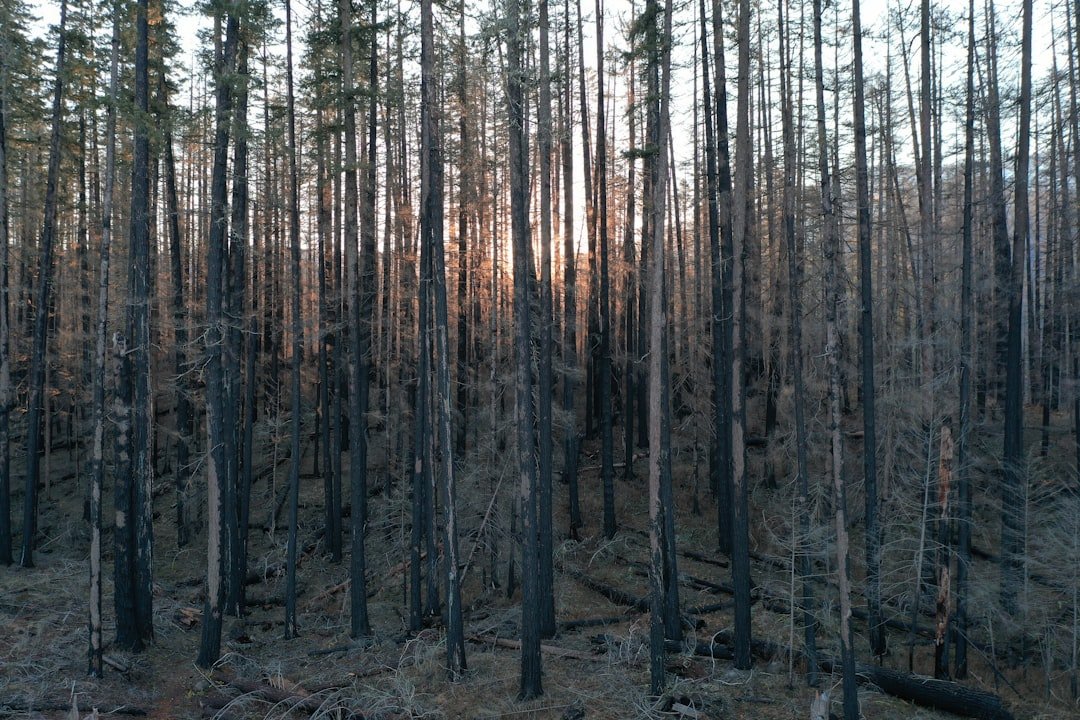
The clues hide in patterns on the ground too. Ash depth, patchy burn severity, and the way winds laid down embers can map where seedlings win or lose months later. Even the blackened skeletons matter: standing snags alter shade, wind, and snow capture, quietly steering the next generation. Recovery isn’t random – it’s a code written by heat, smoke, and time.
After the Flames: The First Responders
Lodgepole pine is the headline act in many high-elevation burns, its seeds raining from freshly opened cones into warm, open soil. In lower, drier hills, chaparral plays by different rules; shrubs like chamise resprout from protected underground crowns while fire-following herbs explode from long-buried seed caches. Nitrogen-fixing ceanothus patches often surge first, feeding the soil while feeding deer, creating early-life islands that help other plants move in.
Grasses can surge too, and not always the ones ecologists hope to see. Where invasive annuals gain a foothold, they build a quick-drying fuse that can re-burn the land faster than native shrubs can establish. That tug-of-war in the first two or three years sets the tempo for decades. Every rain, hoofprint, and fallen branch pushes the balance one way or the other.
Soil Alchemy in a Burned World
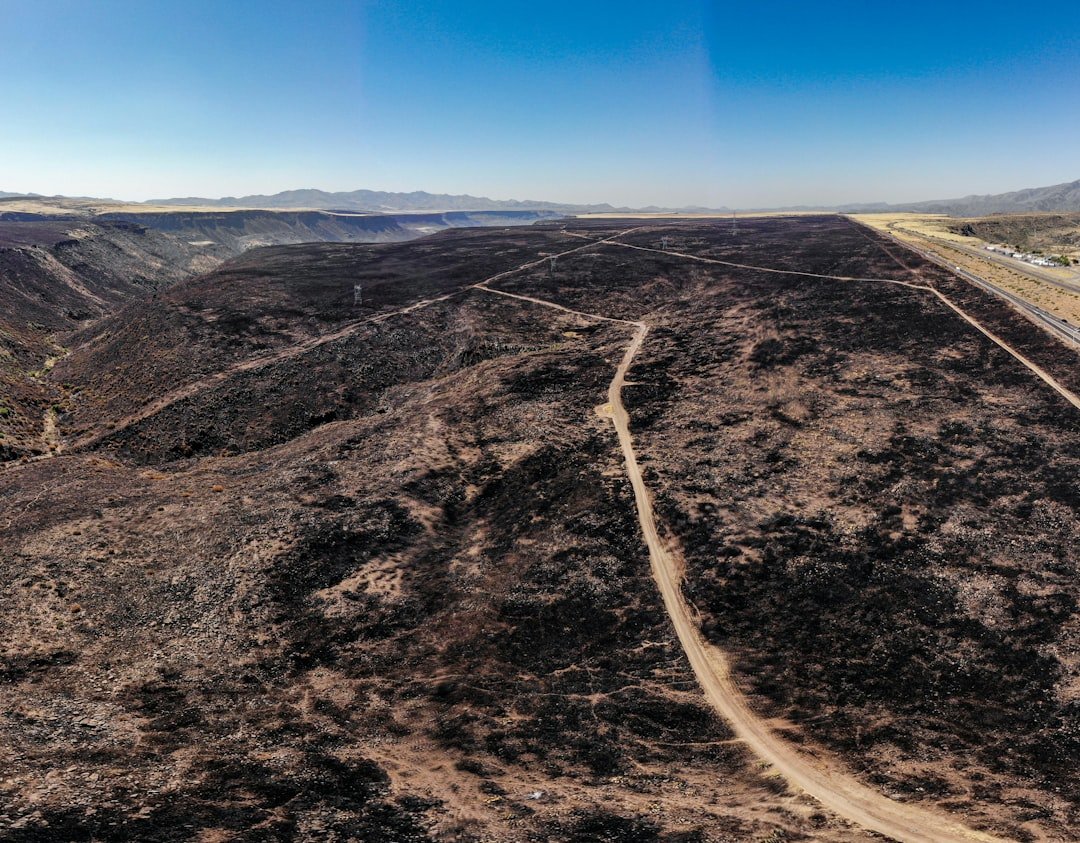
Below the ash, soil changes in ways that look like wizardry at first glance. Heat rearranges organic matter, creates water-repelling layers, and leaves a temporary surge of minerals that young seedlings can gulp. Charred wood acts like a sponge for nutrients, while fragments of living roots and fungi survive in pockets the fire skipped. Rain can flip the script: too much, too fast, and nutrients wash away; just enough, and the buried pantry stays open for months.
Microbes and mycorrhizal fungi return in waves, rebuilding alliances that let roots reach deeper and share scarce phosphorus and nitrogen. In that quiet underground trade, early shrubs and pines barter sugars for minerals and drought insurance. It’s not always a gentle reset – some soils need years to regain structure after severe burns – but the chemistry usually trends toward opportunity. Think of it like a kitchen after a chaotic feast: messy, yes, yet stocked for the next meal.
Wildlife on the Blackened Stage
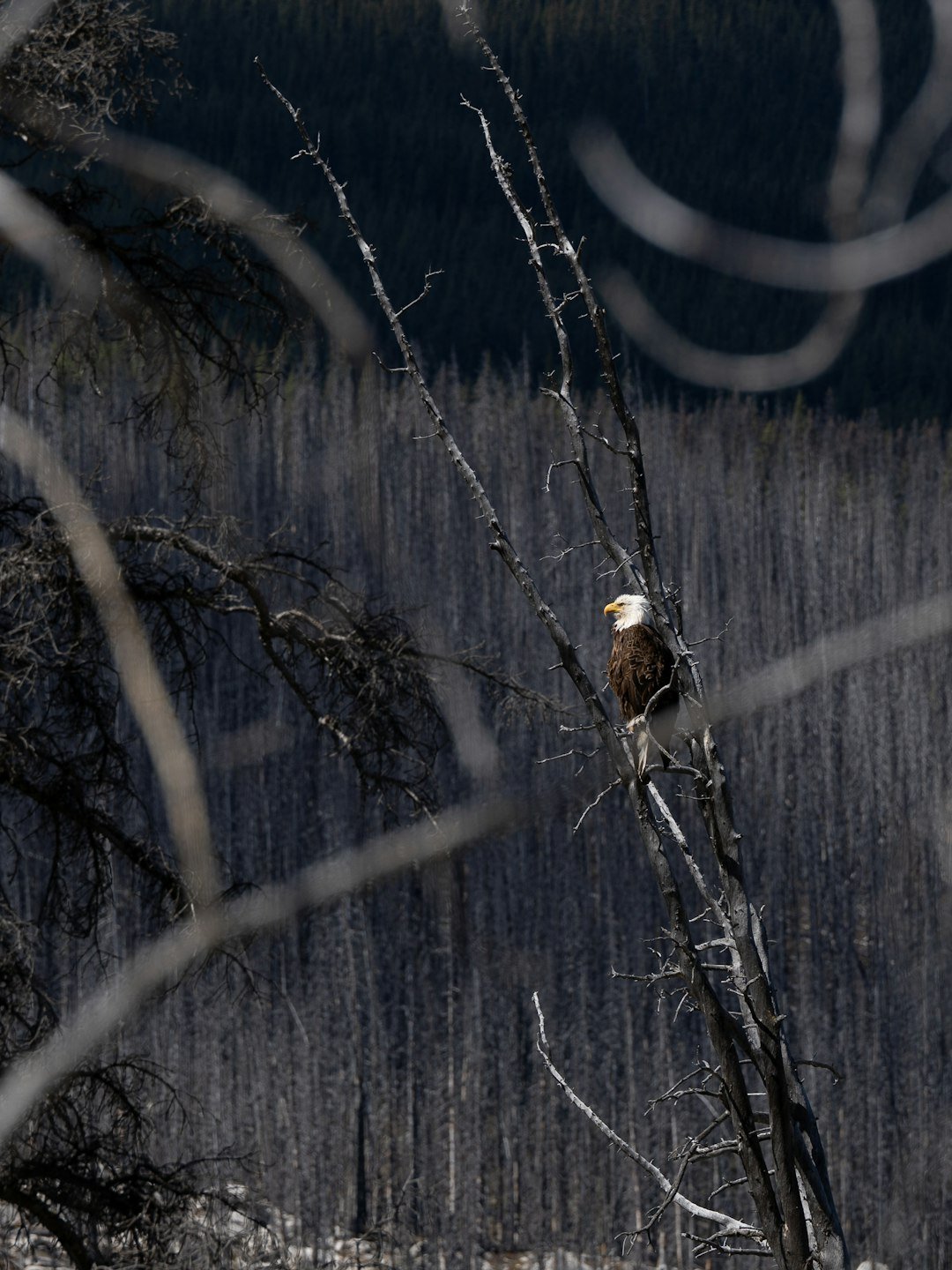
Charcoal forests can sound alive in a way green forests don’t. Beetles arrive quickly and in staggering numbers, drilling into dead trunks and luring woodpeckers that specialize in post-fire buffets. Those cavities become homes for bluebirds, owls, and small mammals, while open, sunlit floors sprout flowering plants that turbocharge pollinator traffic. Deer browse saplings along edges where shade and forage find a truce.
Predators pace these new neighborhoods too, following prey along the ragged boundaries of burn mosaics. The tragedy is real for individual animals caught in the flames, yet the population-level picture often brightens in moderately burned landscapes rich with snags and edge habitat. Over time, the stage fills with different actors, and the play changes scene by scene. The script is written by the mix of severity, not by a single blaze.
From Ancient Tools to Modern Science
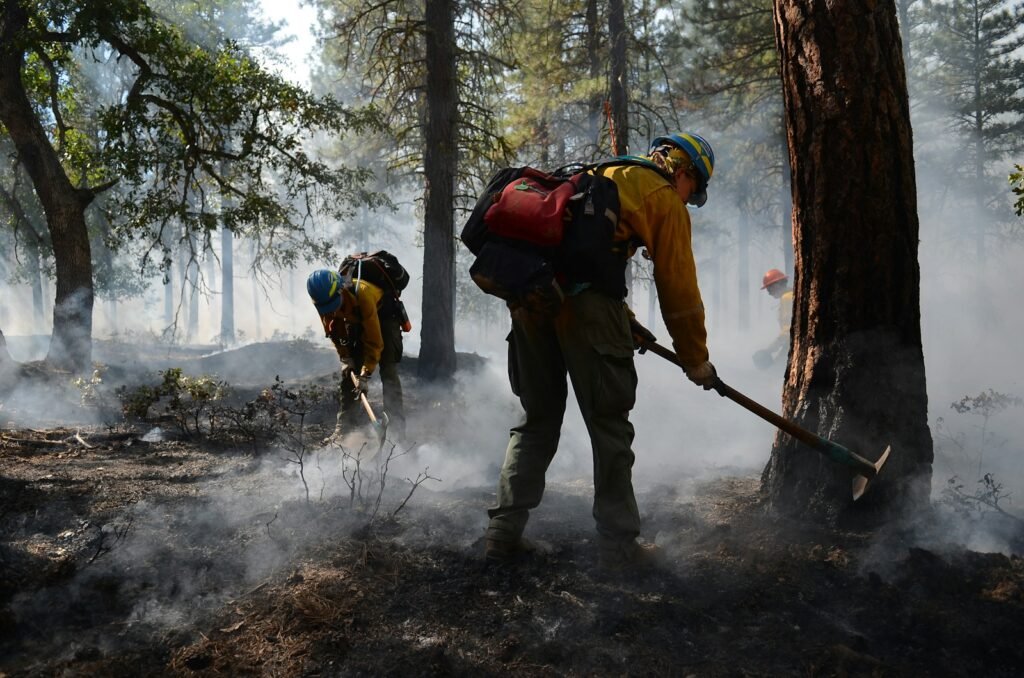
The West has always been a fire-shaped place, and Indigenous cultural burning treated flame as a steward, not an enemy. Low-intensity burns curated open understories, renewed food plants, and created fire breaks long before firefighting engines existed. Today, tree rings and charcoal layers help researchers reconstruct centuries of fire rhythms, showing frequent, patchy burns that kept fuels in check across many landscapes.
Now satellites trace heat columns in real time, drones map snag density, and lidar reveals the roughness of new forests as they rise. Field crews collect seedling counts and soil vials, while models test which slopes will favor pine over shrub decades out. The old and the new are finally talking: cultural knowledge points to where frequent, cool fire belongs; sensors and simulations help set the timing and scale. Together, they give managers a way to rebuild with fewer surprises.
Why It Matters
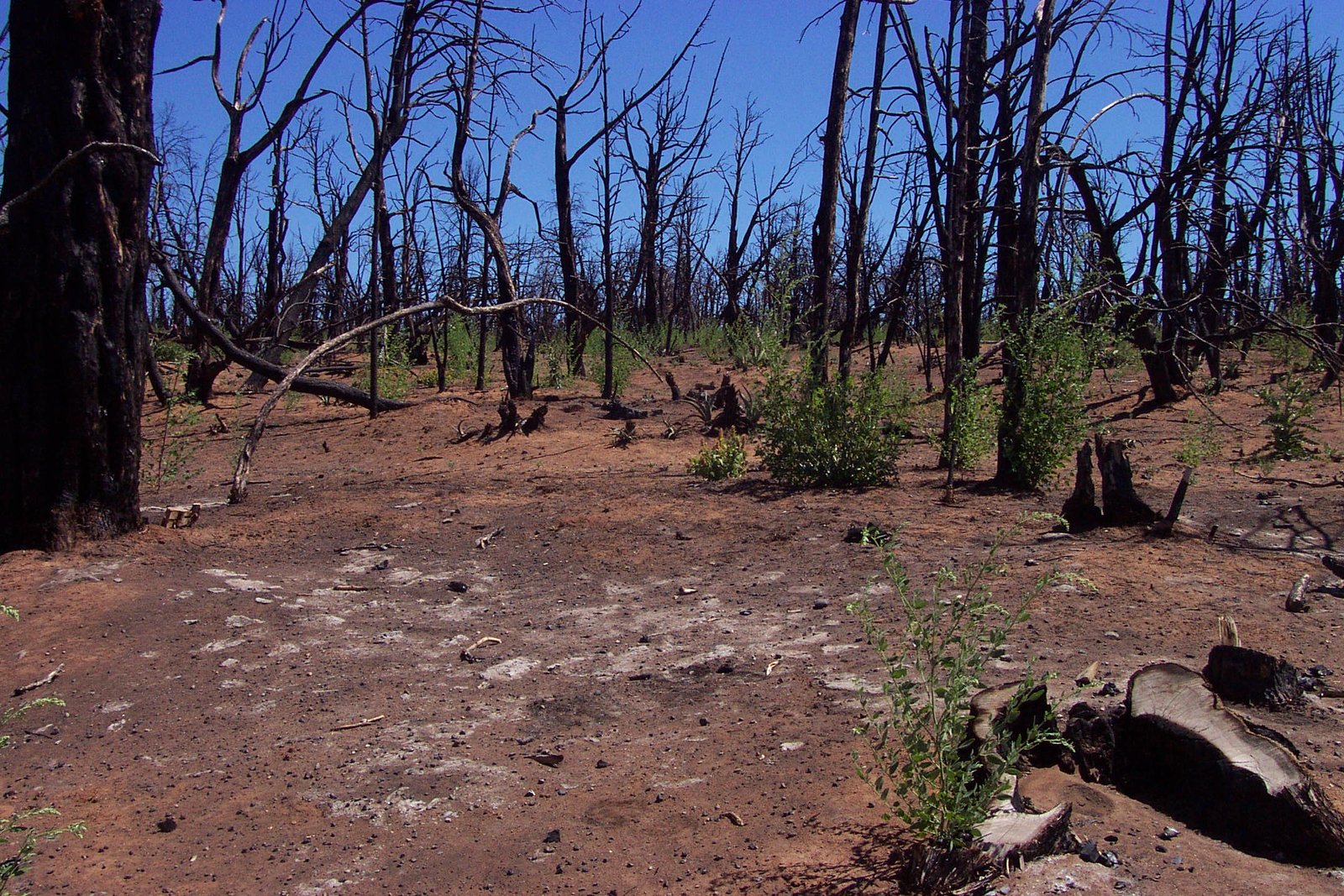
Post-fire decisions can tilt the carbon ledger, water cycles, and biodiversity for a generation. Letting some snag forests stand can lock carbon and habitat, while targeted thinning nearby reduces the odds of repeat, high-severity runs. Replanting can jump-start conifers in places with poor seed sources, but planting the wrong stock or crowding seedlings invites future stress and pests. Salvage logging may recover timber value and open space for seedlings, yet removing too many snags erases crucial wildlife homes.
Consider a few anchors when weighing tradeoffs:
– Mixed-severity mosaics often foster higher biodiversity than uniform burns.
– Early-shrub phases can stabilize soil and feed pollinators while trees regroup.
– Invasives that dominate early years can hard-wire shorter fire cycles and lower habitat quality. These choices ripple into drinking water clarity, recreation, and neighborhood safety. The forest that returns is the one we choose to make possible.
Global Perspectives
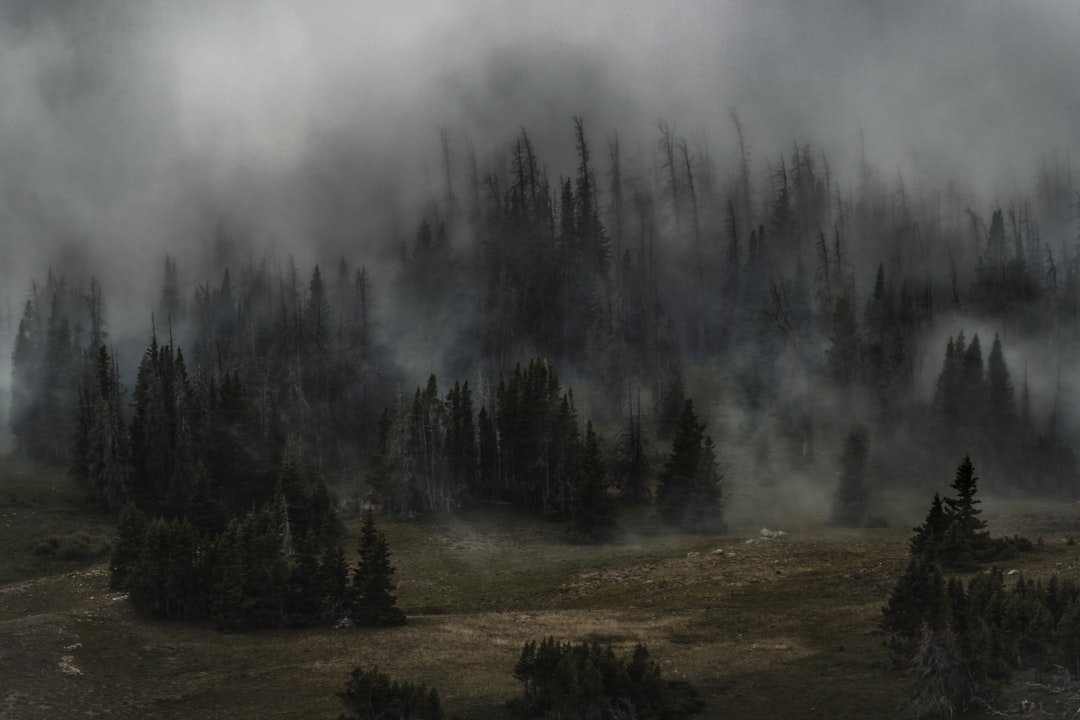
The chemistry of smoke-triggered germination first drew broad attention in fire-prone southern lands, but the insight travels. Mediterranean hillsides bounce back through seeders and sprouters that mirror Western chaparral strategies, while boreal forests lean on serotinous cones and thick bark to stage their resets. In each region, the balance between frequent, cooler burns and rare, severe fires defines recovery pathways.
Trade winds and jet streams erase borders; smoke travels, and so do lessons. Regions battling grass-fueled fire loops can look to strategies that break fine-fuel dominance, while conifer strongholds study how to keep seed sources within reach of burn perimeters. Knowledge is a migratory species, and the West is both donor and recipient. Shared playbooks mean fewer experiments written in ash.
The Future Landscape
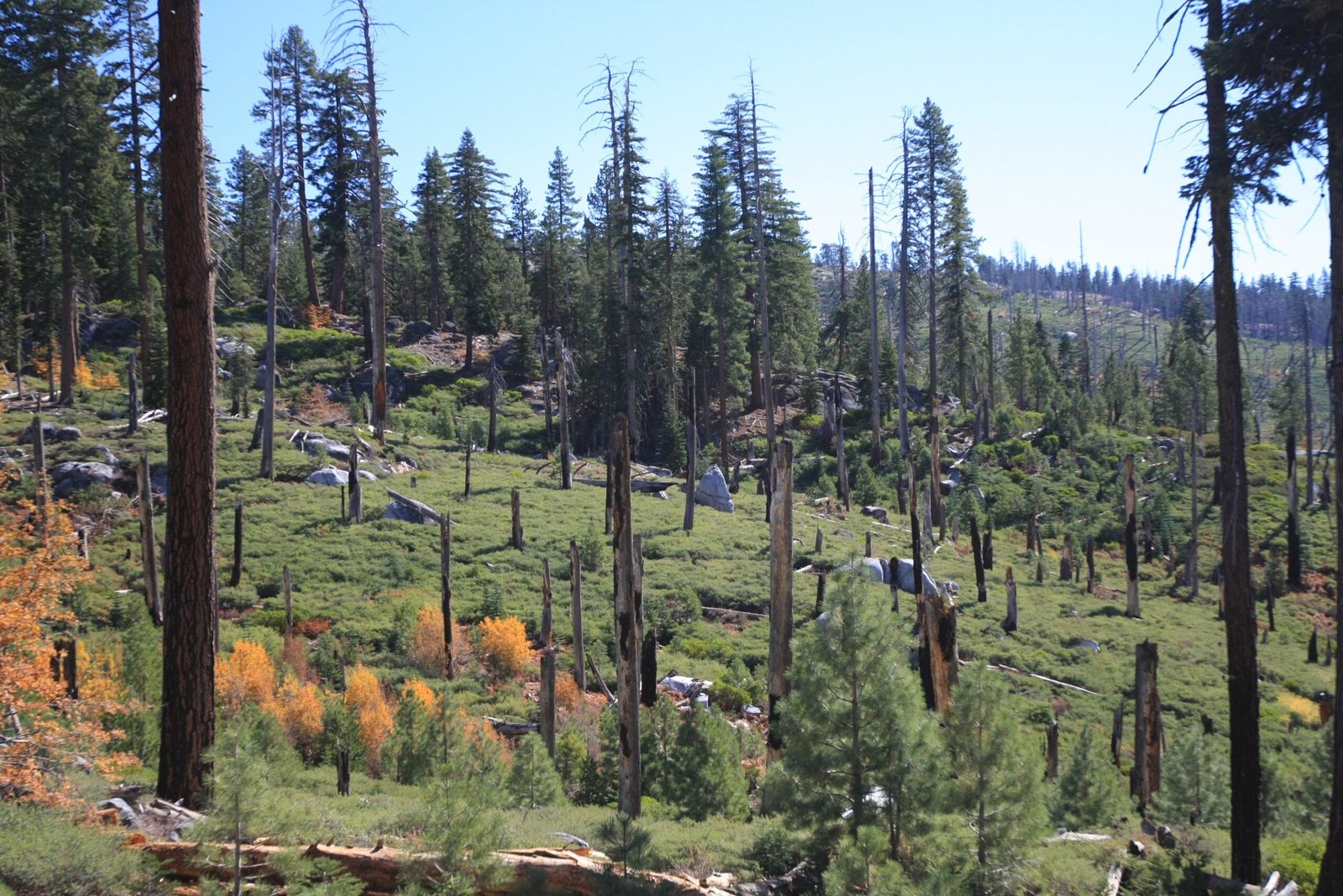
As heat waves stretch and snowpacks swing wild, models point to more area burned and longer shoulder seasons for fire. The recovery side is innovating too: drones fling native seed pods across inaccessible slopes, nurseries grow climate-ready seedlings with broader genetic mixes, and sensors watch soil moisture to time planting windows. AI helps forecast where reburn risk is creeping up, guiding managers to lay down prescribed fire or strategic thinning before the dice get hot.
Challenges loom in equal measure. Invasive grasses can undercut every gain if early treatments lag, and drought can stall tree recruitment even when cones rain seed. Funding cycles often end before ecological recovery does, leaving years two through five under-attended. The future forest will belong to those who plan beyond the first spring of green.
Conclusion
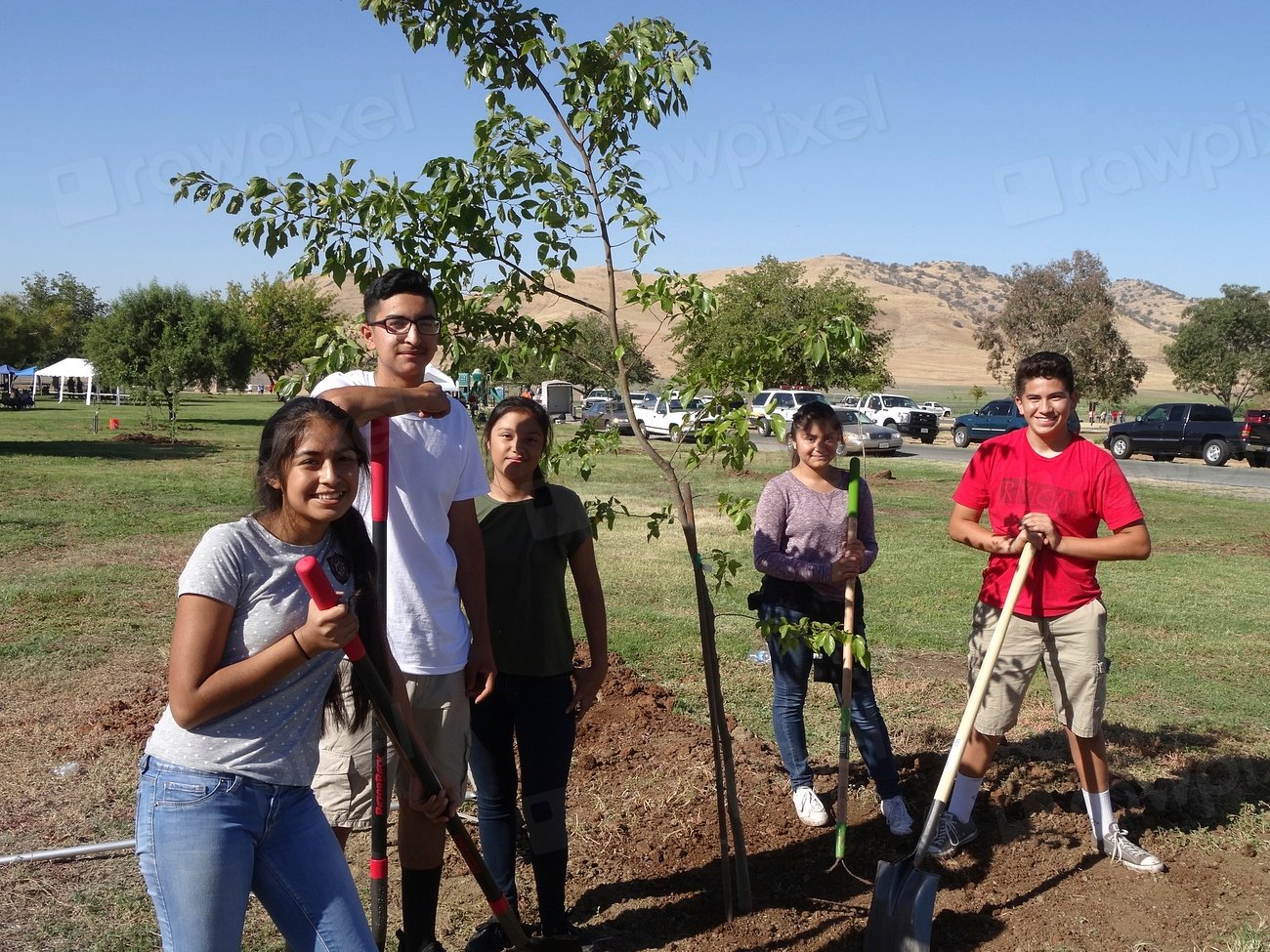
There’s a role for anyone who loves the smell of pine after rain or the hush of a shaded trail. Support groups that collect native seed and help restore trails, because early access lets crews control invasives before they define the next fire. Back efforts that expand cultural burning and well-planned prescribed fire, which rebuilds the patchwork that makes future blazes less punishing. If you live near wildlands, harden your home and create defensible space so firefighters can focus on the right flames at the right time.
Pitch in as a volunteer monitor, snapping seasonal photos of the same plot to track regrowth, or submit observations to community science platforms that feed real datasets. Ask land managers how post-fire plans balance snags, seedlings, and soil protection, and keep the conversation going after the news cycle moves on. The forests that rise from ash are not accidents; they’re choices, stitched together one season at a time.
Suhail Ahmed is a passionate digital professional and nature enthusiast with over 8 years of experience in content strategy, SEO, web development, and digital operations. Alongside his freelance journey, Suhail actively contributes to nature and wildlife platforms like Discover Wildlife, where he channels his curiosity for the planet into engaging, educational storytelling.
With a strong background in managing digital ecosystems — from ecommerce stores and WordPress websites to social media and automation — Suhail merges technical precision with creative insight. His content reflects a rare balance: SEO-friendly yet deeply human, data-informed yet emotionally resonant.
Driven by a love for discovery and storytelling, Suhail believes in using digital platforms to amplify causes that matter — especially those protecting Earth’s biodiversity and inspiring sustainable living. Whether he’s managing online projects or crafting wildlife content, his goal remains the same: to inform, inspire, and leave a positive digital footprint.