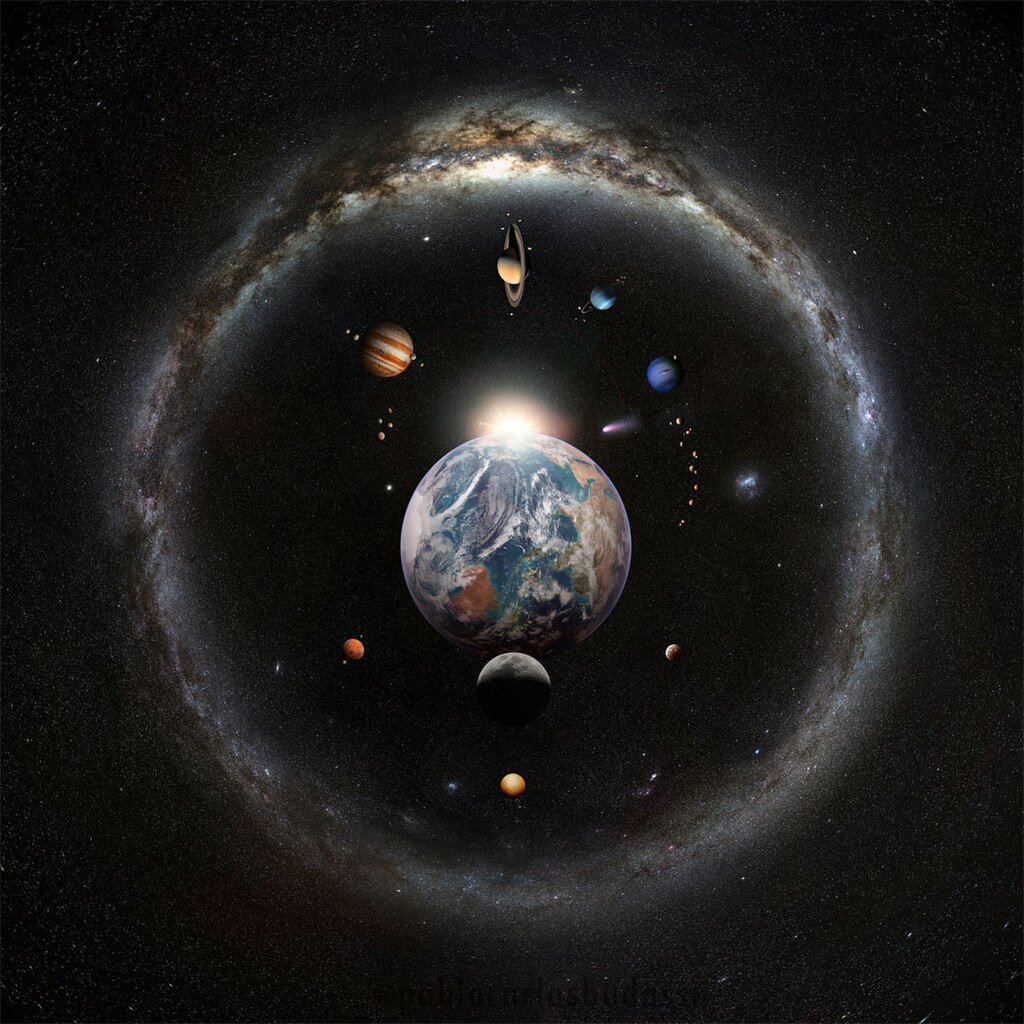

Cosmologists have been trying to figure out the different measurements of the universe’s expansion speed for almost ten years. This event, known as the Hubble tension, is a big problem for modern cosmology. Because it is so strange, it changes the basic ideas of cosmology. Now, a radical theory suggests that the answer lies in where you are in the universe, not in the laws of physics. Recent papers exploring this problem propose that Earth and the Milky Way could be situated within a significantly large underdense void, or cosmic bubble, which hinders the rate at which we perceive the expansion of the universe.
If this hypothesis turns out to be true, it would completely change how we think about the universe and solve one of its biggest mysteries at the same time.
The Hubble Tension: A Crisis in Cosmology
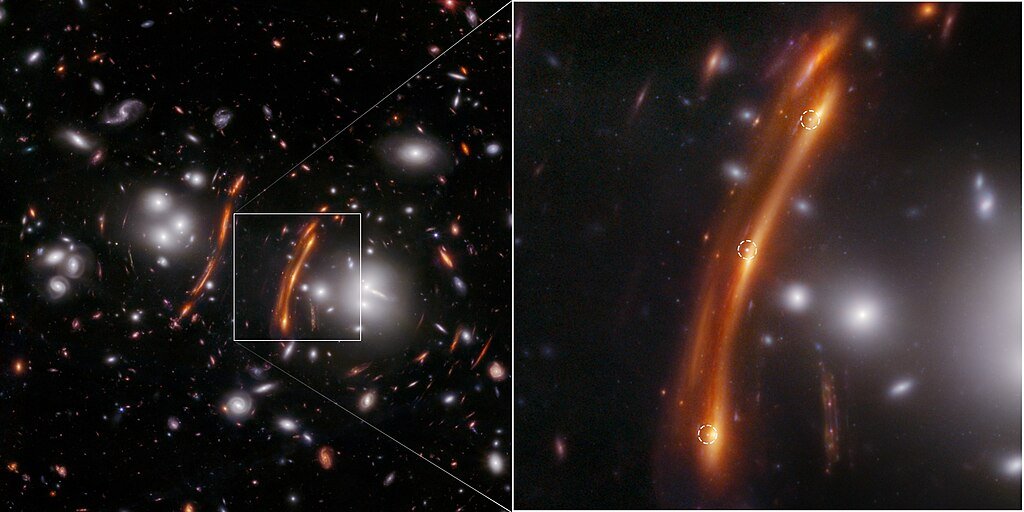
The Hubble tension refers to a disagreement regarding the modern contemporary estimations of the Hubble Constant, (H₀ ), the level of the universe’s expansion rate.
- To estimate the rate of increase of the universe, the Early Universe Method analyzes light originating from the Big Bang, in the form of microwave radiation, known as the cosmic microwave background (CMB). Their estimate is around 67 km/s/Mpc.
- Local Universe Method: Observations of the Cepheid variable stars and their supernovae in closer proximity suggests higher rates of expansion at 73 km/s/Mpc.
The discrepancy of 9% is exceedingly large as it far exceeds thresholds acceptible for a normal margin of error. Thus, either the techniques used are deeply misguided or cosmological theory is deeply flawed. Numerous radical solutions have been proposed which alter dark energy, gravity, or abandon the compelling principle of universal homogeneity. But what if the answer is much simpler than that?: What if we are simply existing in the “wrong” neighborhood?
The Void Hypothesis: A Cosmic Anomaly
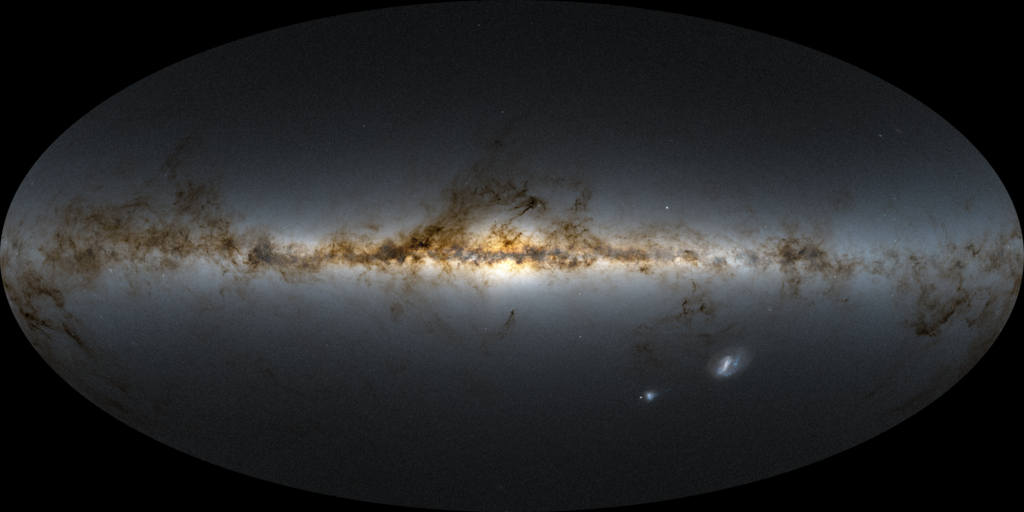
Astronomers have long thought that the Milky Way is in a “cosmic void,” a part of space where matter is 20% less dense than the average for the whole universe. This empty space, called the KBC Void (after astronomers Keenan, Barger, and Cowie), is 2 billion light-years wide.
How a Void Changes Our Measurements
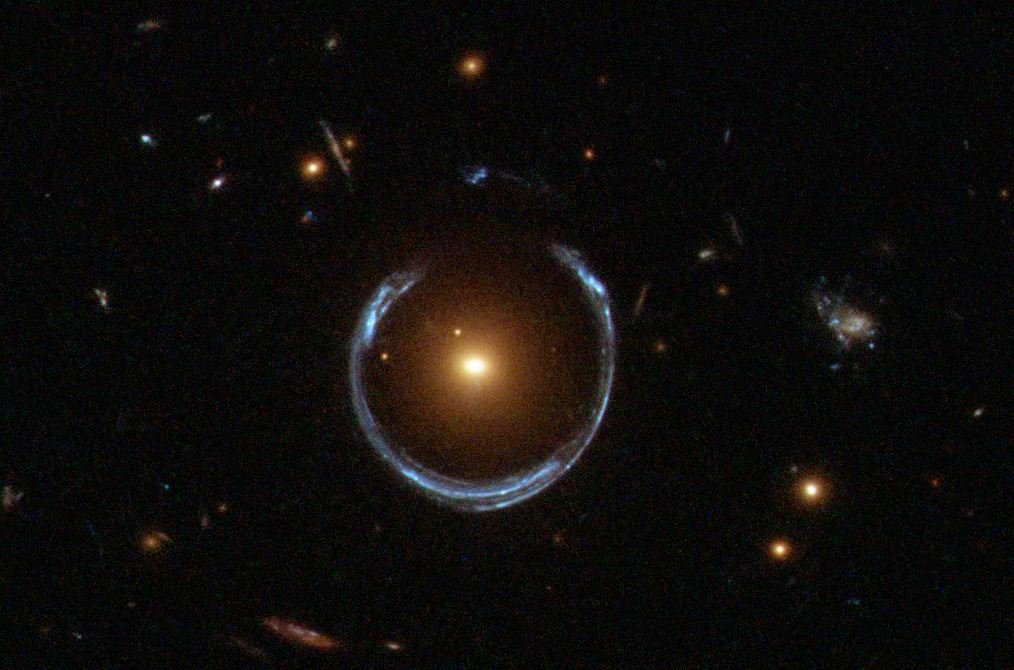
- The Pull of Gravity: Matter outside the void has a gravitational effect that pulls galaxies inward and makes the void less full over time.
- Faster Local Expansion: With less gravitational drag, space inside the void expands faster than denser regions, mimicking an accelerated Hubble constant.
Dr. Indranil Banik from the University of Portsmouth, who wrote the study, says, “It’s like being in a bubble where the rules are a little different.”
Echoes of the Big Bang Support the Void Theory
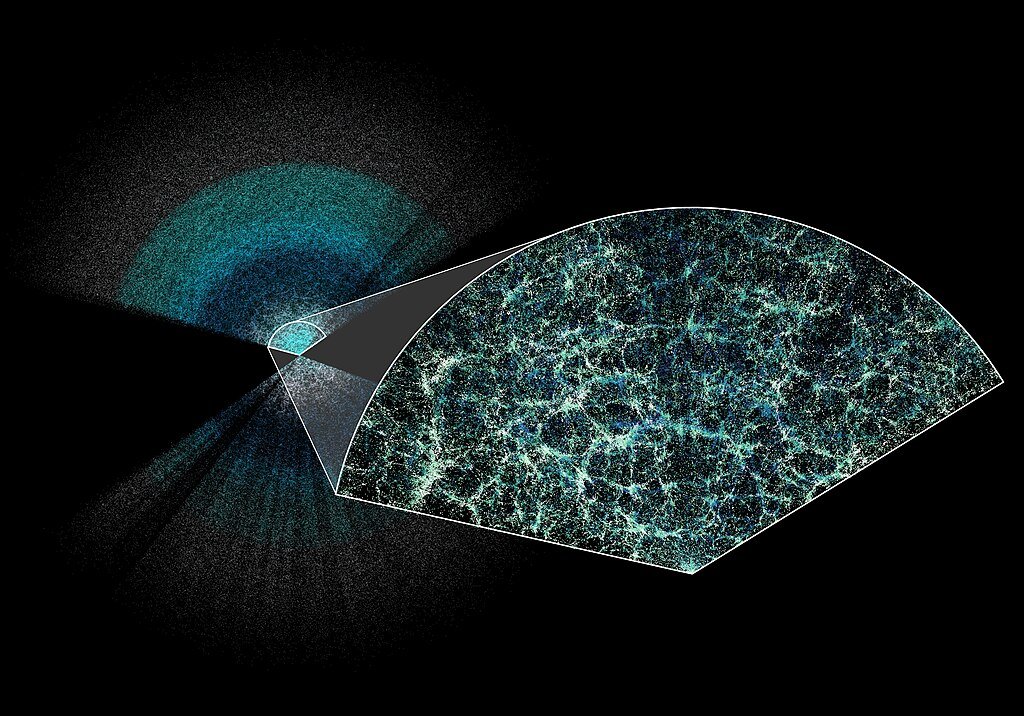
Banik’s team looked at baryon acoustic oscillations (BAOs), which are frozen sound waves from the early universe that scientists use as a “standard ruler” to measure cosmic distances. What did they find?
- 100 times more likely: The data strongly supports a void model over a universe that is uniformly dense.
- Distorted Redshifts: The void’s gravity changes the light from faraway galaxies in small ways, which explains the Hubble tension without needing new physics.
This fits with what we’ve seen before, which is that there are fewer galaxies near us than we thought there would be, which is a sign of a void.
Challenges and Controversies
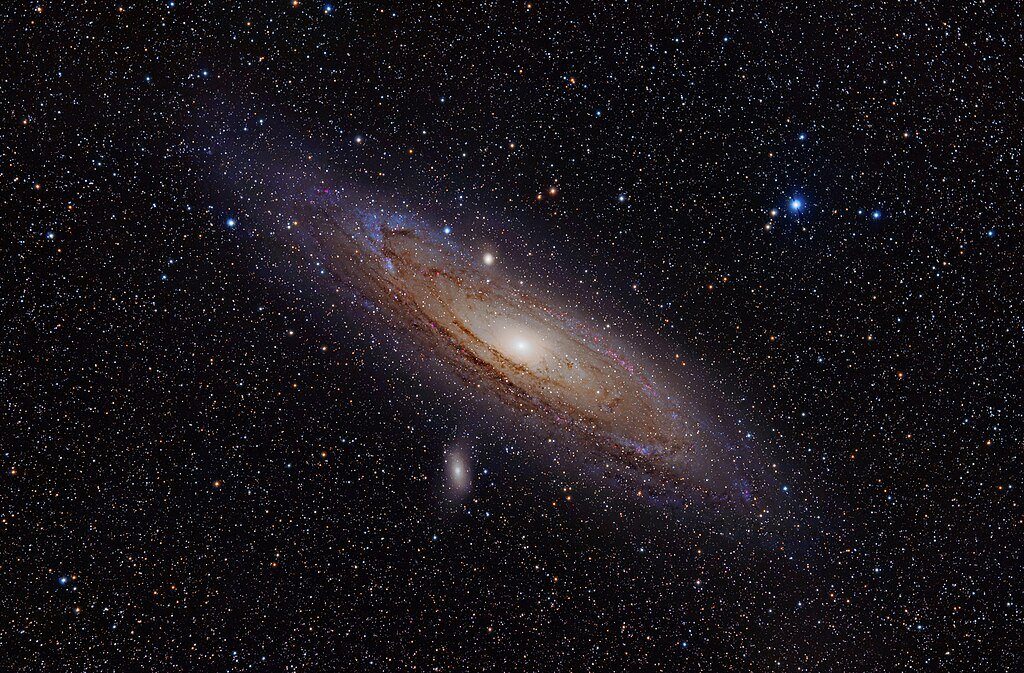
Some astronomers aren’t sure. Critics say:
- Too Big for Normal Cosmology: The Lambda-CDM model says that matter should be more evenly spread out, so this big void doesn’t fit with those predictions.
- Could we be missing faint galaxies in the void because of observational biases? Euclid and DESI are two future surveys that will try to answer this.
But if the void hypothesis is true, it would mean:
- No Need for Strange Physics: The Hubble tension might not be a problem with cosmology; it might just be a local illusion.
- Earth’s Unique Position: We might live in a rare area with low density, which could make our view of the universe very different.
What’s Next? Testing the Void Model
Banik’s team has plans to:
- Compare Void Models to other possible explanations for the Hubble tension1. Use Cosmic Chronometers: galaxies that are old and don’t have stars could give us a separate history of expansion.
- Wait for more data: New telescopes like the Vera C. Rubin Observatory will map the void’s structure in ways that have never been done before.
A Paradigm Shift in Cosmology?
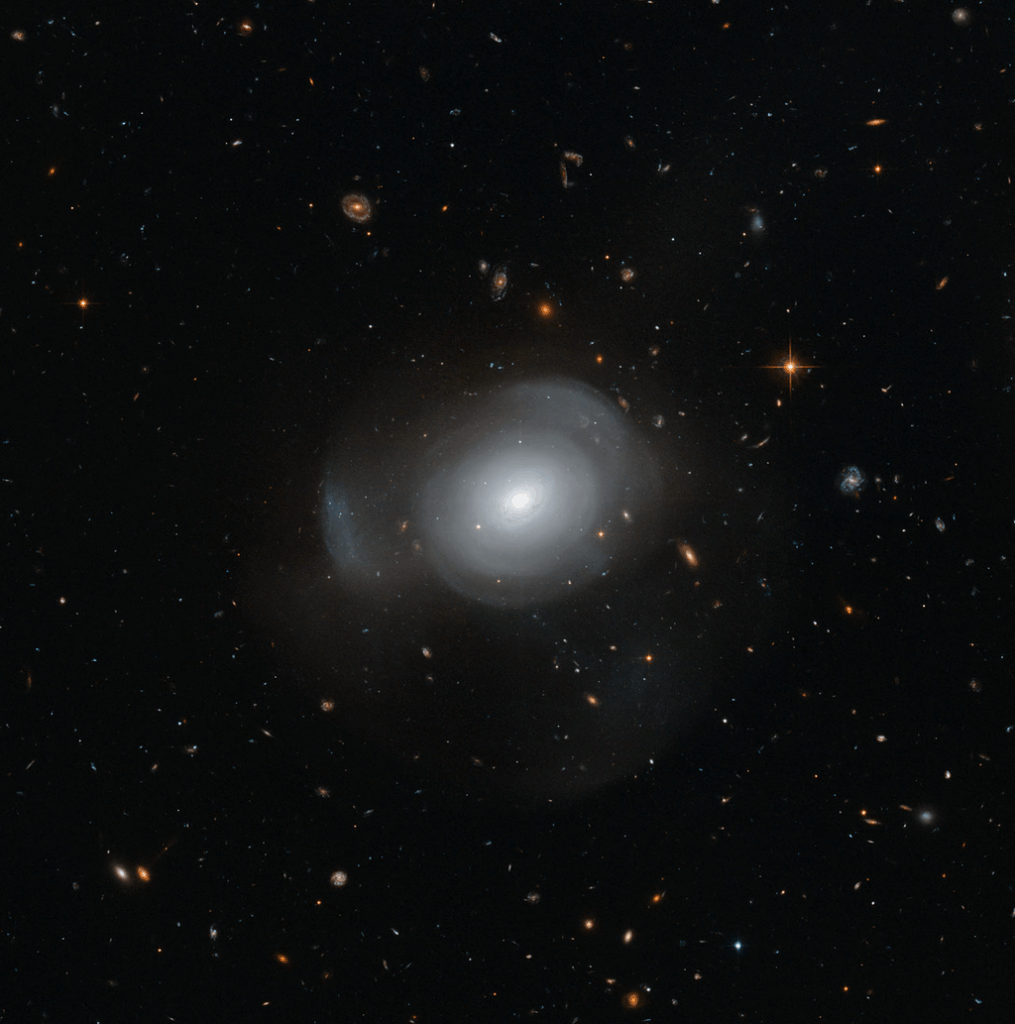
Should the void hypothesis be confirmed, it would necessitate a significant overwriting of cosmic principles. “We’ve always assumed the universe looks the same everywhere. But what if it doesn’t?” remarks Banik.
This finding also has philosophical implications. After hundreds of years of assuming we reside in a mundane corner of the universe, it turns out we may be situated in one of the most peculiar regions.
Final Thought: Are We Alone in the Void?
The KBC Void serves a distinct purpose beyond scientific interest; it emphasizes our perspective of the universe is limited. If, indeed, we are situated within a sprawling void, what other phenomena are we oblivious to? With every advance we make in looking outwards to the universe, one fact remains unchallenged: there’s so much left to uncover.
Sources:
Suhail Ahmed is a passionate digital professional and nature enthusiast with over 8 years of experience in content strategy, SEO, web development, and digital operations. Alongside his freelance journey, Suhail actively contributes to nature and wildlife platforms like Discover Wildlife, where he channels his curiosity for the planet into engaging, educational storytelling.
With a strong background in managing digital ecosystems — from ecommerce stores and WordPress websites to social media and automation — Suhail merges technical precision with creative insight. His content reflects a rare balance: SEO-friendly yet deeply human, data-informed yet emotionally resonant.
Driven by a love for discovery and storytelling, Suhail believes in using digital platforms to amplify causes that matter — especially those protecting Earth’s biodiversity and inspiring sustainable living. Whether he’s managing online projects or crafting wildlife content, his goal remains the same: to inform, inspire, and leave a positive digital footprint.