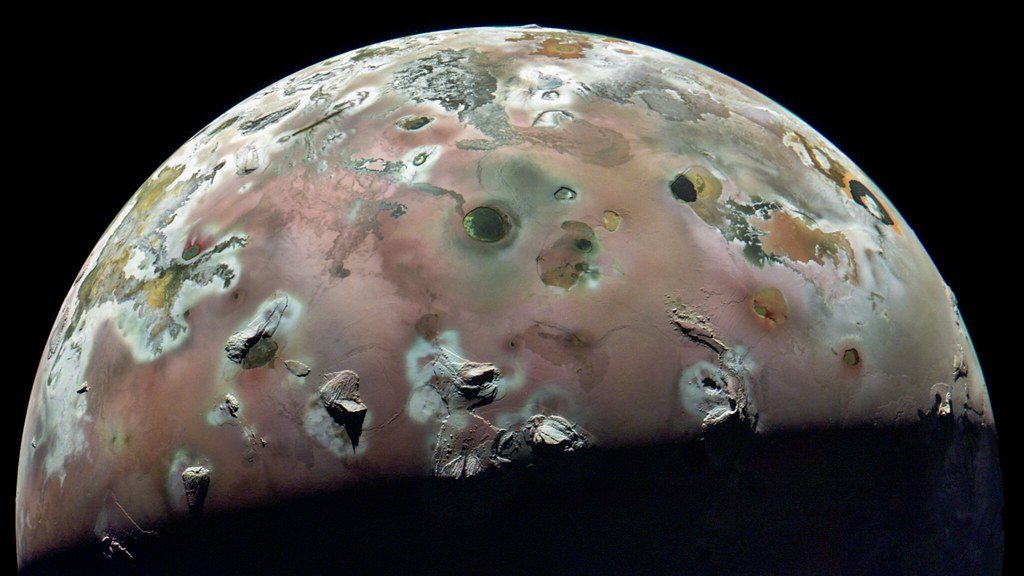
Imagine a world where the ground beneath your feet is constantly reshaping itself, where sulfur fountains shoot 300 miles into space, and where the landscape changes faster than any planet in our solar system. This isn’t science fiction—it’s Io, Jupiter’s innermost moon and perhaps the most geologically active body we’ve ever discovered. While Earth’s Mount Vesuvius buried Pompeii with a single eruption, Io experiences hundreds of volcanic eruptions simultaneously, creating a hellish paradise that defies everything we thought we knew about moons.
A Moon Unlike Any Other in Our Solar System
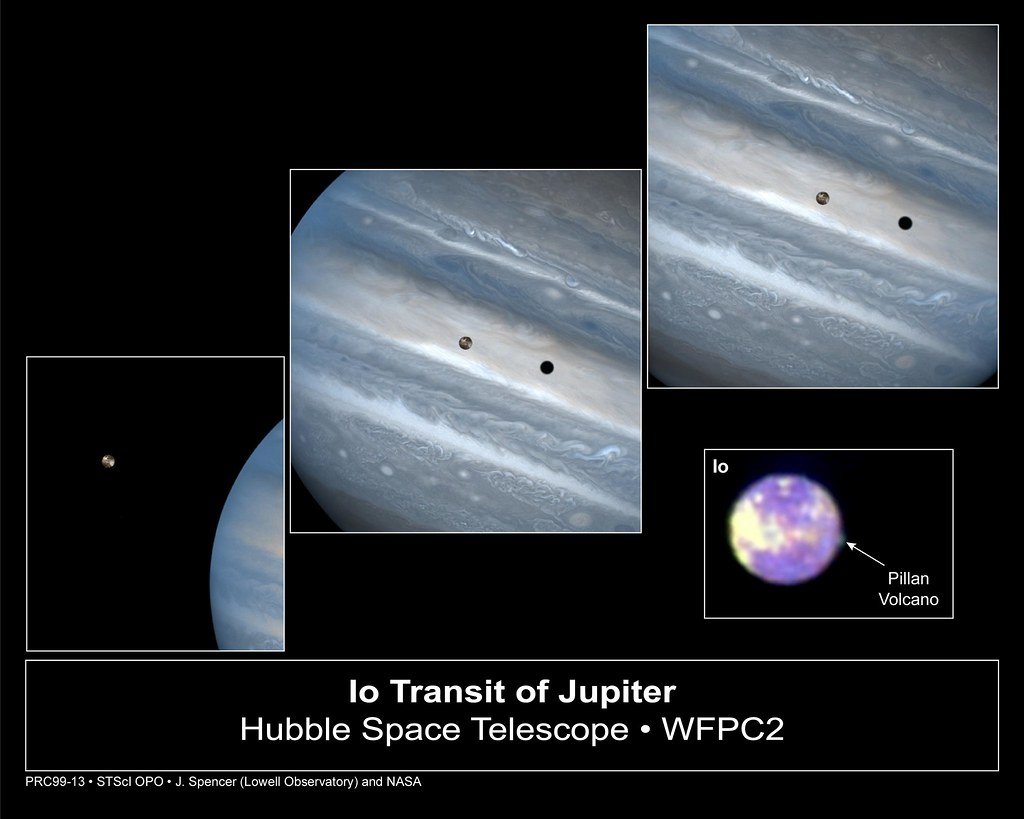
Io stands as Jupiter’s fourth-largest moon, but size barely begins to tell its extraordinary story. This celestial body harbors more active volcanoes than anywhere else in our solar system, with over 400 volcanic centers identified across its tortured surface. The sheer scale of volcanic activity makes Io roughly 100 times more volcanically active than Earth, despite being smaller than our own Moon.
What makes Io truly unique isn’t just the number of volcanoes, but their incredible power and diversity. Some eruptions create lava fountains that dwarf anything Earth has ever produced, while others spew sulfur compounds that paint the moon’s surface in brilliant yellows, oranges, and reds. This isn’t a dead rock floating in space—it’s a living, breathing world of fire and brimstone.
The Gravitational Dance That Fuels Hell
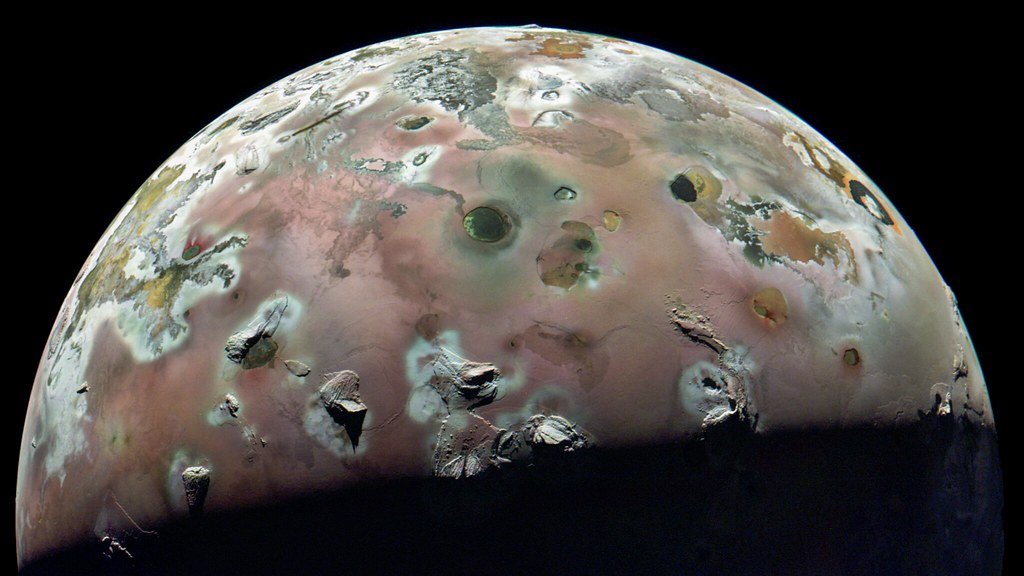
Io’s volcanic fury stems from an invisible cosmic choreography involving Jupiter and its neighboring moons Europa and Ganymede. This gravitational tug-of-war stretches and compresses Io like a stress ball, generating enormous amounts of internal heat through a process called tidal heating. Every 42 hours, as Io completes its orbit around Jupiter, these gravitational forces flex the moon’s interior by up to 300 feet.
Think of it like repeatedly bending a paperclip—eventually, the metal heats up from the constant flexing. On Io, this process generates enough heat to keep the moon’s interior molten and drive continuous volcanic activity. The energy produced is so immense that it could power all of human civilization for millions of years.
Sulfur: The Chemical Artist Behind Io’s Rainbow Surface
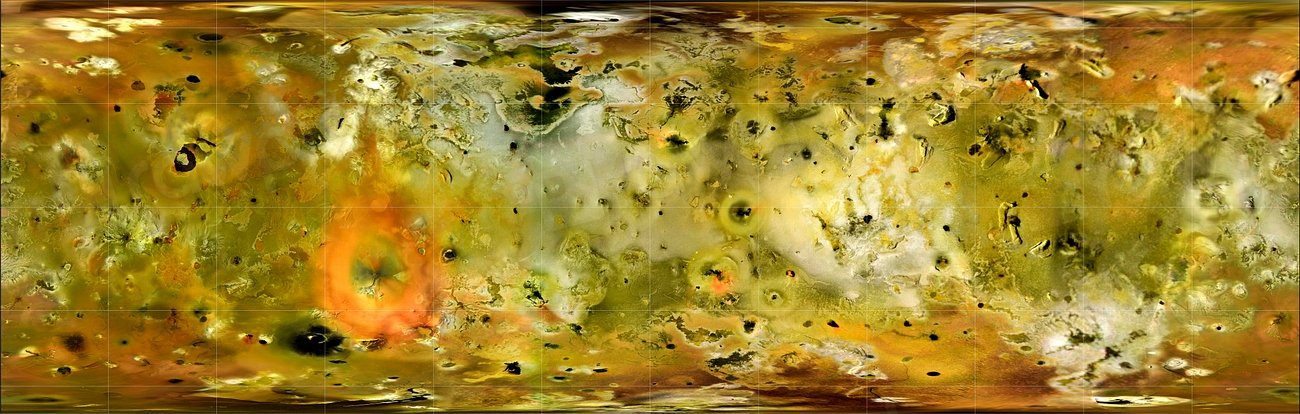
Io’s surface resembles a painter’s palette gone wild, with colors ranging from bright yellows to deep reds and even patches of white and black. This cosmic artwork is created entirely by sulfur and sulfur dioxide compounds ejected from hundreds of active volcanoes. Different temperatures and chemical states of sulfur produce different colors, creating a constantly changing masterpiece visible from space.
The sulfur isn’t just sitting on the surface—it’s actively cycling through the moon’s atmosphere and being deposited in new patterns with each eruption. Some volcanic plumes reach heights of 300 miles, comparable to the distance between New York and Washington D.C., before falling back down to create new colorful deposits.
Volcanic Eruptions That Dwarf Earth’s Most Powerful Events
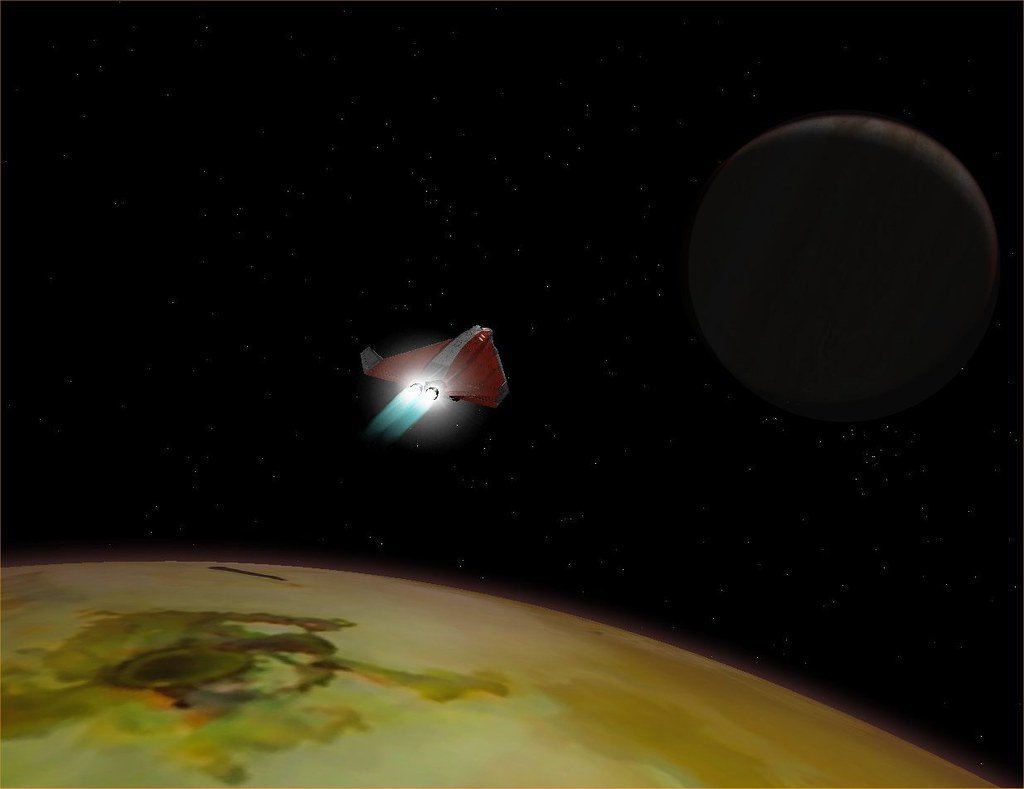
The volcanic eruptions on Io operate on a scale that makes Earth’s most devastating eruptions look like gentle hiccups. Individual volcanic plumes can eject material at speeds exceeding 2,000 miles per hour, creating umbrella-shaped clouds that spread across hundreds of miles. The largest eruptions produce more energy in a single event than all of Earth’s volcanoes combined produce in a year.
One of Io’s most famous volcanoes, Loki Patera, contains a lava lake larger than the state of Maryland. The surface of this lake regularly overturns, releasing enormous amounts of heat and creating some of the most intense infrared signatures ever detected in our solar system. These aren’t brief eruptions—some of Io’s volcanic activity has been observed continuously for decades.
The Molten Heart Beneath a Tortured Crust
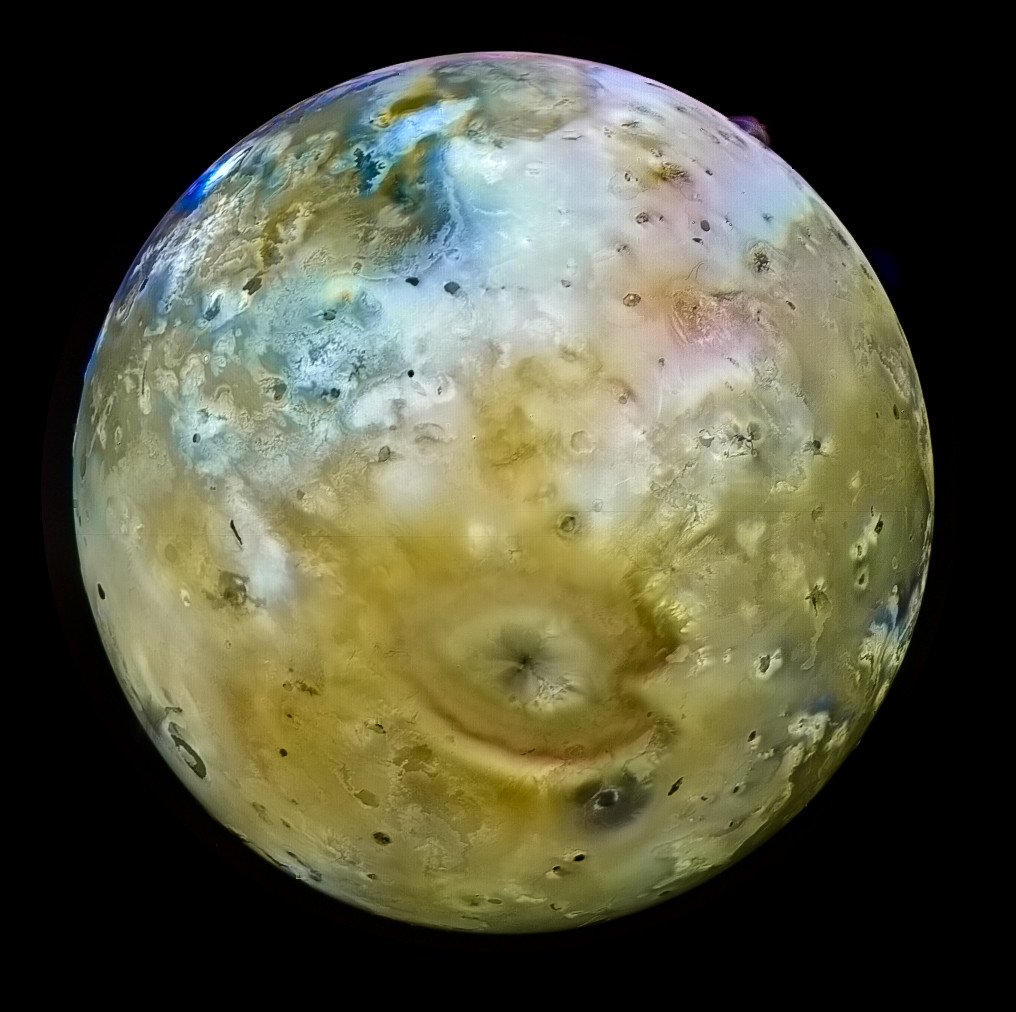
Beneath Io’s colorful surface lies a molten heart that never stops beating. Scientists estimate that at least 10-20% of Io’s interior remains in a molten state, creating a global magma ocean beneath a relatively thin rocky crust. This underground furnace maintains temperatures exceeding 3,000 degrees Fahrenheit, hot enough to melt most metals instantly.
The molten interior isn’t uniform—it contains pockets of different compositions and temperatures that feed different types of volcanic activity on the surface. Some areas produce basaltic lavas similar to those found in Hawaii, while others create more exotic sulfur-rich eruptions that exist nowhere else in the solar system.
How Scientists First Discovered Io’s Volcanic Secrets
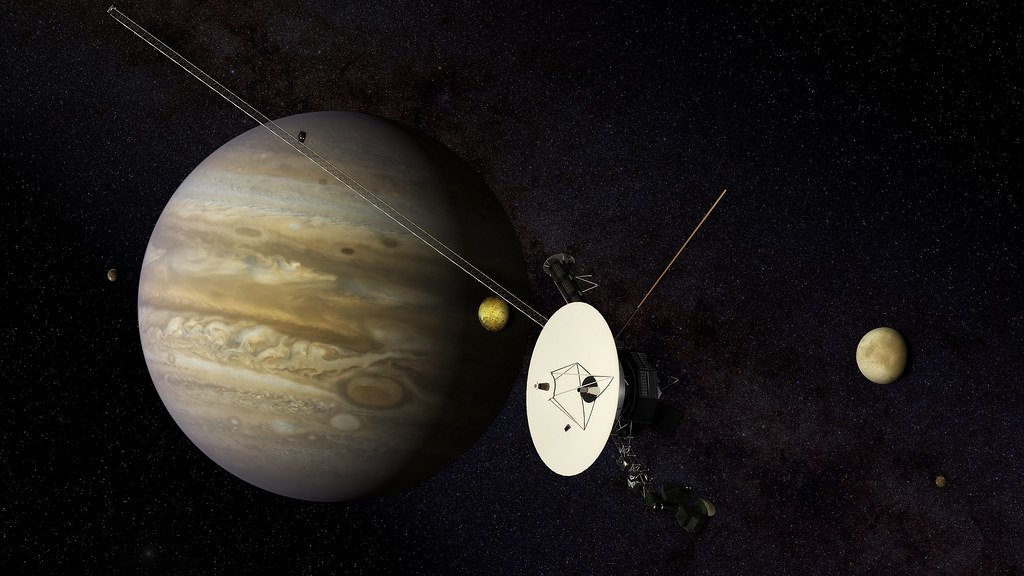
The discovery of Io’s volcanic activity ranks among the greatest surprises in planetary science history. When Voyager 1 approached the Jovian system in 1979, scientists expected to find a dead, crater-covered moon similar to our own Moon. Instead, navigation engineer Linda Morabito noticed strange umbrella-shaped plumes extending from Io’s limb in processed images, leading to the shocking realization that this moon was volcanically active.
This discovery revolutionized our understanding of planetary geology and tidal heating. Before Io, scientists believed that small moons were geologically dead, lacking the internal heat sources necessary to drive volcanic activity. Io proved that gravitational forces alone could maintain geological activity for billions of years, opening new possibilities for finding active worlds throughout the solar system.
The Extreme Environment That Challenges Our Technology
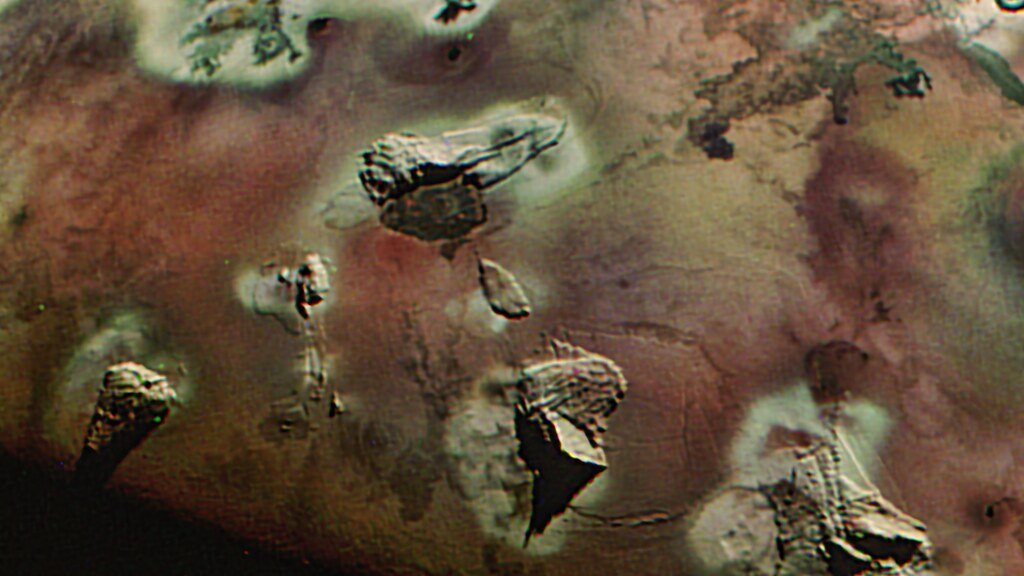
Io’s environment represents one of the most hostile places imaginable for both life and technology. The moon sits within Jupiter’s intense radiation belts, receiving radiation doses that would kill a human in minutes and destroy most electronic equipment within hours. Surface temperatures can swing from -260°F in shadowed areas to over 3,000°F near active volcanic vents.
The thin atmosphere, composed primarily of sulfur dioxide, provides no protection from the radiation or temperature extremes. Any spacecraft visiting Io must be specially hardened against radiation and designed to operate in conditions more extreme than the surface of Venus. These challenges make Io one of the most difficult targets for future robotic exploration.
Comparing Io’s Volcanoes to Earth’s Fire Mountains
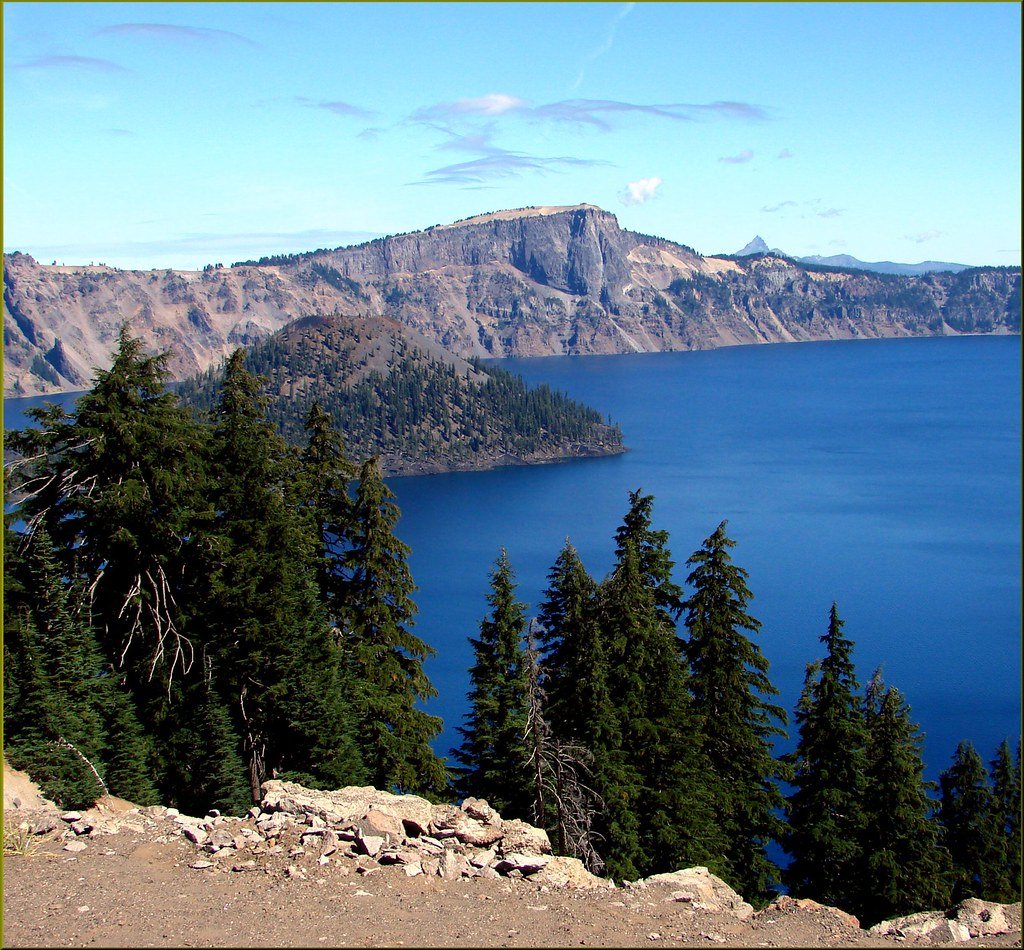
While Earth’s volcanoes can be devastating, they pale in comparison to Io’s volcanic powerhouses. Earth’s most powerful eruption in recorded history, Mount Tambora in 1815, ejected roughly 160 cubic kilometers of material and caused global climate effects. A typical large eruption on Io can eject similar amounts of material in a single event, and hundreds of such eruptions may occur simultaneously.
The composition differences are equally striking. Earth’s volcanoes primarily eject silicate rocks and water vapor, while Io’s volcanoes spew sulfur compounds and exotic materials that exist only in extreme temperature environments. The lack of water on Io means that explosive steam-driven eruptions, common on Earth, cannot occur, leading to different eruption styles and behaviors.
The Mysterious Lava Lakes That Never Sleep
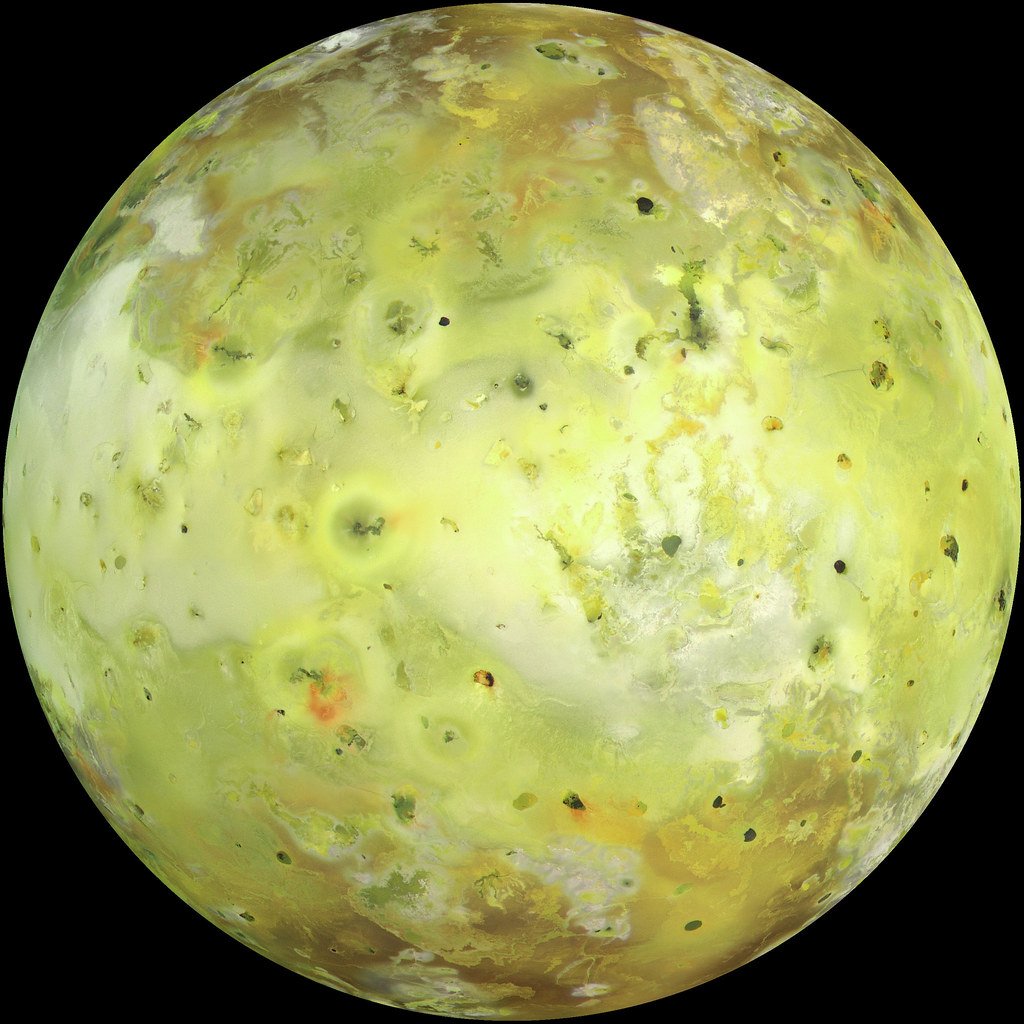
Io hosts some of the most persistent lava lakes in the solar system, with some remaining active for decades without interruption. These molten features operate like cosmic furnaces, maintaining surface temperatures hot enough to glow visibly even in Jupiter’s dim sunlight. The largest lava lakes span hundreds of miles and contain enough molten rock to bury entire continents.
Unlike Earth’s lava lakes, which typically last for months or years, Io’s lava lakes appear to be permanent features fed by continuous streams of molten material from the interior. The constant overturning of these lakes creates distinctive patterns visible from space, resembling giant cosmic whirlpools of liquid rock and sulfur.
Jupiter’s Role as the Ultimate Puppet Master
Jupiter’s immense gravitational influence extends far beyond simply causing tidal heating on Io. The giant planet’s magnetosphere traps charged particles from Io’s volcanic eruptions, creating a donut-shaped ring of sulfur and oxygen ions that follows Io’s orbit. This plasma torus represents one of the most intense radiation environments in the solar system, glowing brightly in ultraviolet light.
The interaction between Io and Jupiter’s magnetic field generates electrical currents exceeding 5 million amperes, creating auroras on both worlds. These cosmic electrical connections make Io essentially a giant generator, converting orbital energy into electrical and thermal energy through magnetic field interactions.
The Spectacular Plumes That Reach for Space
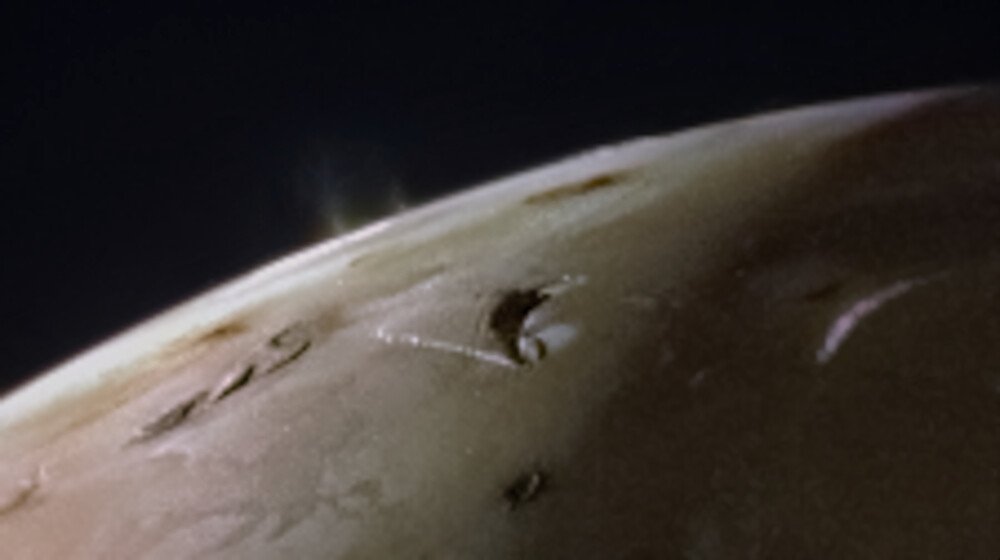
Io’s volcanic plumes create some of the most spectacular displays in the solar system, launching material at velocities approaching escape velocity. These towering fountains of gas and particles can be seen from millions of miles away, creating umbrella-shaped clouds that spread across thousands of square miles. The largest plumes reach altitudes comparable to the International Space Station’s orbit around Earth.
The plumes aren’t just beautiful—they’re scientifically invaluable, allowing researchers to study Io’s interior composition without landing on the surface. Different volcanic centers produce plumes with distinct chemical signatures, providing clues about the diversity of materials within Io’s molten heart.
How Io’s Activity Affects the Entire Jovian System
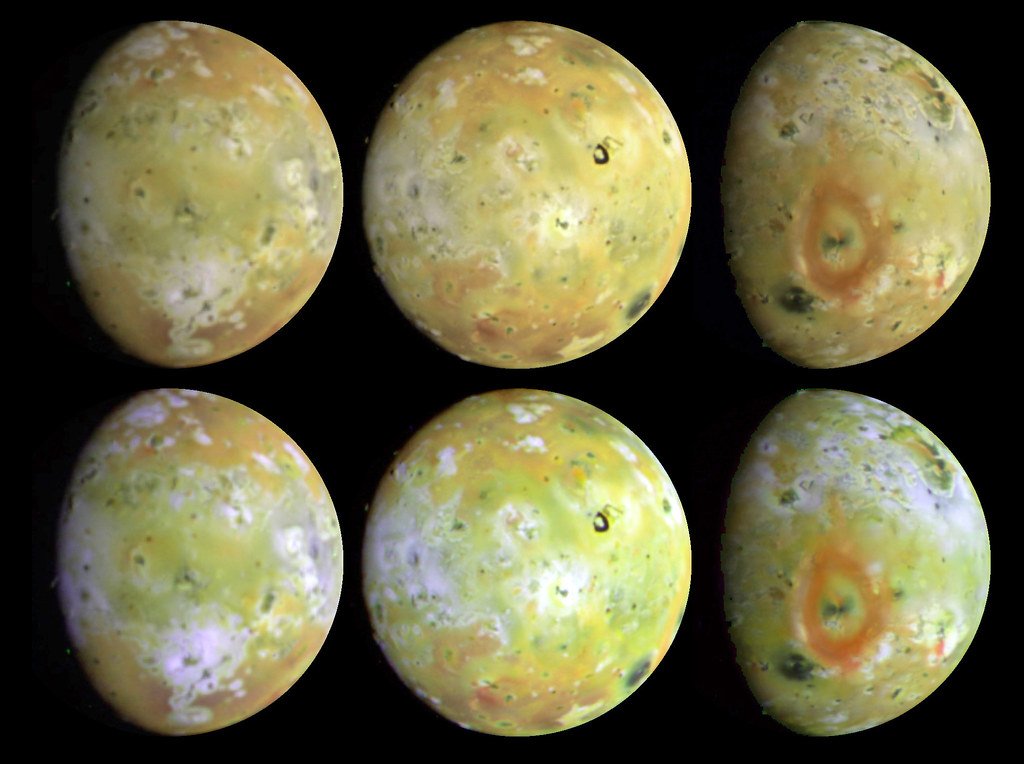
Io’s volcanic activity has far-reaching consequences throughout Jupiter’s moon system and beyond. The constant ejection of sulfur and oxygen creates a tenuous atmosphere around Jupiter and influences the chemical composition of Europa’s surface. Material from Io’s eruptions has been detected on neighboring moons, demonstrating the interconnected nature of the Jovian system.
The moon’s volcanic outgassing also affects Jupiter’s magnetosphere, creating radio emissions that can be detected from Earth. These radio signals vary with Io’s volcanic activity, providing astronomers with a way to monitor eruptions from nearly half a billion miles away.
The Surprising Discovery of Volcanic Hot Spots
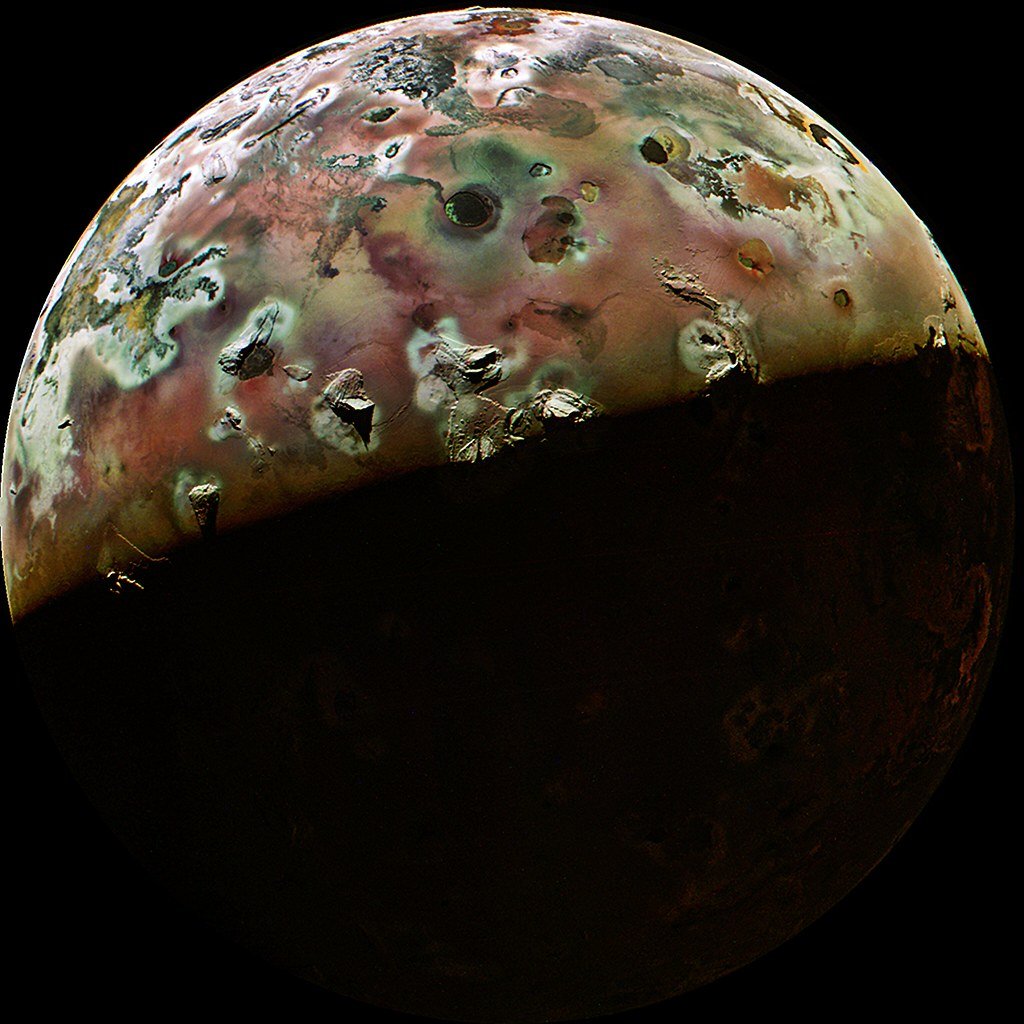
Advanced infrared observations have revealed that Io’s volcanoes create temperature hot spots exceeding anything found on Earth’s surface. Some volcanic vents reach temperatures of 3,600°F or higher, approaching the melting point of iron and suggesting the presence of ultramafic lavas thought to be extinct elsewhere in the solar system. These extreme temperatures indicate that Io’s volcanism taps into deep, primitive materials from the moon’s formation.
The distribution of these hot spots reveals patterns that help scientists understand Io’s internal structure and heat distribution. Some regions show clusters of intense volcanic activity, while others remain relatively quiet, suggesting complex interactions between tidal heating patterns and internal geology.
What Io Teaches Us About Planetary Formation
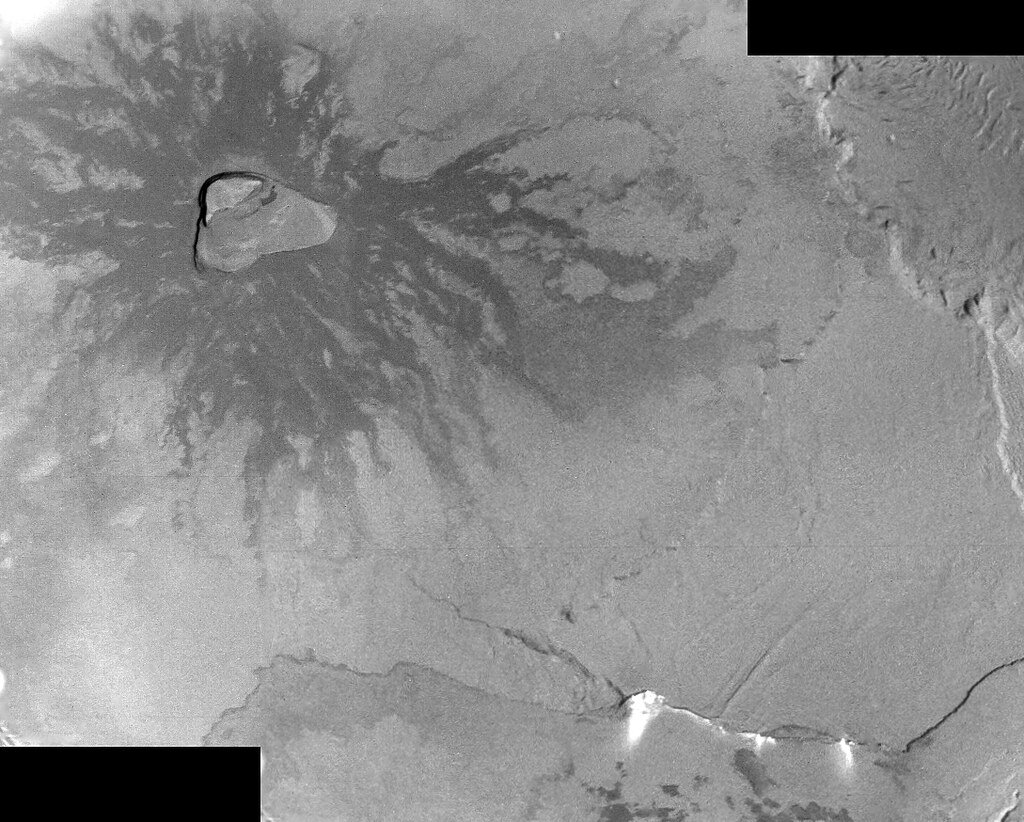
Io serves as a natural laboratory for understanding planetary processes that operated during the early solar system’s formation. The moon’s extreme volcanism may resemble conditions that existed on Earth and other rocky planets billions of years ago, when internal heat sources were much stronger. Studying Io’s geological processes provides insights into how rocky worlds evolve and differentiate over time.
The moon’s lack of water and unique chemical composition also offer clues about the conditions in the outer solar system during planetary formation. Io’s current state represents a frozen moment in geological time, preserving processes that have long since ended on more evolved worlds like Earth and Mars.
Future Missions to Explore the Volcanic Wonderland

Several space agencies are planning ambitious missions to study Io’s volcanic activity up close, despite the extreme technical challenges involved. NASA’s upcoming Europa Clipper mission will include multiple Io flybys, using advanced instruments to study the moon’s volcanoes and interior structure. These observations will provide unprecedented detail about individual eruptions and their underlying causes.
More ambitious concepts include specialized Io orbiters designed to withstand the intense radiation environment for extended periods. Such missions could monitor volcanic activity in real-time, track the evolution of individual eruptions, and even attempt to land instruments near active volcanic sites to study the chemical composition of erupted materials directly.
The Role of Io in Astrobiology and Life’s Possibilities

While Io’s surface conditions are utterly hostile to life as we know it, the moon plays an important role in astrobiology research. The sulfur compounds and energy sources created by Io’s volcanism provide chemical building blocks that could support exotic forms of life in more temperate environments. Some scientists speculate that subsurface regions of Io, protected from radiation and moderated in temperature, might harbor unexpected forms of chemistry.
More importantly, Io’s volcanic activity demonstrates that tidal heating can maintain geological activity for billions of years, supporting the possibility of habitable environments on other tidally heated moons like Europa and Enceladus. Understanding Io’s extreme volcanism helps scientists better evaluate the potential for life in similar systems throughout the galaxy.
The Cosmic Significance of Jupiter’s Volcanic Moon

Io represents far more than just an interesting celestial curiosity—it’s a fundamental piece in understanding how gravitational forces shape worlds throughout the universe. The moon’s extreme volcanism demonstrates that small bodies can remain geologically active for billions of years under the right conditions, challenging traditional assumptions about planetary evolution and the requirements for maintaining active geology.
The discovery of Io’s volcanic activity opened scientists’ eyes to the diverse ways that worlds can generate and maintain internal heat sources. This understanding has influenced the search for potentially habitable worlds around other stars, where tidal heating might create conditions suitable for life in otherwise frozen systems.
Conclusion: A Window Into Cosmic Violence and Beauty
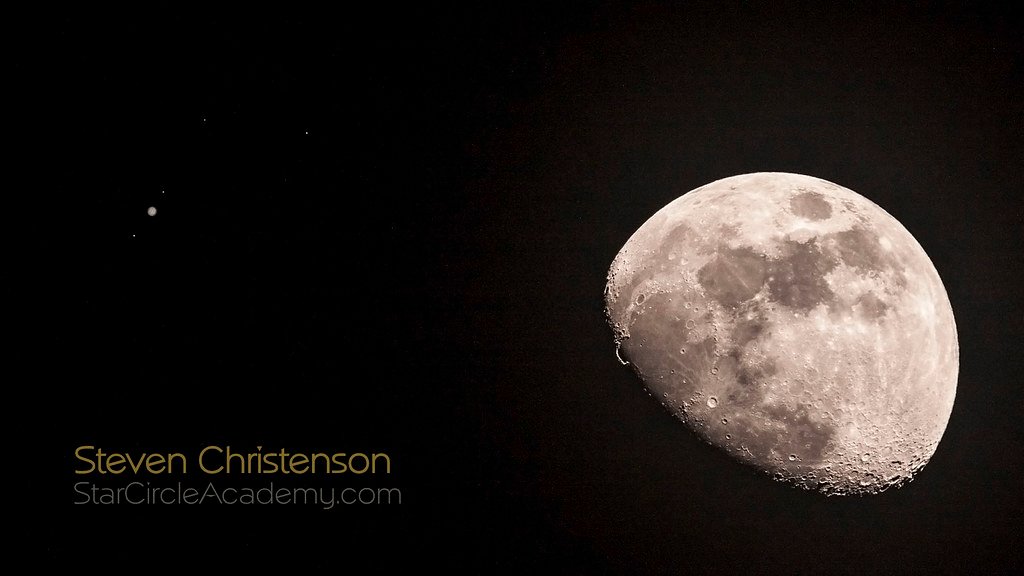
Io stands as perhaps the most geologically violent world in our solar system, yet its beauty is undeniable. This small moon has revolutionized our understanding of planetary processes, demonstrated the incredible power of gravitational forces, and shown us that worlds can remain active and dynamic for billions of years under the right conditions. From its molten heart to its towering volcanic plumes, Io continues to surprise and educate us about the incredible diversity of worlds that exist in our cosmic neighborhood.
The 400 volcanoes of Io remind us that our solar system is far from the quiet, predictable place we once imagined. Instead, it’s a dynamic environment where worlds like Io continue to reshape themselves through processes that dwarf anything we experience on Earth. As we prepare for future missions to explore this volcanic wonderland, one question remains: what other surprises are waiting for us in the fire and brimstone world of Jupiter’s most extraordinary moon?