
Right now, as you read these words, your eyes are capturing only a tiny sliver of the light spectrum around you. While you might think your world is bursting with color, the truth is far more extraordinary and humbling. The natural world is painted in hues so vivid and alien that they would literally blow your mind – if only you could see them. From birds that navigate by ultraviolet highways invisible to us, to deep-sea creatures communicating through polarized light patterns we can’t even detect, the animal kingdom experiences a visual reality that makes our human perception look like black and white television.
The Shocking Truth About Human Color Vision

Humans are actually color-blind compared to most animals on Earth. We possess three types of color receptors, called cones, which detect red, green, and blue light. This might sound impressive until you realize that many birds have four, five, or even six different types of cones.
Our visual system can distinguish roughly 10 million different colors, but this pales in comparison to what’s actually out there. The electromagnetic spectrum extends far beyond our narrow window of perception, stretching into ultraviolet and infrared realms that remain completely hidden from us.
What’s even more mind-bending is that we don’t even know what we’re missing. Imagine trying to describe the color red to someone who was born blind – that’s essentially our situation when it comes to understanding animal color vision.
Mantis Shrimps: The Ultimate Color Vision Champions
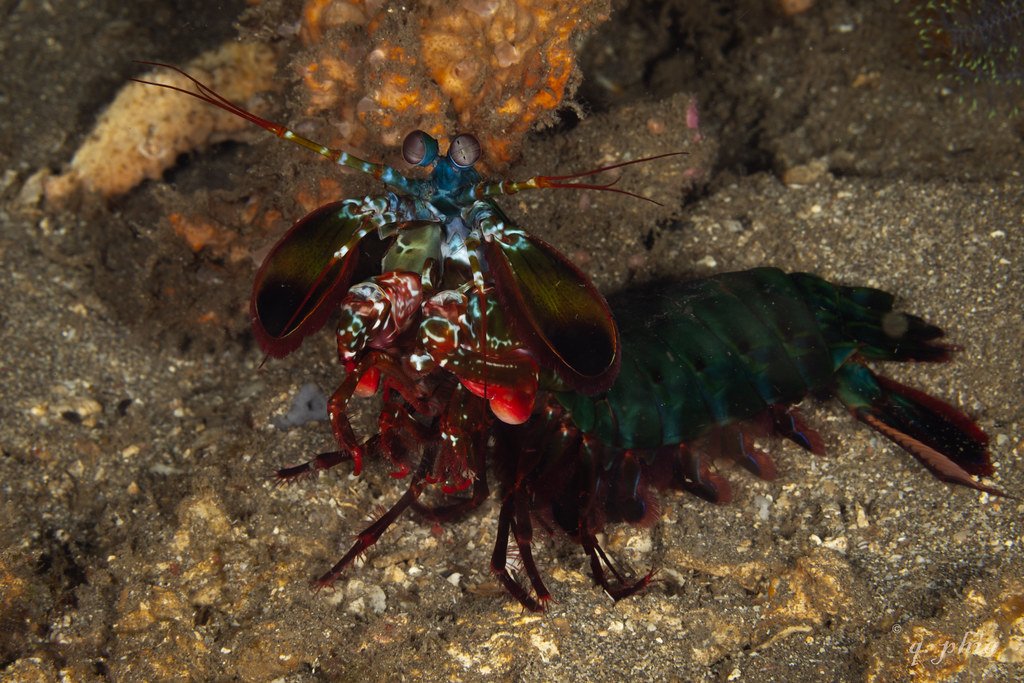
If there’s one creature that would make you question everything about color, it’s the mantis shrimp. These remarkable crustaceans possess between 12 and 16 different types of color receptors, compared to our measly three. They can see ultraviolet, visible, and polarized light all at once.
Scientists believe mantis shrimps can distinguish millions more colors than humans ever could. Their world is painted in hues that don’t even have names because we lack the vocabulary to describe colors we’ve never experienced.
These underwater marvels use their incredible vision to hunt, communicate, and navigate their coral reef homes. They can spot prey that would be completely invisible to human eyes, hidden in what appears to us as empty water.
The Hidden Ultraviolet World of Birds

Step into any garden and you’re surrounded by a secret light show that only birds can see. Many flowers have ultraviolet patterns that act like landing strips for pollinators, creating intricate designs completely invisible to human eyes.
Birds use UV vision for everything from finding food to choosing mates. A male peacock’s tail, already stunning to us, reveals additional patterns and colors in ultraviolet light that make it even more spectacular to potential partners.
Some birds can even see the Earth’s magnetic field as colored patterns overlaid on their visual field. This creates a built-in GPS system that helps them navigate thousands of miles during migration, following invisible highways in the sky.
Bees and the Polarized Light Navigation System

Honeybees possess one of nature’s most sophisticated navigation systems, and it relies on seeing light in ways humans cannot comprehend. They can detect polarized light patterns in the sky, even on cloudy days when the sun isn’t visible.
This ability allows bees to maintain their direction and communicate precise locations to their hive mates through their famous waggle dance. They’re essentially reading an invisible compass in the sky that remains completely hidden from human perception.
The polarized light patterns create a celestial map that changes throughout the day, providing bees with constant directional information. Without this ability, their complex foraging and communication systems would collapse entirely.
Snakes and Their Infrared Heat Vision

Pit vipers and pythons possess specialized organs that can detect infrared radiation, essentially allowing them to see heat. This creates a thermal image overlaid on their regular vision, revealing warm-blooded prey even in complete darkness.
Imagine being able to see the heat signature of every living creature around you, glowing like colorful ghosts against the cooler background. This is the reality for these remarkable reptiles, who hunt with thermal precision we can only dream of.
This heat vision is so sensitive that some snakes can detect temperature differences as small as 0.003°C. They can spot a mouse from several feet away based solely on its body heat, even when it’s perfectly still and silent.
The Mysterious Fourth Color Dimension

Most mammals, including humans, are essentially red-green colorblind compared to birds, reptiles, and many fish. These animals possess a fourth type of color receptor that opens up an entire dimension of color we can’t even begin to imagine.
Scientists have tried to simulate what tetrachromatic vision might look like, but it’s impossible to truly represent colors that our brains aren’t wired to process. It would be like trying to show a new primary color – something that doesn’t exist in our perceptual reality.
This fourth dimension of color creates combinations and contrasts that are literally unimaginable to humans. Every flower, every bird, every landscape would appear transformed in ways that defy our current understanding of beauty and visual experience.
Deep Sea Creatures and Bioluminescent Communication

In the pitch-black depths of the ocean, creatures have evolved to create their own light shows using bioluminescence. Many deep-sea animals can see and produce light in specific wavelengths that create an underwater communication network.
These living light displays serve multiple purposes: attracting prey, confusing predators, and finding mates in the vast darkness. Some species can produce different colors of light for different messages, creating a complex visual language.
The anglerfish’s glowing lure isn’t just a simple light – it’s often tuned to specific wavelengths that are most attractive to its preferred prey. This precision in underwater lighting represents millions of years of evolutionary fine-tuning.
Insects and the Secret Patterns on Flowers

What appears to us as a simple yellow flower might be covered in ultraviolet bullseyes, stripes, and landing strips visible only to insect eyes. These hidden patterns guide pollinators to nectar sources with remarkable precision.
Many insects can see in ultraviolet, revealing a world of floral advertising that operates completely below our visual threshold. Flowers compete for pollinator attention using colors and patterns we can’t even detect.
Some orchids have evolved incredibly sophisticated UV patterns that mimic the appearance of female insects, tricking males into attempting to mate with the flower and inadvertently spreading pollen. It’s evolutionary deception operating in invisible wavelengths.
Reindeer and Arctic Ultraviolet Adaptation

Arctic reindeer have evolved the remarkable ability to see ultraviolet light, which helps them survive in their harsh polar environment. This adaptation allows them to spot food sources and predators against the snow-covered landscape.
In the Arctic, where much of the landscape appears uniformly white to human eyes, UV vision reveals hidden contrasts and textures. Lichens, their primary food source, appear dark against the bright snow when viewed in ultraviolet.
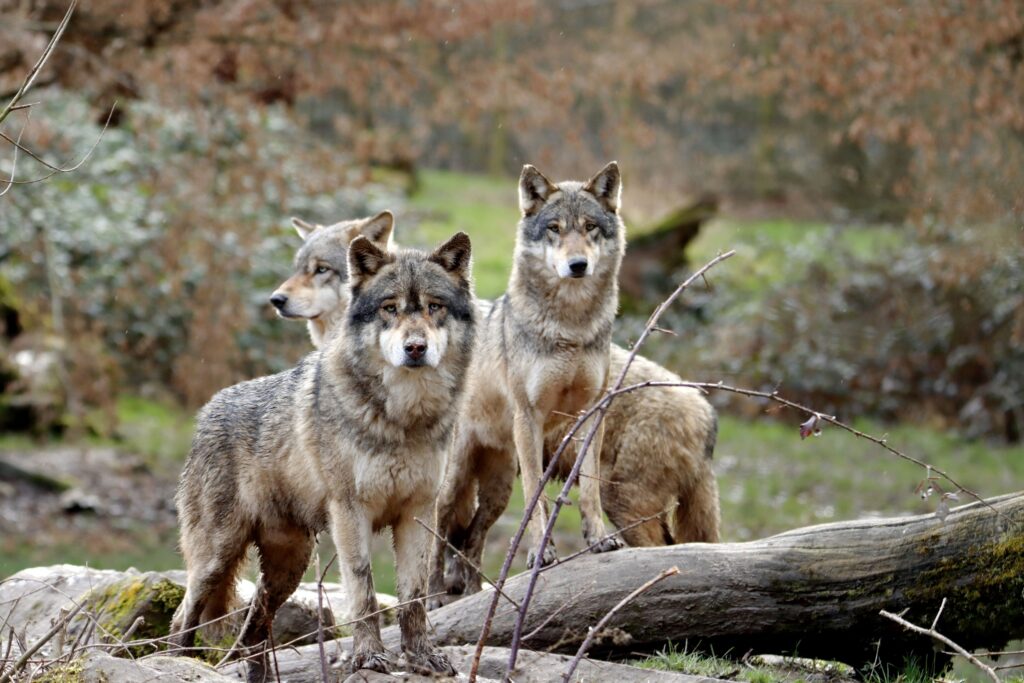
Predators like wolves also stand out more clearly in UV light, giving reindeer a survival advantage in their challenging environment. This specialized vision has evolved specifically to meet the unique demands of Arctic life.
The Compound Eyes of Dragonflies

Dragonflies possess some of the most complex eyes in the animal kingdom, with up to 30,000 individual photoreceptors and the ability to see in nearly 360 degrees. They can detect movement and color patterns that would escape our notice entirely.
These aerial predators can see ultraviolet, polarized light, and have exceptional motion detection abilities. They can track multiple prey items simultaneously while performing incredible aerial maneuvers that put our best pilots to shame.
Each compound eye contains multiple types of color receptors, giving dragonflies a visual experience that combines the best aspects of bird and insect vision. They literally see the world from multiple perspectives simultaneously.
Chameleons and Their Independent Eye Movement

Chameleons can move their eyes independently, giving them nearly 360-degree vision while remaining perfectly still. But their color vision is equally impressive, allowing them to see ultraviolet and polarized light patterns.
This exceptional vision helps them track fast-moving insects and spot predators from any direction. They can see prey items that would be invisible to human eyes, camouflaged against backgrounds that appear uniform to us.
Their ability to see UV light also plays a role in communication, as many chameleons have skin patterns that are only fully visible in ultraviolet wavelengths. They’re literally flashing secret messages to each other.
Cats and Their Superior Night Vision

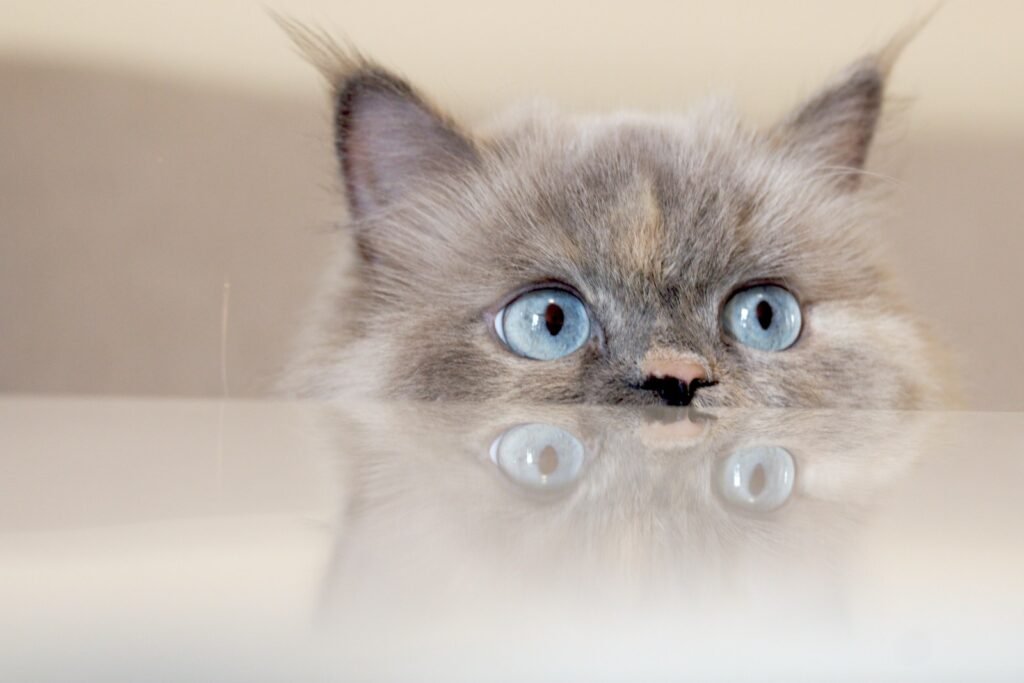
While cats don’t see more colors than humans, they excel at seeing in low light conditions that would leave us completely blind. Their eyes gather light much more efficiently, revealing a nocturnal world full of detail and movement.
The reflective layer behind their retinas, called the tapetum lucidum, gives cats their distinctive glowing eyes and doubles their light-gathering ability. This allows them to hunt effectively in conditions where humans would stumble helplessly.
Cats can see movement and detect shapes in light levels six times dimmer than what humans require. Their world after sunset is filled with visible detail and activity that remains hidden from us.
Horses and Their Wide-Angle Color Vision

Horses have eyes positioned on the sides of their heads, giving them nearly 360-degree vision with only small blind spots directly in front and behind. They can see two different scenes simultaneously, processing information from both eyes independently.
Their color vision is different from ours, with better blue and yellow discrimination but limited red perception. This creates a visual world where certain colors appear more vivid while others fade into the background.
This wide-angle vision system evolved for survival on open plains, where spotting predators from any direction could mean the difference between life and death. Every horse is essentially equipped with built-in perimeter security.
Fish and Their Underwater Color Adaptations

Many fish can see ultraviolet and polarized light, adaptations that help them navigate murky waters and communicate with their own species. Some coral reef fish use UV patterns for species recognition and territorial displays.
The underwater environment filters light differently than air, and fish eyes have evolved to maximize the available wavelengths at their preferred depths. Deep-water fish often lose color vision entirely, while shallow-water species may see colors we can’t imagine.
Some fish can change their color vision seasonally or even throughout the day, adjusting their perception to match changing light conditions. This dynamic visual system represents a level of adaptation that far exceeds human capabilities.
Spiders and Their Multi-Layered Vision

Jumping spiders possess some of the sharpest vision in the arthropod world, with some species able to see in color and detect ultraviolet patterns. Their multiple eyes work together to create a comprehensive visual field.
These tiny predators can spot and track prey from distances many times their body length, using vision that rivals much larger animals. Some species can even see polarized light patterns that help them navigate and hunt.
The peacock spider uses its extraordinary color vision in elaborate mating displays, showing off patterns and colors that are far more complex than what human eyes can detect. Their courtship dances are performed in a spectrum we can barely imagine.
Dolphins and Their Sonar-Vision Combination

While dolphins have decent color vision underwater, their real superpower lies in combining visual information with echolocation. This creates a multi-dimensional perception that includes both light and sound-based imagery.
Dolphins can “see” inside objects using sonar, revealing internal structures and densities that are invisible to conventional vision. They can detect the swim bladder of a fish or the air spaces inside a human body.
This combination of senses creates a perceptual experience so foreign to humans that we lack adequate language to describe it. Imagine seeing with sound while hearing with your eyes – that’s closer to dolphin reality.
Sea Turtles and Their Magnetic Field Detection

Sea turtles can see Earth’s magnetic field as visual patterns overlaid on their regular vision, creating a natural GPS system that guides them across vast ocean distances. This ability allows them to navigate back to their birth beaches after decades at sea.
The magnetic field appears as colored lines or gradients in their visual field, providing constant directional information even in the middle of the open ocean. This creates a world where navigation cues are literally painted across their vision.
Young sea turtles use this magnetic map to follow ocean currents and find feeding grounds, programming their navigation system during their first journey to sea. It’s like having a built-in compass that never fails.
The Future of Understanding Animal Vision

Scientists are developing new technologies to simulate animal vision, using special cameras and computer programs to approximate what other species might see. While we can’t truly experience these alien forms of perception, we’re getting closer to understanding them.
Virtual reality systems are being developed that could eventually allow humans to experience ultraviolet vision or polarized light detection. These technologies might finally give us a glimpse into the hidden visual worlds that surround us.
As our understanding grows, we’re discovering that human vision, far from being the gold standard, is actually quite limited compared to the incredible diversity of visual systems in nature. We’re just beginning to appreciate how much of the world remains invisible to us.
Living in a Limited Spectrum

The next time you step outside and admire a beautiful sunset or a colorful garden, remember that you’re seeing only a fraction of what’s actually there. The natural world is painted in colors more vivid and diverse than anything in human art or imagination.
Animals around us are constantly communicating, navigating, and surviving using visual information that remains completely hidden from our perception. We’re surrounded by a secret world of color and light that operates just beyond our sensory reach.
While we may never truly see the world through the eyes of a mantis shrimp or a hummingbird, understanding these differences helps us appreciate the incredible diversity of life on Earth. Every species has evolved its own unique way of perceiving reality, and each perspective reveals something profound about the complexity of the natural world.
What would you give to see the world through a butterfly’s eyes for just one day?