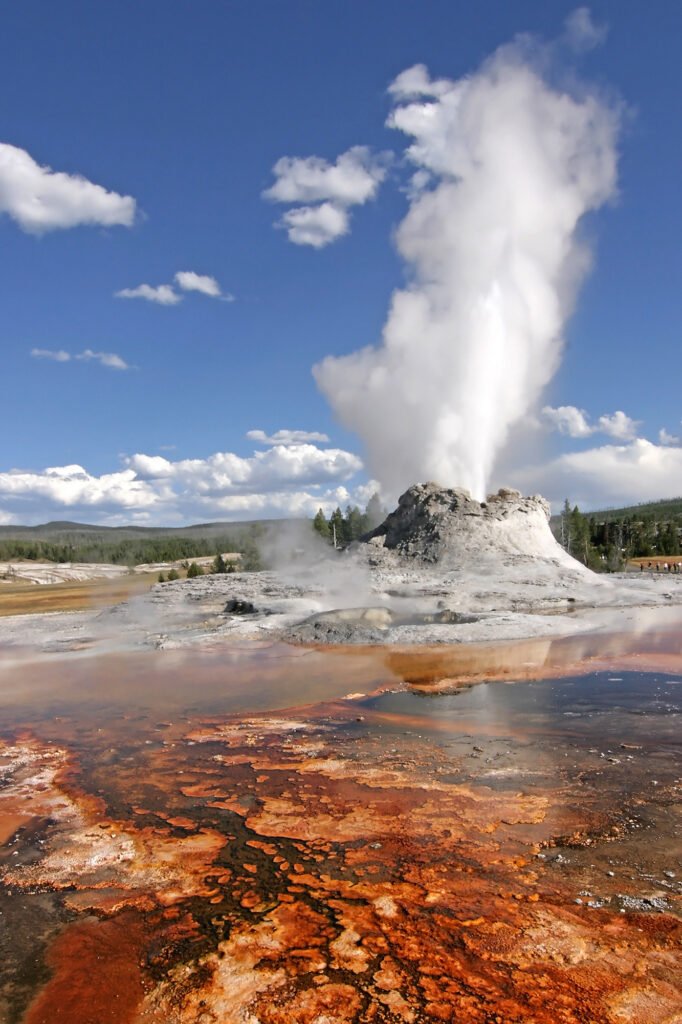

If you’ve ever stood beside the steaming, rainbow-colored pools of Yellowstone National Park, you’ve probably wondered what gives these places their otherworldly appearance. But what if I told you the answer isn’t just stunning—it’s alive? Hidden within those boiling waters, a microscopic drama is unfolding. Millions of tiny organisms, thriving where almost nothing else can survive, are not just painting a masterpiece beneath your feet—they may be holding the keys to our energy future. Think of them as nature’s own alchemists, quietly shaping the world in ways that might one day change how we power our lives.
The Strange World Beneath Yellowstone’s Surface

Beneath the crust of Yellowstone, an alien landscape simmers—hot, acidic, and bubbling with geothermal energy. While most life would be cooked alive or dissolved away, certain microbes have evolved to call this extreme environment home. These organisms, called extremophiles, cling to life in scalding springs and fumaroles. It’s hard to believe, but these unassuming microbes are some of the oldest and hardiest life forms on Earth. Their presence creates a living, breathing ecosystem in the heart of one of America’s wildest places.
Meet the Thermophiles: Masters of Heat

Thermophiles are microbes that don’t just tolerate heat—they demand it. Some species thrive at temperatures approaching boiling point, where the water hisses and steams. Imagine living in a sauna that never shuts off! Thermus aquaticus, for example, is a legend among scientists for its heat-loving ways. These organisms have adapted special proteins and enzymes that don’t unravel in the heat, making them marvels of biological engineering. Their resilience makes them fascinating to study and incredibly useful for human technology.
The Rainbow Colors: Microbial Artistry in Action

Stare into the Grand Prismatic Spring and you’ll see an artist’s palette come to life: vibrant oranges, yellows, and greens, all swirling in the steam. But this isn’t paint—it’s the work of different microbial communities. Each color band represents a zone where a particular microbe dominates, living at just the right temperature and acidity. For instance, the orange and red rings are home to bacteria that harvest sunlight using unique pigments, while the blue center is nearly sterile due to the blistering heat. It’s a living masterpiece, painted one cell at a time.
Archaea: Living Fossils in Boiling Pools

Among Yellowstone’s microbial residents, archaea are the true survivors. These ancient life forms split from bacteria billions of years ago and have barely changed since. In the park’s hottest, most acidic springs, archaea are often the only life you’ll find. Their cell walls are built to withstand the most punishing conditions, giving them a reputation as nature’s ultimate tough guys. Studying them gives us a window into Earth’s earliest days—and maybe even clues about life on other planets.
Microbial Gas Factories: How Life Makes Yellowstone Bubble

Have you ever seen a bubbling mud pot or a frothing geyser? Much of that fizz and foam is thanks to microbes. Some species feast on sulfur and iron, belching out gases like hydrogen sulfide and methane as byproducts. These gases rise to the surface, creating the park’s iconic bubbles and rotten-egg smell. In a sense, Yellowstone’s dramatic landscape is powered by the farts of unseen microbial communities—an idea that’s as hilarious as it is profound.
Microbes as Pioneers of Photosynthesis

Long before forests and flowers decorated Earth, microbes mastered photosynthesis. In Yellowstone, certain cyanobacteria and green sulfur bacteria capture sunlight and turn it into energy—even in near-boiling water. These ancient techniques are still at work today, fueling entire food webs in the park’s hot springs. By studying how these microbes survive, scientists hope to learn new ways to harness solar energy more efficiently for ourselves.
The Role of Microbes in Yellowstone’s Ecosystem

It’s easy to overlook the smallest residents of Yellowstone, but without them, the park’s ecosystem would collapse. Microbes help recycle nutrients, break down minerals, and even create the conditions for other life to flourish. They are the silent engineers, connecting the world of rocks and water to the forests and animals above. Without their tireless work, the park’s famous geysers and pools would be nothing but lifeless holes in the ground.
Genetic Gold Mines: What Makes Yellowstone Microbes Special?

The DNA of Yellowstone’s microbes is a treasure trove for scientists and inventors. Because these organisms have evolved to survive extremes, their genes encode powerful enzymes and proteins. One famous example is the enzyme Taq polymerase from Thermus aquaticus, which revolutionized genetic research by enabling the invention of PCR—a method now used in everything from medical diagnostics to forensic science. Every hot spring is like a biological gold mine, full of surprises waiting to be discovered.
Turning Heat into Power: The Promise of Microbial Energy

What if we could borrow a few tricks from Yellowstone’s microbes to solve our energy problems? Some researchers are exploring ways to use heat-loving enzymes in industrial settings, making chemical reactions more efficient and less polluting. Others dream of bioengineered microbes that could convert waste heat or sunlight directly into fuel. The idea isn’t just science fiction—it’s already starting to happen in laboratories around the world, inspired by the tiny pioneers of Yellowstone.
Biofuels from Microbes: A Cleaner Energy Future?

Imagine fueling your car with energy that comes from bubbling hot springs, not oil rigs. Certain microbes can turn simple chemical compounds into hydrogen gas, methane, or even bioethanol. These clean-burning fuels could one day replace fossil fuels, slashing greenhouse gas emissions and reducing our reliance on dirty energy sources. Yellowstone’s extremophiles are leading the way, showing us how nature itself can be our greatest ally in the fight against climate change.
Microbial Batteries: Storing Power the Natural Way

Some Yellowstone microbes can transfer electrons directly to minerals in their environment, essentially acting as living batteries. Scientists are learning how to harness this ability to create microbial fuel cells—devices that use bacteria to generate electricity from wastewater or other organic material. It’s an elegant, low-tech way to produce power, inspired by the same processes that make Yellowstone bubble and fizz.
Resilience in the Face of Climate Change

As the climate warms and ecosystems shift, Yellowstone’s microbes might be our best teachers. Their ability to adapt to extreme temperatures, acidity, and fluctuating resources makes them models for resilience. By studying how these organisms survive and even thrive in a changing world, we can develop new strategies for protecting crops, cleaning polluted water, and managing environmental stress.
Microbes on Mars? Yellowstone as a Model for Extraterrestrial Life

If there’s life on Mars or the icy moons of Jupiter, it probably looks a lot like Yellowstone’s extremophiles. The park’s hot springs and acidic pools mimic conditions found on other planets and moons, making them perfect testing grounds for astrobiology. By studying how microbes survive in Yellowstone, scientists are developing tools and experiments for future missions to search for life beyond Earth.
Public Fascination: Yellowstone’s “Invisible” Wonders

Tourists flock to Yellowstone for its geysers and wildlife, but the real stars are often too small to see. Interpretive signs and educational programs now highlight the park’s microbial wonders, turning hot springs into open-air laboratories for curious visitors. Once you know what to look for, even the tiniest splash of color becomes a window into an invisible world. It’s a reminder that true magic often hides in plain sight.
Threats to Yellowstone’s Microbial Diversity
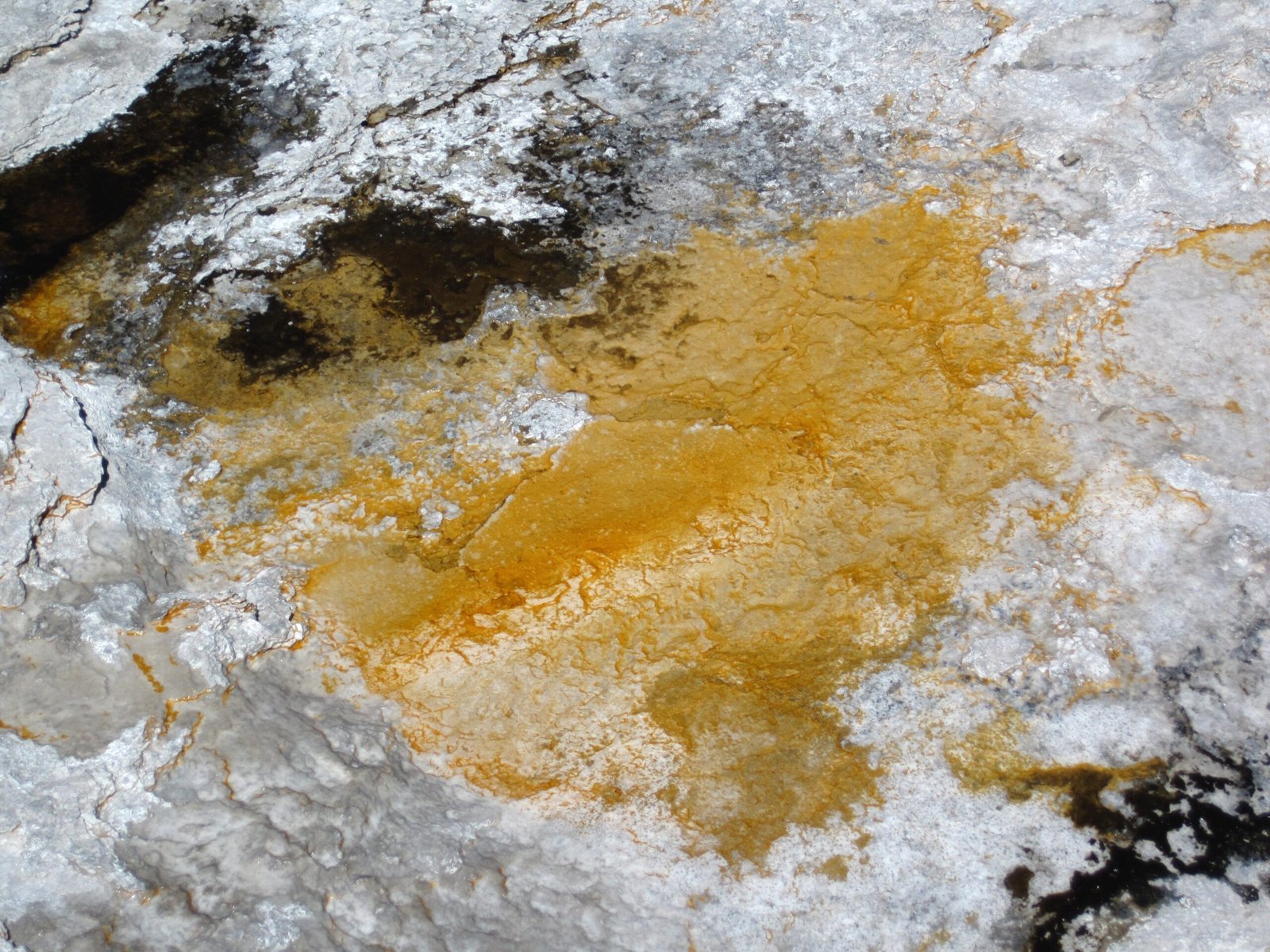
Despite their toughness, Yellowstone’s microbes face threats from pollution, climate change, and even careless tourism. Trash, sunscreen, and other contaminants can disrupt delicate microbial communities, while rising temperatures may alter the chemistry of hot springs. Protecting these organisms is critical—not just for science, but for the health of the entire ecosystem. Every visitor plays a part in keeping Yellowstone’s microbial magic alive.
Citizen Science: How You Can Help Unlock Microbial Secrets
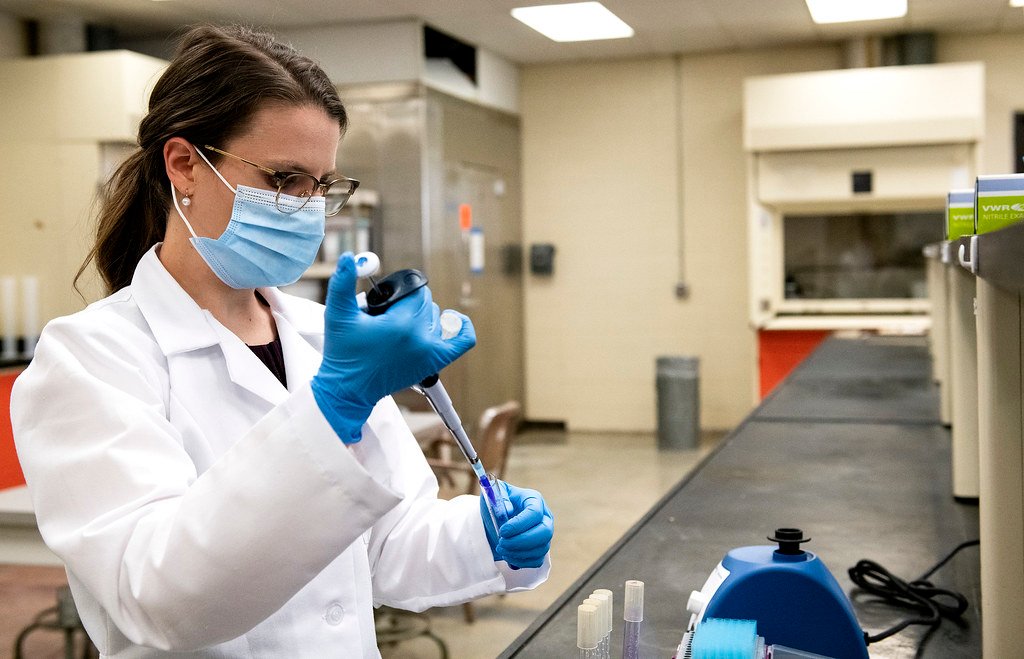
You don’t need a PhD to contribute to microbial research. Initiatives in Yellowstone invite the public to collect data, snap photos, and observe changes in hot spring colors. These citizen science projects help track microbial health and spot new discoveries. By getting involved, you become part of a global effort to understand and protect one of Earth’s most mysterious forms of life.
From Yellowstone to Your Medicine Cabinet
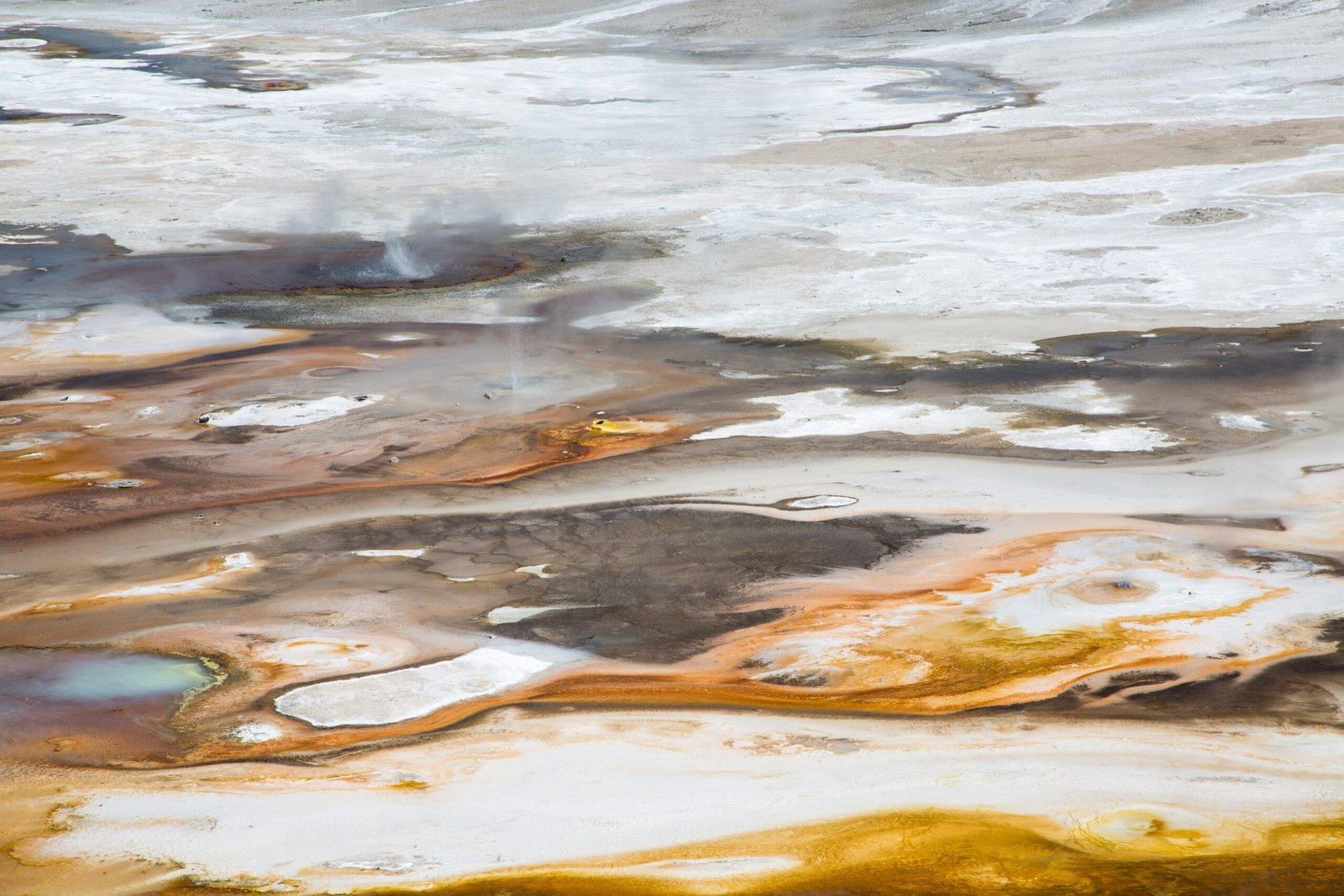
The benefits of Yellowstone’s microbes aren’t limited to energy and the environment. Their enzymes are already used in detergents, medicines, and even food processing. As we learn more, new applications are emerging—from cancer treatments to biodegradable plastics. The next breakthrough drug or green technology might come from a microbe bubbling away in a Yellowstone pool right now.
Nature’s Hidden Engineers: A Personal Reflection
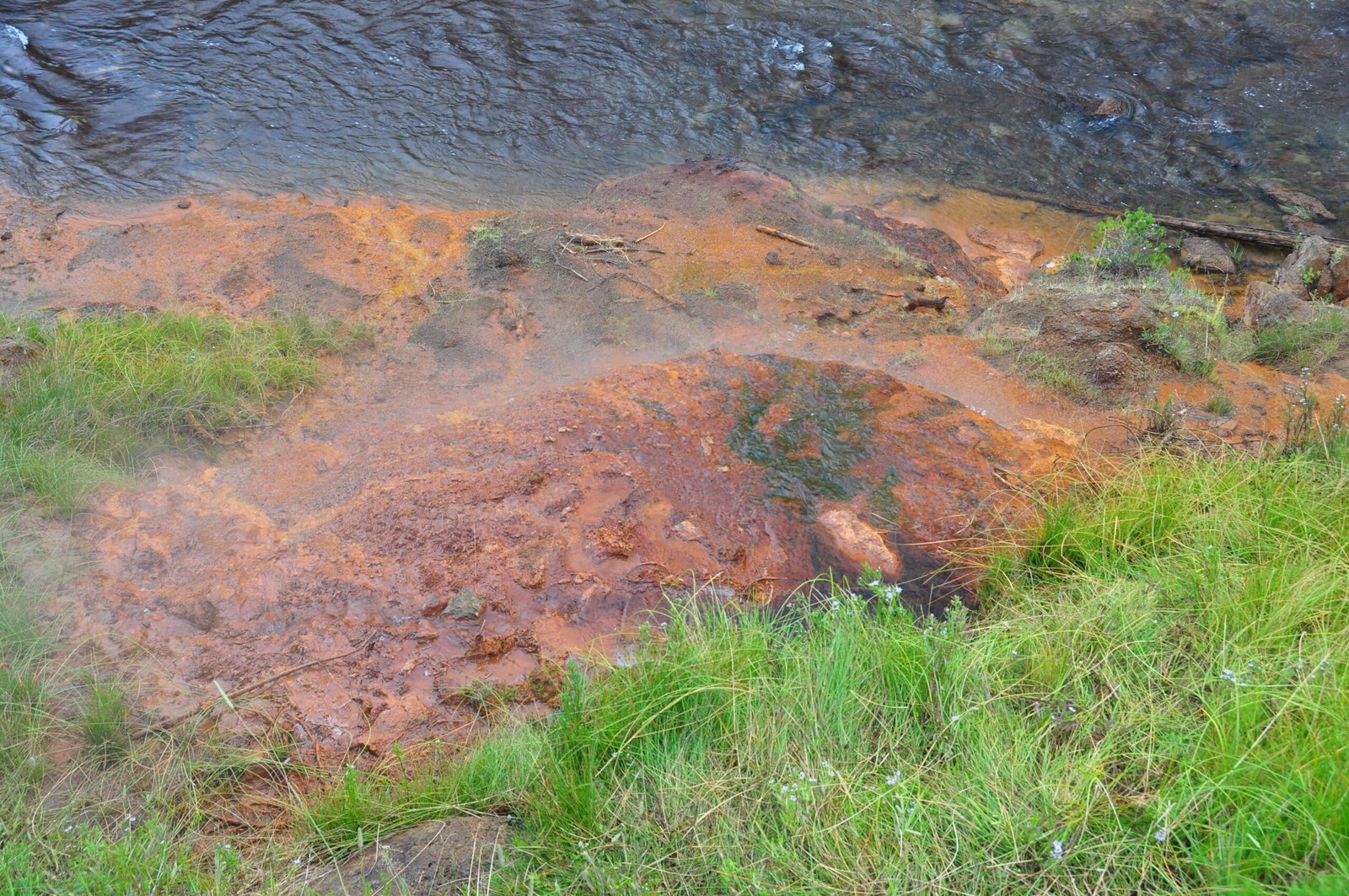
Standing at the edge of a steaming spring, it’s hard not to feel a sense of awe. These microbes, invisible to the naked eye, have shaped the land, painted the pools, and inspired scientists for generations. Their quiet persistence reminds us that the smallest creatures often have the biggest impact. In a world searching for sustainable solutions, maybe it’s time we looked a little closer at what’s bubbling beneath our feet.