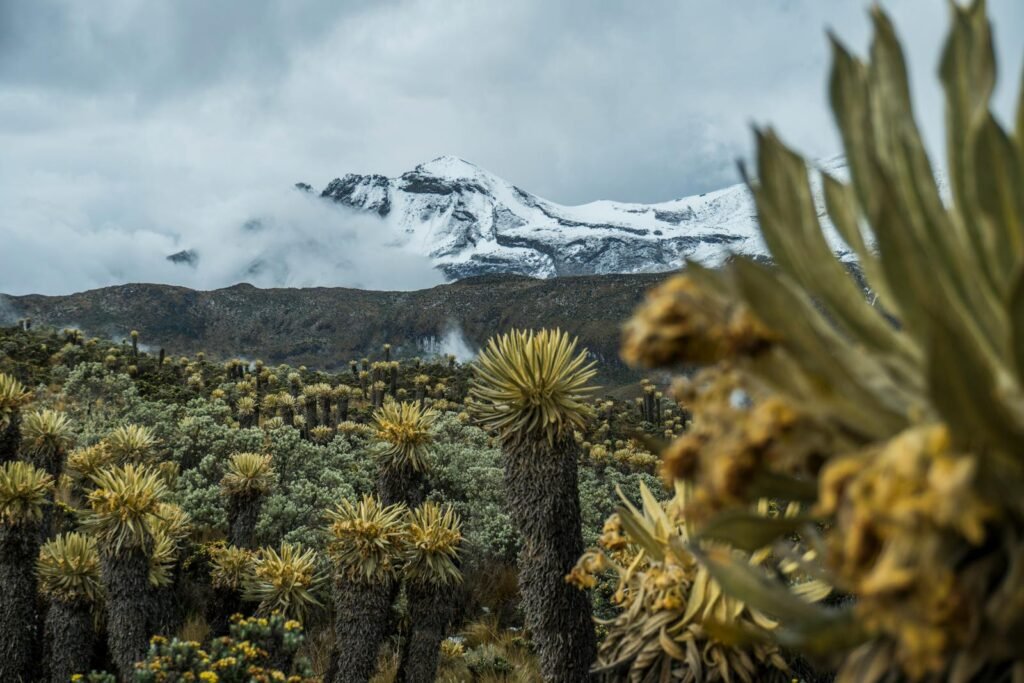
Imagine standing atop a towering mountain peak, where the air is so thin you can barely catch your breath. Yet all around you, vibrant flowers push through rocky crevices and hardy grasses sway in the fierce winds. These remarkable plants have mastered one of nature’s most challenging environments – living and thriving where most life simply cannot survive. The story of how high altitude plants evolved to breathe thin air is nothing short of extraordinary, revealing ingenious adaptations that have taken millions of years to perfect.
The Molecular Marvel of Oxygen Sensing

A groundbreaking study has revealed that plant species adapt to altitude by literally “sensing” the oxygen levels around them. This isn’t just a simple response – it’s a sophisticated biological mechanism that allows plants to detect and respond to the reduced oxygen availability at high elevations. Scientists have discovered that local ambient oxygen concentration regulates expression of hypoxia-related genes and steady-state levels of protochlorophyllide, a biochemical intermediate of chlorophyll biosynthesis, through an oxygen-sensing system. Think of it like having a built-in atmospheric pressure gauge that automatically adjusts the plant’s internal machinery. This oxygen-sensing mechanism controls the pathway of chlorophyll synthesis, allowing plants to match toxic chemical levels to surrounding oxygen conditions and providing what researchers call “a new paradigm for plant ecology”. The implications are staggering – plants essentially have their own biological altimeter.
Chlorophyll Revolution in Thin Air

By analyzing plants at both low and high altitude locations, researchers identified how oxygen-sensing controls chlorophyll synthesis, enabling plants to survive where oxygen levels are dramatically reduced. At high altitudes, the challenge isn’t just breathing – it’s about fundamental energy production. Photosynthesis is affected by multiple environmental constraints present at high altitude, and maintaining photosynthesis under stress conditions determines plant survival. Alpine plants have evolved to start photosynthesizing and reach maximum photosynthesis rates at lower temperatures compared to plants adapted to lower elevations. Several studies show that alpine plants exhibit higher photosynthetic capacities and leaf nitrogen concentrations compared to the global average. It’s like having a high-performance engine that runs efficiently on lower-grade fuel. Evergreen leaves help alpine plants get a jumpstart on the growing season, allowing them to start photosynthesizing as soon as temperature rises above freezing.
The Underground Highway System

While we marvel at the visible parts of alpine plants, their most crucial adaptations often lie hidden beneath the surface. Taproot systems are characterized by a single dominant root that grows deep into the ground, anchoring the plant securely in soil and providing stability against strong winds and erosion, with smaller lateral roots branching out to absorb water and nutrients. The key advantage of taproot systems is their ability to reach deep underground where moisture is more abundant, allowing plants to access water sources that may be out of reach for shallow-rooted species. Some species with canopies that don’t even extend 1 meter above soil surface can grow roots deeper than 5 meters below-ground. Deep-rooted trees like cottonwoods can consume 50-200 gallons of water daily because their roots stretch deep into groundwater. This creates what’s essentially a botanical skyscraper built in reverse – most of the structure exists underground.
Microscopic Fortresses Against the Elements

High-altitude plants are often shorter and smaller to minimize exposure to strong winds and cold temperatures, reducing physical damage and water loss, with leaves that may be smaller, thicker, or have waxy coatings to protect against UV radiation. Thick, waxy leaves help alpine plants deal with excessively well-drained soil and ever-present drying winds, as plants need to keep stomates open for photosynthesis and respiration but this also lets out moisture, especially in windy conditions, and thick leaves reduce surface area exposed to desiccating winds. Some plants also have hairy leaves to trap heat and reduce transpiration. The rounded cushion shape allows plants to expose minimum surface area to hostile weather conditions, presenting little resistance to wind, with live stems often clothed with dead leaves from previous seasons so living parts are insulated and protected from cold, acting like a small micro-climate that gives the plant ability to self-regulate.
Temperature Tolerance Champions

During winter periods, green leaves of Soldanella alpina resist -20°C while those of Carex firma and Silene acaulis withstand more extreme temperatures of -70°C and -196°C respectively. These numbers are almost incomprehensible – we’re talking about temperatures that would instantly kill most life forms. Rock plants, cushion plants, and tussocks have temperatures similar to air temperatures and show correspondingly high frost resistance, with species like S. acaulis, M. sedoides and S. oppositifolia being fully hardened during winter with LT50 temperatures under -80 to -196°C. When plants need permanent solutions for extreme cold, they develop freeze tolerance and can dehydrate their cells by moving water into intercellular spaces, causing ice formation outside cells where crystals won’t cause damage. Plants avoid freezing of exposed tissues by increasing solutes in their tissues (freezing-point depression) and through supercooling, which prevents ice crystallization within plant tissues.
Breathing Strategies in Oxygen-Starved Environments

Anyone who has hiked in mountains knows how breathless you get at elevation and how different breathing can be at 1,500 or 2,500 meters above sea level, as pressure decreases and so does oxygen in the air. Plants at high altitudes have more efficient photosynthetic mechanisms to cope with reduced CO2 levels, with some exhibiting enhanced photosynthetic enzyme activity or alternative pathways like C4 or CAM photosynthesis. Alpine plants avoid water loss through deep rooting and increased stomatal control, with plants at low elevation reaching maximum stomatal opening in morning while alpine plants reach maximum opening mid-day when temperature is greatest, and alpine succulent plants often utilizing CAM photosynthesis to avoid water loss. Higher elevations always experience lower air pressure, and this lowered air pressure influences plant life by producing lower carbon dioxide levels and slower plant processes due to lower air density and atmospheric pressure.
The UV Shield Defense System

The intensity of light and radiation levels are stronger at higher altitudes because of thinner atmosphere, with plants at high elevations getting more hours of sunlight compared to lower altitudes, and combined with low air density and particulate matter, this creates high solar radiation levels. At the epidermal level, some species synthesize flavonoids, pigments that absorb high-energy UV radiation so UV doesn’t excite underlying cells, creating a flavonoid screen that protects photosystems and prevents destruction of DNA in chlorophyll-containing tissues. Ultraviolet rays can cause major tissue damage in plants, with some of the most intense UV-B exposure occurring in spring when there are fewer clouds, more direct sunlight, and plentiful snow that reflects the sun. In such environmental conditions, plants naturally evolve adaptations like silver or lighter leaves that reflect light. Red leaves of plants like diapensia turn deep reddish purple in non-growing season, with color caused by anthocyanin which absorbs ultraviolet rays and converts them into heat energy, warming the plant earlier in growing season.
Metabolic Slowdown and Energy Conservation

There is good evidence that thermal constraints for growth are the same for alpine plants, cold-adapted trees, and winter crops, all being completely halted when tissue temperatures drop below 5°C and close to zero at 6-7°C, yet all these species reach 30-50% of maximum photosynthesis rates at these same temperatures. Most plants require certain temperatures to grow at their best, but some adapt to colder temperatures at higher altitudes, with hardy subalpine conifers capable of surviving brutally low, subzero temperatures. Alpine plants are small by design (genetic dwarfs) and are not forced into small stature by alpine climate directly, though evolution selected such morphotypes, and what seems like a stressful environment is not really stressful for those well adapted. Alpine plants are adapted to grow slowly in cool conditions, and many have metabolic systems unable to withstand high temperatures. This is like having a car that’s been specially tuned to run efficiently at low RPMs while maintaining optimal performance.
Collaborative Survival Networks

Plants and microbes are tightly associated, and symbiotic or commensal microorganisms are crucial for plants to respond to stress, particularly for alpine plants. The mutualistic relationship between plants and fungi is a key adaptation that has allowed mountain vegetation to flourish in challenging conditions. Plants inoculated with plant growth-promoting bacteria can positively affect proline accumulation and regulate plant osmotic pressure to help plants resist environmental stress. Endophytic fungi with antimicrobial activity isolated from alpine medicinal plants may play an important role in adaptation of their host plants. Plants contain large amounts of dark septate endophytes, suggesting they may contribute to ecological adaptation of host plants to high altitude and high radiation environment. It’s fascinating to think that these plants have essentially formed underground alliances – microscopic partnerships that have been millions of years in the making.
Reproductive Strategies in Hostile Terrain

Some plants flower immediately after snow melting or soil thawing, with these early flowering plants always forming flowers in the previous season through preformation, producing flower primordium one to three years before flowering to ensure flowering isn’t delayed after snowmelt. To minimize frost damage, preformed flowers are often surrounded by tightly packed bracts densely covered in trichomes, which helps keep the interior of flower buds warm. Recruitment via seed is rather risky in alpine environments because seedlings need to establish in an often short season on potentially hostile substrate, hence the most common strategies for alpine plants to survive and persist are long life and clonal propagation. The alpine snowbell is a plant with high enough metabolism that its heat is able to melt surrounding snow. Annual plants are rare in the Alpine zone as there isn’t enough time for them to germinate, grow, flower and set seeds in the short growing season available, but biennials are far more common, taking two years to complete their life cycle as another adaptation strategy.
Migration and Climate Response
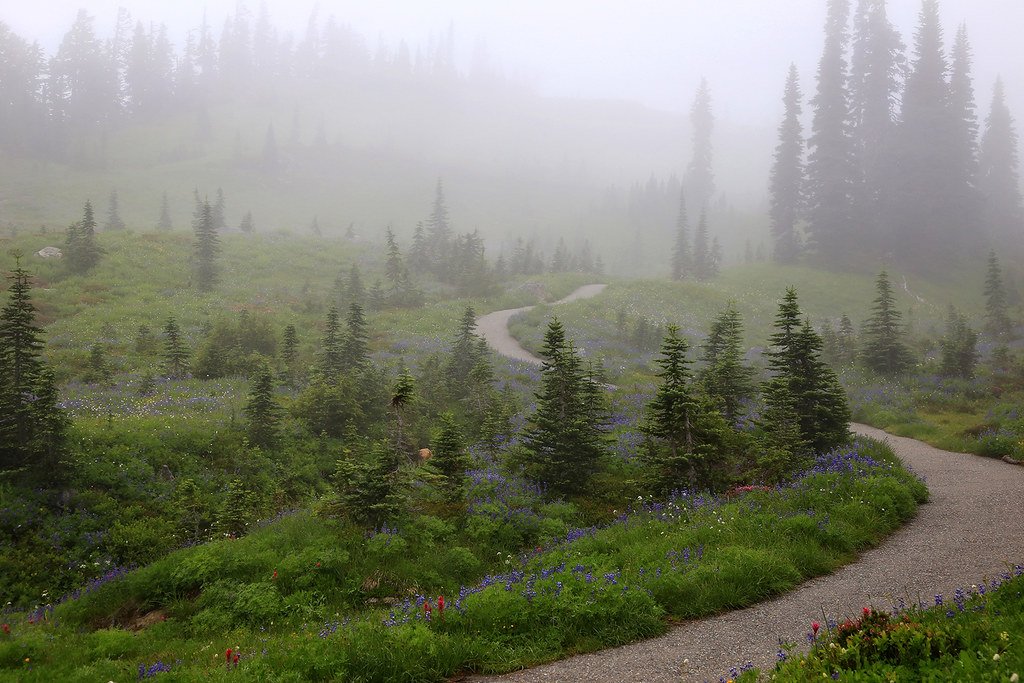
Over the past four decades, alpine plants have been pushed to migrate upward by about 200 meters to protect themselves from rising temperatures. Studies have observed that over the past 10 years, the climate crisis has already caused vegetation to rise about 50 meters and over the past 40 years plants have migrated up to 200 meters, undergoing changes in temperature, sunlight exposure, carbon dioxide availability and lower atmospheric pressure. Since climate change is leading to displacement of a large variety of wild species and crops to higher altitudes, it’s essential to understand mechanisms that allow plants to live at such heights where oxygen levels are low. Better understanding of genetic changes that plants go through at various heights could lead to new approaches to help plant breeders enhance the ability of crops to grow at higher altitudes, a feature which will become increasingly important as climate change advances. This isn’t just academic interest – it’s about food security for our future.
Engineering Marvels in Miniature

By low stature and dense stand structure, alpine plants restrict aerodynamic exchange with the atmosphere, causing heat to accumulate during periods with solar radiation and permitting plants to operate at comparatively warm temperatures, much unlike those experienced by upright, ventilated trees, with alpine plants engineering their microclimate and air-conditioning their meristems close to ground. Most alpine plants are only 1 or 2 inches tall, and being low to the ground has advantages as their diminutive size allows them to stay out of wind, and in winter, being small means protection under thick snowpack. In extreme conditions, plants may only survive if they huddle close to ground and take rounded cushion shape, which allows plants to expose minimum surface area possible to hostile weather conditions and present little resistance to wind, with inside cushion having live stems clothed with dead leaves from previous growing seasons so living parts are insulated and protected from cold. The rounded shape acts like a small micro-climate in its own right, giving the plant ability to self-regulate, and the cushion shape creates a natural sponge making the plant resistant to drought, with formation of tight cushion being the quintessentially ‘Alpine’ feature.
Seasonal Survival Mastery
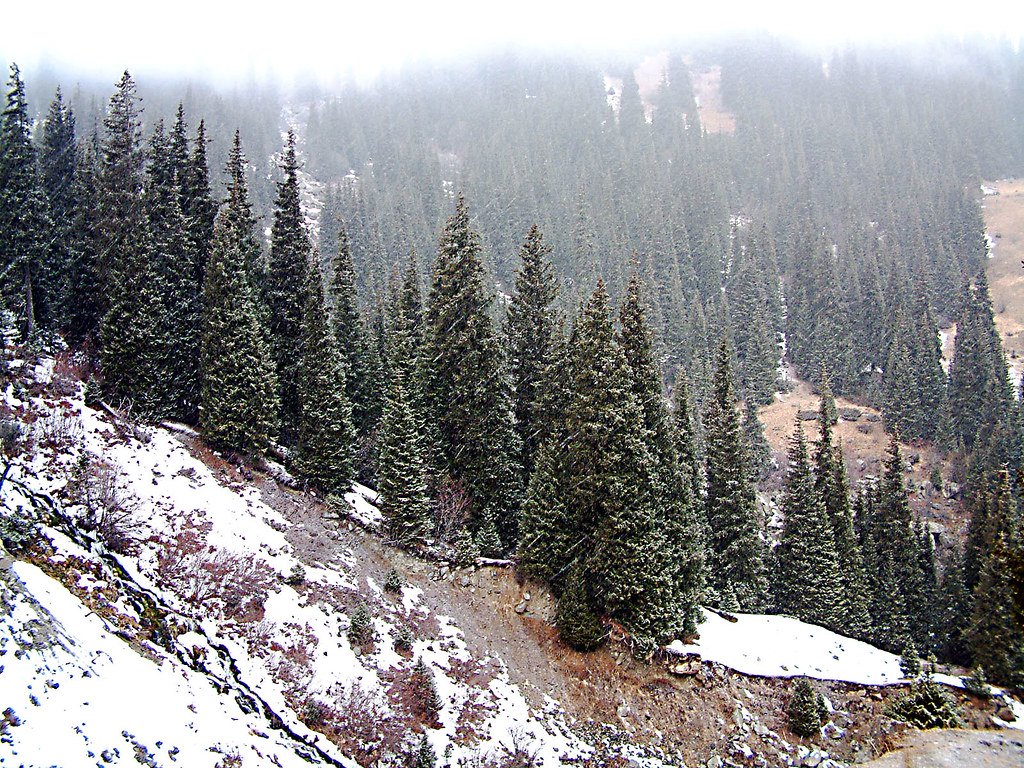
Many alpines growing at high elevations are reliably covered with a warm blanket of insulating snow through winter, lying dormant and protected from icy winds and perils of alternate freeze and thaw. During winter, the risk of frost damage is relatively low for prostrate plants permanently covered with snow at constant temperatures between 0 and -5°C. On windblown and often snow-free sites, however, plants must be fully frost resistant to survive temperatures down to -30°C and lower. When all strategies fail to prevent frost damage, alpine plants often have the capacity to repair or replace the organs damaged. They make this possible by placing their meristems below ground where temperatures are generally warmer. The low temperature and drier winds at high altitudes lead to a short growing season, and during winters, moisture in soil freezes and robs exposed leaves of moisture, causing excessive drying.
Water Management Wizardry

Research has predicted and demonstrated a potential increase of transpiration with altitude when there’s less than average lapse rate of ambient temperature, resulting from higher total radiation absorbed by leaves, increased diffusion coefficient of water vapor in air at reduced barometric pressure, and increased density gradient of water vapor from leaf to ambient air. Transpiration rates at high altitude may be very high, especially in Mediterranean climates where temperature inversions are common, and under such conditions where water is available and stomata remain open, a 1000-meter elevation above sea level may bring about a doubling of transpiration rates. Taproots can store reserves of nutrients, providing backup supply during times of drought or nutrient scarcity. Most conifers protect themselves from drying with reduced stomata, the organs responsible for transferring air and water across the leaf, and their waxy coatings. This creates a remarkable balancing act where plants must simultaneously conserve water