
Picture this: You’ve just spent three hours scrubbing every inch of your aquarium until it sparkles like a pristine swimming pool. The glass gleams, the gravel looks freshly vacuumed, and your filter media is so clean it looks brand new. You step back, admiring your handiwork, feeling proud of your dedication to your aquatic pets. But here’s the shocking truth – you may have just done more harm than good. What most aquarium enthusiasts don’t realize is that their meticulous cleaning habits could be slowly killing the very ecosystem they’re trying to protect.
The Invisible Army Working in Your Tank
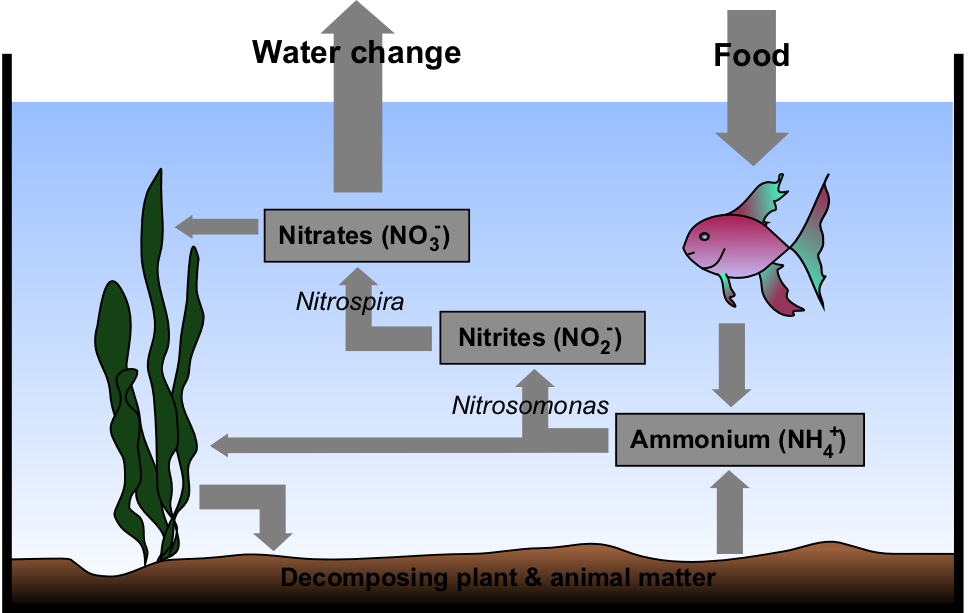
Every healthy aquarium contains millions of beneficial bacteria that work around the clock to keep your fish alive. These nitrogen compounds can potentially kill our fish unless we make sure we have plenty of microorganisms (also known as beneficial bacteria) and plants to consume the waste products. Beneficial bacteria play a key role in this process by consuming ammonia and producing nitrites, which are still dangerous to aquatic life. Another type of beneficial bacteria then consumes these nitrites and produces nitrates, a significantly less toxic compound. Think of these bacteria as your tank’s personal waste management team – they convert deadly ammonia from fish waste into less harmful compounds. The truth is that beneficial bacteria grows not only in filters but also on every surface in your aquarium, such as the gravel, glass walls, and decorations. When you over-clean, you’re essentially firing your entire waste management crew without warning. Once you’ve established a nitrogen cycle, you can keep your aquarium healthy by stocking it with fish gradually, avoiding overfeeding, and testing and changing the water regularly.
What Happens When You Destroy Your Biological Filter
For example, if you have a “cycled” aquarium with 3 neon tetras and then suddenly you add 200 neon tetras, that aquarium no longer has enough beneficial bacteria to immediately convert all that waste into safe nitrates. The same principle applies to overcleaning – when you remove too much beneficial bacteria, your tank can no longer process fish waste effectively. The cycle is a very important process for the establishment of beneficial bacteria in the aquarium and in the filter media that will help in the conversion of ammonia to nitrite and then the conversion of nitrite to nitrates. This disruption can trigger what experts call a “mini cycle” or secondary cycling event, where toxic ammonia and nitrites spike to dangerous levels. Stocking your tank full of fish right away can spell disaster, causing ammonia and nitrite levels to rise to unsafe levels — a condition known as “New Tank Syndrome.” It can lead to fish loss and prolong the cycling process. Your fish suddenly find themselves swimming in a toxic soup of their own making.
The Filter Media Massacre

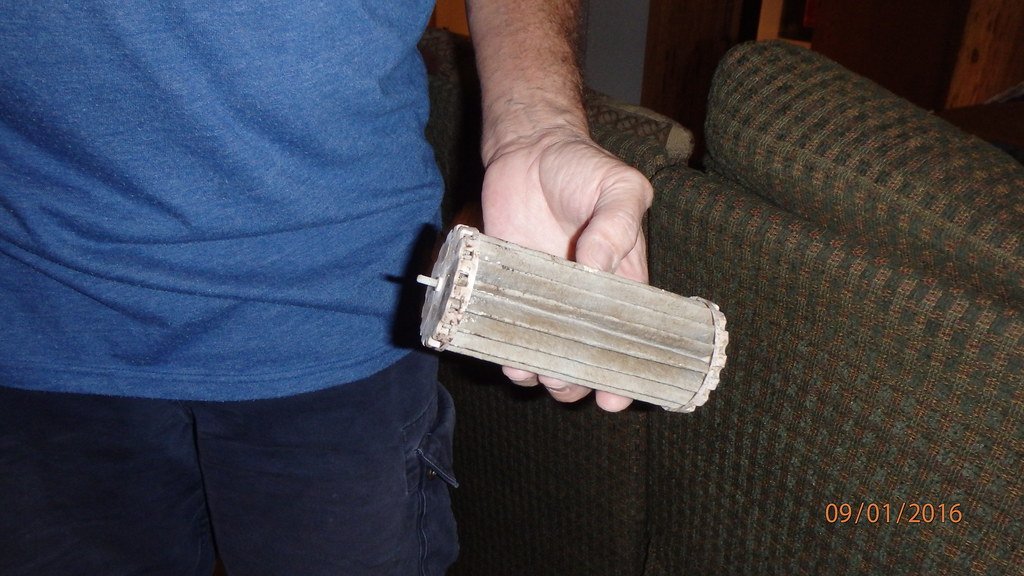
One of the biggest mistakes aquarium owners make is replacing all their filter media at once or rinsing it in tap water. Use tank water: Rinse the filter media in a bucket of tank water, as this will preserve beneficial bacteria. Don’t rinse it in tap water, as chlorine can kill these microorganisms. Your filter sponges and bio-media aren’t just collecting debris – they’re housing billions of beneficial bacteria that are crucial for your tank’s health. He explained that within hours of the time the bacteria begin growing, they lay down what’s known as a biofilm (“we used to call it a slime, but ‘biofilm’ sounds much more scientific!” Strom jokes) essentially gluing themselves to whatever surface they’re growing on. When you replace everything at once, you’re literally throwing away months of bacterial colonization. Live nitrifying bacteria can be sourced from various places to help jump-start the aquarium nitrogen cycle. Some of these sources include: Filter media: Using a portion of filter media from an established and healthy aquarium can introduce beneficial bacteria into the new tank.
The Dangerous Chlorine Connection

Tap water contains chlorine and chloramines that are designed to kill bacteria – and that includes the good bacteria in your aquarium. This old school piece of advice comes from the fact that municipalities often put chlorine in tap water (which is lethal to fish), but if you let the water sit out for 24 hours, the chlorine evaporates. Nowadays, chloramine (a more stable form of chlorine) is often used in tap water, and it does not evaporate over time. Instead, you need to dose water conditioner to make the water safe for fish, and then you can immediately use the dechlorinated water for your aquarium with no wait time. Many aquarium owners make the mistake of rinsing their filter media under the tap, unknowingly nuking their beneficial bacteria colonies. Although they may look the same, the houseware pads can have soap or chemical residue. That residue doesn’t matter if you are cleaning your kitchen sink, but it can be lethal to your fish. Even trace amounts of household cleaners can devastate your tank’s ecosystem.
When Water Changes Turn Toxic

Water changes are essential for aquarium health, but doing them too frequently or changing too much water at once can shock your system. You should change about 15 to 25% of your aquarium’s water every one to two weeks. The percentage of water and frequency of water changes depend on the volume of fish and plant life in your tank. A heavily stocked tank will need a larger volume of water changed more frequently, and a lightly stocked tank can be changed slightly less. Massive water changes can alter pH, temperature, and water chemistry so dramatically that it stresses your fish to the breaking point. An aquarium is an encapsulated environment and even small changes in temperature, water chemistry or water quality could stress your fish. Dr. Hall says, “Numerous factors can lead to fish stress and, in order to maintain the health of their fish, aquarium keepers must identify and manage these problems.” Think of it like suddenly changing the air composition in your home – even if the new air is technically “cleaner,” the shock could be overwhelming.
The Gravel Vacuum Catastrophe

While gravel vacuuming is important for removing waste, being too aggressive can destroy beneficial bacteria colonies living in your substrate. Bacteria grow on surfaces such as aquarium glass and gravel, so what happens when we scour the sides of a tank with an algae magnet, or clean the bottom with a gravel vacuum? I’ve been told on a number of occasions that vacuuming more than half the tank bottom at a time could remove so many bacteria that the system could go into a secondary cycle. However, experts suggest this concern might be overblown. Nonsense, says Strom. He explained that within hours of the time the bacteria begin growing, they lay down what’s known as a biofilm (“we used to call it a slime, but ‘biofilm’ sounds much more scientific!” Strom jokes) essentially gluing themselves to whatever surface they’re growing on. Still, overly aggressive gravel cleaning can disrupt the delicate balance of your aquarium’s ecosystem. Take out your nifty aquarium siphon and vacuum approximately one-third of the substrate. Move any decorations or hardscape as needed, since debris tends to collect underneath them. The siphon serves the dual purpose of not only removing fish waste, uneaten food, and dead leaves from the gravel or sand, but also removing old tank water and the excess nitrates in them.
Stress Signals Your Fish Are Sending

Overcleaning doesn’t just affect water chemistry – it creates massive stress for your fish. In the early stages of a developing problem, your fish may not present any obvious signs of distress or illness. You may, however, notice subtle changes in behavior. Even seemingly small departures from your fish’s typical behavior could be an indication that they are stressed. Changes in color: Aquarium fish may change color in response to stress, either darkening in color or going pale. Oscars, for example, are well known for going pale when they are stressed or unhappy with something in their tank. Fish that are constantly subjected to dramatic environmental changes develop chronic stress, which weakens their immune system. Stress causes diseases in human beings, and this statement falls true for Fish as well. If your fish in your tank are stressed out for too long, they can become sick. Consistent stress can decrease your fish’s ability to resist disease, and as a result, your fish can develop bacterial, viral, or parasite infections. Your well-intentioned cleaning routine could be setting your fish up for a lifetime of health problems.
The Overfeeding and Overcleaning Cycle

Many aquarium owners fall into a vicious cycle where they overfeed their fish, then overclean to compensate for the mess. When you overfeed fish, the excess food can accumulate in the tank, leading to water quality issues. Uneaten food decomposes, resulting in high levels of ammonia and nitrite, which are harmful to fish. High ammonia levels can damage gills and cause stress, leading to diseases. Uneaten food – as a result of overfeeding – decomposes rapidly and releases a sudden surge of chemical compounds, such as Ammonia (NH3), which imbalances the water parameters in your tank. These can be hazardous to your aquarium and may eventually lead to the demise of your beloved pets. The overcleaning that follows disrupts the beneficial bacteria that could naturally process this excess waste. Maintaining a healthy bacterial population in the aquarium is crucial for the nitrogen cycle to function properly. This can be achieved by not overcleaning the aquarium and by adding a bacterial supplement if necessary. It’s like using a sledgehammer to swat a fly – you solve one problem but create ten more.
The Chemical Warfare in Your Tank

When beneficial bacteria populations crash due to overcleaning, harmful bacteria can quickly take their place. Hi all, last weekend I did a 30% water change, perhaps an overly aggressive gravel vac, sponge cleaning, and added some new plants. I know – that’s a lot. But within a couple days my water clouded up – here’s my 10 gallon, and the 20 gallon looks basically the same. This bacterial bloom creates cloudy water and can produce toxins that stress your fish. Cloudy aquarium water is one of the most common signs indicating the decomposition of organic matters in your tank, caused by the sudden bloom of bacteria. The irony is that your efforts to create a pristine environment end up creating a toxic wasteland. Cloudy Water: Cloudiness in established tanks is often a sign of overfeeding, as it indicates a bacterial bloom. This can stress out your fish and lead to health issues.
Temperature Shock and Environmental Chaos

Frequent deep cleaning often involves dramatic temperature changes that can shock your fish. Unexpected environmental changes: While some fish like zebra danios are notoriously hardy, many fish will find sudden changes in water temperature, water quality or tank chemistry stressful. Fish keepers who don’t maintain stable conditions in their tanks may find their fish falling ill more often. Sudden water temperature fluctuations can result in acute stress in fish. Fish are incredibly sensitive to environmental changes, and what seems like a minor temperature difference to us can be life-threatening to them. Rapid temperature changes can lead to stress and illness. Ensure your tank maintains a stable temperature appropriate for the species you’re keeping. Keeping a consistent environment helps your fish stay healthy and active. Your cleaning routine should maintain stability, not create chaos.
The Myth of Sterile Perfection

Many aquarium owners chase the impossible dream of a perfectly sterile tank, not realizing that some “dirt” is actually beneficial. Algae in your fish tank is actually a sign that your tank is healthy! A small amount of algae provides food for many fish species and helps consume excess nutrients. Be sure to clean your aquarium without destroying the beneficial bacterial colonies that help eliminate waste. Proper cleaning is essential for keeping your fish happy and healthy. The goal isn’t to create a laboratory – it’s to maintain a balanced ecosystem where your fish can thrive. Nitrifying bacteria, the catalyst for these conversions, builds up on biofilter media to deal with fish waste, extra food, and other sources of contamination in the tank. Sometimes the healthiest tank is one that looks a little lived-in.
Recovery Time: Your Tank’s Healing Process
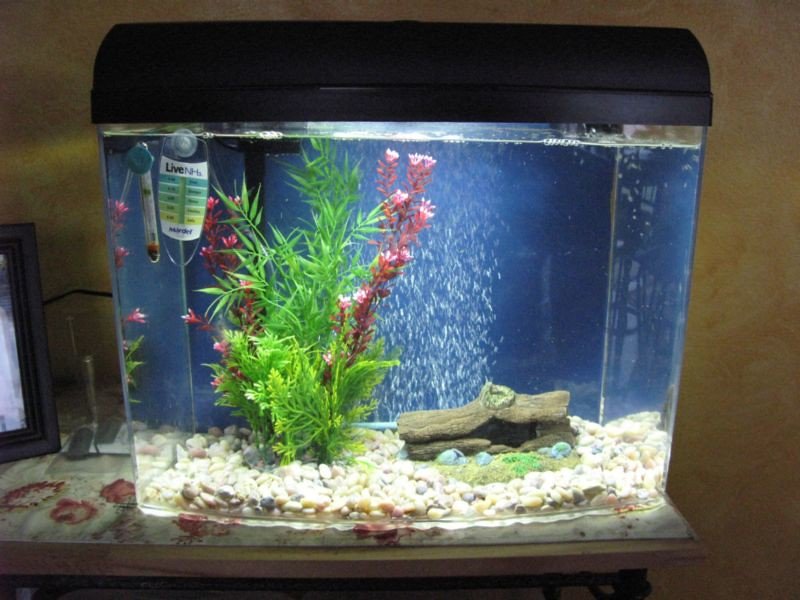
When you disrupt your aquarium’s biological balance through overcleaning, recovery isn’t instant. Well, timeline wise this process can take from 2 weeks to 2 months or longer to complete. It is vital for anyone planning on keeping aquarium fish to learn and understand this process! If you have a new freshwater aquarium, it can take some time to fully establish your nitrifying bacteria (also referred to as cycling your aquarium). After that, it can take several weeks to a couple of months to fully establish your nitrifying aquarium. During this vulnerable period, your fish are at risk from ammonia and nitrite poisoning. The cycling process takes time, and some aquarium owners may try to skip certain parts of the process. However, cycling a fish tank is critical in maintaining the future health of the fish and plants inside. The entire process takes between four and eight weeks, and it should be sped up only when necessary. Every time you overclean, you’re potentially resetting this clock and putting your fish through weeks of stress.
The Medication Mistake
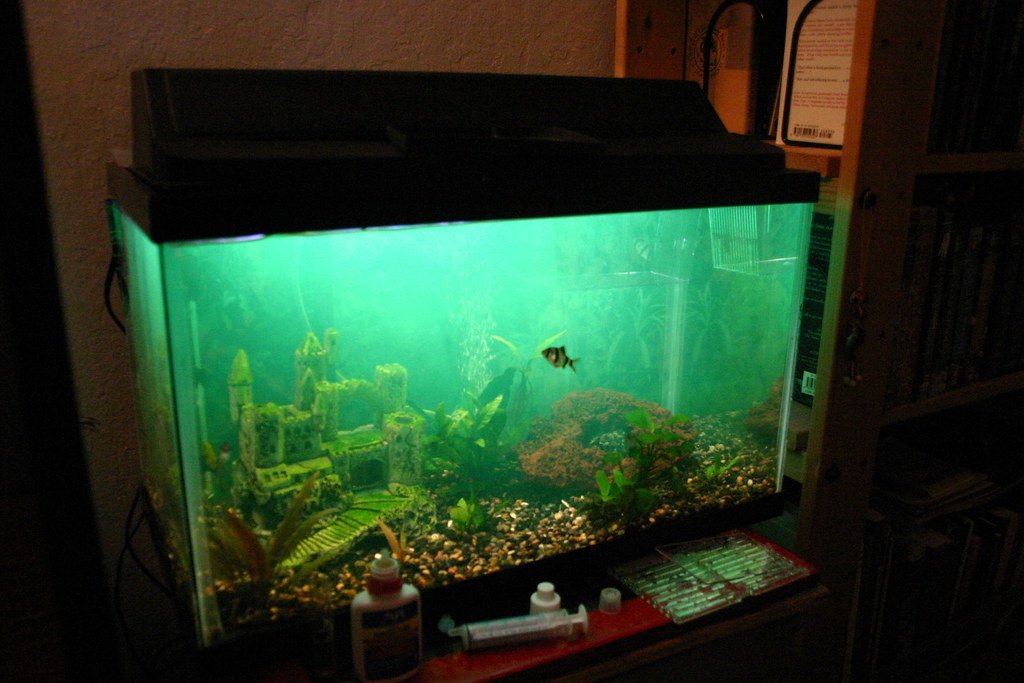
Some aquarium owners compound their overcleaning mistakes by adding medications “just in case” their fish get sick from poor water quality. Follow the dosage instructions carefully to avoid overmedication. Antibiotics: If a bacterial infection is suspected, consult a vet for antibiotic treatment. Never use antibiotics without vet guidance. Many medications can further damage beneficial bacteria colonies, creating a downward spiral where each intervention makes the situation worse. And what about antibiotics? Could they wipe out a biofilter, or are they—as the package inserts that come with aquarium medications insist—harmless to nitrifying bacteria? It’s like taking antibiotics every time you feel slightly unwell – you end up weakening your body’s natural defenses.
Smart Cleaning: Working with Nature, Not Against It
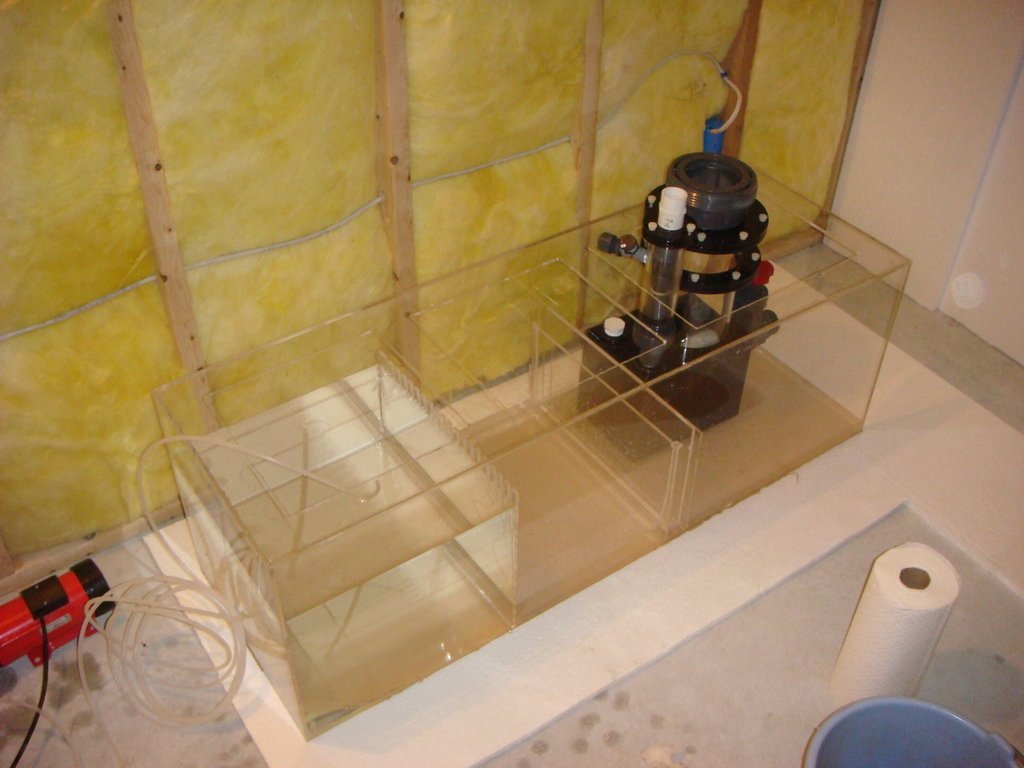
The key to proper aquarium maintenance is working with your tank’s natural processes rather than fighting them. The best way to minimize fish stress is to keep your tank as stable as possible. To maintain the right water conditions is to perform regular water changes (read more about water changes here). At least once a month, you should clean the filter. Instead of massive overhauls, focus on gentle, consistent maintenance that preserves your beneficial bacteria colonies. Clean the gravel next, by using a water siphon to vacuum away the debris. Be sure to vacuum the entire surface of the gravel thoroughly so that all debris is removed. The water that is removed with the debris using the gravel vacuum is replaced with dechlorinated water, which performs a water change in your aquarium. Think of yourself as a gardener tending to a delicate ecosystem, not a janitor scrubbing a bathroom. Following a maintenance schedule will prevent your aquarium from becoming overly dirty or hazardous to your fish’s health. This schedule should consist of daily, weekly, and monthly tasks.
Building a Sustainable Cleaning Routine
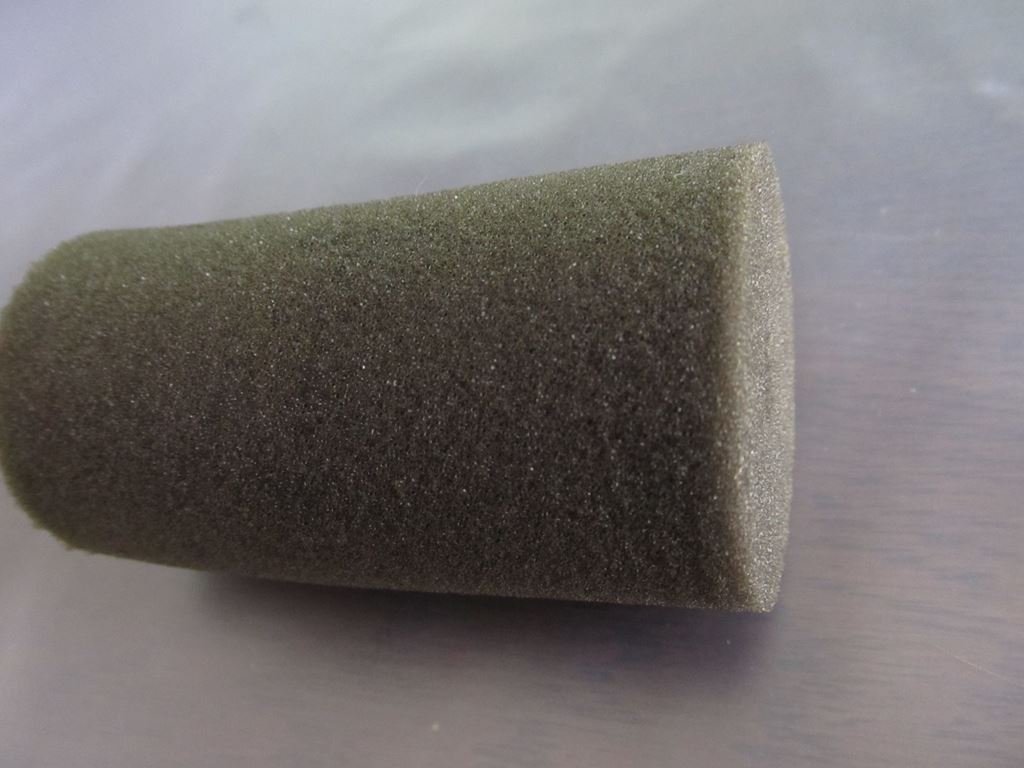
Clean an in-tank filter, ideally, every 2 weeks. Once a month minimum. Remove the filter from the tank and clean the sponges in a bucket of aquarium water. Replace the chemical filter media every 3-4 weeks, and simultaneously give the filter housing a rinse. A sustainable cleaning routine focuses on prevention rather than reaction. Water Quality Test Kit: Testing your tank’s water chemistry will tell you when it’s time to do a water change. Refer to the parameters above and be sure to test your water