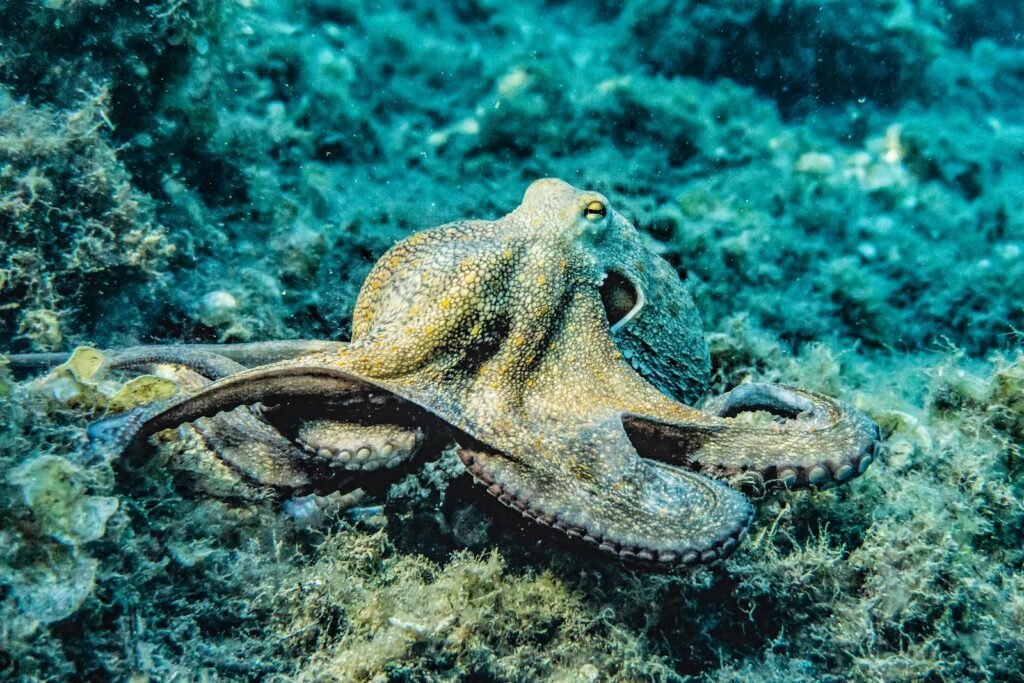

Imagine a creature so strange, so clever, and so elusive that even seasoned scientists are left scratching their heads. Picture an animal that can change color and texture in an instant, squeeze through a hole barely bigger than its eyeball, and solve puzzles that would stump most pets. Now, realize that for far too long, people have lumped these enigmatic beings in with their distant relatives—the squid. But the truth? Octopuses stand alone, unmatched by squid, cuttlefish, or anything else in the animal kingdom. Their story is one of remarkable difference, not similarity, and once you glimpse their world, you’ll never see them the same way again.
Ancient Origins: A Family Tree Full of Surprises

The evolutionary roots of octopuses stretch back over 300 million years, weaving a tangled family tree that often gets oversimplified. Yes, octopuses, squid, and cuttlefish all belong to the class Cephalopoda, but that’s where the easy comparisons end. Octopuses branched off early, charting their own path through the oceans while squid and cuttlefish took a different evolutionary route. This separation led to unique adaptations, both physically and behaviorally. Their split is so ancient that to group them together is like calling bats and whales the same just because they both have bones. The longer you look at their lineage, the clearer it becomes: octopuses are in a world of their own.
The Shape Shifters: Body Design Unlike Any Other

Octopuses are the ultimate escape artists, thanks in part to their soft, flexible bodies. Unlike squid, which have a rigid internal “pen” or cuttlebone for support, octopuses have no bones at all. This means they can flatten themselves, squeeze through impossibly tight spaces, and vanish into cracks where predators can’t follow. Their eight arms are lined with suckers that can taste, touch, and grip—all independently controlled. When you watch an octopus flow like liquid through coral or under rocks, it’s clear their bodies are marvels of nature, engineered for a life of stealth and surprise.
Brains Beyond Belief: The Genius of the Sea

Calling an octopus smart is like calling Einstein “pretty good at math.” Their intelligence is off the charts for invertebrates—some would say for animals, period. Each of their eight arms has its own mini-brain, sending information back to a central brain that sits between their eyes. Octopuses can solve mazes, open jars, and even use tools. Aquarium keepers share stories of octopuses unscrewing lids, escaping tanks, and remembering people they like (or dislike). While squid show some cunning, they simply don’t match the octopus’s creative problem-solving or curiosity.
Masters of Disguise: Camouflage and Mimicry

You’ve probably seen videos of octopuses vanishing into the seafloor, becoming invisible in a blink. Their skin contains specialized cells called chromatophores, which expand or contract to change color and pattern. Even more astonishing, they can shift the texture of their skin to mimic rocks, coral, or sand. Some can even imitate other sea creatures, like venomous lionfish or flatfish, to avoid danger. Squid can change color too, but their skills pale in comparison. Octopuses are the true shape-shifters, blending into their environment with an artistry that leaves predators—and scientists—in awe.
Solitary Lives: The Lone Wolves of the Ocean

Unlike many squid, which often travel in schools, octopuses are loners by nature. Each one claims a territory, defending it fiercely and rarely interacting with others except to mate. This solitary lifestyle has shaped their intelligence—they must rely on their own wits to hunt, hide, and survive. While squid benefit from safety in numbers, octopuses thrive on independence, crafting dens from shells and rocks, and customizing their homes with the precision of a skilled decorator.
Unique Hunting Styles: The Ambush Artists

Octopuses are patient hunters, lying in wait before launching a sudden attack. Their arms can stretch and bend to probe crevices, and their suckers can sense both taste and texture. Some species even use venom to subdue prey like crabs and fish. Unlike squid, which tend to pursue prey in open water, octopuses prefer ambush tactics, using camouflage to get close before striking. Watching an octopus hunt is like watching a master chess player—every move is calculated, deliberate, and often surprising.
Strange Defenses: Ink, Mimicry, and More

When threatened, an octopus might squirt a jet of ink, clouding the water and confusing predators. But ink is just one trick up their sleeve. Some octopuses can detach an arm, which continues to wriggle and distract attackers while the rest of the animal makes a quick getaway. Others use mimicry, impersonating more dangerous sea creatures. Their defenses are as varied as their habitats, and far more creative than the quick, sometimes panicked escape tactics of squid.
Extraordinary Regeneration: Healing Like No Other

If an octopus loses an arm, it’s no big deal—they simply grow a new one. This ability, called regeneration, isn’t just about healing; it’s about thriving in a dangerous world where predators lurk at every turn. While squid can sometimes repair minor injuries, they lack the octopus’s near-magical power to regrow fully functional limbs. This regeneration comes with no scars or loss of function, a feat that still baffles scientists and inspires research into human medicine.
Short, Intense Lives: The Price of Genius

Octopuses live fast and die young. Most species survive just one or two years, pouring all their energy into a single, dramatic reproductive event. After mating, females lay thousands of eggs and guard them until they hatch—often refusing to eat during this vigil. Once the eggs hatch, the mother’s life ends. This intense life cycle is a sharp contrast to some squid, which may live longer and reproduce more than once. There’s a bittersweet beauty to the octopus’s brief, brilliant existence.
Communication Without Words: A Language of Color and Motion
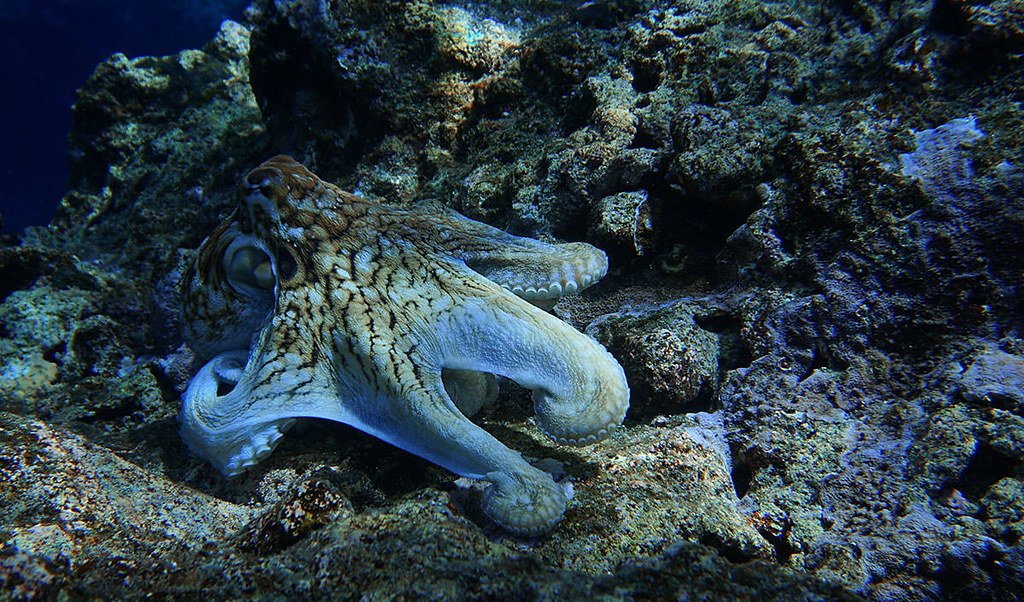
Octopuses have developed an astonishing system of communication using color, texture, and movement. By flashing certain patterns or rippling their skin, they can signal aggression, curiosity, or even readiness to mate. These signals are subtle, often understood only by other octopuses—or sometimes, not at all. While squid also use color changes for communication, octopuses take it to a whole new level, crafting a silent language that’s as mysterious as it is mesmerizing.
The Puzzle Masters: Problem Solving in the Wild

Stories abound of octopuses opening jars, stealing from lobster traps, and even sneaking into neighboring tanks for a midnight snack. In the wild, they face daily challenges—finding food, avoiding predators, and exploring their environment. Their brains are built for puzzles, and they seem to find joy in solving them. Squid, by comparison, show some flexibility but rarely display the same level of curiosity or ingenuity. For octopuses, life is a constant game of “what if?” and “how can I?”
Mysterious Mating Rituals: Romance With a Twist

Courtship among octopuses is a delicate, often dangerous dance. Males must approach females cautiously, as a wrong move can end in being eaten. Some species use special arm tips to deliver sperm, while others rely on elaborate displays of light and color. After mating, the stakes rise even higher, especially for the female, who invests everything in her eggs. Squid’s mating habits can be more communal and less risky, but octopuses approach love with the same intensity they bring to everything else.
Tool Users: Crafting Their Own World

Perhaps the most mind-boggling trait is the octopus’s use of tools. Some have been seen gathering coconut shells or rocks to build shelters, carrying them across the seafloor for later use. Others use discarded shells as shields or barricades. This kind of planning and manipulation is rare in the animal world—seen mostly in primates and a few birds. Squid, meanwhile, show little interest in tools. The octopus’s creativity knows almost no bounds.
Remarkable Sensory Systems: Seeing and Feeling the Unseen

Octopuses have some of the best eyesight in the ocean. Their eyes, shaped like camera lenses, can detect polarized light, giving them an edge in the dim, complex underwater world. But their senses don’t stop there. Each sucker is packed with sensors that can taste and feel at the same time, turning every arm into a sensory powerhouse. Squid have keen senses too, but the octopus’s combination of sight, touch, and taste is truly unmatched.
Soft-Bodied Marvels: Living Without a Skeleton
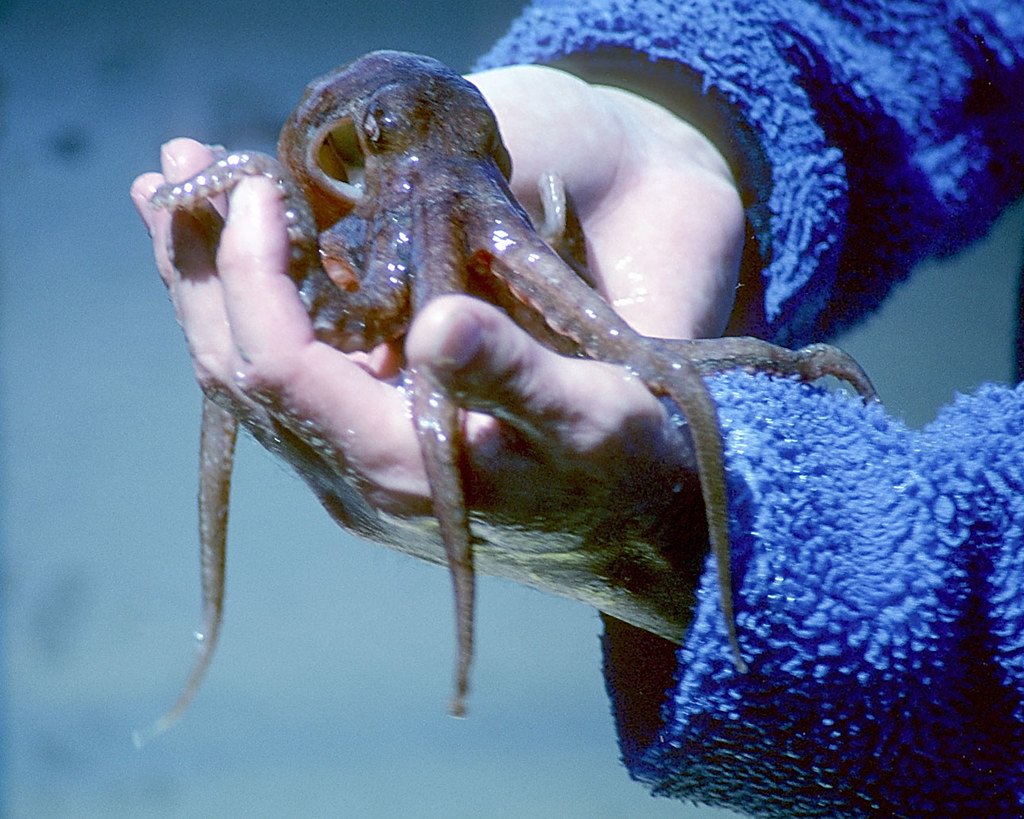
The lack of a skeleton makes octopuses unique among their peers. This softness allows them to hide in places no predator would expect, from empty bottles to tiny crevices. It also means they can move in ways that seem almost alien—flowing, stretching, and compressing as needed. Squid, with their more rigid bodies, simply can’t match this level of flexibility. The octopus’s form is a masterclass in adaptation.
Culture and Personality: No Two the Same

If you’ve ever spent time watching octopuses, you know each one seems to have its own personality. Some are bold and curious, others shy and reclusive. Keepers often report favorites—octopuses that play with toys, interact with visitors, or even display moods. This individuality is rare among invertebrates and even among many fish. Squid tend to act more as a group, while octopuses stand out as true individuals.
Vivid Colors: Artistry on Display
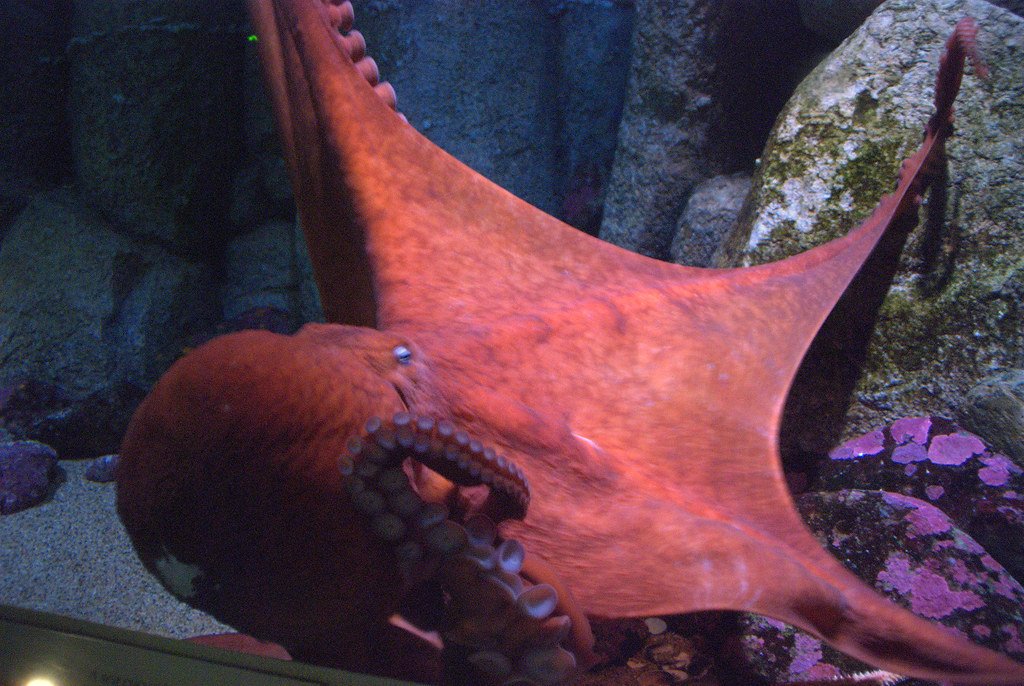
The palette of the octopus is breathtaking. They can flash reds, blues, whites, and browns in an instant, creating living art on their skin. Some displays are used for camouflage, others for communication or intimidation. Watching an octopus paint itself with color is like watching an artist at work, each stroke deliberate and meaningful. Squid have their own displays, but they rarely match the octopus’s flair for drama and beauty.
Global Citizens: Found Almost Everywhere
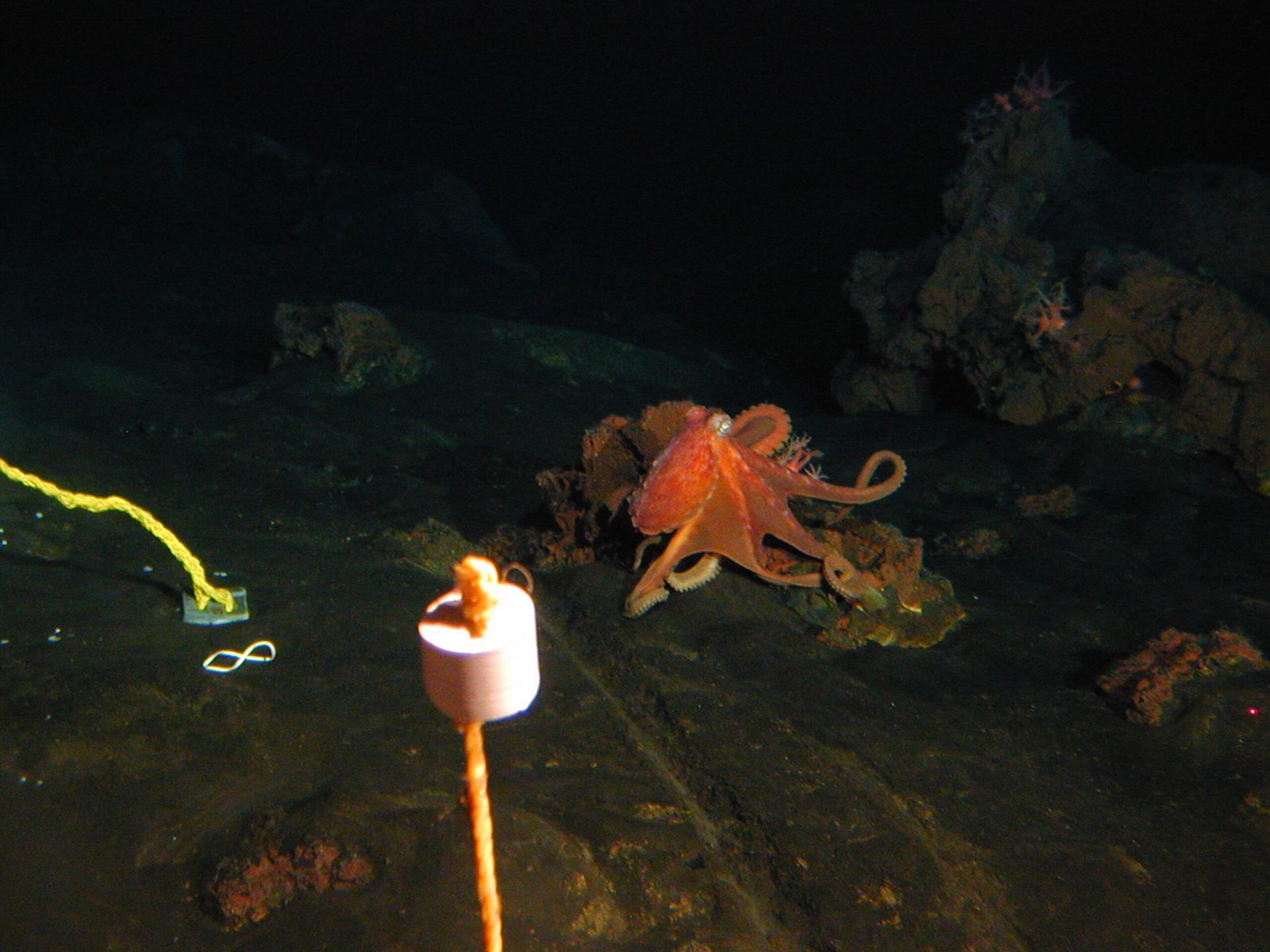
Octopuses inhabit nearly every ocean on Earth, from warm tropical reefs to icy polar waters. They adapt to shallow tide pools, rocky coastlines, and even the dark depths of the abyss. Each species brings its own twist on survival, from the giant Pacific octopus to the tiny blue-ringed wonder. While squid are widespread too, octopuses seem to thrive in more diverse and challenging environments, always finding a way to make a home.
Eco-Engineers: Impact on Their Environment

Octopuses do more than just survive—they shape the ecosystem around them. By preying on crustaceans, fish, and other animals, they help maintain balance in their habitats. Their dens become homes for other creatures, and their feeding habits can change the landscape of a reef or seafloor. In many places, the presence of octopuses signals a healthy, vibrant ecosystem. Their influence stretches far beyond their own kind.
The Future of Octopus Research: Unanswered Mysteries
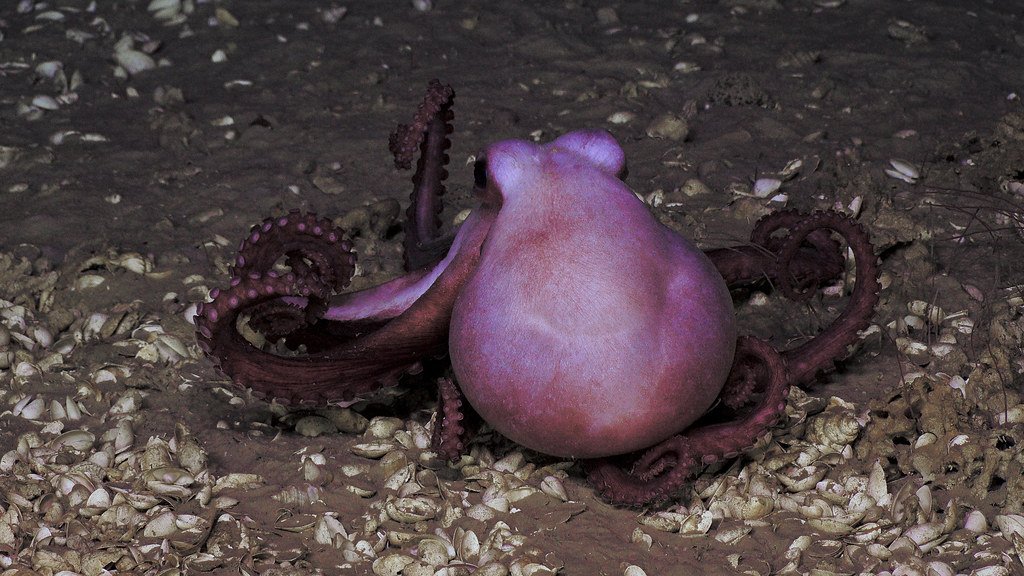
Despite decades of study, octopuses remain one of the sea’s greatest mysteries. New discoveries continue to surprise and inspire—from their genetics to their behavior. Scientists are only beginning to unlock the secrets of their brains, their regenerative abilities, and their place in the web of life. Every year brings fresh questions and new reasons to marvel. For those who love the ocean, the octopus is both a puzzle and a promise: proof that there is still so much left to discover.