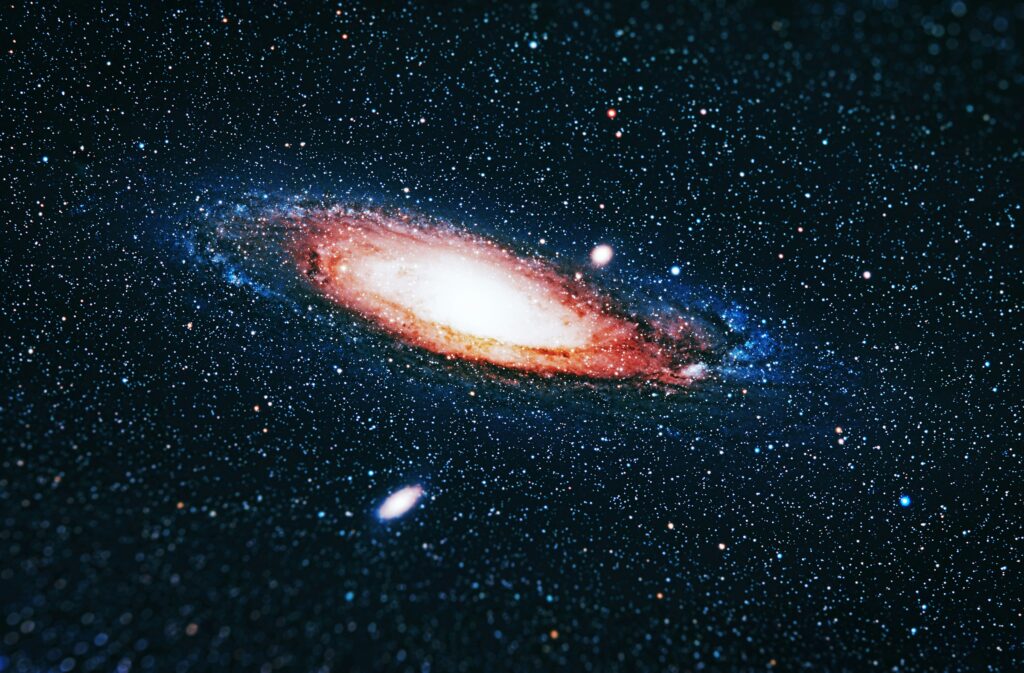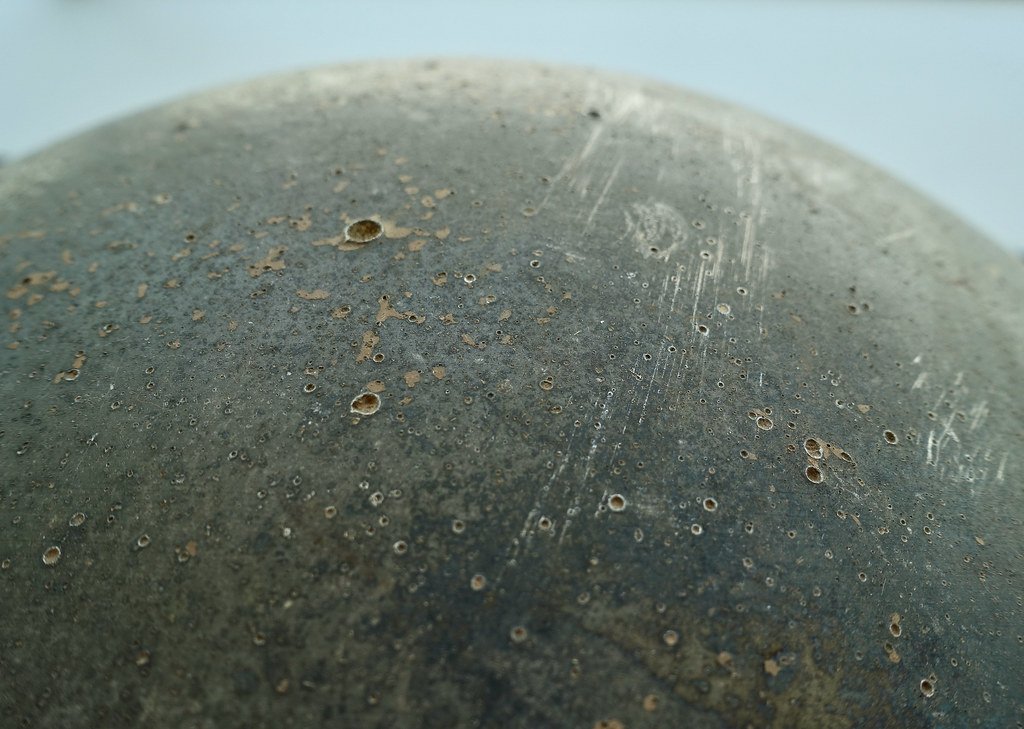

Imagine that every day, a gentle rain of cosmic dust showers down on your rooftop. Unseen and unnoticed, particles older than the dinosaurs drift through our atmosphere, landing quietly on our homes, cars, and even our very own hair. These are micrometeorites—tiny travelers from the farthest corners of our solar system. They might be small, but they hold massive secrets about the universe and our own planet’s past. It’s almost poetic to think the same particles that float in the darkness of space end up nestled in a gutter or stuck to a windowpane, quietly waiting to be discovered.
What Exactly Are Micrometeorites?

Micrometeorites are minuscule specks of space rock, typically smaller than a grain of sand. Most measure between 50 micrometers and 2 millimeters, making them barely visible to the naked eye. Even though they’re small, their journeys are incredible—sometimes spanning millions of years and crossing unimaginable distances. Unlike their larger meteorite cousins, which can make the news with dramatic fireballs, micrometeorites reach Earth almost every day, slipping quietly through the atmosphere. Each one is a fragment, a survivor of cosmic collisions, ancient asteroid belts, or even the tails of comets. Their composition often includes metals like iron and nickel, along with silicate minerals, giving them a unique fingerprint from outer space.
How Many Micrometeorites Fall to Earth Every Day?

It might surprise you to learn that the Earth is bombarded by an estimated 5,000 to 60,000 metric tons of cosmic dust every year. That’s billions of tiny particles raining down on us—enough to fill a fleet of dump trucks every single day. Unlike giant meteorites, which are rare, these smaller particles are everywhere. Scientists have calculated that several dozen micrometeorites land on each square meter of the Earth’s surface annually. So, even if you’re living in a city, there’s a good chance some space dust has made its way to your roof or balcony. This is not science fiction—it’s happening right above your head, as you read this.
The Journey Through the Atmosphere

The trip these micrometeorites take is anything but gentle. When they enter our atmosphere, they’re traveling at speeds up to 70 kilometers per second. That’s more than 150,000 miles per hour! The friction with the air heats them up quickly, sometimes causing them to partially melt or even vaporize. Yet, because they’re so small, most survive the fiery descent without breaking apart. Their surfaces often become glassy or show signs of fusion, like tiny cosmic pearls. This tough journey imprints unique features on each micrometeorite, making them fascinating objects for scientists to study.
What Do Micrometeorites Look Like?

Under a microscope, micrometeorites are stunningly beautiful. Some are round and shiny, resembling tiny metallic beads, while others look jagged, glassy, or even porous. Many have a dark, glossy fusion crust—a signature of their fiery entry. Some researchers say they look like miniature sculptures, each one a piece of cosmic art. Their colors can range from jet black to silvery gray, and sometimes even bronze or greenish hues, depending on their mineral content. It’s amazing to think these alien grains are hiding in plain sight, mixed with the dust on your windowsill or rooftop.
Why Do Most People Never Notice Them?

Despite the sheer number of micrometeorites landing every day, most of us never realize they’re there. For one thing, they’re tiny—easily mistaken for regular dust or soot. City pollution, pollen, and man-made debris can mask their presence, making it hard to spot them without special equipment. Even scientists used to believe that finding micrometeorites outside of Antarctica was nearly impossible. It wasn’t until dedicated amateur collectors and researchers began sifting through roof gutters that the true abundance of these tiny space visitors became clear. Today, anyone with patience, a magnet, and a keen eye can try to find them.
Collecting Micrometeorites: A Surprising Hobby

Believe it or not, searching for micrometeorites has become a captivating hobby for many science lovers. All you need is a rooftop, a strong magnet, and a microscope. Some people spend hours combing through their gutters, collecting black, magnetic grains, and then examining them for telltale signs of space origin. It’s a bit like panning for gold, only you’re searching for pieces of the cosmos. There’s a thrill in knowing you might be the first person ever to lay eyes on a grain of dust that’s older than the Earth itself.
The Science Hidden in Roof Gutters

Scientists are fascinated by micrometeorites because they offer a direct sample of space without ever leaving our planet. By analyzing their composition, researchers can learn about the solar system’s early days, the formation of planets, and even the presence of water and organic molecules in space. Some micrometeorites contain minerals that are rare or unknown on Earth. Others show evidence of having been altered by the intense heat of atmospheric entry. By studying these grains, scientists can reconstruct the violent history of our solar system, one tiny particle at a time.
What Can Micrometeorites Tell Us About the Solar System?

Each micrometeorite is like a time capsule from the beginning of the solar system. Some are over 4.5 billion years old, formed before Earth itself existed. Their minerals can reveal clues about the conditions in the early solar nebula—the cloud of gas and dust that gave birth to the planets. Some contain presolar grains, which are even older and come from ancient stars that died long before our sun was born. Imagine holding a fragment of a star in your hand! These tiny visitors help scientists piece together the story of our cosmic neighborhood.
Micrometeorites and the Origins of Life

One of the most exciting discoveries is that some micrometeorites carry organic molecules—the building blocks of life. These include amino acids, which are essential for proteins and living cells. The idea that life’s ingredients might have arrived on Earth from space is both thrilling and a little bit humbling. Some researchers believe that a steady rain of organic-rich micrometeorites could have played a crucial role in kickstarting life on our planet. If this is true, we owe a debt to these tiny, ancient travelers that shaped our very existence.
City vs. Countryside: Where Are Micrometeorites Easier to Find?

You might think that the countryside, with its clean air and open spaces, would be the best place to find micrometeorites. Surprisingly, urban rooftops are often ideal hunting grounds. City air is full of dust, but it also collects and funnels micrometeorites into gutters and drains. Flat roofs and large buildings act like cosmic nets, catching particles that might otherwise be lost. Still, finding genuine micrometeorites in a city means sorting through lots of man-made debris, which can be tricky. Rural areas have less contamination, but fewer surfaces to collect the space dust.
How Scientists Identify Micrometeorites

Identifying a real micrometeorite takes more than just a magnet and a microscope. Scientists look for telltale features: a spherical shape, a smooth or glassy fusion crust, and specific mineral compositions. Some use scanning electron microscopes to study the structure in detail. Others test for unusual elements, like nickel-iron alloys, that are rare in Earth rocks but common in space. It’s a bit like being a detective, piecing together clues to solve a cosmic mystery. The process can take hours or even days, but the reward is a deeper understanding of our universe.
Famous Discoveries and Micrometeorite Hunters

In recent years, amateur scientists have made headlines by collecting micrometeorites from city rooftops. Jon Larsen, a Norwegian jazz musician turned cosmic dust hunter, famously gathered thousands from urban environments. His work proved that micrometeorites are everywhere, not just in remote deserts or Antarctica. These discoveries have inspired a new generation of space enthusiasts to grab their magnets and start searching. It’s no exaggeration to say that anyone, anywhere, could stumble upon a piece of the universe right outside their door.
The Dangers and Drama of Atmospheric Entry
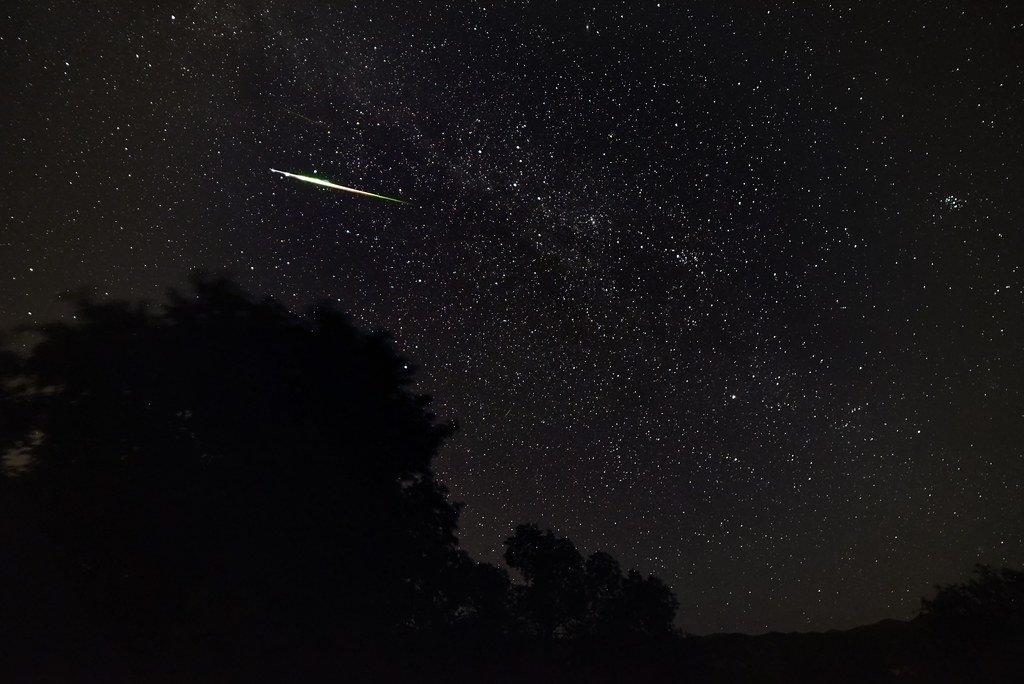
While micrometeorites are small, their journey through Earth’s atmosphere is intense. The heat and pressure can reach thousands of degrees, enough to vaporize many particles. Those that survive must be tough, often forming a protective glassy shell. Occasionally, a larger fragment creates a visible meteor or fireball, but most of the action happens invisibly, high above our heads. The fact that so many survive is a testament to their resilience—and perhaps a reminder of how tiny, seemingly fragile things can endure even the harshest conditions.
Micrometeorites Versus Earthly Dust: Key Differences

At first glance, a speck of cosmic dust might seem no different from a grain of sand or soot. But look closer, and the differences become clear. Micrometeorites often contain rare minerals, like olivine or kamacite, that are uncommon on Earth. Their surfaces show signs of melting and rapid cooling, features not found in local particles. They’re often magnetic, thanks to their high metal content. For the trained eye, these clues are enough to separate the cosmic from the commonplace—like finding a diamond in a pile of pebbles.
How Micrometeorites Have Changed Our View of Space

The realization that micrometeorites are everywhere has transformed our understanding of Earth’s connection to space. No longer is the study of space rocks limited to rare, dramatic meteorite falls. Instead, we now know that a steady rain of cosmic material has shaped our atmosphere, oceans, and even the chemistry of life itself. This ongoing exchange between Earth and space blurs the line between our world and the cosmos. It’s a reminder that we live on a planet that’s not just in space, but part of it—constantly interacting with the universe beyond.
Micrometeorites and the Water Cycle

One fascinating discovery is that some micrometeorites contain tiny pockets of water. When these grains land on Earth, they may add minuscule amounts of water to our planet’s surface. While the contribution is small, over millions of years, it could add up. Some scientists wonder if micrometeorites played a role in delivering water to the early Earth, helping to create the oceans. It’s an idea that turns the simple act of rain falling on your roof into something almost mythic—a cosmic delivery of life’s most vital resource.
What’s Next for Micrometeorite Research?

The study of micrometeorites is still a young science, with new discoveries happening all the time. Advanced tools like electron microscopes, X-ray analysis, and even artificial intelligence are helping researchers identify and analyze these particles faster than ever. There’s excitement about what might be found next—perhaps a new type of mineral, or evidence of ancient solar flares, or even hints of life from other worlds. The possibilities are as limitless as the universe itself.
How You Can Find Your Own Micrometeorite
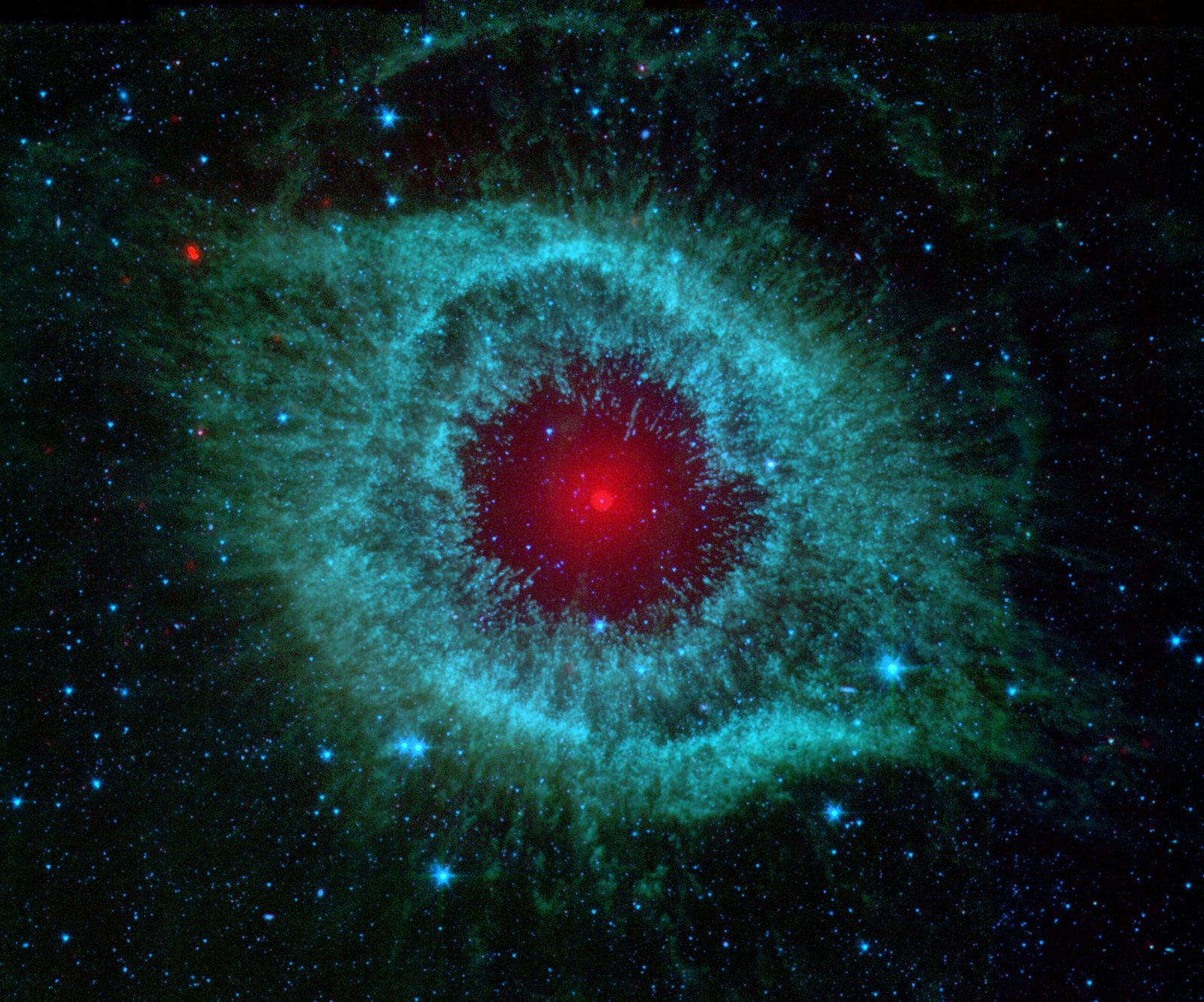
Curious to try your luck? All you need is a magnet, a plastic bag, and a bit of patience. After a rain, check your gutters for dark, sand-like particles. Use the magnet to collect anything metallic, then examine your finds under a microscope or jeweler’s loupe. Look for round, glassy beads or shiny metal grains—these are your best candidates. It’s a hands-on way to connect with the cosmos, and you never know what you might find. Sometimes, the universe’s greatest treasures are hiding right above your head.
Micrometeorites and the Future of Space Exploration

Studying these tiny visitors doesn’t just teach us about the past—it can also help guide future missions. By understanding what materials survive the trip to Earth, scientists can design better spacecraft, predict the risks of space dust to satellites, and even plan for mining asteroids. Each micrometeorite is a test case, a lesson in the physics and chemistry of space travel. As humanity prepares to venture farther into the solar system, these lessons become ever more important.
A Cosmic Connection in Everyday Life

It’s awe-inspiring to realize that the ordinary dust on your roof could be anything but ordinary. Each speck might be a piece of an ancient asteroid, a comet’s tail, or even the debris of a distant supernova. When you look up at the night sky, remember that a little bit of it is already here—settled quietly on your home, your street, your city. The universe isn’t far away; it’s right here, falling softly all around us.
The next time you sweep your porch or clean your gutters, take a moment to wonder: what stories are hidden in the dust? What cosmic journeys ended right at your feet? Maybe, just maybe, the greatest mysteries of the universe aren’t always light-years away—they’re waiting for you on your rooftop.