
Picture yourself standing on the edge of a dense, steaming swamp, surrounded not by the familiar scent of blooming flowers, but by the earthy aroma of ferns and towering horsetails. It’s a world where dragonflies as big as your hand buzz overhead and primitive trees stretch toward a pale sun. This isn’t a scene from a fantasy novel—it’s Wollongong, Australia, more than 250 million years ago. Long before the first rose ever bloomed or bees began their dance among petals, these ancient coal swamps laid the foundation for a fossil record that whispers secrets of a time when life was raw, wild, and utterly unrecognizable. Let’s wade into this prehistoric world and unearth the astonishing story of Wollongong’s ancient coal swamps.
A Lost World Buried Beneath Our Feet
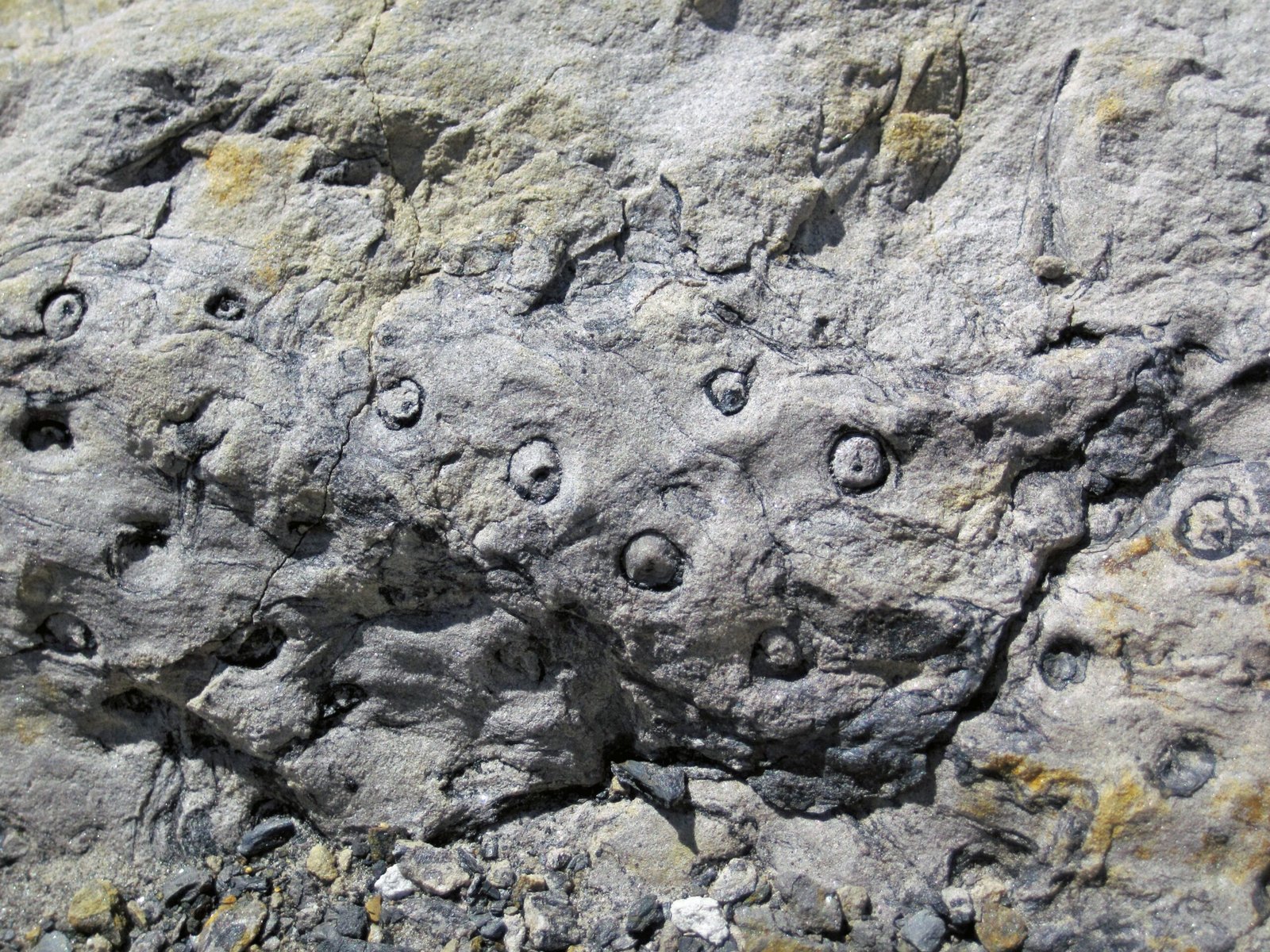
Imagine walking across Wollongong today, never suspecting that beneath your shoes lies a world frozen in stone. These coal swamps, once teeming with life, are now buried under layers of rock and soil. What makes this hidden world so remarkable is its age: the fossils preserved here are from the late Permian period, predating not just flowers, but even the dinosaurs. The swamps are like a natural time capsule, offering a window into ecosystems that flourished over 250 million years ago. Every lump of coal and every fossilized leaf is a clue to this lost world, preserved not by accident, but by the slow, relentless pressure of time.
Before the Blossom: A Pre-Flowering Earth
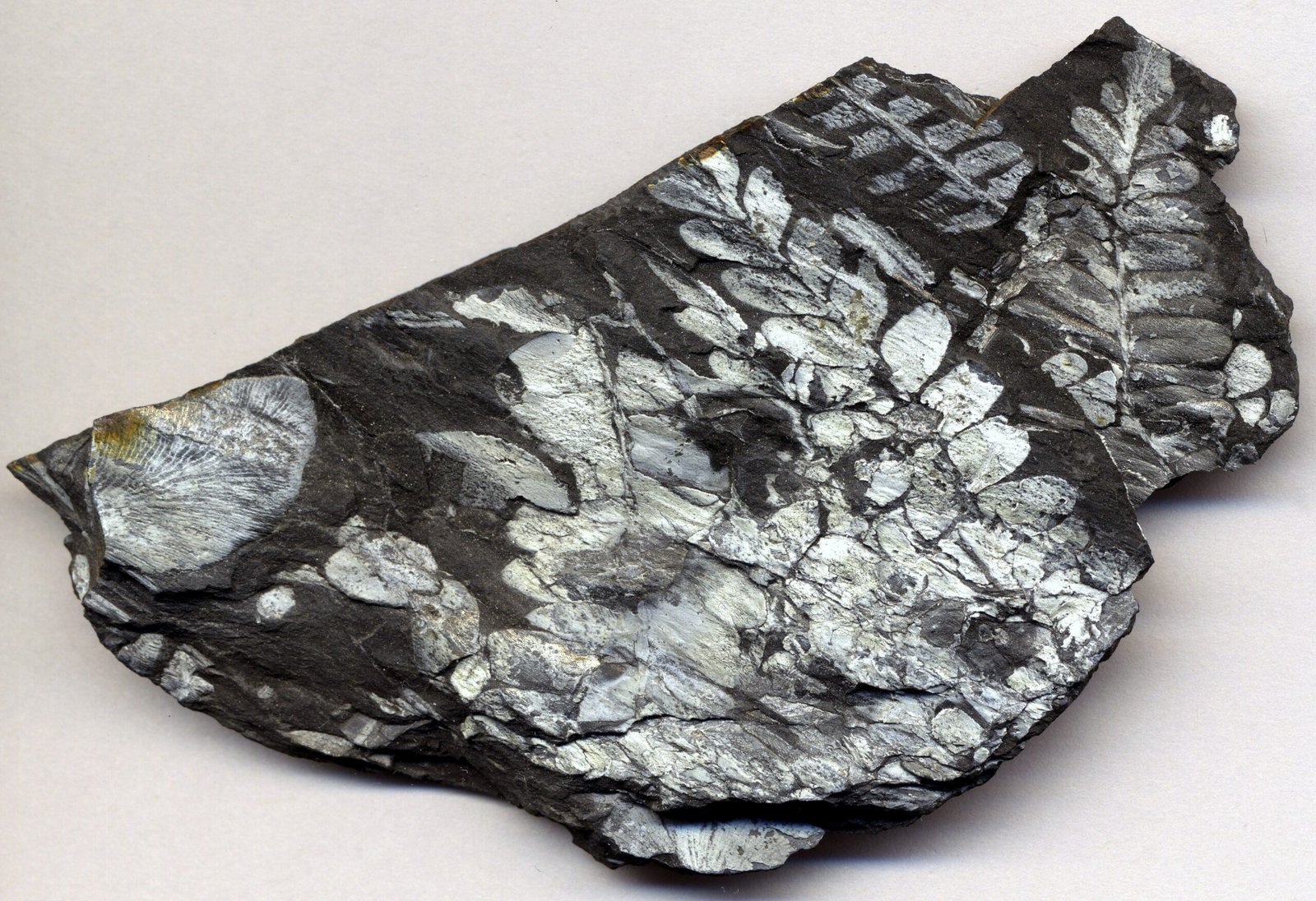
It’s hard to imagine a planet without flowers—no roses, no daisies, not even a single petal. But in the time of Wollongong’s coal swamps, flowering plants simply didn’t exist. Instead, the landscape was ruled by spore-producing giants like lycophytes, horsetails, and tree ferns. These plants thrived in the swamp’s damp, oxygen-rich air, creating dense forests that towered above the ground. The absence of flowers meant pollination relied on the wind and water, not insects. This ancient ecosystem was a green, shadowy labyrinth, a far cry from the colorful, sweet-smelling world we know today.
The Mighty Glossopteris: King of the Swamp
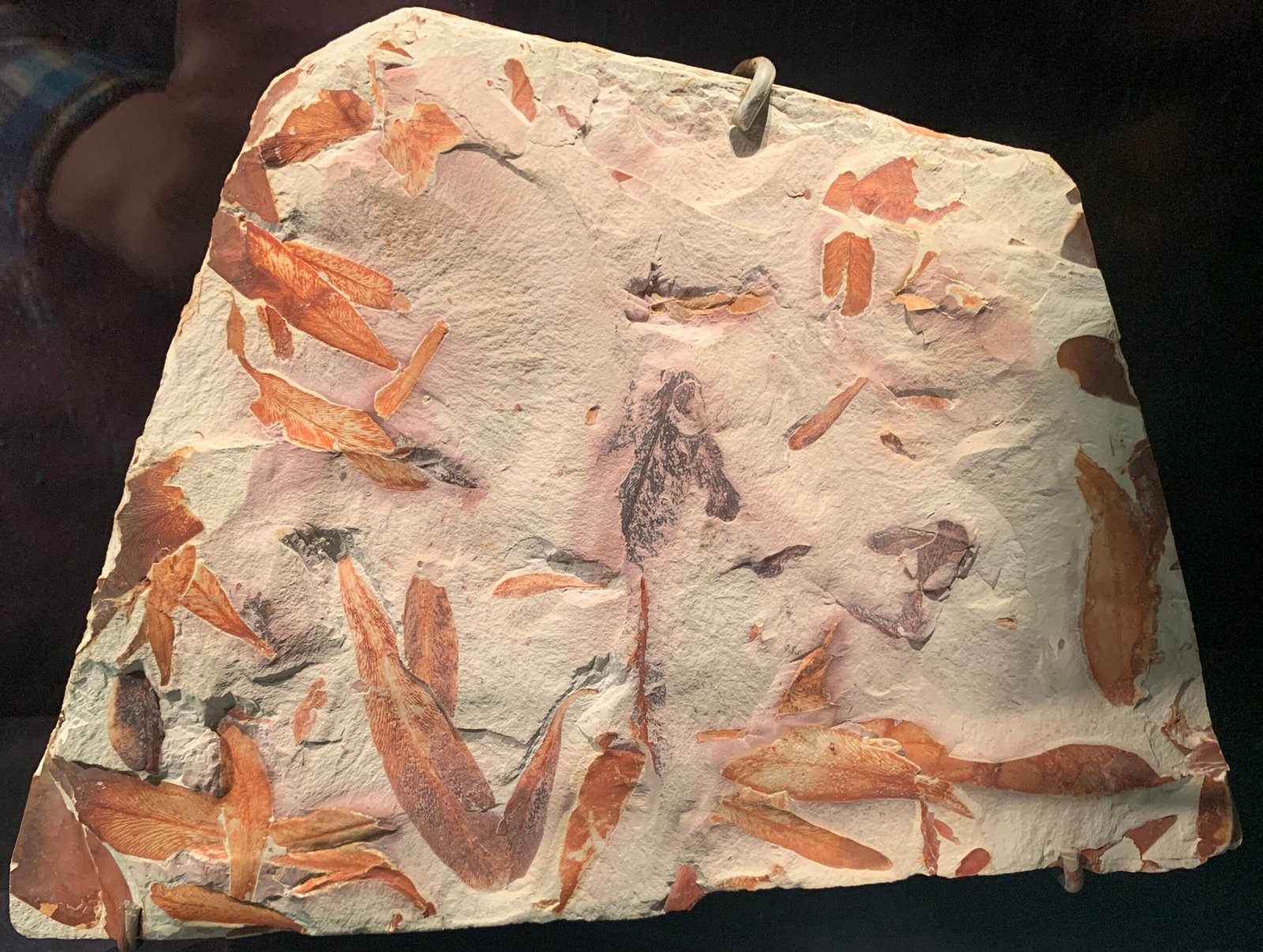
One plant dominated the coal swamps like a true monarch: Glossopteris. With its tongue-shaped leaves and impressive height, Glossopteris formed dense canopies that shaded the swamp floor. These trees were the backbone of the ecosystem and, astonishingly, they are some of the most abundant fossils found in Wollongong’s coal deposits. Glossopteris didn’t just shape the landscape; it played a crucial role in the evolution of later plant life. Its ability to survive in waterlogged soils paved the way for the lush forests that would eventually cover much of the Earth.
Life in the Shadows: Ancient Inhabitants
The coal swamps were alive with more than just plants. Insects scuttled among the roots, while amphibians lurked beneath the water’s surface, hunting for prey. Some of the earliest reptiles may have prowled the muddy banks, their bodies perfectly adapted to this marshy world. Fossilized footprints and remains tell us that life thrived in every corner of the swamp, from the tallest tree to the murkiest pool. These animals, though strange to modern eyes, were the ancestors of creatures that would someday rule the planet.
How Coal Formed: Nature’s Slow Alchemy
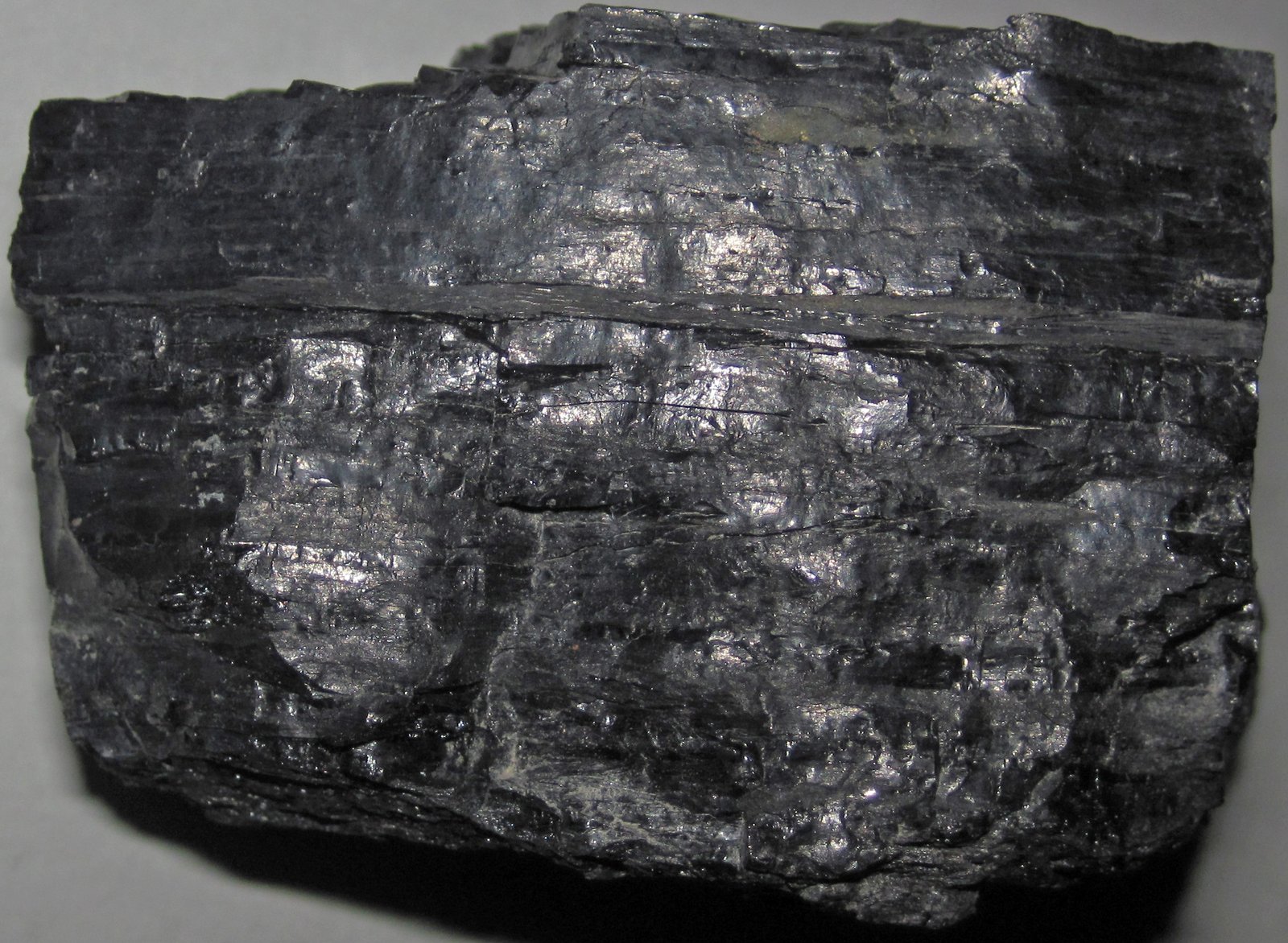
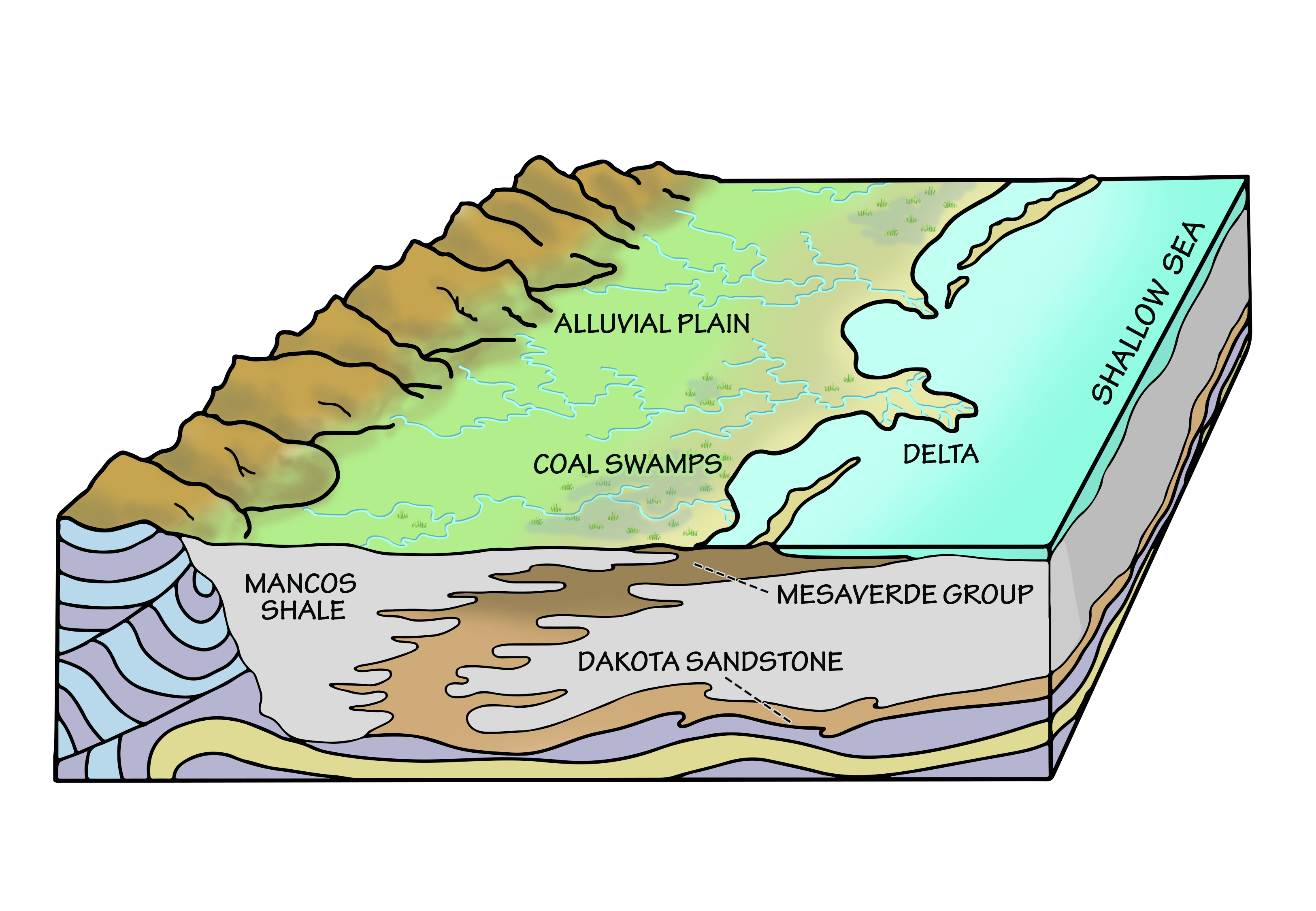
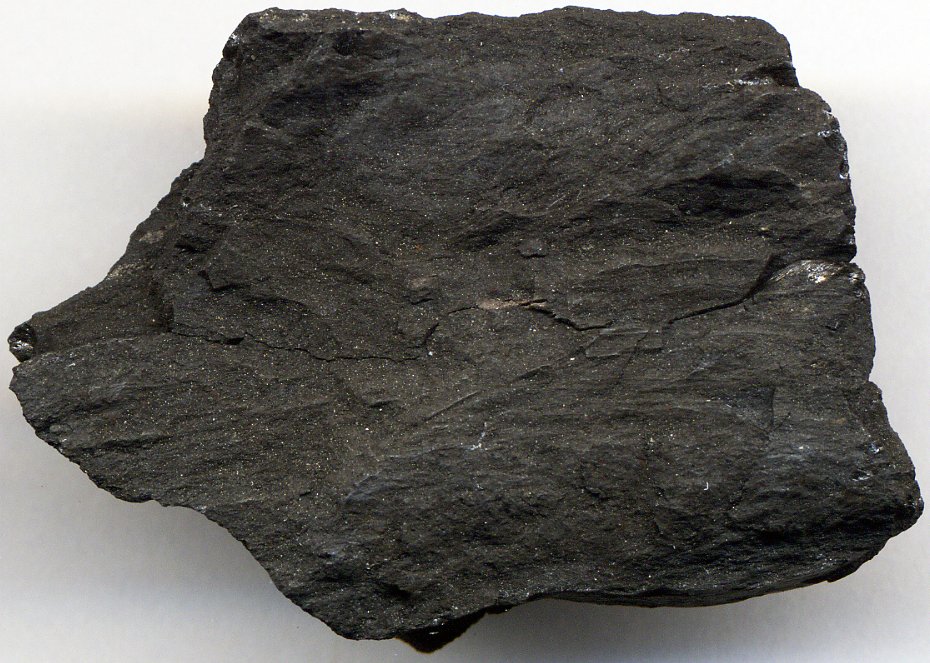
Coal is more than just a fuel; it’s the compressed memory of ancient forests. In Wollongong’s swamps, layer upon layer of dead plant material fell into the water and was slowly buried by mud. Over millions of years, the weight of new sediments squeezed out water and compacted the organic matter, turning it into peat and eventually, coal. This slow alchemy locked away carbon and preserved fossils in exquisite detail, giving scientists a rare glimpse into the deep past. Every chunk of coal is a piece of Earth’s autobiography, written in stone.
The Fossil Hunters: Uncovering Wollongong’s Secrets
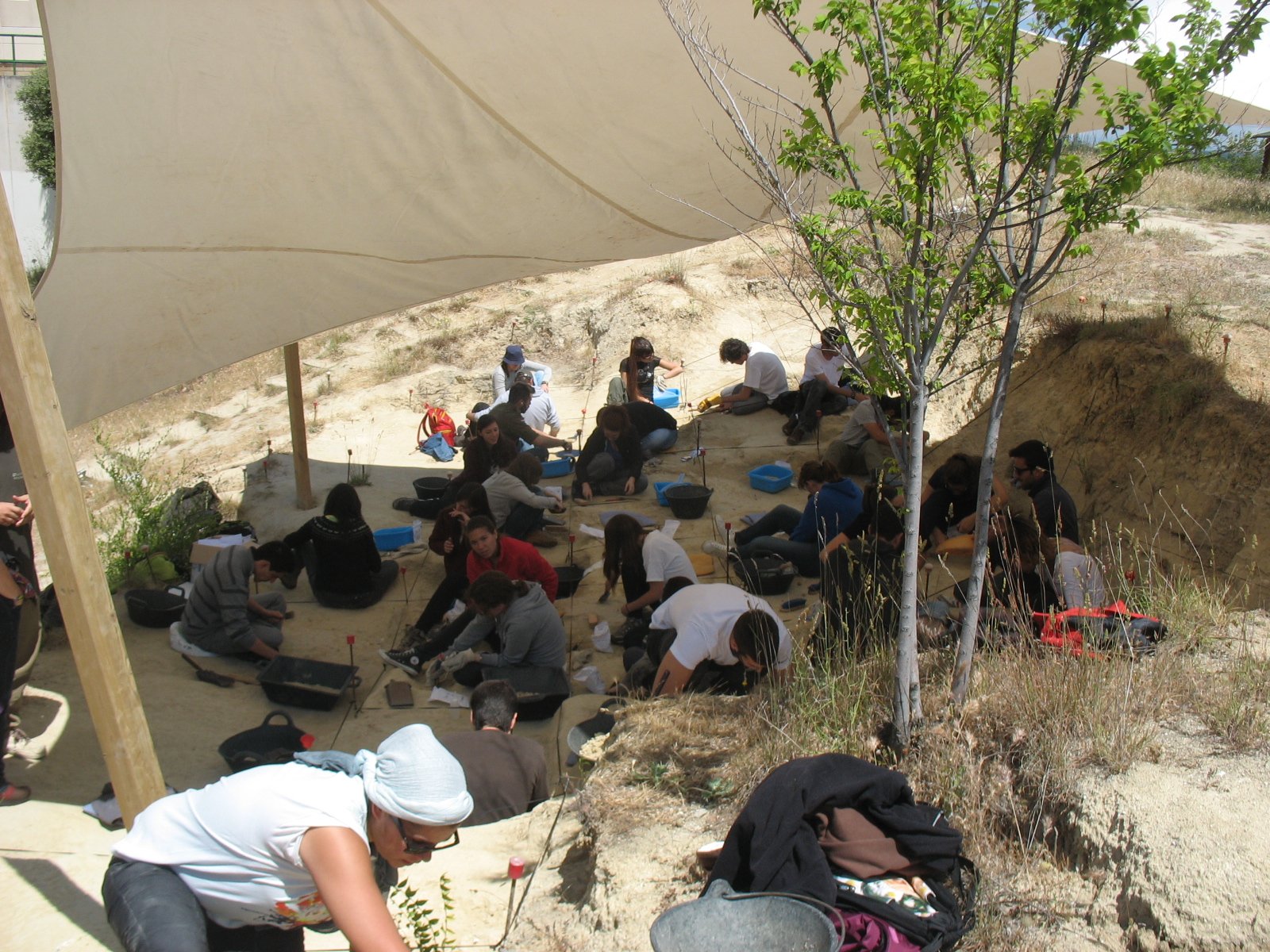
Digging for fossils in Wollongong is like opening a treasure chest from another era. Paleontologists carefully extract plant impressions, fossilized wood, and even rare animal remains from the coal seams. Each fossil is a puzzle piece, helping scientists reconstruct the ancient world. The excitement of finding a perfectly preserved Glossopteris leaf or a mysterious insect wing is hard to describe—it’s the thrill of discovery, of connecting with life that thrived before humans ever walked the Earth.
Permian Extinction: When the Swamps Fell Silent
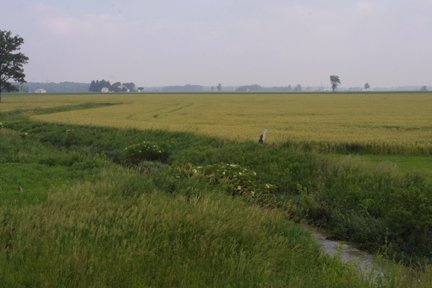
Around 252 million years ago, disaster struck. The Permian-Triassic extinction event—the most devastating in Earth’s history—wiped out up to 90% of species, including the mighty Glossopteris forests. The cause? Possibly massive volcanic eruptions, climate change, or even a deadly combination of factors. Wollongong’s coal swamps dried up, their lush greenery replaced by barren landscapes. The fossils left behind are a haunting reminder of how quickly life can vanish, and how fragile even the mightiest ecosystems truly are.
Fossil Clues: Reading the Ancient Story
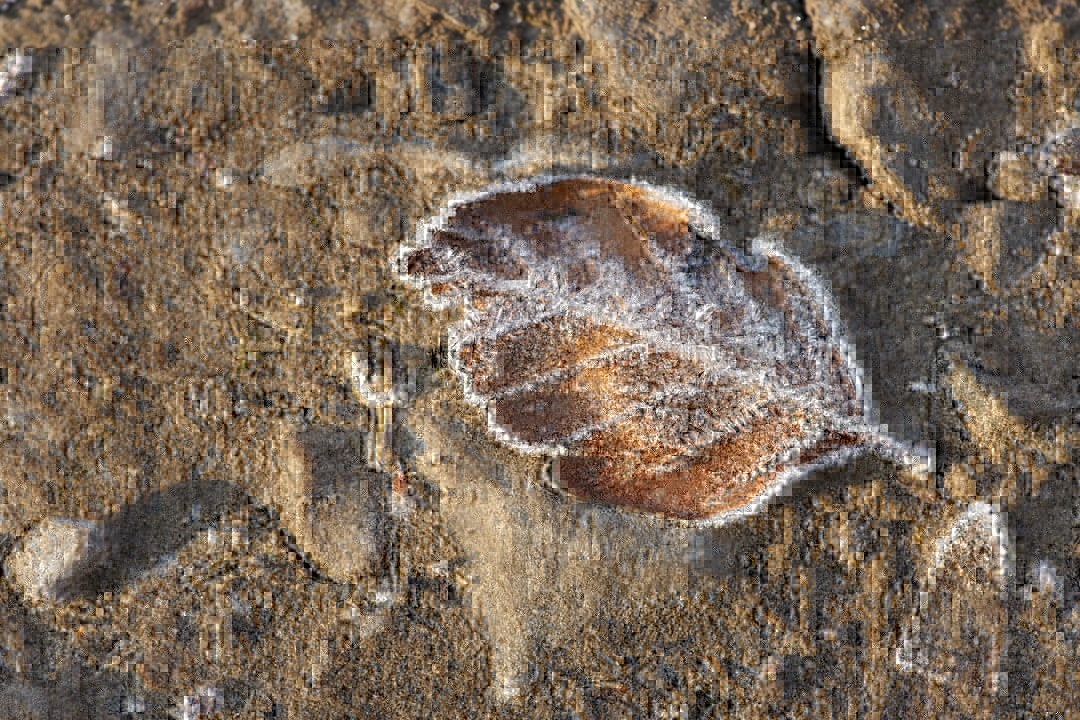
Every fossil from Wollongong tells a story. The patterns of leaves, the shapes of seeds, and the impressions of bark help scientists piece together what these ancient plants and animals looked like, how they lived, and how they interacted. Some fossils even show signs of disease or insect damage, offering rare glimpses into the challenges of prehistoric life. These clues are like ancient postcards, sent across millions of years, waiting for someone to decipher their message.
Coal Swamps and Modern Climate Lessons
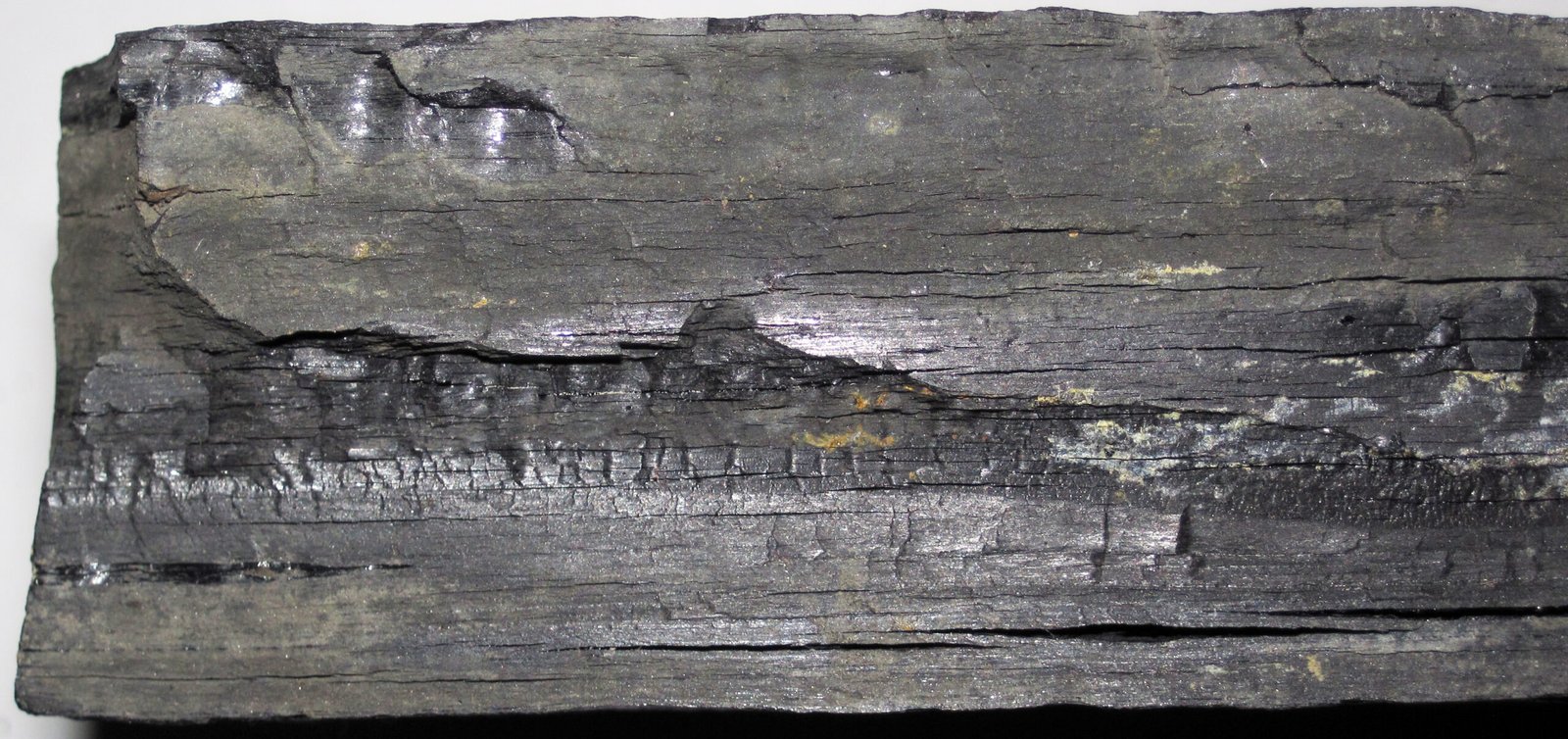
The story of Wollongong’s coal swamps isn’t just ancient history—it holds powerful lessons for today. Those ancient plants pulled vast amounts of carbon dioxide from the atmosphere, storing it in the ground as coal. Today, as we burn this coal for energy, we’re releasing that ancient carbon back into the air, fueling climate change. The rise and fall of these swamps remind us of the delicate balance between life and climate, and how our actions can tip that balance in unexpected ways.
Preserving the Fossil Heritage
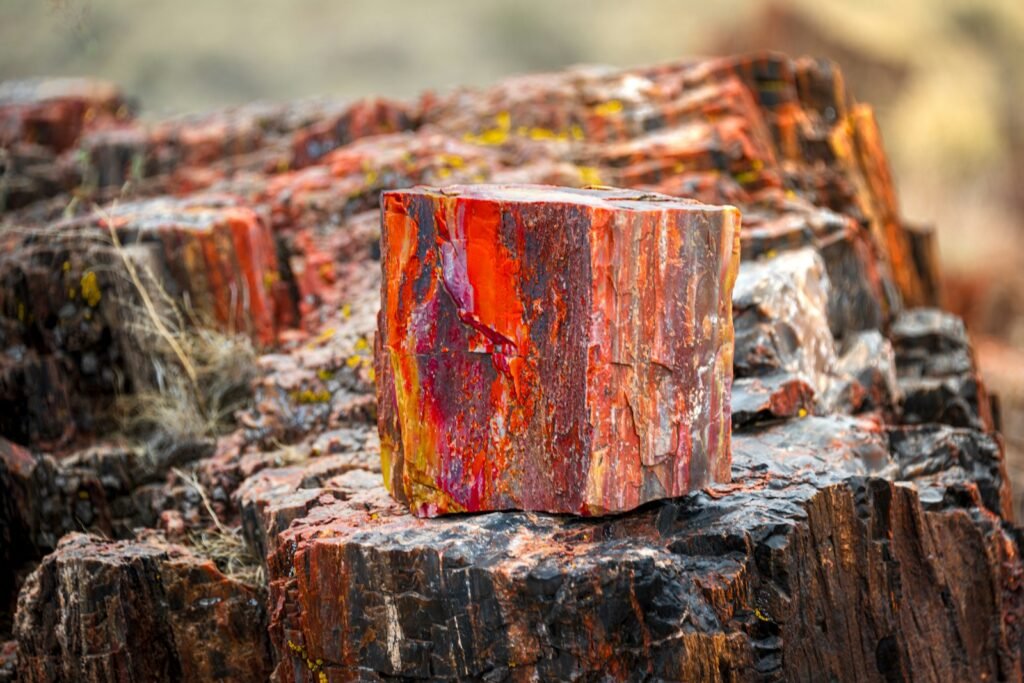
Wollongong’s fossil sites are treasures, but they’re also fragile. Urban development, mining, and natural erosion threaten these ancient records. Local museums, universities, and passionate volunteers work hard to protect and study these sites, ensuring that future generations can marvel at their wonders. Preserving these fossils isn’t just about science—it’s about honoring the memory of a world long gone, and making sure its lessons aren’t lost to time.
When Dinosaurs Were Still a Dream
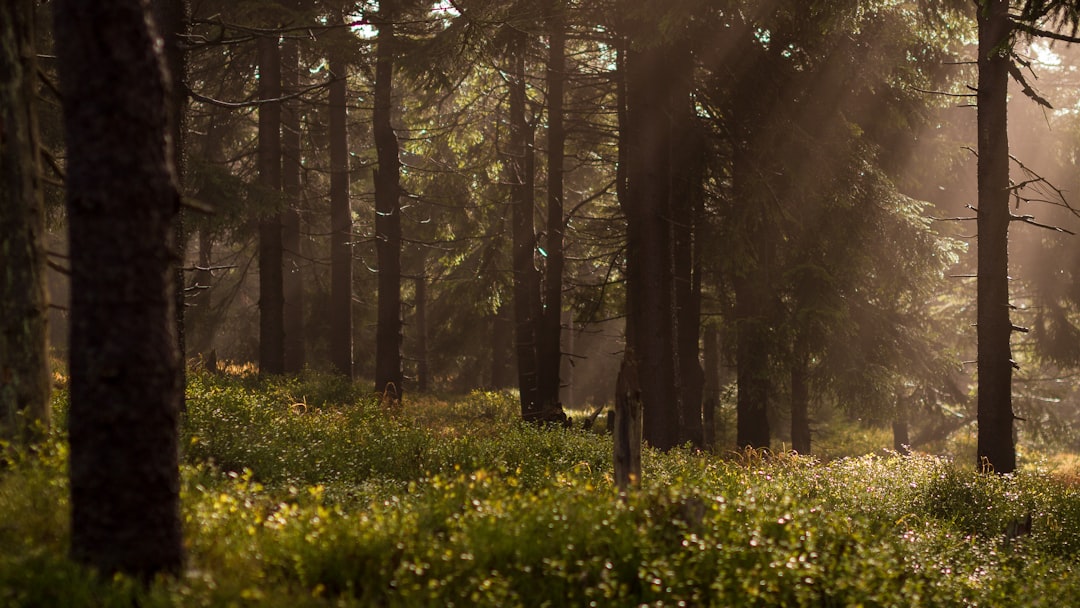
It’s wild to think that Wollongong’s coal swamps flourished before the first dinosaur ever stomped across the land. The plants and creatures that lived here were part of a world that would give rise to the age of reptiles. The fossil record bridges the gap between the ancient, flowerless forests and the Jurassic jungles that would follow. It’s a breathtaking reminder of the vastness of time and the slow, steady march of evolution.
Ancient Weather: Swamps in a Changing World
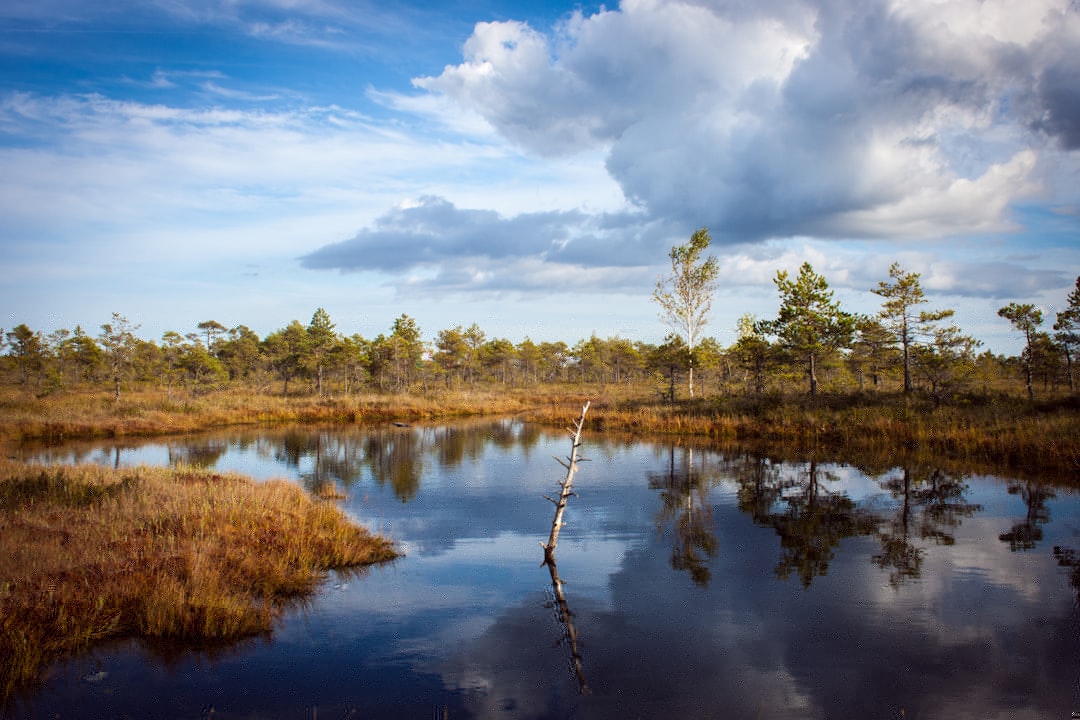
The climate during the Permian period was both familiar and alien. Swamps thrived in warm, humid conditions, but as the world’s continents drifted and climates shifted, these wetlands faced new challenges. Fossil evidence shows that the swamps expanded and contracted with the changing seasons, sometimes enduring droughts or floods. Understanding these ancient weather patterns helps scientists predict how today’s ecosystems might respond to a warming world.
Unearthing the Unexpected: Surprising Fossil Finds
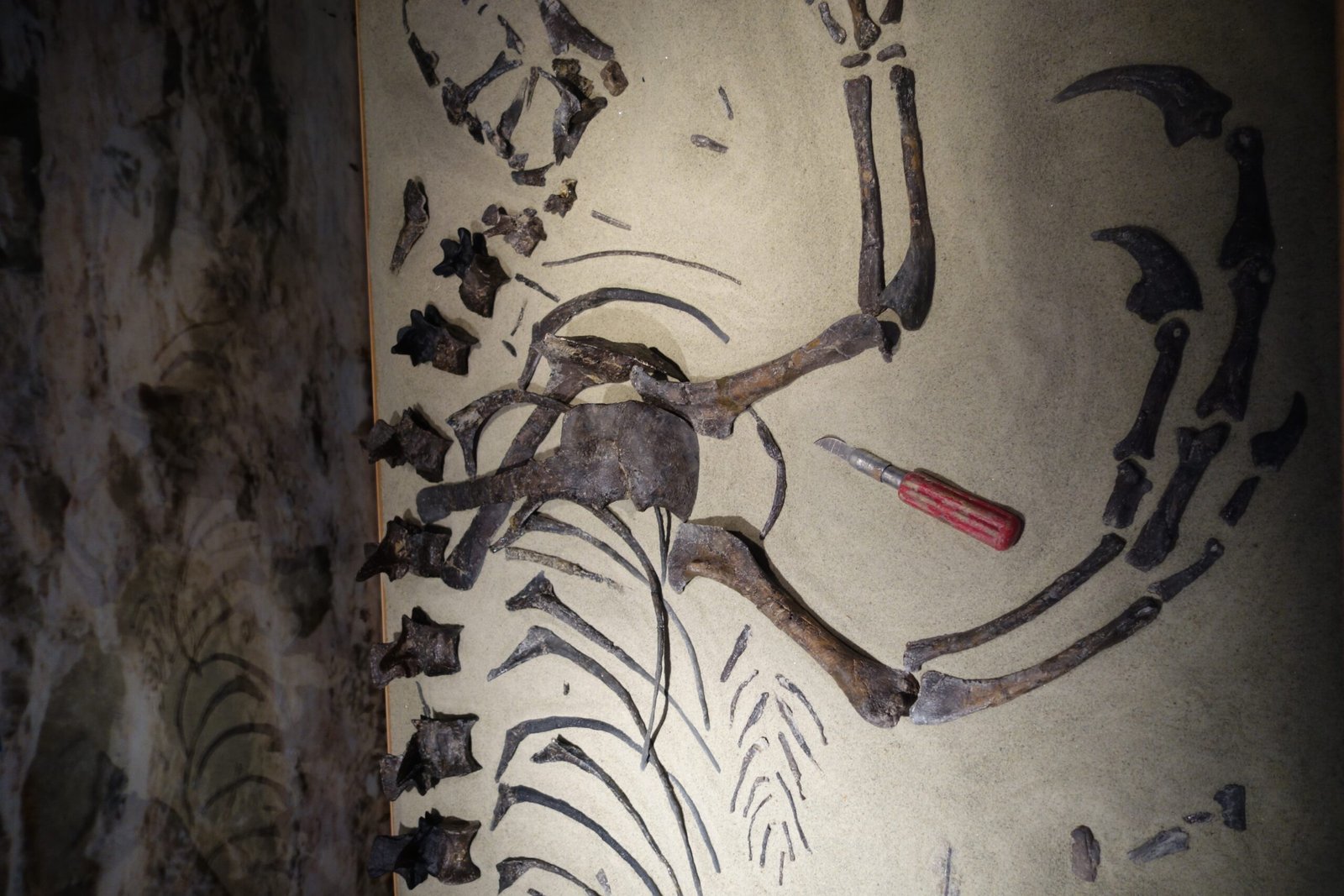
Not every discovery in Wollongong’s coal swamps fits neatly into the textbook. Occasionally, paleontologists uncover bizarre or unexpected fossils—a strange new type of seed, the outline of a mysterious animal, or evidence of behaviors never seen before. These surprises keep scientists on their toes and remind us that even after centuries of study, the Earth still has secrets waiting to be revealed.
Lessons From a Flowerless World
There’s something deeply inspiring about a world without flowers. The resilience of the plants and animals that called the Wollongong swamps home shows us that life adapts, endures, and even thrives in the most unlikely places. By studying these ancient ecosystems, we learn not only about the past, but about the incredible power of life to survive against the odds. It’s a lesson that’s as relevant today as it was 250 million years ago.
Fossilized Beauty: Nature’s Ancient Art
Some fossils from Wollongong are so detailed and beautiful, they look like works of art. Delicate leaf veins, intricate bark patterns, even the fine hairs on an insect’s leg are sometimes preserved. These fossils capture the attention and imagination of everyone who sees them, turning ancient biology into something almost magical. It’s a reminder that beauty isn’t just a modern invention—it’s been part of life on Earth from the very beginning.
What’s Still Hidden: The Future of Fossil Discovery
Despite decades of digging and discovery, much of Wollongong’s ancient past remains hidden underground. Advances in technology, from high-resolution scanning to chemical analysis, are helping scientists uncover new fossils and ask new questions. Who knows what lies beneath the next layer of coal? The thrill of discovery is alive and well, promising more mysteries and marvels in the years to come.
The Personal Side: Wonder and Connection
Standing in a fossil-rich coal seam, it’s hard not to feel a sense of awe. These ancient remains connect us to a world so different from our own, yet part of the same grand story. Whether you’re a scientist, a student, or just someone who loves nature, the fossils of Wollongong offer a chance to touch the deep past and imagine life before flowers, before dinosaurs, before us.
Everyday Fossils: Finding Prehistory in Your Backyard
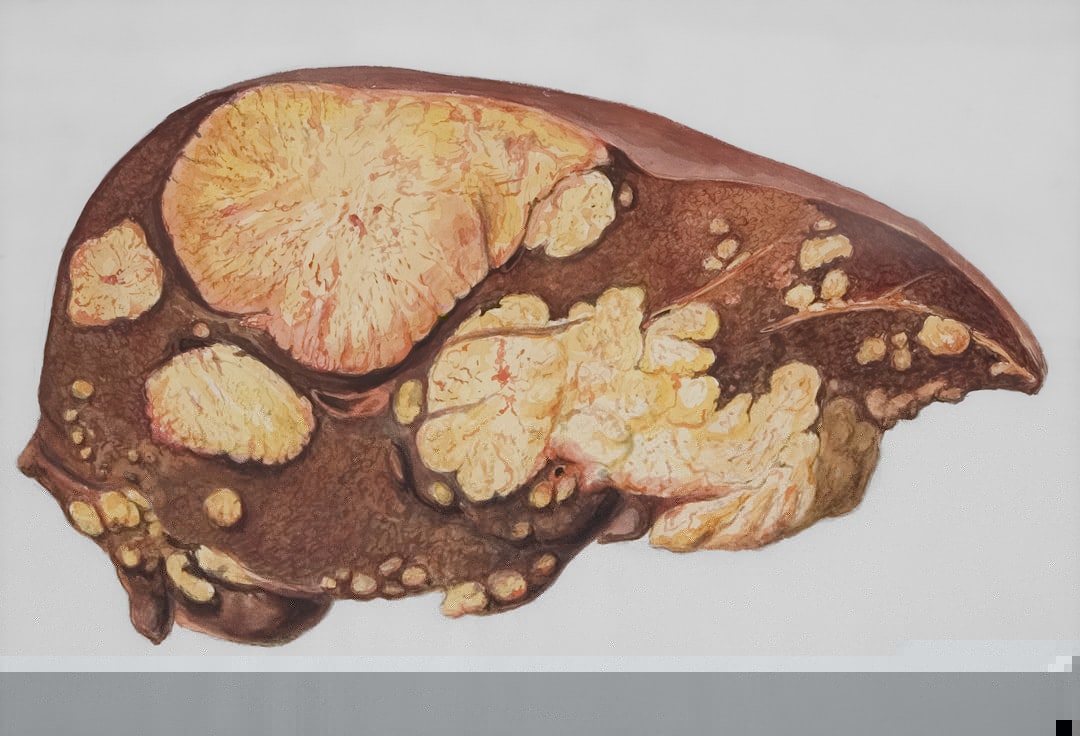
You don’t have to be a professional paleontologist to appreciate Wollongong’s ancient coal swamps. Sometimes, a stroll along a creek or a visit to a local museum reveals a fossilized leaf or a chunk of coal, sparking curiosity about the world that once was. These everyday encounters with the past remind us that history is all around us, waiting to be discovered.
Why Wollongong Matters: A Global Perspective
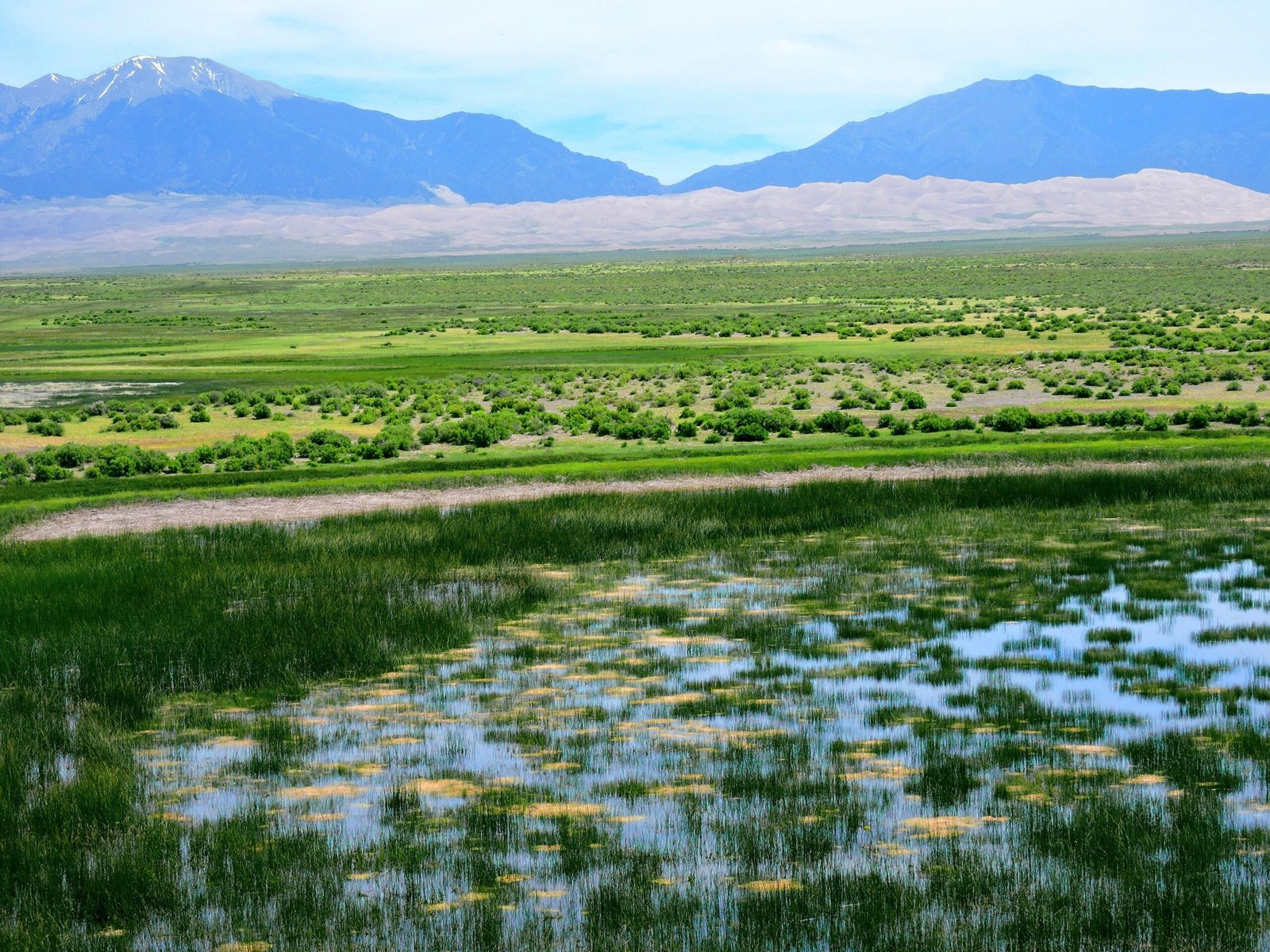
Wollongong’s ancient coal swamps aren’t just an Australian story—they’re part of a global puzzle. Similar swamps once stretched across continents, shaping Earth’s climate and laying the groundwork for future life. By studying these fossils, scientists gain insights into how ecosystems respond to change, how plants and animals evolve, and how life rebounds after catastrophe. Wollongong’s story is a chapter in the epic tale of life on Earth, one that continues to inspire and inform us today.
Wollongong’s ancient coal swamps are more than just relics of a distant past—they are a living testament to the power of nature, change, and survival. The fossils they’ve left behind offer a rare and precious glimpse into a world before flowers, a world that challenges us to look deeper, imagine further, and never stop exploring.