If you think you know the story of humanity, think again. Imagine wandering through the misty forests of Luzon, the largest island in the Philippines, and stumbling upon the bones of a mysterious, pint-sized ancestor. Not so long ago, scientists did just that—and what they found has shaken the very foundations of our understanding of human evolution. These “Hobbit People,” officially named Homo luzonensis, may have once lived just a stone’s throw from today’s bustling Manila. Their discovery is not just a tale of ancient bones, but a powerful reminder that the story of who we are—and where we come from—is far more magical, tangled, and surprising than anyone dared to dream.
The Astonishing Discovery in Callao Cave

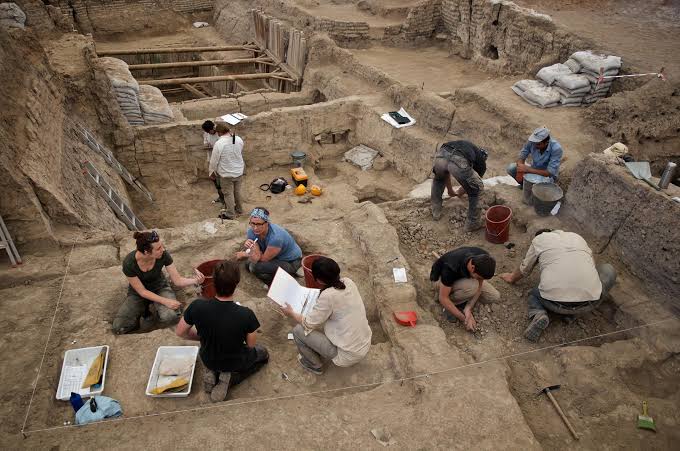
In 2007, a team of archaeologists working deep inside Callao Cave in northern Luzon made a breathtaking find. They unearthed a tiny foot bone, barely bigger than a child’s, hidden beneath layers of ancient soil. Over the next decade, more bones and teeth surfaced—enough to piece together the existence of a previously unknown species of human. The excitement in the scientific community was electric. This wasn’t just another ancient hominin; this was something entirely unexpected, right in the heart of Southeast Asia.
Meet Homo luzonensis: The Hobbit People
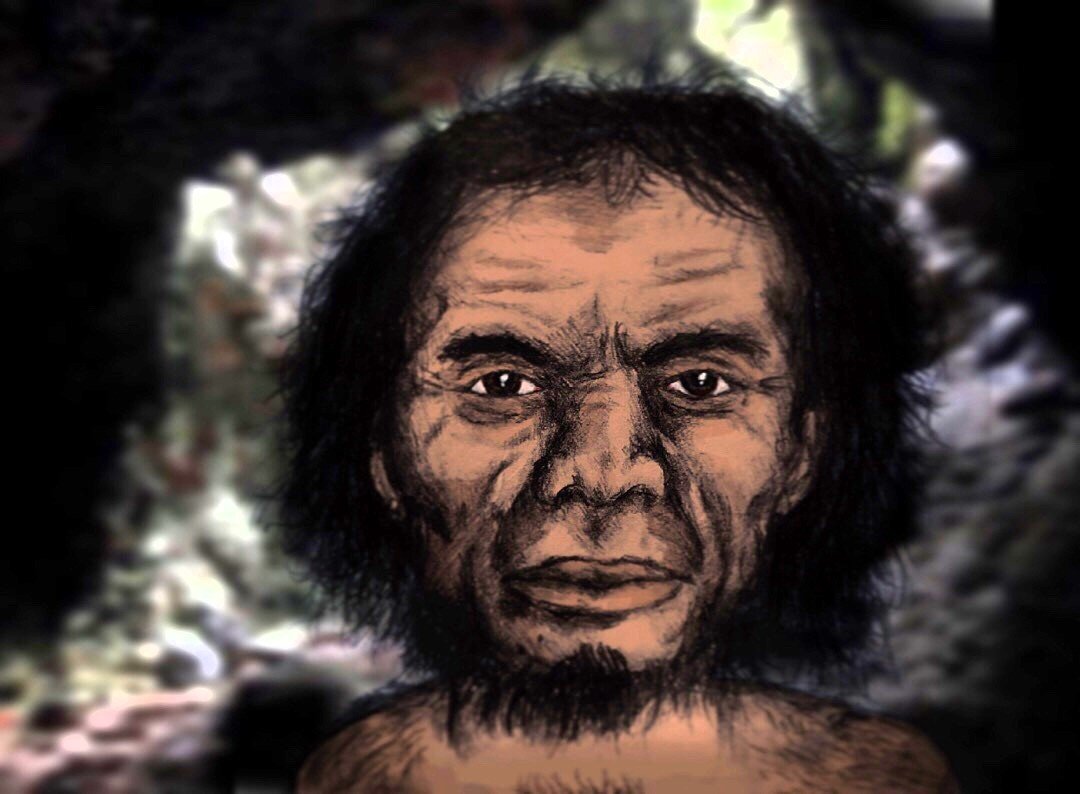
Homo luzonensis, as the species was named, stands out for its small stature—adults were likely no taller than a modern 10-year-old child. Their teeth and bones revealed a strange mix of ancient and modern traits. Some features echoed those of our distant ancestors from Africa, while others were uniquely their own. Scientists quickly drew comparisons to the famous “hobbits” of Flores Island, Indonesia, but the Luzon discovery brought its own surprises and mysteries.
Manila: A Modern City Near Ancient Footsteps

What’s truly mind-boggling is how close these ancient people lived to what is now Manila, a city bursting with life, noise, and 21st-century energy. Just a few hours’ drive from skyscrapers and neon lights, the forests of Luzon once sheltered a completely different kind of human. The juxtaposition makes you wonder: what other secrets lie hidden beneath the feet of today’s city dwellers?
How Old Are the Hobbit People of Luzon?
The bones of Homo luzonensis date back at least 50,000 to 67,000 years. That means these tiny humans were around while Neanderthals roamed Europe, and even as our own Homo sapiens ancestors were just beginning to spread across the globe. The timeline is astonishing; it suggests Southeast Asia was a melting pot of different human species, each carving out its own niche in an ancient world.
Unraveling the Mystery of Their Origins
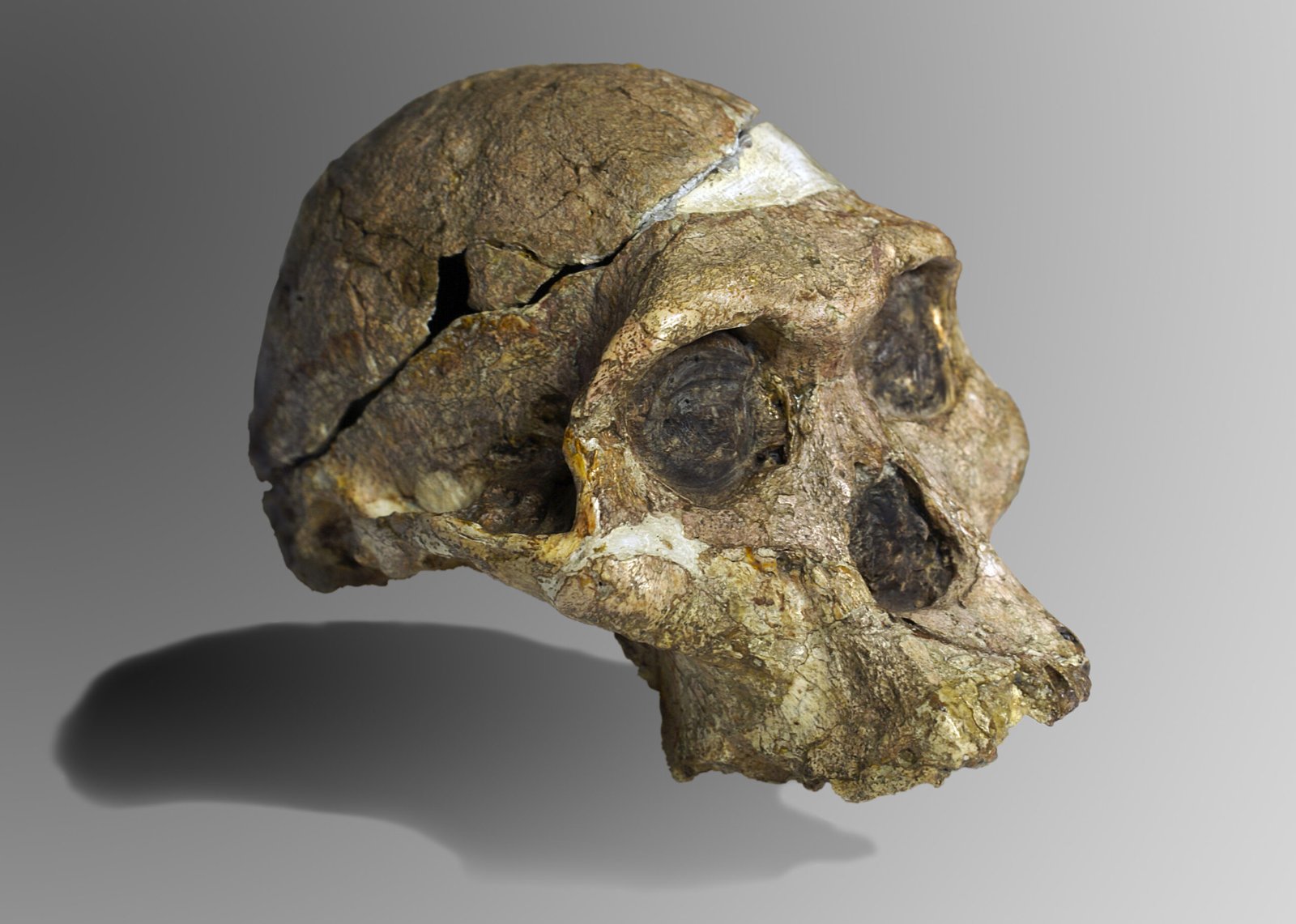
Where did Homo luzonensis come from? That’s still a juicy mystery. Genetic evidence is scarce, since the humid tropical climate destroys ancient DNA. However, their bones suggest a complicated family tree, with possible links to early hominins like Homo erectus, but also features not seen in any other humans. It’s as if nature decided to remix the recipe for humanity in a completely new way.
Strange Teeth and Bones: A Unique Anatomy
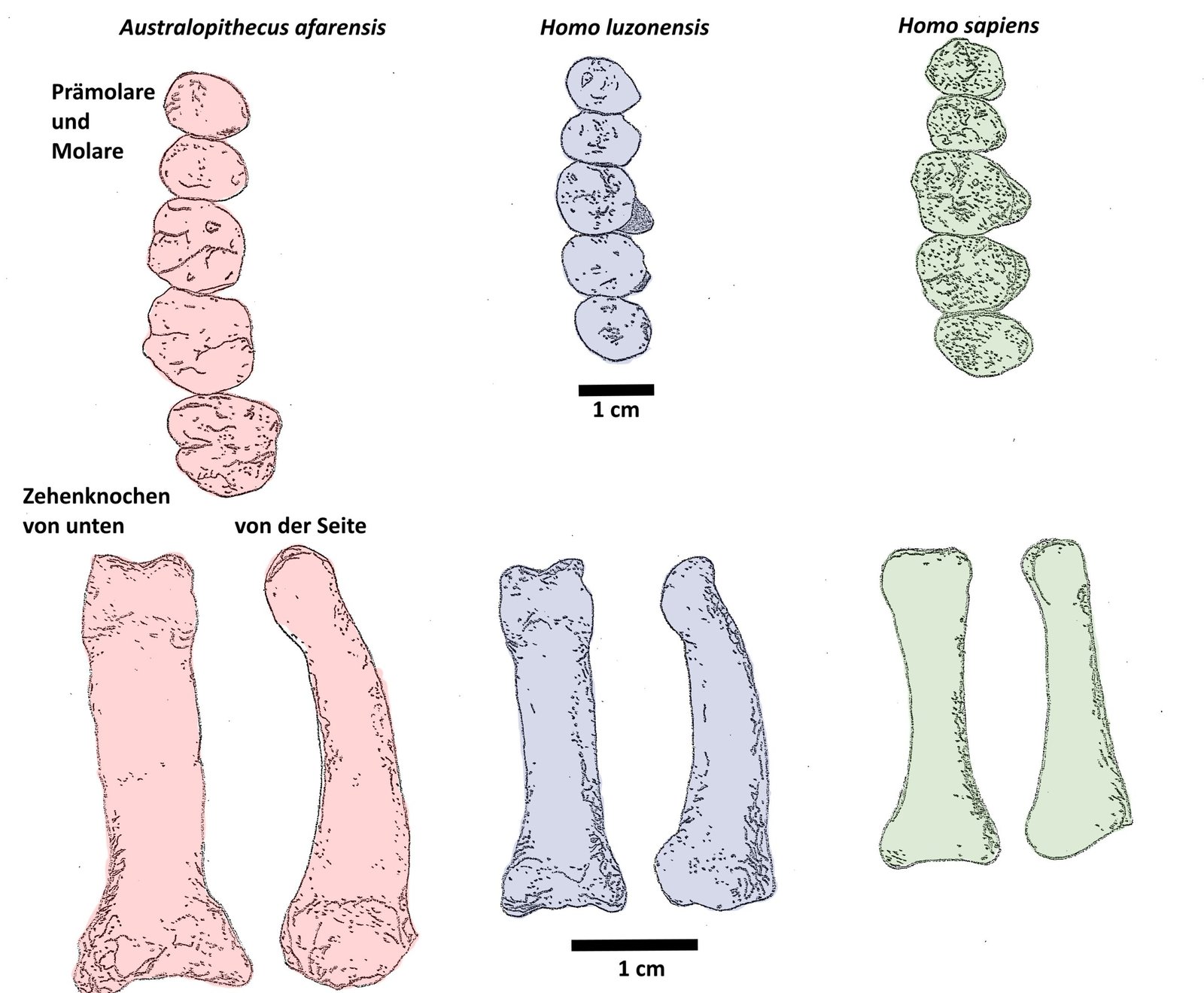
One of the most fascinating things about Homo luzonensis is their dental and skeletal oddities. Their molars are strangely small and simple, while their premolars are oddly shaped, unlike any other hominins. Their toe bones curve like those of a tree-climbing ape, hinting at a life spent scrambling through thick forests. Every bone tells a story—a story that still baffles and excites scientists.
Evolutionary Echoes: Connections to Other Hobbit Humans
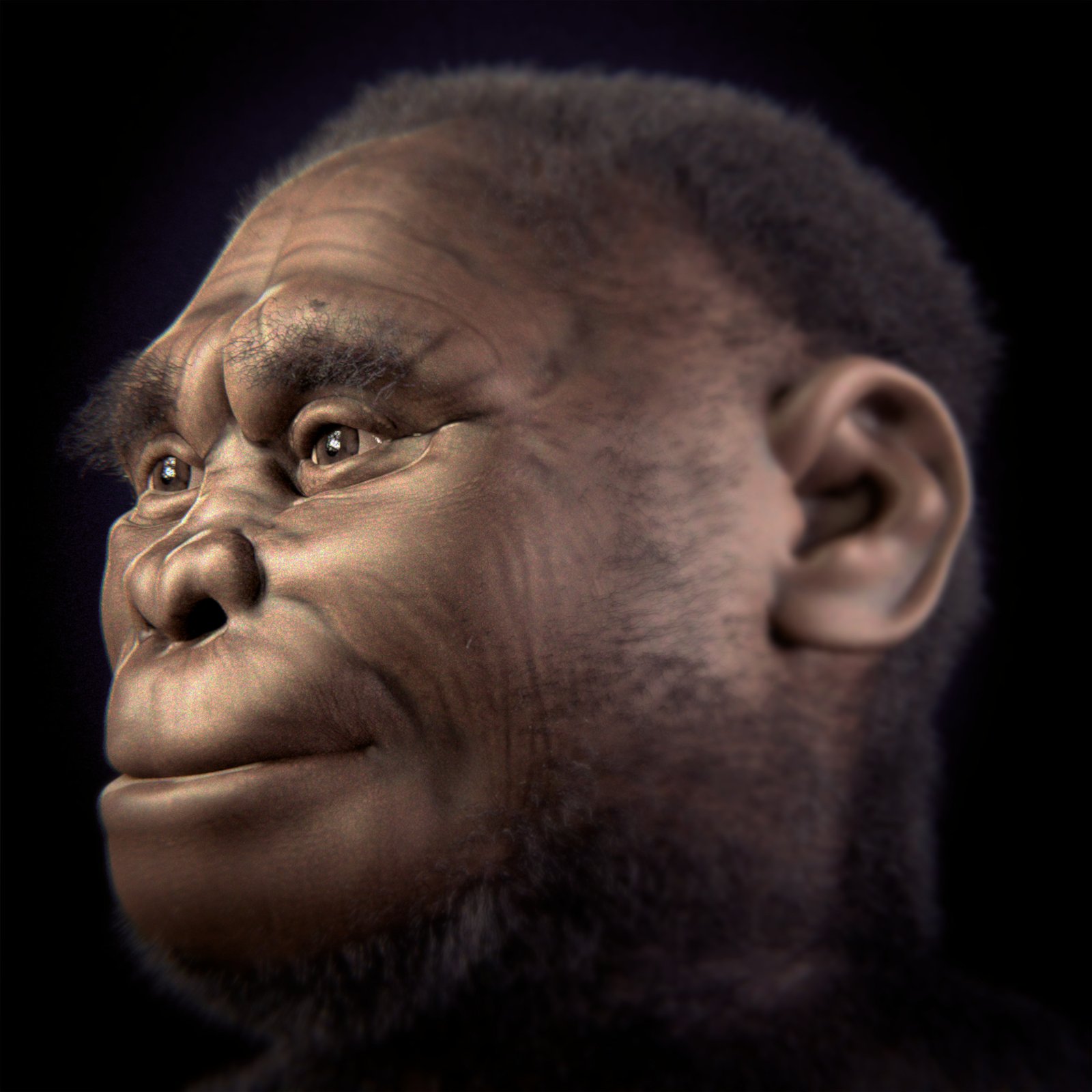
The discovery of Homo luzonensis echoes the earlier find of Homo floresiensis—another “hobbit” human—in Indonesia. Both species were small, both lived on islands, and both challenge our ideas about how different human species evolved. Did these tiny humans share a common ancestor? Or did evolution shrink them down independently, thanks to the quirky pressures of island life? The debate rages on.
Surviving on an Island: Life in Prehistoric Luzon

Living on Luzon would have been no walk in the park. The island was cut off from the Asian mainland by deep waters, making it a paradise for the resourceful but a nightmare for the unprepared. Homo luzonensis must have been clever and adaptable, possibly using tools, gathering wild plants, and hunting small animals. Their survival on this remote island speaks to the resilience and creativity of our distant relatives.
Tools, Fire, and Intelligence: How Advanced Were They?
Unlike other ancient humans, we haven’t found clear evidence of stone tools or fire associated with Homo luzonensis—yet. Still, their very presence on Luzon suggests they crossed open water, maybe using simple rafts or boats. That’s no small feat for such a tiny hominin. Their intelligence, problem-solving skills, and social lives remain a tantalizing mystery, waiting to be uncovered.
Why Did They Disappear?
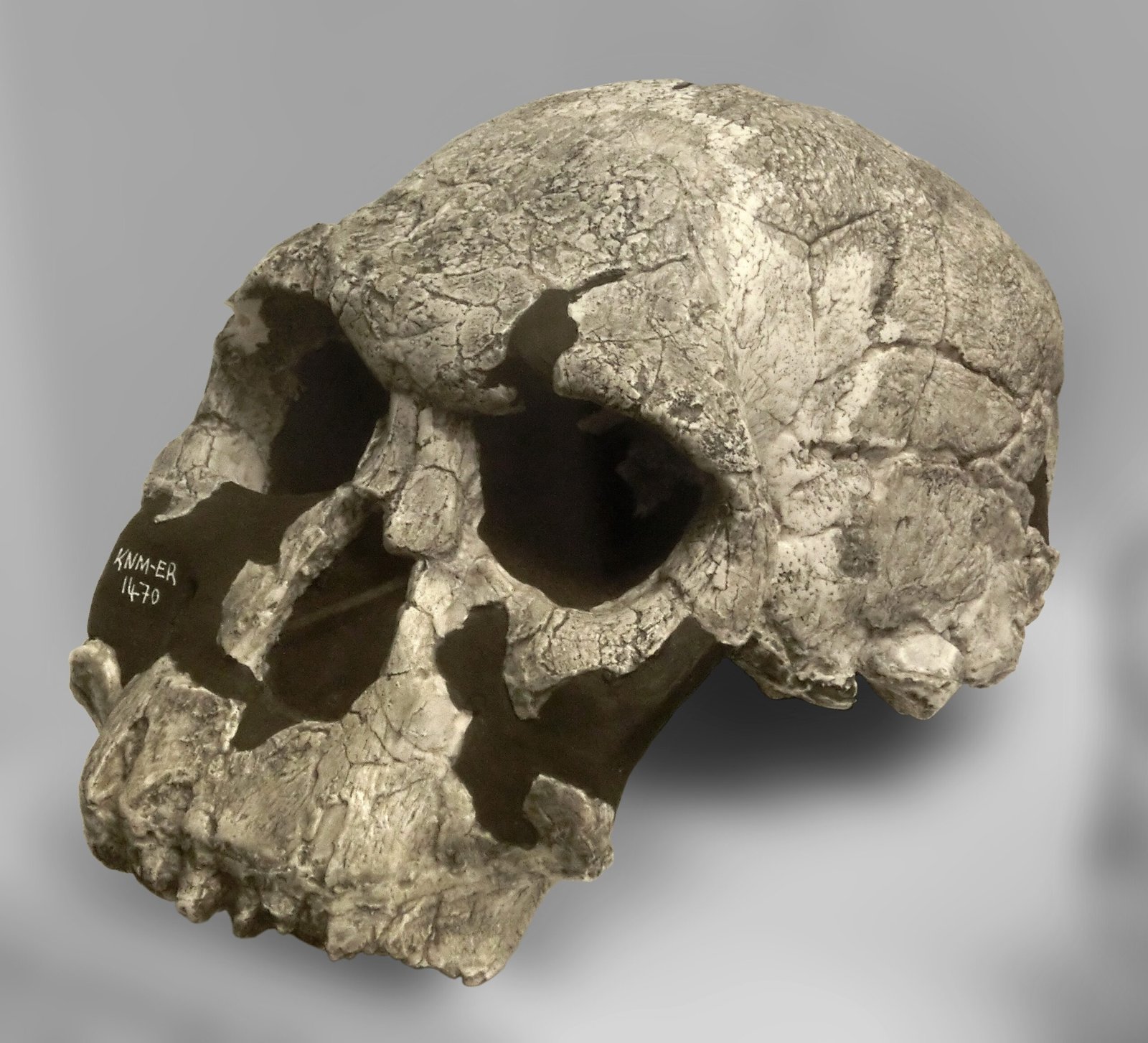
Like so many of our ancient cousins, Homo luzonensis vanished from the earth. The reasons are as murky as the depths of Callao Cave. Was it climate change, competition from modern humans, or some catastrophic event? Their disappearance leaves a hole in our history—and a powerful reminder of how fragile life can be, even for the cleverest of creatures.
Implications for Human Evolution
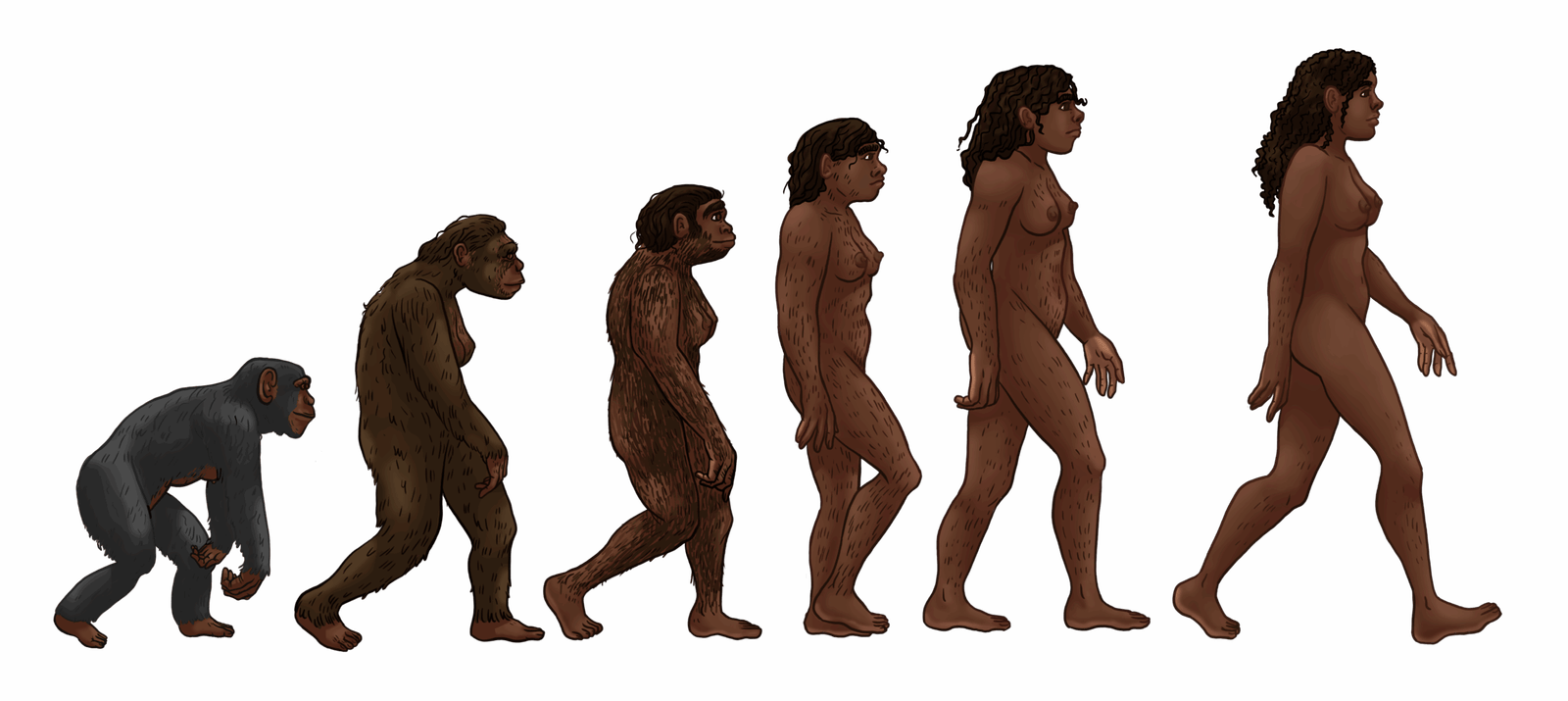
The discovery of the Hobbit People of Luzon has rewritten the map of human evolution. It shows that our story isn’t a straight line, but a bushy tree full of strange branches, dead ends, and unexpected twists. It proves humans were far more diverse—physically, culturally, and geographically—than anyone imagined. Every new find challenges scientists to rethink what it means to be human.
Island Evolution: Nature’s Laboratory

Islands are like nature’s petri dishes. Animals and humans alike evolve in surprising ways when cut off from the rest of the world. On Luzon, elephants shrank to the size of cows, giant lizards ruled, and humans became hobbits. The story of Homo luzonensis is a vivid reminder that evolution doesn’t follow a script—it improvises, adapts, and sometimes produces something utterly unexpected.
Modern Technology and Ancient Mysteries
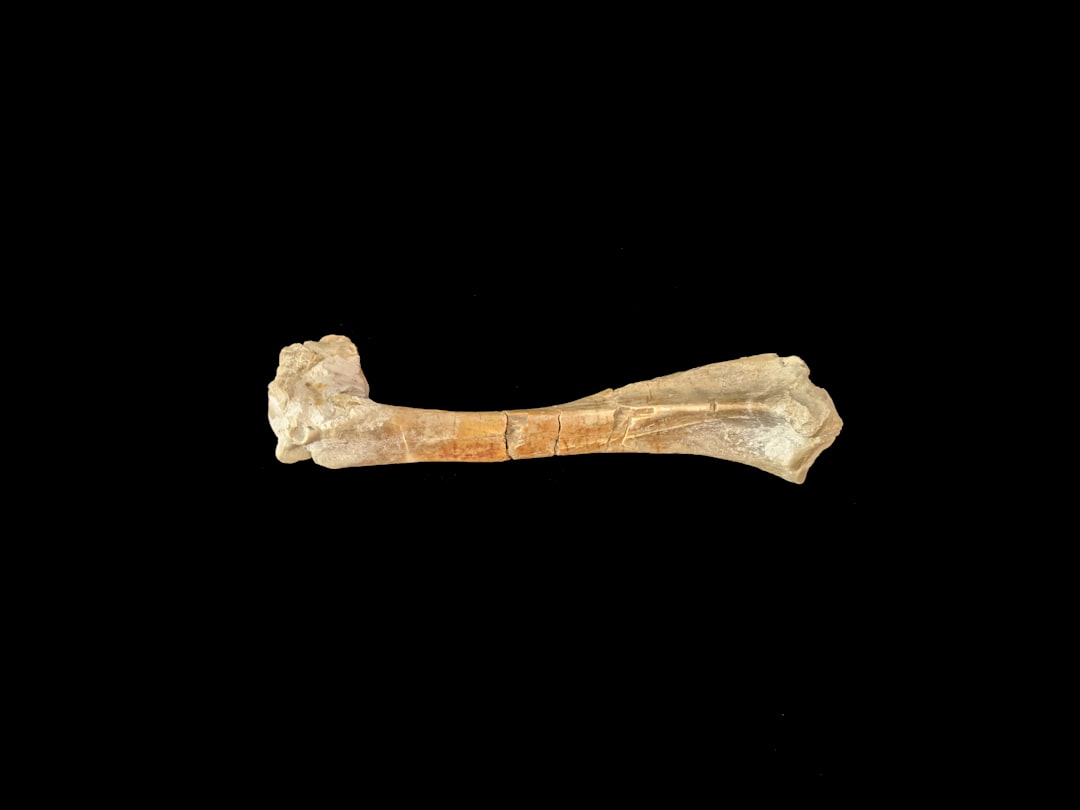
New technologies like 3D scanning, micro-CT imaging, and radiometric dating have turned old bones into high-tech mysteries. Scientists can now study the tiniest details without destroying precious fossils. These tools are unlocking secrets that would have stayed hidden, giving us clearer glimpses into the lives of the Hobbit People and their place in our family tree.
Cultural Impact and Public Fascination

The discovery of Homo luzonensis has sparked a wave of fascination in the Philippines and beyond. Schoolchildren, artists, and storytellers have embraced the idea that ancient hobbits once called Luzon home. Museums feature dazzling exhibits, and local lore has woven the hobbits into tales of forest spirits and lost tribes. The story has become part of the national imagination, inspiring pride and wonder.
The Role of Local Communities in Discovery

None of these breakthroughs would be possible without the help of local guides, indigenous communities, and everyday people. Many of the most important finds were made by people who know the land intimately. Their knowledge of caves, forests, and ancient legends has guided scientists to the right places at the right times. It’s a powerful reminder that science is often a team effort, blending local wisdom with global curiosity.
Nature’s Reminder: Humanity’s Shared Roots
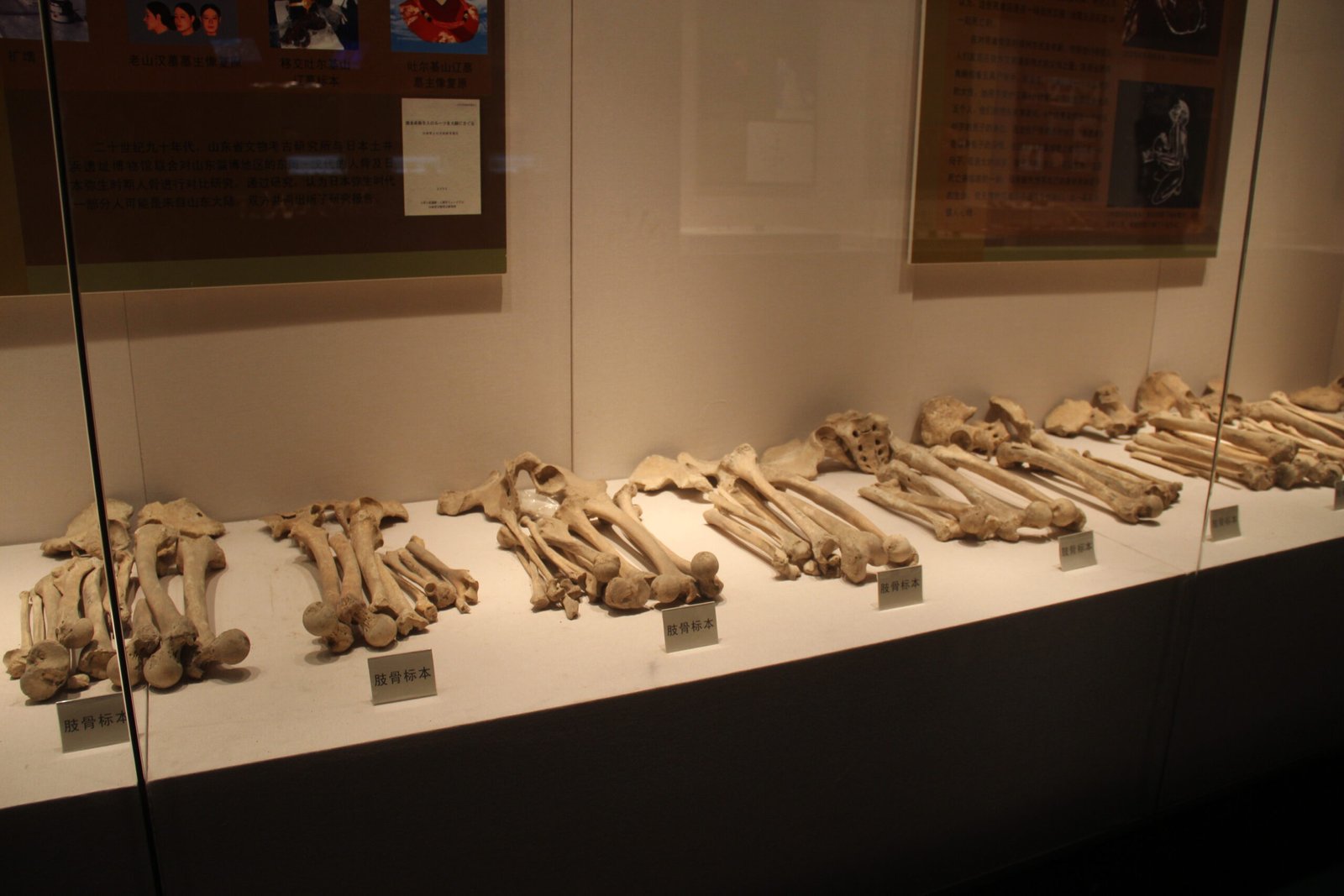
The story of Homo luzonensis is more than a tale of ancient bones. It’s a reminder that all humans—no matter where we live—share deep, tangled roots. Our differences make us interesting, but our common origins bind us together. The hobbits of Luzon may be gone, but their legacy lives on in every question we ask, every discovery we make, and every mystery that draws us closer to our own story.
The Unfinished Story of Human Evolution

If there’s one thing the hobbit people have taught us, it’s that our story is far from finished. Every bone, every tooth, every artifact is a clue in a mystery that stretches back millions of years. The tale of Homo luzonensis is a living puzzle—one that challenges us to keep searching, keep questioning, and never stop wondering what it truly means to be human.