Chicago’s sidewalks may buzz with life today, but beneath those busy feet lies a world so ancient, it predates even the dinosaurs. Imagine, as you wait at a crosswalk or stroll along the lakefront, that you’re standing on layer after layer of prehistoric secrets—fossils, bones, and the silent evidence of vanished worlds. Beneath the steel and glass, the Windy City sits atop a rich fossil underworld, a hidden archive of the Earth’s most dramatic chapters. This isn’t just a story for paleontologists; it’s a gripping saga of monstrous sea creatures, lush ancient forests, and the relentless forces that shaped Chicago long before the first skyscraper pierced the sky. Are you ready to journey beneath the pavement and discover what truly lies beneath Chicago’s streets?
The Forgotten Ocean: Chicago’s Prehistoric Seabed
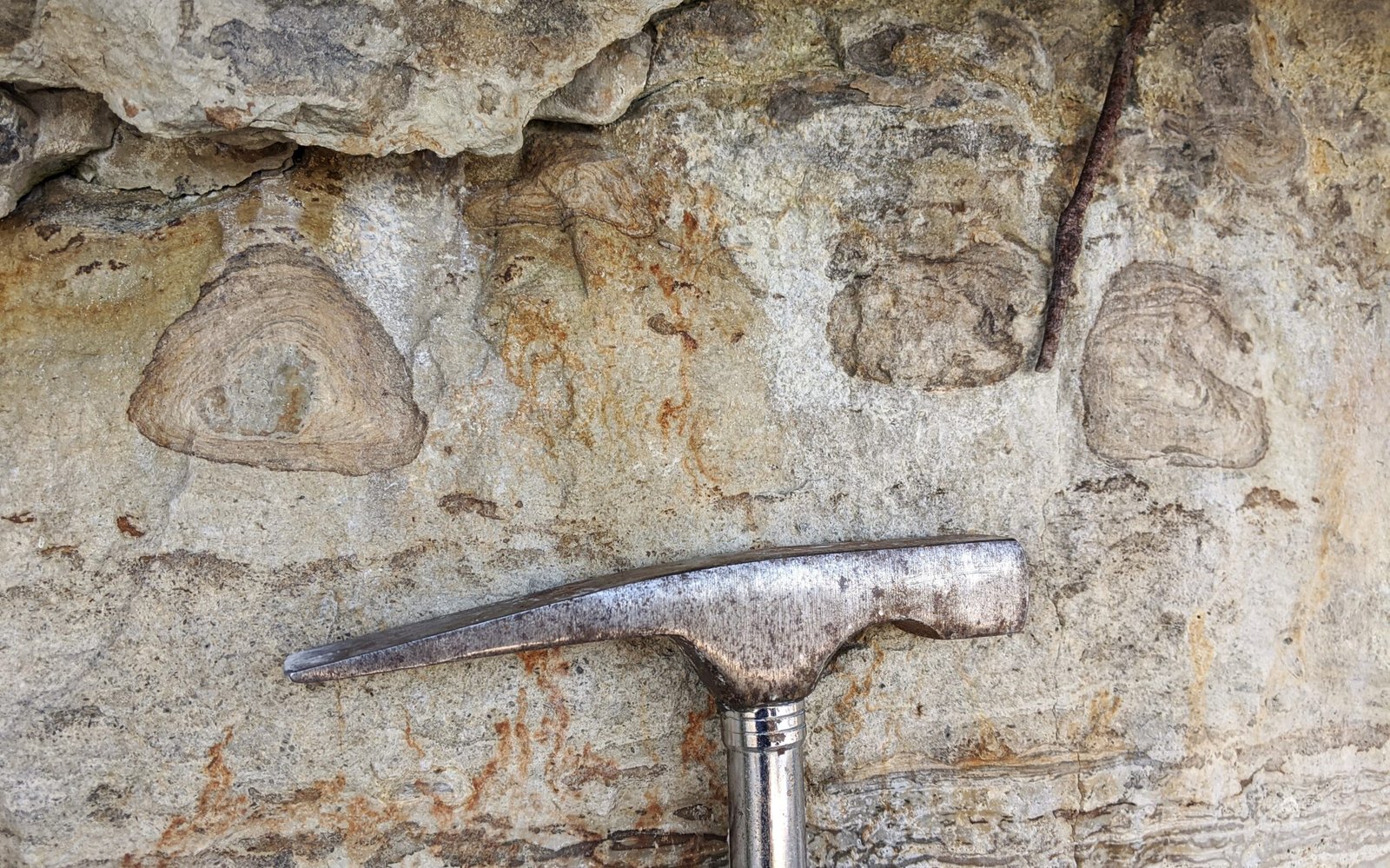
Long before Chicago became a city, this spot on the map was the floor of a warm, shallow sea. Picture a world with waters teeming with unusual life—corals, squishy jellyfish relatives, and armored fish. This ancient sea existed roughly 420 million years ago during the Silurian Period. Fossils from this era, such as crinoids (sea lilies) and trilobites, are sometimes found embedded in local limestone. The rocks under Chicago are like pages from a lost oceanic diary, telling stories of creatures that would seem utterly alien today. If you’ve ever picked up a smooth gray stone with a spiral or fan-like pattern, you might have held a tiny piece of this prehistoric sea in your hand.
Layers of Time: The Building Blocks of Chicago’s Bedrock
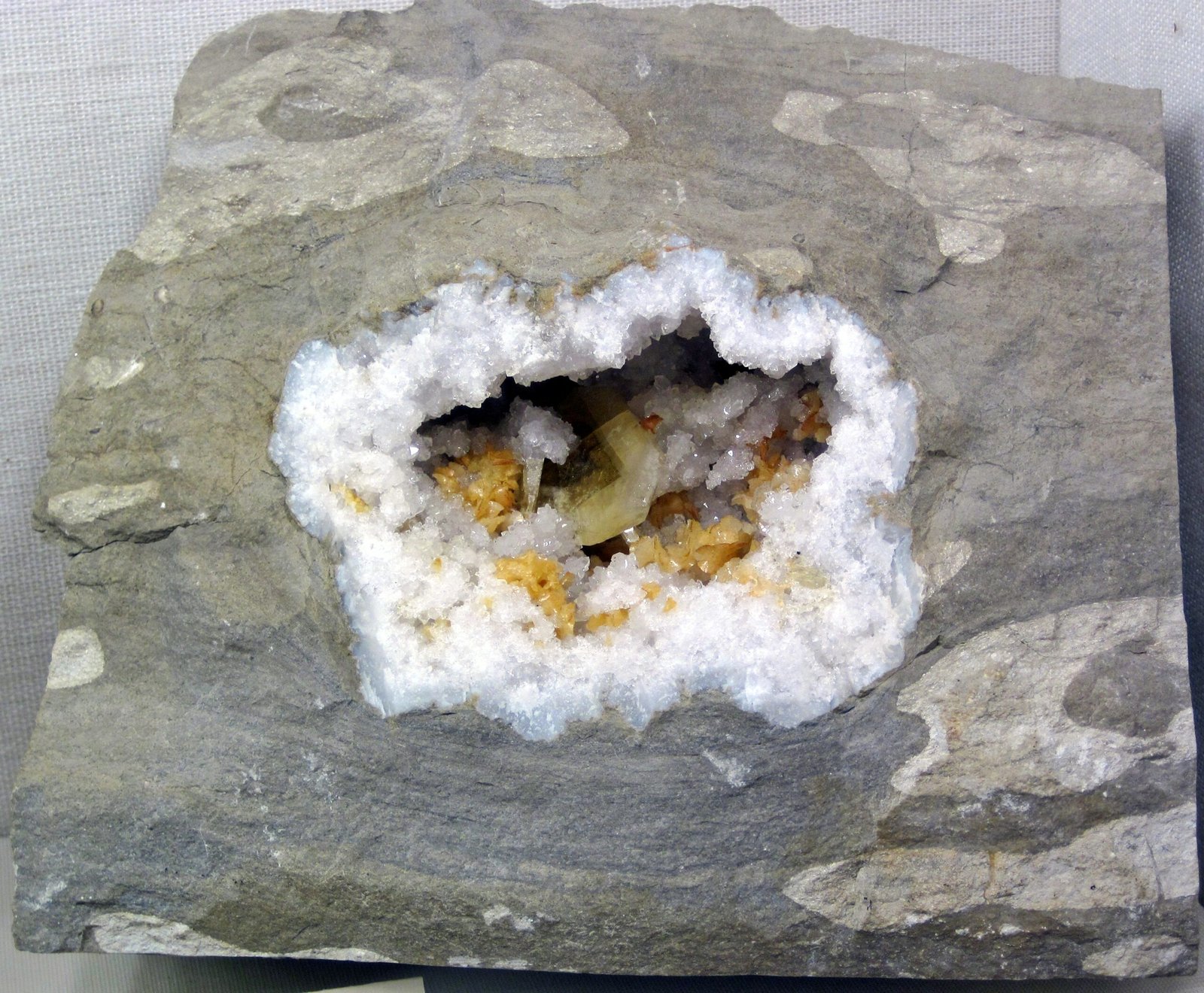
Dig deep under Chicago, and you’ll find one geological layer stacked atop another, each preserving a different moment in Earth’s history. The city’s bedrock is mostly dolomite, a tough form of limestone formed in those ancient seas. This dolomite is riddled with fossils, some so well-preserved you can see the delicate arms of long-dead sea creatures. Over time, other sediments—clay, sand, and gravel—piled on top, each deposited by waves, rivers, and glaciers. Think of it like a cake, each layer a different flavor representing a different age. Construction workers and tunnel diggers occasionally stumble onto these fossilized clues, a sudden brush with the deep past.
The Silurian Reef: Chicago’s Ancient Coral Kingdom
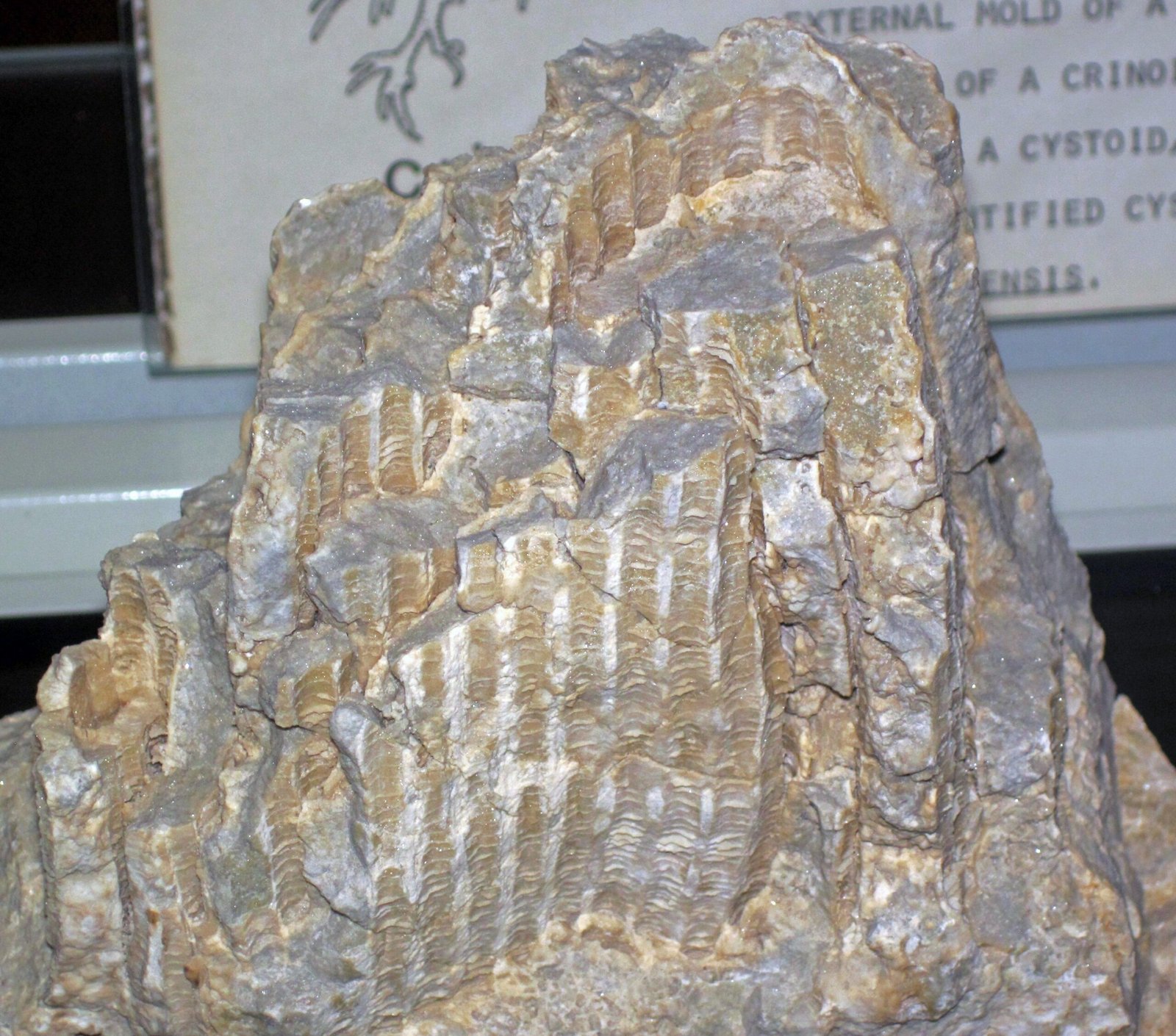
It’s hard to believe, but Chicago once boasted vast coral reefs similar to those found in today’s Caribbean. These Silurian reefs were sprawling underwater cities, built by corals, sponges, and algae. Fossilized remains of these reefs are found in quarries around the city. When you see decorative limestone on a building downtown, you might be looking at a block that was once part of an ancient reef. These reefs sheltered bizarre creatures, including sea scorpions and armored fish. The fossil record from these reefs gives us a glimpse into vibrant underwater ecosystems that thrived millions of years before the first fish crawled onto land.
Trilobites and Other Ancient Oddities
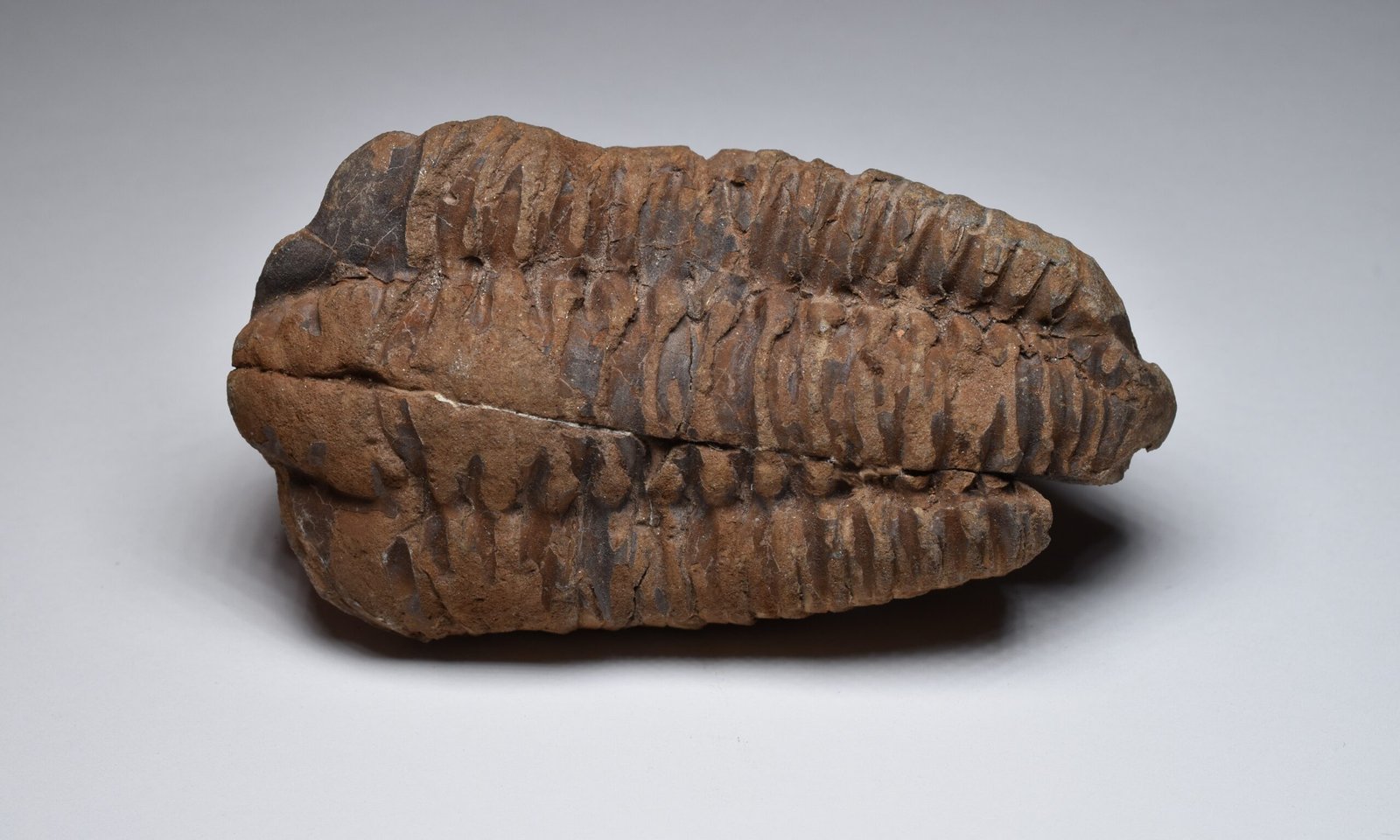
Trilobites may be extinct, but their fossilized remains are some of the most prized discoveries in Chicago’s underworld. These hard-shelled creatures scuttled along the seafloor, leaving behind their segmented bodies as a calling card for future generations. Some trilobites grew as large as a dinner plate; others were barely the size of a fingernail. Alongside trilobites, fossils of brachiopods, crinoids, and gastropods are common. Each fossil is a tiny snapshot of the ecosystem that once thrived here—a reminder that the city’s current hustle and bustle is just the latest act in a very long play.
Glaciers and the Shaping of Modern Chicago
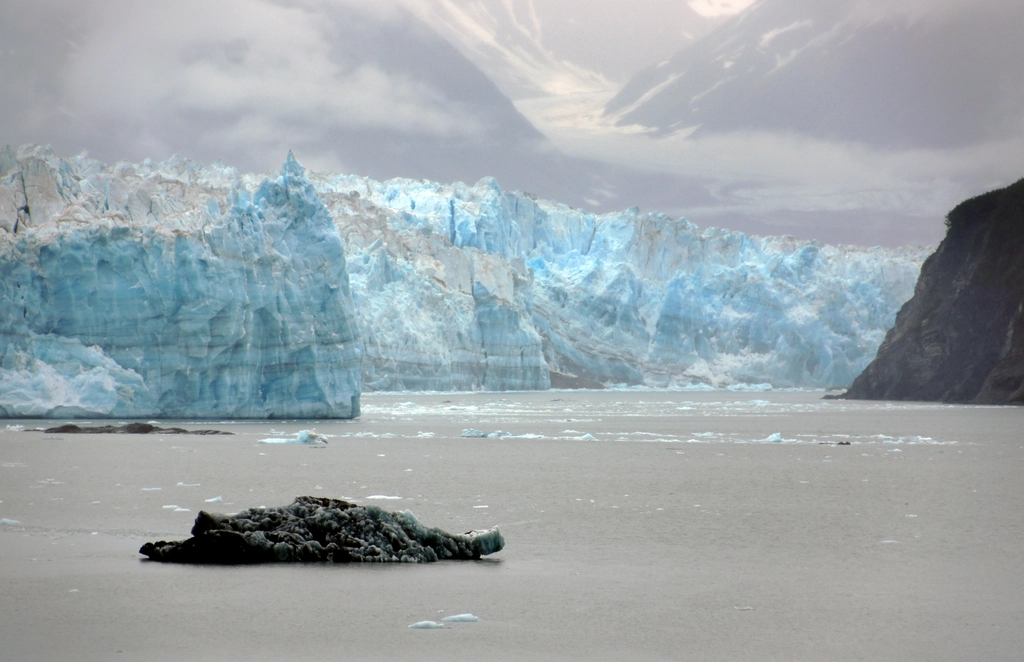
Fast-forward millions of years, and Chicago’s ancient seas disappeared, replaced by glaciers that bulldozed the landscape. These massive ice sheets scraped up rock, dug deep valleys, and left behind layers of gravel and clay. Glacial activity shaped the land, carving out the course of the Chicago River and creating the flat plains that define the city today. Fossils occasionally turn up mixed with glacial debris, jumbled together with rocks plucked from hundreds of miles away. The city’s very shape and soil tell a story of frozen cataclysms and slow-motion drama.
The Mammoth Era: Ice Age Giants in Chicago
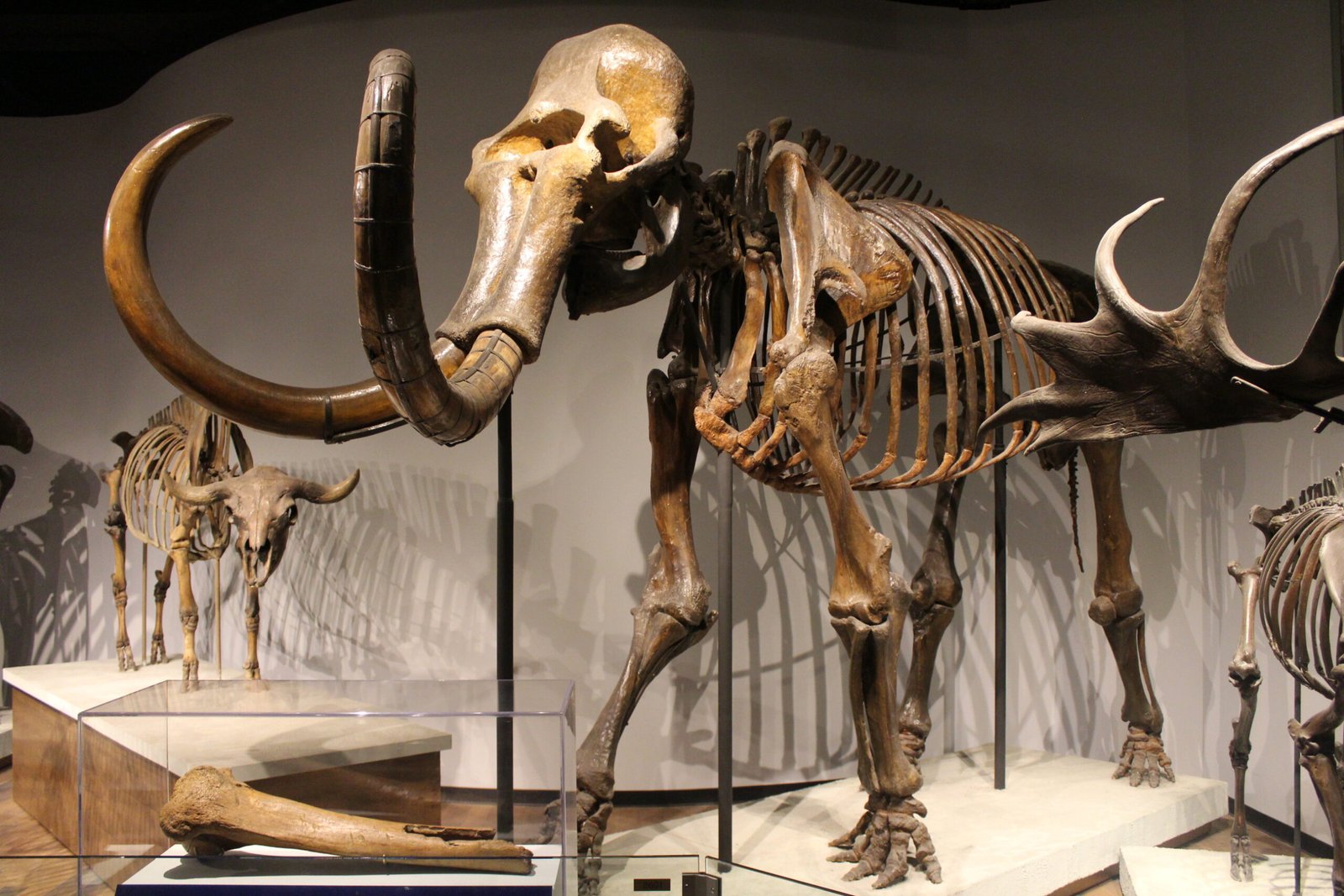
After the glaciers retreated, the land around Chicago became a cold, grassy tundra, home to woolly mammoths, mastodons, and giant ground sloths. Imagine herds of shaggy giants roaming what is now Millennium Park! Remains of these Ice Age mammals have been found in the Chicago area, preserved in ancient riverbeds and lake sediments. Every mammoth tooth or bone unearthed here is a reminder of a time when the city’s landscape was wild and untamed, dominated by creatures straight out of a storybook.
Uncovering Fossils During Modern Construction

Every time a new building goes up or a subway tunnel is dug, there’s a chance of stumbling upon a fossilized relic. Construction workers in Chicago have occasionally uncovered ancient bones and shells while digging foundations or laying pipes. These accidental discoveries offer scientists a rare chance to study fossils in situ—right where they were buried. Sometimes, a single fossil find can unlock a whole new understanding of Chicago’s prehistoric past. The city’s constant growth means its fossil underworld is always just one shovelful away from the light.
The Mazon Creek Fossil Treasure

Just outside Chicago, Mazon Creek is one of the world’s most famous fossil sites. Here, extraordinary “concretions” (rounded rocks) split open to reveal perfectly preserved plants and animals from the Pennsylvanian Period—about 300 million years ago. Fossils found here include delicate ferns, bizarre jellyfish, and the iconic Tully Monster, Illinois’ official state fossil. These fossils are so detailed that scientists can study the fine structure of soft tissues, offering a window into ancient life that’s almost never preserved elsewhere. Fossil hunting at Mazon Creek is a local tradition, connecting generations to the region’s deep-time heritage.
Chicago’s Fossils in Museums and Public Spaces
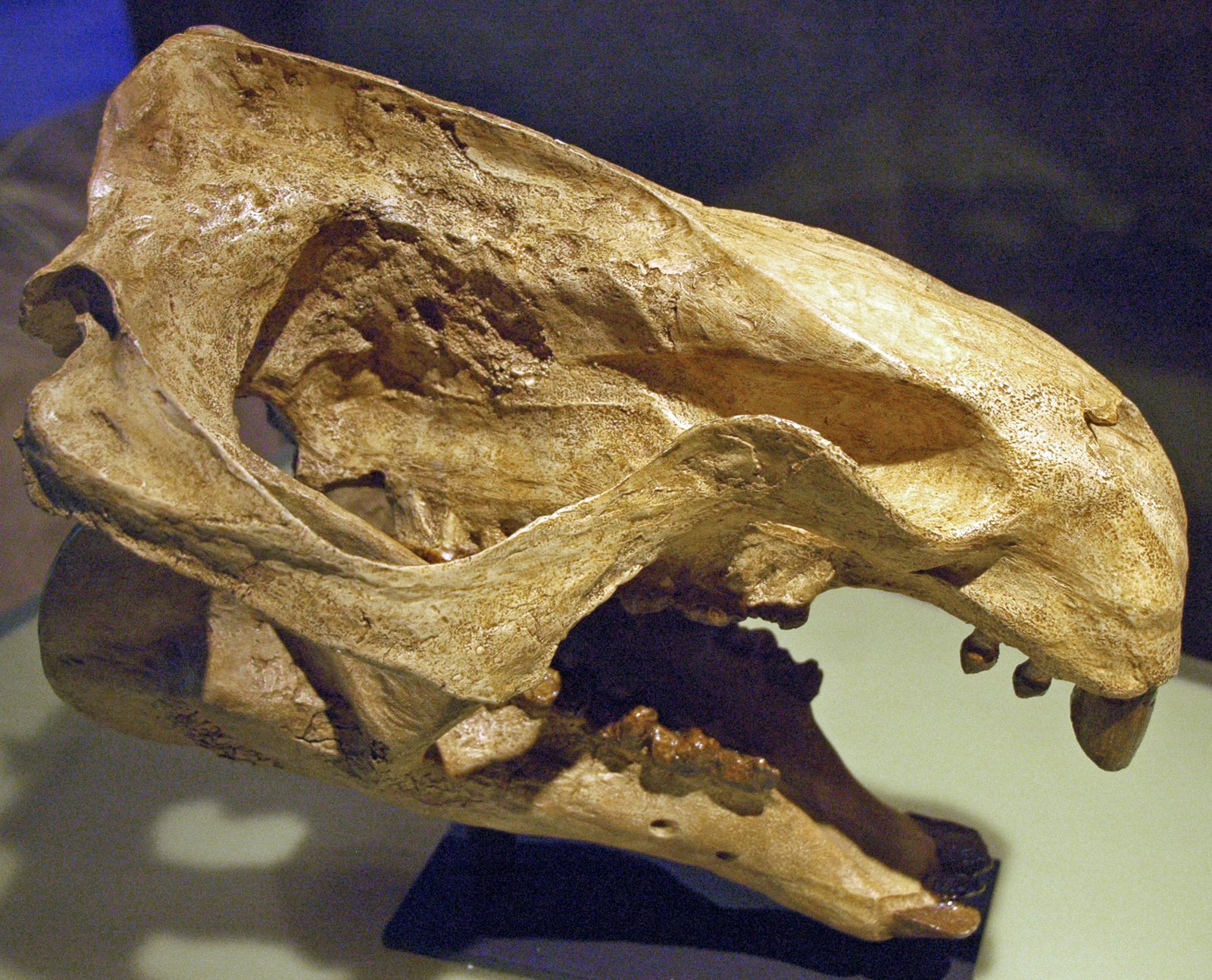
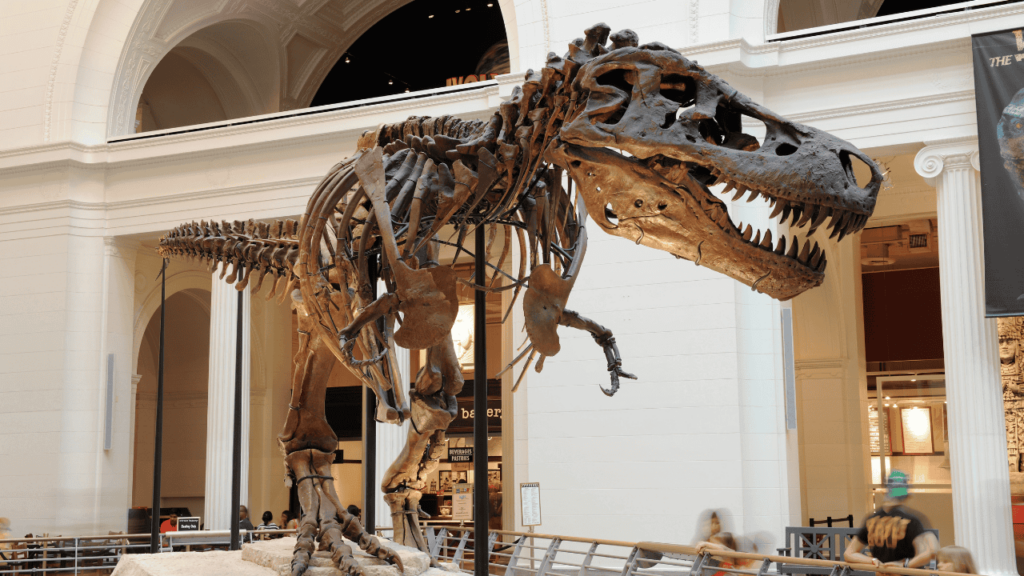
Want to see these ancient treasures up close? Chicago’s Field Museum boasts a world-class fossil collection, including marine creatures from the city’s underworld and Ice Age mammals. Local universities and museums often display fossil finds in public exhibitions, making the city’s deep history accessible to everyone. Even some of the stone used in city buildings or sidewalks contains visible fossils if you look closely. Next time you’re downtown, check the limestone steps or walls—you might spot a fossilized crinoid or coral, a tiny piece of the city’s lost ocean.
Fossilized Forests: The Coal Swamps of Ancient Illinois
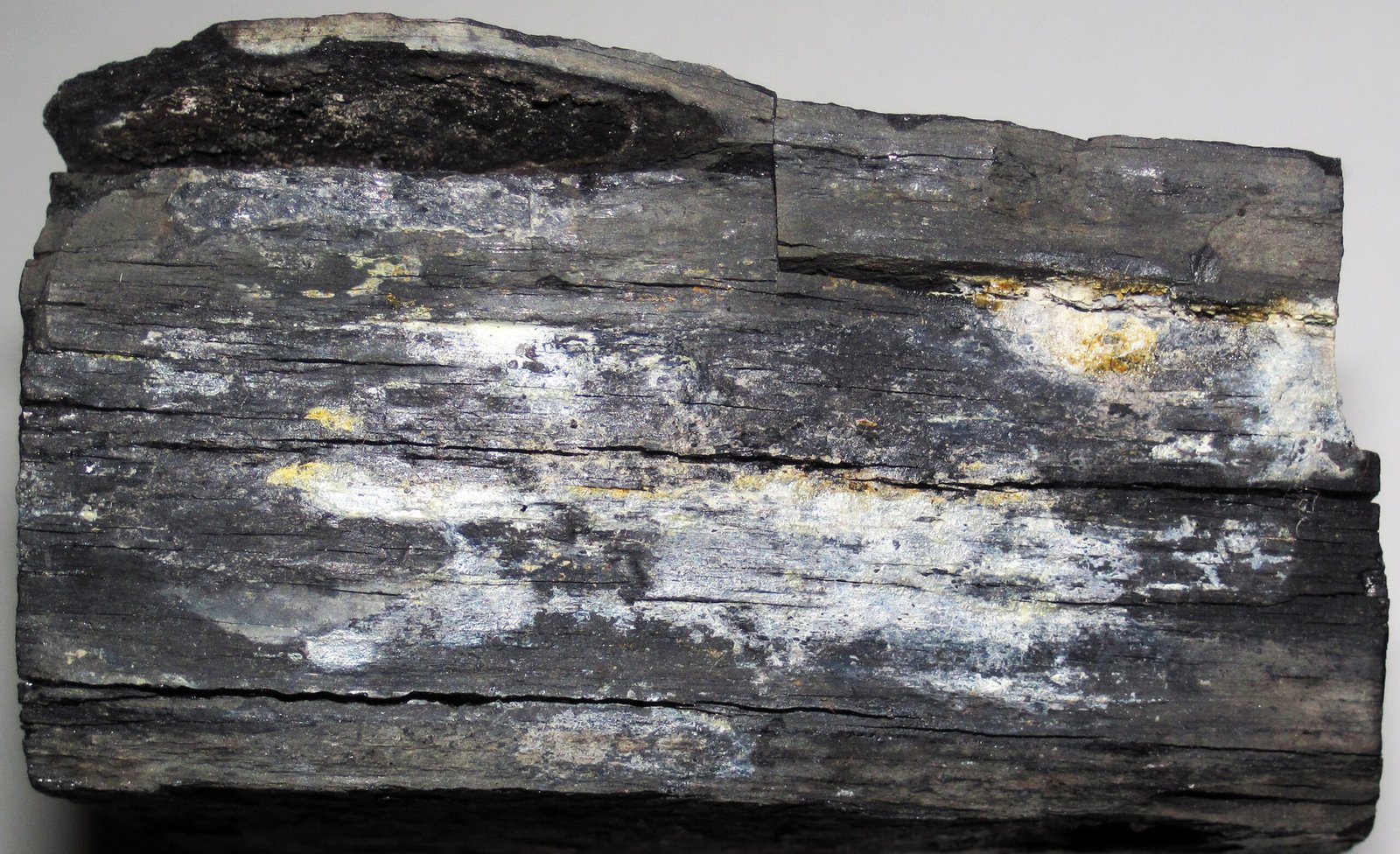
About 300 million years ago, Illinois was covered by vast, swampy forests. These swamps eventually became thick beds of coal, but they also preserved the fossilized remains of ancient plants—giant club mosses, horsetails, and tree ferns. Fossils of these plants, including their roots and bark, have been found near Chicago. Scientists study these ancient forests to understand climate change and extinction events from the distant past. It’s wild to think that the energy powering Chicago’s early industries came from the compressed remains of these prehistoric forests.
The Tully Monster: Mystery of the State Fossil
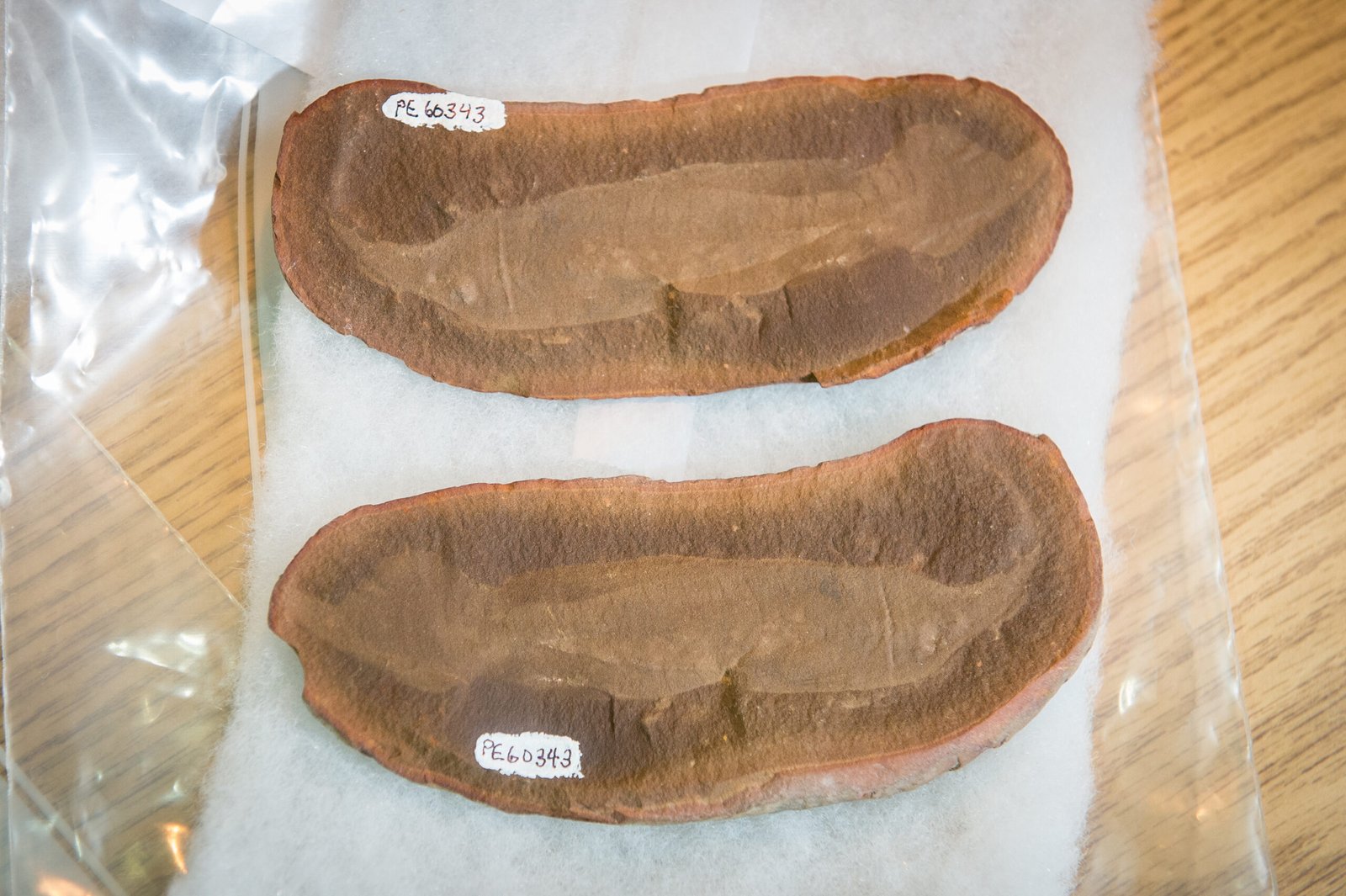
The Tully Monster is one of the strangest fossils ever found, and it’s exclusive to Illinois. This soft-bodied creature, with its stalked eyes and long, flexible snout, has baffled scientists for decades. Was it a worm, a fish, or something else entirely? No one knows for sure. Fossils of the Tully Monster, discovered in the Mazon Creek area, are a reminder of how much about Earth’s past remains mysterious and unexplained. The Tully Monster’s enigmatic shape and unclassifiable features make it a symbol of Illinois’ prehistoric weirdness.
How Fossils Form Beneath Chicago

Fossilization isn’t just about bones turning to stone; it’s a remarkable process requiring just the right conditions. In Chicago’s ancient sea beds, rapid burial by sediment protected dead creatures from scavengers. Over millions of years, minerals slowly replaced organic material, creating stone replicas of shells, corals, and even soft tissues. In swampy forests, plants were buried under layers of mud and water, eventually becoming coal and leaving behind perfect fossil impressions. Understanding how fossils form helps scientists piece together the puzzles hidden beneath Chicago’s streets.
The Role of Dolomite and Limestone

The city’s underworld is dominated by dolomite and limestone, rocks that once formed on the seafloor. These rocks are packed with fossilized shells and skeletons, making them a window into ancient marine life. Many of Chicago’s older buildings are constructed from local limestone, which sometimes contains visible fossils. The durability of dolomite has also made it a popular choice for building foundations. By studying the fossils in these rocks, geologists can reconstruct the environments and ecosystems that once flourished here.
Fossil Collecting: Chicago’s Rockhound Community

Fossil hunting is more than a scientist’s pursuit—it’s a beloved hobby for many Chicagoans. Local rockhounds search quarries, riverbanks, and construction sites for fossil treasures. Clubs and nature centers often organize fossil-collecting trips, welcoming families and beginners. There’s a thrill to splitting open a rock and finding a perfect brachiopod or fern leaf inside—a feeling of holding time itself. This community of amateur paleontologists helps preserve Chicago’s fossil heritage and inspires the next generation of earth science enthusiasts.
Climate Clues Locked in Stone
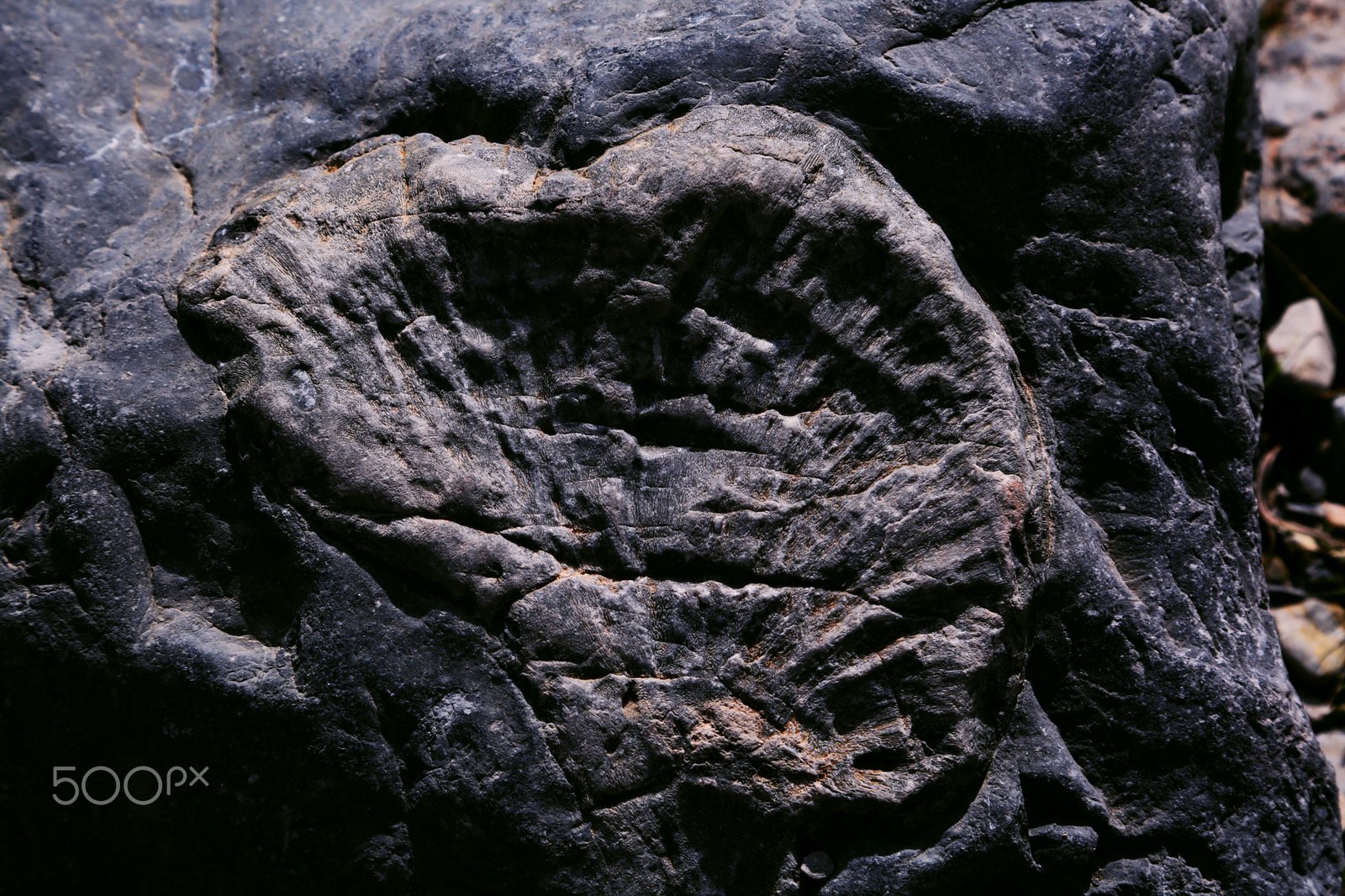
Fossils aren’t just cool to look at—they’re invaluable clues to ancient climates. By studying the types of plants and animals found in Chicago’s rocks, scientists can infer what the region’s climate was like millions of years ago. For example, the presence of coral reefs tells us the area was once warm and tropical, while coal swamp fossils indicate a hot, humid landscape. These findings help scientists understand how Earth’s climate has changed over time and may offer warnings for our own future.
Urban Legends and Fossil Myths

Not every story about Chicago’s fossil past is grounded in fact. Urban legends abound, from tales of buried dinosaur bones to rumors of monsters lurking beneath the city. While dinosaurs never roamed what is now Chicago, the truth is often stranger than fiction—sea scorpions, giant sloths, and mysterious Tully Monsters are amazing enough on their own. These myths remind us of the human hunger for the unknown and the power of fossils to fire the imagination.
Educational Opportunities: Bringing Fossils to Life

Chicago’s schools and science centers use local fossils to spark curiosity in students. Field trips to quarries and museums bring the story of the city’s fossil underworld to life. Hands-on activities, like fossil casting and rock splitting, allow kids to experience the thrill of discovery. These programs nurture a sense of wonder and encourage young people to explore earth sciences. Every fossil unearthed by a child could be the first step on the path to a future scientist or naturalist.
Fossils and the Future: Preservation and Conservation

As Chicago continues to grow, it’s vital to protect fossil sites from destruction. Urban development can threaten important paleontological resources, so collaboration between scientists, city planners, and the public is crucial. There are ongoing efforts to catalog and preserve significant fossil finds, ensuring they’re available for future generations. Fossils are non-renewable—once lost, they’re gone forever—so each discovery is a treasure worth protecting.
The Enduring Mystery Beneath Our Feet
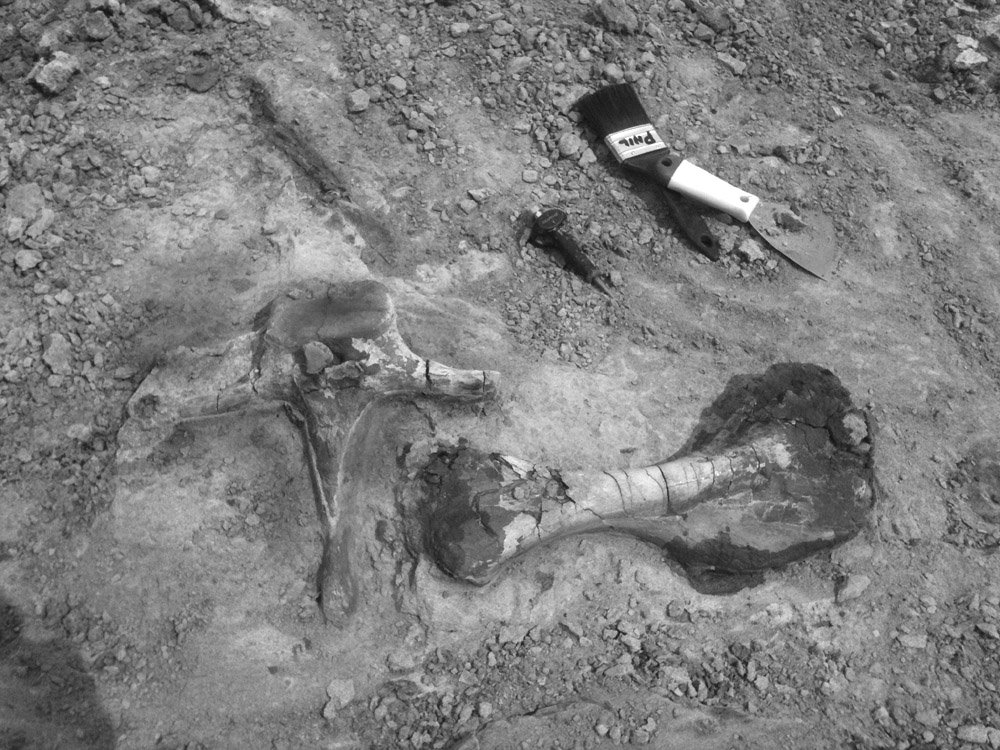
The next time you walk through Chicago, remember that you’re treading on the remnants of lost oceans, vanished forests, and extinct giants. The city’s fossil underworld is a silent witness to eons of transformation, a reminder that our modern world is just the latest chapter in a much bigger story. What other secrets lie buried beneath the Windy City’s streets, waiting to be uncovered?