The Great Barrier Reef is more than a dazzling underwater spectacle; it’s a living, breathing world that stretches for over 2,300 kilometers along Australia’s northeast coast. Just picture it: a vibrant mosaic of corals, teeming with fish, turtles, and mysterious creatures, dancing beneath the waves. Yet, despite its legendary beauty, the Reef is in crisis. In recent years, devastating coral bleaching, pollution, and relentless climate change have pushed this natural wonder to the edge. The question echoing across the globe is both haunting and urgent: can we save the world’s largest reef, or are we witnessing the slow-motion vanishing of an irreplaceable treasure?
A Marvel Unlike Any Other
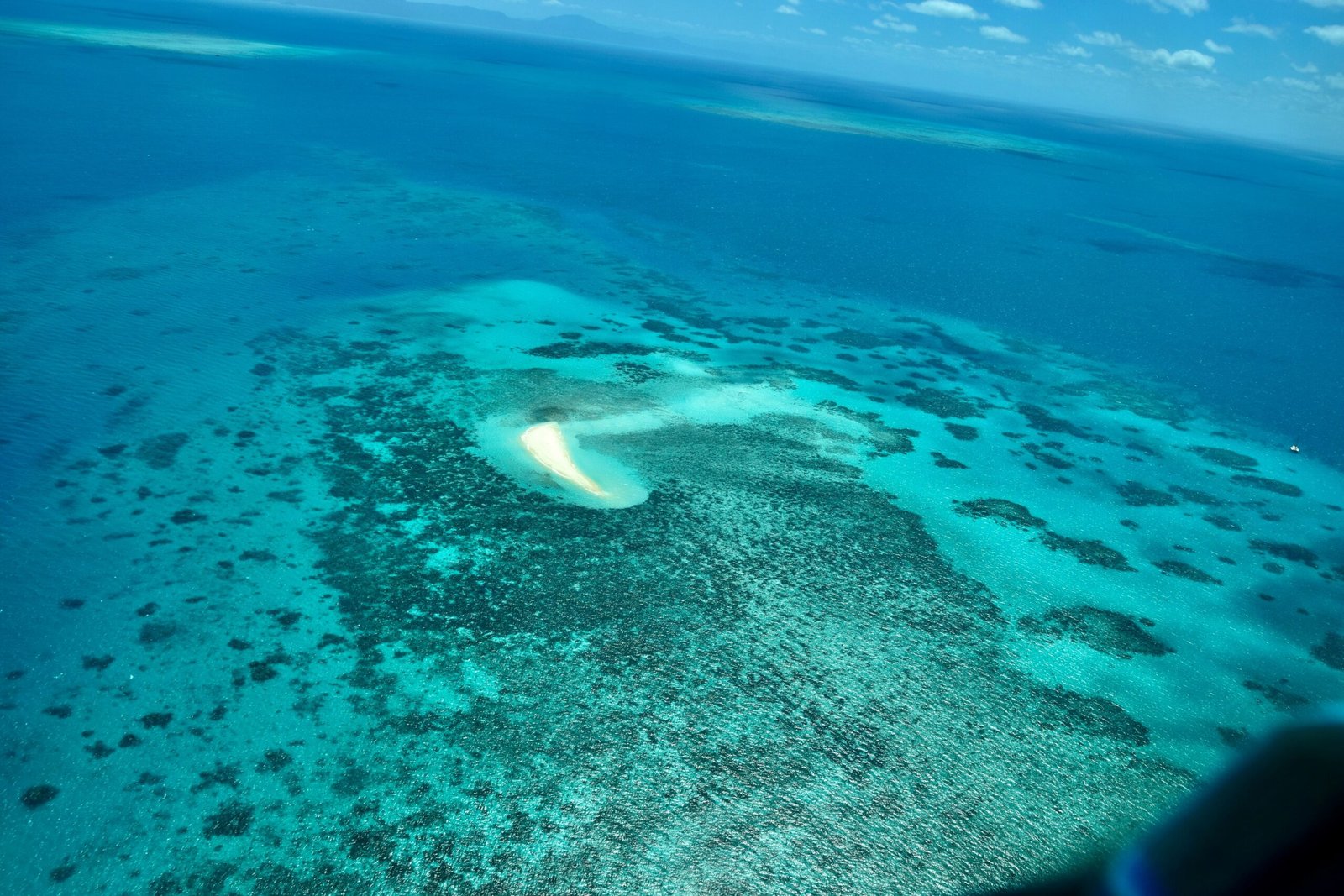
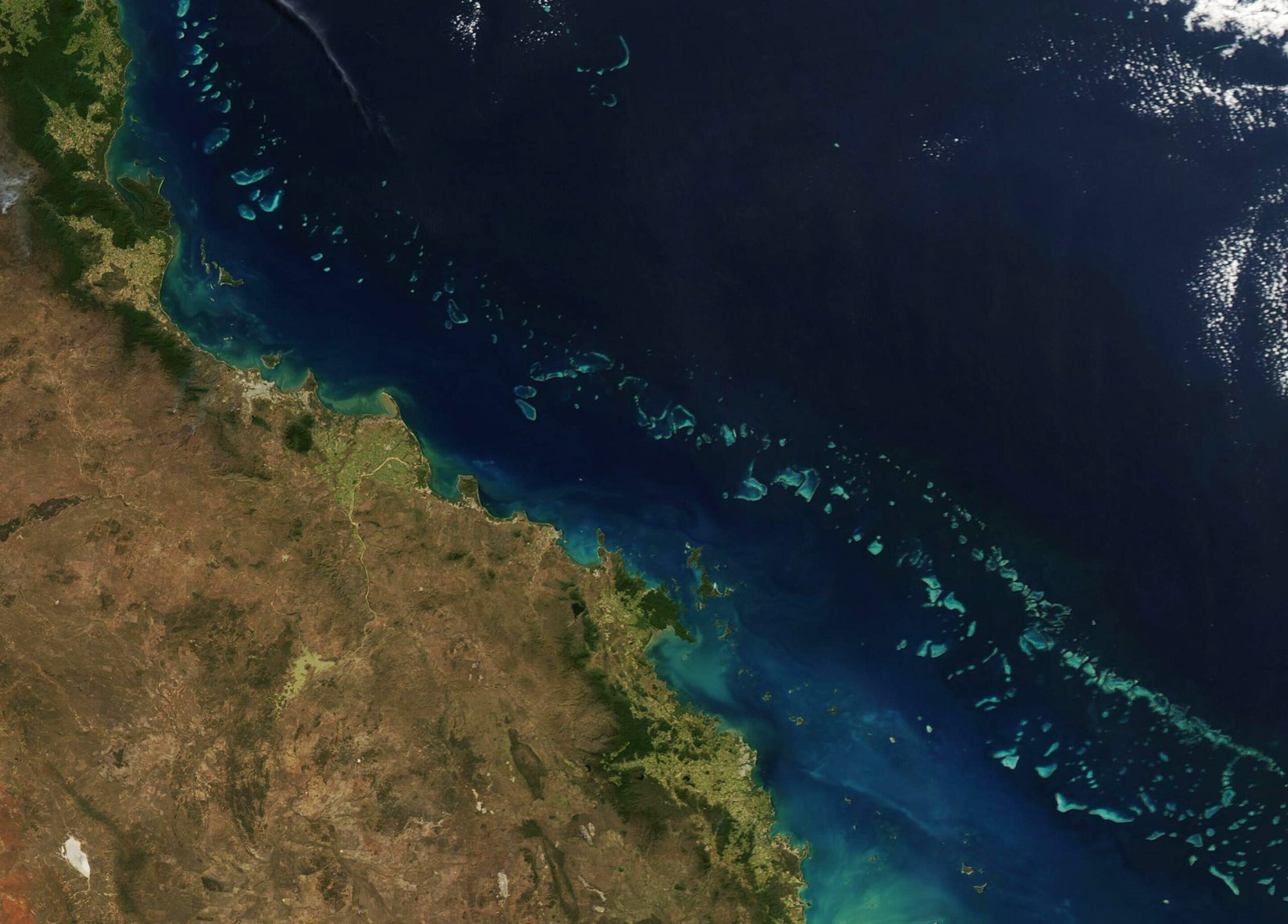
The Great Barrier Reef is nature’s masterpiece, visible even from space. It’s bigger than Italy and is made up of nearly 3,000 individual reefs and 900 islands. This reef isn’t just a pretty face; it’s home to an astonishing variety of life—over 1,500 species of fish, more than 400 types of coral, and countless other marine animals. For millions of years, this ecosystem has thrived, serving as a cradle for marine biodiversity. When you dive beneath its surface, you’re entering a realm where every nook bursts with color and life, a place where sea turtles glide like ancient guardians and tiny clownfish dart among the coral branches.
The Looming Threat of Coral Bleaching
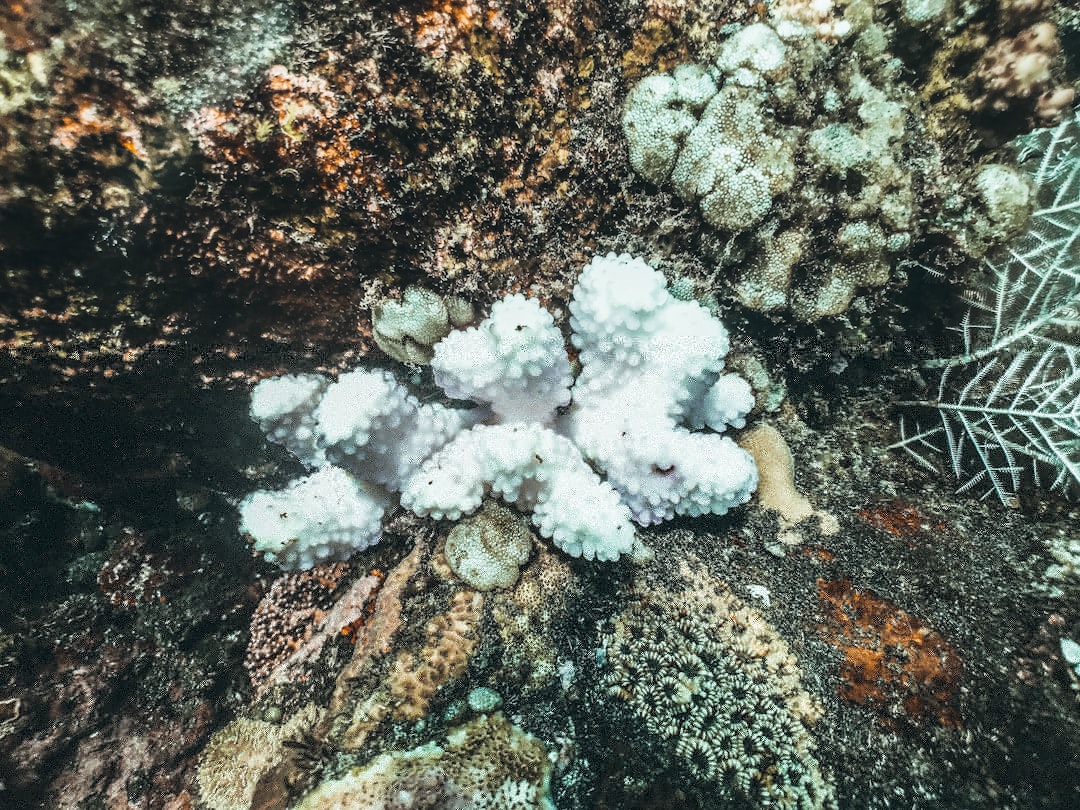
Coral bleaching is one of the most shocking and visible signs of the Reef’s distress. When water temperatures rise, corals expel the colorful algae living in their tissues, turning them ghostly white. These algae are not just for show—they provide corals with food through photosynthesis. Without them, corals slowly starve. In the past decade, the Reef has suffered five mass bleaching events, some of which have wiped out huge swathes of coral. It’s like watching a vibrant forest turn to ash overnight, and the heartbreak is palpable for anyone who has witnessed it.
Climate Change: The Relentless Enemy
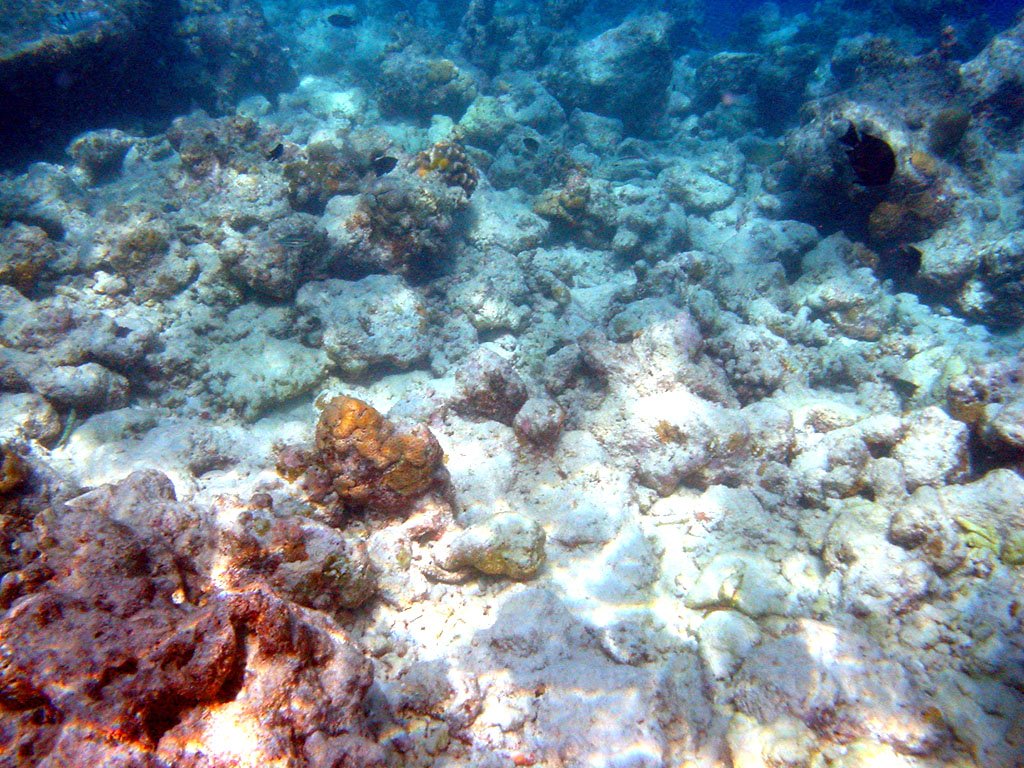
Nothing has battered the Great Barrier Reef more than climate change. As oceans warm, coral reefs everywhere struggle to survive, but the world’s largest reef is especially vulnerable. Higher sea temperatures, acidification of seawater, and more intense storms have all combined into a perfect storm of destruction. Imagine trying to run a marathon while the ground beneath your feet keeps crumbling—that’s how it is for the Reef’s delicate corals. Even a one-degree rise in water temperature can trigger a mass bleaching event, pushing the ecosystem closer to collapse.
Pollution: The Silent Saboteur
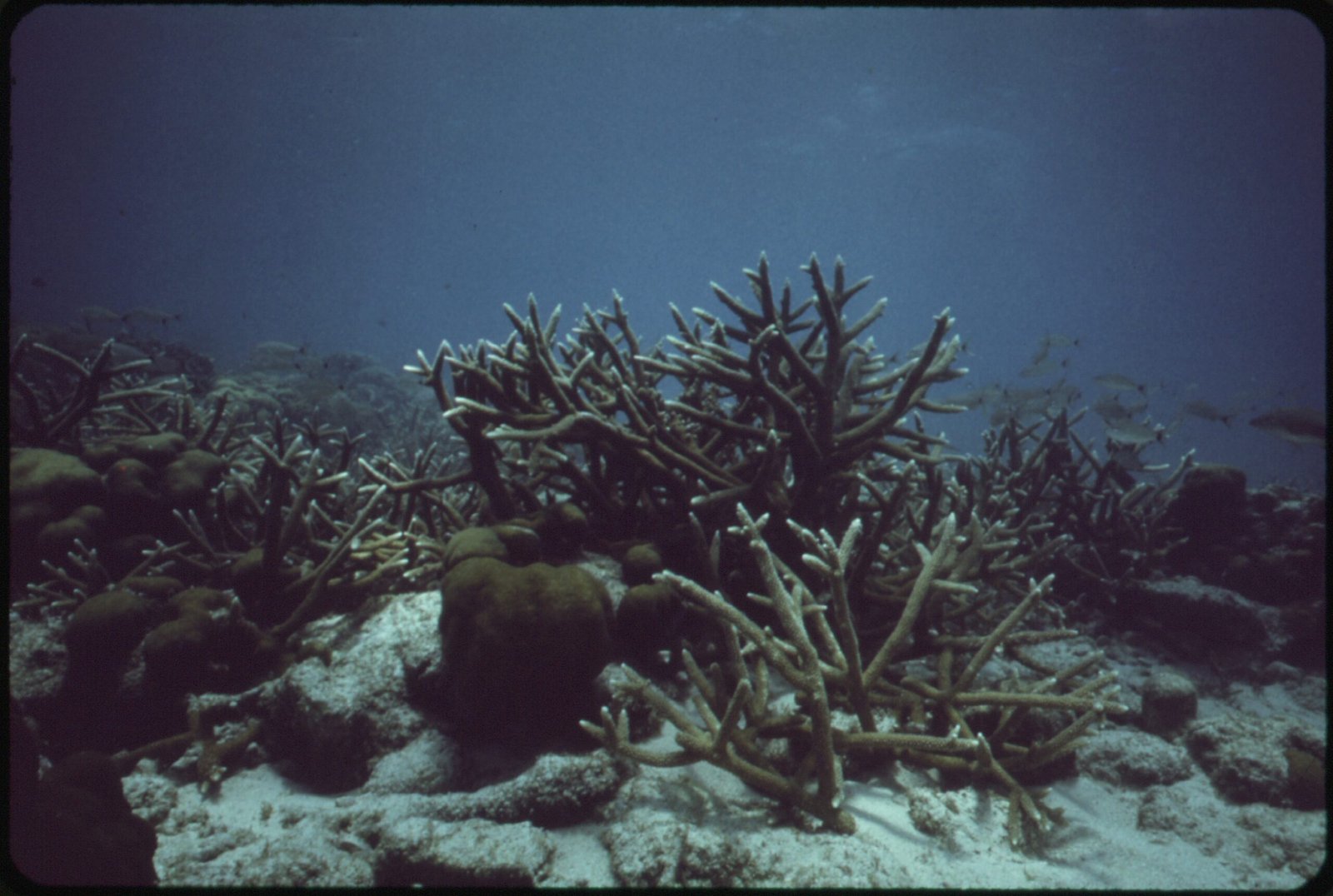
Runoff from farms and cities seeps into the ocean, carrying with it fertilizers, pesticides, and sediments. This pollution settles on the Reef, smothering corals and fueling the growth of harmful algae. Excess nutrients lead to outbreaks of crown-of-thorns starfish, a voracious predator that devours coral tissue. The Reef becomes a battlefield, under constant siege from invisible chemical enemies. For communities along the coast, it’s a painful reminder that what we do on land can have dire consequences for what lies beneath the waves.
Ocean Acidification: A Slow Poison
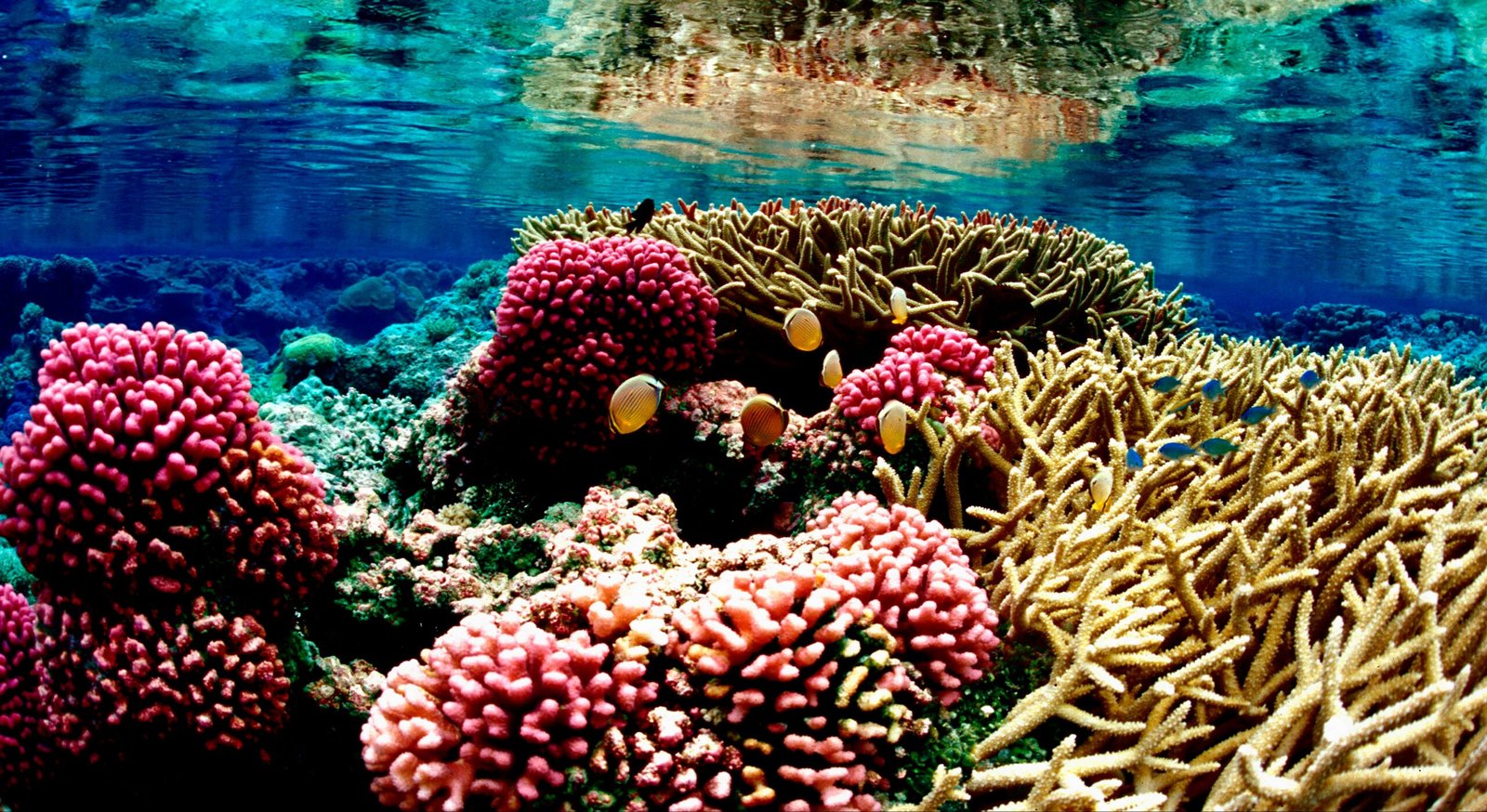
As carbon dioxide levels in the atmosphere rise, the ocean absorbs more of it, making the water slightly more acidic. This may sound harmless, but it’s deadly for corals, which build their skeletons from calcium carbonate. Acidic waters make it harder for corals to grow and repair themselves. It’s like asking a builder to construct a skyscraper with soggy bricks. Over time, the entire reef structure becomes weaker, threatening the survival of species that depend on it.
The Plight of Reef Wildlife
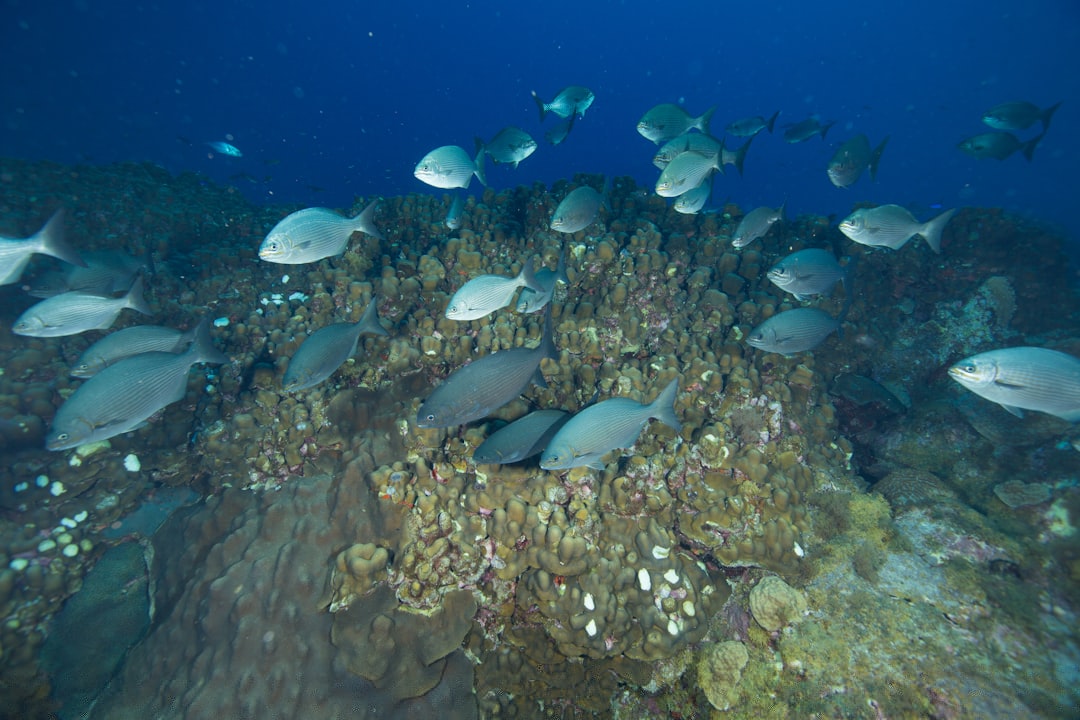
The Great Barrier Reef is a sanctuary for countless animals, many found nowhere else on Earth. Sea turtles lay their eggs on sandy beaches. Giant clams nestle among the corals. Reef sharks patrol the clear waters. But as the reef declines, so do these creatures. Habitat loss, changing food webs, and disease all take their toll. Every lost coral means fewer hiding places, less food, and a shrinking world for the Reef’s inhabitants. It’s a domino effect, and the stakes couldn’t be higher.
Traditional Owners: Guardians of the Reef
For thousands of years, Aboriginal and Torres Strait Islander peoples have cared for the Great Barrier Reef. Their knowledge of its rhythms and creatures is deep, passed down through generations. Today, these Traditional Owners play a crucial role in conservation. They blend ancient wisdom with modern science, helping to monitor reef health and restore damaged areas. Their voices are powerful and vital, reminding the world that the Reef is not just a natural wonder, but a cultural treasure.
Tourism: Blessing or Curse?
Tourism brings billions of dollars to Australia’s economy and introduces people from around the world to the Reef’s wonders. But it’s a double-edged sword. Too many visitors can damage fragile coral, and boats drop anchors where they shouldn’t. However, tourism also fuels conservation efforts, funding education and research. When managed responsibly, it can inspire people to become passionate protectors of the ocean. The challenge is finding the right balance between sharing the Reef and saving it.
Reef Restoration: Science Fights Back
Scientists are racing against time to rescue the Great Barrier Reef. They’re experimenting with “assisted evolution,” breeding corals that can withstand hotter waters. Others are planting new coral fragments, like gardeners replanting a devastated forest. There’s even talk of using giant underwater fans to cool the water around the most sensitive areas. It’s a blend of hope and ingenuity—a testament to human determination to undo the damage we’ve caused. Every tiny success brings a glimmer of hope that the Reef might yet recover.
The Role of Marine Protected Areas
A large portion of the Great Barrier Reef is a marine park, protected by strict regulations. Fishing is limited, and certain zones are off-limits to all but researchers. These protected areas serve as safe havens, where marine life can recover and thrive. Yet, enforcement remains a challenge, and illegal activities still threaten the ecosystem. Expanding these zones and improving management could tip the scales in favor of recovery, giving the Reef a fighting chance.
Citizen Science: Ordinary Heroes
You don’t need a lab coat to help save the Reef. Citizen science projects invite everyday people—snorkelers, divers, even school kids—to collect data on reef health. Armed with waterproof cameras and simple guides, they monitor coral cover, record fish sightings, and report signs of bleaching. Their efforts provide scientists with invaluable information and create a powerful sense of shared responsibility. It’s proof that everyone has a role to play, no matter how small.
Global Warming and International Responsibility
The fate of the Great Barrier Reef isn’t just Australia’s problem. It’s a global crisis, linked directly to carbon emissions from every corner of the planet. International agreements like the Paris Accord are crucial for curbing climate change, but progress is slow and often frustrating. The world must act collectively and urgently. Every ton of carbon dioxide reduced is a small victory for the Reef and every other threatened ecosystem on Earth.
Economic Impacts: More Than Just Coral
The Reef supports over 60,000 jobs and generates billions in revenue through tourism and fishing. If the Reef collapses, the economic fallout will be felt far beyond Queensland. Entire communities depend on its health, from boat operators to local farmers. The financial risks of inaction are staggering, making conservation not only an environmental priority but an economic necessity.
Education and Awareness: Changing Minds
Many people still don’t realize how close the Great Barrier Reef is to disaster. Education campaigns, documentaries, and social media are powerful tools for spreading the word. When people understand the issues, they’re more likely to support change—whether that means reducing plastic use, voting for climate action, or donating to conservation groups. Knowledge is the foundation of hope; it turns apathy into action.
Plastic Pollution: A Tangled Web
Plastic waste has infiltrated even the most remote corners of the Reef. Sea turtles mistake plastic bags for jellyfish, and tiny fragments, known as microplastics, get eaten by fish and corals alike. This pollution weakens animals, disrupts food chains, and adds another layer of stress to an already fragile system. Tackling plastic pollution is essential for giving the Reef a fighting chance, and it starts with rethinking our throwaway culture.
Storms and Cyclones: Nature’s Fury
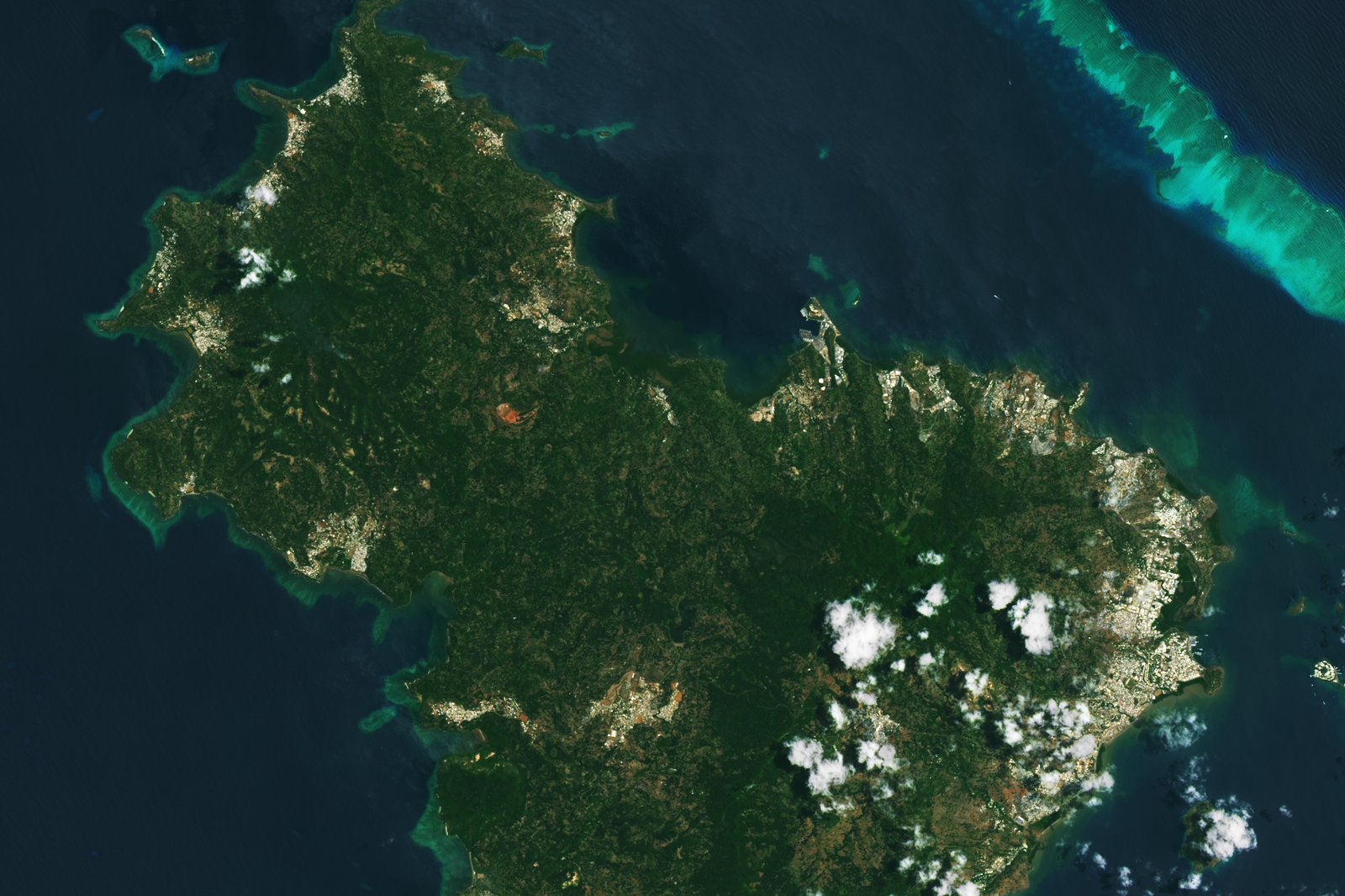
The Great Barrier Reef has always weathered storms, but climate change is making them fiercer and more frequent. Powerful cyclones can rip corals from their foundations and dump massive amounts of freshwater onto the reef, altering its delicate balance. Recovery from these events can take decades, and repeated hits leave scars that may never fully heal. Protecting the Reef means bracing for the worst that nature can throw at it.
The Power of Policy and Leadership

Governments hold enormous power over the Reef’s fate. Strong policies on emissions, land use, and marine management can make or break conservation efforts. Leadership matters—when decision-makers listen to science and act boldly, real progress is possible. Yet, political will can waver in the face of industry pressure or short-term interests. Sustained, courageous action is needed to match the scale of the crisis.
Community Voices: Stories of Hope and Loss
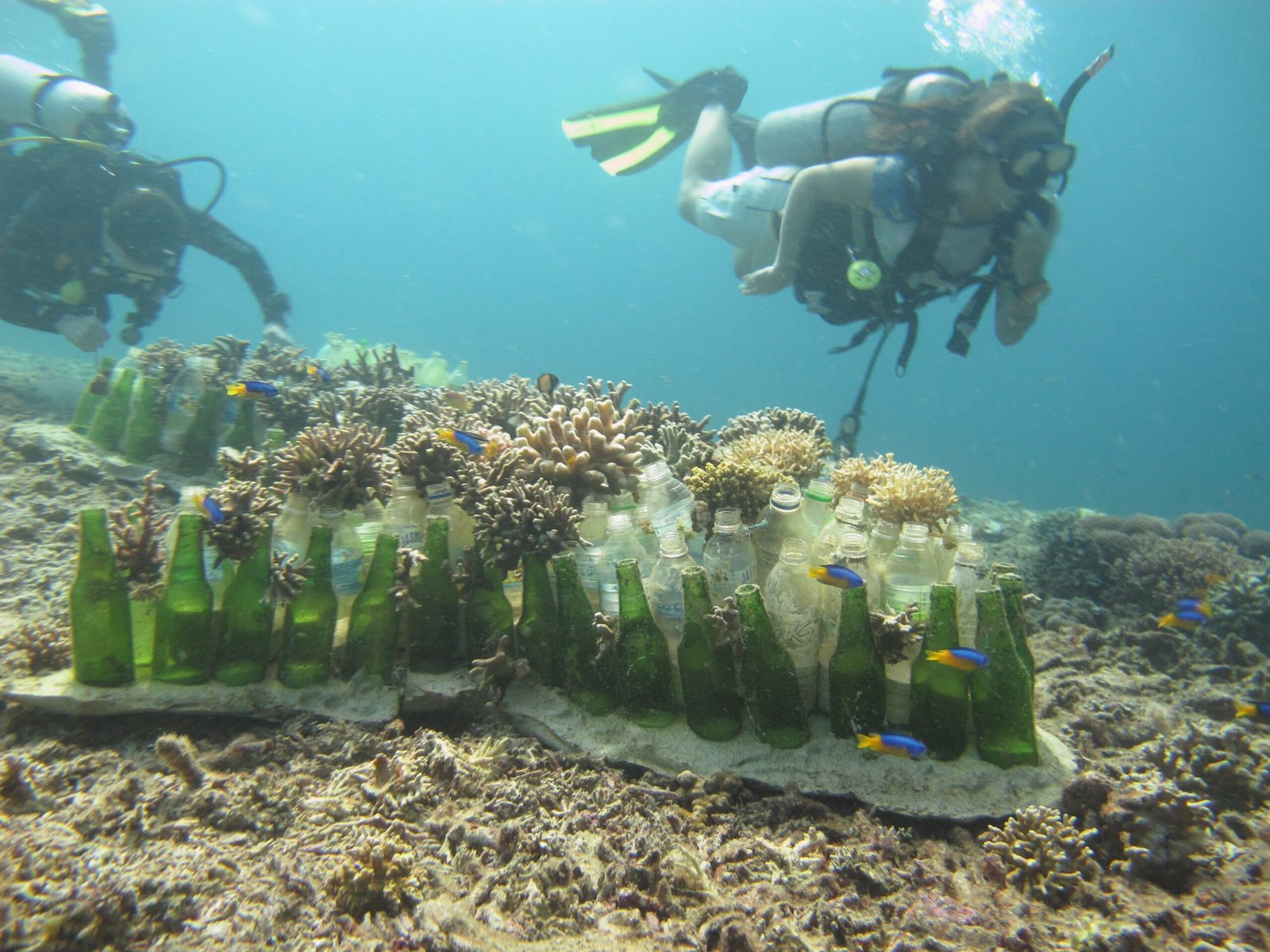
For those who live and work near the Reef, the crisis is not abstract—it’s deeply personal. Fishermen mourn declining catches. Indigenous rangers fight to protect sacred sites. Researchers describe the heartbreak of seeing once-thriving reefs fade to pale skeletons. Yet, amid the loss, there are stories of hope: coral gardens that bounce back, local groups rallying to clean up beaches, and children dreaming of a future where the Reef still shines. These voices remind us that saving the Reef is about saving a way of life.
What Lies Ahead?
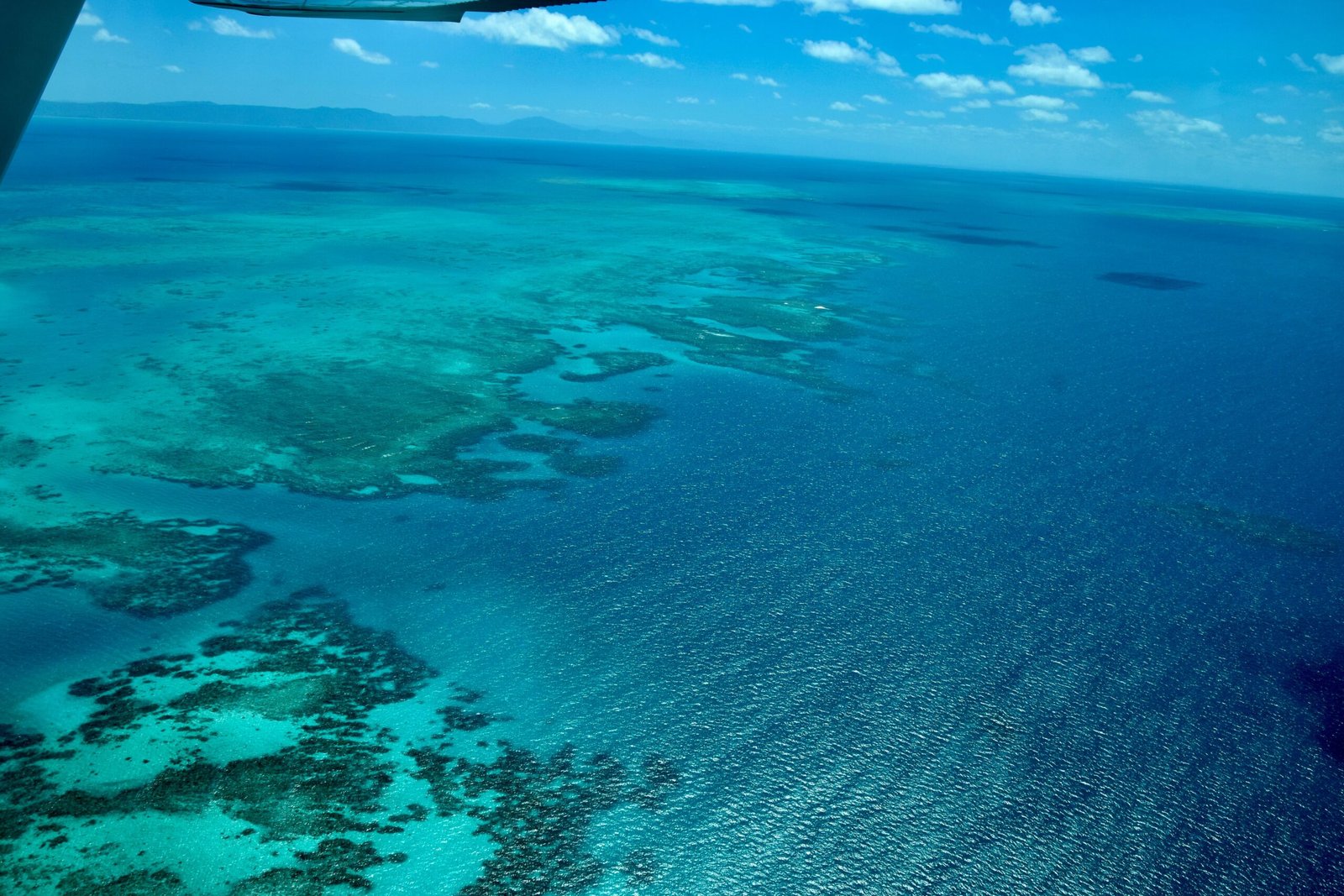
The Great Barrier Reef stands at a crossroads. Its survival hangs in the balance, a test of humanity’s willingness to protect what is precious. The choices we make now—reducing emissions, restoring habitats, supporting science, and listening to those who know the Reef best—will shape its fate for generations. The world is watching. Will we rise to the challenge and preserve this wonder, or will we let it slip away forever?