Imagine a creature so tough it can crush bones with its jaws, yet so vulnerable that a single bite might spell its doom. Meet the Tasmanian devil, a pint-sized powerhouse with a scream to match its name. But this fierce animal faces a terrifying threat: a contagious cancer that doesn’t just kill individuals, but threatens to erase the species from the wild. It’s a battle of biology, tooth and claw, against a disease unlike any other found in nature. The story of the Tasmanian devil’s fight isn’t just about survival—it’s about resilience, evolution, and the unexpected power of genetics to offer hope when the odds seem impossible.
The Unlikely Villain: Devil Facial Tumor Disease
In the wilds of Tasmania, a silent killer has emerged that’s as strange as it is deadly. Devil Facial Tumor Disease, or DFTD, isn’t your typical cancer. It spreads not within an individual, but from one devil to another, passed along through the violent bites these animals exchange during fights and feeding. Imagine if cancer worked like the common cold—one encounter, and it could be yours. That’s the nightmare the Tasmanian devil faces. Tumors quickly grow around the mouth and face, making it impossible for the animal to eat, and most die within months. The devastation has been swift and shocking, wiping out up to 80% of the wild population in some areas.
What Makes This Cancer Contagious?
Most cancers are a personal battle, cells gone rogue within one body. But DFTD is a bizarre exception. The disease is actually a line of cancer cells that originated in one devil decades ago and have been jumping from devil to devil ever since. It’s like a zombie cell line, living on by infecting new hosts. This happens because Tasmanian devils have unusually similar genetic makeup, especially in genes that help the immune system recognize invaders. When the cancer cells are transplanted via bites, the devil’s body doesn’t recognize them as foreign, so it doesn’t fight back. It’s a deadly loophole that has let the cancer sweep across Tasmania almost unchecked.
A Species on the Brink
The numbers are chilling. Before DFTD appeared in the 1990s, there were tens of thousands of Tasmanian devils living across the island. Now, in many places, they’re almost gone. Some scientists feared the species was doomed, destined for extinction within a few decades. The impact has rippled through the ecosystem. Tasmanian devils are scavengers, cleaning up carcasses and keeping diseases in check; without them, the balance begins to unravel. The sense of urgency among conservationists is palpable—every devil matters, and every year counts.
Biting: Both a Blessing and a Curse
Tasmanian devils are famously feisty. Their nightly brawls and bone-shaking bites aren’t just for show—they’re part of their survival toolkit. But these behaviors have become a double-edged sword. Fighting spreads DFTD from animal to animal, turning their most iconic trait into their greatest weakness. Yet, these same biting rituals are also a reason why scientists have been able to track the disease’s spread so precisely. Each bite is a clue in the puzzle of how DFTD moves through devil populations, and understanding these patterns is crucial for designing interventions.
The Search for Natural Resistance
For years, the outlook was grim. But then, something remarkable started to happen. A few devils seemed to survive DFTD, living longer or even shrinking their tumors. Researchers began looking for answers in the animals’ genes. They discovered that certain devils had tiny genetic differences that helped their immune systems recognize and attack the cancer. It was as if evolution itself was fighting back—a glimmer of hope that the species might not be as helpless as once feared.
Genetic Diversity: A New Kind of Arsenal
The Tasmanian devil’s genetic sameness was once a curse, letting the cancer slip past their defenses. Now, scientists are working to change that. By carefully breeding devils with the rare genes linked to resistance, conservationists hope to build a new generation better equipped to survive DFTD. It’s a race against time and disease, but every resistant devil born is a small victory. The effort is like weaving a safety net, thread by precious genetic thread, beneath a species teetering on the edge.
The Role of the Major Histocompatibility Complex
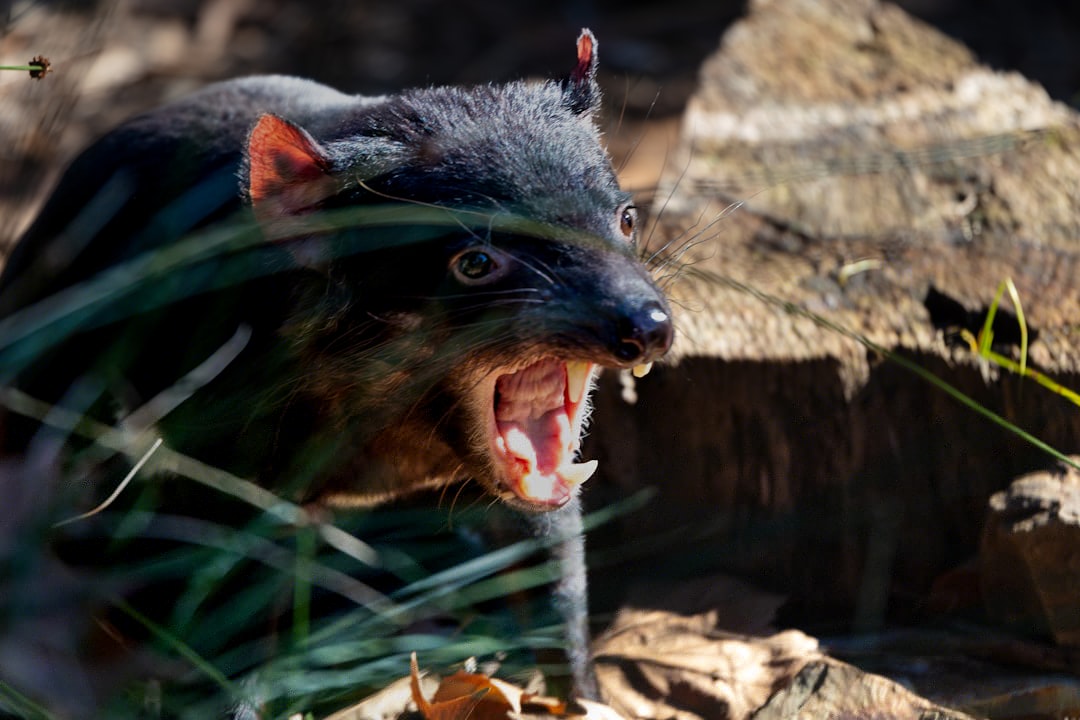
One of the most important genetic battlegrounds lies in the Major Histocompatibility Complex, or MHC, a set of genes that tell the immune system what’s friend and what’s foe. In Tasmanian devils, low diversity in these genes made it easy for DFTD to hide. But recent research has found devils with more varied MHC genes, and those individuals are more likely to fight off the cancer. Scientists are now focusing on these genetic heroes, hoping their immune systems hold the key to the species’ future.
Captive Breeding: An Ark for the Devils
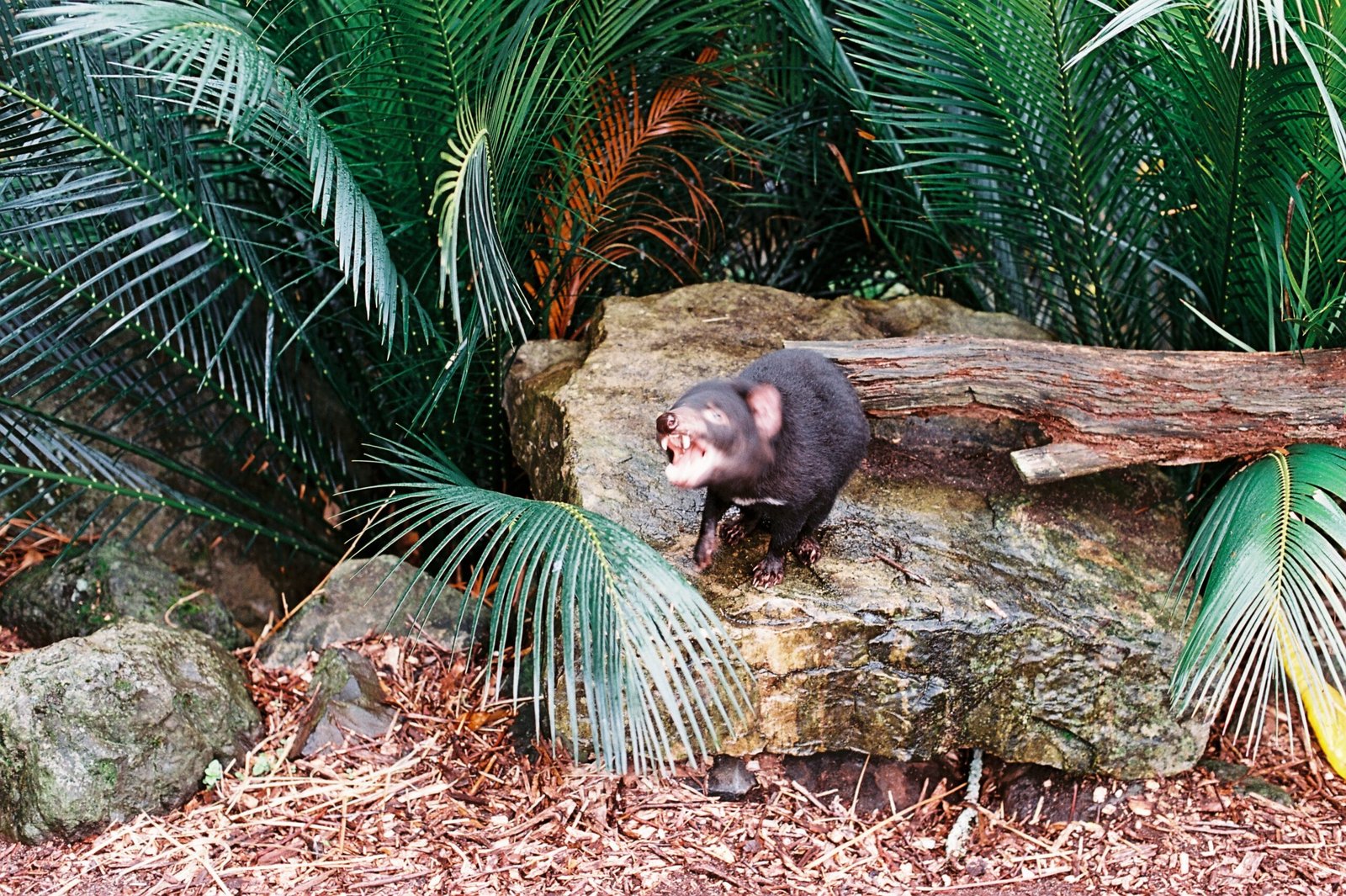
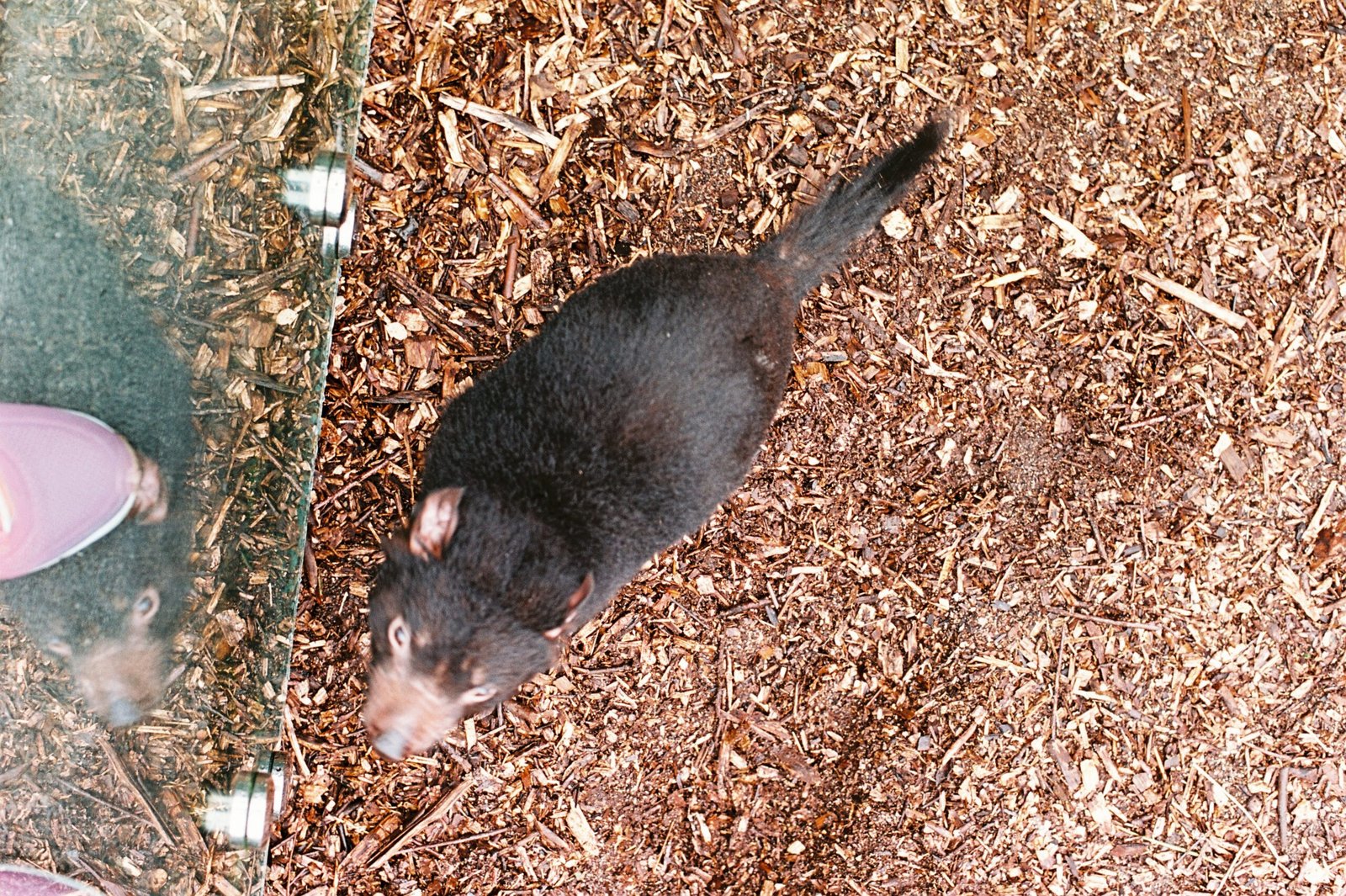
With wild populations plummeting, zoos and wildlife sanctuaries have become arks for the Tasmanian devil. These breeding programs aren’t just about keeping devils alive—they’re about safeguarding their genetic diversity. By mixing individuals from different regions and tracking family trees, conservationists are creating lineages with the greatest chance of resisting DFTD. Some devils from these programs have already been released back into the wild, their fates watched with hopeful eyes.
Vaccine Hopes and Scientific Breakthroughs
What if the devils could be vaccinated against DFTD? That’s the question driving some of the most ambitious research in Tasmania today. Scientists are working to develop vaccines that “teach” the devil’s immune system to recognize and attack the cancer cells. The challenge is immense—the tumor cells are devil cells, after all, just with the wrong intentions. Yet, some early trials have shown promise, sparking cautious optimism that a medical breakthrough could tip the scales.
Survivors and Super-Devils
Not all devils succumb to DFTD. Some, dubbed “super-devils,” have survived even after developing tumors, hinting at natural resistance. These survivors are living proof that evolution is at work in real time. Their stories offer hope and crucial clues for researchers, who are now studying their DNA and immune responses to unlock the secrets of their resilience. It’s a reminder that nature is always full of surprises, even in the darkest moments.
The Second Cancer: DFT2 Emerges
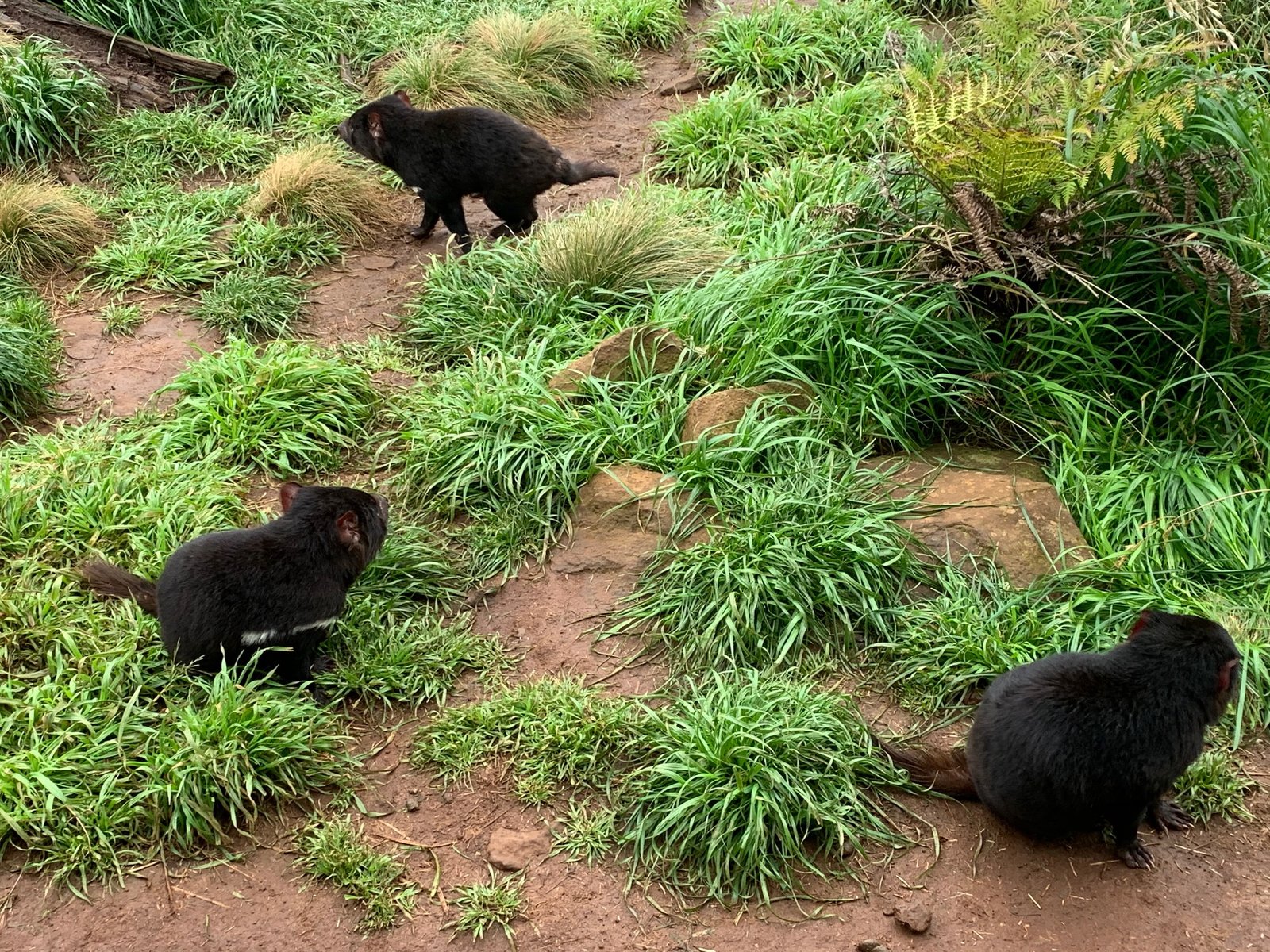
As if one contagious cancer wasn’t enough, a second, genetically distinct facial tumor disease—DFT2—was discovered in 2014. This new threat shows that the devil’s battle is far from over. DFT2 spreads in much the same way as the original DFTD, but its genetic differences mean it could require new strategies to fight. The emergence of DFT2 has redoubled efforts to monitor devil populations and diversify their genetics, since complacency is not an option.
The Power of Genomics in Conservation
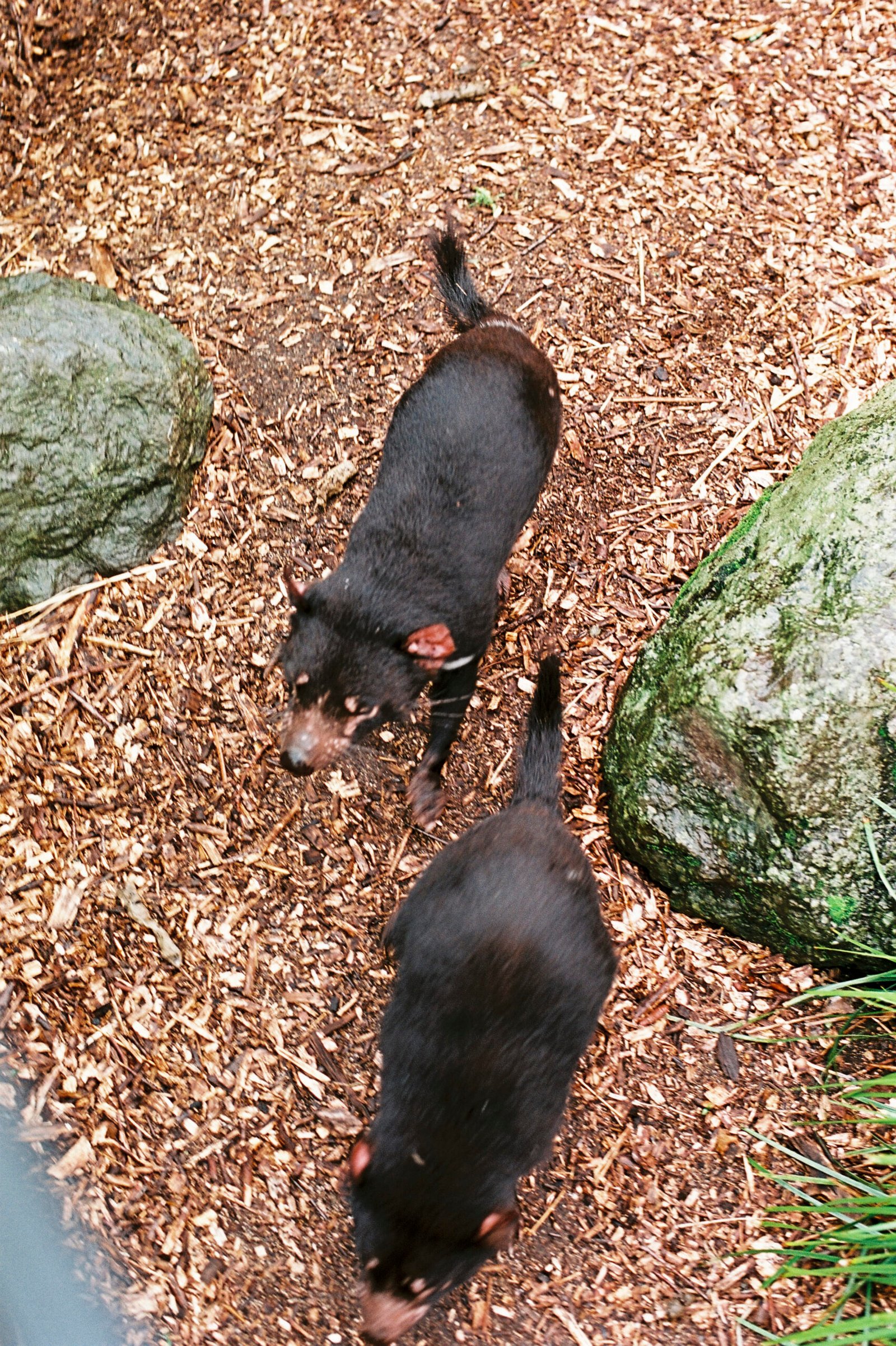
Modern genomics is transforming how we understand and protect endangered species. For the Tasmanian devil, sequencing the genome of individuals has revealed hidden patterns of resistance, vulnerability, and ancestry. This genetic roadmap is helping scientists make smarter decisions about which animals to breed, where to reintroduce them, and how to respond to new outbreaks. It’s a marriage of high-tech science and old-fashioned fieldwork, each making the other stronger.
Field Research: Tracking the Invisible Enemy
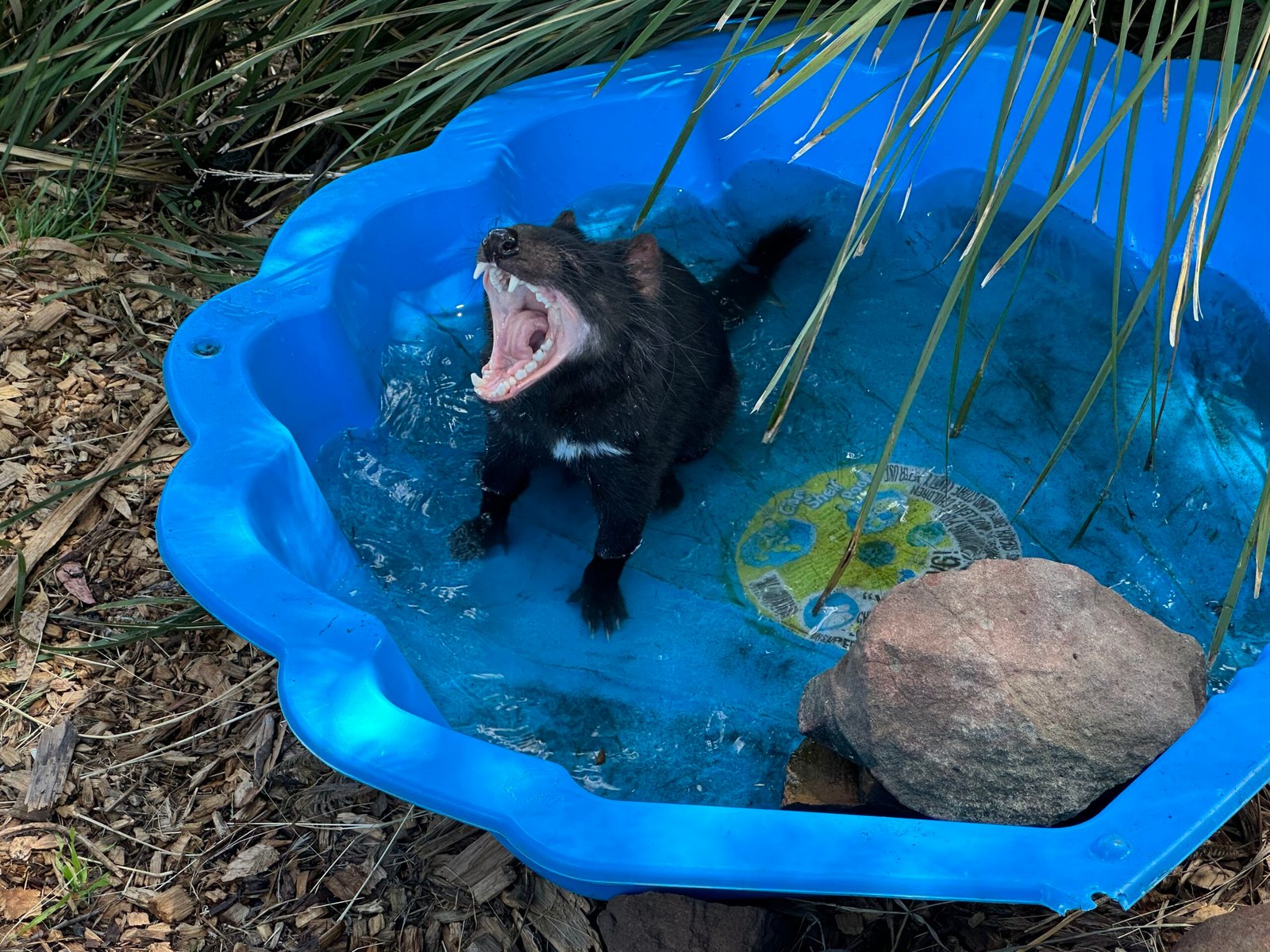
Saving the Tasmanian devil isn’t just a laboratory challenge—it’s a field adventure. Researchers spend long nights setting traps, collecting tissue samples, and fitting devils with radio collars. Every capture and release adds a data point to the sprawling map of DFTD’s spread. These boots-on-the-ground efforts are vital for spotting new outbreaks, tracking survivors, and understanding the real-world challenges devils face every night.
Ecological Ripple Effects
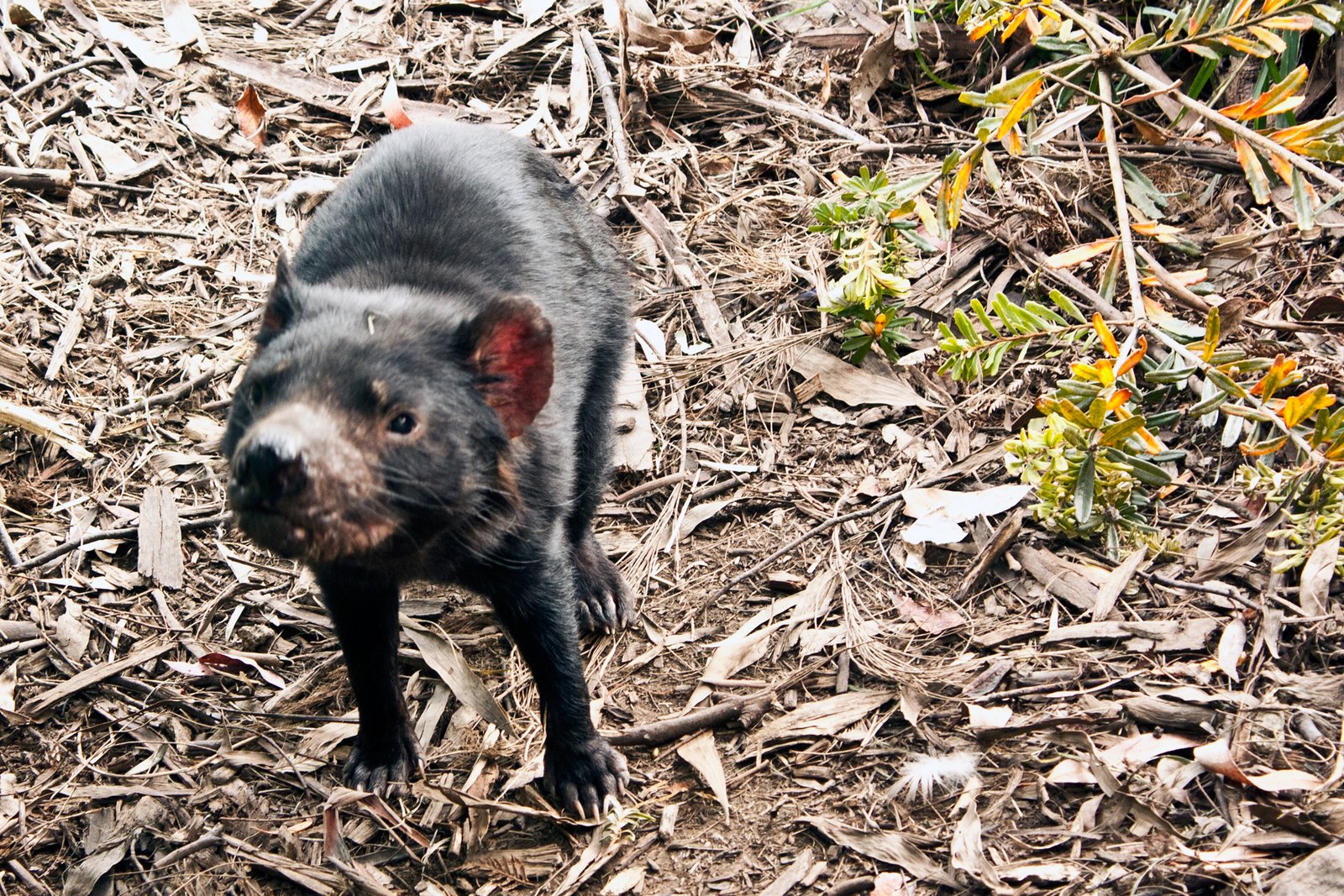
When a species like the Tasmanian devil declines, the effects ripple outward. Without their scavenging, carcasses linger, attracting feral cats and foxes that threaten other native species. Disease can spread more easily. The whole ecosystem shifts, sometimes in ways nobody expected. By saving the devil, conservationists aren’t just protecting a single species—they’re helping to keep Tasmania’s wild places healthy and balanced.
Community Involvement: People Power
Local communities in Tasmania have become partners in the fight. Residents report sightings, support road safety measures, and sometimes even care for injured devils. Awareness campaigns and educational programs turn concern into action, making the devil’s struggle a shared story. It’s proof that conservation isn’t just about science—it’s about people, passion, and pride in the natural world.
Lessons for Global Conservation
The Tasmanian devil’s plight offers lessons for endangered species everywhere. It shows the danger of low genetic diversity, the unpredictability of new diseases, and the power of rapid scientific response. More broadly, it’s a warning about the risks wild animals face in a rapidly changing world. But it’s also a story of hope, showing that with creativity, collaboration, and determination, even the most unlikely battles can yield victories.
Personal Encounters: Devils Up Close
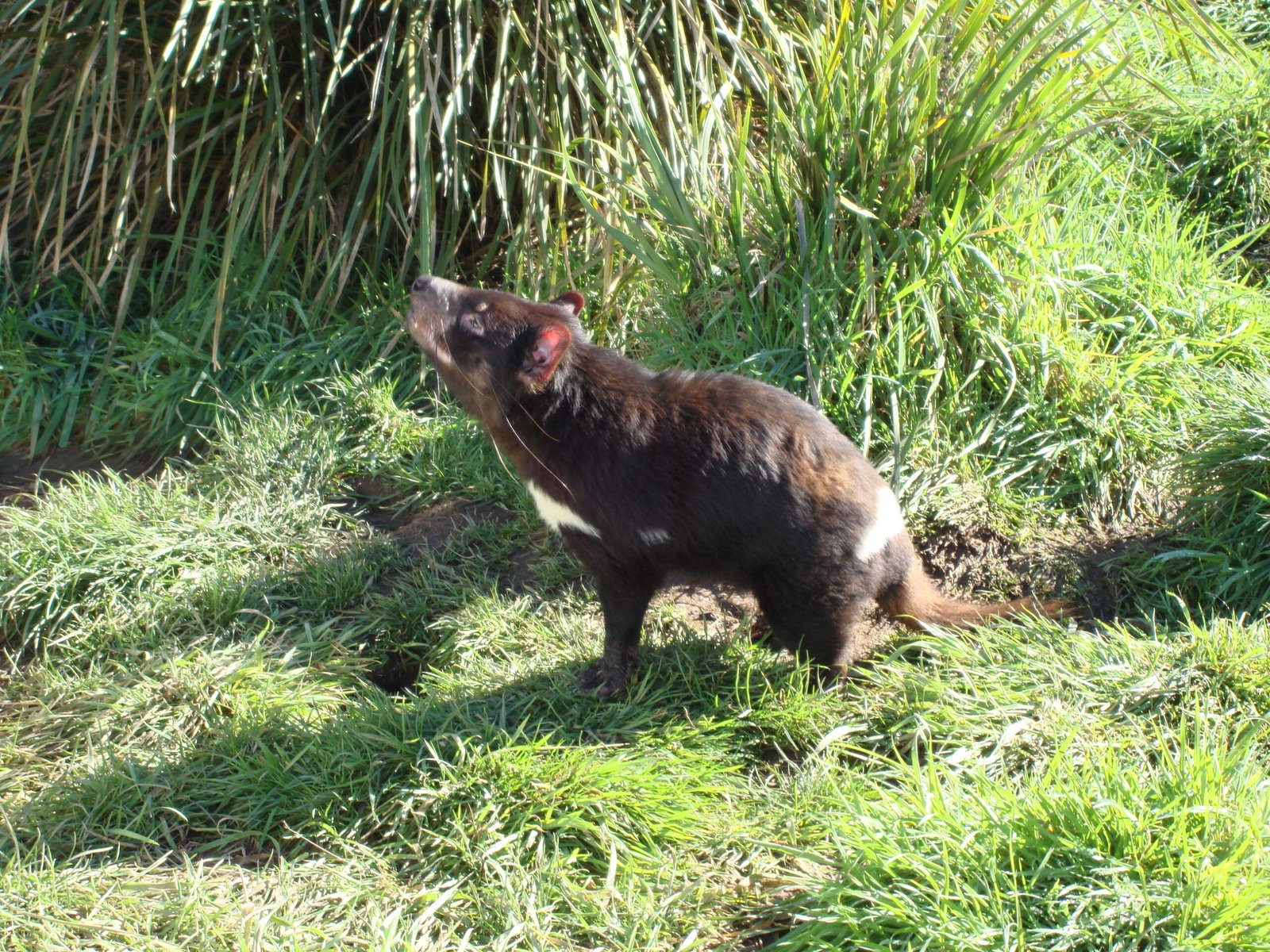
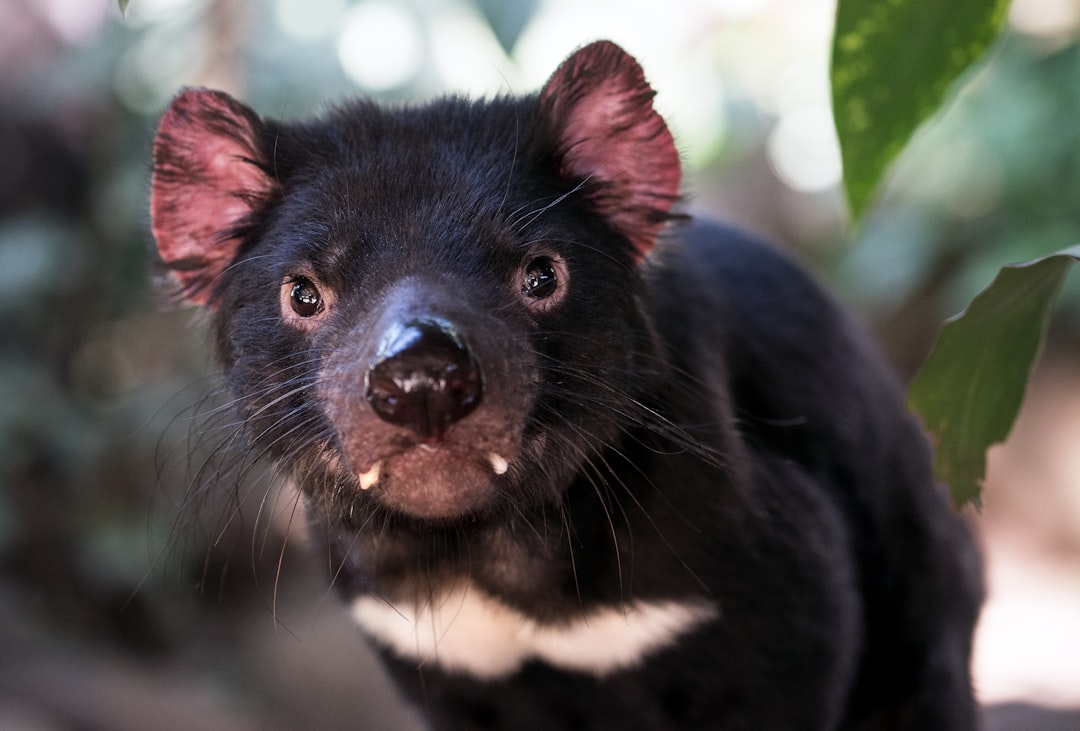
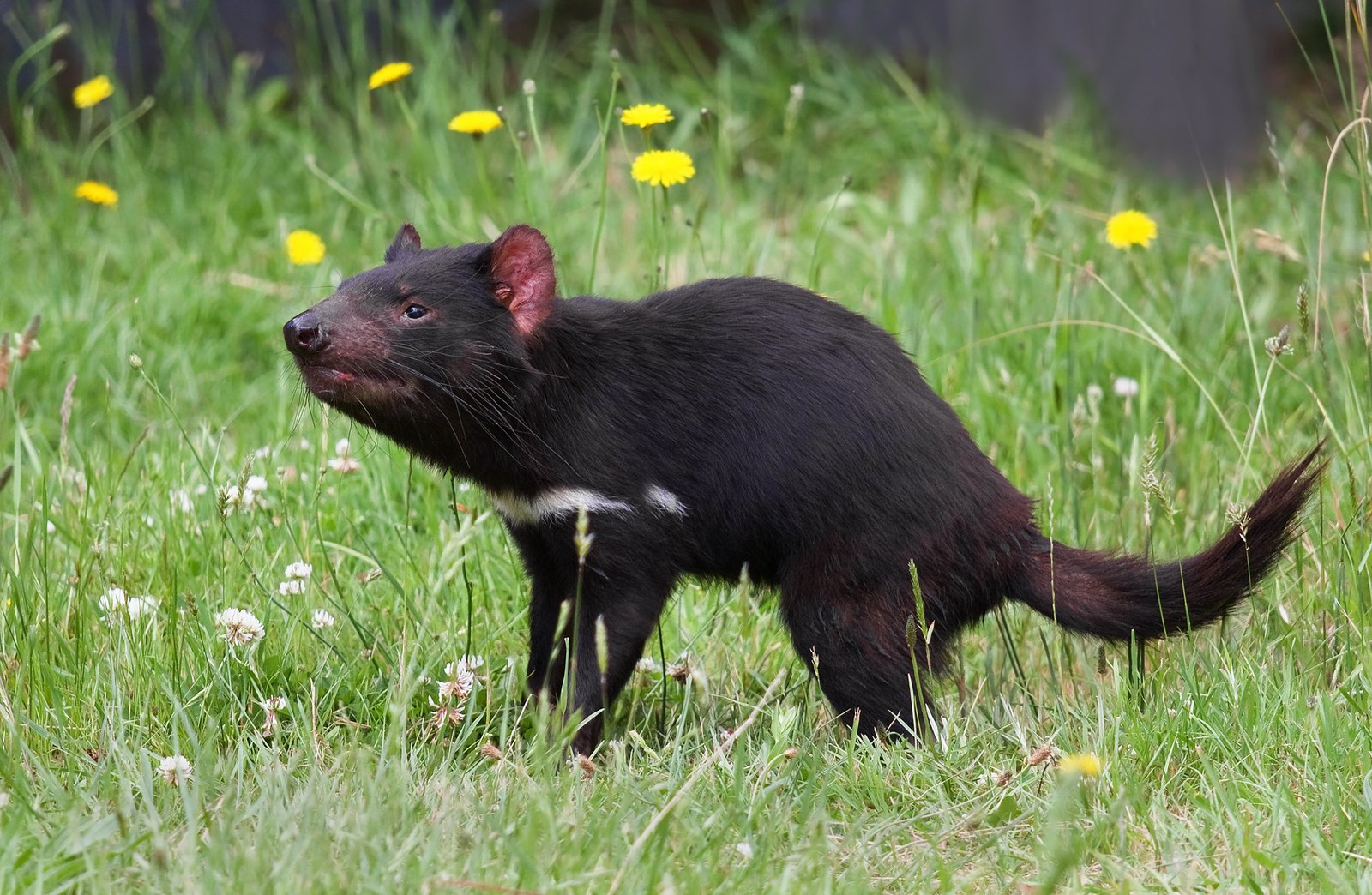
Seeing a Tasmanian devil in the wild is unforgettable. Their black fur, white chest blaze, and intense eyes leave a lasting impression. For many, witnessing these animals fight, play, or simply sniff the air brings home the urgency of their struggle. It’s easy to root for them—scrappy, loud, and unmistakably alive. Personal stories from researchers and locals alike add a human dimension to the scientific facts, reminding us why this fight matters.
The Future: A Delicate Balance
The battle for the Tasmanian devil’s survival is far from over. With two contagious cancers in play and new challenges always on the horizon, the road ahead is uncertain. Yet, each new discovery, each resilient devil, and each act of support adds up. The goal isn’t just to save a species, but to let evolution, science, and community work together for a future where devils thrive. The question that lingers: Will we do enough, soon enough, to give them that chance?