Imagine giving everything you’ve got for love—so much that it costs your life. In the strange and secretive world of the octopus, this isn’t just a poetic idea. For many male octopuses, the act of mating triggers a bizarre and gruesome countdown to death. It’s one of nature’s most shocking sacrifices, where passion and peril are forever entwined. The story of these animals is filled with mystery, heartbreak, and a kind of dark beauty that’s hard to look away from. If you think you know how life and death work in the animal kingdom, prepare to have your mind blown by what actually happens to male octopuses after they mate.
The Bizarre Life Cycle of the Octopus
Octopuses live fast and die young, and their entire existence is shaped by a single, dramatic moment: reproduction. Most octopus species have surprisingly short lifespans, sometimes only a few years, and every stage of their life is built around a rapid, intensive journey from birth to death. From the moment they hatch as tiny, floating larvae, octopuses are on a mission to grow, survive, and—above all—reproduce. The urgency is palpable in their every move, as if a hidden clock is always ticking. This breakneck pace makes their final act all the more intense and unforgettable.
First Signs of Adulthood: A Race Against Time
As young octopuses grow, their bodies undergo remarkable transformations. They develop powerful arms, keen eyesight, and the intelligence for which octopuses are famous. But with adulthood comes an invisible shift: their bodies begin preparing for reproduction almost immediately. Hormones surge, behaviors change, and everything from their skin color to their appetite seems to revolve around the approaching moment of mating. For male octopuses, this phase is especially urgent—there is no second chance. Time is running out, and every instinct drives them toward their final purpose.
The Search for a Mate: A Perilous Quest
Finding a mate is no easy task in the vastness of the ocean. Male octopuses must leave their hiding spots and venture into dangerous, open waters, risking predation and exhaustion. Some species travel extraordinary distances, guided by chemical signals and an irresistible biological urge. Along the way, they face rivals, predators, and the constant threat of starvation. It’s a lonely and desperate journey, filled with moments of incredible vulnerability. Imagine being drawn to your destiny, knowing it will also be your doom—this is the reality for these remarkable creatures.
The Mating Ritual: A Moment of Risk and Mystery
When a male octopus finally encounters a receptive female, the stakes couldn’t be higher. Mating is a delicate and risky dance, as females are often much larger and can be aggressive—even cannibalistic. The male must approach carefully, using a specialized arm called a hectocotylus to deliver his sperm. This process can last from minutes to hours, and sometimes the female attacks and kills the male mid-act. Yet the drive to mate is so overwhelming that males will risk everything, even in the face of such obvious danger. It’s an act of blind courage or fatalistic instinct—maybe both.
Post-Mating: The Beginning of the End
After mating, the male octopus doesn’t simply swim away to enjoy the rest of his days. Instead, something deeply disturbing begins inside his body. Hormonal changes triggered by mating start a process of rapid decline. His body shifts from one of the most capable predators in the sea to a shell of its former self. He loses interest in food, his movements become sluggish, and he withdraws from his usual hiding places. It’s as if a self-destruct button has been pressed, and there’s no going back.
The Horrifying Process of Self-Destruction

What follows is nothing short of gruesome. Scientists call it “senescence,” a rapid, programmed deterioration of the body. The male octopus’s tissues begin to break down. Lesions form on his skin, his eyes become cloudy, and his muscles waste away. He may start to act disoriented, swimming in circles or bumping into objects. In some species, the octopus even begins to cannibalize his own arms, gnawing at himself in a confused, pitiful state. The process is relentless and inescapable—a biological horror story playing out in real life.
Why Evolution Chose This Path
It’s hard not to wonder why evolution would craft such a brutal fate for these animals. The answer lies in their unique biology. Octopuses have no parental care after mating; the male’s job is done once he’s passed on his genes. By dying quickly, he reduces competition for his offspring and decreases the risk of spreading disease to future generations. It’s a harsh but effective strategy, ensuring that the next wave of octopuses has the best possible chance at survival. In the grand design of nature, individual sacrifice often serves the greater good.
The Role of the Optic Gland: Nature’s Grim Trigger
At the heart of this deadly process is a tiny but powerful structure called the optic gland. This gland, located near the brain, acts like a master control switch for aging and death in octopuses. After mating, it releases a cocktail of hormones that set off the cascade of senescence. Recent studies have even shown that removing the optic gland can halt or delay the destructive process, giving octopuses a reprieve from their fate. It’s as if nature itself has programmed them for a tragic, dramatic exit.
Comparisons With Other Animal Deaths After Mating

Octopuses aren’t alone in their fate—other animals also die after reproduction, but few do so in such an extreme fashion. Some insects, like male praying mantises or certain spiders, are eaten by females during or after mating. Salmon die after spawning, their bodies literally falling apart as they fulfill their life’s purpose. Yet the octopus’s death stands apart for its gruesome, drawn-out nature. There’s something especially haunting about an intelligent, sensitive animal unraveling so completely in the final days of its life.
Emotional Intelligence Amid the Tragedy

Octopuses are known for their intelligence, problem-solving skills, and even playful behavior. Watching such a vibrant creature fade so quickly after mating is both heartbreaking and awe-inspiring. They’ve been observed displaying curiosity, using tools, and even showing what some interpret as distinct personalities. This makes their post-mating decline all the more tragic—a reminder that even the brightest flames can burn out in the blink of an eye. For those who study or care for octopuses, witnessing this decline is a deeply emotional experience.
Female Octopuses: A Parallel Sacrifice
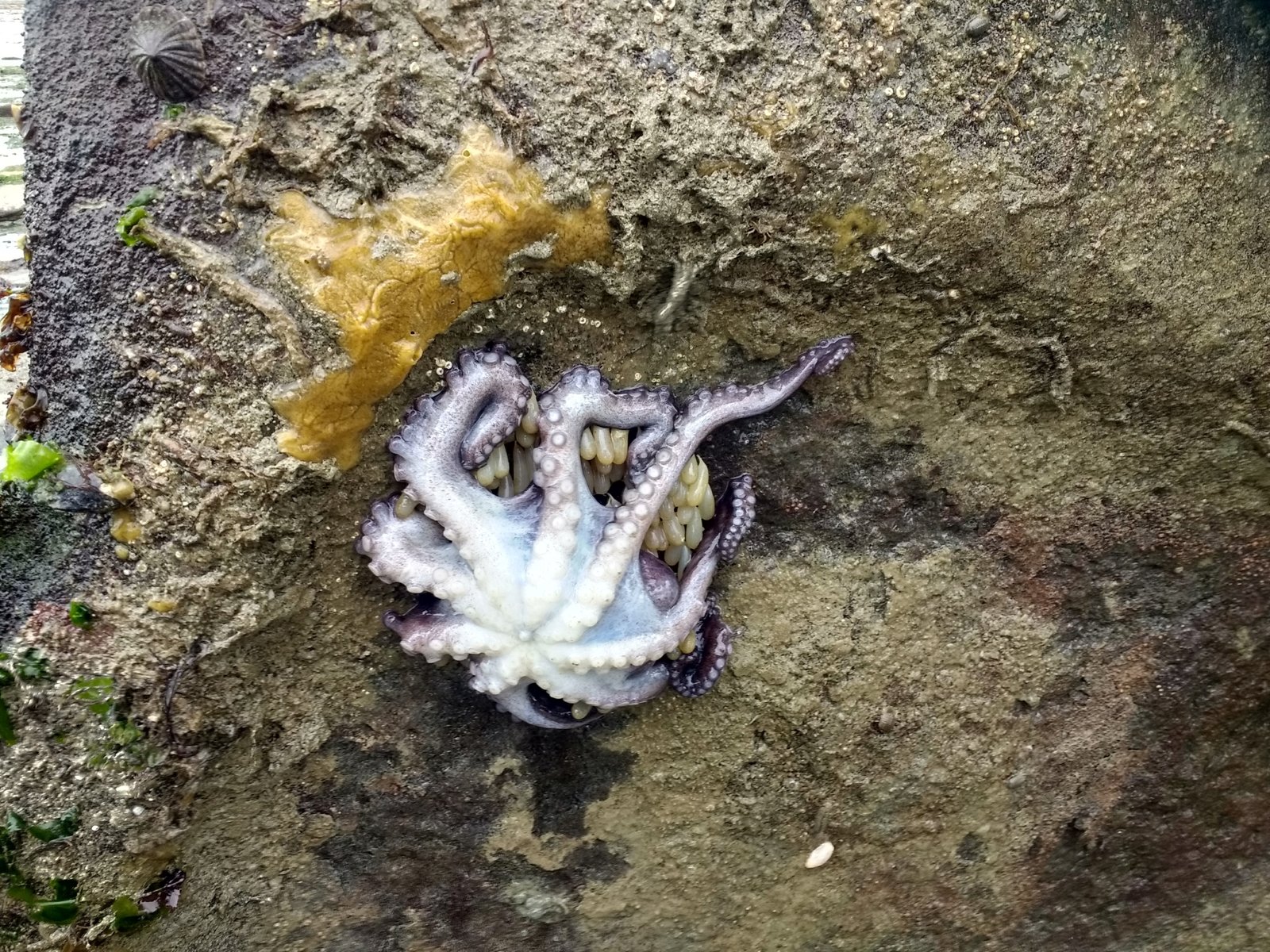
Interestingly, female octopuses also face a grim fate after reproduction, though their path differs slightly. After laying thousands of eggs, the female dedicates herself to guarding and caring for them, refusing to eat and slowly wasting away. Once the eggs hatch, she, too, succumbs to senescence. The entire life cycle is a testament to ultimate self-sacrifice—both parents give everything so their offspring might have a chance. It’s a haunting echo of the male’s fate, linking both in a single, tragic story.
Species Variations: Not All Octopuses Die the Same Way
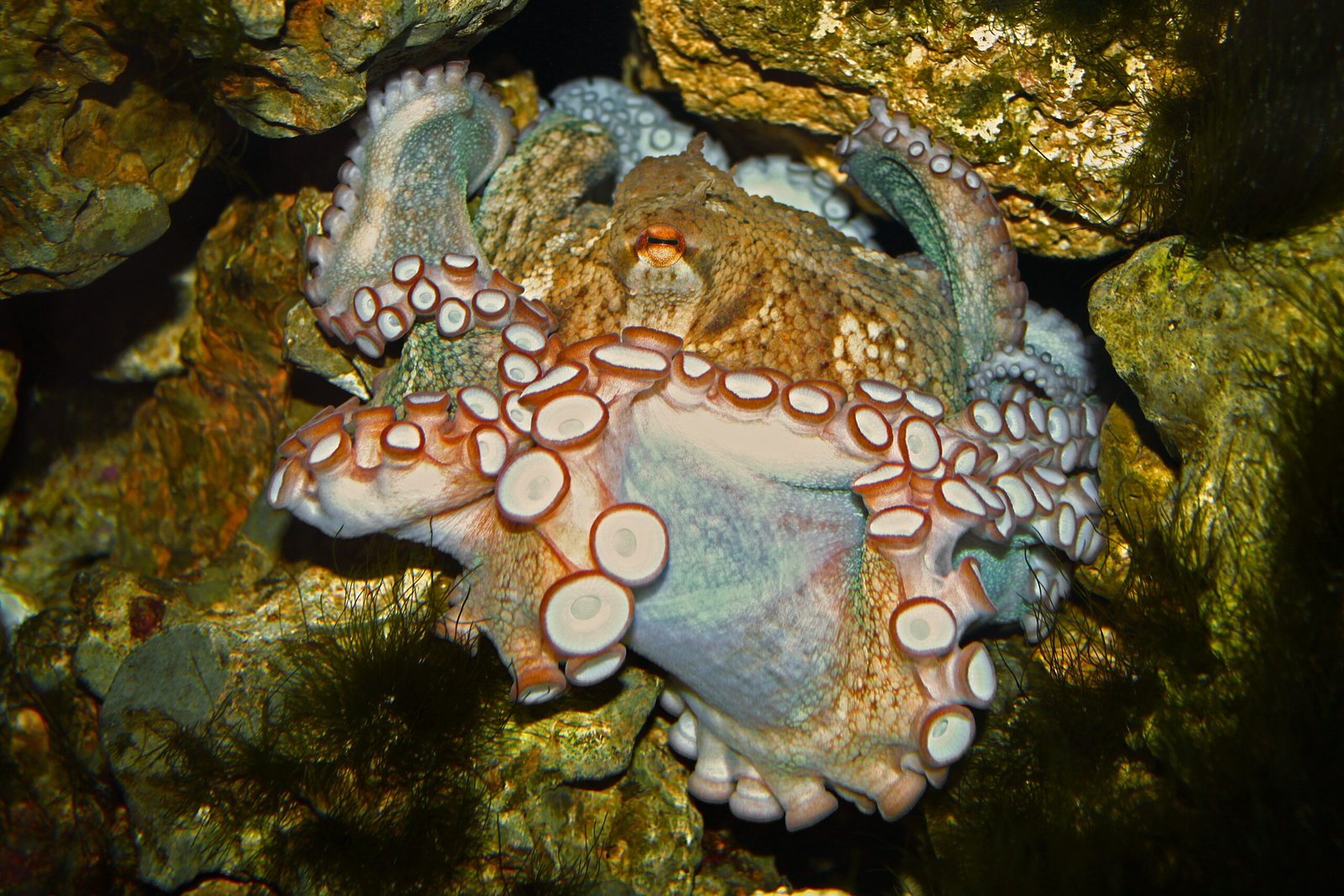
While the post-mating death spiral is common, not all octopus species experience it in the same way. Some deep-sea species live longer and may have slightly different reproductive strategies. In rare cases, male octopuses might mate more than once if they survive their first encounter. However, the overwhelming trend is toward a single, climactic reproductive event followed by rapid decline. The diversity of octopus species only adds to the fascination and complexity of their life stories.
What Scientists Have Discovered So Far
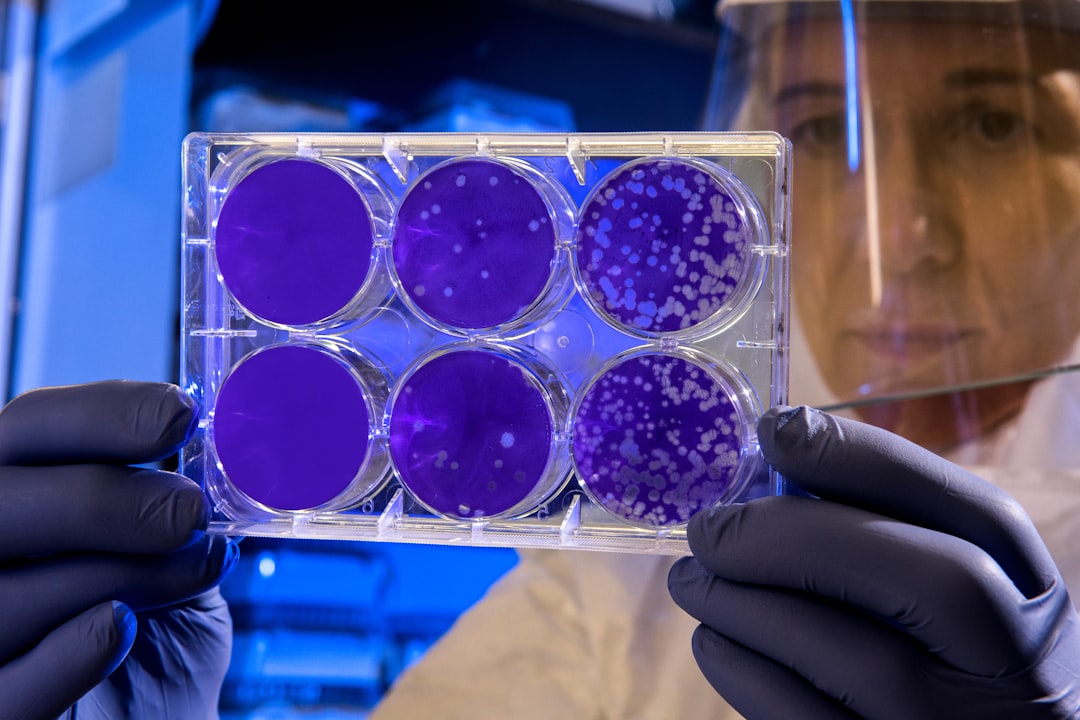
Research into octopus senescence has grown rapidly in the past decade. Scientists have used everything from hormone analysis to genetic studies to unravel the mysteries of this bizarre death. Laboratory studies have shown that the optic gland’s hormonal signals are responsible not just for death, but for a wide range of changes in behavior and physiology. Ongoing research is looking at whether understanding this process might even shed light on aging and death in other animals, including humans. Every new discovery brings fresh questions and even more wonder.
Why Octopus Deaths Matter Beyond Curiosity
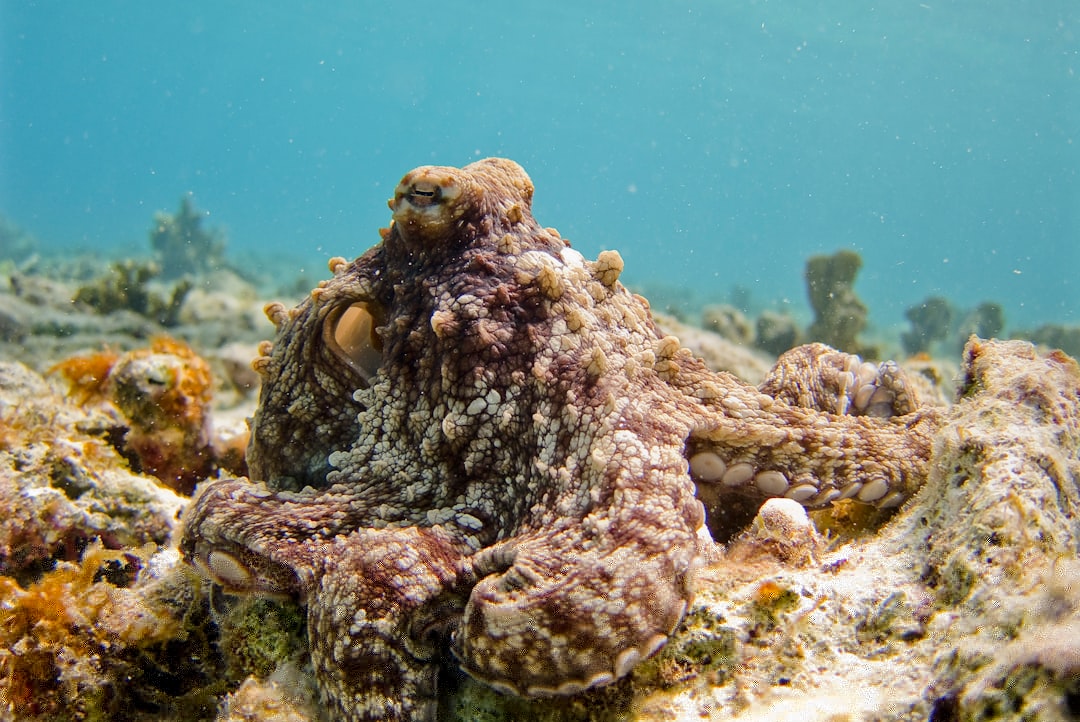
The death of male octopuses after mating isn’t just a weird quirk of nature—it has real implications for ocean ecosystems. Octopuses play a crucial role as both predators and prey. Their rapid turnover helps shape the populations of countless other marine animals, from crabs and fish to larger predators like seals. When they die, their bodies become a feast for scavengers, fueling the ocean’s endless cycle of life and death. In this way, their fate resonates far beyond the individual, touching every corner of their watery world.
Conservation Concerns: Fragile Lives in a Changing Ocean

Today, octopuses face new threats from climate change, pollution, and overfishing. Their short lives and single reproductive event mean that populations can be highly sensitive to environmental disruptions. If something goes wrong during the critical mating season, entire generations can be lost. This makes understanding and protecting their habitats more important than ever. The story of the male octopus’s sacrifice is a powerful reminder of the delicate balance that keeps our oceans alive.
A Call to Marvel at Nature’s Dark Wonders
The tale of male octopuses that die after mating is both horrifying and strangely beautiful. It’s a story of ultimate sacrifice, raw biological drive, and the harsh realities of life beneath the waves. By looking closer at this chilling phenomenon, we’re reminded of the incredible complexity and drama that unfolds every day in the natural world. Next time you see an octopus gliding gracefully through the water, remember the secret, tragic journey that awaits him—and marvel at the astonishing, sometimes terrifying, wonders of life on Earth.