A unique event in Denmark is blending gastronomy with coastal ecology, transforming food lovers into citizen scientists. The annual Østerjagten (Oyster Hunt) at the Salling Sund Bridge in Limfjorden invites participants to wade into shallow waters, collect oysters, and contribute to marine research—all while enjoying gourmet dishes prepared by top chefs.
How the Oyster Hunt Works
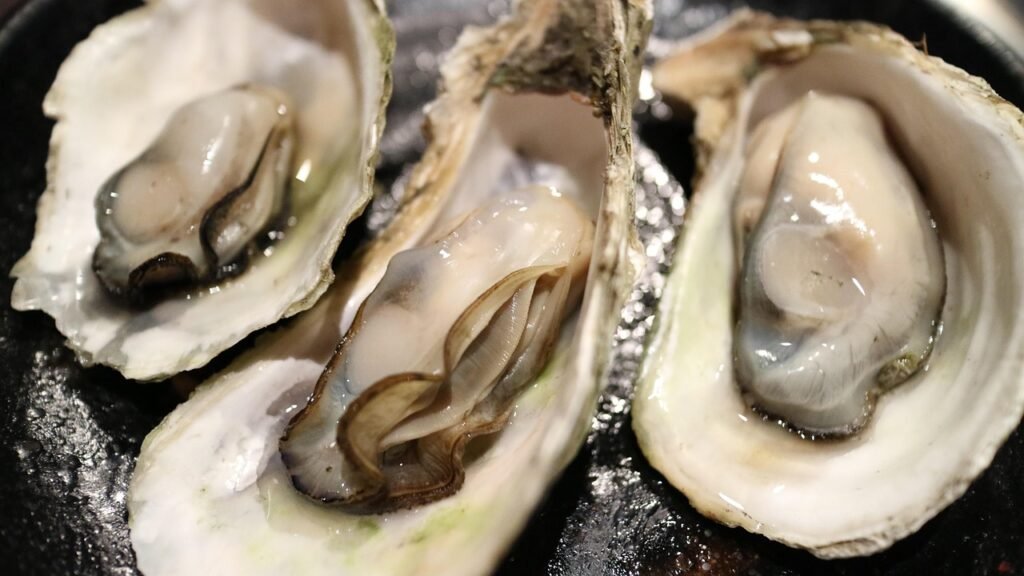
Participants use quadrats—metal frames for sampling—to scoop up marine life from the seabed. Each bucket contains a mix of Pacific oysters, shore crabs, sea squirts, and snails, which are then counted, weighed, and measured at sorting stations. The event helps researchers track invasive species while offering attendees a hands-on experience in marine ecology.
The Culinary Experience
After collecting oysters, participants enjoy a gourmet oyster dinner, featuring creative flavor combinations such as blueberry and blue cheese or prosciutto with strawberries and lime. While most attendees join for the food, many leave with new knowledge about coastal ecosystems and the impact of invasive species.
Environmental Insights
The Pacific oyster, an invasive species, is rapidly spreading in Danish waters, competing with native European oysters and blue mussels. Rising temperatures in Limfjorden are making conditions more favorable for these non-native species, potentially disrupting local food chains and coastal habitats.
Conclusion
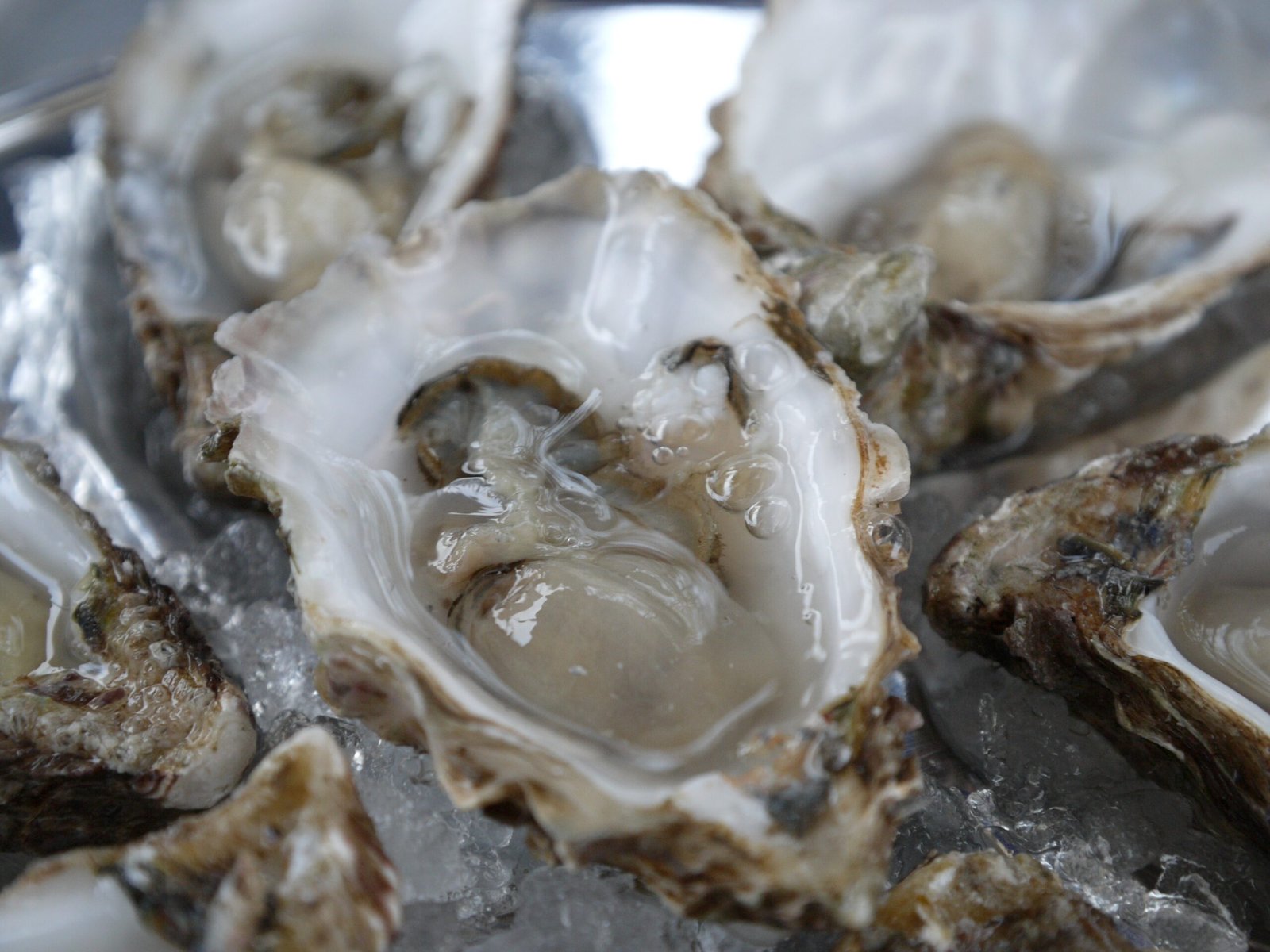
Denmark’s Østerjagten is proving that science and gastronomy can go hand in hand. By engaging food lovers in marine research, the event raises awareness about coastal ecology and invasive species, turning an oyster feast into a meaningful conservation effort.
Source: