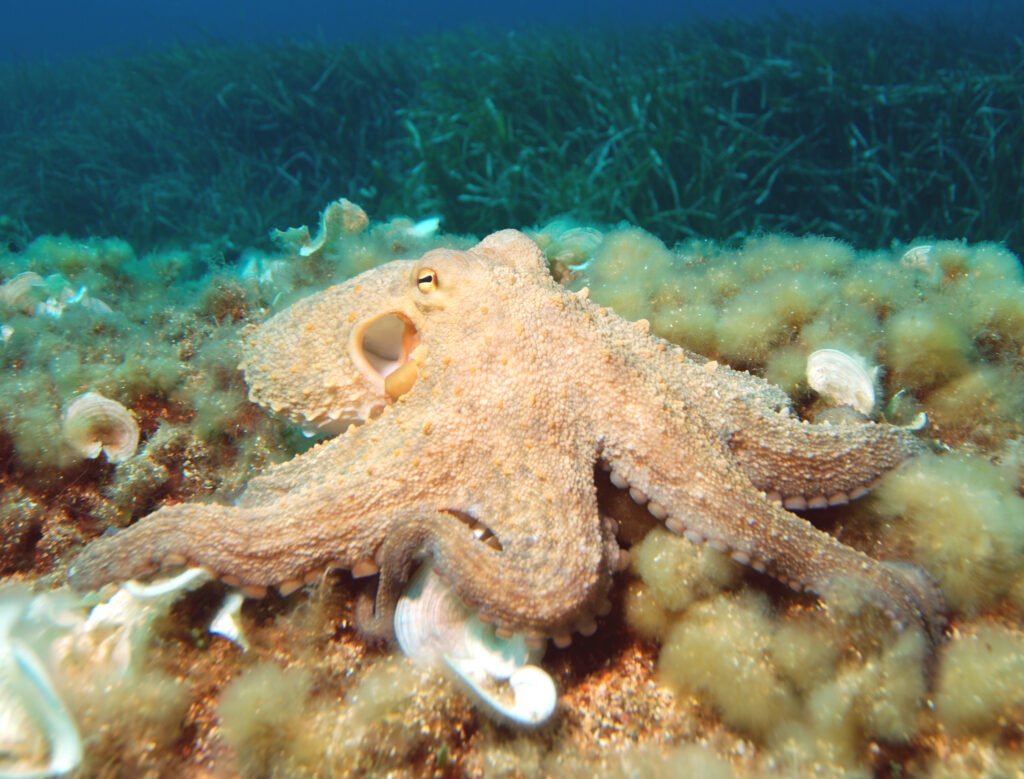

Imagine wandering the ocean floor, minding your own business, when suddenly—splat!—a cascade of shells and silt rains down on you. Who’s the culprit? It’s not a mischievous dolphin or a sneaky crab. It’s an octopus, and not just any octopus, but one with a surprisingly expressive temper. Marine biologists have recently uncovered a startling truth: some octopuses throw things when they’re annoyed, and sometimes, their targets are unsuspecting fish nearby. This behavior isn’t just quirky—it’s breaking everything we thought we knew about animal intelligence, emotion, and the secret drama playing out beneath the waves.
The Unlikely Pitcher of the Sea
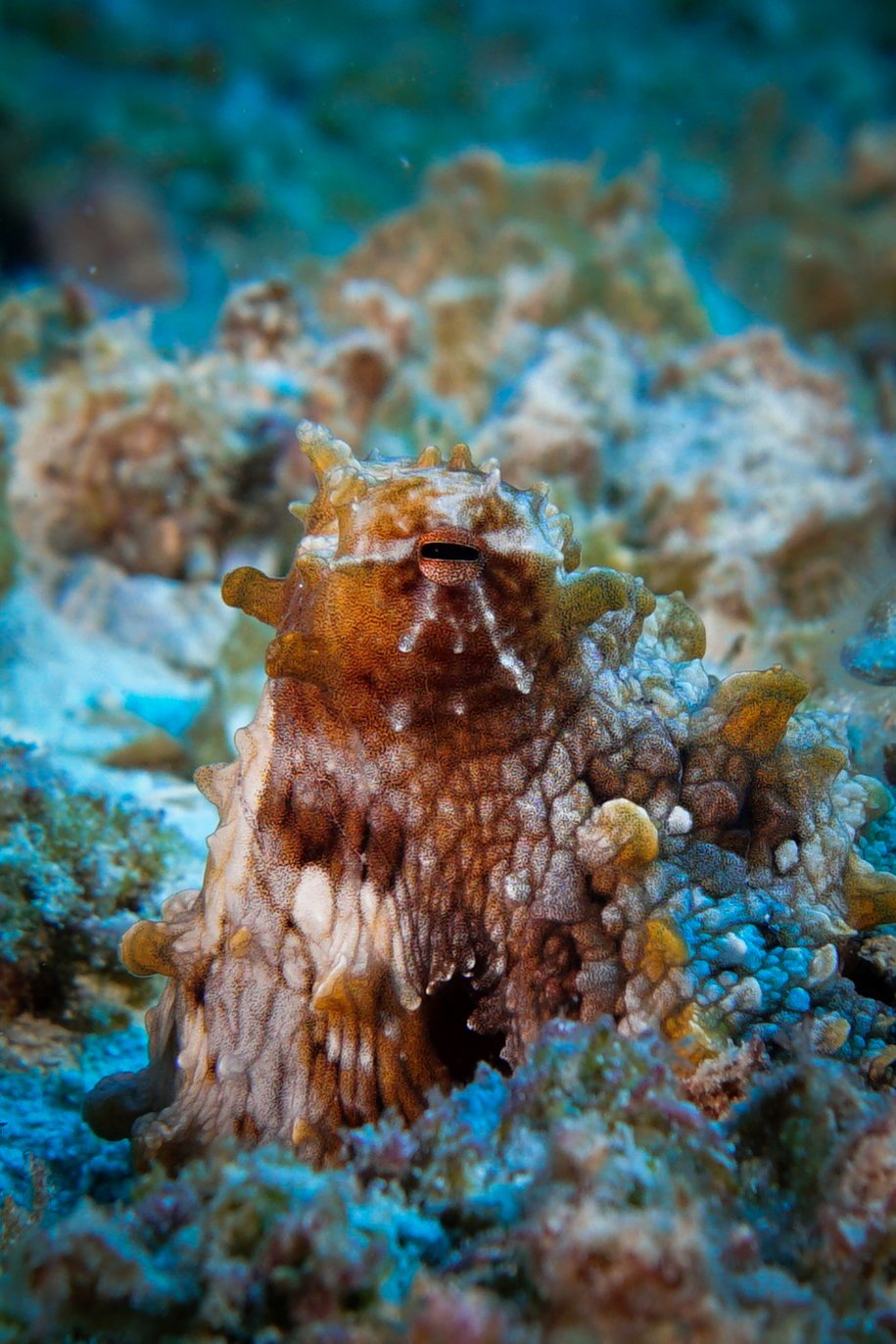
When most people picture octopuses, they imagine solitary, mysterious creatures gliding through coral reefs or squeezing into tight crevices. But few realize just how interactive—and sometimes downright feisty—octopuses can be. Scientists watching the gloomy octopus (Octopus tetricus) in Australia’s waters were stunned to see them launching shells, silt, and even algae across the seafloor. It’s as if these eight-armed marvels were playing a game of underwater dodgeball, and everyone else was a potential target.
Unmistakable Signs of Annoyance
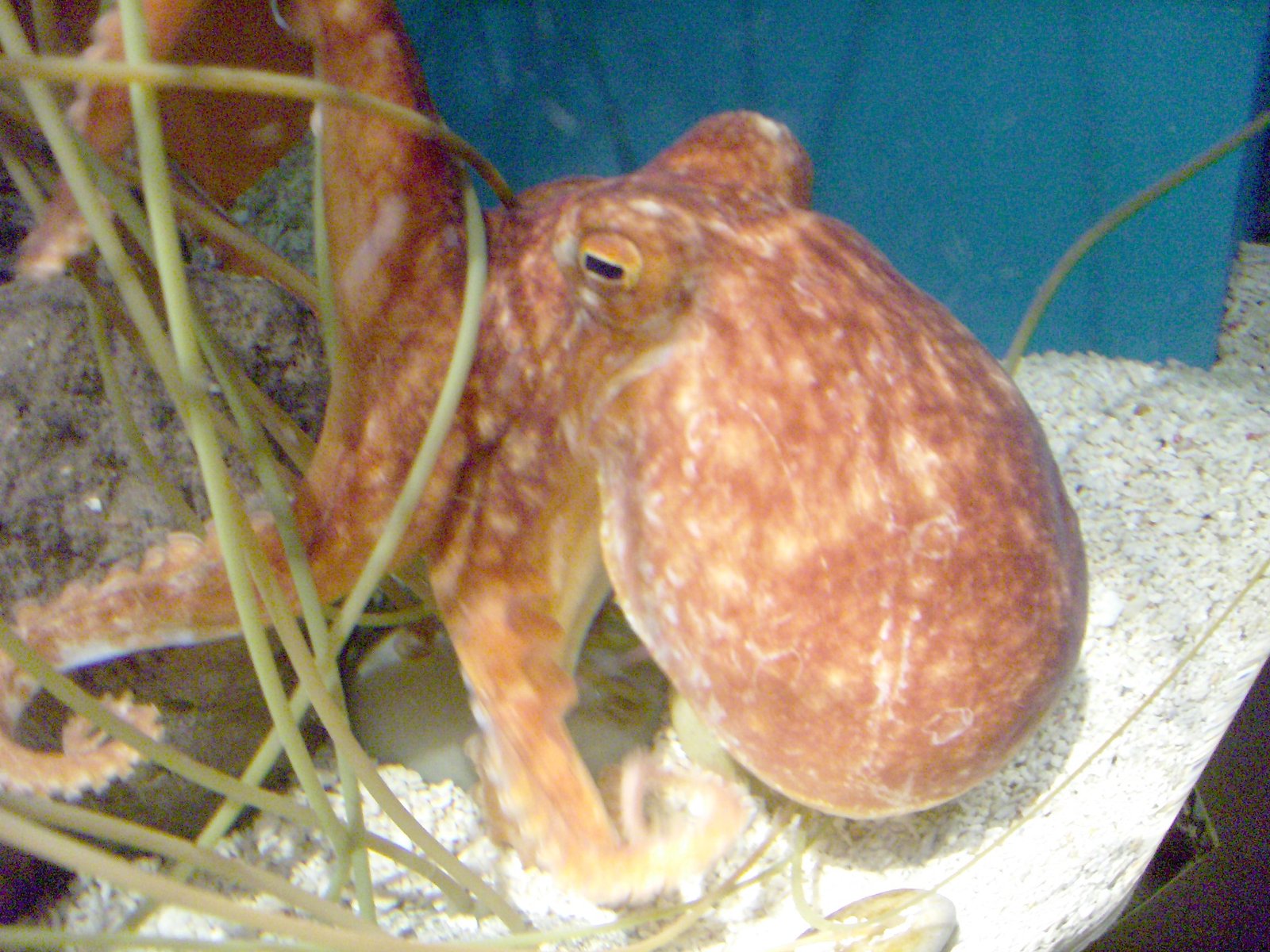
What makes an octopus grumpy enough to start hurling debris? Researchers noticed this behavior peaking during crowded feeding times or when octopuses were jostling for space. Their skin would flush a deep, stormy color—a visual warning, much like a human rolling their eyes before slamming a door. Their throws got stronger and more direct, especially when another animal, or even another octopus, invaded their personal bubble.
How Octopuses Actually Throw
When an octopus decides to throw, it’s not as simple as tossing a ball. First, it gathers up shells, bits of rock, or mud with its arms. Then, it tucks the debris under its body and uses a powerful jet of water from its siphon—essentially, a built-in water cannon—to blast the objects away. The coordination needed is remarkable: imagine trying to throw a handful of sand underwater while keeping your balance and aiming at a moving target. These throws are not random; they often show clear aim and intent.
Fish Are Frequent Targets
Perhaps the most jaw-dropping part of this discovery is who ends up in the line of fire. Fish, especially the kinds that hover near octopus dens hoping for scraps, seem to trigger the most direct throws. Observers have seen octopuses launch silt clouds right at a fish’s face, causing it to dart away in confusion or frustration. Sometimes, the octopus appears to “miss” on purpose, but other times, the aim is dead-on—almost as if the octopus is saying, “Back off, this is my spot.”
Not Just Aggression: Communication, Too?
While some throws are clearly acts of annoyance or defense, others may be more about communication. Scientists have started to wonder if these flying shells and jets of sand serve as a language of sorts—a way for octopuses to lay down social boundaries or signal displeasure. In animal societies, gestures and signals often replace outright fighting. Here, a well-aimed toss could be the octopus version of a stern warning.
Social Life on the Seafloor
Contrary to their reputation as loners, some octopus populations are surprisingly social. In places where food is plentiful and suitable dens are close together, octopuses are forced into closer quarters. This proximity leads to a bustling, sometimes tense neighborhood. Throwing debris becomes one way to navigate these tricky social waters—setting limits, expressing frustration, or even establishing pecking orders without brutal battles.
Octopus Emotions: Are They Like Ours?
It’s tempting to see human emotions in every animal action, but octopuses genuinely display behaviors that seem familiar: irritation, stubbornness, even playfulness. When they throw things at fish, the motivation can be as basic as “Go away!” or as complex as playful teasing. These emotional parallels make octopuses even more fascinating, hinting at a rich inner life that science is only beginning to understand.
Tools and Intelligence in Action
Throwing objects isn’t just about emotion—it’s also a sign of intelligence. Using limbs and siphons to aim and launch projectiles requires planning and problem-solving. Some octopuses have even been seen using coconut shells as armor or carrying objects for future use. Throwing, in this context, is another tool in their impressive cognitive toolbox, putting them in the company of crows, chimpanzees, and dolphins.
The Evolutionary Edge
Why would an octopus evolve such a peculiar habit? In the bustling, competitive underwater world, being able to drive away pesky neighbors or predators without risking a close fight is a smart move. Throwing debris saves energy, avoids injuries, and protects valuable territory. Over time, this clever tactic could give throwing octopuses an edge, helping them secure the best dens or the juiciest prey.
Observing the Drama Unfold
Marine biologists have spent countless hours with underwater cameras, capturing the secret soap opera of octopus life. Some videos show a fish approaching too closely, only to be pelted with a muddy missile. In one memorable moment, two octopuses seemed locked in a standoff, each throwing shells in a slow-motion showdown. These scenes reveal a world brimming with tension, strategy, and surprise.
Comparisons to Other Animal Throwers
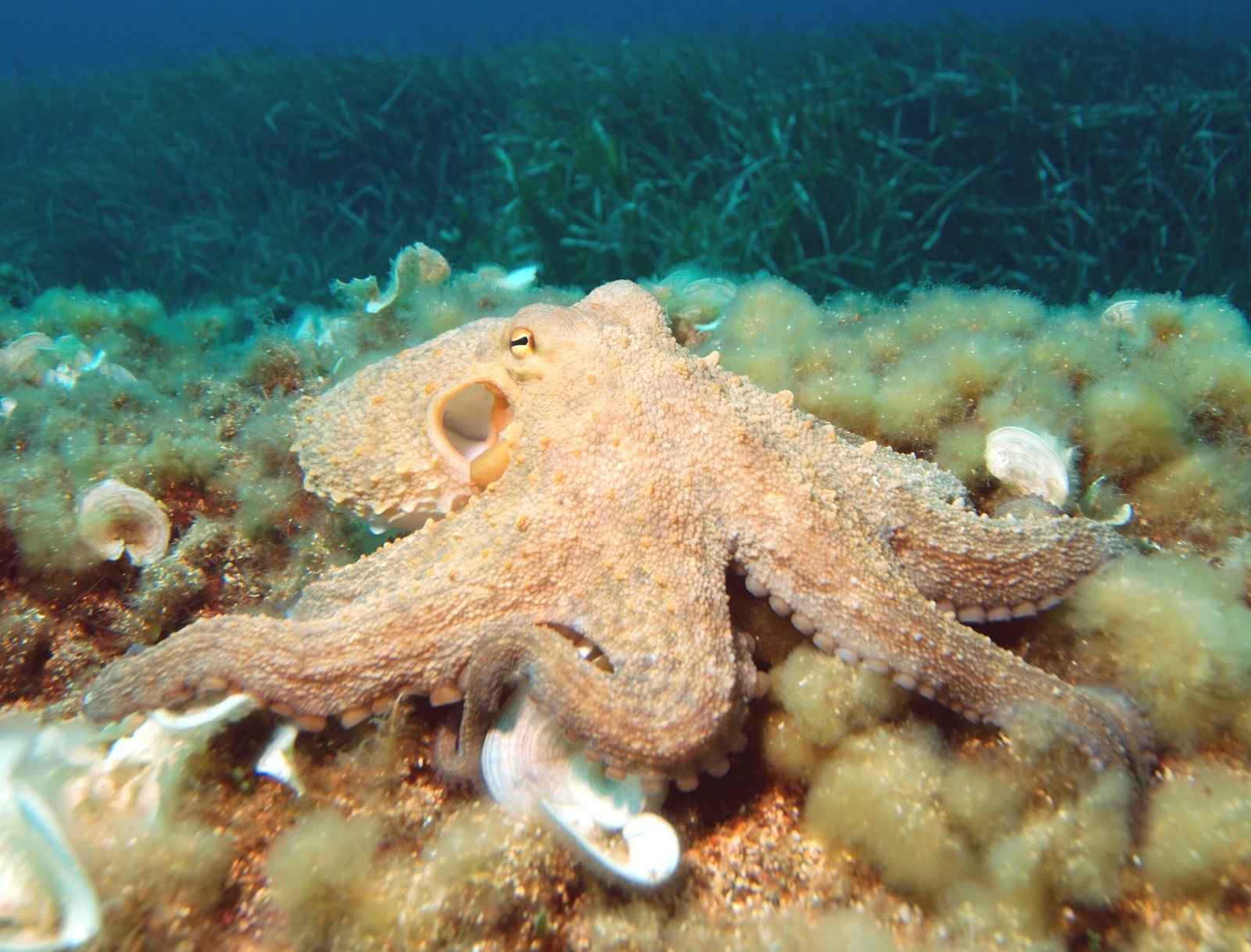
Octopuses aren’t the only animals with a throwing arm—or in their case, a siphon. Chimpanzees lob sticks, elephants fling dust, and even some birds will toss pebbles to crack open eggs or nuts. But what sets octopuses apart is the sophistication of their underwater throws and the clear social context behind them. It’s a reminder that intelligence can evolve in wildly different forms, even in creatures that look nothing like us.
Implications for Understanding Animal Minds
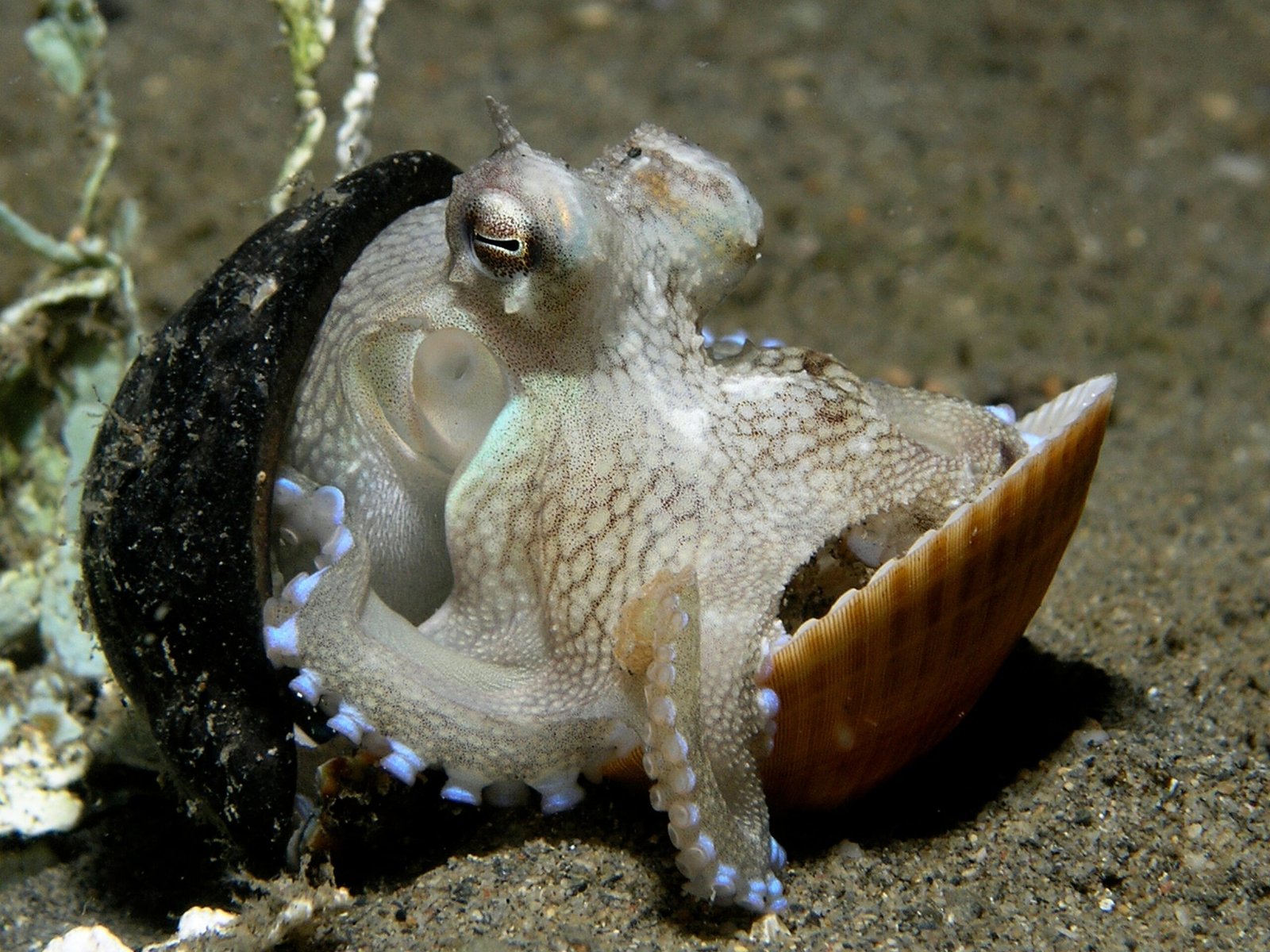
Every time an octopus throws something, it challenges our ideas about animal behavior. Are they acting on instinct, or are they making decisions? Are their throws calculated, or just random outbursts? The evidence points to something much richer: a mind capable of learning, adapting, and even expressing feelings in ways we can recognize, if not fully understand.
The Role of Environment and Stress
Crowded conditions make octopuses more likely to throw things—a bit like how people in busy cities might honk horns or snap at each other. Environmental pressures, such as limited space or abundant food, push octopuses to interact more often, sometimes leading to these dramatic displays. This behavior also highlights how flexible and adaptable these animals are, changing tactics based on what’s happening around them.
Octopus Personalities: Not Just a Myth
It turns out that octopuses have distinct personalities. Some are bold and quick to throw, while others are shy and rarely lash out. Scientists have even observed “repeat offenders”—octopuses known for their frequent, forceful throws—living alongside more laid-back neighbors. This individuality adds another layer of intrigue, making every octopus encounter unique.
Challenges of Studying Octopus Behavior
Researchers face plenty of hurdles when trying to decode octopus actions. These creatures are masters of disguise, blending into rocks or vanishing into the sand at a moment’s notice. Setting up underwater cameras and observing without disturbing them takes patience and creativity. Yet, every new insight is a step closer to understanding the secret lives of these enigmatic animals.
Public Fascination With Octopus Antics
Stories of octopuses throwing things have captured imaginations around the world. Videos of their antics go viral, sparking wonder and laughter. For many people, these glimpses reveal an animal world that’s far more complex—and relatable—than they ever imagined. The octopus’s unexpected temper tantrums make it both a scientific marvel and a social media star.
Conservation: Protecting Underwater Drama
As we learn more about octopus behavior, it becomes clear how important it is to protect their habitats. Pollution, overfishing, and climate change threaten the delicate balance of life on the seafloor. Preserving these underwater neighborhoods ensures that future generations will still have the chance to witness the octopus’s remarkable, expressive ways.
What This Means for Us
Watching an octopus throw things reminds us that the natural world is full of surprises. These animals challenge us to rethink what intelligence, emotion, and communication look like outside the human experience. Next time you gaze into the ocean, imagine the dramas unfolding just out of sight—where every shell, every jet of sand, tells a story of survival, rivalry, and personality.