
It’s not every day that a bird believed to be extinct for nearly a century suddenly reappears, as if nature itself is offering a second chance. The Cebu Flowerpecker, a tiny, brilliantly colored bird from the Philippine island of Cebu, was once written off as lost to history. Its rediscovery sent shockwaves through the conservation world, inspiring hope, awe, and urgency. Imagine the thrill of scientists and locals alike stumbling upon a living ghost—proof that even in a world overrun by change, miracles still flutter in the treetops. This is the extraordinary story of a comeback that’s more than just a headline; it’s a testament to resilience, surprise, and the undying mysteries of our natural world.
The Cebu Flowerpecker: A Bird Wrapped in Mystery
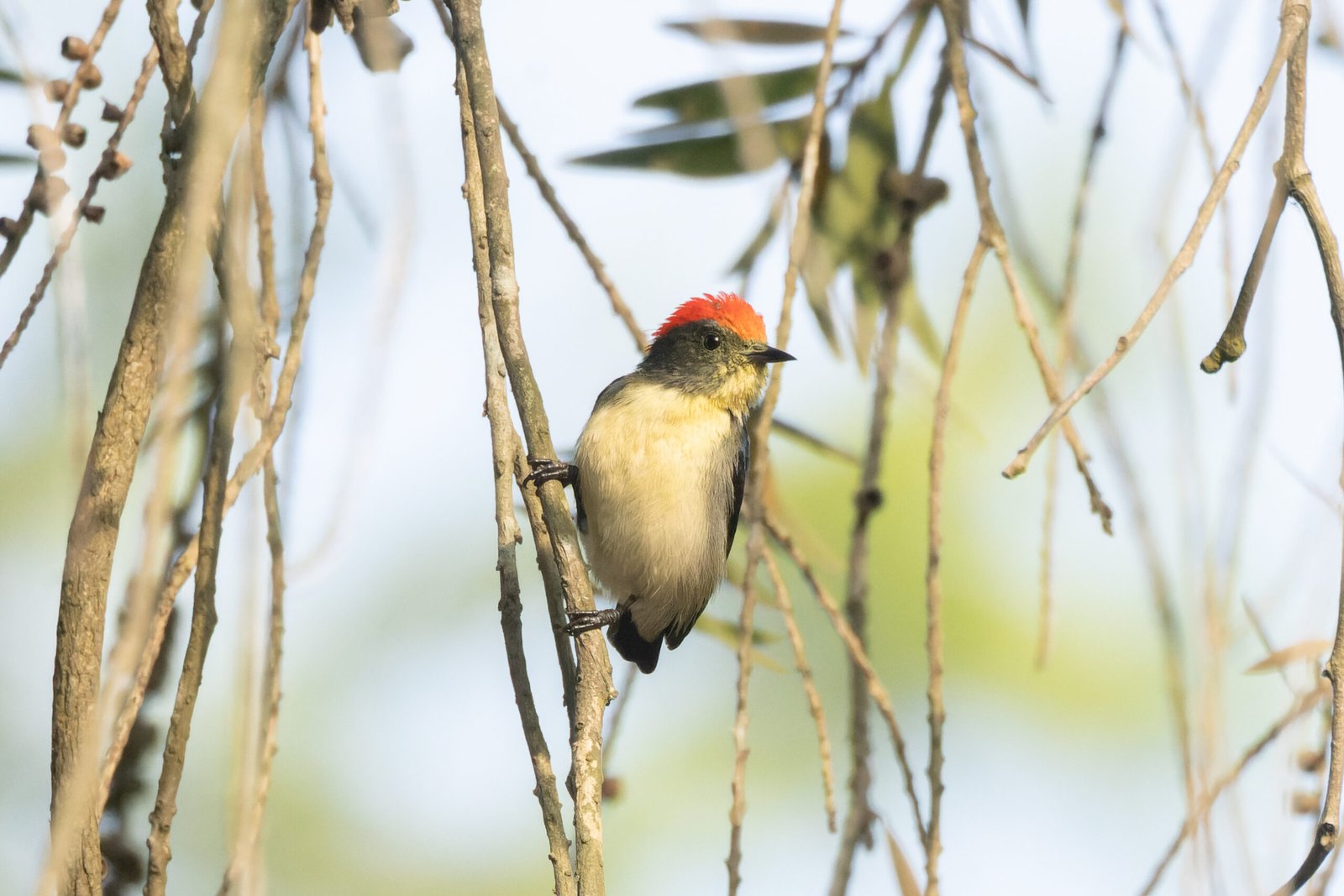
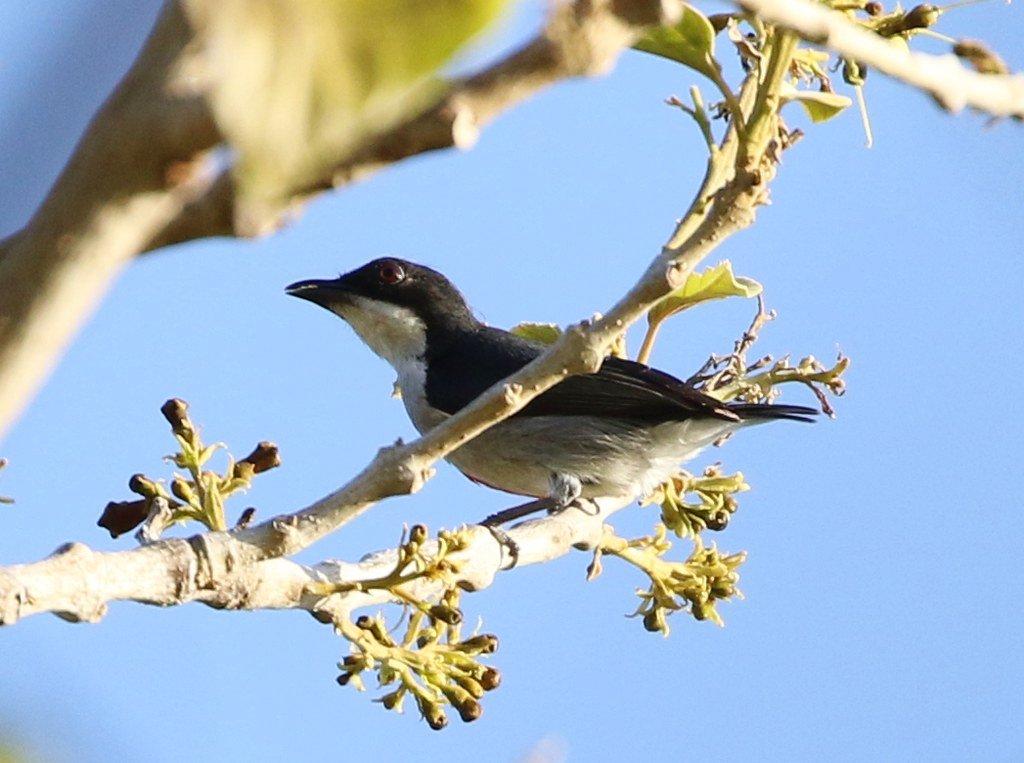
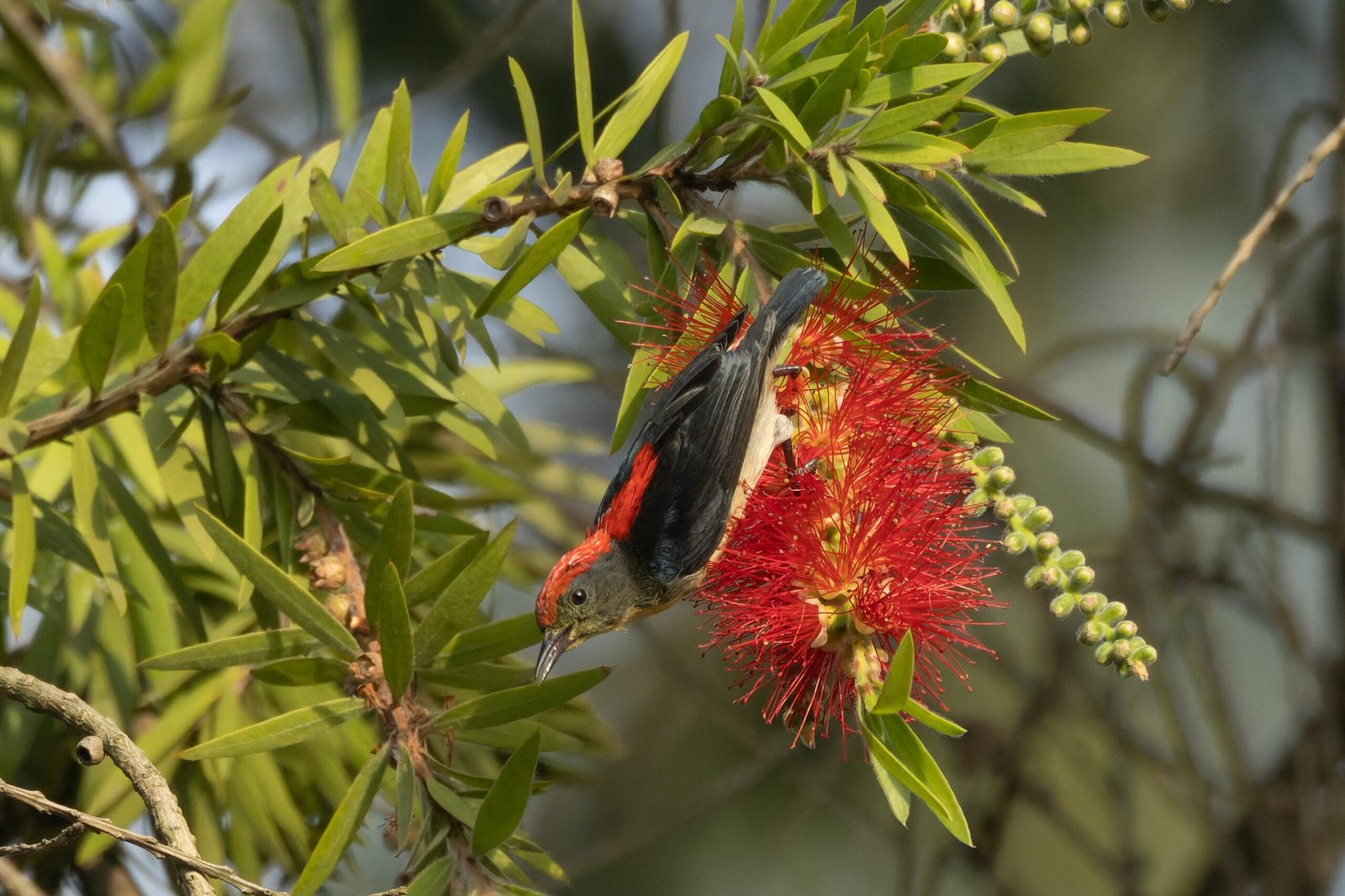
The Cebu Flowerpecker, known scientifically as Dicaeum quadricolor, is a small, striking bird with a splash of red on its chest and a lively blue-black back. For decades, its existence was little more than a footnote in old field guides. Sightings were so rare that many believed it had vanished forever, becoming a symbol of how quickly a unique species can disappear. This sense of mystery only deepened the fascination surrounding the bird. Even local residents doubted its reality, passing down stories of a bird seen only by their grandparents. When a species is shrouded in such uncertainty, its sudden reappearance can feel almost mythical, igniting the imagination of all who hear its tale.
The Historical Disappearance: How the Bird Was Lost
In the early 20th century, the forests of Cebu teemed with life, but relentless deforestation for timber and farmland began to chip away at the flowerpecker’s habitat. By the 1950s, only a handful of fragmented forests remained on the island. Ornithologists scoured these shrinking pockets, but the Cebu Flowerpecker seemed to have vanished. Decades passed without a confirmed sighting. Many experts reluctantly declared the bird extinct, a casualty of progress and neglect. Entire generations grew up believing the Cebu Flowerpecker was gone forever, a ghost of an island’s former richness.
The Dramatic Rediscovery: Nature’s Second Chance
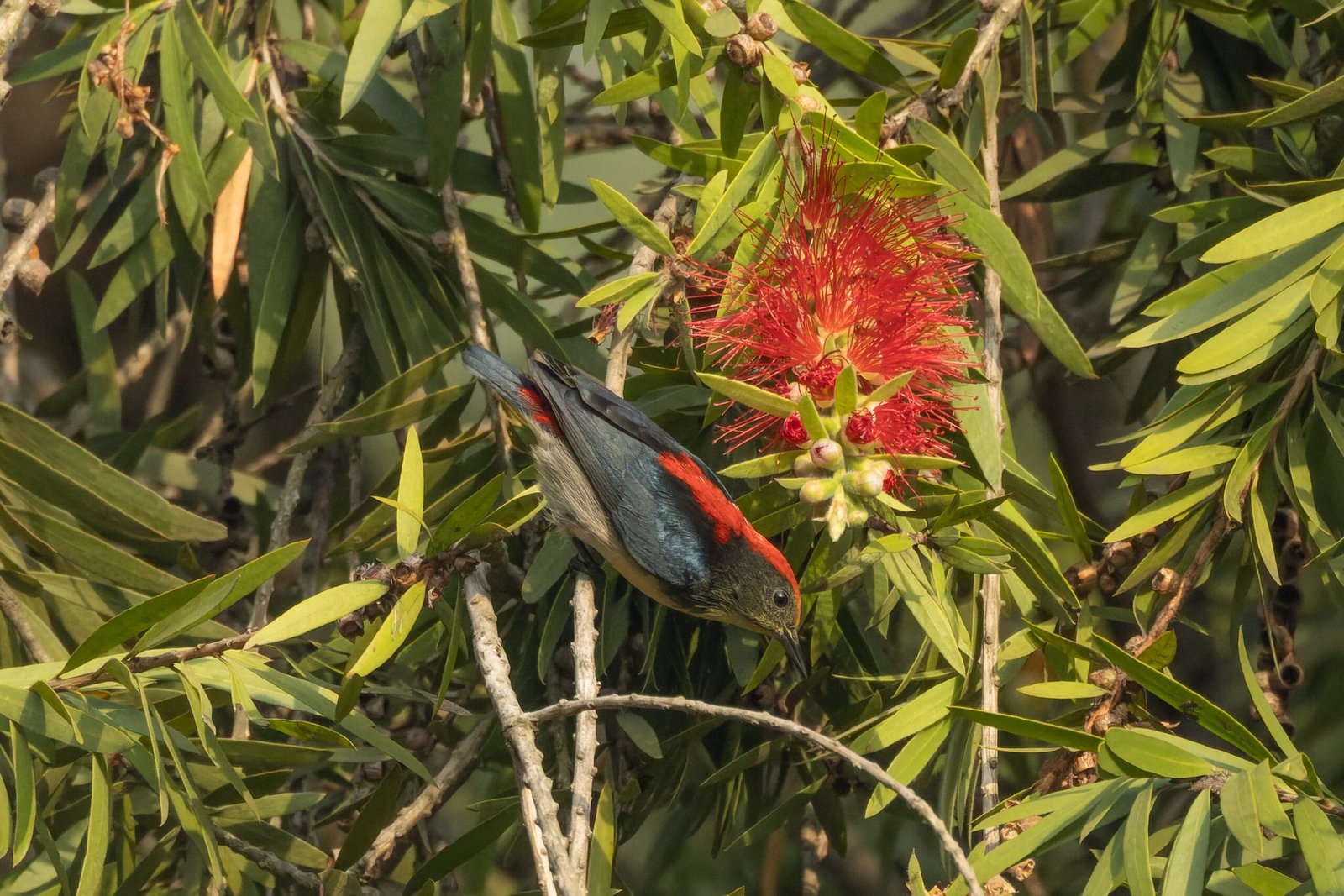
In a twist worthy of a nature documentary, the Cebu Flowerpecker was rediscovered in 1992 by a team of Filipino and British ornithologists. Deep in a small patch of limestone forest in central Cebu, researchers glimpsed a flash of crimson and blue among the leaves. It was a moment charged with disbelief and joy. The find electrified the scientific community and made headlines around the world. For conservationists, it was a powerful reminder that hope should never be entirely abandoned—even for the most elusive species.
Where the Cebu Flowerpecker Lives Today
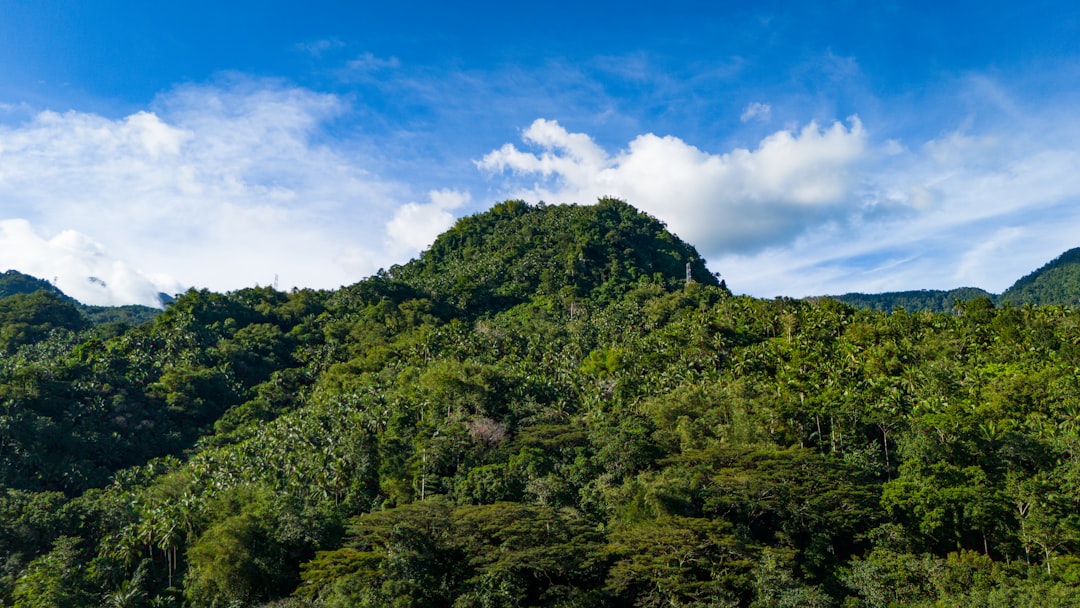
The Cebu Flowerpecker’s home is heartbreakingly limited. It survives in only a handful of tiny forest fragments on the island of Cebu, most notably in the Tabunan Forest. These pockets of greenery are surrounded by villages and farmland, making them vulnerable to further encroachment. The bird’s presence is a fragile thread, dependent on the protection of these last scraps of native habitat. Each tree and bush matters, as the flowerpecker relies on specific plants for food and nesting. The ongoing survival of the species hangs in the balance, tied inexorably to the fate of Cebu’s forests.
Why the Cebu Flowerpecker Matters
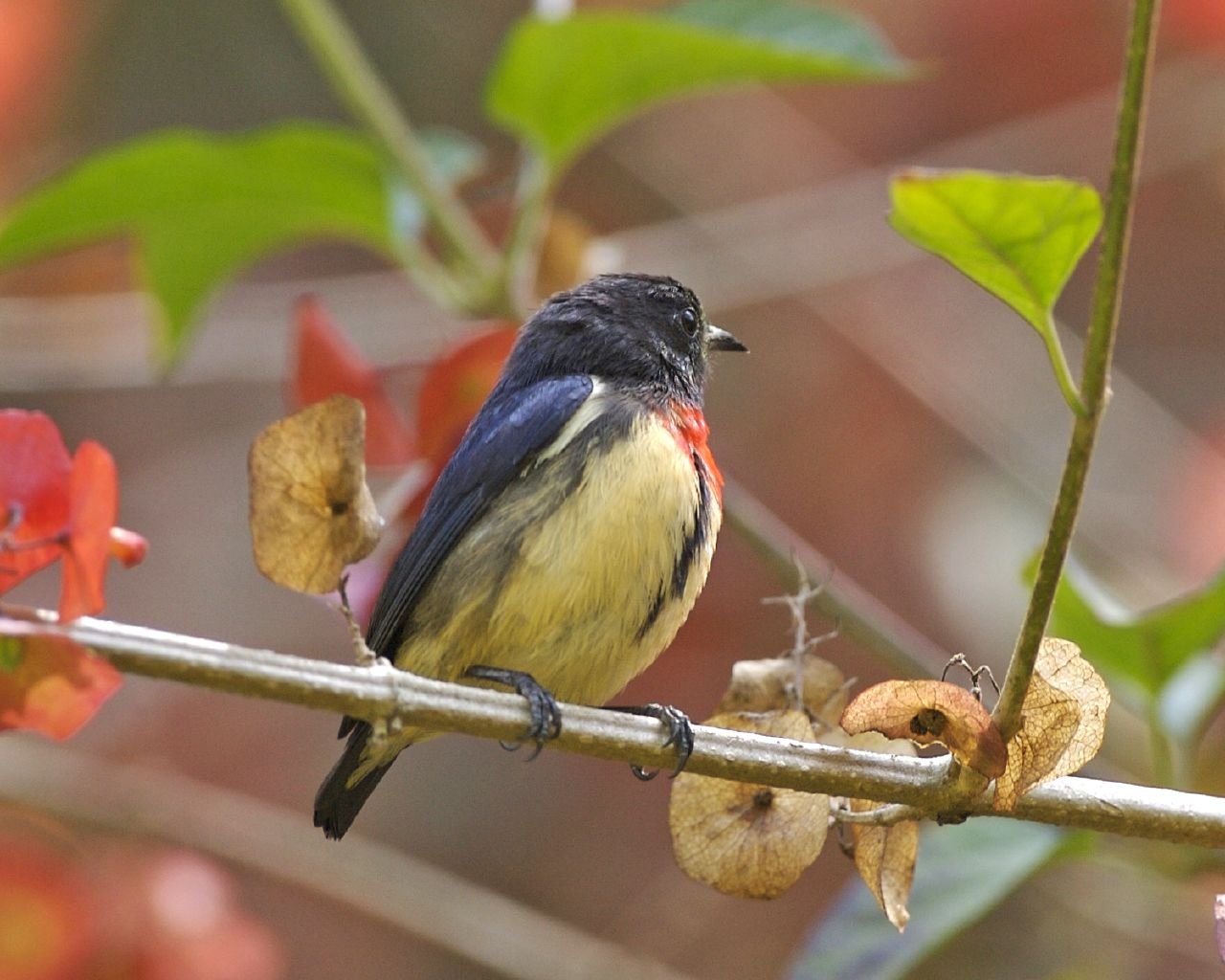
To some, the Cebu Flowerpecker is just a small bird, but to others, it’s a symbol of hope and perseverance. Its survival provides a living link to Cebu’s ancient forests—a reminder of what once was, and what could be again. The bird plays a unique role in its ecosystem, feeding on mistletoe berries and helping to disperse seeds. Its loss would not just be the disappearance of a species, but the unraveling of a web of life. In a world facing mass extinction, every victory—no matter how small—carries enormous emotional and scientific weight.
The Science Behind Species Rediscovery
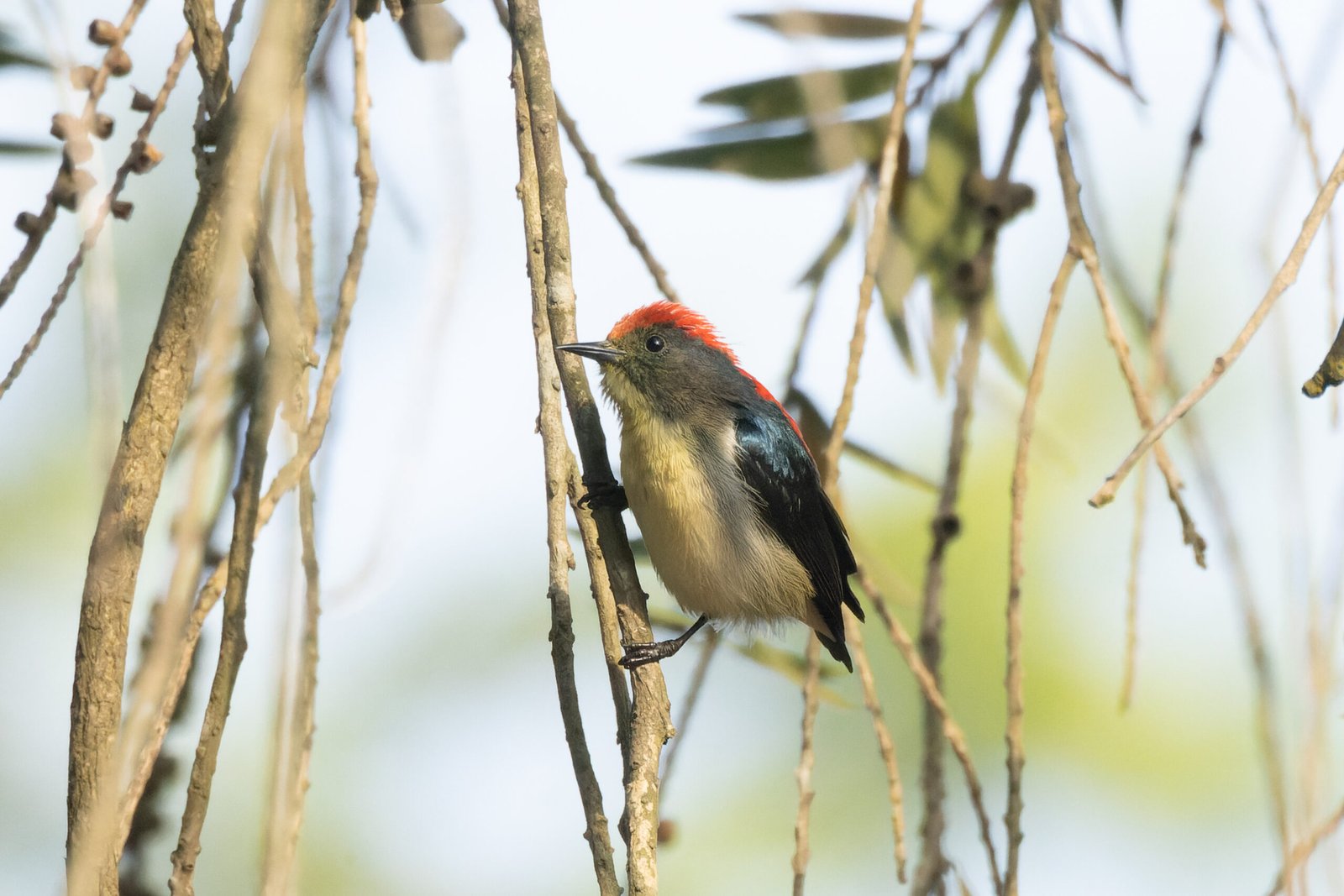
Rediscovering a species once thought extinct is a rare event, but it happens more often than people might think. Scientists call these creatures “Lazarus species,” after the biblical figure brought back to life. The Cebu Flowerpecker is a textbook example. Its reappearance highlights just how little we know about the hidden corners of our planet. Even today, many species cling to existence in forgotten fragments of habitat. The rediscovery of the Cebu Flowerpecker has given researchers fresh motivation to keep searching for other lost wonders.
Challenges Facing the Cebu Flowerpecker
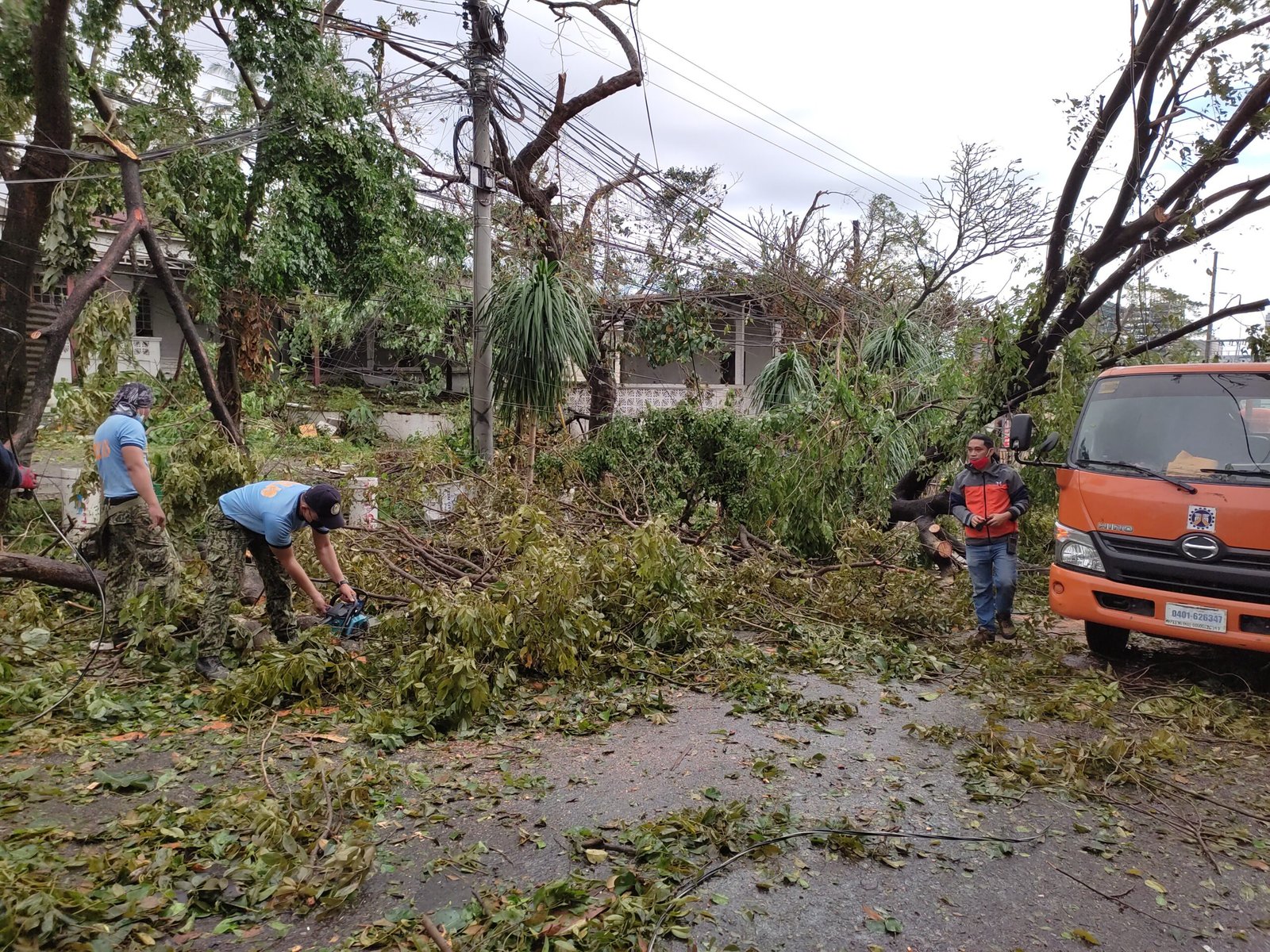
Despite the excitement surrounding its rediscovery, the Cebu Flowerpecker’s challenges are immense. Its population is estimated at fewer than 100 individuals, making it critically endangered. Habitat loss, illegal logging, and even poaching threaten its fragile hold on life. Conservationists face a race against time to secure and restore the remaining forests. Every year brings new risks, from typhoons to forest fires. The bird’s fate depends on coordinated action and a deep commitment from both local communities and international supporters.
Conservation Efforts: Fighting Extinction

Since the rediscovery, conservation groups have rallied around the Cebu Flowerpecker. Projects to reforest degraded areas, protect existing habitat, and educate local communities have made real progress. Environmentalists work closely with village leaders to promote sustainable land use and to enforce anti-logging laws. Some organizations have even set up “bird-watching” programs, turning the flowerpecker into a local celebrity and economic asset. This approach not only saves birds but also helps people, creating jobs and fostering pride in Cebu’s natural heritage.
Community Involvement: The Power of Local Action

One of the most inspiring parts of the Cebu Flowerpecker’s comeback is the role played by everyday people. Villagers who once relied on logging now act as forest guardians, monitoring the bird’s habitat and reporting illegal activities. Children learn about the flowerpecker in school, growing up with a sense of stewardship for their island’s unique wildlife. Empowering local communities has proven essential—conservation is not just about science, but about people working together for a common good.
The Role of Science and Technology

Modern technology has transformed the way scientists study and protect rare birds like the Cebu Flowerpecker. Researchers use satellite imagery to track forest cover and map the bird’s territory. Drones help monitor remote areas, while bioacoustic recorders capture the flowerpecker’s elusive calls. DNA analysis sheds light on the bird’s genetic diversity and health. These tools allow conservationists to make smarter decisions and to act quickly when threats arise. Science, in this case, is not just knowledge—it’s a lifeline.
What the Cebu Flowerpecker Eats
The Cebu Flowerpecker is a specialist feeder, thriving on a diet of berries, particularly those from mistletoe plants. These berries provide essential nutrients and energy, sustaining the bird through the seasons. The flowerpecker’s feeding habits also benefit the broader ecosystem, as it disperses seeds that help regenerate native forests. Changes in plant availability can have dramatic effects on the bird’s survival, making the protection of its food sources just as important as preserving its nesting sites.
Breeding and Behavior: Secrets of Survival
Little is known about the Cebu Flowerpecker’s breeding habits, but observations suggest it is monogamous, with pairs fiercely defending small territories. The birds build delicate nests hidden in dense foliage, where they lay one or two eggs. Raising chicks in such a precarious environment is a challenge, especially with so few safe spaces left. The flowerpecker’s quiet, secretive behavior may have helped it survive undetected for so long, but it also makes studying and protecting the species even more difficult.
The Importance of Forest Fragments
For the Cebu Flowerpecker, survival depends on the existence of even the smallest scraps of forest. These fragments act like islands of life in a sea of farmland and villages. Each piece of forest shelters not just the flowerpecker, but a host of other rare and endangered species. By focusing conservation efforts on these critical patches, scientists hope to create networks of safe habitat, allowing the bird and its neighbors to move, feed, and breed with less risk.
Lessons for Global Conservation
The story of the Cebu Flowerpecker is a powerful lesson for conservationists worldwide. It shows that even species on the brink of extinction can rebound with the right attention and care. Protecting habitat, involving local communities, and using cutting-edge science are all essential. The flowerpecker’s journey also reminds us that hope is never truly lost—not for a species, and not for the wild places we love. Every rediscovery is a call to action, urging us to look closer and try harder.
Ecotourism and the Cebu Flowerpecker

Ecotourism has become a surprising ally in the fight to save the Cebu Flowerpecker. Birdwatchers and nature lovers from around the world now travel to Cebu, hoping for a glimpse of the legendary bird. This influx of visitors brings economic benefits to local communities, giving them a strong incentive to protect the forests. Well-managed ecotourism can turn conservation into a win-win, where preserving wildlife is also good business. The flowerpecker, once a forgotten relic, is now a symbol of hope and pride.
Challenges of Monitoring a Rare Species
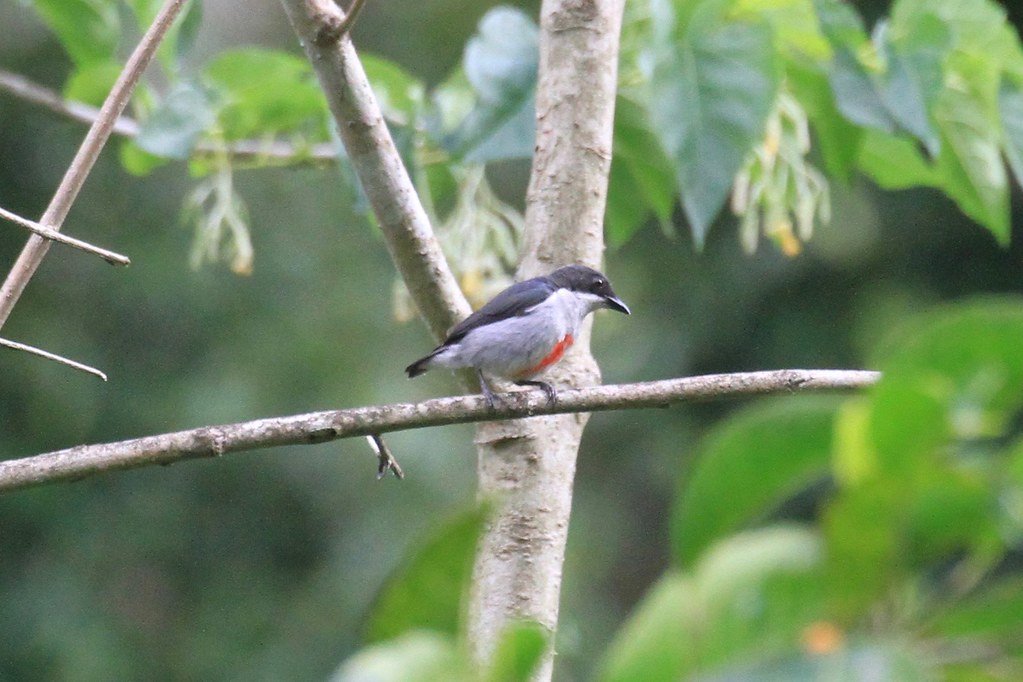
Tracking a bird as rare and secretive as the Cebu Flowerpecker is no easy task. Researchers must navigate dense, thorny forests, often in sweltering heat or torrential rain. The bird’s small size and quiet habits make sightings infrequent. Scientists rely on a combination of traditional fieldwork and modern tools, like camera traps and sound recorders. Each confirmed sighting is a small victory, adding vital information to the growing body of knowledge about the species.
Threats Beyond Habitat Loss
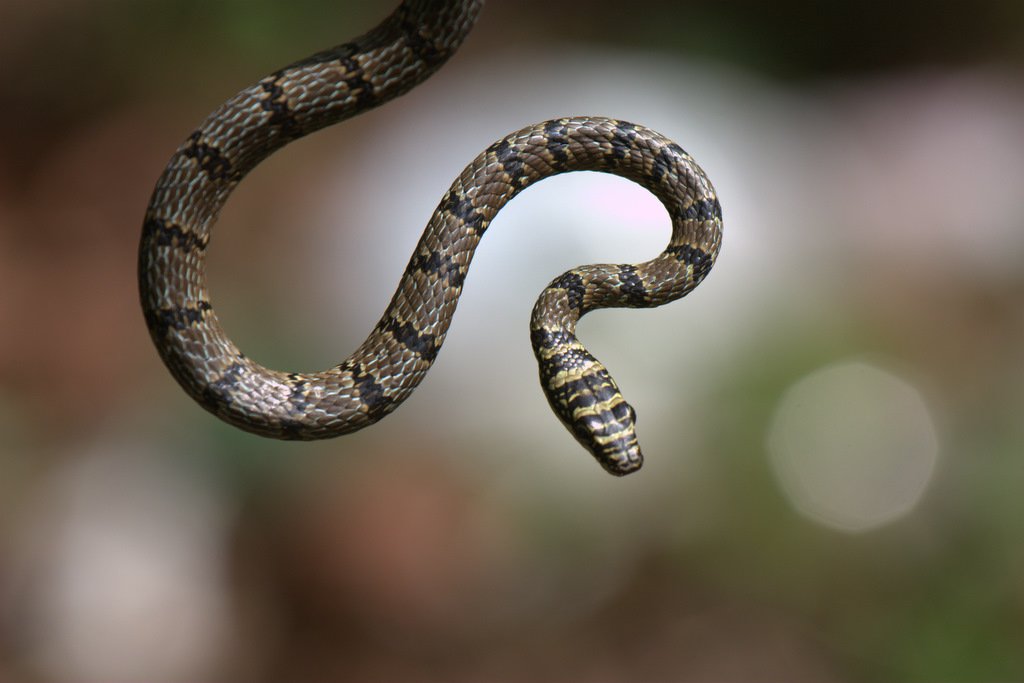
While habitat destruction is the primary threat, the Cebu Flowerpecker faces other dangers. Invasive species, such as rats and snakes, can prey on eggs and chicks. Climate change brings unpredictable weather and can disrupt the flowering of key plants. Even well-meaning collectors have posed risks in the past, seeking rare specimens for museums. Protecting the flowerpecker requires vigilance on many fronts, addressing both visible and hidden dangers.
Hope for the Future: What Comes Next?
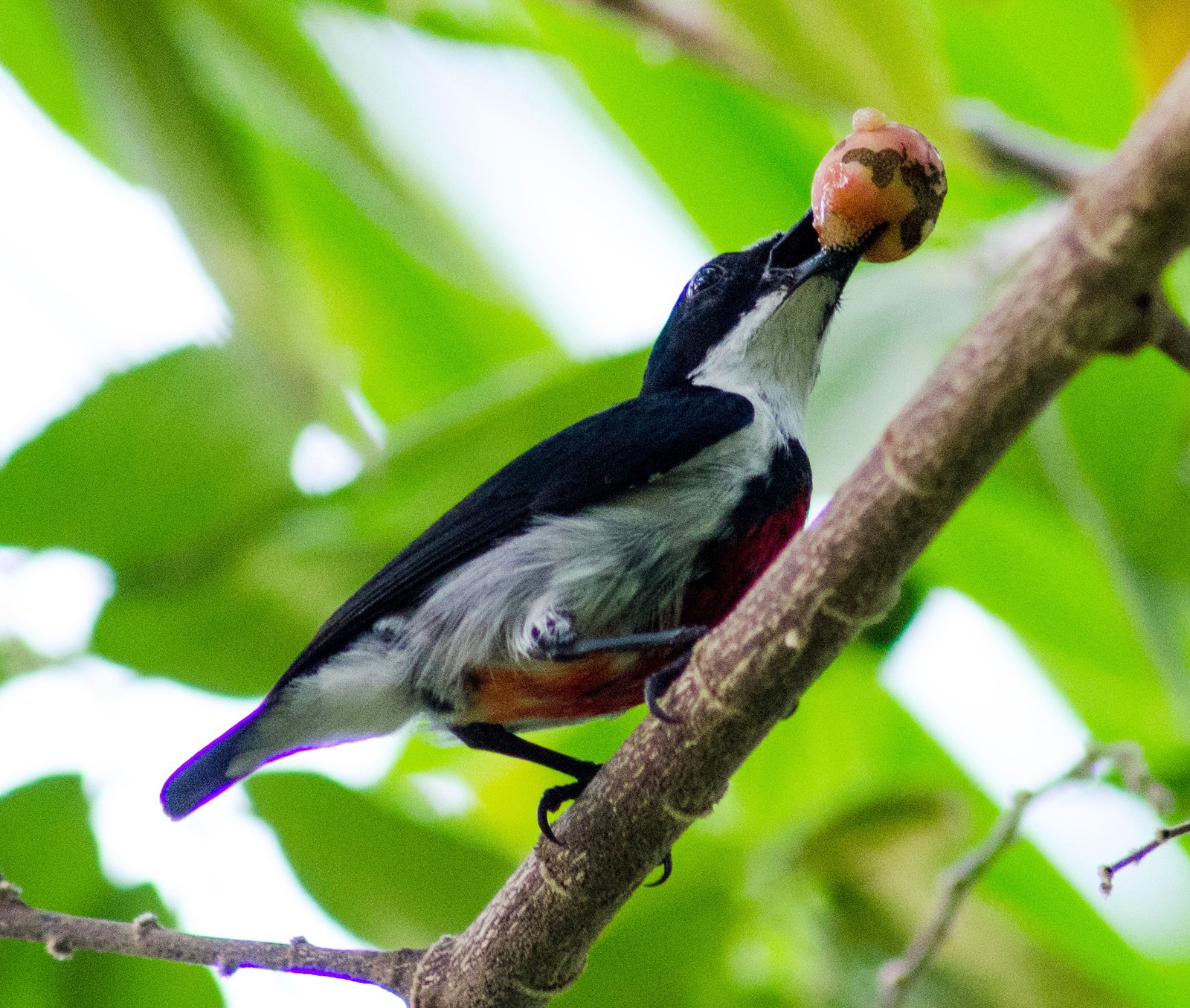
Despite daunting odds, the Cebu Flowerpecker’s story is far from finished. Conservationists are working to expand protected areas and restore degraded forests. New generations of scientists and bird lovers are joining the effort, bringing energy and fresh ideas. The bird’s resilience has inspired a movement, transforming despair into determination. As long as people care, there is hope that the Cebu Flowerpecker will continue to defy extinction.
A Symbol of Survival and Resilience
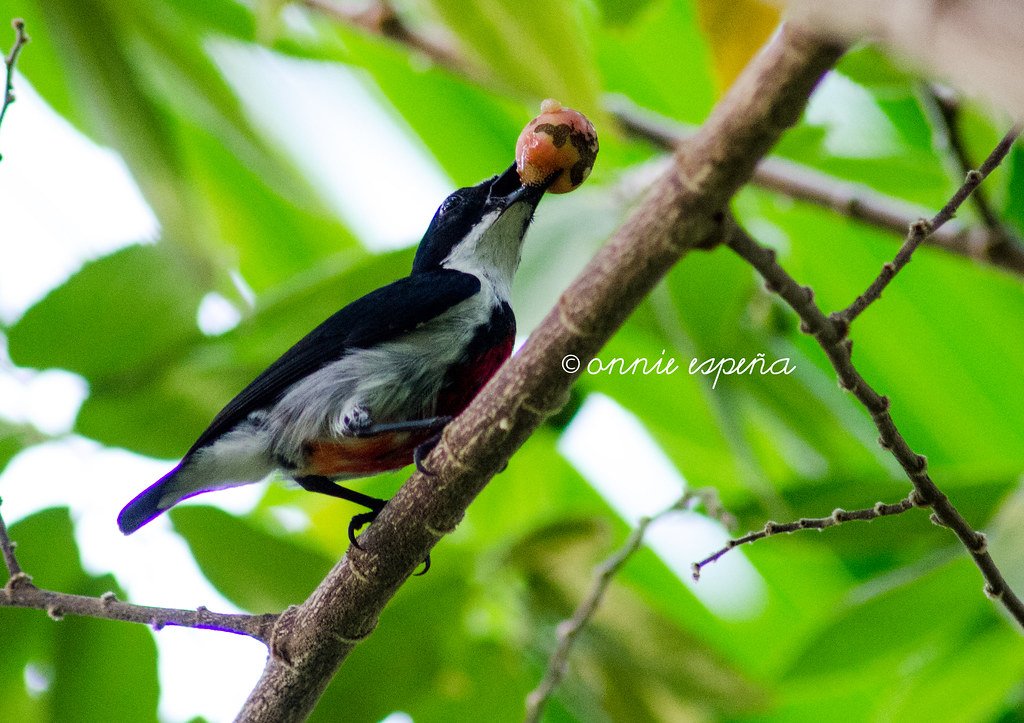
The Cebu Flowerpecker has become more than just a rare bird; it’s a beacon of resilience in the face of overwhelming odds. Its survival is a testament to nature’s stubbornness and the power of human intervention when driven by passion and knowledge. The bird’s journey from presumed extinction to rediscovery has sparked a renewed love for Cebu’s wild places. It teaches us that even in a world of loss, there is always room for unexpected joy and renewal.
Inspiring Change, One Bird at a Time
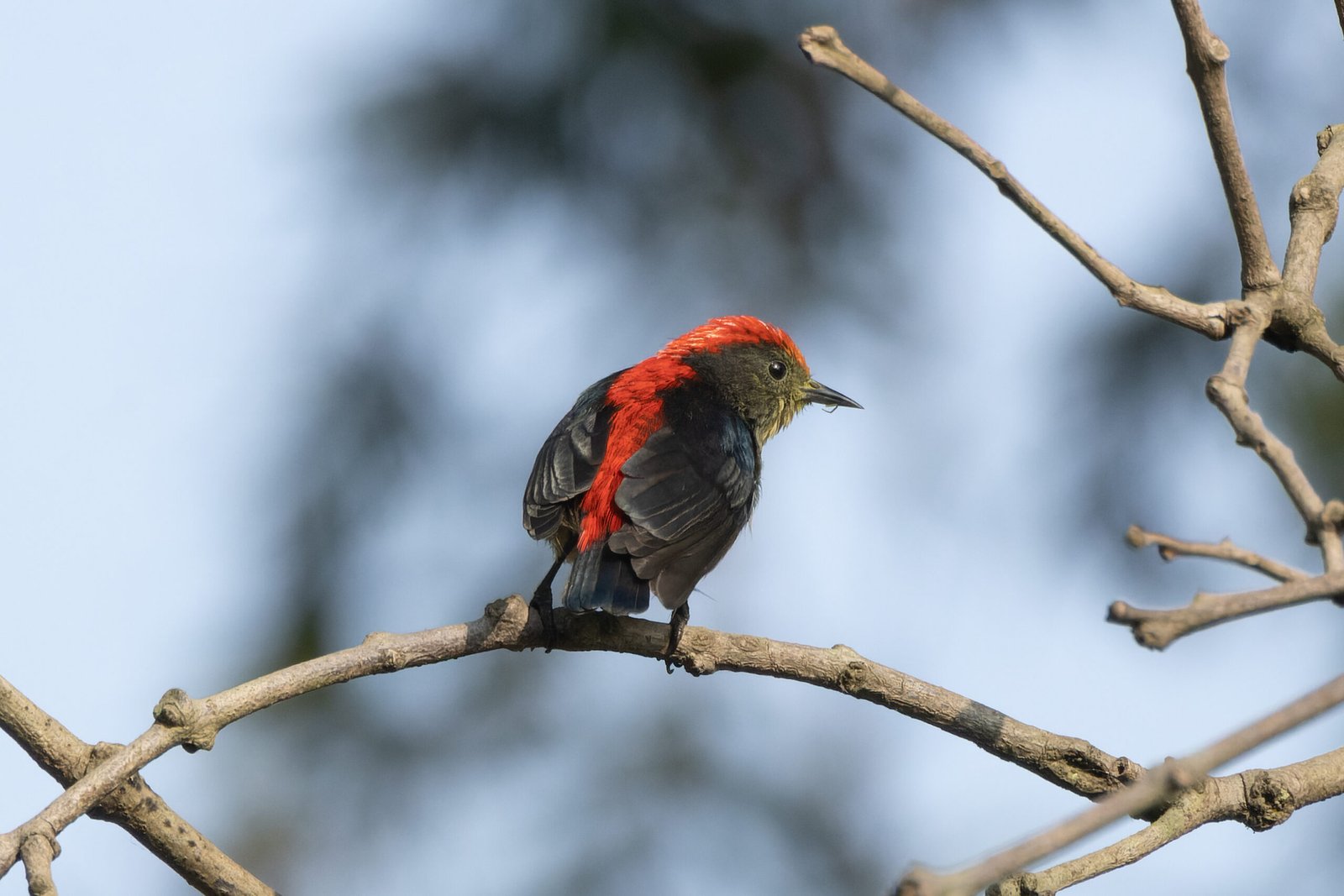
Every story of rediscovery has the potential to change hearts and minds. The Cebu Flowerpecker’s tale encourages people to look more closely at the world around them, to value every living thing, no matter how small or obscure. It is a call to action for everyone—scientists, locals, travelers—to become stewards of the natural world. The flowerpecker’s triumphant return is not just a scientific curiosity; it’s a rallying cry for hope, persistence, and the possibility of redemption.