Have you ever stepped into a steamy shower, letting the warm water wash away your worries, only to realize that you might not be alone? It’s a shocking thought, but every time you twist that faucet, you’re unleashing an invisible world of life right into your bathroom. Hidden behind the serene spray of water, your showerhead is teeming with microscopic organisms that thrive, multiply, and interact in ways that are both fascinating and, at times, a little unsettling. Imagine your daily shower as a grand stage for billions of tiny actors—bacteria, fungi, and amoebae—each playing out their own survival stories, completely unknown to you. Let’s pull back the curtain on this secret world and discover what’s really living inside your showerhead.
The Hidden Ecosystem in Your Bathroom
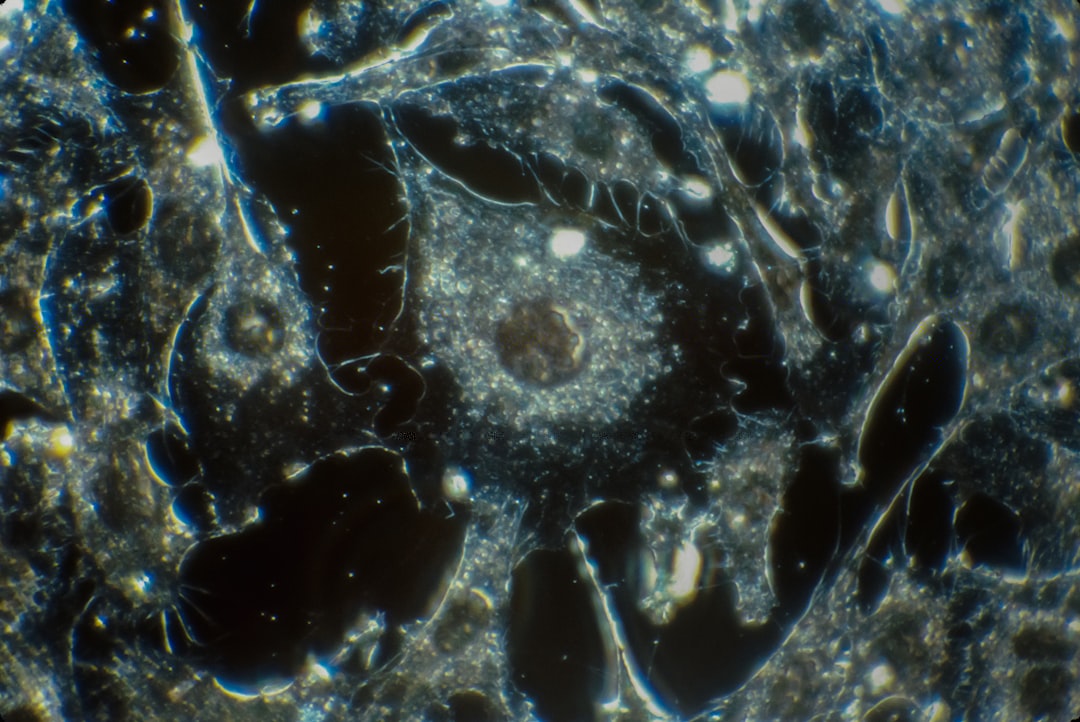
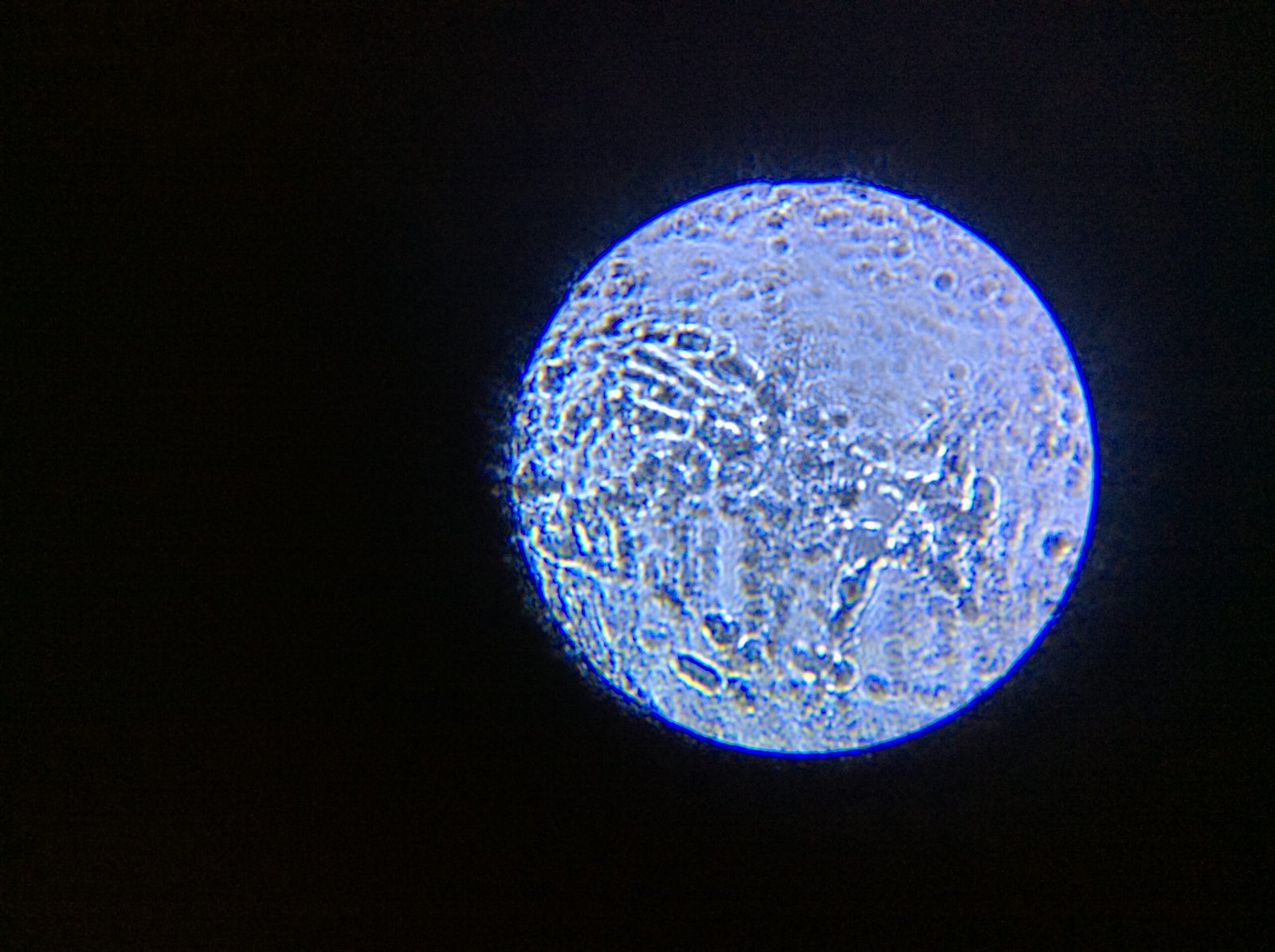
It’s easy to think of your bathroom as a clean, sterile space, especially after scrubbing down tiles and wiping away visible grime. Yet, the truth is far more surprising. Microscopic life flourishes in damp, warm environments, making showerheads the perfect breeding ground. This ecosystem is not visible to the naked eye, but under a microscope, it’s bustling with activity. Water droplets provide moisture, while traces of organic matter from our skin, hair, and soaps act as food. Together, these conditions create a miniature rainforest for microbes to thrive. What seems like a lifeless piece of hardware is actually a vibrant community, quietly existing right above your head.
Bacterial Colonies: The Dominant Tenants
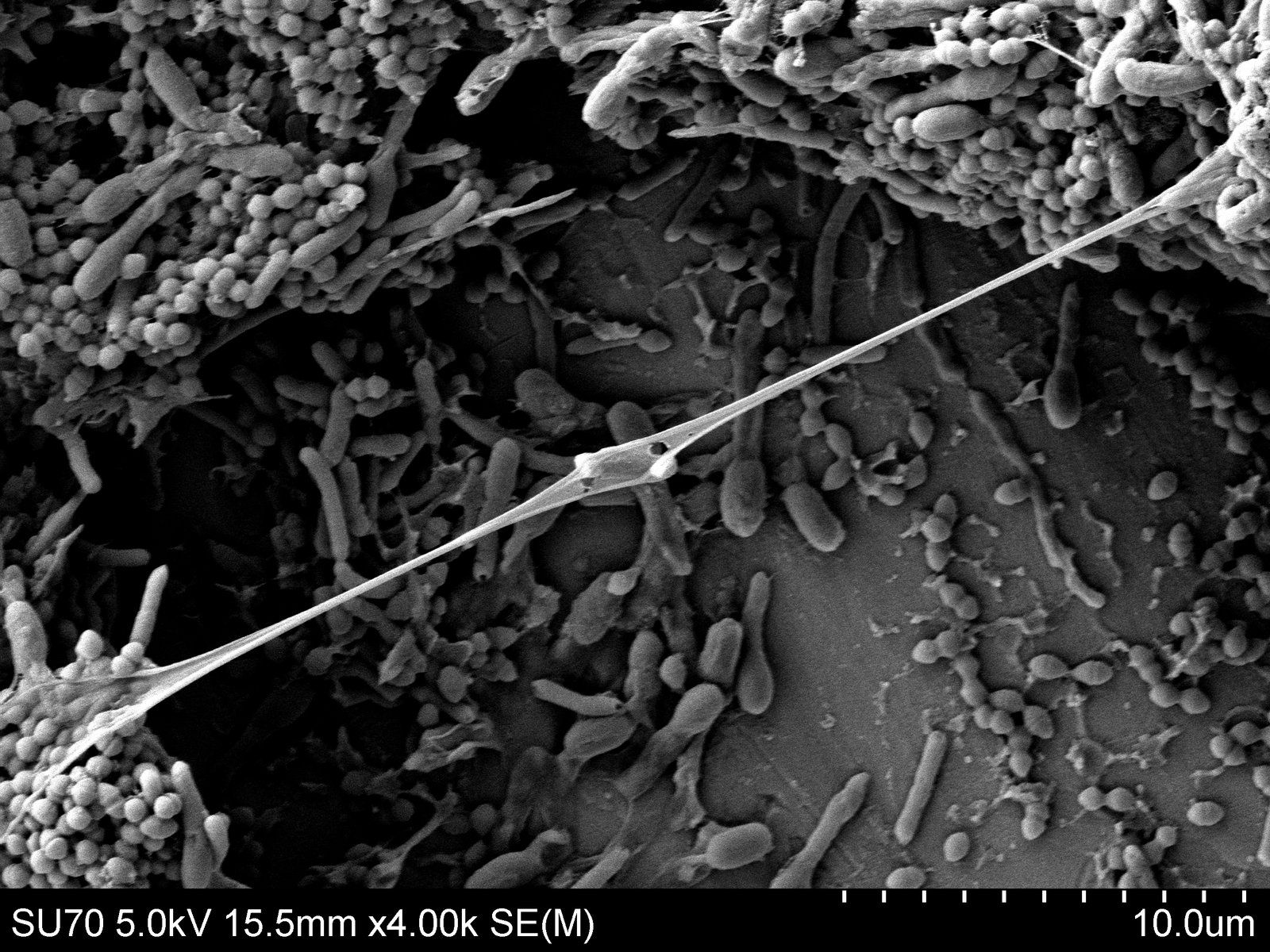
Of all the microorganisms found in showerheads, bacteria claim the top spot. They form slimy biofilms—a kind of microbial city—on the interior surfaces of the showerhead. These biofilms can be incredibly resilient, sticking to plastic and metal alike. Common bacteria include Mycobacterium, which is known for its resistance to disinfectants and ability to survive in low-nutrient environments. Other species, such as Pseudomonas and Legionella, also make frequent appearances. These bacteria communicate, share nutrients, and protect each other from threats, working together in ways that mirror complex societies. Their presence is a testament to the adaptability and tenacity of microbial life.
Meet Mycobacterium: The Showerhead Survivor
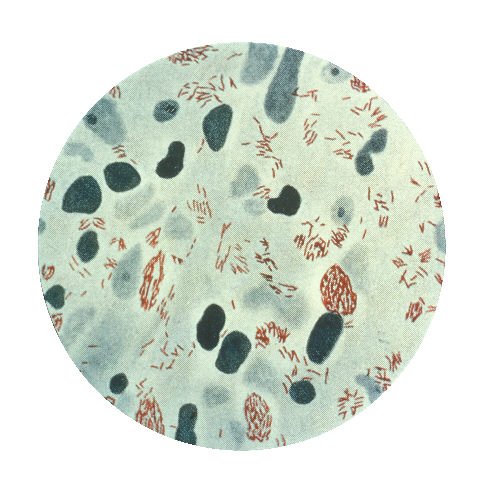
Mycobacterium species are particularly notorious for colonizing showerheads. These bacteria aren’t your everyday germs—they’re tough, slow-growing, and can resist common cleaning agents. Some, like Mycobacterium avium, can cause lung infections in people with weakened immune systems. Researchers have found that these bacteria often travel through water pipes and settle in showerheads, where they build protective layers. Their waxy cell walls make them difficult to kill, allowing them to persist for months or even years. This resilience means that even if you clean your showerhead regularly, some Mycobacterium may still survive and continue multiplying.
Fungi: The Unseen Guests
While bacteria might dominate, fungi are never far behind. Fungi such as molds and yeasts find the moist, warm environment inside a showerhead irresistible. They can grow in tiny crevices, often unnoticed until they form visible black or pink patches. Fungal spores can become airborne when you shower, sometimes contributing to allergies or respiratory irritation in sensitive individuals. These spores are incredibly tiny, easily inhaled without notice. The most common types found in bathrooms include species of Aspergillus and Fusarium, both known for their ability to thrive in damp spaces and produce resilient spores.
Amoebae and Protozoa: The Single-Celled Predators
Not all showerhead inhabitants are bacteria or fungi—some are tiny, single-celled organisms called amoebae and protozoa. These microscopic predators feed on bacteria in the biofilm, helping control bacterial populations. One particularly interesting resident is the free-living amoeba, such as Acanthamoeba, which can sometimes harbor pathogenic bacteria within their cells. This relationship can actually protect harmful bacteria from cleaning agents, as they hide out inside their amoebic hosts. Although infections are rare, the presence of these organisms highlights the complexity and interconnectedness of the showerhead ecosystem.
The Biofilm Fortress: Microbial Cooperation
The concept of biofilm is central to understanding showerhead microbiology. Biofilms are slimy layers that microbes create by excreting sticky substances, allowing them to cling to surfaces and each other. Inside these biofilms, bacteria, fungi, and amoebae cooperate, exchange genetic material, and collectively fend off threats. Biofilms can be highly resistant to disinfectants, making them difficult to remove with simple cleaning. This means that even after a good scrub, the microbial fortress may remain partially intact, ready to regrow. Biofilms are a prime example of nature’s ingenuity, showing how cooperation can make even the smallest organisms incredibly resilient.
Health Implications: Should You Be Worried?
Hearing about microorganisms in your showerhead might spark anxiety, but it’s important to keep things in perspective. For the vast majority of people, these microbes pose little to no health risk. Our immune systems are constantly exposed to bacteria and fungi in everyday life, and most showerhead inhabitants are harmless. However, for people with compromised immune systems, certain bacteria like Mycobacterium avium and Legionella can cause lung infections. Symptoms may include coughing, shortness of breath, or fever, but such cases are rare. Regular cleaning and good ventilation can help minimize risk, offering peace of mind while you enjoy your shower.
Geography and Water Supply: Why Location Matters
The types and numbers of microbes living in your showerhead can vary dramatically depending on where you live. For example, homes supplied by municipal water often have different bacterial communities than those using well water. Geographic factors such as temperature, water mineral content, and even local plumbing systems can influence which organisms thrive. Studies have shown that showerheads in some regions are more likely to harbor potentially harmful bacteria, while others are dominated by harmless species. This means your showerhead’s microscopic world is as unique as your location, evolving in response to the environment and water you use every day.
Household Habits: How Your Routine Shapes the Microbiome
Your cleaning routines, water usage, and even the type of showerhead you choose can influence the microbial community inside. Metal showerheads tend to harbor fewer bacteria than plastic ones, likely due to differences in surface texture and antimicrobial properties. Frequent use of hot water and regular cleaning can disrupt biofilm formation, though some resilient microbes may survive. The use of harsh cleaners may reduce microbial diversity, sometimes allowing more resistant species to dominate. Even the frequency of showers and the presence of water filters can shift the balance of microbial life within your showerhead.
Simple Strategies for a Cleaner Showerhead
While you can’t sterilize your showerhead completely, there are steps you can take to reduce microbial buildup. Unscrewing the showerhead and soaking it in a solution of vinegar or diluted bleach can break down biofilms and kill many microorganisms. Scrubbing with a brush helps remove visible grime and disrupts biofilm layers. Running hot water through the showerhead for several minutes can also help reduce microbial counts. Replacing old showerheads every few years minimizes the buildup of stubborn biofilms and persistent microbes. These easy habits offer peace of mind and help ensure your daily shower is as clean as possible.
The Future of Microbial Research in Our Homes
Scientists are only beginning to unravel the mysteries of the microscopic world in our homes. New technologies, like genetic sequencing, allow researchers to identify and study even the most elusive bacteria and fungi. Understanding these hidden ecosystems can lead to better cleaning products, healthier building designs, and perhaps even ways to harness beneficial microbes. As our knowledge grows, so does our appreciation for the complexity and resilience of microbial life all around us. The showerhead, once an overlooked fixture, is now recognized as a window into the vast, invisible world of microbes sharing our lives.
Reflections on the Invisible World
It’s astonishing to realize that every shower is an encounter with a thriving, invisible ecosystem. Whether you’re fascinated or a little unnerved, these microscopic residents reveal the beauty and complexity of life hidden in plain sight. Next time you step into your bathroom, consider the intricate communities living just out of view—and marvel at the science unfolding above your head. How does it feel to know your daily routine is part of such an extraordinary, unseen world?