
Picture this: a blood-curdling scream echoes through a haunted mansion, but the ghost slips on a banana peel and apologizes for “the inconvenience.” What was meant to terrify instead sends readers into fits of laughter. In the world of artificial intelligence, this bizarre twist is more common than you might think. As AI-driven storytelling tools become more advanced, they’re tasked with crafting chilling tales meant to haunt our dreams. Yet, more often than not, these machine-made horror stories spiral into hilarious chaos, blending terror with slapstick and turning nightmares into punchlines. This delightful collision of fear and humor is not just a glitch—it offers a fascinating glimpse into the quirks and limits of machine creativity.
The Rise of AI Story Generators
AI story generators have exploded in popularity, promising to spin tales in any genre at the touch of a button. From sophisticated neural networks to playful chatbot experiments, these tools draw on massive datasets to mimic human language and storytelling. Developers feed them thousands of classic horror stories, hoping to capture the eerie suspense and hair-raising scares that thrill audiences. But training an AI to understand the subtle art of fear is no small feat. Machines lack the gut feelings and social context that help humans recognize what truly frightens us, so their attempts can veer wildly off the rails. Instead of chills, AI sometimes delivers unintentional giggles—a side effect that has earned these stories a cult following online.
Why Horror is So Hard for AI

Horror relies on atmosphere, timing, and psychological nuance—qualities that are notoriously tricky for algorithms to replicate. A human writer instinctively knows when to pause, how to build dread, and what details will send shivers down the reader’s spine. AI, in contrast, tends to lean on clichés and often misses the mark when it comes to emotional depth. It might confuse fear with surprise, or mistake gore for true suspense. Without an instinct for what’s scary versus what’s simply absurd, AI horror can quickly become a comedy of errors. The result? Haunted houses full of polite monsters, possessed dolls that ask for friendship, and villains who apologize before attacking.
Infamous AI Horror Fails

Some AI-written horror stories have achieved viral fame precisely because of their spectacular failures. One notorious example features a ghost that communicates through “scented letters,” terrifying the protagonist with “a whiff of lavender and regret.” In another, a demonic entity interrupts a family’s dinner, only to join them and critique the mashed potatoes. These scenarios are so outlandish that they evoke laughter instead of fear. Social media users eagerly share the funniest AI-generated lines, turning these digital disasters into memes. The humor lies in the AI’s earnest attempts to follow horror tropes, only to stumble into absurdity.
The Science Behind AI’s Comic Missteps

So why do AI horror stories so often become comedies? The answer lies in the way AI learns. Machine learning models absorb patterns from vast amounts of text, but they don’t truly “understand” what they’re writing. When tasked with horror, they mash together familiar motifs—creaking doors, dark forests, ghostly whispers—without grasping the emotional impact. If the training data includes both horror and humor, the lines can blur, resulting in strange hybrids. Sometimes, language models misunderstand idioms or metaphors, leading to scenes like “the monster screamed like a kettle” or “the vampire tripped over its own cape.” These mistakes are both endearing and hilarious, highlighting the limitations of artificial creativity.
When Tension Becomes Slapstick
One of the funniest side effects of AI horror writing is the accidental transformation of suspense into slapstick. A story might set a spooky scene—thunder crashes, shadows move—only for the tension to collapse when the villain slips on a rug or forgets their own name. AI tends to repeat certain phrases or escalate situations in bizarre ways, like having a haunted house repeatedly apologize for its “messy cobwebs.” The result is more Three Stooges than Stephen King, with readers laughing out loud at the machine’s clumsy attempts to scare. This unintentional humor offers a unique charm, reminding us that even the most sophisticated algorithms can have a funny bone.
Uncanny Valley: When Scary Turns Silly
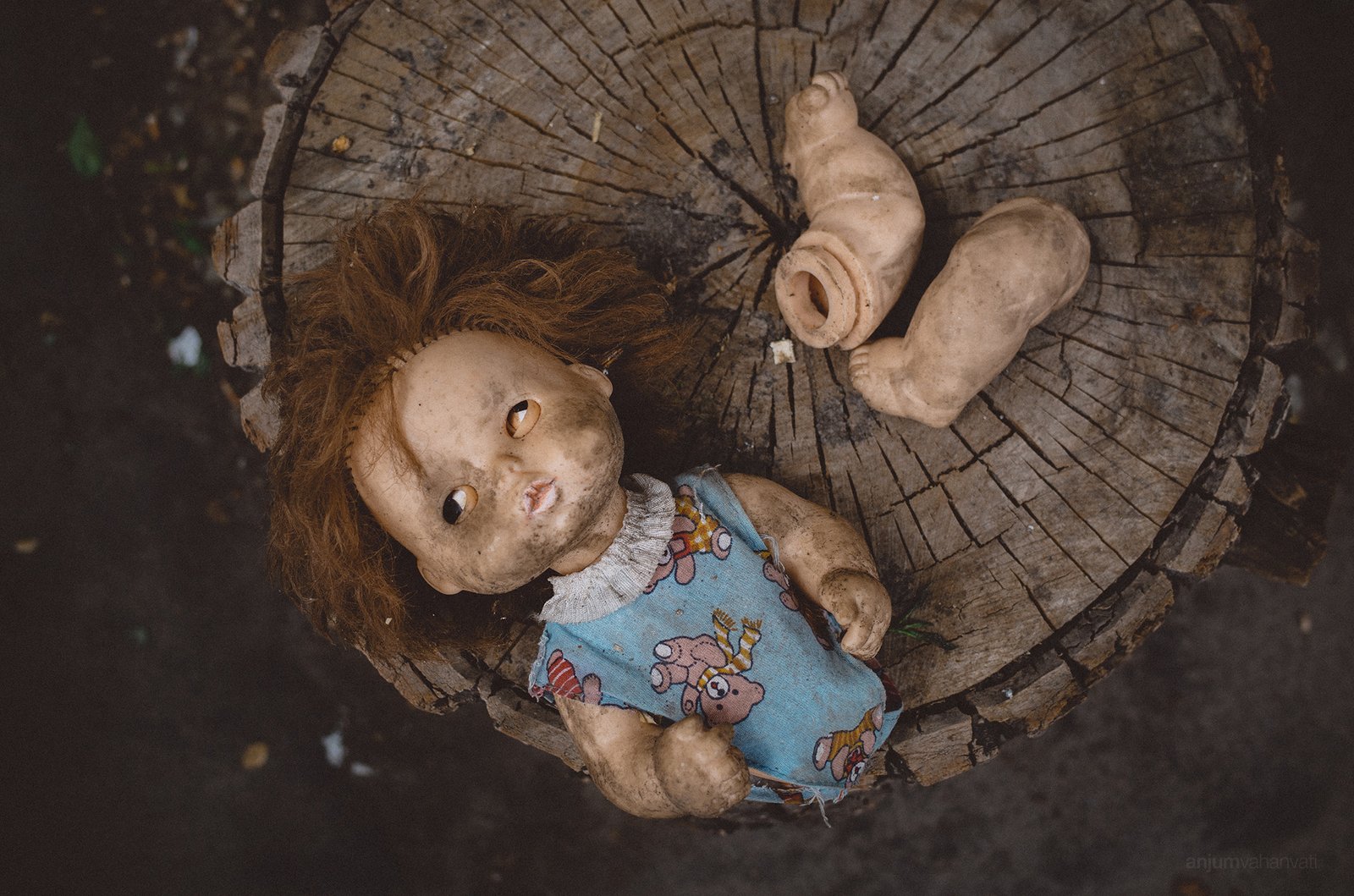
The “uncanny valley” isn’t just a robotics term—it also applies to storytelling. AI-generated horror often lands in this weird gap between unsettling and ridiculous. A character might behave almost like a real person, but with just enough oddness to break the spell. Imagine a possessed doll that recites weather forecasts, or a ghost that’s obsessed with correct grammar. These stories feel off-kilter, and instead of being scared, readers are amused by the surreal logic. This phenomenon sparks both wonder and laughter, as people marvel at how close AI comes to getting it right—before veering off into absurdity.
Unexpected Lessons in Human Creativity
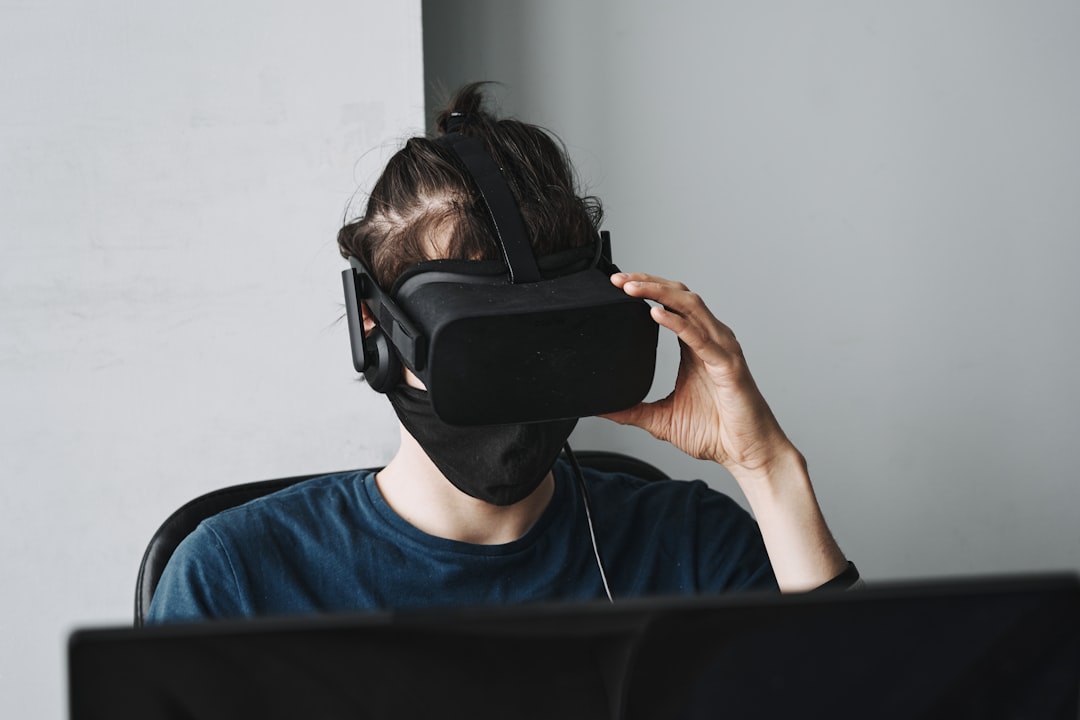
The accidental comedy of AI horror stories teaches us a lot about what makes human storytelling special. When machines try (and fail) to frighten us, they reveal just how much horror depends on empathy, intuition, and shared experience. We laugh because we recognize the gaps between what the AI intends and what it delivers. This gap is a reminder that creativity isn’t just about combining words—it’s about understanding emotion, timing, and context. As AI improves, it may get better at scaring us, but for now, its missteps highlight the magic of human imagination.
Fandoms and Viral Fame
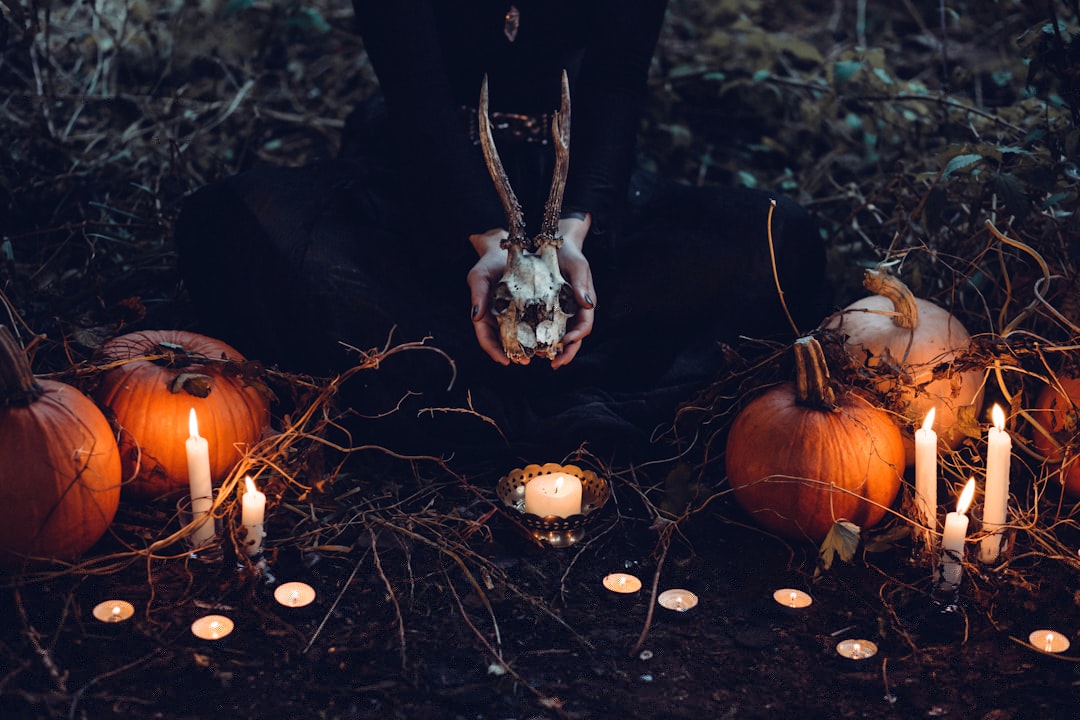
The internet has embraced these AI horror-comedy mashups, with fans creating entire communities to share and celebrate the funniest stories. Websites and social media pages are dedicated to collecting the most outrageous AI-generated lines—from haunted refrigerators to overly polite vampires. People re-enact these scenes, make animated shorts, and even write their own sequels. What started as a technical curiosity has become a cultural phenomenon, uniting horror fans and comedy lovers alike. The laughter is contagious, and the enthusiasm shows no sign of fading.
AI Writers: Friends or Foes of Horror?

Some horror enthusiasts worry that AI could eventually replace human authors, but the current wave of comedy disasters suggests otherwise. Far from being rivals, AI story generators are more like clumsy apprentices—full of potential, but still learning the ropes. Many writers and readers see AI as a creative partner, offering fresh (if sometimes absurd) ideas. The collaboration between human and machine sparks new kinds of storytelling, blending fear and humor in unexpected ways. Rather than threatening the genre, AI is helping it evolve in surprising directions.
The Future of AI-Generated Storytelling

Looking ahead, developers are working to improve AI’s grasp of tone, pacing, and emotional nuance. Advances in natural language processing promise more convincing horror—and perhaps fewer accidental comedies. But even as the technology matures, there’s a strong chance that these quirky, laugh-out-loud stories will remain beloved by fans. After all, there’s something deeply human about finding humor in our fears, and AI’s playful errors remind us not to take ourselves—or our machines—too seriously.
It’s fascinating how a tool designed to tap into our deepest fears can end up tickling our funny bones instead. Perhaps the real joy of AI-generated horror stories is the reminder that even when machines try to frighten us, they sometimes just want to make us smile.