Imagine walking along a tranquil lakeshore, the water’s edge lapping gently at your feet. Suddenly, you learn that beneath these sparkling waves lies a ghostly town—homes, streets, maybe even a schoolhouse, all swallowed by the reservoir’s depths. The idea that entire communities were purposefully submerged to create some of America’s largest reservoirs is both haunting and fascinating. These drowned towns are silent witnesses to sacrifice, ambition, and a vision for the future that forever changed the landscape. What secrets rest beneath the surface, waiting for curious minds to uncover their stories?
The Birth of American Reservoirs: Ambition Meets Necessity
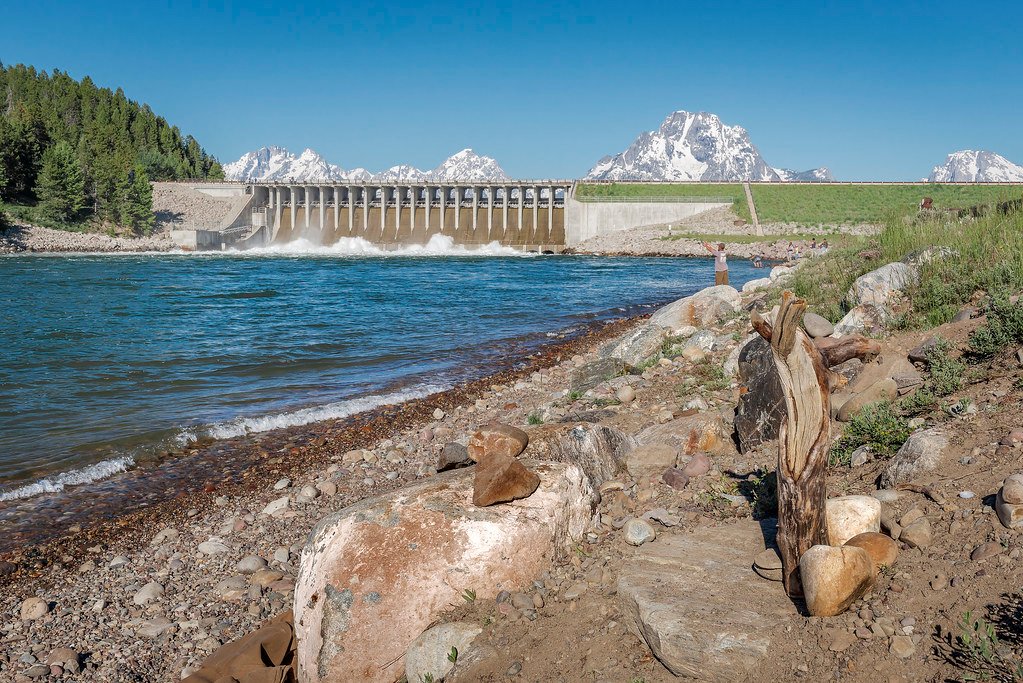
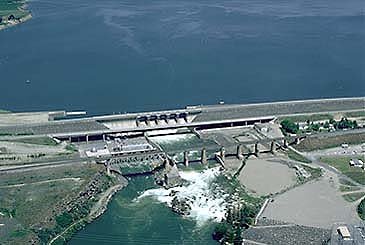
The 20th century was a time of explosive growth and progress in the United States. As cities expanded and industry boomed, the demand for reliable water and energy grew louder. Reservoirs became the answer, offering not just water storage, but also hydroelectric power and flood control. Building these massive bodies of water, however, often demanded an unthinkable price: the intentional flooding of entire towns that stood in the way. Planners and engineers weighed the needs of the many against the fate of the few, leading to decisions that would reshape both geography and history. The creation of these reservoirs was seen as a triumph of human ingenuity, but it also left deep scars on the communities forced to move.
Towns Lost to the Deep: A Hidden American Tragedy
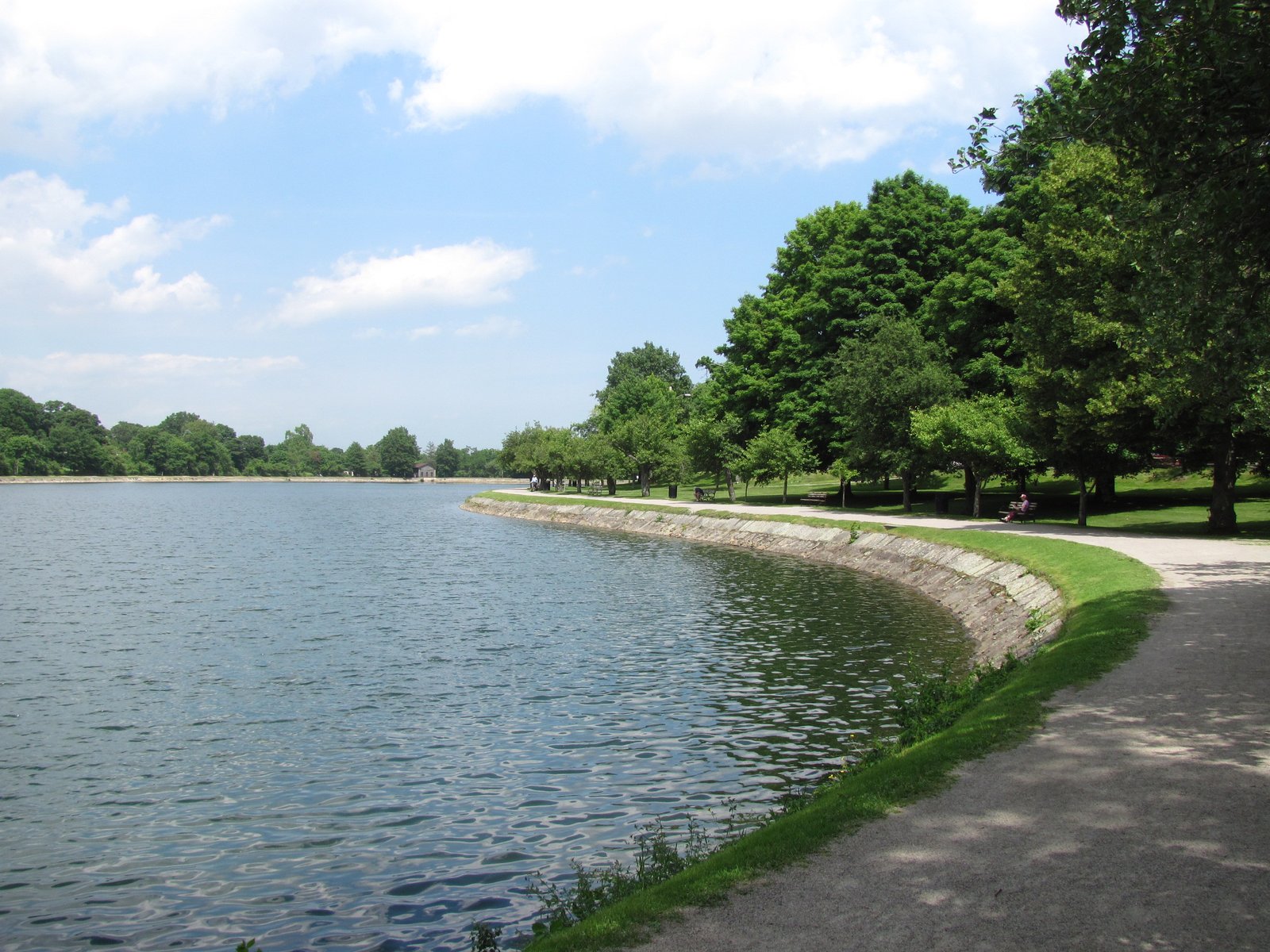
Beneath the calm surfaces of reservoirs like New York’s Ashokan, California’s Whiskeytown Lake, or Pennsylvania’s Conemaugh River Lake, lie the remains of real American towns. These weren’t just clusters of buildings—they were vibrant communities with their own traditions, memories, and hopes for the future. Residents experienced a mix of heartbreak and disbelief as they watched their homes marked for destruction, their familiar landscapes destined to disappear under rising water. The stories of these towns are seldom told, but for generations of former residents, the sense of loss remains vivid. Sometimes, low water levels reveal traces of the past—old foundations, fences, even bits of road, like a ghostly reminder that life once thrived where fish now swim.
The Science of Submerging: Engineering Feats and Environmental Impact
Flooding a town is not as simple as opening a dam’s gates. Engineers must carefully plan the process, considering both the technical and environmental challenges. First, they assess the land, calculate water volumes, and design dams strong enough to hold back millions of tons of water. Next, entire ecosystems are impacted—forests, meadows, and wildlife habitats are erased, replaced by aquatic environments. Scientists monitor these changes, tracking how fish, plants, and animals adapt—or fail to adapt—to their new watery world. The transformation is both a marvel of human engineering and a sobering lesson in ecological upheaval, forcing communities and scientists alike to balance progress with preservation.
Human Stories Beneath the Waves: Memories That Refuse to Fade
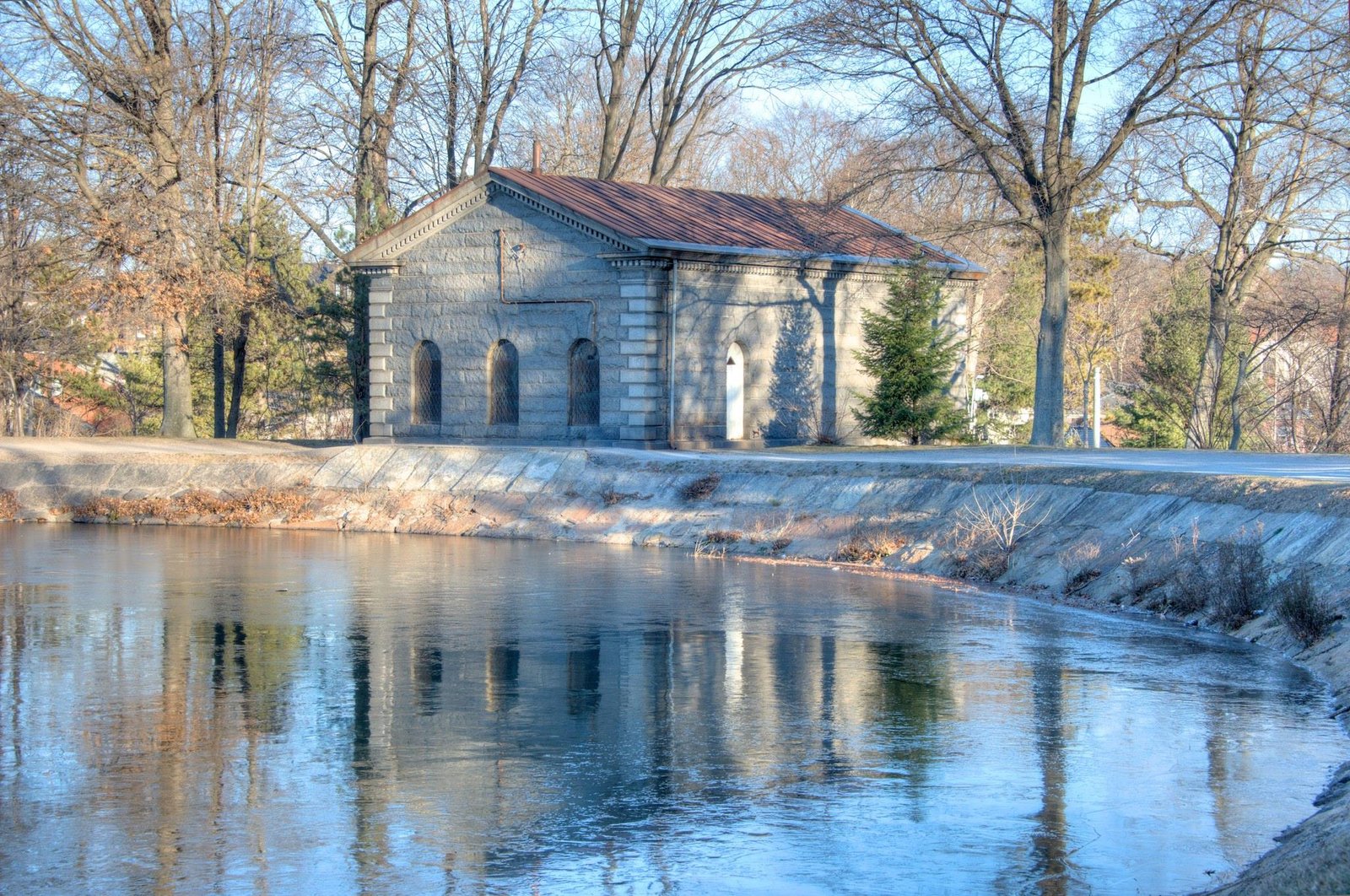
For those forced to leave their homes, the experience was more than a logistical challenge. It was a profound emotional upheaval. Families packed up generations of belongings, said bittersweet goodbyes to neighbors, and watched as landmarks disappeared forever. Oral histories remind us that these were not just empty shells, but places full of laughter, struggle, and resilience. Children who once played in village squares now visit the reservoir’s edge, pointing out where their homes once stood. The pain of displacement lingers, woven into family stories and community memory, making the loss tangible even decades later.
What Lurks Below: Archaeology and Exploration
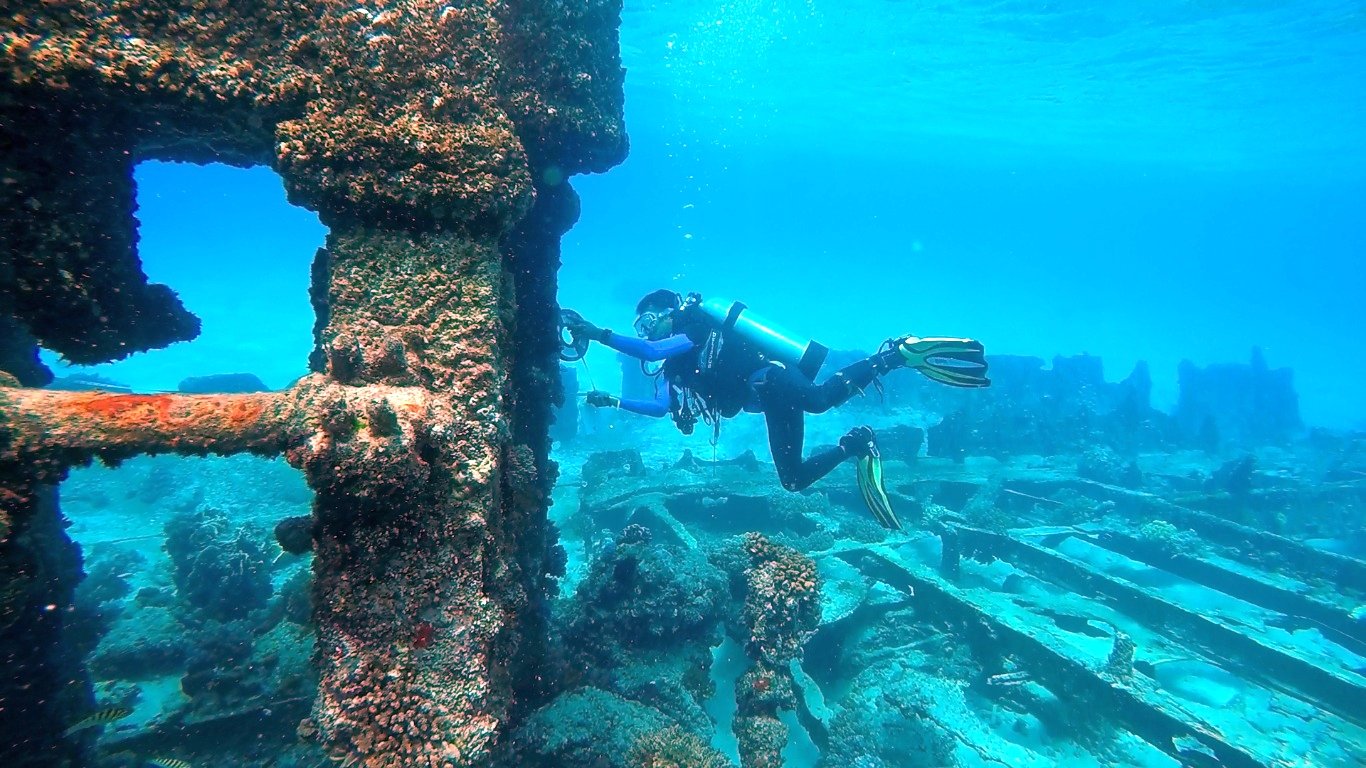
Modern technology has allowed divers, archaeologists, and even curious hobbyists to explore the underwater ruins of these submerged towns. Using sonar, underwater drones, and scuba gear, explorers map the old streets and buildings lost to the floodwaters. Sometimes, they discover relics—a dinner plate, a church bell, or rusted farm equipment—that offer a glimpse into daily life before the water came. These expeditions are both thrilling and eerie, as the silence of the deep preserves the past in an almost dreamlike state. Each discovery adds to our understanding of how people lived, worked, and adapted before their world was transformed by water.
Nature’s Comeback: Life Thrives in Unexpected Ways
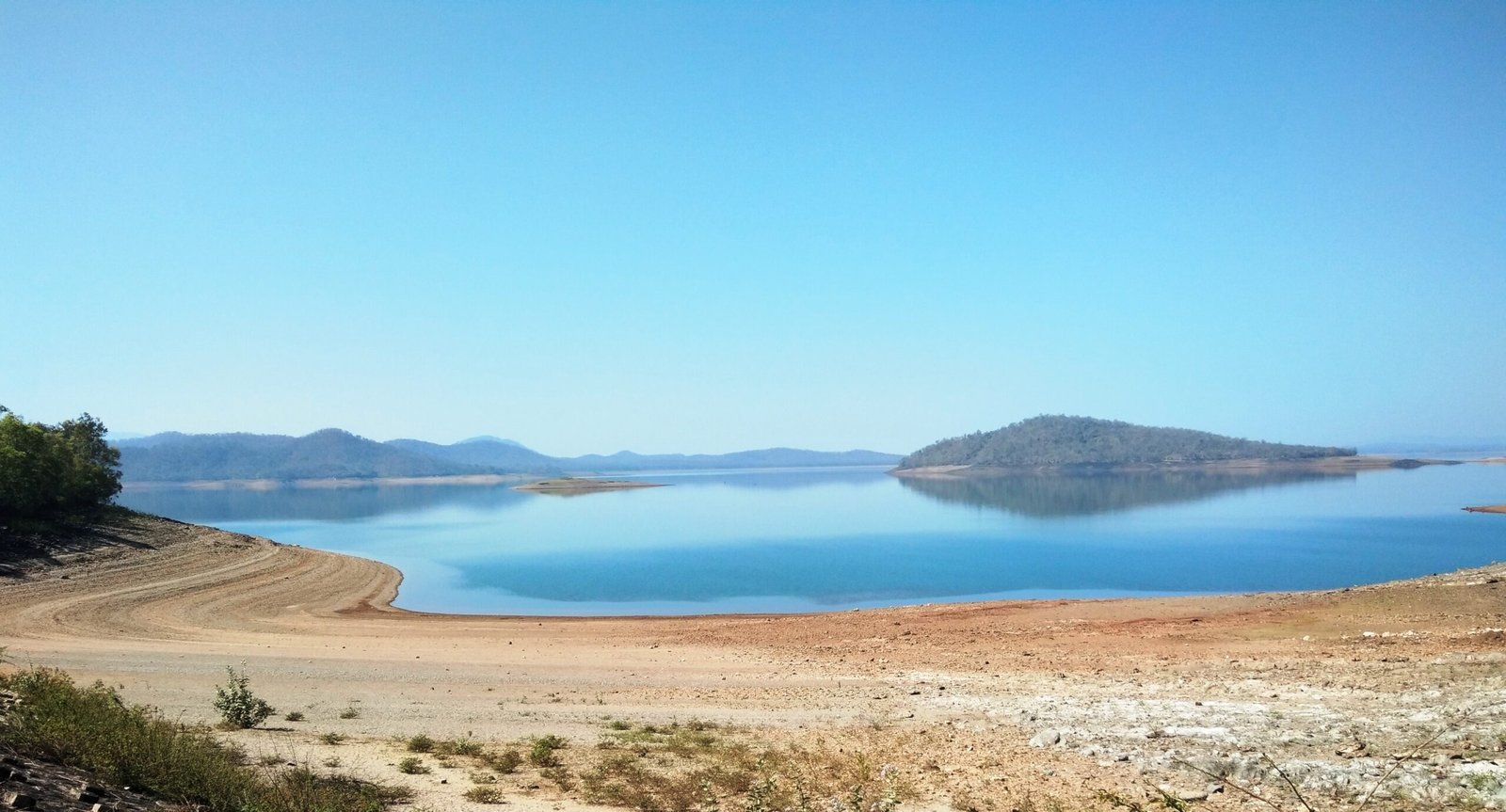
Surprisingly, reservoirs often become rich habitats for wildlife. Where neighborhoods once stood, now schools of fish dart among sunken structures. Birds flock to new wetlands formed along the shoreline, and aquatic plants take root in the muddy bottom. Scientists have found that these artificial lakes can support a dazzling array of species, from turtles to otters to rare waterfowl. The sunken towns serve as underwater reefs, sheltering fish and other creatures. This natural resurgence offers a bittersweet reminder that while human history may be lost, life finds a way to adapt and flourish in changed environments.
Economic Trade-Offs: Progress at a Price
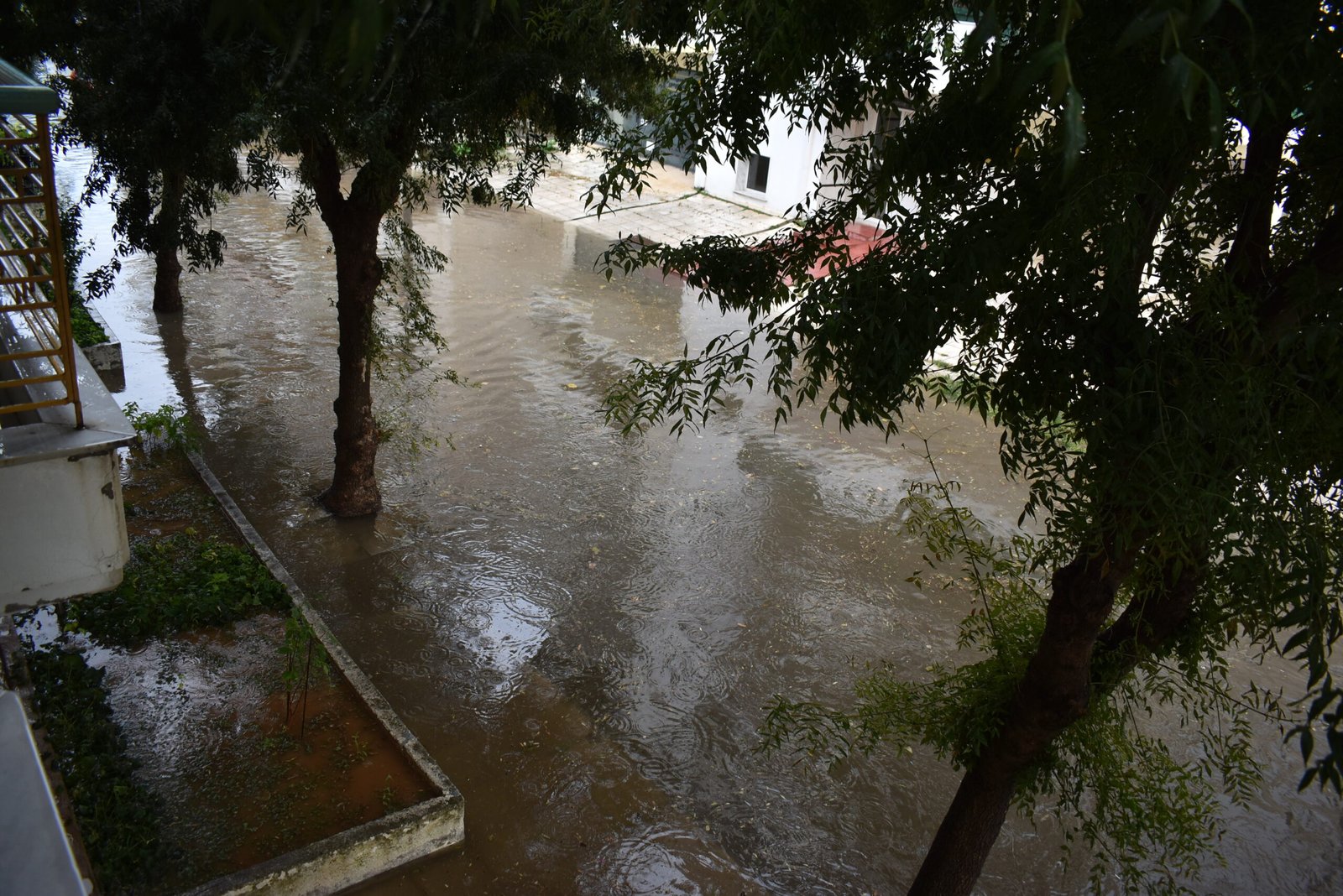
The decision to drown a town is never made lightly. Reservoirs bring undeniable benefits—steady water supply, renewable energy, recreation, and protection from catastrophic floods. Yet, the cost is measured not just in dollars, but in disrupted lives and lost heritage. Economists weigh the long-term advantages against the immediate sacrifices, often framing the narrative as one of progress. Still, for those whose homes and histories were erased, the trade-off can feel impossibly steep. This tension between collective gain and personal loss is at the heart of every reservoir’s story.
Resurfacing in Drought: When the Past Returns
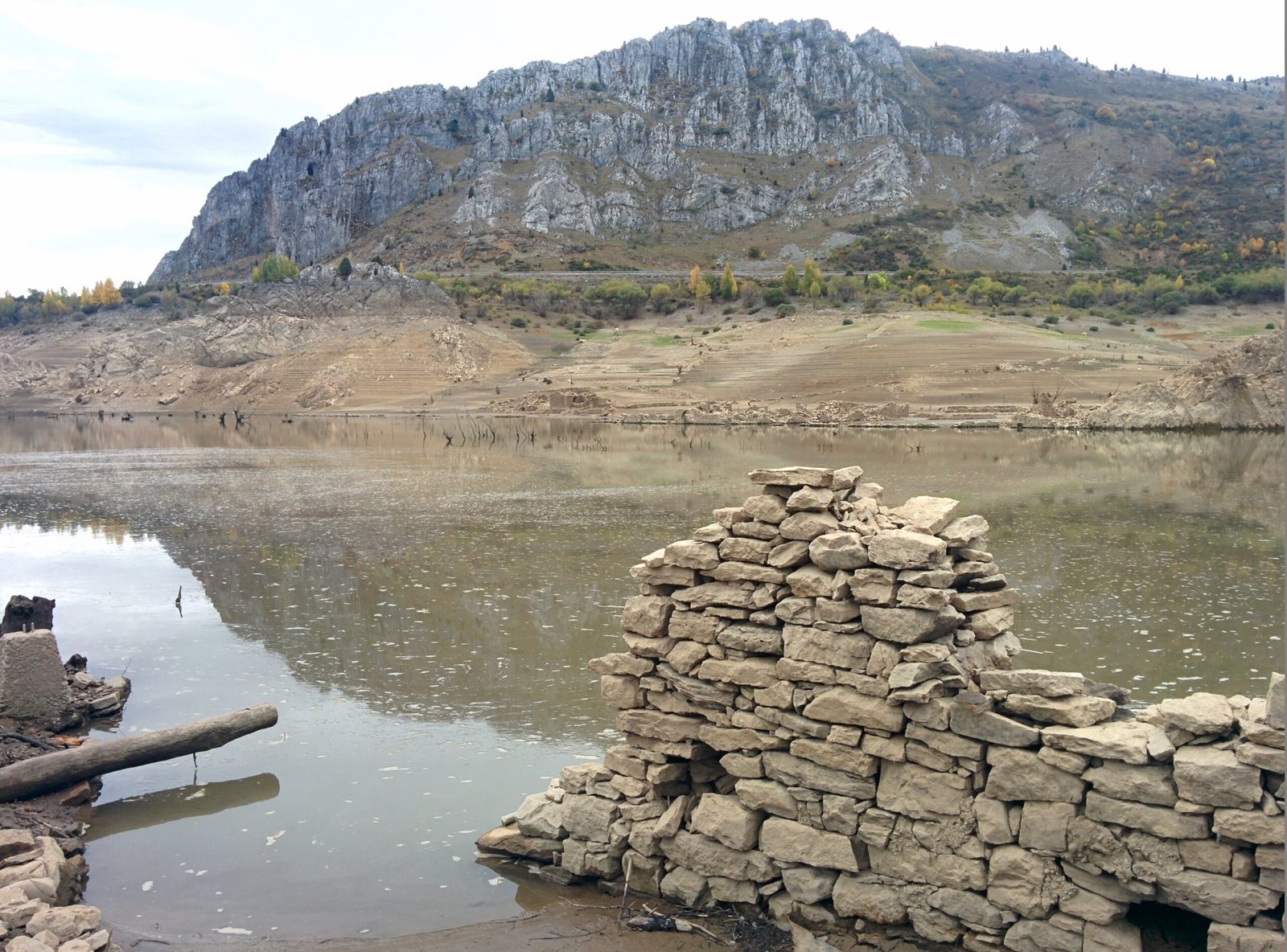
In times of drought, water levels drop dramatically, sometimes revealing glimpses of the sunken towns below. People have stumbled upon stone foundations, crumbling bridges, and even intact road signs, all exposed by receding waters. These moments are powerful—like flipping through an old family photo album and finding a forgotten memory come to life. They serve as vivid reminders that the past is never truly erased; it waits, just out of sight, to be rediscovered. Such events draw crowds of visitors and spark renewed interest in the stories of those who once called these places home.
Preserving the Legacy: Museums, Monuments, and Oral History
Communities affected by reservoir projects often fight to keep their stories alive. Local museums collect artifacts and photos, while monuments mark the original locations of lost towns. Former residents gather for reunions, sharing memories and passing them down to younger generations. Oral historians record firsthand accounts, ensuring that the emotional and cultural impact of displacement is not forgotten. These acts of remembrance are crucial in honoring the sacrifices made and ensuring that the lessons of the past continue to influence future decisions.
Lessons for the Future: Rethinking Water and Community
As climate change intensifies and populations grow, the pressure to create new reservoirs or expand existing ones is mounting. Scientists, engineers, and policymakers now face tough questions: Can we meet our water needs without repeating the mistakes of the past? Are there more sustainable ways to balance human ambition with environmental stewardship and respect for community? The stories of drowned towns serve as powerful cautionary tales, urging us to look deeper before we act. By learning from these submerged histories, we stand a better chance of building a future that is both resilient and compassionate.