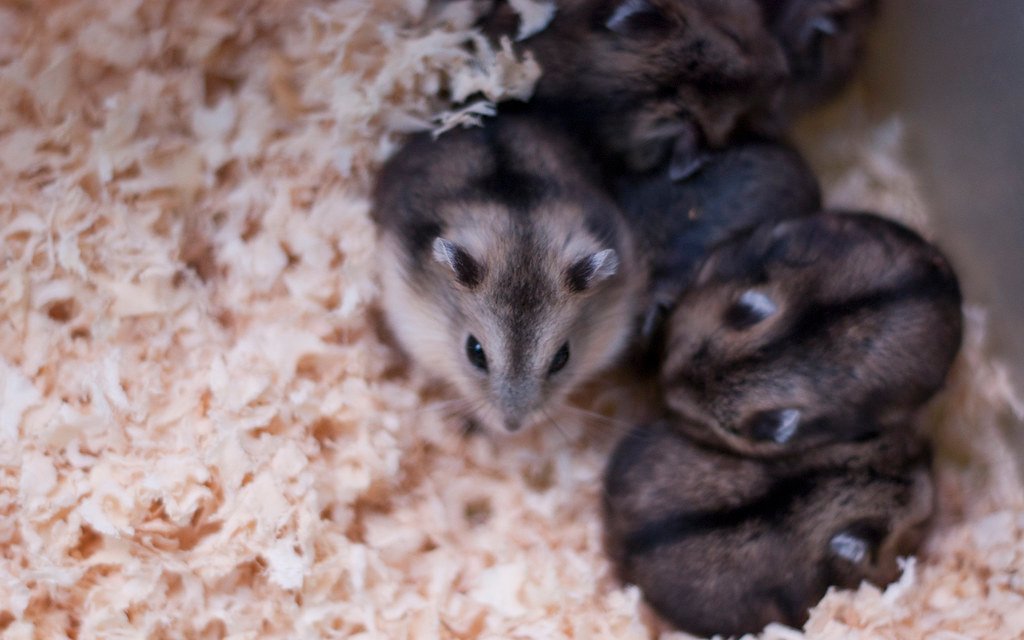

It’s a scene that can leave even seasoned pet owners reeling: a mother hamster, in a moment that seems to defy the very instincts of nurturing, turning on her own newborns. The act is shocking, distressing, and deeply misunderstood. What could possibly drive an animal, often doted upon in homes around the world, to such a grim behavior? The answer lies in a fascinating intersection of biology, survival, and instinct—one that challenges our notions of maternal love and reveals the harsh realities of life in the animal kingdom. Nature, as it turns out, is far more complex and primal than most of us ever imagine.
The Harsh Reality of Survival Instincts
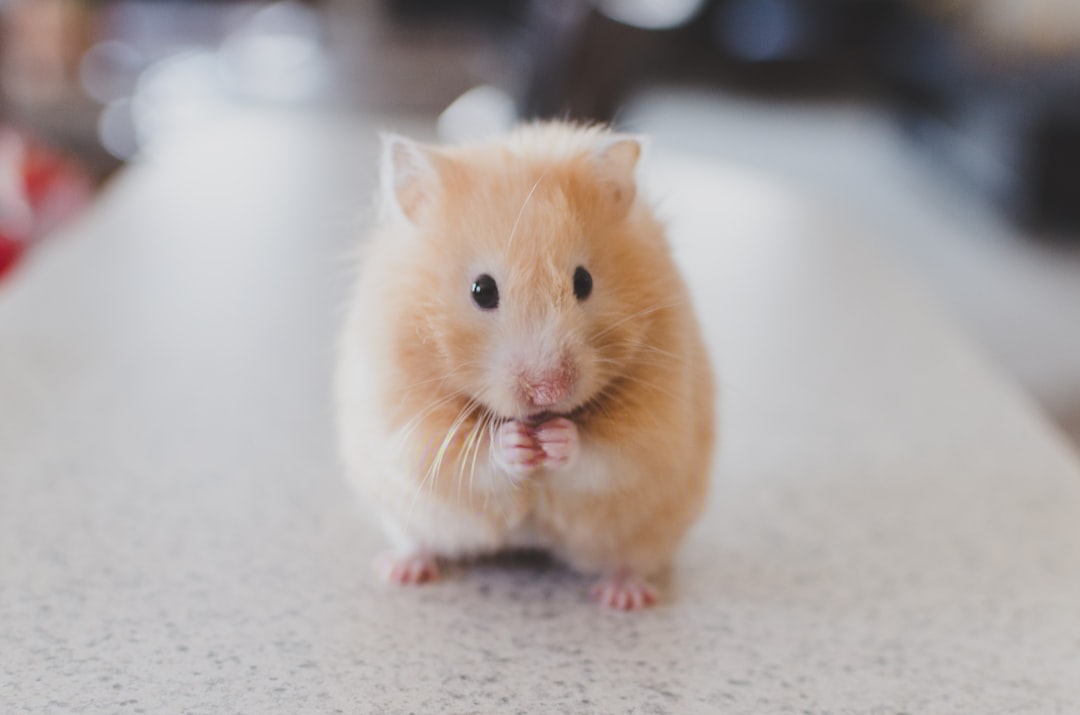
For wild hamsters, life is a constant struggle against hunger, predators, and environmental pressures. Every action, even those that seem brutal, is shaped by the need to survive and ensure the continuation of their genes. Cannibalism, as disturbing as it sounds, can be a desperate measure to balance the survival of the mother and the rest of her litter. This instinctual drive ensures that, if resources are scarce or the environment is hostile, the mother can conserve her energy and focus on raising only those pups with the best chances of survival. In the wild, such tough decisions often spell the difference between life and extinction.
Stress: The Silent Trigger
Stress is a powerful force in the animal world, and hamsters are particularly sensitive to disruptions. Loud noises, frequent handling, unfamiliar scents, or abrupt changes in their environment can cause a mother hamster to feel threatened. When stress levels rise, her instincts may become confused, leading her to perceive her young as a liability rather than a legacy. In these tense moments, the mother may eat her pups in an attempt to restore her own sense of safety and control. The heartbreaking outcome is often tied not to malice, but to the overwhelming surge of anxiety and the primal need to protect herself.
Nutritional Deficiencies and Desperation
A mother hamster’s body is under tremendous strain during pregnancy and lactation. If she is not provided with a nutrient-rich diet, her reserves become dangerously depleted. In dire circumstances, eating her own young becomes a desperate source of protein and nutrients, allowing her to survive and potentially have healthier litters in the future. This nutritional cannibalism isn’t unique to hamsters—many small mammals, birds, and even fish have been observed resorting to similar strategies when food is scarce. It’s a stark reminder of how deeply basic survival is woven into the instincts of all creatures.
Recognizing Weak or Sickly Offspring
Hamsters have a keen sense for detecting which of their pups are unlikely to thrive. If a baby is born weak, sick, or with a genetic defect, the mother may instinctively cull the litter by eating the ailing pup. This behavior, while shocking to humans, is a way to conserve resources for the healthiest young, ensuring that her energy is not wasted on those unlikely to survive. In the wild, this practice increases the odds that at least some of her offspring will make it to adulthood, carrying on her genetic line.
Scent Confusion and Human Interference
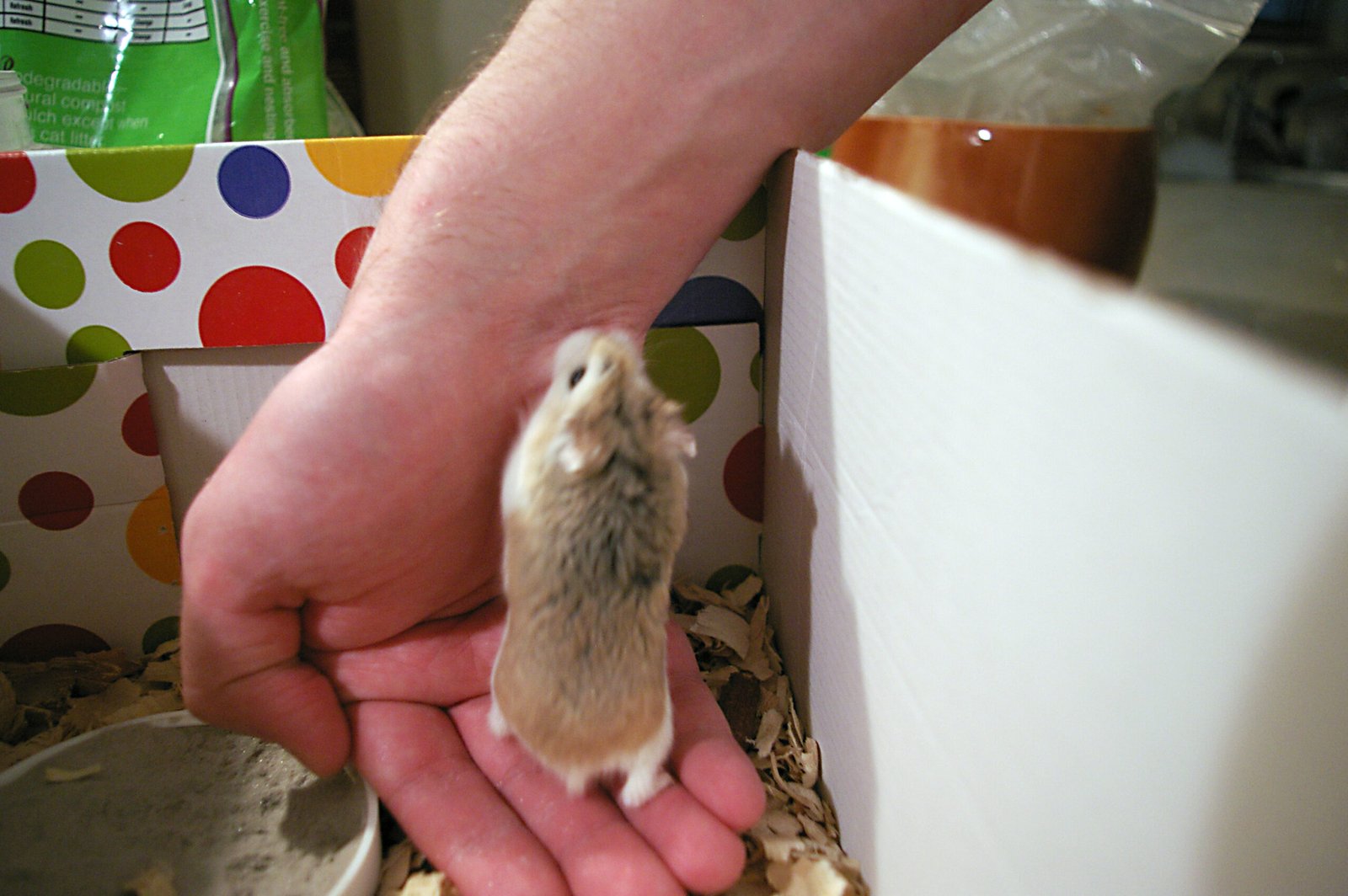
One of the most surprising reasons mother hamsters may eat their young comes down to scent. Newborn hamsters are tiny and delicate, and their mother relies heavily on her sense of smell to recognize them. When humans handle the pups, their scent can mask or alter the babies’ natural odor. This can confuse or alarm the mother, making her perceive the pups as intruders or threats. In response, she may reject or even eat them. Pet owners are often advised to avoid touching newborns for at least two weeks to prevent tragic misunderstandings born from the mixing of scents.
Overcrowding and Territory Pressures
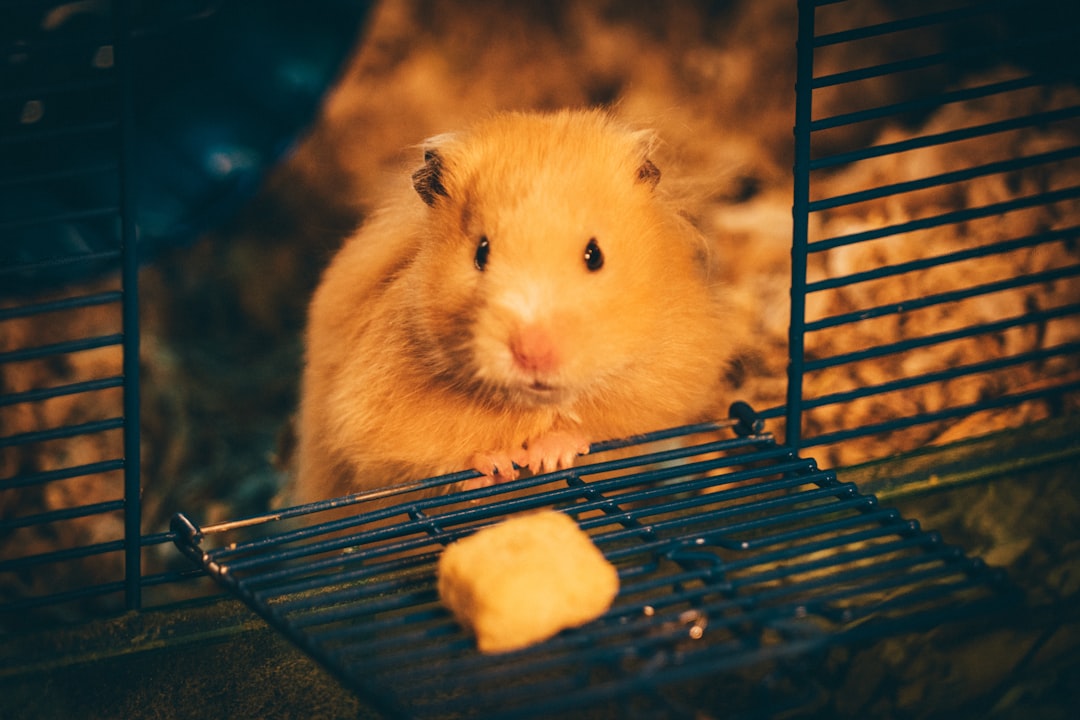
In captivity, space is often at a premium. Hamsters are territorial by nature, and an overcrowded cage can create intense competition and stress. A mother hamster feeling crowded or threatened by other adults—or even her own growing litter—may see her young as a burden or a threat to her security. The result can be the heartbreaking decision to eat some or all of her pups. This behavior highlights how important it is to provide ample space and privacy for mother hamsters during the vulnerable period after giving birth.
First-Time Mothers and Inexperience
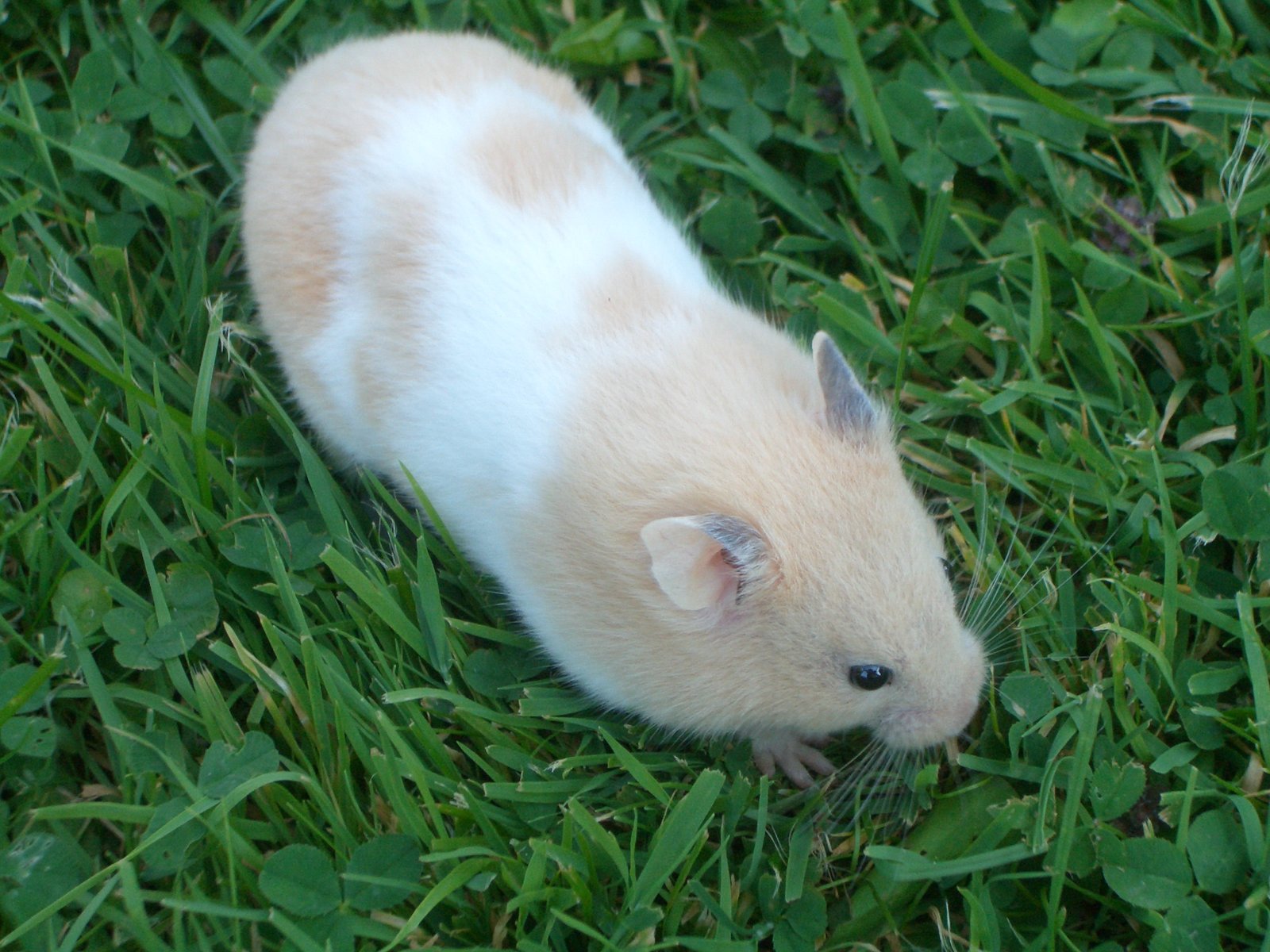
Young or first-time mother hamsters are particularly prone to eating their young. Without prior experience, they may become overwhelmed by the demands of caring for a litter. Inexperience can lead to confusion, mishandling, and an inability to recognize normal pup behavior. When faced with uncertainty, a new mother’s instincts might misfire, resulting in cannibalism. This pattern is not unique to hamsters; inexperienced mothers in many animal species are more likely to abandon or harm their offspring, simply because they lack the learned skills needed to nurture them successfully.
Environmental Conditions and Temperature
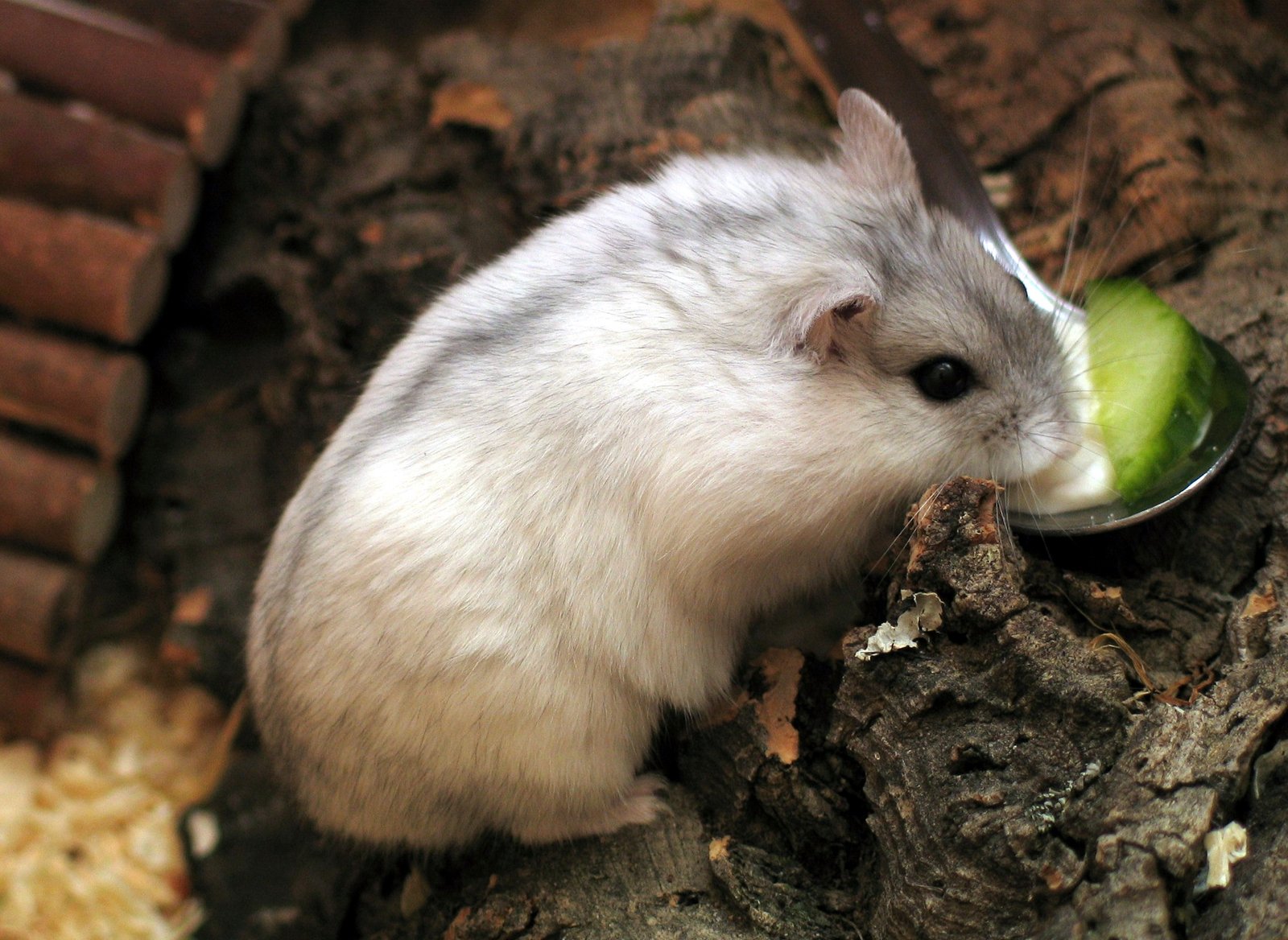
The environment plays a critical role in the survival of newborn hamsters. If the nesting area is too cold or too hot, or if the bedding is damp or dirty, the mother may sense that the conditions are unsuitable for raising her young. Rather than risk the suffering of her pups in a hostile environment, she might resort to eating them. This reaction is rooted in a harsh, evolutionary logic: if the chances of survival are slim, it is better to conserve resources for a future, more successful litter.
Genetic Programming: The Evolutionary Perspective
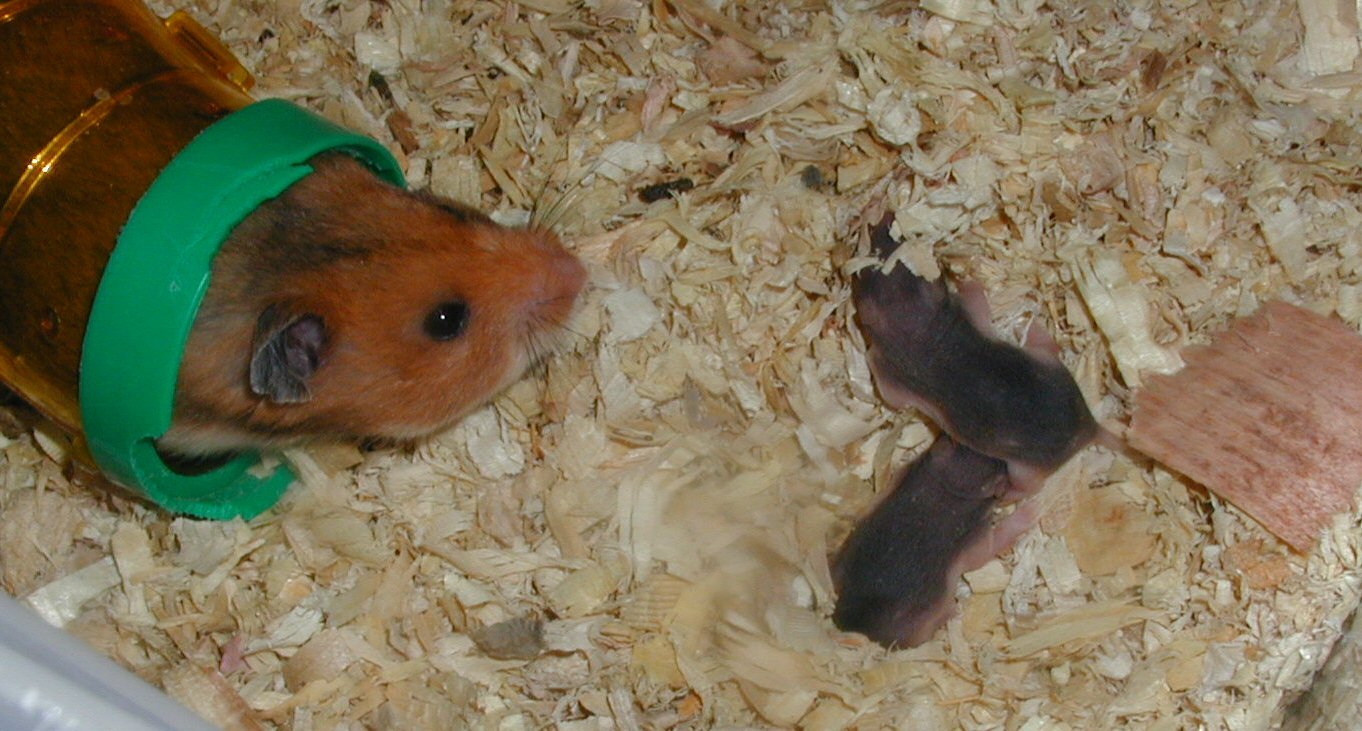
From a genetic perspective, the behavior of eating one’s own young is not simply a mistake or a sign of poor parenting. It is a deeply embedded survival strategy shaped by millions of years of evolution. In unpredictable and dangerous environments, only the most adaptable and resourceful animals survive. The genes that prompt a mother to make tough choices under pressure have been passed down through countless generations. While it may seem cruel, this ancient programming has allowed hamsters—and many other species—to persist through times of famine, stress, and uncertainty.
Lessons for Pet Owners and Animal Lovers
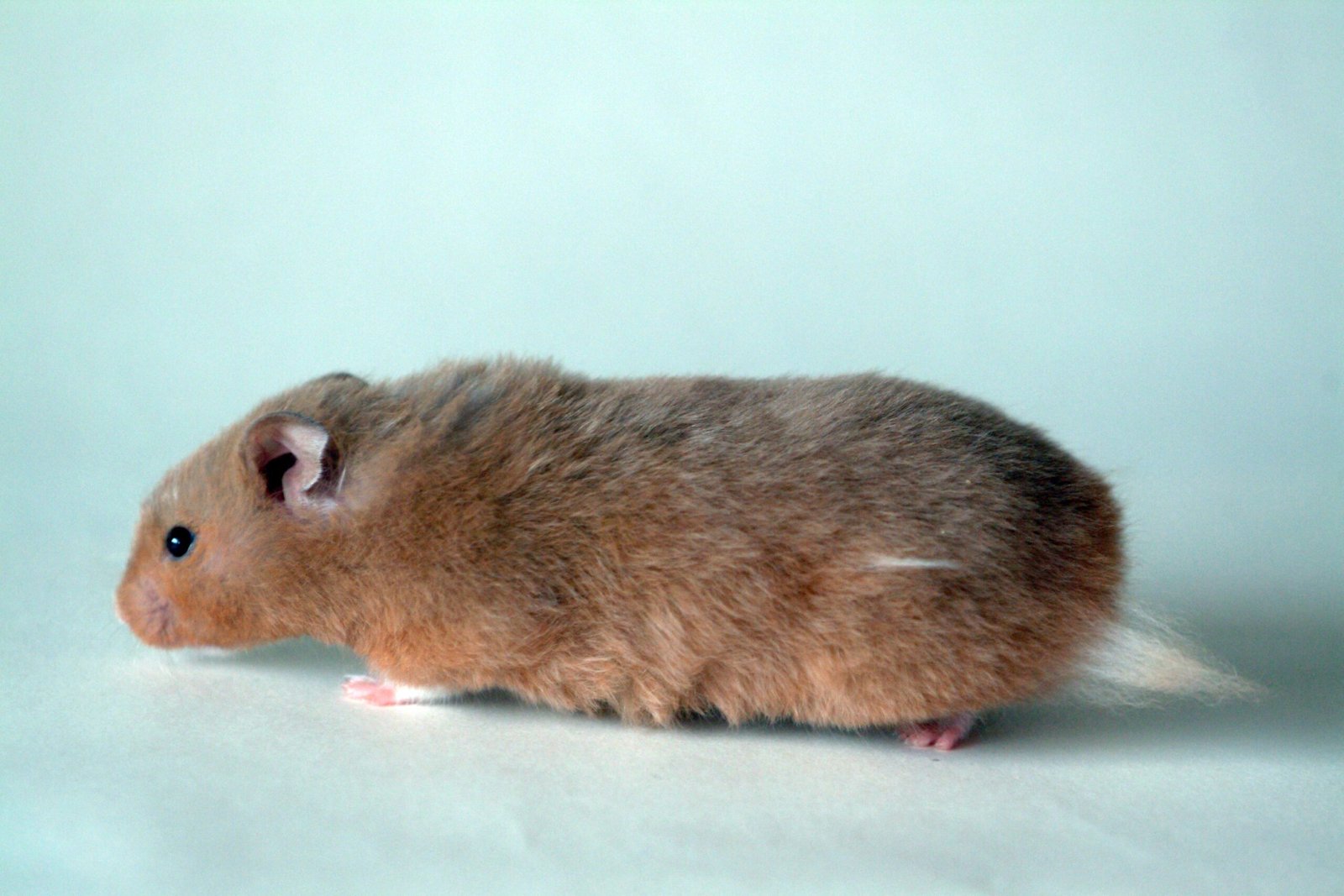
Understanding why mother hamsters sometimes eat their own young is not just an exercise in curiosity—it’s a call to action for anyone who cares for these delicate creatures. Providing a safe, quiet, and well-nourished environment, minimizing stress, and respecting the mother’s need for space can dramatically reduce the chances of this tragic behavior. For breeders and pet owners alike, empathy and vigilance are key to supporting the natural instincts of hamsters while protecting the lives they bring into the world.
The next time you look at a tiny, twitching hamster pup, remember that survival in the animal kingdom is a delicate, often brutal balance. Would you have guessed that such a small, gentle creature could hold such fierce instincts within?