Imagine a creature so resilient that it thrives in places where nothing else survives — not because it avoids danger, but because it consumes what should kill it. This isn’t science fiction. There is a real-life microbe that doesn’t just withstand deadly radiation; it actually feeds on it. The discovery of such an extraordinary organism is shaking up what we thought we knew about life’s limits and is lighting a spark in the minds of scientists dreaming of exploring Mars. Could this humble microbe be the key to unlocking the mysteries of the Red Planet and, perhaps, the survival of humans beyond Earth?
Astonishing Survivors: Microbes That Feast on Radiation
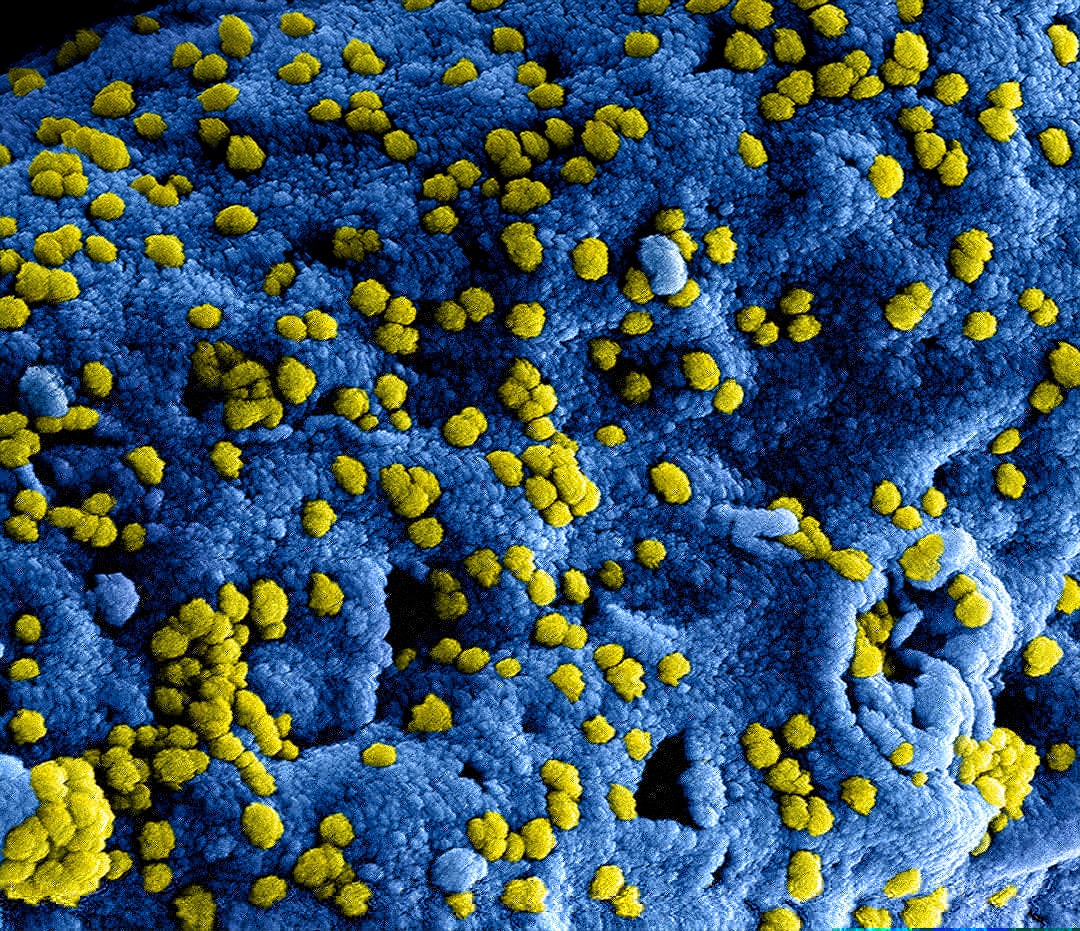
Certain microbes have evolved to not just endure, but flourish in environments blasted by radiation levels that would be lethal to humans and most life forms. One of the most fascinating of these is a species called Deinococcus radiodurans, often nicknamed “Conan the Bacterium.” This microscopic survivor has been found in nuclear reactors, radioactive waste dumps, and other places where radiation is off the charts. What is truly mind-blowing is its ability to repair its DNA after extreme damage, making it nearly indestructible in conditions that would obliterate most organisms.
How Do These Microbes Survive the Unthinkable?
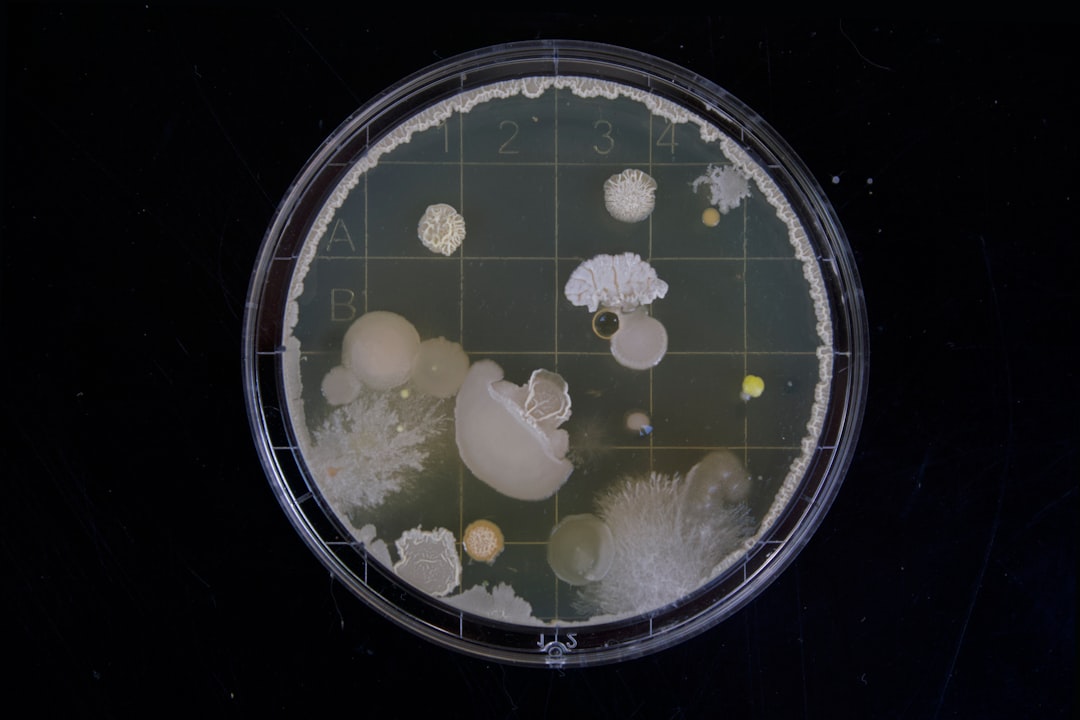
The secret to these microbes’ survival lies in their extraordinary biology. Deinococcus radiodurans possesses a complex system of DNA repair enzymes—think of them as a microscopic emergency response team that springs into action the moment radiation causes breaks in the DNA. Its cell walls are also reinforced, acting like armor against radiation’s destructive force. Unlike most living things, these microbes can endure being dried out, frozen, or exposed to toxic chemicals, then spring back to life as if nothing happened. It’s almost as if they were engineered to survive on another planet.
Feeding on Radiation: Energy From the Unimaginable
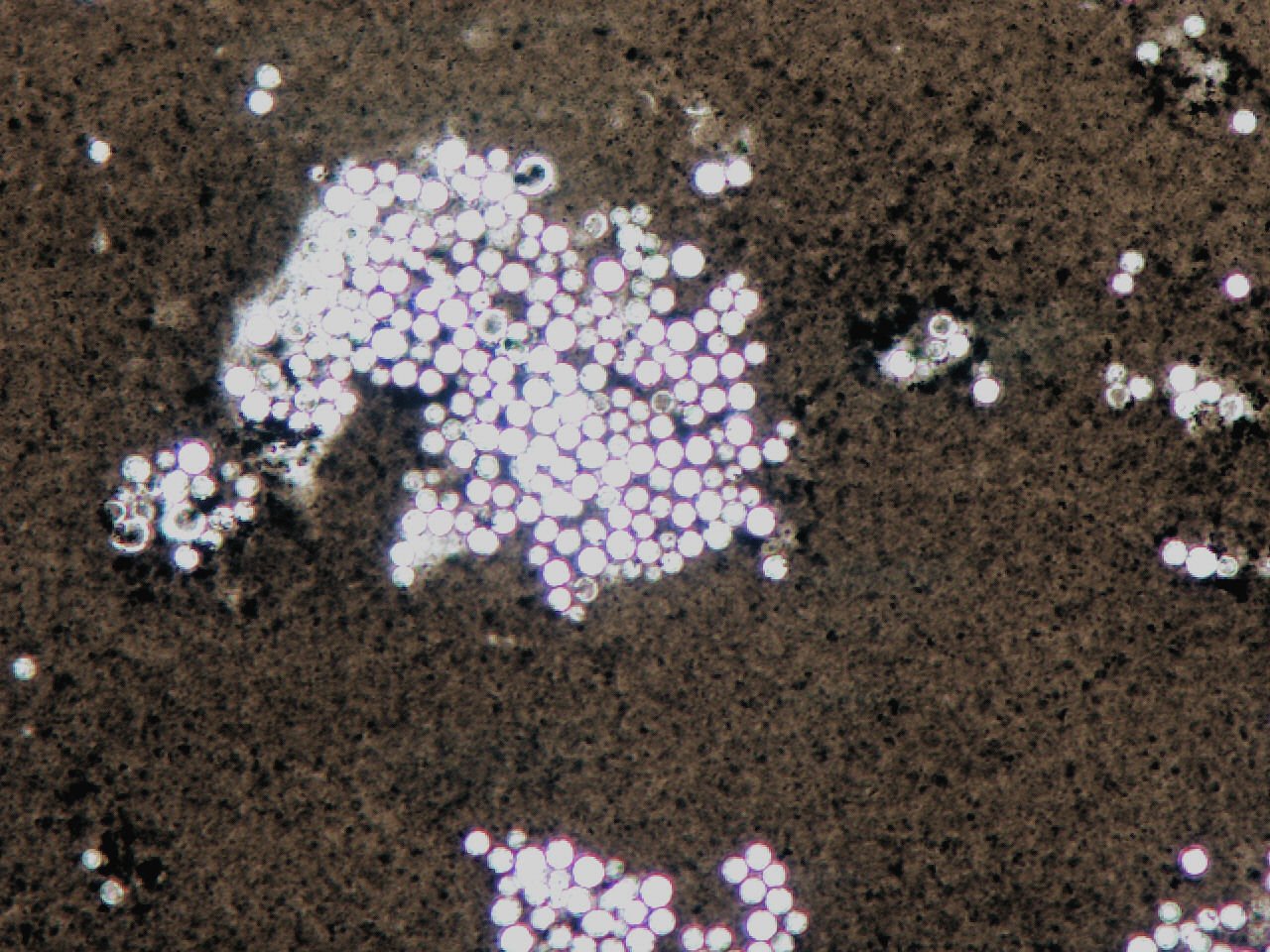
What sets some radiation-eating microbes apart is not just their ability to survive, but to actually harvest energy from radiation. For instance, a black fungus called Cryptococcus neoformans, found near the Chernobyl nuclear disaster site, uses melanin in its cell walls to convert gamma radiation into chemical energy—a process known as radiosynthesis. This is similar to how plants use sunlight in photosynthesis. The idea of an organism living off what we consider deadly is both shocking and inspiring, pushing the boundaries of what we imagine life can do.
Why Mars? The Red Planet’s Hostile Environment

Mars is a world bathed in radiation, with a thin atmosphere and no protective magnetic field like Earth’s. Any human or earthly life sent to Mars would be bombarded by cosmic rays and solar radiation strong enough to fry electronics and damage living cells. This daunting reality has been one of the biggest obstacles to long-term Mars exploration and colonization. But what if we could harness the incredible abilities of radiation-eating microbes to help us cope with this alien environment?
Microbes as Martian Pioneers: Possible Roles on Mars

These microbes could act as pioneers, preparing the way for humans. Imagine sending radiation-eating microbes to Mars to create protective biofilms on habitats, shielding astronauts from harmful rays. They could be engineered to produce essential resources like oxygen or food by harnessing Martian resources and radiation. Some scientists even speculate about the possibility of using such microbes to detoxify soil or generate energy, making Mars a little more hospitable, step by step. It’s a vision that combines biology and engineering in a way that feels almost magical.
Building Habitats: Microbial Shields Against Radiation
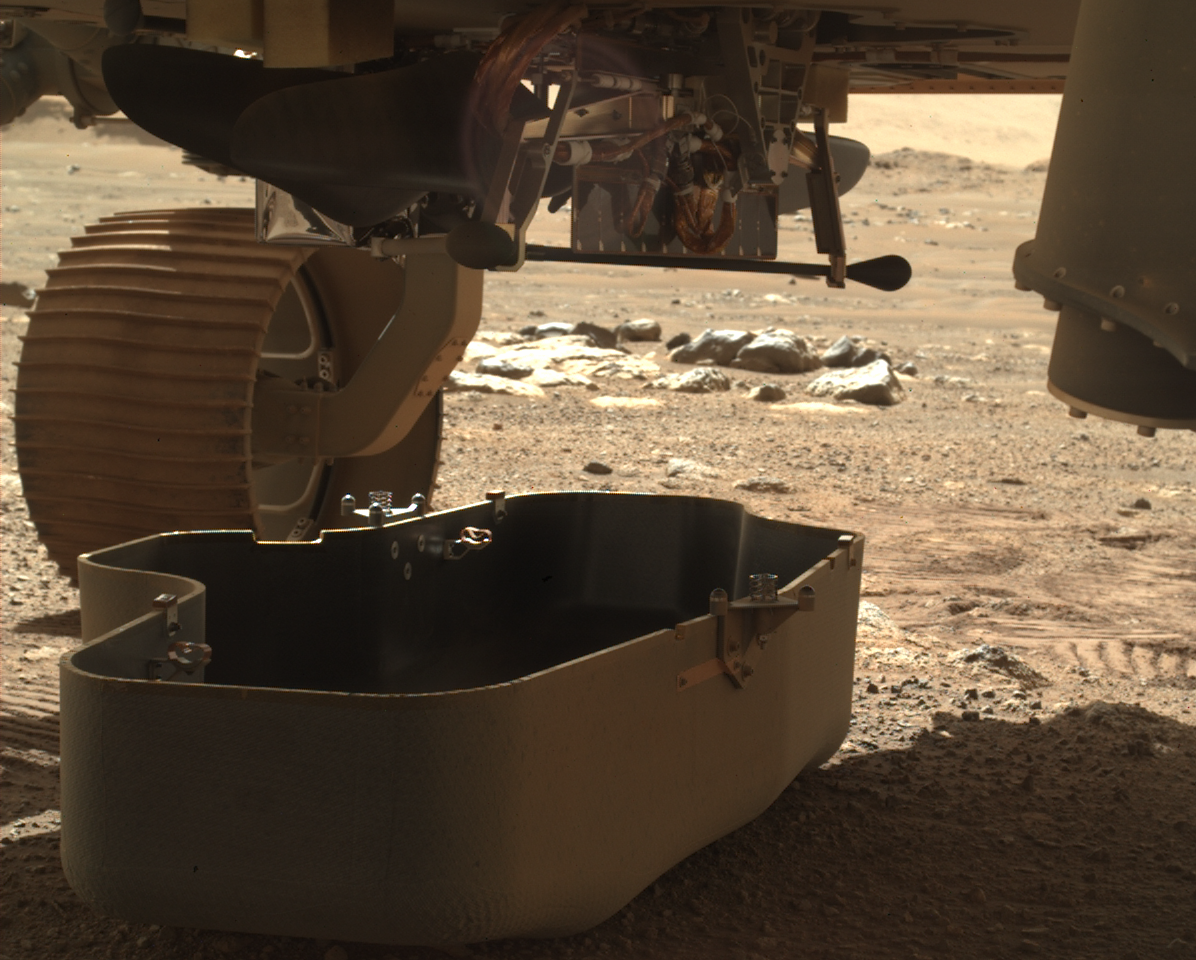
One of the most exciting ideas is using these microbes to form living shields. By encouraging colonies of radiation-absorbing fungi or bacteria to grow on the outer walls of habitats, future Martian settlers could have a self-repairing, ever-renewing layer of protection. Unlike traditional shielding, which is heavy and costly to transport, a microbial shield could be “grown” on-site, adapting to changing conditions over time. This approach could drastically reduce the cost and complexity of building on Mars.
Terraforming Dreams: Small Steps With Big Potential
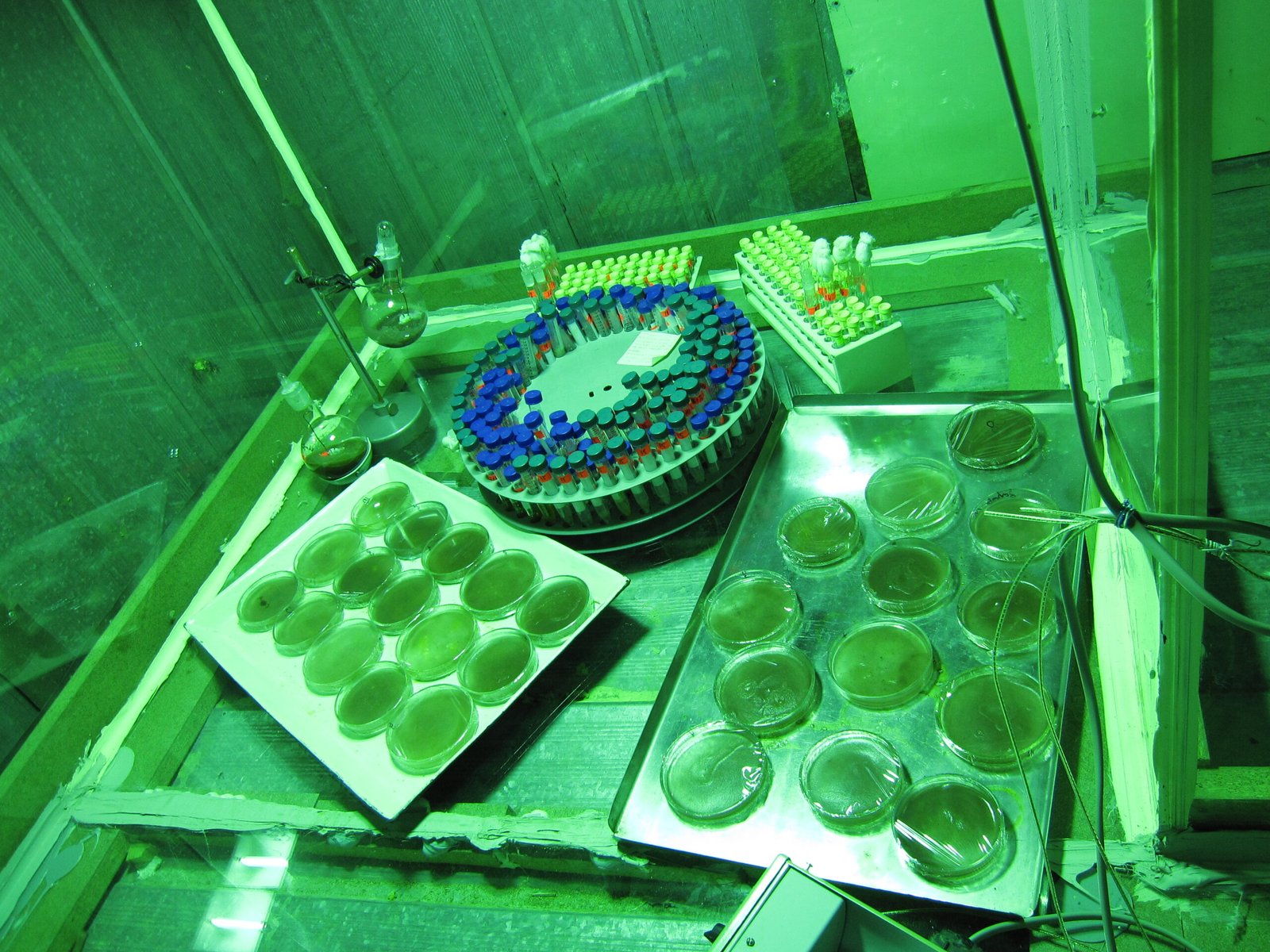
Terraforming Mars — turning it into a planet more like Earth — is a concept that has captured imaginations for decades. While this remains far in the future, radiation-eating microbes could be the first step in that direction. By breaking down toxic chemicals and helping to stabilize the harsh Martian environment, these microbes might slowly pave the way for more complex life. It’s a slow, steady process, much like how ancient cyanobacteria transformed Earth’s atmosphere billions of years ago.
What Science Tells Us: Experiments and Evidence
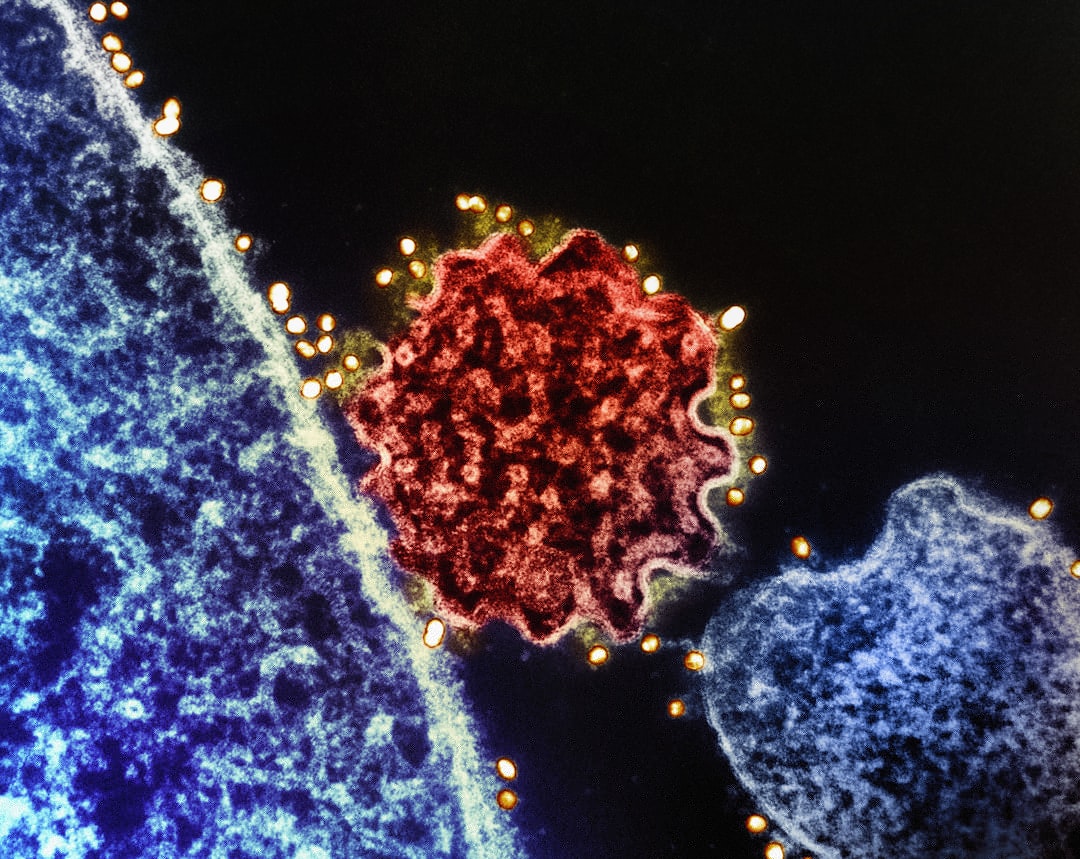
Researchers have already sent Deinococcus radiodurans and similar microbes into space, exposing them to the raw conditions of outer space and Martian-like environments. Astonishingly, many survived for years, holding out against vacuum, cold, and intense radiation. These results show not just the resilience of these tiny organisms, but also the real possibility of using them in future missions. Every experiment uncovers more about their limits and their potential as tools for exploration.
Challenges and Ethical Questions
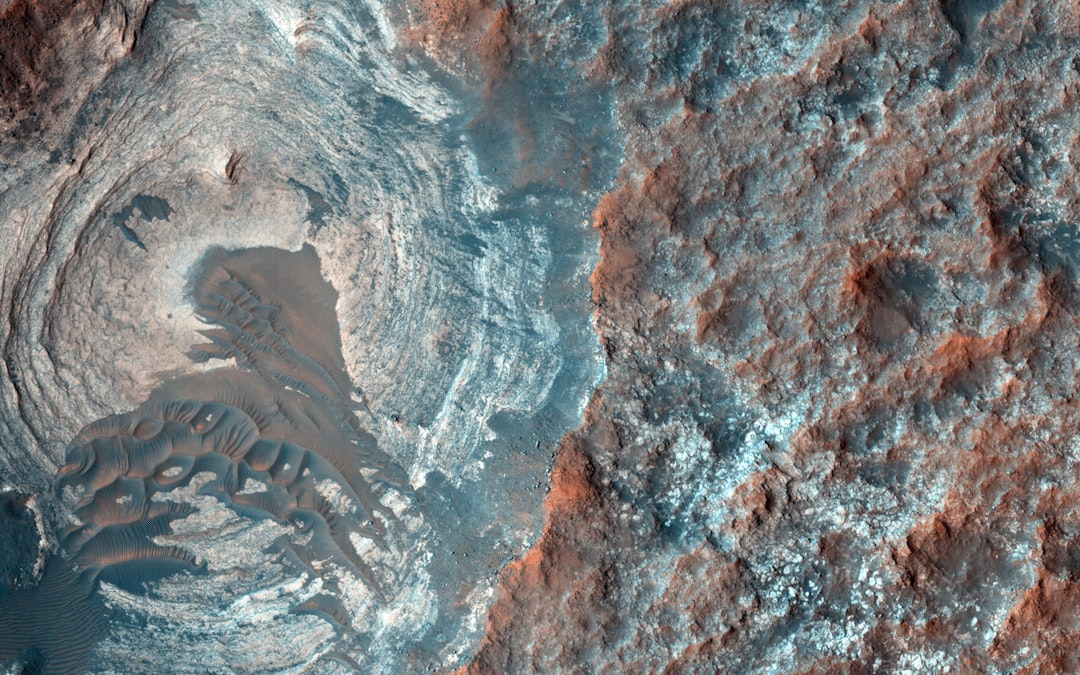
While the potential is huge, there are important questions to consider. Introducing Earth microbes to Mars could risk contaminating the planet, making it harder to search for native Martian life and raising ethical concerns about interfering with another world’s natural state. Balancing the drive to explore with the responsibility to protect is a challenge that scientists and ethicists are still grappling with. The story of radiation-eating microbes is not just one of science, but also of careful decision-making.
A Glimpse Into the Future: Microbes and Humanity’s Next Giant Leap
The idea that a microbe could help us survive on Mars is both humbling and exhilarating. It reminds us that sometimes the smallest, most overlooked forms of life hold the greatest potential for human progress. As we prepare for humanity’s next giant leap, these radiation-eating microbes might be our unlikely partners, helping us adapt to worlds that once seemed forever out of reach. Their story challenges us to imagine a future where life, in all its astonishing forms, leads the way into the unknown.