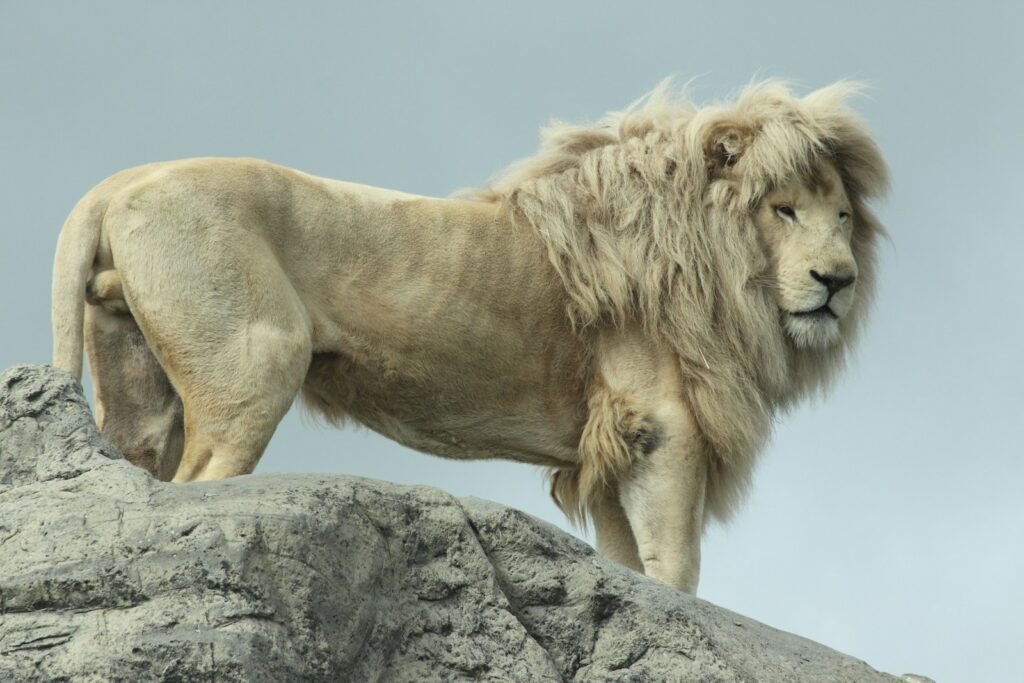

Imagine working tirelessly to save a species from extinction, only to wake up one morning and realize the very animals you fought to protect are now overwhelming their environment. It’s a twist no one expects: conservation efforts that swing so far in the right direction, they tip the balance in the wrong one. Nature, after all, doesn’t always play by human rules. These surprising reversals—where saving animals leads to new ecological headaches—are stirring up heated debates among scientists, park rangers, and animal lovers everywhere. How did we get here, and what happens next when good intentions spiral into ecological chaos?
The Curious Case of White-Tailed Deer in North America
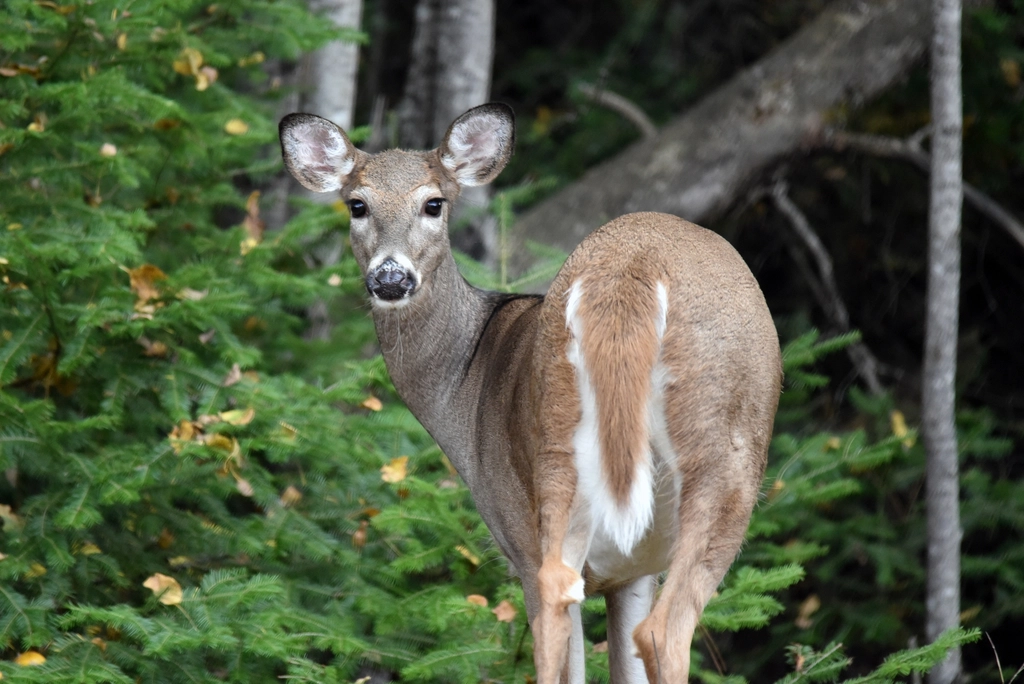
White-tailed deer were once under serious threat, hunted nearly to extinction throughout parts of the United States. Thanks to strict hunting regulations and reforestation, their numbers rebounded dramatically. Today, however, these graceful creatures have become so common in some areas that they’re eating forests bare, destroying young saplings and wildflowers. Suburban neighborhoods now face constant “deer invasions,” with gardens and even car safety threatened. Ecologists worry that unchecked populations will prevent forests from regenerating, affecting countless other species. The success of deer conservation has turned into a struggle to manage their booming numbers. Communities are now grappling with difficult decisions about culling and contraception to restore balance.
Beavers: Nature’s Engineers Gone Rogue

Beavers were nearly wiped out by the fur trade, but conservation laws and reintroduction programs helped restore their populations across Europe and North America. Their return was celebrated, as beavers create wetlands that support biodiversity and improve water quality. However, in some regions, beavers have multiplied so quickly that their dams are flooding farmland and threatening infrastructure. Roads, railways, and even homes have been swamped by water redirected by these industrious rodents. Landowners, once eager to see beavers return, now face costly repairs and tough choices about how to coexist. The beaver’s comeback story shows that even positive changes can have unexpected ripple effects.
Elephants: Giants Reshaping Their Landscapes
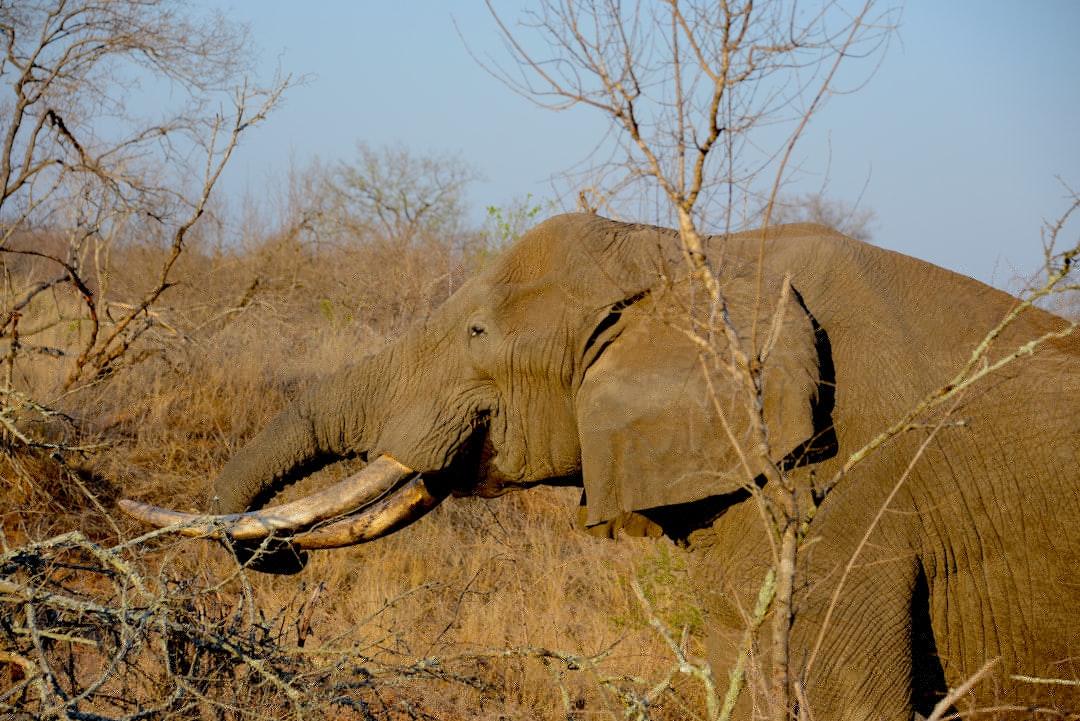
African elephants were driven to the brink by poaching and habitat loss, but determined conservationists fought for their protection. In parks like South Africa’s Kruger National Park, their numbers soared thanks to anti-poaching patrols and strict protections. But without their natural predators and with limited space, elephant populations exploded, leading these giants to strip trees and reshape entire ecosystems. The loss of trees affects birds, insects, and other wildlife, sometimes turning lush woodlands into open grasslands. Park managers, torn between protecting elephants and preserving broader biodiversity, have debated controversial measures like culling or moving entire herds. The story of elephants highlights the difficulty of managing success in closed systems.
Australian Kangaroos: Too Many Hoppers
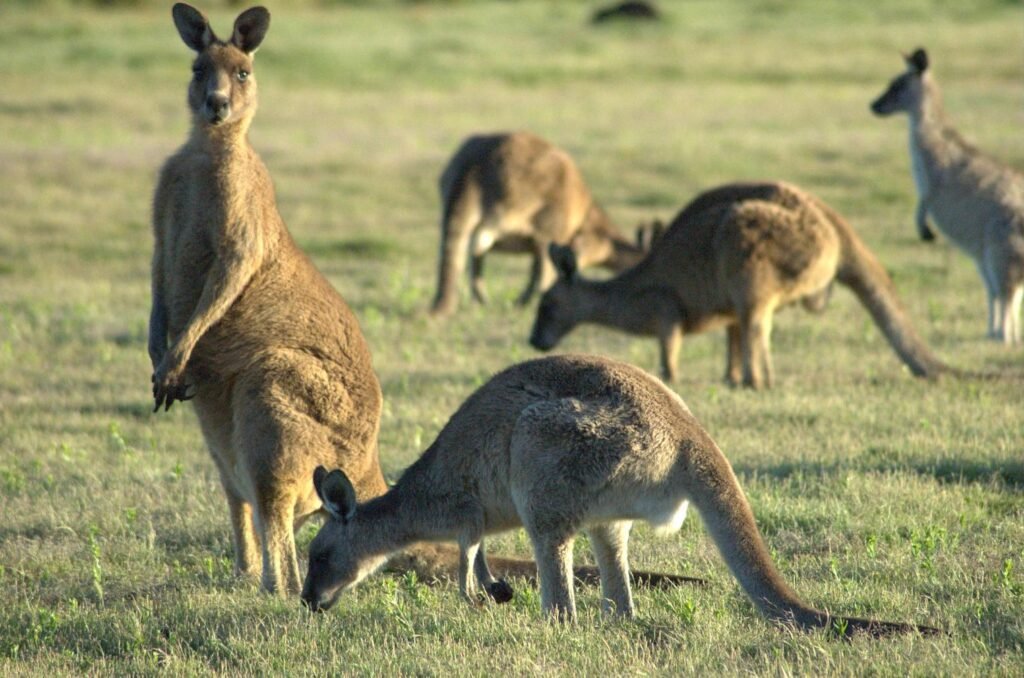
Kangaroos are icons of Australia, but their populations have surged in recent decades, thanks to the elimination of predators and the creation of artificial water sources. These booming numbers might seem like a triumph, but overabundant kangaroos can devastate pastures, compete with livestock, and even cause dangerous traffic accidents. Farmers and conservationists find themselves at odds over how to manage the “kangaroo plague.” Some advocate for commercial harvesting, while others push for non-lethal control. The kangaroo conundrum illustrates how human-altered landscapes can unintentionally favor certain species, turning conservation victories into new management headaches.
Canadian Snow Geese: From Rarity to Raucous Flocks
Once considered uncommon, snow geese populations have exploded, especially in areas where agriculture provides abundant food. Their massive flocks can strip wetlands and farmlands bare, leaving behind a wake of ecological destruction. Conservation measures like hunting restrictions and habitat restoration were so successful that they created a new crisis. The sheer number of snow geese now poses threats to other migratory birds and the delicate Arctic habitats where they breed. Wildlife managers are experimenting with extended hunting seasons and other means to reduce their numbers, but finding the right balance is proving elusive.
Grey Seals: Back From the Brink, Now Stirring Controversy
Grey seals in Europe were once hunted relentlessly, their populations dwindling to dangerous lows. Protection measures brought them roaring back, and now they’re thriving along coastlines from the UK to the Baltic. Fishermen, however, now blame these seals for dwindling fish stocks and damaged fishing gear. The sight of hundreds of seals basking on beaches is both a conservation triumph and a source of economic frustration for coastal communities. Some call for controlled culls, while others advocate for new fishing techniques to reduce conflict. The grey seal’s story is a reminder that conservation sometimes reshapes the relationships between people and wildlife in unexpected ways.
European Bison: From Extinction to Overcrowding
The European bison, or wisent, was extinct in the wild by the early 20th century. Through captive breeding and reintroduction, these massive animals now roam forests in Poland, Belarus, and beyond. While their return is hailed as a conservation miracle, some forests are feeling the strain of too many bison. Overgrazing threatens plant diversity and affects other species that depend on the same habitats. In some regions, managers have had to relocate bison or even consider population control to prevent habitat degradation. The success of the wisent is both inspiring and a fresh management challenge for conservationists.
Wild Boar: Protected, Then Prolific
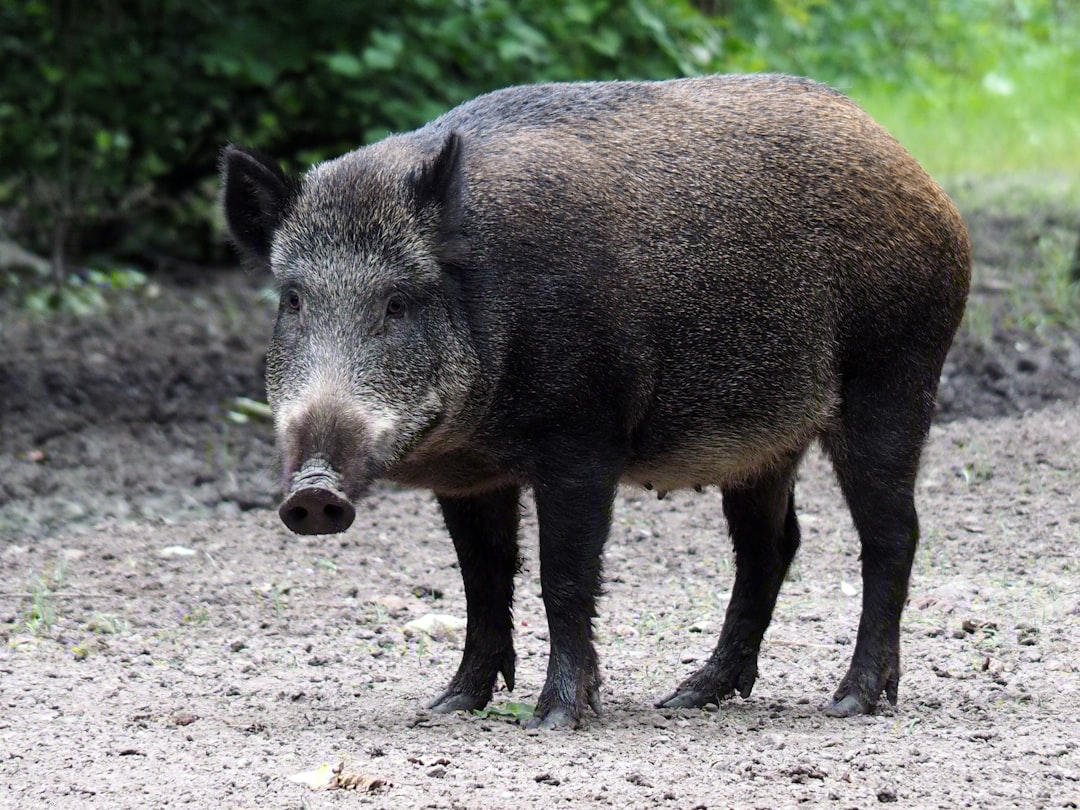
Wild boar have benefited from legal protection and the absence of large predators in parts of Europe and Asia. Their populations have surged, leading to increasing conflicts with farmers and even city dwellers. These clever and adaptable animals dig up crops, gardens, and even sports fields, causing millions in damages each year. Motorists also face new hazards as wild boar wander onto roads in search of food. Conservationists now face the difficult job of balancing protection with population control to avoid further conflicts. Wild boar are a striking example of how quickly a conservation success can become a widespread problem.
Sea Lions: A Comeback with Complications
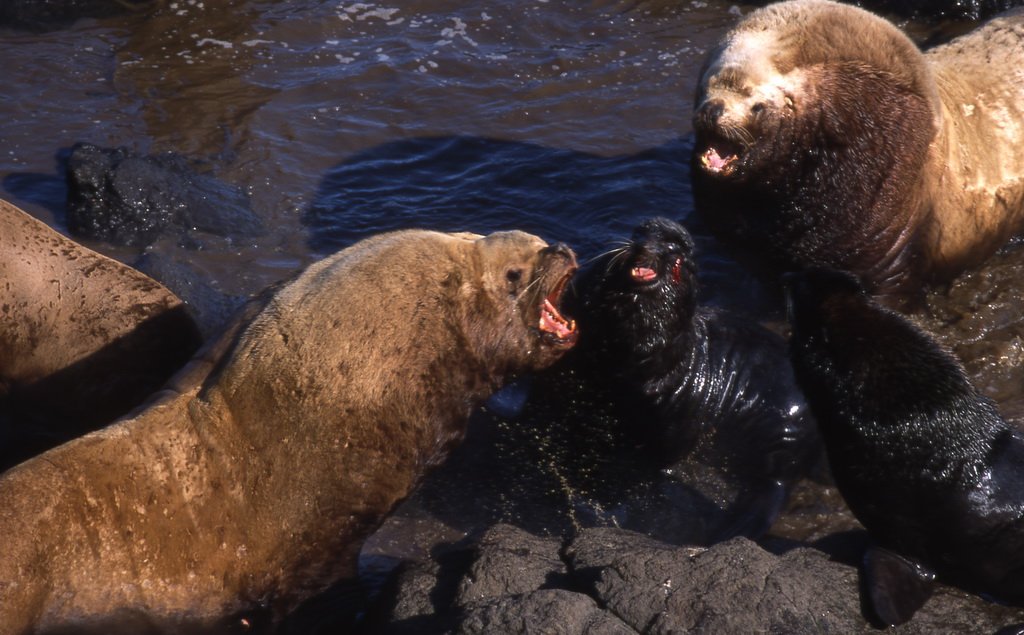
Sea lion populations, once pushed to the brink by hunting and pollution, have rebounded along the Pacific coasts of North and South America. Their return has delighted tourists and marine biologists, but created headaches for fishermen and port operators. Sea lions, now thriving in record numbers, compete with commercial fisheries for valuable fish stocks and sometimes raid fishing gear directly. In some harbors, their sheer numbers cause noise, mess, and even safety concerns. Debates rage over how to manage these charismatic marine mammals while preserving the successes of decades-long conservation efforts.
Canada Geese: From Migratory Marvels to Urban Nuisances
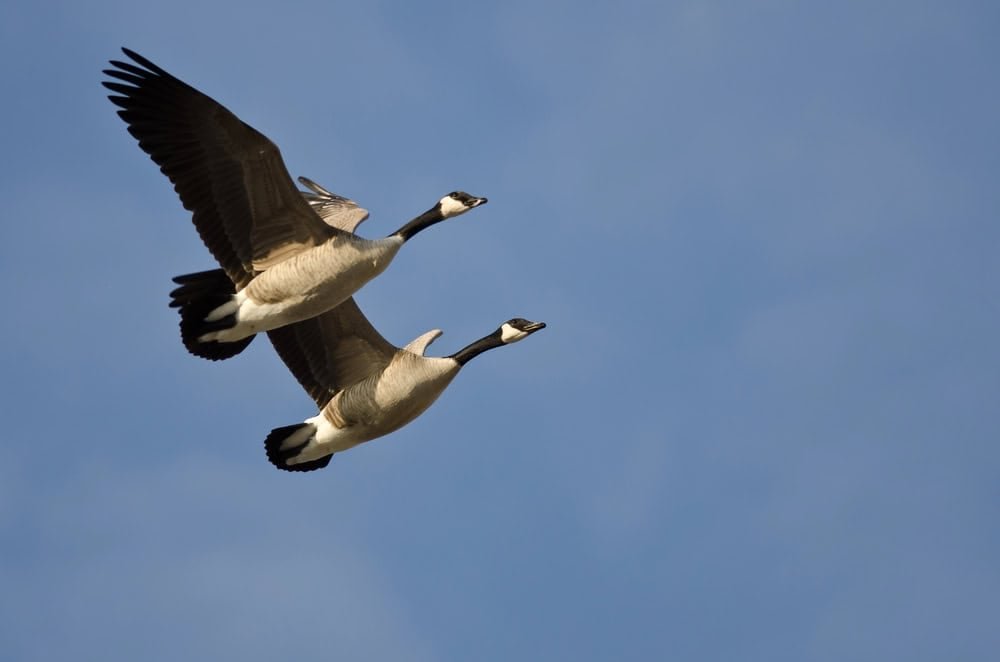
Canada geese were once migratory wonders, heralding the changing seasons. Now, thanks to protection and plentiful urban green spaces, these birds have settled year-round in parks, golf courses, and suburban lakes. Their droppings foul water and grass, and aggressive behavior during nesting season can make them unwelcome neighbors. Municipalities employ creative deterrents, from trained dogs to laser beams, but the geese persist. The story of Canada geese highlights how conservation can collide with urban life in surprising and sometimes comical ways.
A Balancing Act: Lessons from Nature’s Rebounds
When conservation works too well, nature reminds us that every action has complex consequences. Overabundant species can disrupt ecosystems, threaten other wildlife, and spark conflict with humans. The challenge is to find new ways to manage success—whether through controlled culling, contraception, or habitat adjustments—without losing sight of the original goal: maintaining healthy, balanced ecosystems. As we celebrate the return of once-vanishing animals, we must also accept the responsibility of managing their numbers wisely. How far should we go to keep nature in balance, and what risks are we willing to take for the sake of restoration?